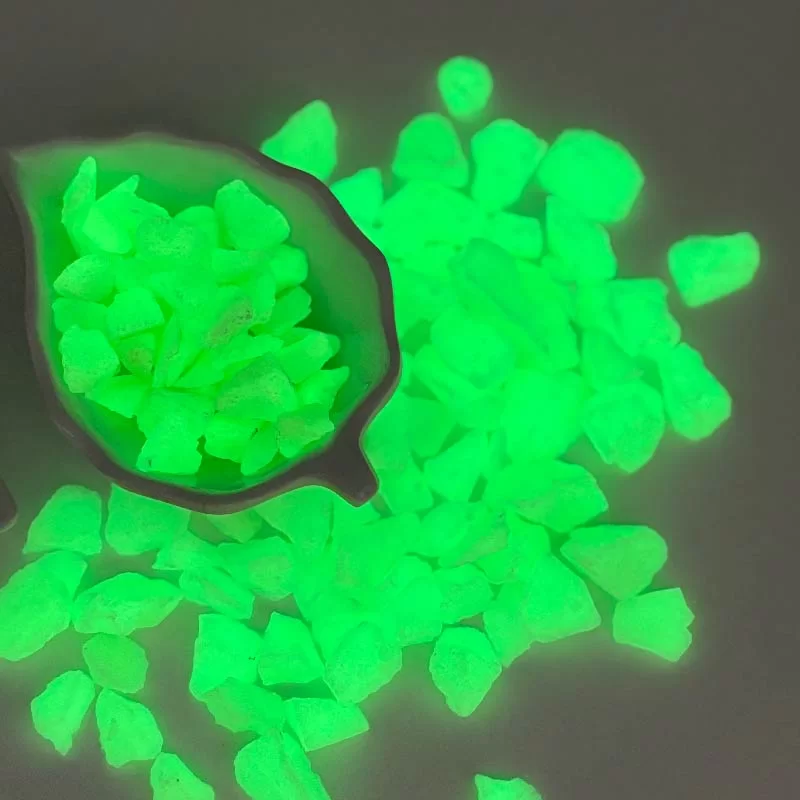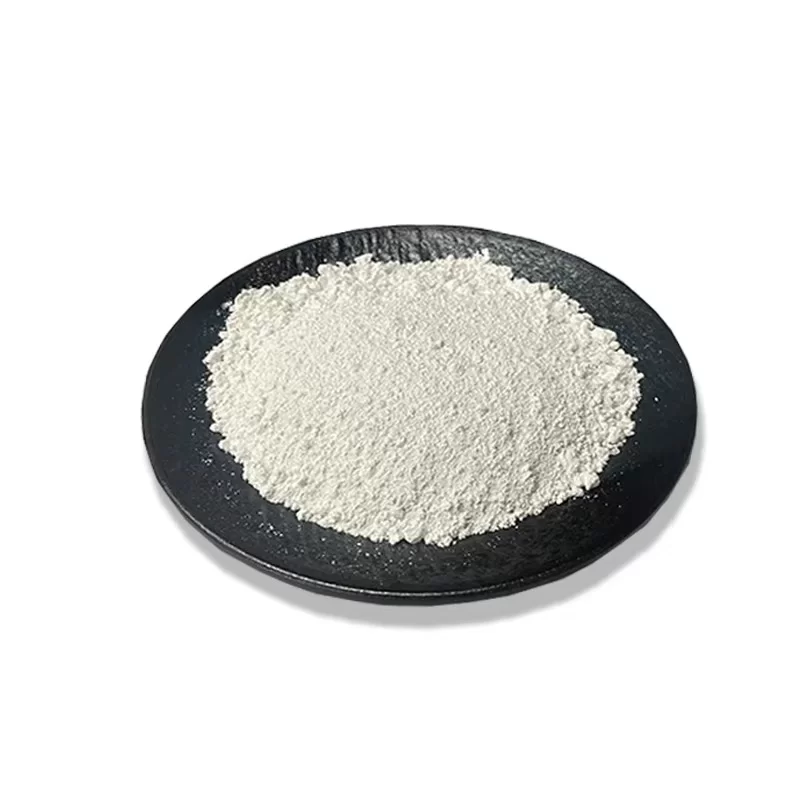
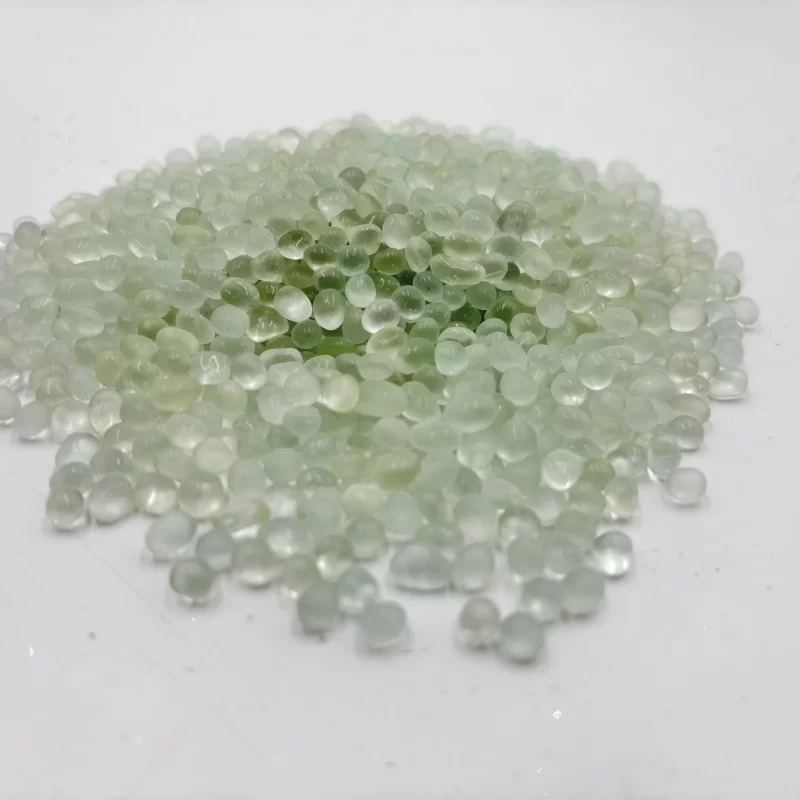

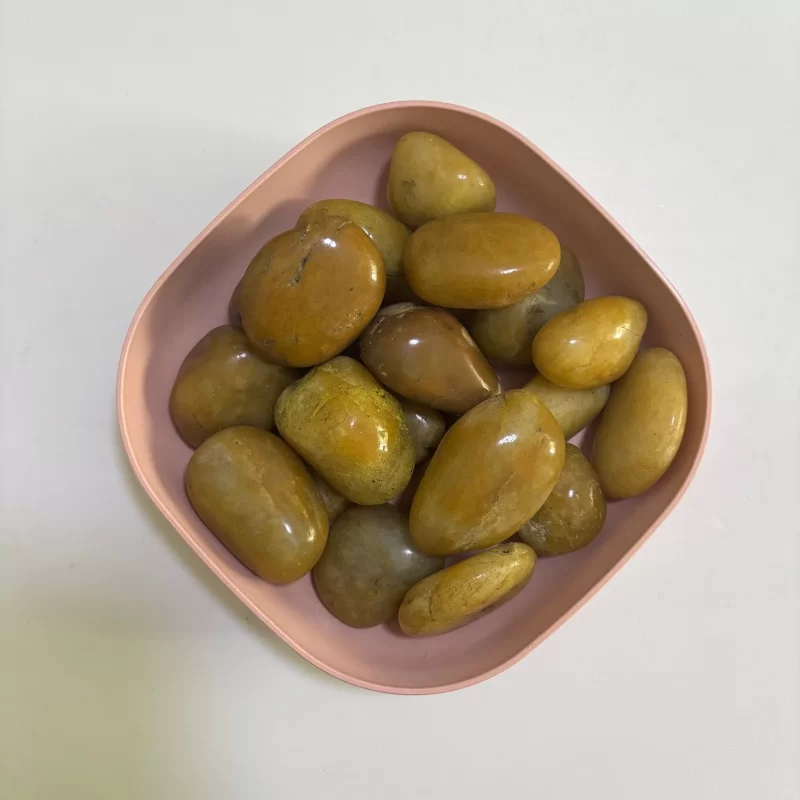
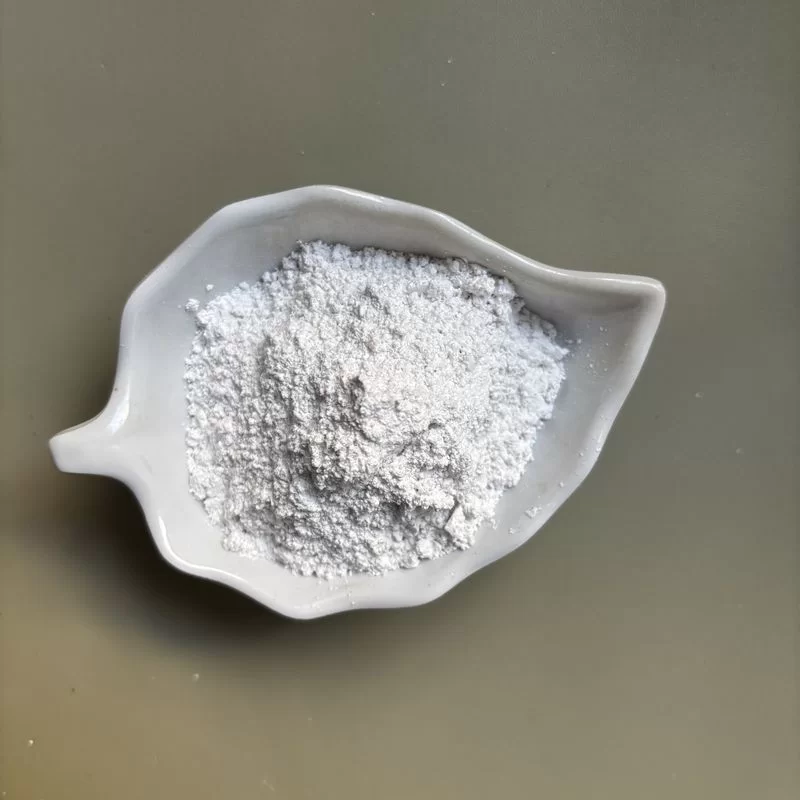
The Japanese landscaping market is characterized by a rigorous demand for purity and specific grain sizes. Currently, the reliance on polar white stones is driven by the enduring popularity of Karesansui (dry landscape) gardens, which require minerals that maintain brilliance despite Japan's high humidity and seasonal precipitation.
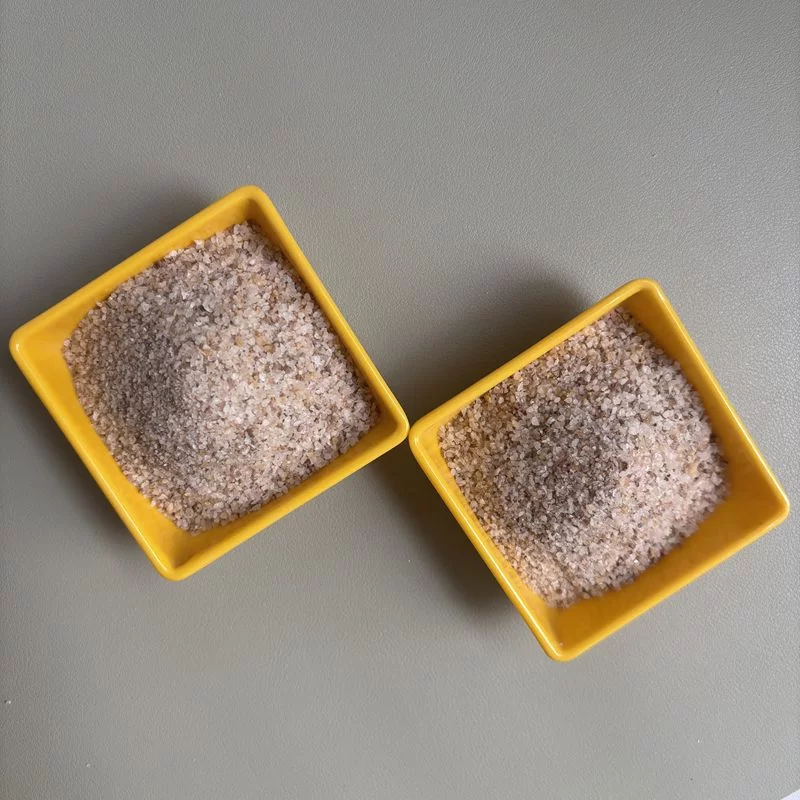
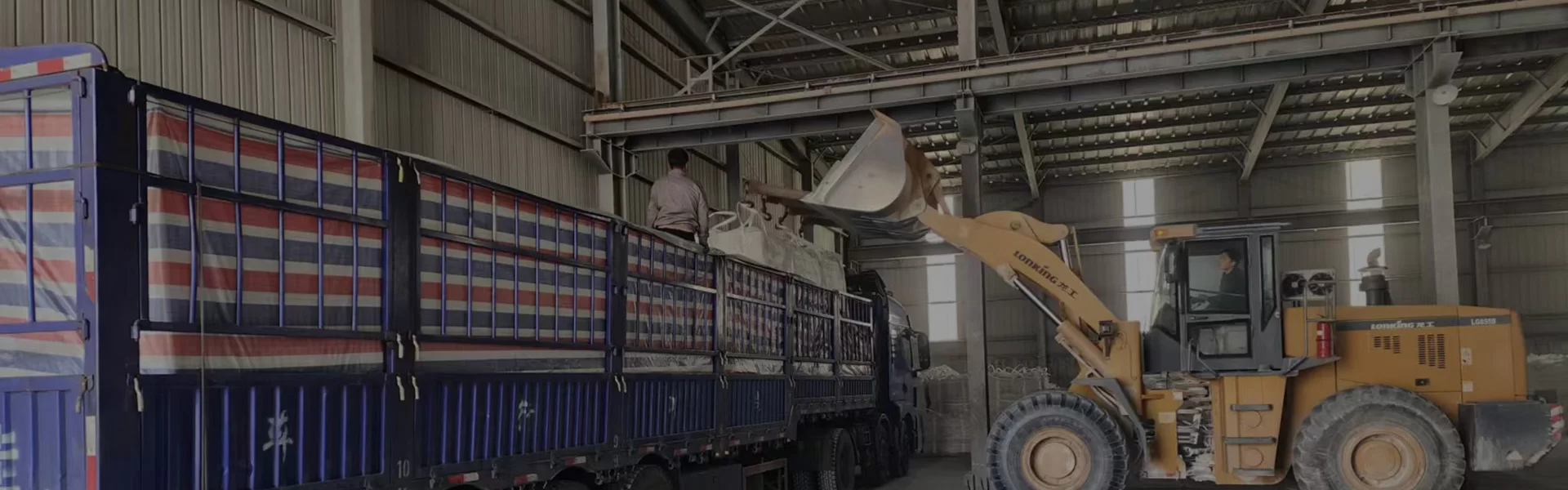
From an industrial perspective, the extraction of clay and sand in Japan faces strict environmental regulations and land-use constraints. This has shifted the market toward high-efficiency, sustainable mining practices and a growing dependence on imported premium aggregates that meet the JIS (Japanese Industrial Standards) for purity and stability.
Economically, there is a surge in demand for garden stones for sale that offer both ecological benefits and aesthetic longevity, reflecting a broader trend toward sustainable urban greening in cities like Tokyo and Osaka.