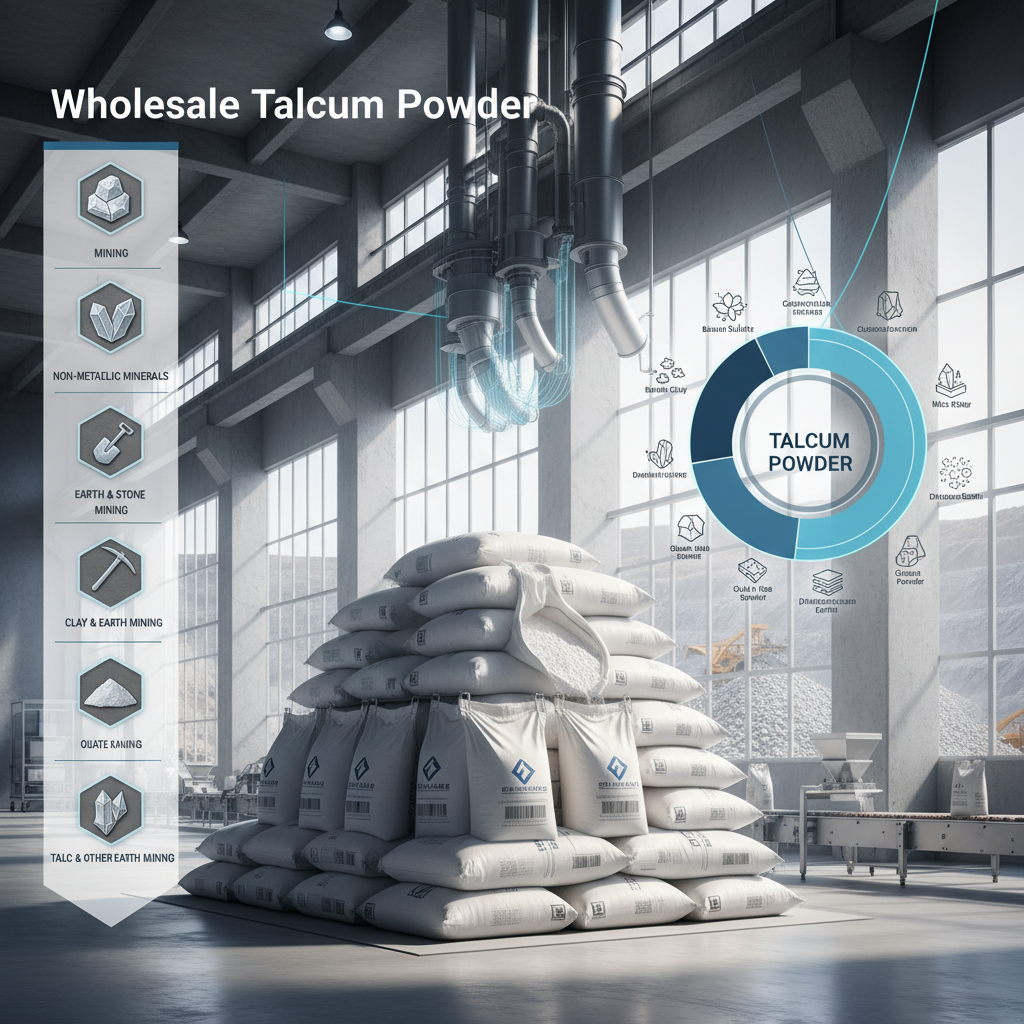
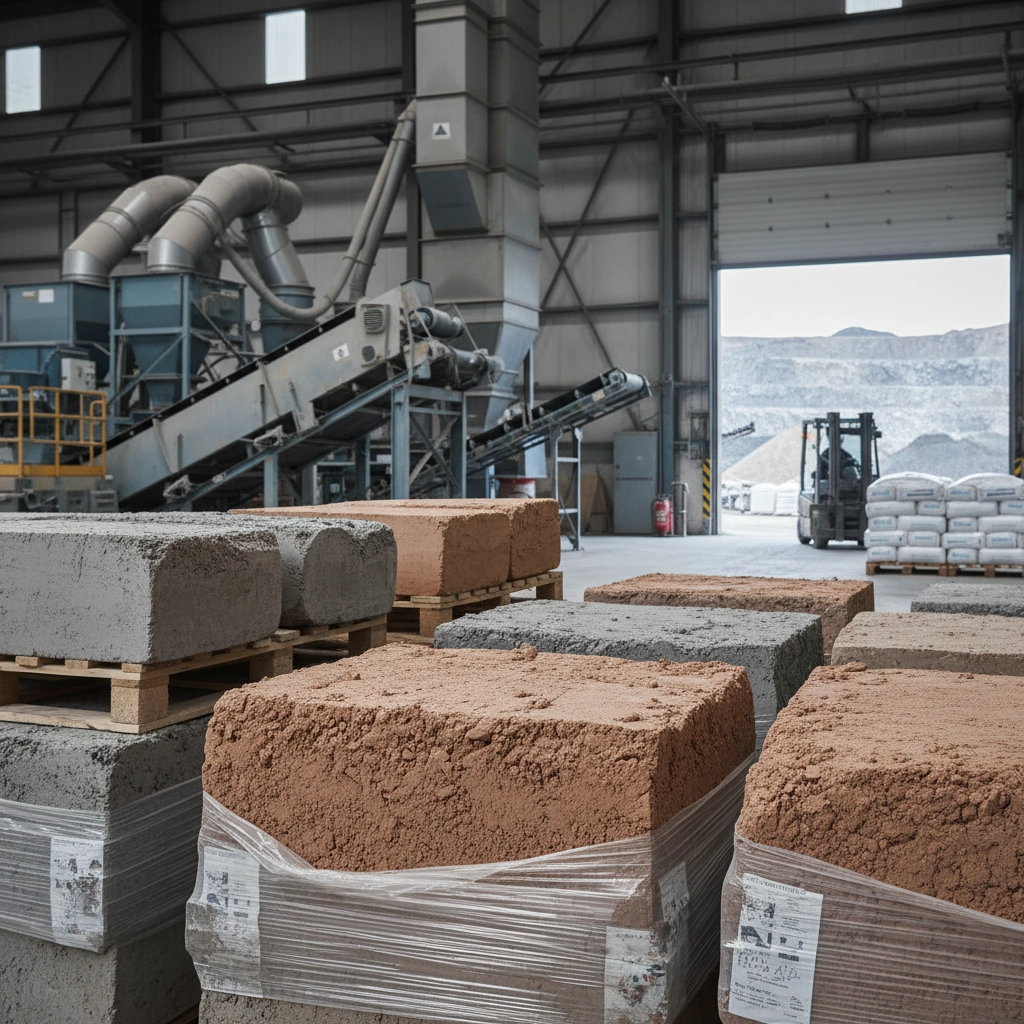
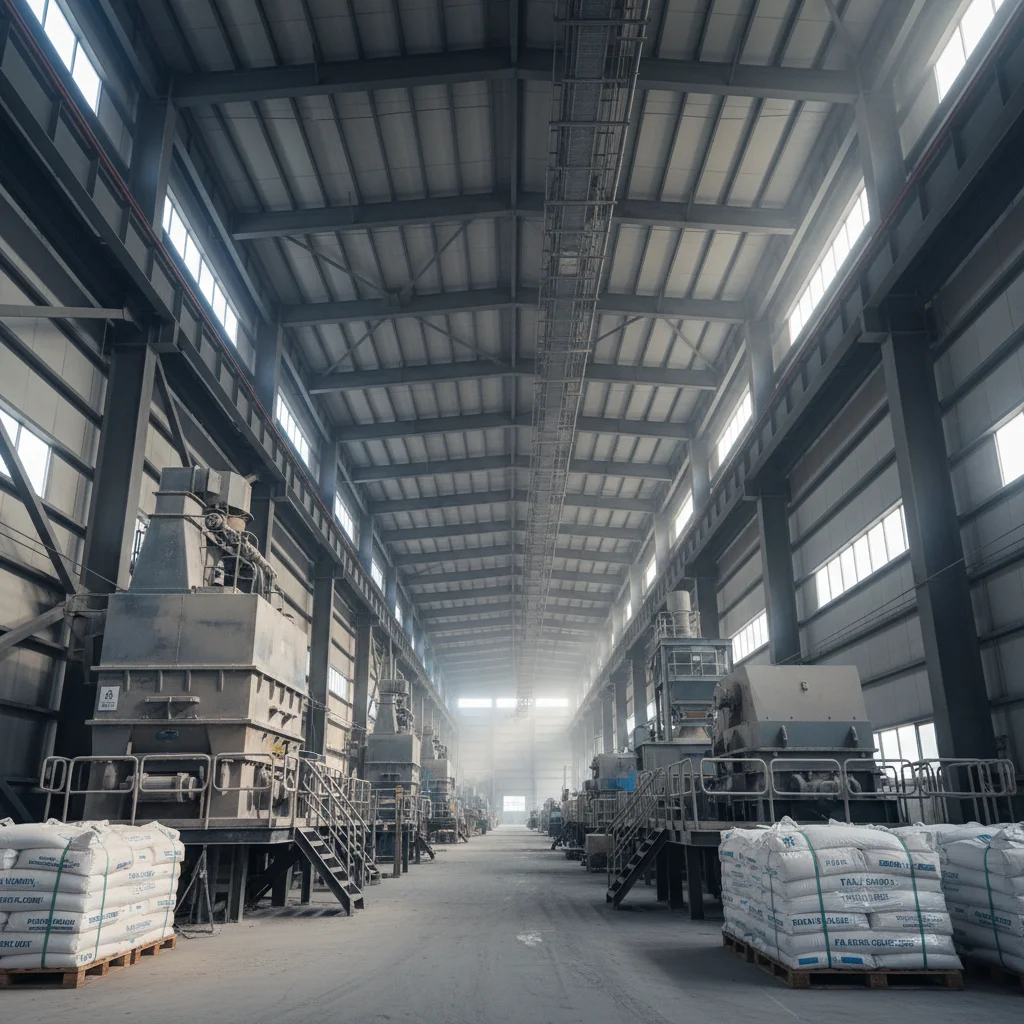
The global industrial landscape relies heavily on high-purity mineral fillers to ensure product stability and performance. Among these, the demand for Wholesale talcum Powder has surged due to its unique lamellar structure and chemical inertness, making it indispensable across sectors ranging from cosmetics to automotive polymers. Understanding the nuances of talc sourcing and grading is essential for manufacturers seeking to balance cost-efficiency with stringent quality standards.
From a commercial perspective, procuring Wholesale talcum Powder allows enterprises to stabilize their supply chains against market volatility. As industries shift toward more sustainable and high-performance materials, the ability to source talc that meets specific mesh sizes and purity levels becomes a competitive advantage, directly impacting the tensile strength and heat resistance of the final industrial goods.
Whether it is used as a lubricant, a filler in plastics, or a base for pharmaceutical powders, the versatility of talc is unmatched. By analyzing the current trends in the non-metallic mining industry, it becomes clear that the strategic acquisition of bulk talc is not merely a procurement task but a critical component of material science innovation and operational scalability in the modern global economy.
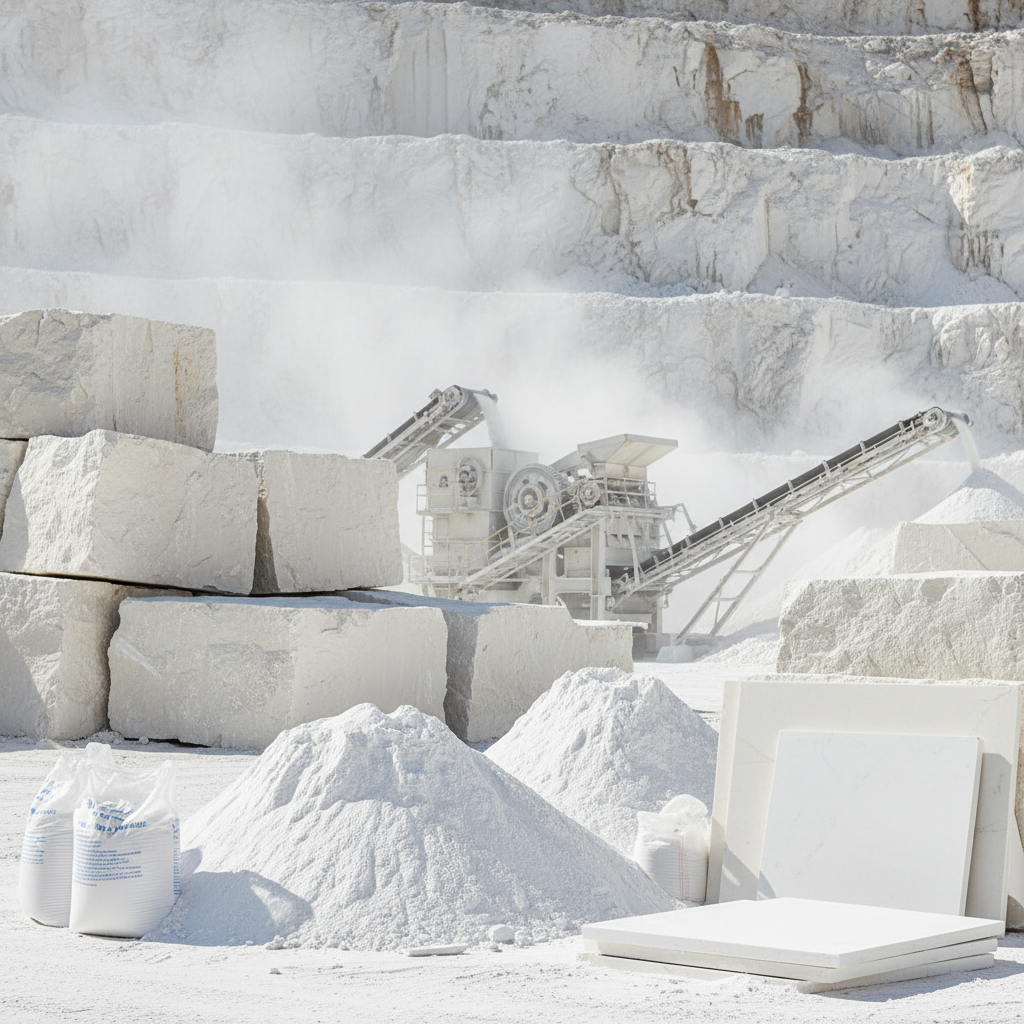
Global Industry Context of Wholesale talcum Powder
The global market for Wholesale talcum Powder is intrinsically linked to the growth of the construction and automotive sectors. According to industrial mineral reports and ISO quality benchmarks, the demand for magnesium silicate—the primary component of talc—continues to rise as emerging economies invest heavily in infrastructure and lightweight vehicle components.
However, the industry faces a significant challenge in maintaining purity and consistency across large-scale shipments. The volatility of mineral deposits means that without rigorous screening and processing, bulk talc can vary in whiteness and particle size, which can jeopardize the integrity of high-end polymer composites or pharmaceutical formulations.
Defining High-Grade Wholesale talcum Powder
In simple technical terms, Wholesale talcum Powder refers to the bulk distribution of finely ground talc mineral, processed to remove impurities and standardized to specific particle size distributions. Unlike retail-grade powders, wholesale industrial talc is graded based on its chemical purity (MgO content) and its physical properties, such as brightness and oil absorption capacity.
The connection to modern industry is profound; talc acts as a "functional filler." In the plastics industry, for example, it is not merely a cost-reducing additive but a performance enhancer that increases stiffness and reduces thermal expansion. This makes the availability of high-quality bulk talc a cornerstone for the production of durable consumer electronics and automotive dashboards.
Furthermore, the humanitarian and healthcare sectors rely on medical-grade wholesale talc for absorbent powders and surgical gloves. The ability to produce talc that is free from contaminants is not just a matter of industrial efficiency but a necessity for safety and public health, driving the need for advanced purification technologies in the mining sector.
Core Technical Components of Talc Quality
One of the most critical factors in Wholesale talcum Powder is its chemical purity. The presence of unwanted minerals, such as quartz or carbonates, can alter the chemical reactivity of the powder, potentially leading to corrosion in metallic applications or discoloration in white plastics.
Particle size distribution (PSD) is equally vital. For Wholesale talcum Powder, a consistent mesh size ensures that the material blends uniformly into resins. A narrow PSD prevents "clumping" and ensures that the mechanical properties, such as impact strength, remain consistent across different production batches.
Finally, the aspect ratio of the talc platelets determines its effectiveness as a reinforcement agent. High-aspect-ratio particles provide better structural reinforcement in composites, which is why premium Wholesale talcum Powder is often prized for its ability to improve the dimensional stability of molded parts.
Industrial Applications and Scalability
The application of Wholesale talcum Powder spans across diverse global regions. In Southeast Asia and China, it is extensively used in the production of ceramics and paints to improve opacity and weather resistance. In North America and Europe, the focus is often on high-performance polymers for the aerospace and automotive industries.
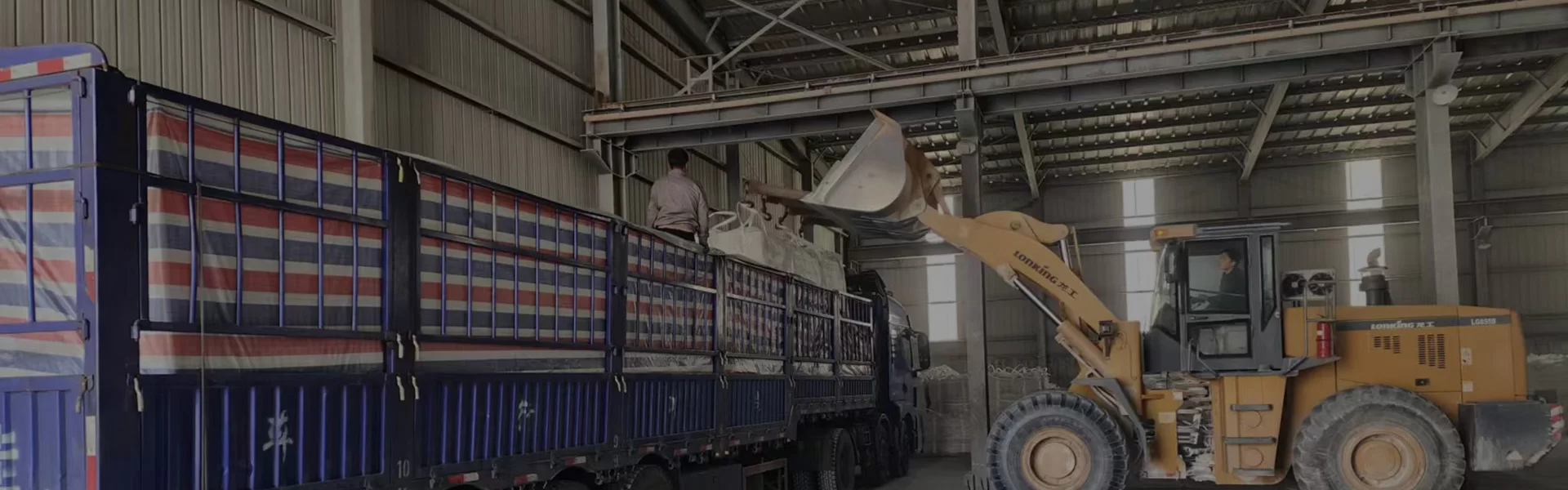
For instance, in remote industrial zones specializing in heavy machinery, bulk talc is utilized as a dry lubricant to prevent friction in high-temperature environments. Its hydrophobic nature makes it an ideal choice for protecting metal surfaces from moisture-induced corrosion during long-term storage and transport.
Performance Metrics of Different Talc Processing Methods
Strategic Advantages of Bulk Procurement
Opting for Wholesale talcum Powder provides significant cost advantages through economies of scale. By purchasing in bulk, manufacturers can reduce the per-unit cost of raw materials, allowing them to invest more in R&D or lower the final price for the end consumer, thereby increasing market share.
Beyond the financial logic, bulk sourcing fosters a reliable partnership with mining suppliers. This trust ensures that the material consistency is maintained over long periods, which is critical for industries where a slight shift in talc whiteness could lead to the rejection of an entire batch of painted automotive parts.
Future Innovations in Talc Processing
The future of Wholesale talcum Powder is being shaped by the drive toward "Green Mining." New automation technologies are allowing for more precise extraction, reducing the waste associated with overburden removal and minimizing the environmental footprint of talc quarries.
Digital transformation is also playing a role. Blockchain is being explored to provide full traceability for bulk minerals, ensuring that Wholesale talcum Powder is sourced from ethically managed mines that adhere to fair labor practices and environmental regulations.
Moreover, the development of surface-treated talc—where the powder is coated with organic molecules—is expanding its utility. These innovations allow the talc to bond more effectively with synthetic resins, further enhancing the mechanical properties of sustainable bioplastics.
Challenges and Quality Control Solutions
One of the primary challenges in the Wholesale talcum Powder market is the risk of contamination. Natural deposits often contain trace amounts of asbestos-like minerals, which can pose serious health risks. Overcoming this requires rigorous XRD (X-Ray Diffraction) testing and stringent certification processes.
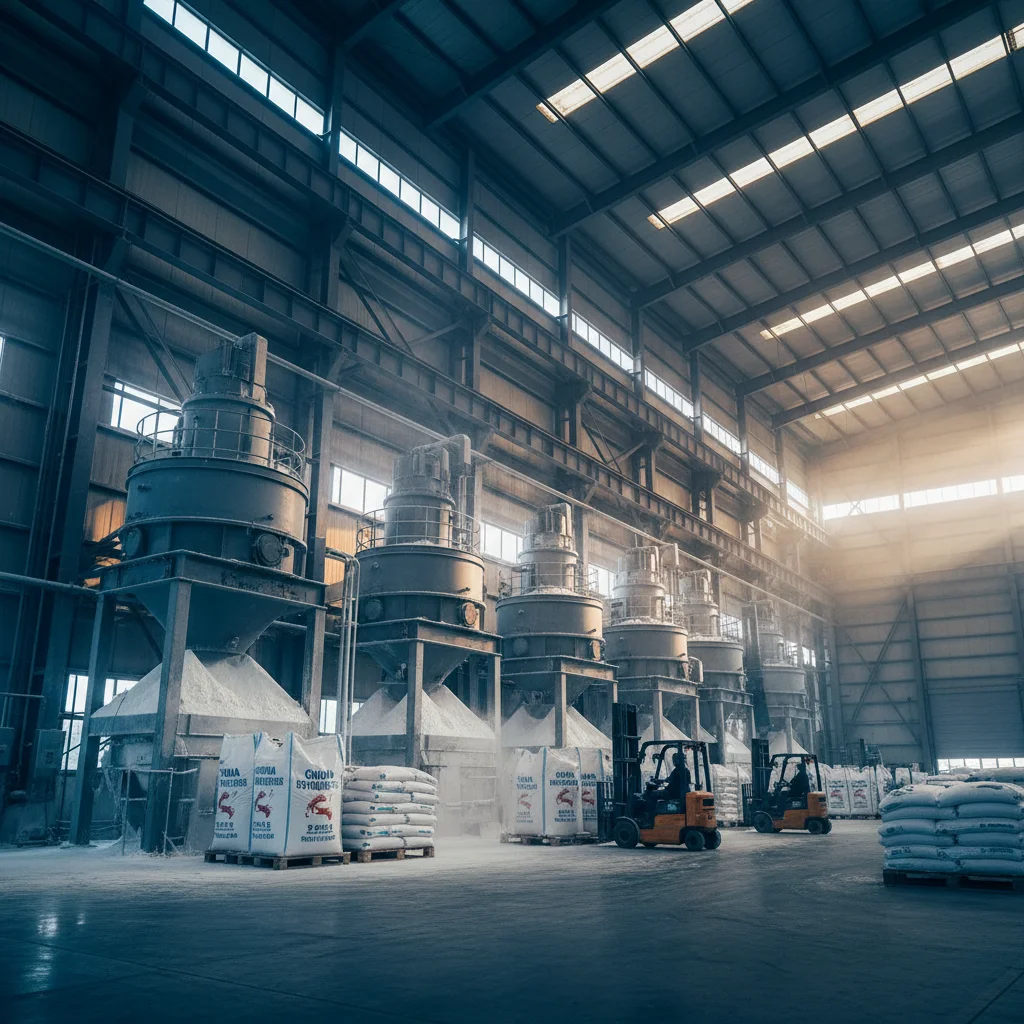
Logistical degradation is another hurdle. Bulk powder can clump during ocean transit due to humidity. To solve this, industry leaders are implementing vacuum-sealed packaging and moisture-controlled shipping containers to ensure the powder remains free-flowing upon arrival.
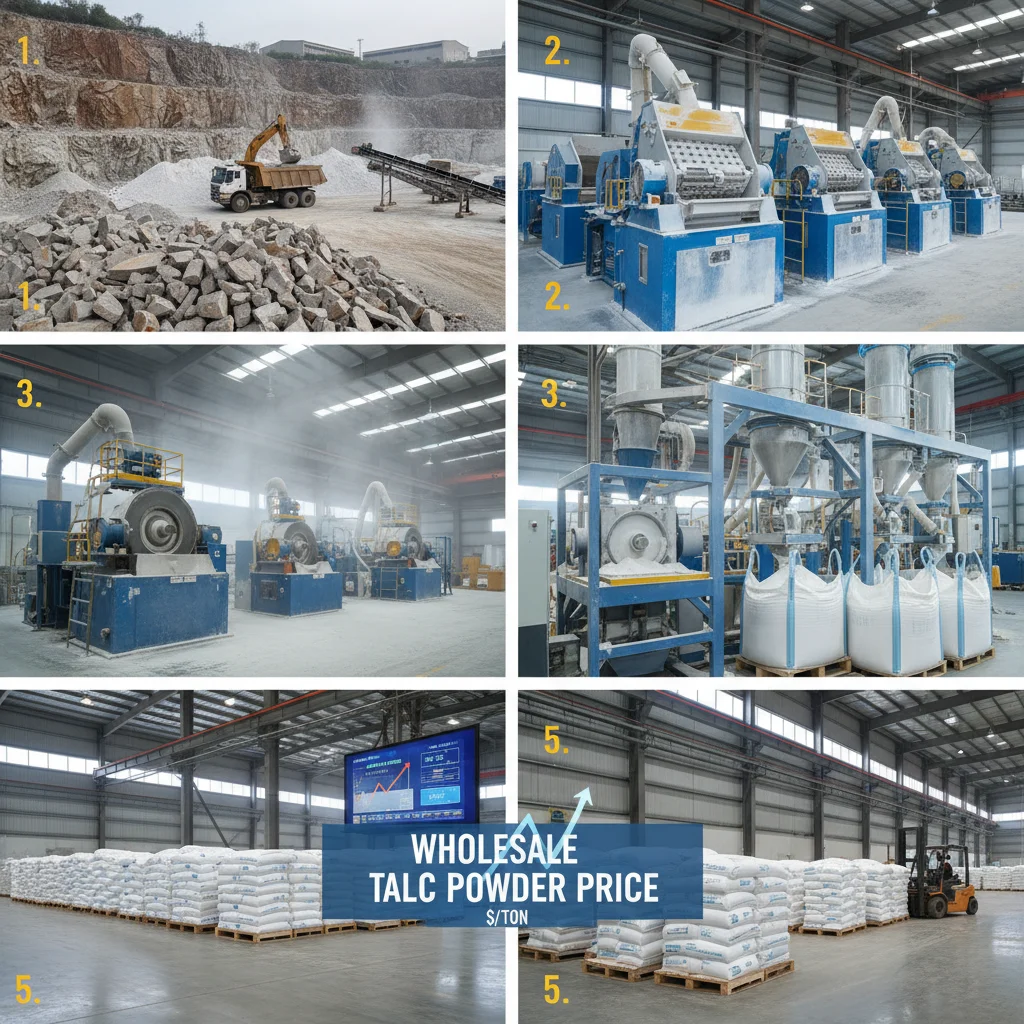
Expert insights suggest that the shift toward integrated supply chains—where the processor and the wholesaler are the same entity—is the most effective way to maintain quality. This vertical integration allows for real-time monitoring from the mine face to the final delivery.
Comparison of Quality Control Standards for Bulk Talc
| Analysis Dimension |
Industrial Grade |
Cosmetic Grade |
Pharmaceutical Grade |
| Purity Requirement |
Moderate (85-95%) |
High (98%+) |
Ultra-High (99.9%) |
| Particle Size |
Variable (10-100μm) |
Fine (2-20μm) |
Ultra-Fine (<10μm) |
| Whiteness Level |
Acceptable |
Superior |
Absolute White |
| Contaminant Testing |
Basic Screening |
Strict XRD/ICP |
Multi-Stage Validation |
| Packaging Method |
Jumbo Bags |
Lined Bags |
Sterile Containers |
| Cost Efficiency |
Maximum |
Balanced |
Premium Cost |
FAQS
Sourcing Wholesale talcum Powder significantly reduces the raw material cost per kilogram, which is essential for high-volume manufacturing. Additionally, bulk contracts typically include quality assurance agreements that ensure the chemical and physical properties of the talc remain consistent across multiple shipments, reducing production downtime and waste caused by material variability.
Verification typically involves requesting a Certificate of Analysis (COA) for each batch. For industrial-grade Wholesale talcum Powder, you should look for X-Ray Diffraction (XRD) results to ensure the absence of asbestos and Inductively Coupled Plasma (ICP) testing to check for heavy metal contamination. Independent third-party sampling during loading is also recommended.
Yes, professional wholesalers can customize the mesh size (fineness) and surface treatment of the powder. For example, if you are using talc in epoxy resins, you can request a specific particle size distribution to optimize the viscosity of your mixture. Some suppliers also offer stearic acid coating to improve the hydrophobicity of the Wholesale talcum Powder.
Talc is a chemically inert mineral, meaning it does not "expire" in the traditional sense. However, when stored as Wholesale talcum Powder, the primary concern is moisture absorption and clumping. If stored in a cool, dry environment in moisture-proof jumbo bags, talc can be stored indefinitely without loss of chemical properties.
Integrating Wholesale talcum Powder into plastics acts as a reinforcing filler. Because of its plate-like structure, it increases the flexural modulus (stiffness) and the heat deflection temperature of the polymer. This allows manufacturers to create thinner, lighter parts that maintain the same strength as thicker, unreinforced plastic components.
The most critical factor is preventing moisture ingress. Ensuring that containers are sealed and that jumbo bags are lined with polyethylene is vital. Furthermore, because Wholesale talcum Powder is a fine mineral, proper stowage is required to prevent shifting during transit, which ensures the safety of the vessel and the integrity of the packaging.
Conclusion
In summary, the strategic procurement of Wholesale talcum Powder is a critical lever for industrial efficiency and product innovation. By focusing on chemical purity, precise particle size distribution, and ethical sourcing, manufacturers can significantly enhance the performance of their products while optimizing operational costs. The synergy between advanced mining technology and rigorous quality control ensures that talc remains a cornerstone of modern material science.
Looking ahead, the industry will likely see a deeper integration of sustainable extraction methods and digital traceability. For companies aiming to lead in the automotive, cosmetic, or construction sectors, establishing a partnership with a transparent and technically proficient talc supplier is no longer optional—it is a necessity for long-term viability. We invite you to explore our high-grade mineral solutions to elevate your production standards. Visit our website: www.fesmining.com