The industrial demand for high-performance mineral materials has led to a significant increase in the search for reliable sources of Wholesale lightweight Fire Insulation Material. In the context of modern construction and industrial casting, the ability to manage thermal energy and ensure structural integrity under extreme heat is paramount for safety and operational efficiency. Understanding the synergy between raw mineral purity and application-specific requirements is the first step toward optimizing industrial output.
From a global perspective, the procurement of specialized minerals like high-purity silica sand is often categorized under the broader need for Wholesale lightweight Fire Insulation Material due to its role in refractory environments. Whether used in water filtration to ensure public health or in foundries to create heat-resistant molds, the chemical stability and physical hardness of these materials determine the lifespan of the equipment and the quality of the end product.
For businesses looking to scale their operations, sourcing Wholesale lightweight Fire Insulation Material involves balancing cost-effectiveness with strict technical specifications. By utilizing materials with a SiO₂ content of 99% or higher, industries can ensure that their filtration systems and casting cores remain durable, inert, and capable of withstanding the most demanding industrial stresses.

Global Relevance of High-Purity Silica as Insulation Material
On a global scale, the demand for materials that can withstand extreme temperatures is driven by the expansion of the metal casting and water treatment sectors. In many developing industrial hubs, the search for Wholesale lightweight Fire Insulation Material focuses on minerals that provide a high melting point and chemical inertness. High-purity quartz sand, with its SiO₂ content exceeding 99%, serves as a critical base for these applications, ensuring that molds in foundries do not collapse under the weight of molten metal.
Furthermore, international standards such as ISO guidelines emphasize the need for consistent particle size and low iron content (Fe₂O₃ ≤ 0.02%) to prevent contamination in sensitive industrial processes. This global push for quality has made the wholesale procurement of these materials a strategic priority for engineering firms and municipal water plants alike, who require reliability to maintain safety protocols and operational uptime.
Technical Definition and Industrial Meaning
In technical terms, the concept of Wholesale lightweight Fire Insulation Material in the context of silica sand refers to the bulk acquisition of high-silica mineral aggregates used to create thermal barriers or heat-resistant molds. Unlike traditional soft insulators, these materials provide structural stability and abrasion resistance, categorized by a Mohs hardness of 7, which is essential for the rigorous environment of a foundry.
This material is not merely a filler but a functional engineered mineral. Its meaning in modern industry is tied to its ability to remain chemically inert when exposed to most acids and alkalis. This ensures that when it is used as a filter medium or a casting base, it does not react with the fluids or metals it is meant to process, thereby preserving the purity of the final product.
Ultimately, the industrial meaning of such materials centers on the intersection of cost-efficiency and performance. By sourcing in bulk, companies can implement large-scale water purification systems or mass-production casting lines without compromising the technical integrity required for high-temperature fire insulation and filtration.
Core Components of High-Performance Thermal Media
The effectiveness of Wholesale lightweight Fire Insulation Material is primarily determined by its chemical purity. A high SiO₂ concentration ensures that the material can withstand thermal shock without cracking, which is a non-negotiable requirement for industrial furnaces and metal casting cores.
Another core component is the grain size distribution. Whether the application requires 20-40 mesh for coarse filtration or 40-80 mesh for finer precision, the uniformity of the Wholesale lightweight Fire Insulation Material ensures consistent permeability and structural support in molding.
Finally, physical durability, measured by the Mohs scale, prevents the material from breaking down during the agitation of water filtration or the pressure of casting. This durability allows the Wholesale lightweight Fire Insulation Material to be reused or maintain its shape over long operational cycles.
Practical Applications in Modern Industry
The practical application of these minerals is most evident in water treatment plants, where they serve as the primary media for potable water and sewage systems. By utilizing the high purity of the silica, plants can effectively remove impurities from water, ensuring that the media remains chemically stable and does not leach contaminants into the water supply.
In the foundry sector, these materials are indispensable for creating cores and molds for both ferrous and non-ferrous castings. The high melting point allows the sand to support molten metal without fusing, providing the precise geometry required for complex automotive or aerospace components.
Performance Comparison of Wholesale lightweight Fire Insulation Material Types
Long-Term Value and Sustainable Advantages
The long-term value of investing in high-quality mineral media lies in the reduction of replacement costs and system downtime. Because high-purity silica is resistant to chemical erosion, filtration beds last longer, and foundry molds require less frequent corrective measures, leading to a more sustainable production cycle.
From a social and safety perspective, the reliability of these materials ensures that water treatment facilities can consistently provide clean water to populations and that industrial plants avoid hazardous failures caused by mold collapse. This reliability builds trust between manufacturers and their end-users, fostering long-term industrial growth.
Future Innovations in Mineral Insulation
Looking ahead, the integration of digital monitoring in water filtration and casting is changing how we use mineral media. Future systems will likely use sensors to detect the degradation of the silica bed in real-time, allowing for precision maintenance of the Wholesale lightweight Fire Insulation Material without requiring full system shutdowns.
Sustainability is also driving the development of recycled mineral aggregates. While high-purity virgin silica remains the gold standard for critical applications, new processing techniques are emerging to purify used foundry sand, reducing the environmental impact of mining and aligning with global green energy policies.
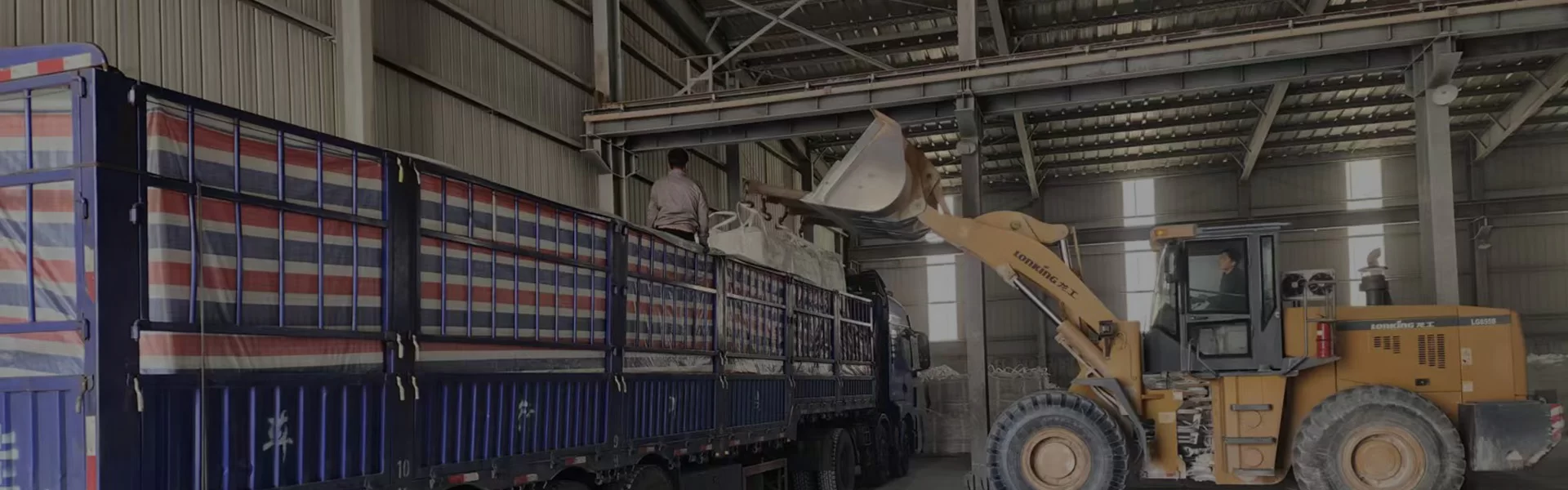
Furthermore, the move toward automation in logistics—such as the use of 1-ton jumbo bags and optimized containerized shipping—is making the distribution of these heavy minerals more efficient, reducing the carbon footprint associated with the transport of bulk industrial materials.
Challenges and Expert Solutions for Bulk Sourcing
One of the primary challenges in bulk sourcing is maintaining consistency across large shipments. Variations in particle size or iron content can lead to filtration failure or casting defects. To solve this, expert suppliers implement rigorous quality control checks, ensuring that every batch meets the SiO₂ ≥ 99% threshold before shipping.
Logistical hurdles, especially when dealing with 25kg to 1-ton packaging, can also impact the total cost of ownership. The solution lies in strategic planning and the use of flexible packaging that matches the client's handling equipment, ensuring that the material is delivered without contamination or loss.
Finally, navigating the complexities of international shipping requires expertise in customs and containerization. By partnering with suppliers who offer consistent quality and reliable shipping, companies can mitigate the risk of project delays and ensure a steady supply of essential mineral materials for their operations.
Technical Analysis of Bulk Silica Sand for Industrial Use
| Application Segment |
Key Requirement |
Recommended Mesh |
Stability Score (1-10) |
| Potable Water Plants |
Chemical Inertness |
40-80 Mesh |
10 |
| Industrial Foundries |
Thermal Resistance |
20-40 Mesh |
9 |
| Sewage Treatment |
Abrasion Resistance |
10-30 Mesh |
8 |
| Swimming Pool Filters |
High Purity |
20-40 Mesh |
9 |
| Non-Ferrous Casting |
Low Iron Content |
Custom Range |
10 |
| General Construction |
Cost Efficiency |
Bulk Mixed |
7 |
FAQS
High-purity quartz sand, often sought in Wholesale lightweight Fire Insulation Material contexts, is ideal because of its SiO₂ content (≥99%). This provides an incredibly high melting point and excellent chemical stability, ensuring that the material does not react or decompose when exposed to the extreme temperatures found in industrial foundries and metal casting processes.
The most popular standards are 20-40 mesh and 40-80 mesh. The 20-40 mesh is often used for primary filtration to catch larger particles, while 40-80 mesh is used for finer polishing of the water. The choice depends on the specific turbidity levels of the incoming water and the required purity of the output.
Yes, Common Quartz Filter Sand is chemically inert and resistant to most acids and alkalis, with the sole exception of hydrofluoric acid. This makes it exceptionally durable for long-term use in wastewater treatment and industrial filtration where corrosive chemicals may be present in the fluid stream.
With a Mohs scale rating of 7, this material possesses exceptional hardness. In water filtration, this prevents the grains from rubbing against each other and breaking down into "fines," which would otherwise clog the system. In foundries, it ensures the mold maintains its shape and integrity against the pressure of molten metal.
To support bulk requirements, the material is available in flexible packaging including 25kg bags, 50kg bags, and 1-ton jumbo bags. This allows clients to choose the option that best fits their onsite handling capabilities and logistical constraints, ensuring efficient unloading and storage.
Absolutely. Due to its high purity and chemical stability, it serves as an excellent base sand for creating molds and cores for both ferrous (iron-based) and non-ferrous (aluminum, copper, etc.) castings. Its low iron content (Fe₂O₃ ≤ 0.02%) prevents unwanted reactions during the casting process.
Conclusion
In summary, the procurement of high-purity silica sand as a Wholesale lightweight Fire Insulation Material is a strategic decision that impacts the efficiency and safety of water treatment and foundry operations. By prioritizing chemical purity, precise mesh sizing, and physical hardness, industries can ensure long-term operational stability and a significant reduction in maintenance costs.
As the industry moves toward more sustainable and automated practices, the importance of sourcing consistent, high-grade minerals will only grow. We recommend that project managers and procurement officers conduct thorough technical audits of their material requirements to maximize the lifespan of their equipment. For premium bulk supplies, visit our website: www.fesmining.com