Selecting the right thermal barrier is a critical decision for industrial infrastructure, where the balance between fire resistance and weight often dictates project viability. The emergence of China Insulation Material Vermiculite Board has provided a specialized alternative for high-temperature environments that require more than just standard mineral wool or foam.
These boards, derived from expanded vermiculite, leverage a unique cellular structure that naturally resists thermal transfer while remaining chemically inert. For engineers and procurement managers, understanding the intersection of raw material quality and board density is essential to maximizing energy efficiency in industrial furnaces and architectural cladding.
This guide evaluates the technical merits and procurement logic of vermiculite-based insulation, exploring how these materials compare to other expanded mineral solutions and where they provide the highest return on investment for large-scale industrial applications.

The Material Science of Expanded Vermiculite Boards

Vermiculite boards are engineered from a naturally occurring hydrous phyllosilicate mineral that expands significantly when heated. This exfoliation process creates a lightweight, accordion-like structure that traps air within microscopic pockets, which is the fundamental mechanism behind its superior insulation capabilities.
Unlike synthetic polymers, these boards are inorganic and non-combustible, making them ideal for zones where fire safety is non-negotiable. The manufacturing process involves pressing expanded flakes with a binder to create rigid panels that maintain dimensional stability even under significant thermal stress.
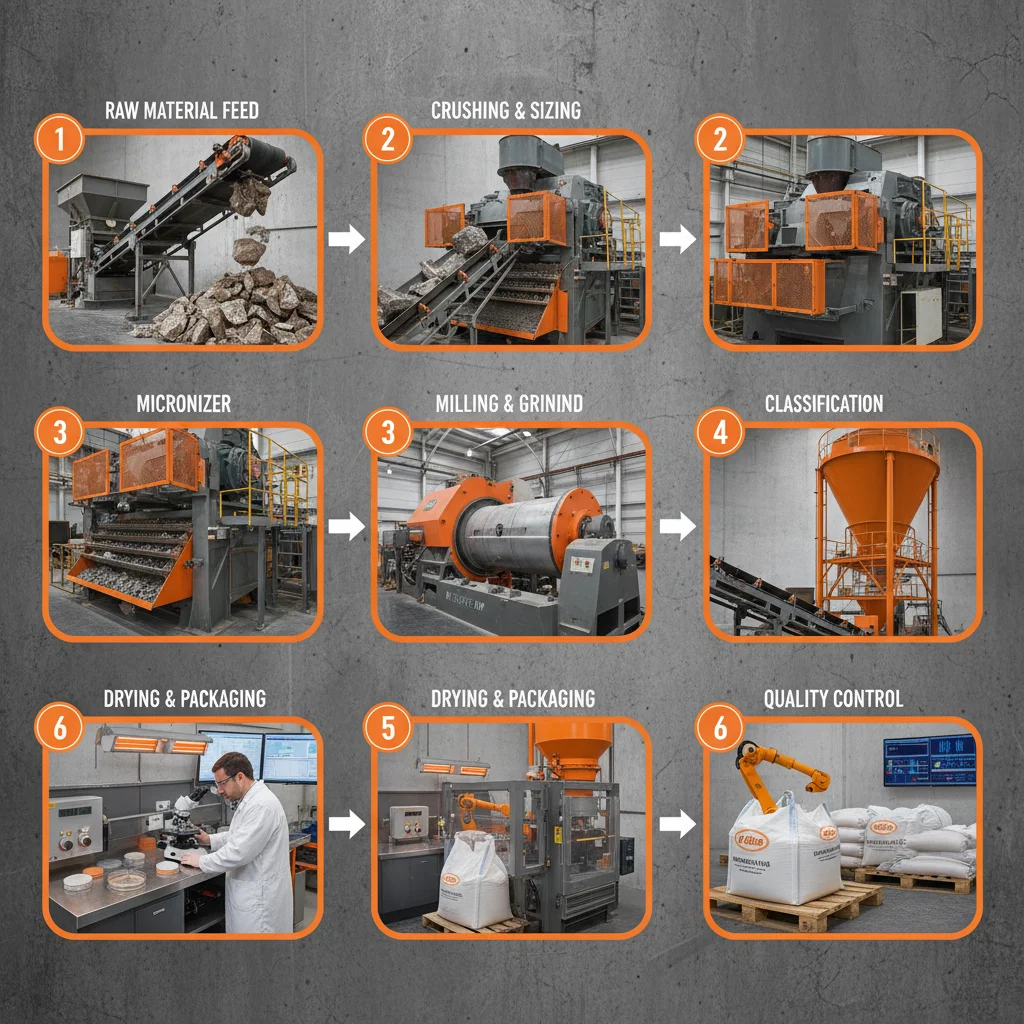
In the context of the non-metallic mining industry, the purity of the raw vermiculite determines the board's ultimate performance. Variations in iron content and exfoliation uniformity can affect the thermal conductivity and structural integrity of the final board, highlighting the importance of sourcing from established mineral bases.
Core Technical Advantages in Thermal Management
The primary value of vermiculite boards lies in their ability to combine low thermal conductivity with high temperature resistance. Because the material does not melt or off-gas at standard industrial operating temperatures, it provides a stable barrier that protects structural steel and internal equipment from heat degradation.
Beyond heat, these boards exhibit excellent acoustic dampening properties. The porous nature of the expanded mineral absorbs sound waves, which is particularly beneficial in industrial plants where machinery noise must be contained to meet occupational health and safety standards.
Furthermore, the chemical inertness of the material ensures that it does not react with most industrial solvents or acids. This makes it a preferred choice for insulation in chemical processing plants or laboratories where corrosive environments would compromise traditional fiberglass or foam insulation.
Industrial Application Scenarios and Use Cases
One of the most demanding applications for vermiculite boards is in the lining of industrial kilns and furnaces. Their ability to withstand cyclic heating and cooling without cracking ensures a long service life and reduces the frequency of maintenance shutdowns in heavy manufacturing.
In architectural contexts, these boards are frequently utilized as fire-stop materials in wall assemblies and ceiling voids. By preventing the lateral spread of flames and smoke, they play a critical role in the passive fire protection systems of commercial buildings and warehouses.
Additionally, the lightweight nature of expanded minerals allows for the insulation of roof structures without adding excessive dead load. This is particularly useful in retrofitting older industrial buildings where the original structural capacity is limited, yet energy efficiency upgrades are required.
Evaluating Performance Against Standard Insulation Benchmarks
When comparing vermiculite boards to traditional insulation, the most striking difference is the performance at temperatures exceeding 500°C. While organic insulators fail and mineral wool may shrink, vermiculite boards maintain their form and insulating properties.
Quantitative analysis shows that while some materials may offer lower initial conductivity at room temperature, the "efficiency curve" of vermiculite remains flatter as temperatures rise, providing more predictable energy savings in high-heat operations.
China Insulation Material Vermiculite Board Performance Metrics
The data indicates that in terms of fire safety and structural load reduction, expanded mineral solutions outperform conventional dense masonry or heavy ceramic bricks, allowing for faster installation and reduced foundation costs.
Strategic Procurement and Installation Considerations
Procuring vermiculite boards requires a detailed analysis of the operating environment. Buyers should prioritize the density specification (kg/m³), as higher density generally improves structural strength but can slightly increase thermal conductivity.
Installation must be handled with care to avoid fracturing the edges of the boards. Using a compatible high-temperature adhesive and ensuring tight joints is essential to prevent "thermal bridging," where heat escapes through gaps in the insulation layer.
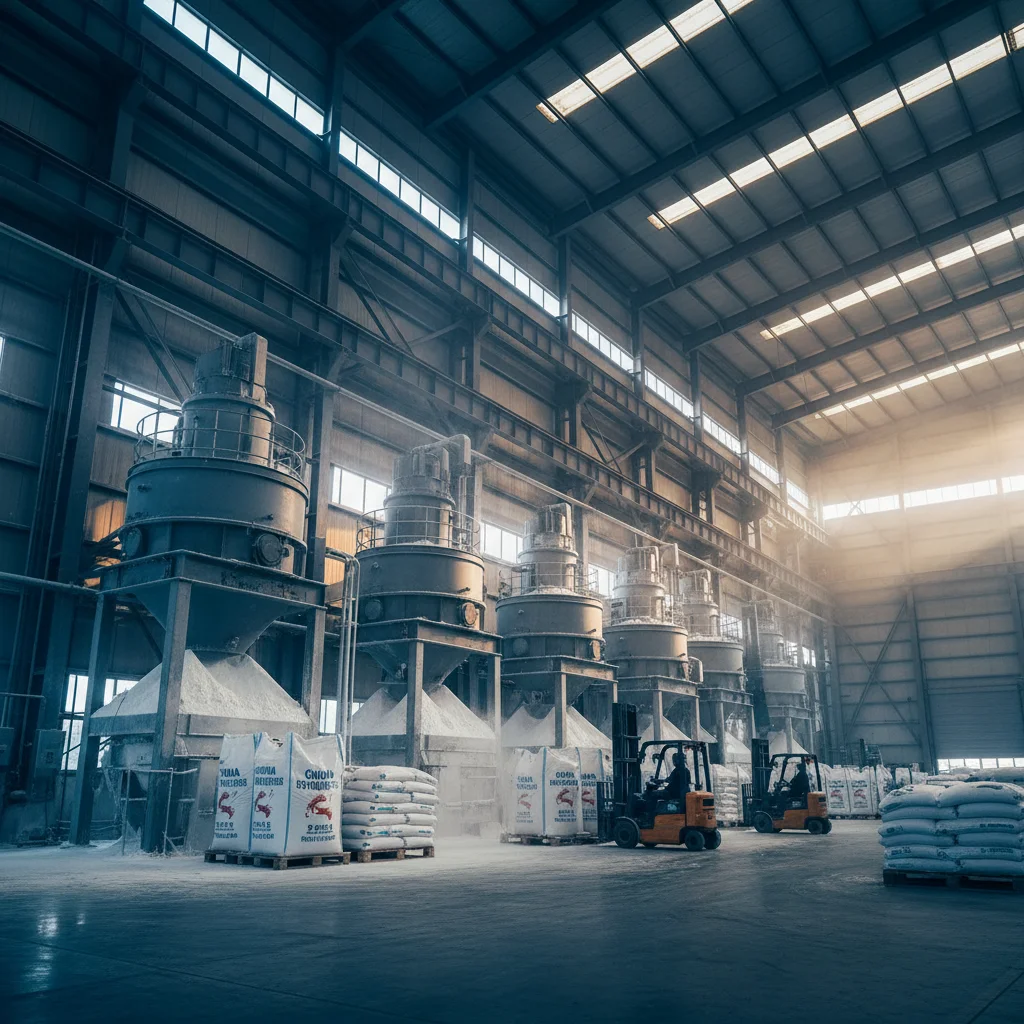
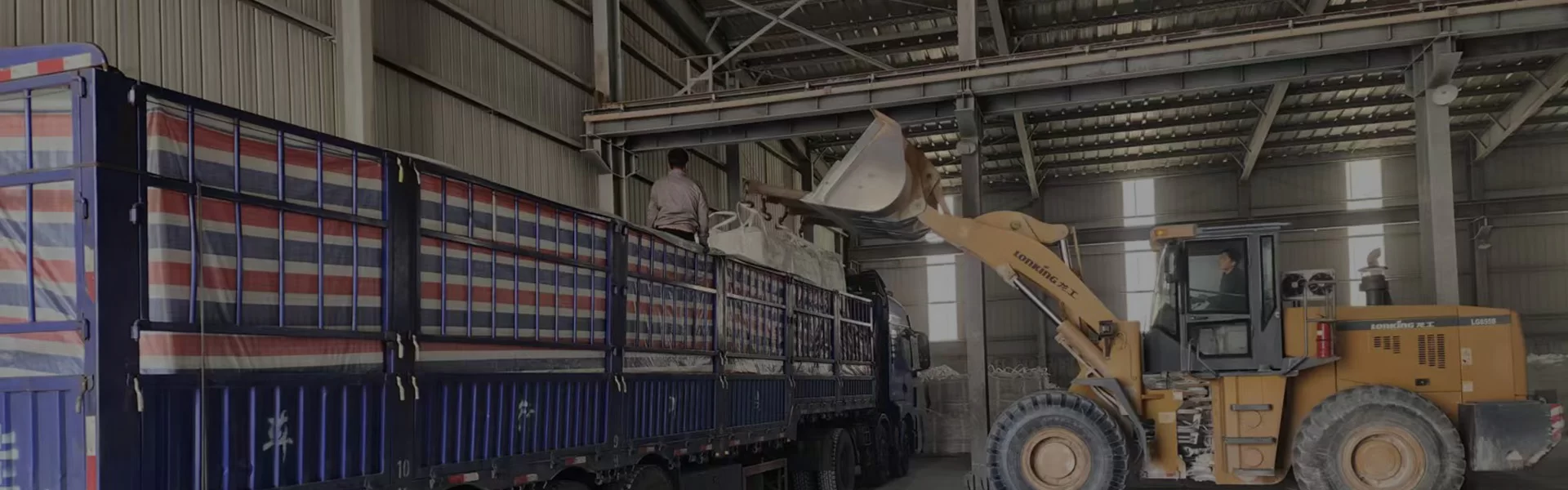
For large-scale projects, sourcing from a supplier with integrated mining and processing capabilities, such as those in North China's mica and mineral bases, ensures consistent raw material quality and reduces the risk of batch-to-batch variance in thermal performance.
Evolution of Mineral-Based Insulation Trends
The industry is moving toward "hybrid insulation systems," where vermiculite boards are used in conjunction with other minerals like expanded perlite or mica powders to create multi-layered thermal shields. This approach allows engineers to optimize for different temperature gradients within a single wall.
Sustainability is also becoming a primary driver. As industries face stricter carbon emission targets, the shift from synthetic, petroleum-based foams to naturally derived mineral boards is accelerating. Vermiculite's recyclability and lack of toxic off-gassing make it a favorable choice for LEED-certified projects.
We may see an increase in the use of prefabricated vermiculite modules, which reduce on-site labor and installation errors. This trend toward modularization is likely to shorten project timelines for industrial furnace upgrades and energy-efficient warehouse construction.
Comparative Selection Guide for Mineral Insulation
Choosing between different mineral insulation types depends entirely on the primary failure risk of the application. For instance, if the main concern is absolute weight, expanded perlite might be superior, but for structural rigidity and fire-blocking, vermiculite boards are the standard.
The following table provides a decision matrix for procurement officers to evaluate mineral-based solutions against specific industrial requirements.
| Material Type | Primary Strength | Ideal Use Case | Relative Cost |
|---|---|---|---|
| Vermiculite Board | Fire Stability | Industrial Kiln Lining | Medium-High |
| Expanded Perlite | Ultra-Lightweight | Attic/Roof Fill | Low-Medium |
| Mica Sheet | Electrical Insulation | High-Voltage Gear | High |
| Ceramic Fiber | Extreme Heat | Blast Furnace Interior | High |
| Mineral Wool | Sound Absorption | Office Partitioning | Low |
| Calcium Silicate | Compressive Strength | Heavy Pipe Support | Medium |
Ultimately, the selection process should be guided by a technical audit of the peak operating temperature and the structural load limits of the facility. For those seeking comprehensive mineral solutions, exploring the range available at www.fesmining.com can provide deeper insight into material compatibility.
Frequently Asked Questions
Conclusion
The integration of China Insulation Material Vermiculite Board into industrial design represents a strategic shift toward safer, more sustainable, and more efficient thermal management. By leveraging the natural properties of expanded minerals, companies can significantly reduce heat loss and fire risk while minimizing the structural burden on their facilities.
For procurement professionals and engineers, the key to success lies in matching the board's density and thermal specifications to the specific demands of the application. Those evaluating high-performance mineral insulation for their next project can review detailed product specifications and corporate capabilities through www.fesmining.com.