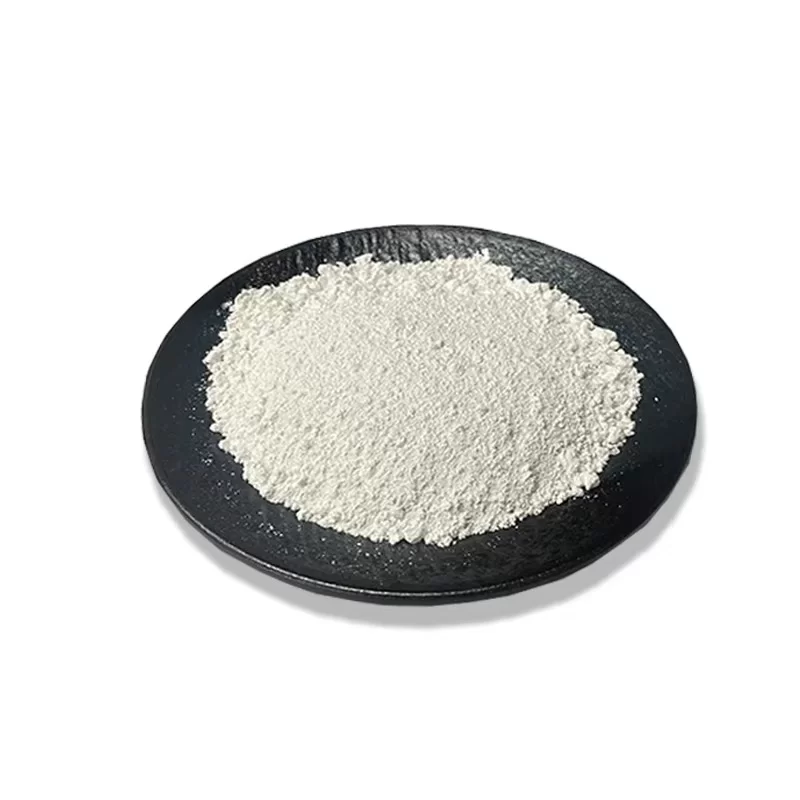
China The factory supplies barium sulfate High Purity Quartz Powder
When precision and purity are the primary requirements for industrial coatings and specialized glass production, the choice of raw mineral fillers becomes a critical engineering decision. High-purity quartz powder, specifically engineered at an ultra-fine 1250-mesh grade, serves as a foundational component in achieving superior mechanical strength and optical clarity. For procurement managers in the epoxy flooring and semiconductor sectors, sourcing a material that balances chemical inertness with extreme whiteness is essential to prevent contaminants from compromising the final product's integrity.
This specialized mineral solution is designed to meet the rigorous standards of modern industrial applications. By leveraging advanced refining processes, the material achieves a SiO₂ content of ≥99.5%, ensuring that the resulting surfaces—whether they be terrazzo floors or photovoltaic crucibles—possess the necessary hardness and stability to withstand harsh operational environments. Understanding the interplay between particle size distribution and material performance is key to optimizing the durability and visual perfection of high-end industrial finishes.

The Critical Role of Chemical Purity in High-Performance Mineral Fillers
In the realm of non-metallic mineral mining and processing, the distinction between standard grade and premium purity powders lies in the microscopic control of impurities. For applications such as optical glass manufacturing, even trace amounts of iron oxide (Fe₂O₃) can cause unwanted discoloration and light absorption. This is why a specification of Fe₂O₃ ≤0.015% is not merely a preference but a technical requirement for maintaining crystal-white color and maximum transparency.
The chemical inertness of high-purity SiO₂ allows it to resist corrosion from strong acids, alkalis, and various industrial solvents. This stability is paramount when the powder is integrated into epoxy systems, where any chemical reaction between the filler and the resin could lead to bubbles, shrinkage, or premature degradation of the floor's surface. By ensuring a consistent chemical profile, manufacturers can guarantee long-term stability and a flawless finish that meets architectural and engineering specifications.
- Enhanced Transparency: Minimal iron content prevents yellowing in optical glass.
- Chemical Stability: Resists degradation in aggressive chemical environments.
- Consistent Color: Crystal-white appearance ensures visual uniformity in coatings.

Optimizing Mechanical Properties through Precision Particle Size Control
The mechanical performance of an epoxy floor or a precision ceramic component is heavily influenced by the particle size of the quartz filler. Ultra-fine powder, ranging from 325 to 3000 mesh, allows for the creation of a denser molecular structure within the composite material. A 1250-mesh powder provides an ideal balance, filling the interstitial spaces between larger aggregates to significantly improve the hardness and wear resistance of the surface.
Uniform particle size distribution is essential for preventing "clustering" or aggregation during the mixing process. When the powder is finely controllable and uniform, it ensures that the mechanical load is distributed evenly across the coating. This result is a surface that is not only visually pristine but also capable of withstanding heavy industrial traffic and mechanical abrasion without cracking or peeling over time.
For the semiconductor and photovoltaic industries, this precision extends to the production of quartz crucibles. The purity and particle uniformity ensure that the crucibles can withstand the extreme thermal shocks and high temperatures required for silicon crystal growth, making the material an indispensable asset in the high-tech manufacturing chain.
Diverse Industrial Applications and Integration Scenarios
The versatility of premium white quartz powder allows it to be deployed across a wide spectrum of high-precision industries. In the construction of high-end epoxy flooring and terrazzo, the powder acts as a reinforcing agent that enhances the aesthetic appeal while providing a rugged, industrial-grade shield. The ability to customize particle sizes allows architects and engineers to tailor the texture and durability of the floor to the specific needs of the facility.
Beyond flooring, the material is critical in the production of electronic encapsulants and precision ceramics. In these roles, the quartz powder provides the necessary electrical insulation and thermal stability required to protect sensitive electronic components. Its high purity ensures that no conductive impurities are introduced into the system, which could otherwise lead to short circuits or signal interference.
Furthermore, in the specialty glass sector, this material serves as the primary feedstock for optical components. The rigorous control over SiO₂ levels ensures that the glass produced has a predictable refractive index and minimal internal stress, which is vital for lenses, prisms, and other precision optical instruments used in scientific research and medical imaging.
Technical Comparison and Application Suitability Matrix
| Application Area | Critical Requirement | Recommended Mesh Size | Primary Benefit |
|---|---|---|---|
| Epoxy Flooring | Wear Resistance | 325 - 1250 Mesh | Increased Surface Hardness |
| Optical Glass | Extreme Purity | 1250 - 3000 Mesh | High Light Transmission |
| PV Crucibles | Thermal Stability | Custom Ultra-fine | Heat Shock Resistance |
| Precision Ceramics | Chemical Inertness | 1000 - 2000 Mesh | Structural Integrity |
| Specialty Coatings | Visual Whiteness | 1250 Mesh | Flawless Aesthetic Finish |
Procurement Considerations for Industrial Mineral Supplies
When evaluating suppliers for high-purity minerals, procurement managers must look beyond the basic specification sheet. The consistency of the product across large batches is the most significant factor in avoiding production downtime. A reliable partner should provide not only the raw material but also the necessary documentation, such as MSDS (Material Safety Data Sheets) and transportation assessment reports, to ensure compliance with international safety and environmental standards.
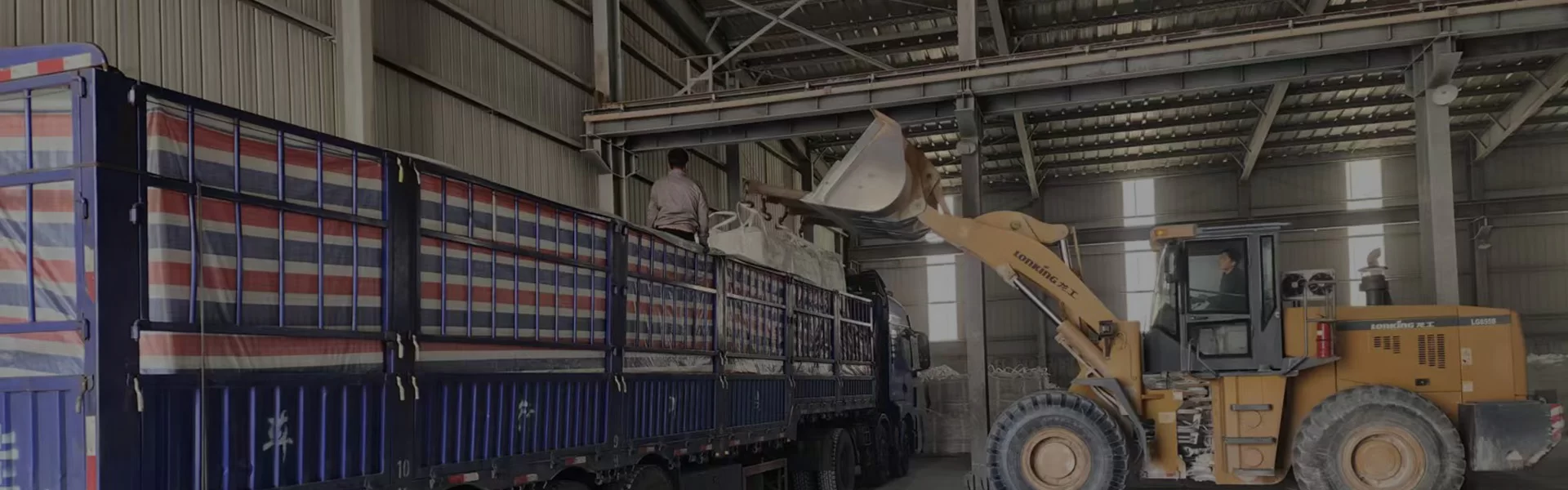
Packaging and logistics also play a pivotal role in maintaining material quality. Ultra-fine powders are susceptible to moisture and contamination during transit. Therefore, the availability of flexible packaging options—such as 25kg bags, 50kg bags, or 1-ton jumbo bags—allows companies to optimize their handling processes and reduce waste. For large-scale projects, containerized shipping near major ports like Tianjin Port ensures a steady supply chain and reduced lead times.
Finally, the capability for OEM/ODM solutions is a major advantage. Since different applications require specific particle size distributions, a manufacturer that can offer customized mesh sizes based on the end-user's technical requirements provides significantly more value than a standard "off-the-shelf" supplier.
Future Trends in Non-Metallic Mineral Processing
The industry is currently shifting toward higher sustainability and more stringent quality certifications. The adoption of systems like ISO 9001 for quality management and EcoVadis for sustainability is becoming a benchmark for global suppliers. As environmental regulations tighten, the ability to provide REACH-compliant materials is no longer optional for those exporting to European and North American markets.
Technologically, we are seeing a move toward "smart" mineral processing, where AI-driven sorting and refining can further reduce impurity levels to the parts-per-million (ppm) range. This will open new doors for the semiconductor industry, where even smaller particle sizes and higher purities are required for the next generation of microchips and photonic devices.
For buyers, the trend is moving toward integrated supply partnerships. Instead of simple transactional purchasing, companies are seeking partners who can provide technical consultancy on how to best integrate quartz powders into their specific chemical formulations to achieve the best possible performance-to-cost ratio.
Technical Frequently Asked Questions
What is the impact of Fe₂O₃ levels on the final product appearance?
Iron oxide (Fe₂O₃) is a primary contaminant that causes yellow or greenish tints in quartz-based products. By maintaining Fe₂O₃ ≤0.015%, the powder remains crystal-white, which is essential for optical glass transparency and the visual perfection of white epoxy floors.
How does the mesh size affect the durability of epoxy flooring?
Smaller mesh sizes (ultra-fine) fill the microscopic gaps between larger particles, increasing the density of the floor. This reduces porosity and significantly enhances the overall hardness and wear life of the coating.
Is the quartz powder compatible with all types of industrial resins?
Yes, due to its excellent chemical inertness, high-purity quartz powder is compatible with most epoxy, polyurethane, and acrylic resins without causing adverse chemical reactions.
What certifications should I look for when sourcing minerals from China?
You should look for ISO 9001 for quality management, REACH compliance for chemical safety (especially for EU markets), and EcoVadis for sustainability and ethical sourcing practices.
Can the particle size be customized for specific engineering needs?
Yes, high-quality suppliers offer customizable particle sizes ranging from 325 to 3000 mesh to meet the specific viscosity and performance requirements of different industrial applications.
How is the material packaged to prevent contamination during bulk shipping?
The material is typically available in moisture-proof 25kg or 50kg bags, or 1-ton jumbo bags, and is shipped in secure containers to ensure purity is maintained from the factory to the destination.
Technical References and Industry Standards
- ISO 9001 Quality Management Systems Standard
- REACH Compliance and Chemical Registration Guidelines
- Material Properties of High-Purity Silicon Dioxide (SiO₂)
- ASTM International Standards for Industrial Minerals
Selecting the right mineral filler is a balance of chemical purity, physical dimension, and supply chain reliability. For companies seeking to elevate their product quality, partnering with an experienced mining enterprise ensures that every batch of quartz powder meets the exact specifications required for high-performance engineering.
Industry Insights and Related Mineral Solutions