
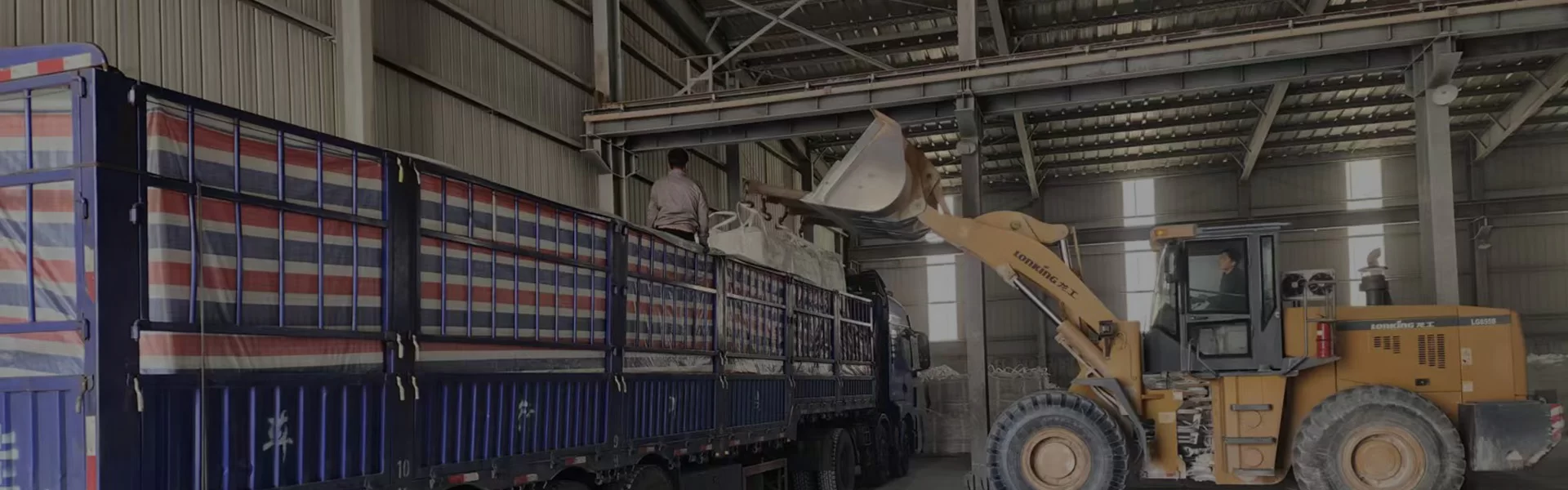

For industrial procurement managers, the efficiency of mineral supply chains often dictates the production timeline of end products. Talc powder, used extensively in plastics, paints, and cosmetics, requires a balance between high purity and rapid availability. This guide examines the critical factors that enable China quick Delivery Talc Powder services to meet urgent global demands without compromising on material specifications.
The challenge in B2B mineral sourcing lies in the gap between mining extraction and port delivery. When a production line stops due to raw material shortages, the "cost of downtime" far exceeds the unit price of the powder. Understanding the logistics infrastructure, from the reserves in North China to the loading docks of Tianjin Port, is essential for evaluating whether a supplier can truly provide expedited shipping.
Readers will explore how integrated mining operations reduce lead times, the impact of ISO and REACH certifications on customs clearance speed, and the specific packaging configurations that prevent contamination during fast-track transit. By the end of this analysis, procurement officers will have a framework to assess supplier reliability and logistics capabilities for urgent mineral requirements.
Talc Powder Logistics and Supply Chain Fundamentals
The journey of talc from a geological deposit to an industrial facility involves several high-friction stages: extraction, milling, grading, packaging, and international freight. In the context of North China's mineral hubs, efficiency is gained through vertical integration. Companies that control the entire process—from owning high-grade reserves to managing their own transportation fleets—can eliminate the delays typically caused by third-party intermediaries. For instance, having access to reserves exceeding 1 million tons ensures that supply is not interrupted by mining quotas or resource depletion, providing a stable foundation for rapid fulfillment. Furthermore, the geographical placement of processing plants relative to major maritime gateways, such as Tianjin Port, significantly reduces the inland transit time, which is often the most volatile part of the delivery cycle. When production and logistics are synchronized, the transition from a purchase order to a shipping bill can be compressed from weeks to days.
Optimizing Talc Procurement for Industrial Speed
Achieving rapid delivery in B2B mineral trade is not merely about faster ships, but about eliminating administrative and operational bottlenecks. The following seven dimensions analyze how systemic efficiencies contribute to accelerated delivery timelines.
Lead Time Determinants in Mineral Export
Lead time is the sum of processing time and transit time. For talc, processing time is minimized when a supplier maintains a strategic buffer of pre-milled powder. The ability to offer OEM/ODM solutions means the supplier can adapt the particle size and purity to the buyer's needs without restarting the entire production cycle. The table below illustrates how different operational models affect the delivery window.
| Operational Model | Processing Speed | Logistics Risk | Average Lead Time |
|---|---|---|---|
| Broker-based Sourcing | Slow (Dependent) | High (Multi-party) | 4-6 Weeks |
| Factory-Direct (Non-Integrated) | Medium | Medium | 3-4 Weeks |
| Integrated Mining Enterprise | Fast (In-house) | Low (Direct) | 1-2 Weeks |
| Buffer-Stock Model | Immediate | Low | Days to 1 Week |
| Customized OEM Order | Medium | Medium | 2-3 Weeks |
| Emergency Air-Freight | Fast | Lowest | 3-7 Days |
Quality Assurance for Rapid Dispatch
Speed is useless if the material fails quality inspection upon arrival. High-efficiency suppliers implement "in-process" quality control rather than only "end-of-line" testing. By adhering to ISO 9001 standards, companies ensure that every batch of talc meets consistency requirements before it even reaches the packaging stage. This prevents the costly and time-consuming process of rejecting a shipment at the destination port, which can add weeks to the actual replacement cycle.
Packaging Solutions for Transit Efficiency
The choice of packaging directly impacts loading speed and cargo security. Flexible options, such as 25kg and 50kg bags for smaller batches, or 1-ton jumbo bags for large-scale industrial projects, allow for optimized container utilization. Jumbo bags, in particular, reduce the number of handling steps during loading and unloading, which accelerates the movement of goods through the port and minimizes the risk of bag breakage during rapid transit.
Strategic Proximity to Major Shipping Hubs
Logistical velocity is heavily dependent on the distance between the plant and the port. In North China, the proximity to Tianjin Port is a decisive advantage. Reducing the trucking distance from the mine to the vessel minimizes the impact of road congestion and weather-related inland delays. This proximity allows for "Just-in-Time" (JIT) delivery models where materials are moved to the port almost immediately after final quality certification.
Customization and OEM Fulfillment Speed
B2B buyers often require specific grades of talc for different applications. A supplier's ability to quickly pivot production—offering customized particle size distributions or specific chemical compositions—without lengthy setup times is a mark of operational maturity. Using advanced milling technology allows for rapid adjustments, ensuring that specialized orders are dispatched with nearly the same speed as standard grade products.
Compliance and Certification Streamlining
Customs delays are a primary cause of delivery failure. Having REACH compliance and EcoVadis sustainability certifications pre-verified simplifies the import process in European and North American markets. When a supplier provides Material Safety Data Sheets (MSDS) and transportation assessment reports upfront, it eliminates the need for customs officers to request additional documentation, allowing the shipment to clear borders without pause.
Risk Mitigation in Bulk Mineral Transport
Fast delivery must be balanced with safety. Moisture control is critical for talc powder, as clumping can occur during sea transit. Utilizing sealed, moisture-proof lining in jumbo bags and ensuring container integrity prevents material degradation. By integrating these protective measures into the rapid dispatch workflow, suppliers ensure that the speed of delivery does not result in a loss of material functionality.
FAQ
What is the typical lead time for talc powder exports from China?
Lead times vary by supplier. Integrated mining companies with direct port access typically process and dispatch orders within 1 to 2 weeks. However, total delivery time depends on the destination port and the shipping method chosen (e.g., FCL vs. LCL). Using suppliers located near hubs like Tianjin Port generally reduces the inland portion of the lead time significantly.
How does REACH compliance affect delivery speed?
REACH compliance is essential for importing minerals into the European Economic Area. If a supplier already holds REACH certification, the shipment avoids lengthy chemical audits and documentation queries at customs. This streamlines the administrative process, preventing shipments from being held in port and ensuring the material reaches the production line as scheduled.
Can jumbo bags be used for expedited shipments?
Yes, 1-ton jumbo bags are often preferred for large industrial orders because they are loaded and unloaded via forklift, which is much faster than handling dozens of small 25kg bags. This reduces the total time spent at the loading dock and the destination warehouse, contributing to a faster overall supply chain cycle.
What certifications should I look for to ensure consistent talc quality?
Buyers should verify ISO 9001 Quality Management System Certification, which ensures the supplier has standardized processes for consistency. For environmental and social governance, EcoVadis certification is a strong indicator of sustainable mining practices. Additionally, a valid MSDS is required for safe and compliant international transportation.
Does OEM customization increase the delivery time?
While customization can add time, professional suppliers with integrated milling facilities can minimize this. If the supplier has the technical capacity to adjust particle size on-site, the delay is minimal. The key is to provide clear specifications at the time of the RFQ to avoid iterative sampling, which is the primary cause of delay in OEM orders.
How can I reduce the risk of material clumping during fast transit?
To prevent clumping, ensure the supplier uses high-quality, moisture-proof inner liners in their packaging. Requesting a transportation assessment report can also help identify the best container types for the specific climate route. Proper sealing and the use of desiccants in the container can further protect the talc powder from humidity during rapid sea freight.
References and further reading
- International Organization for Standardization. (2015). ISO 9001:2015 Quality Management Systems Requirements.
- European Chemicals Agency (ECHA). Guidance on REACH Compliance for Non-EU Importers.
- Global Mineral Logistics Report: Analysis of North China Mining Hubs and Port Efficiency.


