Efficient China calcined Kaolin Processing Machine and Glass Powder
Finding a high-performance filler that balances chemical inertness with physical durability is a common challenge for manufacturers of advanced coatings and precision ceramics. Glass powder, produced through a rigorous cycle of high-temperature melting, water quenching, and fine grinding, serves as a critical functional additive to enhance wear resistance and weatherability. For those seeking a reliable China calcined Kaolin Processing Machine or high-purity mineral fillers, the technical specifications of the powder—such as particle size distribution and oil absorption—directly impact the final product's viscosity and light transmittance. By integrating these fine powders into composite materials or engineering plastics, industries can achieve superior insulation and chemical stability, ensuring that the end-use application withstands harsh environmental stressors without degradation.

Technical Composition and Manufacturing Process of Functional Glass Powders
Glass powder is engineered as a functional fine powder filler, derived from specific glass compositions. The production involves a sophisticated sequence of thermal and mechanical China calcined Kaolin Processing Machine steps, starting with high-temperature melting to ensure a homogeneous molten phase. This is immediately followed by water quenching, which prevents large crystal growth and creates a fragmented glass structure ideal for subsequent refinement.
The material then undergoes multiple stages of crushing and fine grinding, utilizing advanced milling technology to achieve precise micron-level dimensions. Finally, classification screening is applied to isolate specific mesh sizes, ranging from 200 mesh to 3000 mesh. This meticulous process ensures that the resulting powder maintains a consistent pH level (typically 6-7) and high whiteness (≥92%), which are essential for applications where color neutrality and chemical stability are paramount. The inert nature of the material makes it an ideal candidate for environments where reactivity would otherwise lead to product failure.

Core Physical Properties and Industrial Advantages for Manufacturers
The value of this functional filler lies in its unique combination of hardness and chemical passivity. Because it is derived from quenched glass, it possesses an inherent resistance to wear and abrasion, which significantly extends the lifespan of industrial coatings and composite materials. Furthermore, its low oil absorption (approximately 28±2.5g/100g) allows for higher filler loading without excessively increasing the viscosity of the base resin or binder, optimizing the cost-to-performance ratio for the manufacturer.
Key technical advantages include:
- Chemical Inertness: Resistance to acids and alkalis, making it suitable for corrosive environments.
- Weather Resistance: Excellent stability under UV exposure and temperature fluctuations.
- Optical Clarity: Good light transmittance, which is critical for transparent or translucent glazes and resins.
- Electrical Insulation: High dielectric strength, providing a safe barrier in engineering plastics.
Diverse Application Scenarios: From Precision Casting to Advanced Sealants
The versatility of glass powder allows it to be integrated into a wide array of industrial sectors. In the coatings and inks industry, it acts as a reinforcing agent that improves the scratch resistance of the surface finish. For adhesives and sealants, the powder provides structural integrity and reduces shrinkage during the curing process, ensuring a tighter, more durable bond in engineering applications.
In more specialized fields, such as precision casting, the material's stability at varying temperatures makes it an ideal investment casting filler. Similarly, in the production of ceramic glazes, it helps in controlling the thermal expansion coefficient, reducing the risk of crazing or cracking. Engineering plastics also leverage these powders to improve dimensional stability and hardness, particularly in components that must maintain tight tolerances under mechanical load. Whether used in composite materials or specialty plastics, the dispersibility of the powder ensures a uniform distribution of properties throughout the matrix.
Technical Specification and Performance Parameters
| Property Indicator | Technical Value | Testing Standard | Performance Impact |
|---|---|---|---|
| Appearance | White Powder | Visual Inspection | Color Neutrality |
| Density / Proportion | 2.7 g/ml | Pycnometer | Material Volume |
| pH Value | 6 - 7 | Aqueous Solution | Chemical Stability |
| Oil Absorption | 28±2.5g / 100g | Standard Method | Viscosity Control |
| Whiteness | ≥ 92% | Spectrophotometer | Optical Quality |
Buyer's Guide for Selecting the Right Mesh Size and Customization
When procuring functional fillers, the most critical decision is selecting the appropriate particle size (mesh). The choice depends entirely on the desired surface finish and the mechanical requirements of the application. For instance, 200 or 325 mesh powders are typically used in heavy-duty industrial coatings where structural reinforcement is more important than smoothness. In contrast, ultra-fine powders such as 1250, 2000, or even 3000 mesh are preferred for high-precision inks and optical glazes where a seamless, mirror-like surface is required.
Buyers should also consider the need for customization. Depending on the specific chemical environment of the end-product, adjustments to the glass composition or the moisture content (typically ≤0.2%) may be necessary. It is recommended to evaluate the powder's dispersibility within the specific resin system being used, as this determines the homogeneity of the final composite. Working with a supplier that provides comprehensive MSDS and transportation assessment reports ensures that the material is handled safely and remains compliant with international safety standards during transit.
Quality Assurance and Supply Chain Logistics for Global Distribution
Maintaining consistency across batches is the primary challenge in mineral processing. To mitigate this, a rigorous quality management system is essential. Certification through ISO 9001 ensures that every step, from raw material sourcing to final packaging, follows a standardized protocol. Furthermore, for exports to European and North American markets, REACH compliance and EcoVadis sustainability certifications provide the necessary trust and legal transparency for corporate procurement teams.
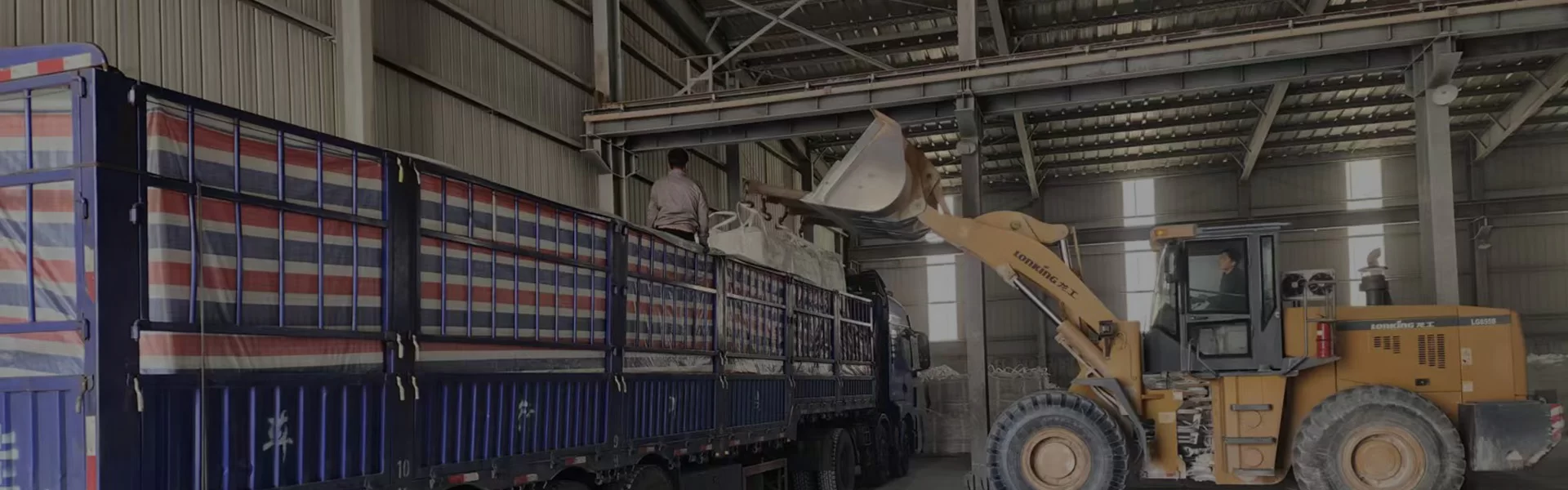
Efficient logistics play a pivotal role in reducing the total cost of ownership. Proximity to major shipping hubs, such as Tianjin Port, allows for faster transit times and reduced inland freight costs. When sourcing from North China's mineral bases, buyers can benefit from high-grade reserves and a mature infrastructure that supports both OEM and ODM solutions. This integrated approach—combining mining, processing, and logistics—ensures that the supply chain remains resilient even during periods of market volatility.
Frequently Asked Questions About Glass Powder Fillers
What is the primary difference between 325 mesh and 2000 mesh glass powder?
The primary difference is the particle size. 325 mesh is coarser and is generally used for enhancing the hardness and wear resistance of industrial coatings. 2000 mesh is an ultra-fine powder used in precision applications like high-end inks and optical glazes where a smooth surface and high transparency are required.
How does the oil absorption rate affect my coating formulation?
Oil absorption indicates how much binder is required to wet the surface of the powder. A low and stable oil absorption rate (around 28g/100g) allows you to add more filler to the mixture without causing a sharp increase in viscosity, which helps in maintaining flow properties while reducing raw material costs.
Is this product suitable for use in corrosive chemical environments?
Yes, glass powder is characterized by high chemical inertness. It does not react easily with most acids or alkalis, making it an excellent choice for protective coatings, sealants, and composite materials exposed to harsh chemical conditions.
What certifications should I look for when importing these powders?
For international procurement, you should ensure the supplier holds ISO 9001 for quality management, REACH compliance for European market entry, and EcoVadis for sustainability. Additionally, a Material Safety Data Sheet (MSDS) is essential for safe handling and transport.
Can the glass powder be customized for specific industrial needs?
Yes, customization is often available. This can include specific mesh sizes beyond the standard range, adjustments to the chemical composition for specific refractive indices, or controlling moisture levels to meet strict industrial requirements.
Why is water quenching used in the production process?
Water quenching rapidly cools the molten glass, which prevents the formation of large crystals. This results in a brittle, amorphous structure that is much easier to grind into consistent, ultra-fine powders during the milling process.
Technical References and Industry Resources
- Properties of Glass Powders in Material Science
- ISO 9001 Quality Management Systems Standards
- EU REACH Compliance for Chemical Substances
- Industrial Applications of Glass Fillers in Composites
Selecting the right functional filler is a balance of technical precision and supply chain reliability. By analyzing particle size, chemical inertness, and supplier certifications, you can significantly enhance the performance and durability of your industrial products.
Related Articles