

Refining edible and industrial oils requires precise decolorization to remove pigments, oxidation products, and impurities that affect quality and shelf life. China kaolin Clay For Oil Decoloring serves as a primary adsorbent in this process, leveraging its unique aluminosilicate structure to trap unwanted molecules through physical and chemical adsorption. This article explores the technical requirements for choosing the right clay and how to optimize the purification process.
In the B2B procurement landscape, the efficiency of oil bleaching depends not only on the material's origin but also on its processed specification. The industry is shifting toward higher purity minerals that reduce waste and minimize oil loss. Understanding the interaction between the mineral surface and the oil's triglycerides is essential for engineers aiming to achieve a clear, stable final product while maintaining high operational throughput.
Readers will gain a comprehensive understanding of the critical selection criteria, including particle size distribution and thermal stability. We will also analyze how supplier capabilities, such as the ISO 9001 and REACH certifications held by experienced mining firms, ensure consistency in large-scale industrial applications. This guide provides the technical foundation necessary for making an informed procurement decision based on chemical performance and logistical efficiency.
The Mechanism of Mineral Adsorption in Oil Refining
The process of decolorization relies on the ability of a mineral agent to selectively remove chromophores—molecules responsible for color—from the oil. China kaolin Clay For Oil Decoloring operates primarily through surface adsorption. The porous structure of the clay provides a vast internal surface area where polar impurities are attracted to the hydroxyl groups of the mineral. This is particularly effective for removing chlorophyll, carotenoids, and other natural pigments found in raw vegetable oils.
Beyond simple filtration, the chemical interaction involves ion exchange and electrostatic attraction. When activated or processed correctly, the clay's surface charge allows it to bind with oxidized lipids and metallic traces that would otherwise catalyze rancidity. For industrial refiners, the goal is to maximize the "bleaching value" while minimizing the amount of clay used per ton of oil. This balance requires a mineral with high consistency in its chemical composition, ensuring that each batch produces the same level of clarity without unpredictable oil retention.
Technical Evaluation for Selecting Decolorizing Agents
Selecting a mineral adsorbent is not a one-size-fits-all process; it requires aligning the mineral's physical properties with the specific oil type and processing temperature. The following seven dimensions define the quality and efficacy of a bleaching earth solution in a commercial refinery setting.
Purity and Mineral Composition
High purity is paramount to prevent the introduction of new contaminants into the food chain. A professional mineral supplier must ensure the absence of heavy metals and organic impurities. The ratio of kaolinite to other minerals determines the stability of the adsorption process.
| Attribute | Requirement | Industrial Risk | Evaluation Method |
|---|---|---|---|
| Al2O3 Content | High Consistency | Variable Color Removal | XRF Analysis |
| Heavy Metals | Below Regulatory Limits | Product Toxicity | ICP-MS |
| Moisture Level | Controlled Range | Clumping in Tanks | TGA/Loss on Drying |
| pH Value | Neutral to Slightly Acidic | Oil Degradation | Potentiometric |
| Particle Shape | Platy/Laminar | Poor Flowability | SEM Imaging |
| White Degree | High Brightness | Initial Contamination | Spectrophotometer |
Particle Size and Surface Area
The efficiency of adsorption is directly proportional to the available surface area. Finer particles generally offer more active sites; however, excessively small particles can lead to filtration difficulties and higher pressure drops in the filter press. A calibrated particle size distribution ensures a balance between rapid decolorization and easy separation of the spent clay from the purified oil.
Adsorption Capacity Analysis
Different oils contain different pigment loads. The adsorption capacity defines how many milligrams of pigment can be removed per gram of clay. In industrial settings, this is tested through bleaching value (BV) trials. A high-capacity mineral reduces the total volume of adsorbent needed, thereby lowering the cost of raw materials and reducing the volume of spent clay waste.
Thermal Stability in Processing
Oil decolorization often occurs at elevated temperatures to reduce viscosity and increase reaction rates. The mineral must remain chemically stable and not decompose or release volatile impurities under heat. Stable aluminosilicates prevent the alteration of the oil's flavor profile and ensure that the adsorption sites remain active throughout the heating cycle.
Impact on Oil Yield
One of the biggest cost drivers in refining is "oil retention"—the amount of oil that remains trapped in the clay after filtration. Low-retention minerals allow for more efficient oil recovery. Procurement teams should evaluate the porosity of the clay to ensure that it doesn't act as a sponge, which would significantly decrease the overall plant yield.
Compliance and Sustainability
For global exports, compliance with standards like REACH and ISO 9001 is non-negotiable. Sustainability certifications, such as EcoVadis, are increasingly important as refineries move toward "green" procurement. Ensuring that the mining and processing of the clay follow environmental regulations reduces the risk of supply chain disruptions due to regulatory audits.
Supply Chain Reliability
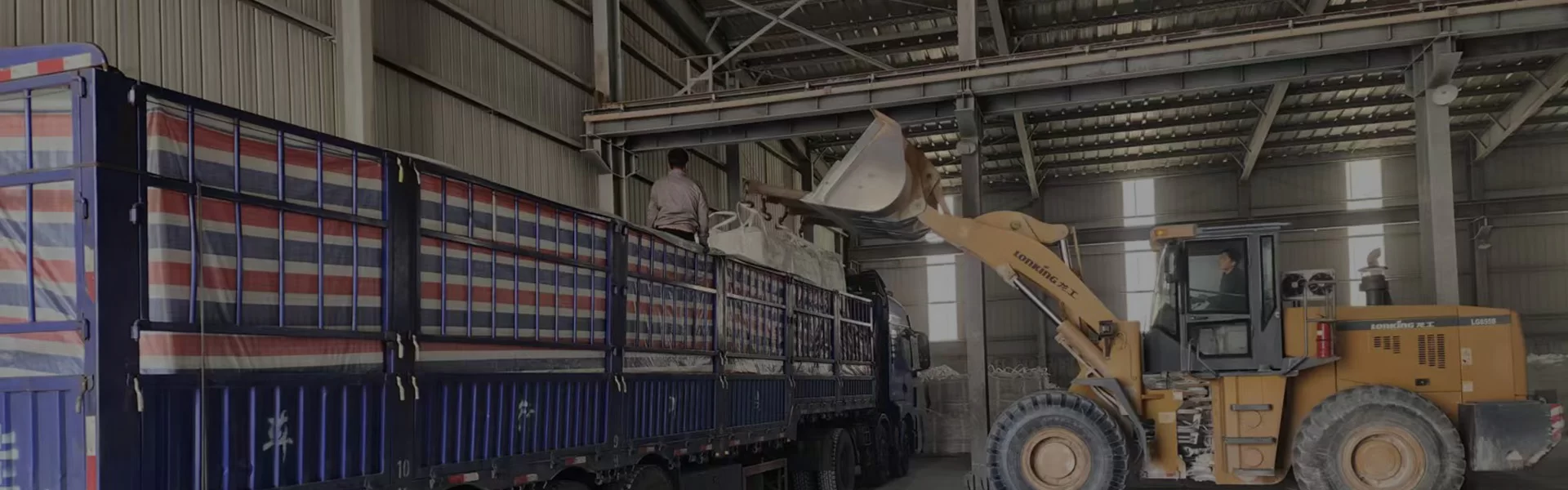
Consistency across batches is the hallmark of a professional supplier. For a company like Shijiazhuang Fengersheng Mining, which possesses extensive high-grade reserves and proximity to major ports like Tianjin, the ability to provide a steady, high-volume stream of minerals is a critical advantage for refiners operating on tight production schedules.
FAQ
What is the primary function of kaolin in oil decolorization?
The primary function is to act as a bleaching earth that adsorbs pigments (such as carotenoids and chlorophyll) and other impurities from the oil. Through a process of physical and chemical adsorption, the mineral traps these molecules on its surface, allowing them to be filtered out, resulting in a clear, colorless oil.
How does particle size affect the filtration process?
Particle size creates a trade-off between efficiency and flow. Smaller particles provide a larger surface area for faster adsorption but can create a dense "filter cake" that slows down the flow of oil and increases the pressure on the equipment. An optimized distribution is necessary to maintain high throughput without sacrificing clarity.
Can any type of clay be used for edible oil refining?
No. Only food-grade minerals with strict purity controls can be used for edible oils. The clay must be free from toxic heavy metals and must comply with international safety standards (like REACH). Industrial-grade clays may contain impurities that could contaminate food products and fail regulatory inspections.
What certifications should I look for in a mineral supplier?
Buyers should look for ISO 9001 for quality management, REACH compliance for chemical safety in the EU market, and sustainability certifications like EcoVadis. Additionally, requesting MSDS (Material Safety Data Sheets) and transportation assessment reports is essential for ensuring safe handling and logistics.
How does "oil retention" impact the cost of refining?
Oil retention refers to the amount of finished oil that remains trapped in the spent clay. High retention leads to significant product loss per batch. By choosing a mineral with an optimized pore structure, refineries can minimize this loss, directly increasing the net yield and lowering the overall cost per liter of refined oil.
Why is batch consistency important for large refineries?
Large-scale operations rely on automated processes. If the mineral's purity or particle size varies between shipments, the refining parameters (temperature, time, dosage) must be constantly adjusted. This leads to operational instability, unpredictable oil quality, and potential waste of raw materials.
References and further reading
- Kaolin Clay Properties and Industrial Applications - Wikipedia
- ISO 9001:2015 Quality Management Systems Requirements
- EU REACH Regulation on Chemical Substance Safety
Related Articles


