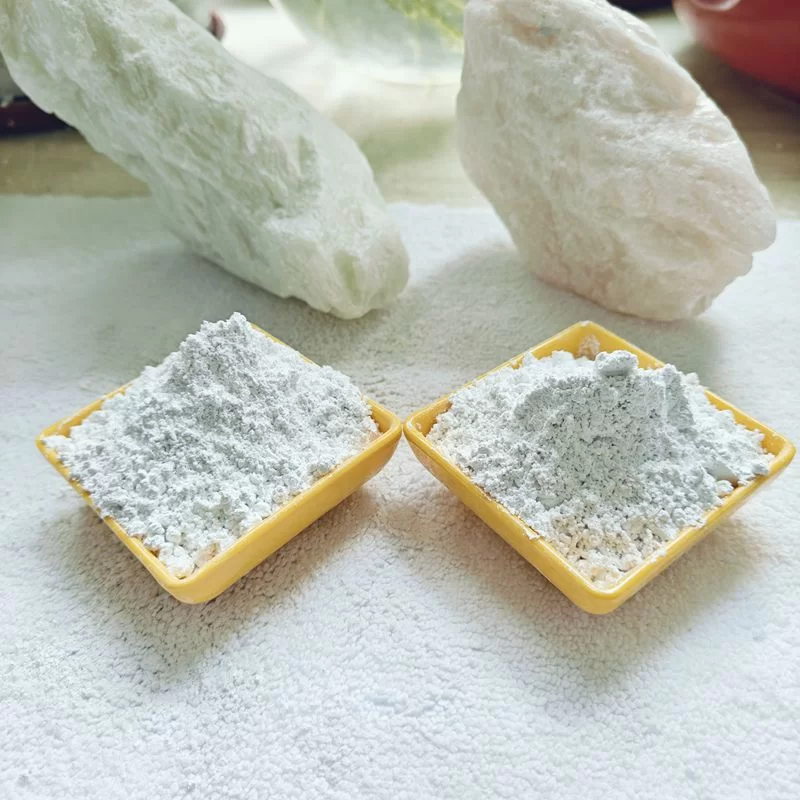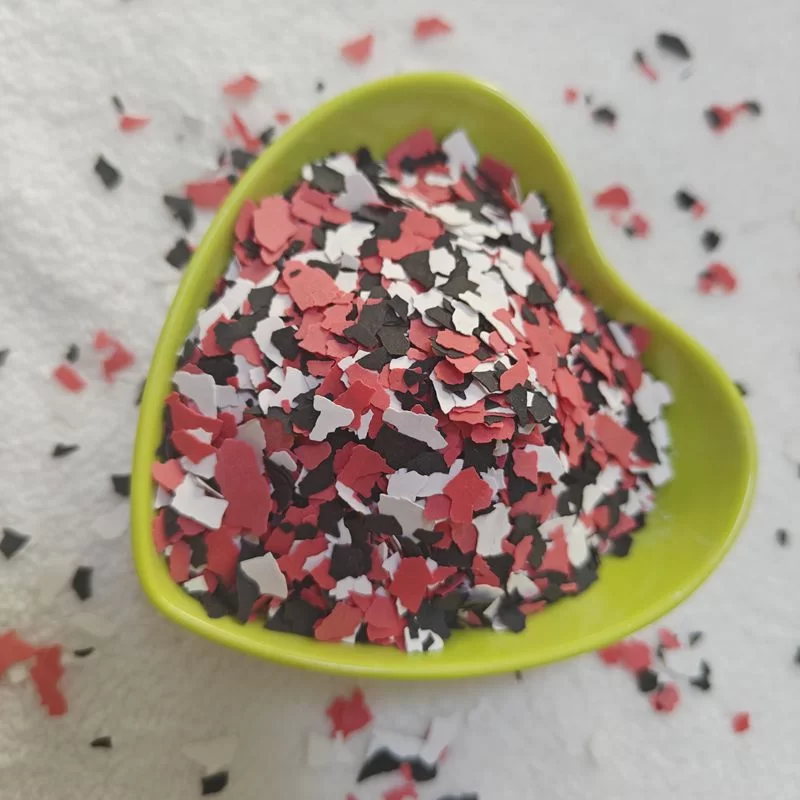
In the demanding world of heavy industry and corrosion protection, selecting the optimal reinforcement material is not just a procurement decision—it is an engineering imperative. Manufacturers frequently face the challenge of enhancing the barrier properties of coatings and liners without compromising the mechanical integrity of the matrix. The solution lies in sourcing high-performance glass Flake For Composite materials that offer consistent micronization and chemical stability.
Shijiazhuang Fengersheng Mining Co., Ltd. (FES Mining) addresses this challenge by leveraging over 42 years of mineral processing expertise. Established in 1982 and evolving from the renowned No.1 Mica Factory in Lingshou County, we understand that material consistency is the bedrock of composite performance. Unlike generalist suppliers, our background as a "mineral powder expert" ensures that every batch contributes to superior impermeability and structural reinforcement. With an annual production capacity exceeding 200,000 tons and a global footprint spanning 120 countries, we provide the supply chain security and technical fidelity required for large-scale composite manufacturing.
The efficacy of glass Flake For Composite relies heavily on the aspect ratio and the purity of the material. In composite engineering, the primary goal is to create a tortuous path that blocks the permeation of moisture and corrosive agents. Achieving this requires precise processing technology that maintains the planar structure of the flake while ensuring compatibility with various resin matrices, such as vinyl ester, epoxy, and polyester.
At FES Mining, we apply international standard testing protocols to our new material lines. Our processing systems focus on maintaining high dimensional stability and chemical resistance, traits essential for extending the service life of industrial equipment. Below is a breakdown of how our processing standards translate to functional advantages in composite applications.
| Performance Metric | Industry Significance | Our Engineering Standard | Advantage |
|---|---|---|---|
| Aspect Ratio Integrity | Determines the "tortuous path" efficiency for barrier protection. | Precision milling to preserve planar structure. | Enhanced impermeability against moisture and chemicals. |
| Chemical Inertness | Prevents reaction with corrosive media in harsh environments. | Strict mineral selection & purity verification. | Superior corrosion resistance in lining applications. |
| Particle Size Distribution | Affects packing density and resin viscosity. | Multi-stage screening for narrow distribution. | Smoother surface finish and optimized resin usage. |
| Thermal Stability | Critical for high-temperature composite curing and operation. | Validated heat resistance properties. | Maintains structural integrity under thermal stress. |
Integrating high-grade glass Flake For Composite is a strategic investment in asset longevity. By significantly reducing permeation rates, manufacturers can extend the maintenance intervals of storage tanks, pipelines, and marine structures. This shift from reactive maintenance to proactive durability drives a substantial improvement in Return on Investment (ROI) for end-users.
FES Mining supports this value proposition through robust supply chain capabilities. With 50% of our market in Asia and 30% in North America, backed by partnerships with giants like CNPC and Sinopec, we ensure that high-quality reinforcement materials are available where and when they are needed. Our focus on "new materials" and sustainable production aligns with global trends toward green, low-carbon development, ensuring your products meet evolving environmental standards while reducing total lifecycle costs.
Related products
Top Selling Products


If you are interested in our products, you can choose to leave your information here, and we will be in touch with you shortly.