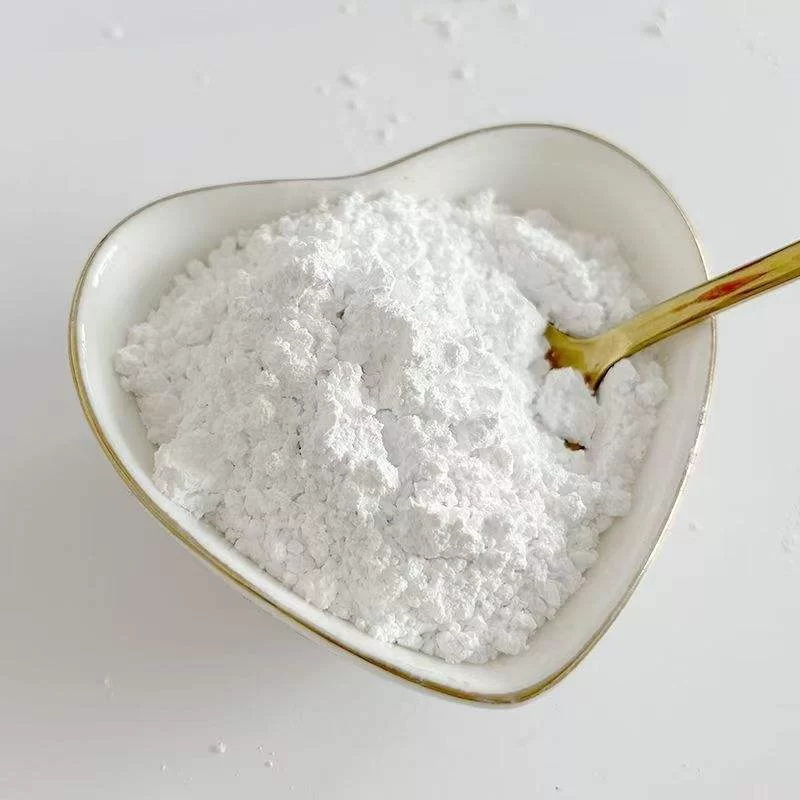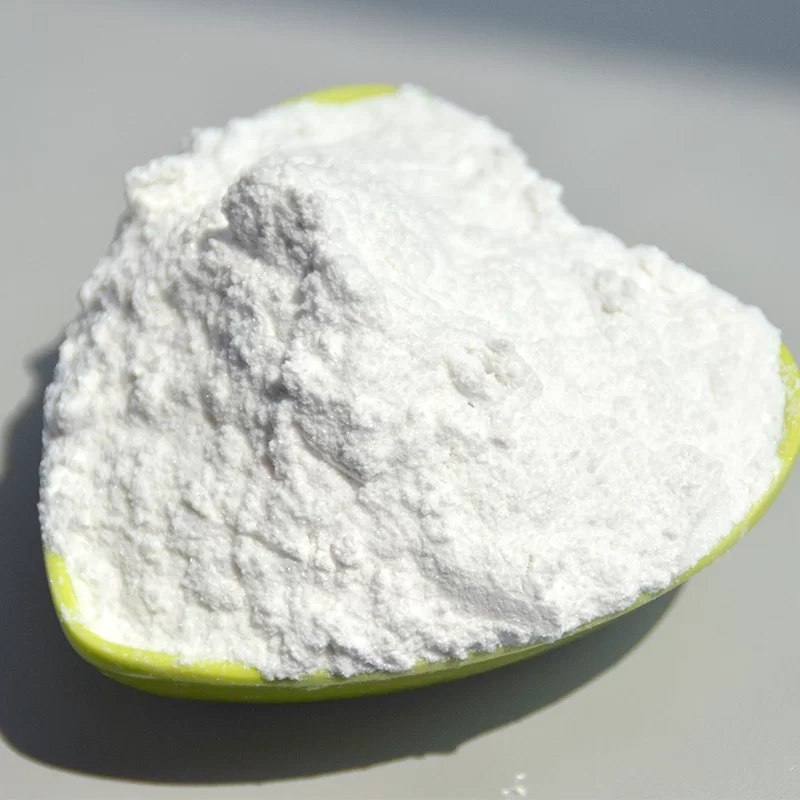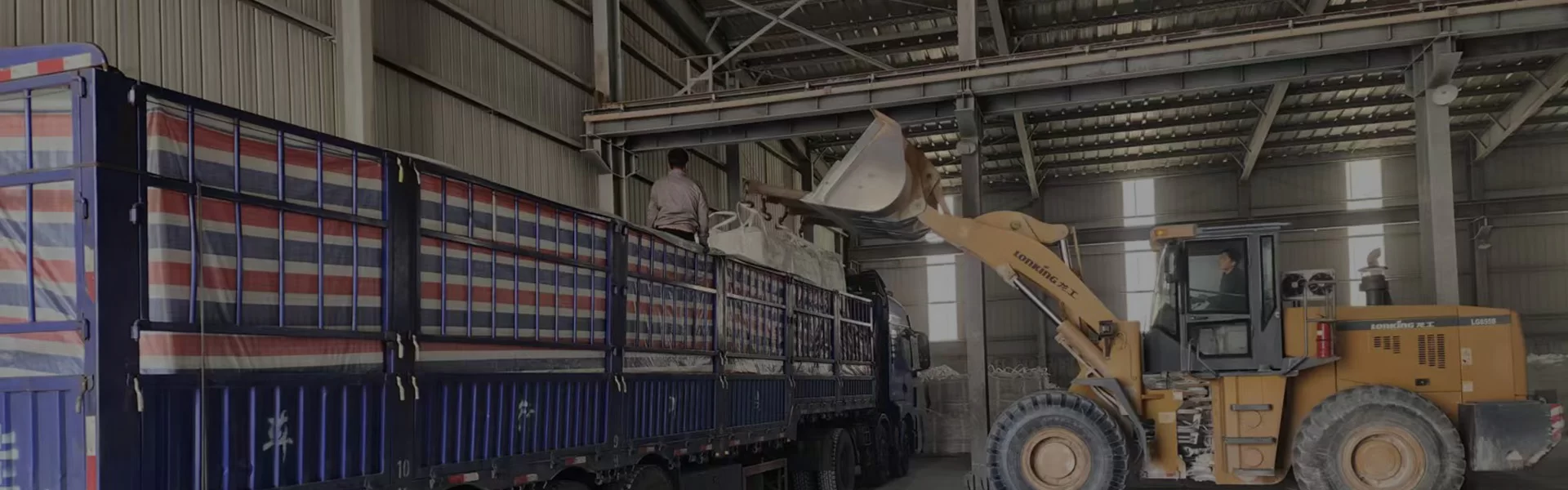


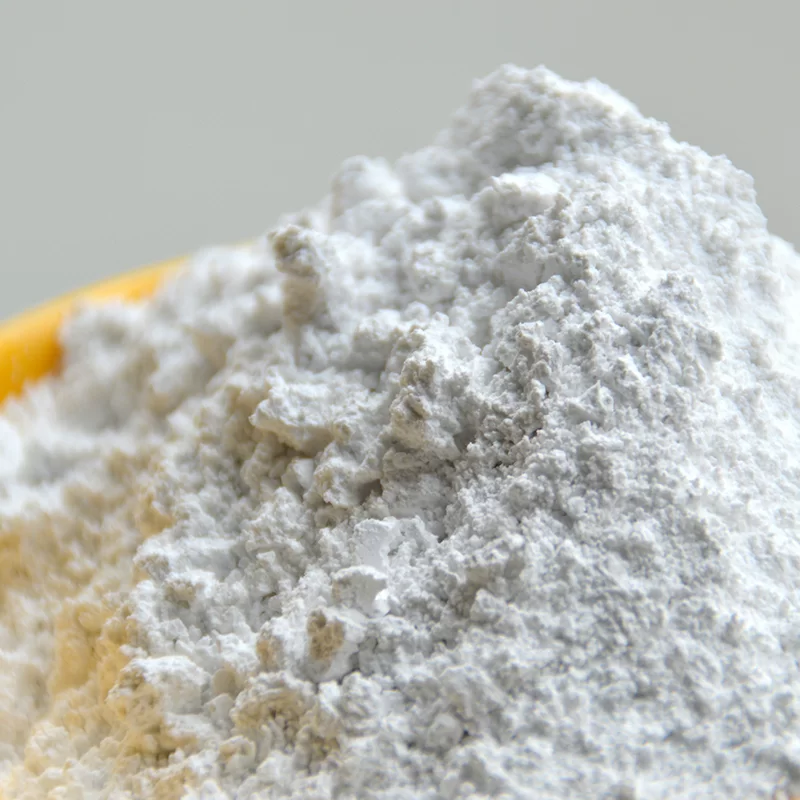
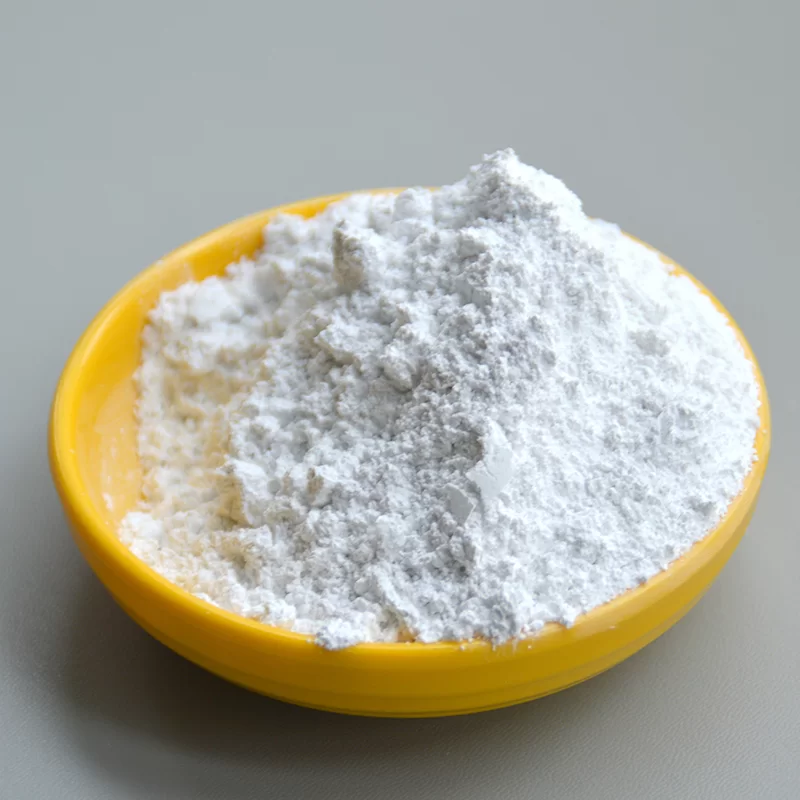
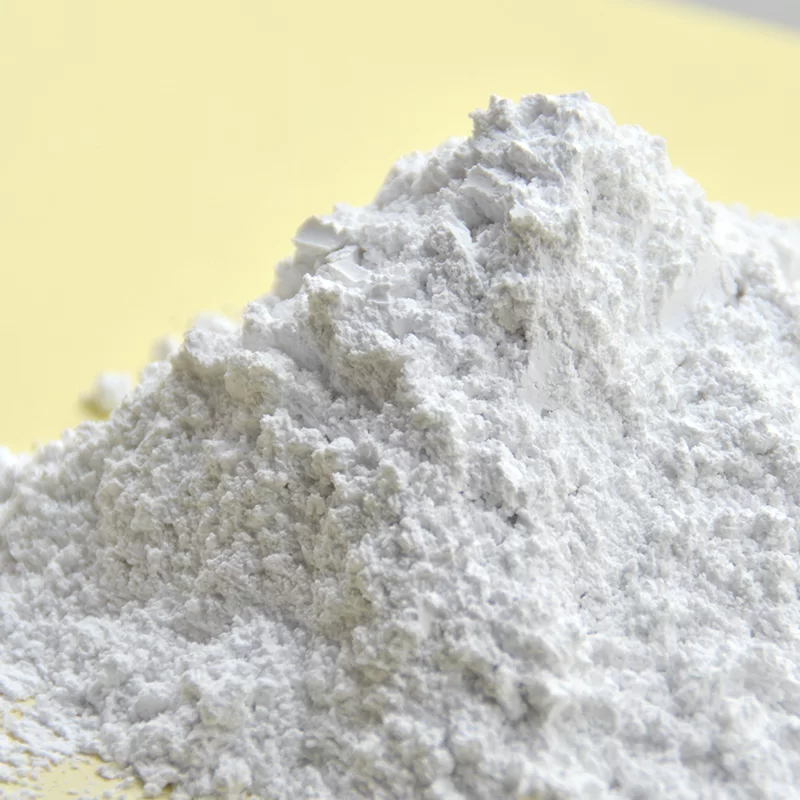
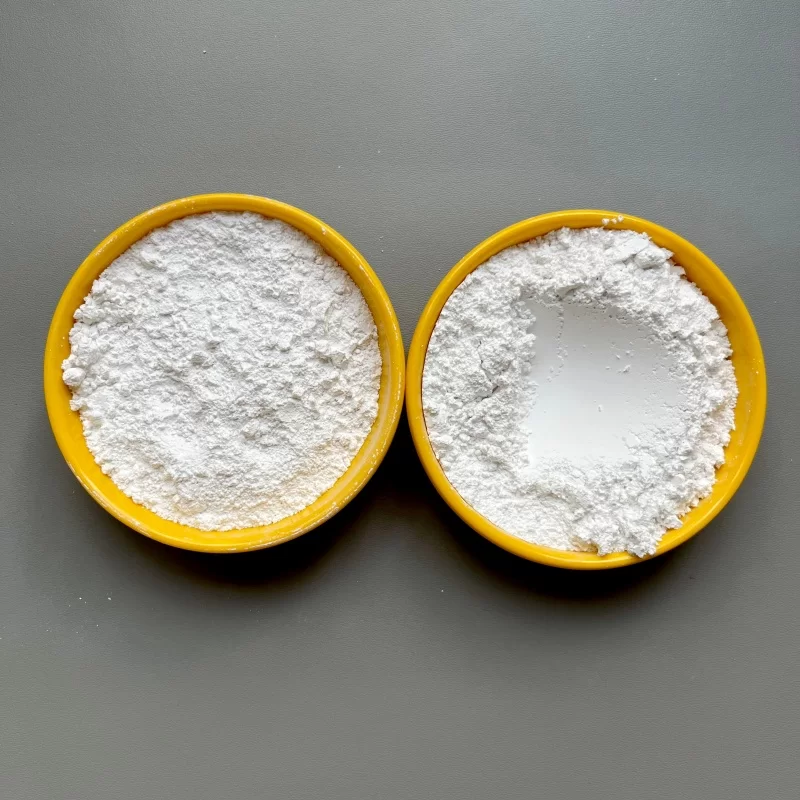
Light Calcium Carbonate, also widely recognized as Precipitated Calcium Carbonate (PCC), is a high-purity functional filler characterized by a calcium carbonate content exceeding 98%. Engineered for precision, this material serves as a critical reinforcement agent in the rubber and plastics industries, as well as in papermaking, coatings, and inks. With its tailored physical properties and consistent particle structure, it provides an optimal balance between structural integrity and cost-efficiency for industrial manufacturing.
Designed to enhance the mechanical properties of polymer matrices, our Light Calcium Carbonate improves rigidity, dimensional stability, and abrasion resistance. Whether used in PVC pipes, PE films, or high-performance automotive rubber seals, it optimizes melt flow and pigment dispersion, ensuring a superior surface finish and reduced production costs without sacrificing the quality of the final product.
| Calcium Content | 97.2% | Sieve Residue (45μm) | 0.15% |
|---|---|---|---|
| pH Value | 9.1 | Whiteness | 93.2% |
| Sedimentation Volume | 2.4–2.8 mL/g | Average Particle Size | 2–3 μm |
| Particle Structure | Date Pit Structure | Major Axis | 5–12 μm |
| Common Mesh Sizes | 100, 325, 600, 1250 | Customization | Available on Request |
Significantly increases hardness, tensile strength, and abrasion resistance in rubber components like seals and tires.
Reduces shrinkage during the cooling process in plastics, ensuring precise dimensions for industrial parts.
Efficiently replaces expensive polymer resins, reducing overall production costs while maintaining high quality.
High whiteness and fine particles improve brightness and ensure uniform pigment dispersion for a polished look.
Improves melt flow and dispersion within polymer systems, leading to lower energy consumption and higher efficiency.
Natural origin and non-toxic properties help reduce reliance on petroleum-based raw materials.
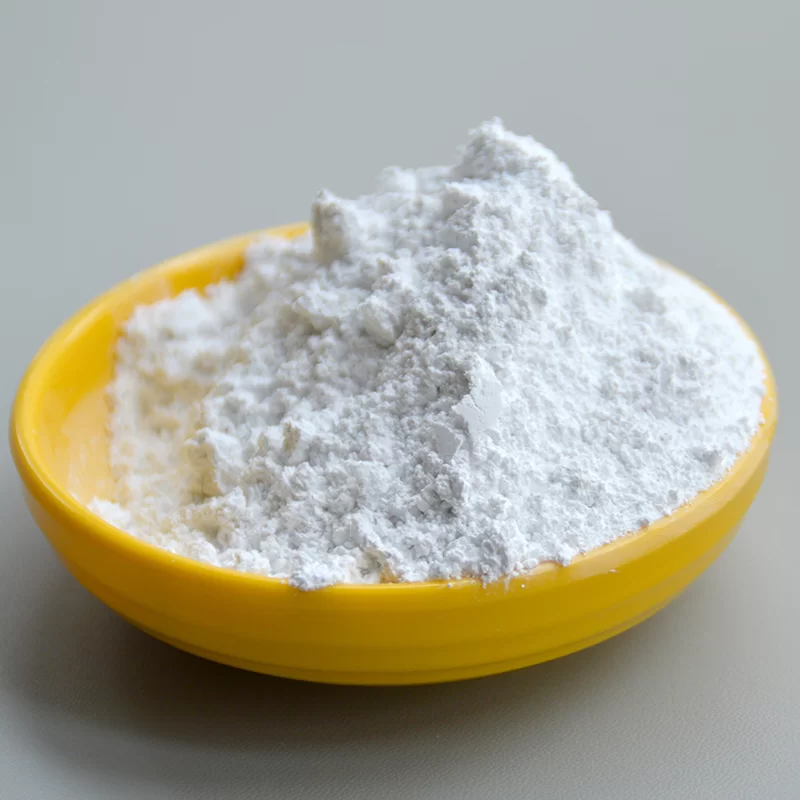
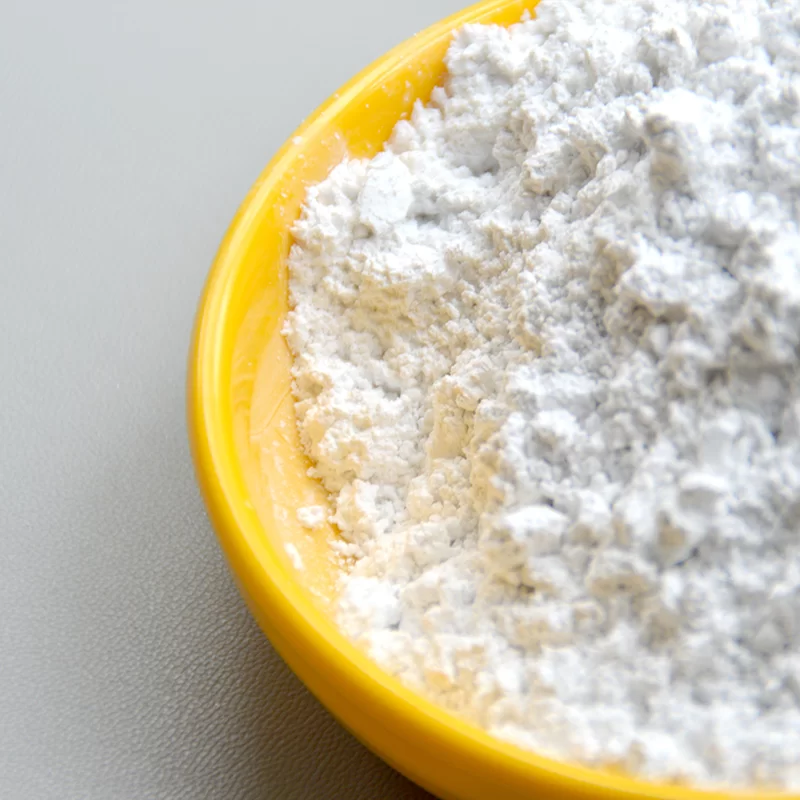
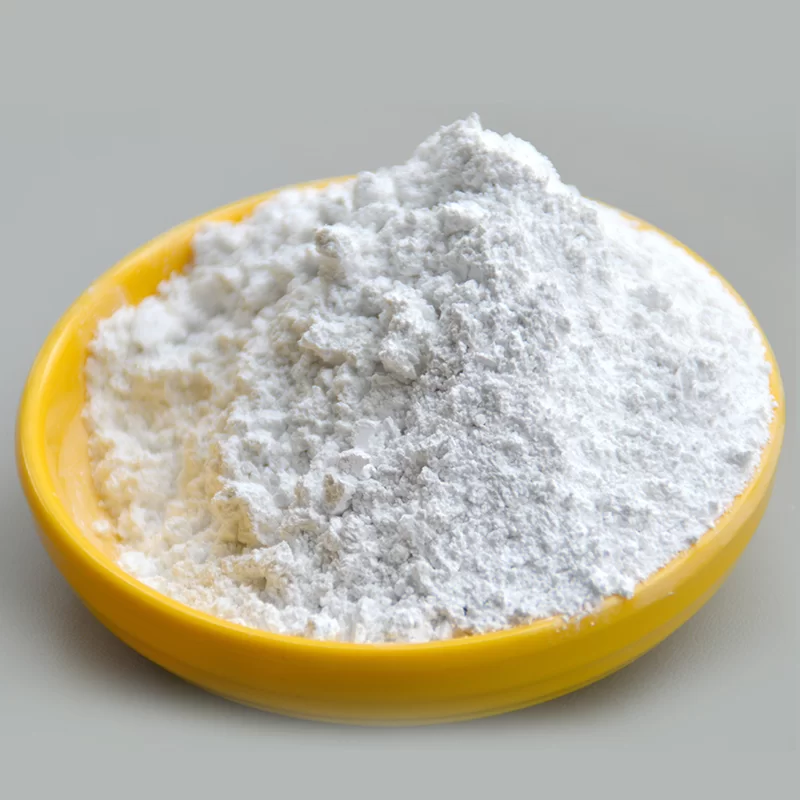
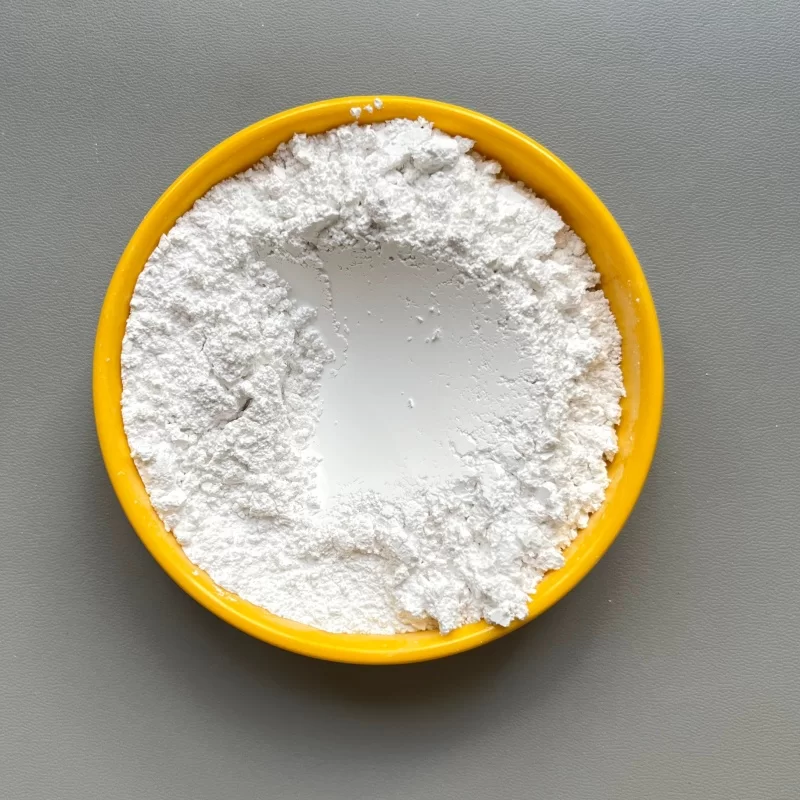
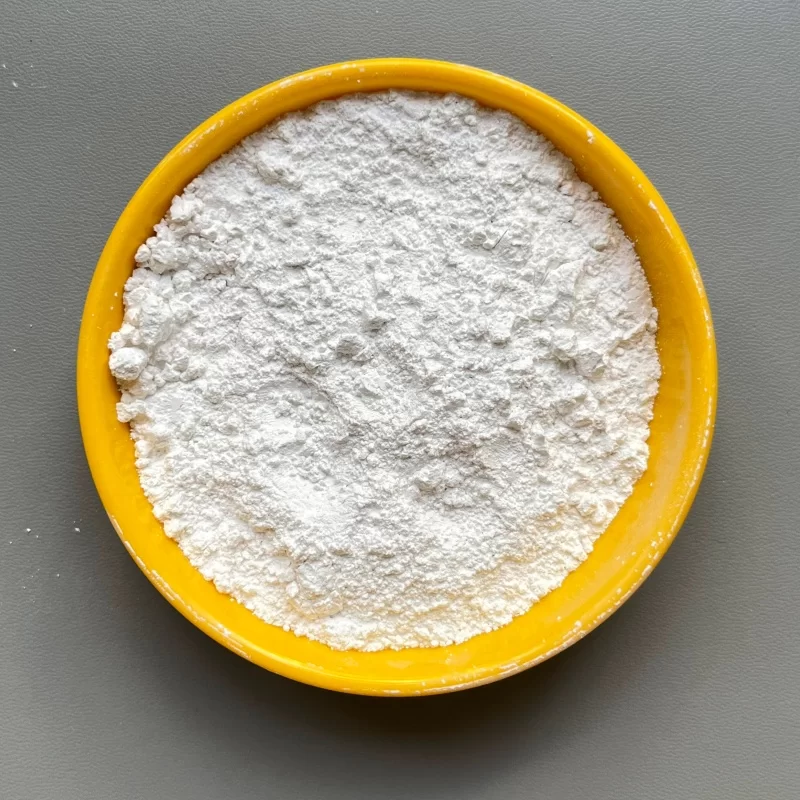
Rigorous testing of purity and particle size to ensure every batch meets international standards.
Advanced precipitation and grinding technology for consistent chemical indicators and whiteness.
Streamlined logistics for timely delivery of bulk minerals to global plastic and rubber plants.
Ability to adjust mesh size and chemical properties to fit specific industrial requirements.
Commitment to environmentally responsible mining and processing of non-metallic minerals.
Expert guidance on integration and dosing for maximum reinforcement and cost savings.
| Comparison Factor | Standard Polymer Resin | With Light Calcium Carbonate |
|---|---|---|
| Raw Material Cost | High (Premium Pricing) | Significant Reduction |
| Product Rigidity | Standard | Enhanced Stiffness |
| Dimensional Stability | Prone to Shrinkage | Highly Stable |
| Processing Energy | Higher Melt Energy | Optimized Flow/Lower Energy |
| Eco-Footprint | Petroleum-Based | Natural Mineral Integrated |
Light calcium carbonate (PCC) is produced through a chemical precipitation process, resulting in finer particles and higher purity, whereas heavy calcium carbonate (GCC) is produced by grinding natural limestone.
It acts as a functional filler that replaces a portion of the expensive polymer resin without compromising the structural integrity of the product, thus lowering the cost per unit.
Yes, we offer standard sizes such as 100, 325, 600, and 1250 mesh, and we accept full customization based on your specific technical requirements.
High-stress components such as automotive seals, industrial gaskets, conveyor belts, and tires benefit most from improved tensile strength and abrasion resistance.
Due to its high whiteness (above 93%), it actually improves the brightness of the product and enhances the dispersion of pigments for more uniform coloring.
Absolutely. It is a naturally derived, non-toxic mineral that helps manufacturers reduce the carbon footprint associated with purely petroleum-based plastics.
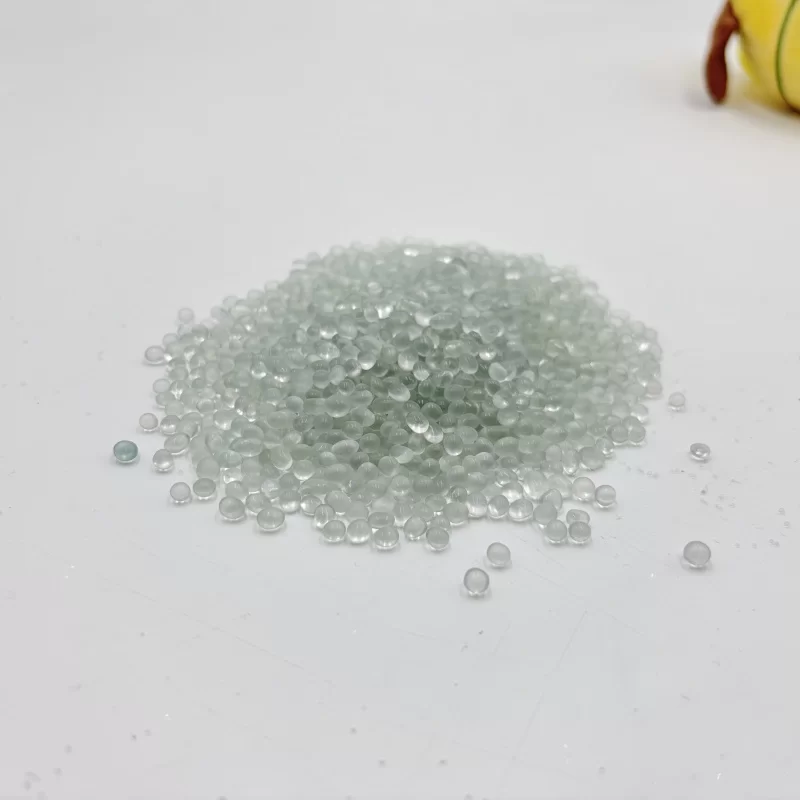
Solid glass microspheres are small yet powerful spherical particles. They feature high density, strength, and thermal stability, making them ideal for demanding applications in precision polishing, polymer reinforcement, and functional coatings.
Polished pebbles refer to natural-collected pebbles that undergo mechanical grinding and polishing to achieve a smooth, glossy surface. They retain the natural shape of pebbles while being given an artistic second life. With their high aesthetic value and artistry, polished pebbles are mainly used in fields focused on decoration and quality of life enhancement: indoor decoration and display, aquarium and fish tank landscaping, bathroom decoration, decoration of indoor fountains and small artificial water features, as well as an excellent material for making crafts like paperweights, candlesticks, photo frames and creative ornaments.
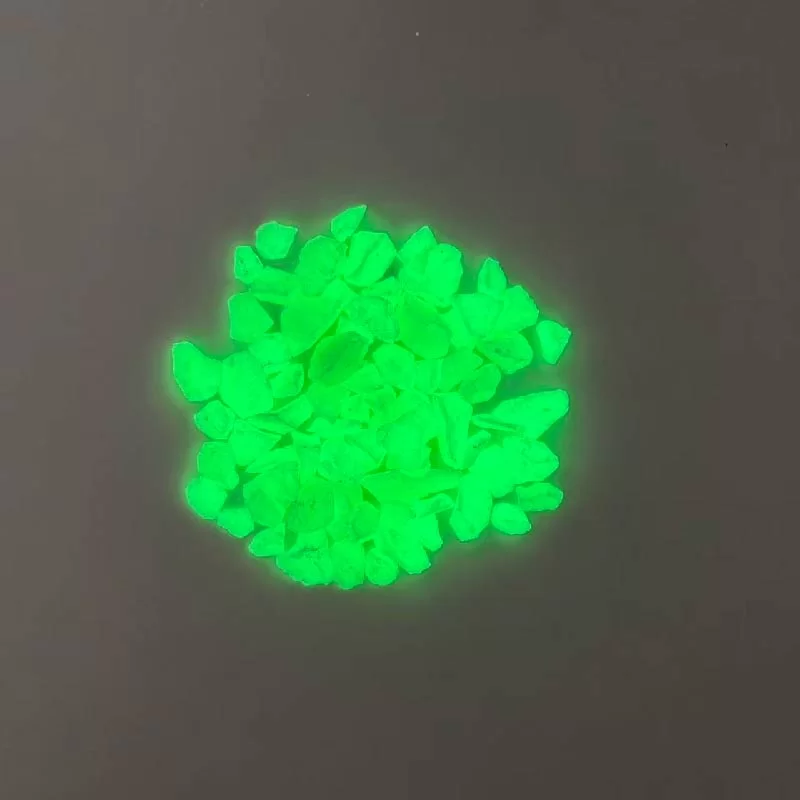
Resin-based luminous stones offer long glow duration, light weight with high strength, wear and weather resistance, safety and environmental friendliness, and easy installation. They can be customized in specific sizes, colors and luminous intensity according to project requirements, and are widely used in luminous walkways/paths, garden decoration, feature walls, safety indication and guidance, artistic decoration, as well as lighting for parks, river banks and bridges.
Calcined talc powder specifically designed for rubber applications. Functions as effective filler, release agent, and surface treatment agent while improving heat resistance and mechanical properties.
Type: Pure white mica powder, pearlescent mica powder
Particle Size:
600, 800, 1000, 2000, 3000mesh or customized particle size
Application Effect:Matte, pearlescent, glossy

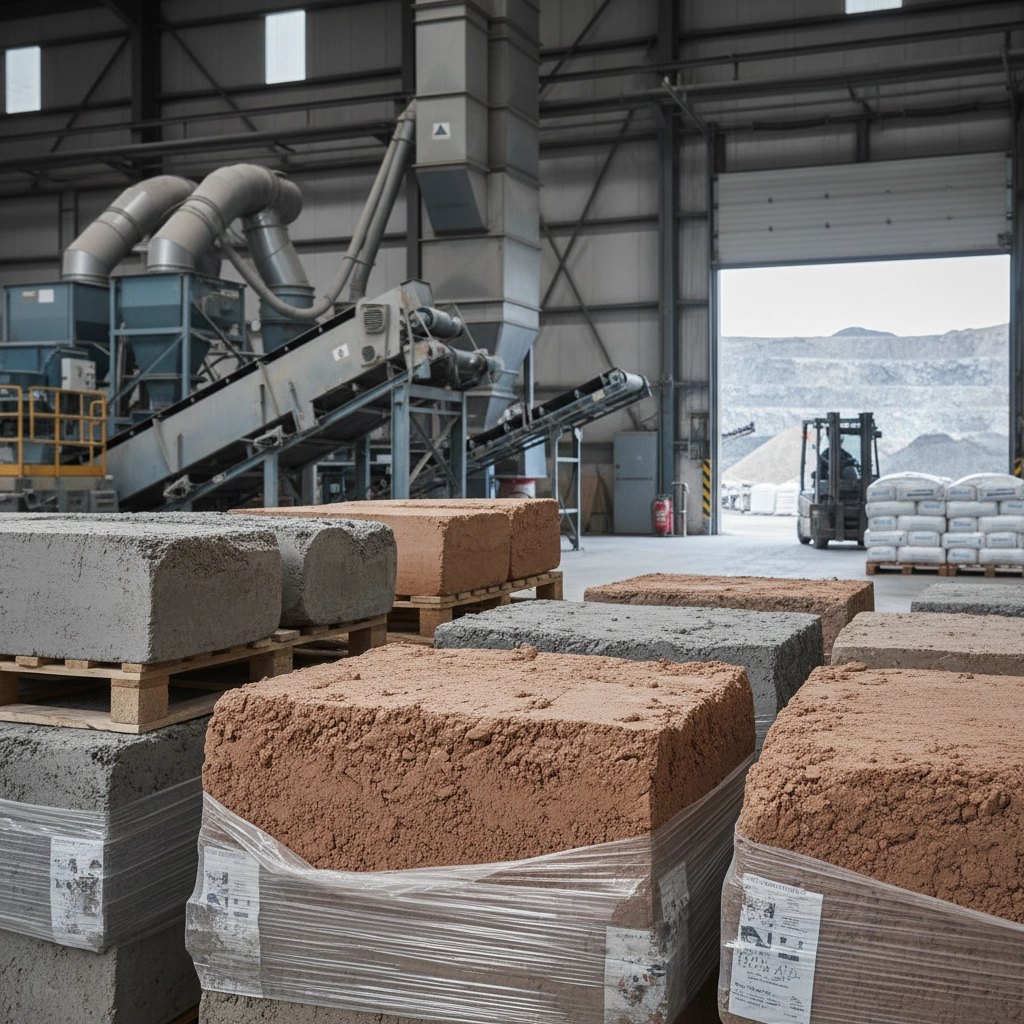
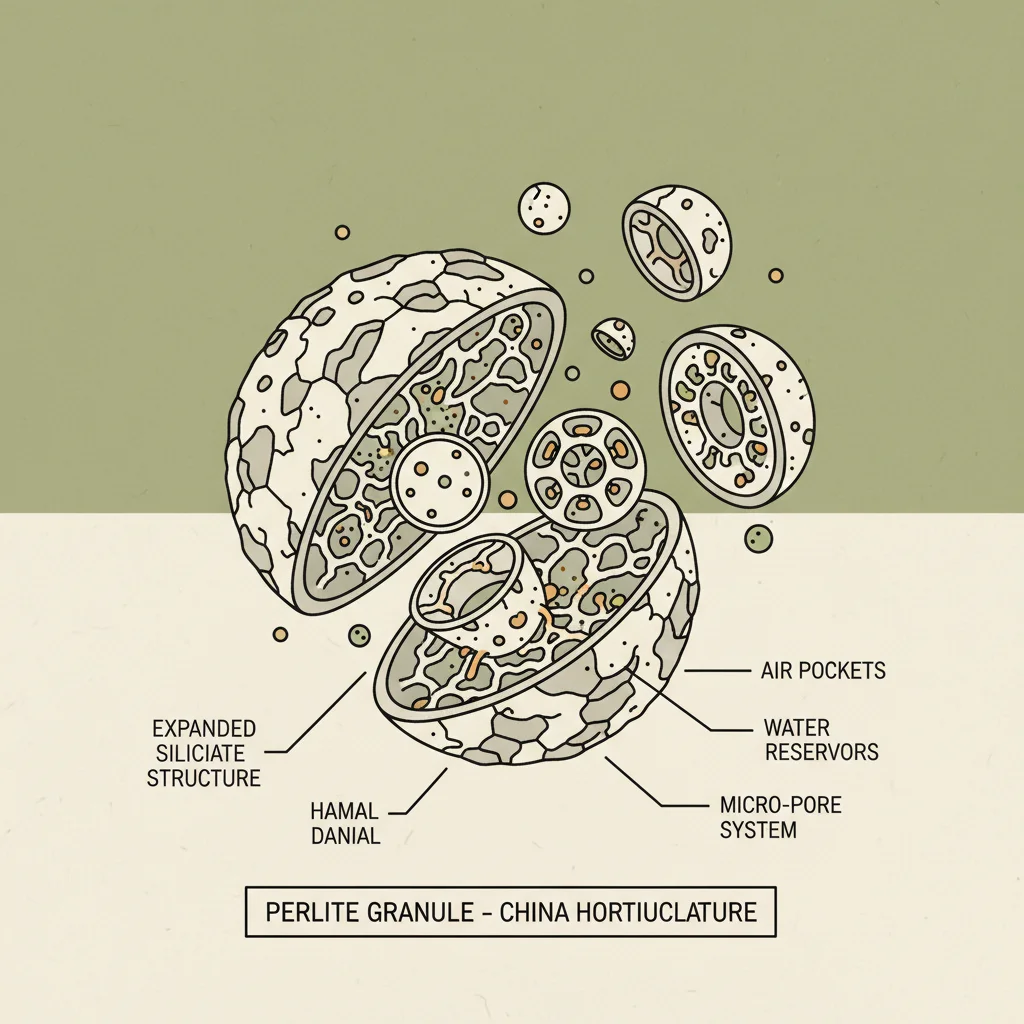
Discover the benefits of China horticulture perlite granules for enhanced plant growth, improved soil health, and sustainable agricultural practices. Learn about applications, advantages, and future trends.
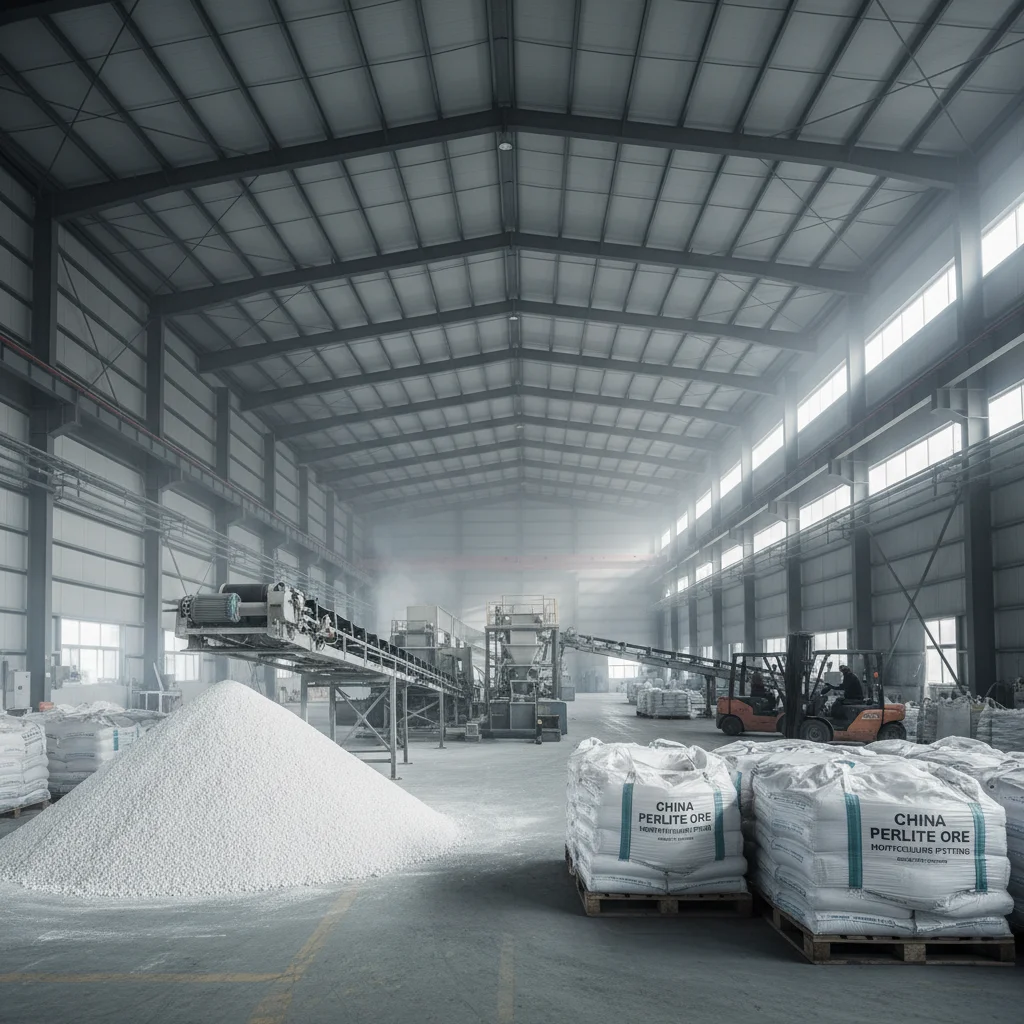


If you are interested in our products, you can choose to leave your information here, and we will be in touch with you shortly.