In modern industrial and construction sectors, engineers often face a critical dilemma: how to maximize thermal safety without compromising structural integrity through excessive weight load. Selecting the appropriate insulation is not merely about purchasing a commodity; it is about securing a safety perimeter that enhances efficiency. The challenge lies in sourcing materials that offer superior heat resistance while maintaining the porosity and low density required for ease of application and energy conservation.
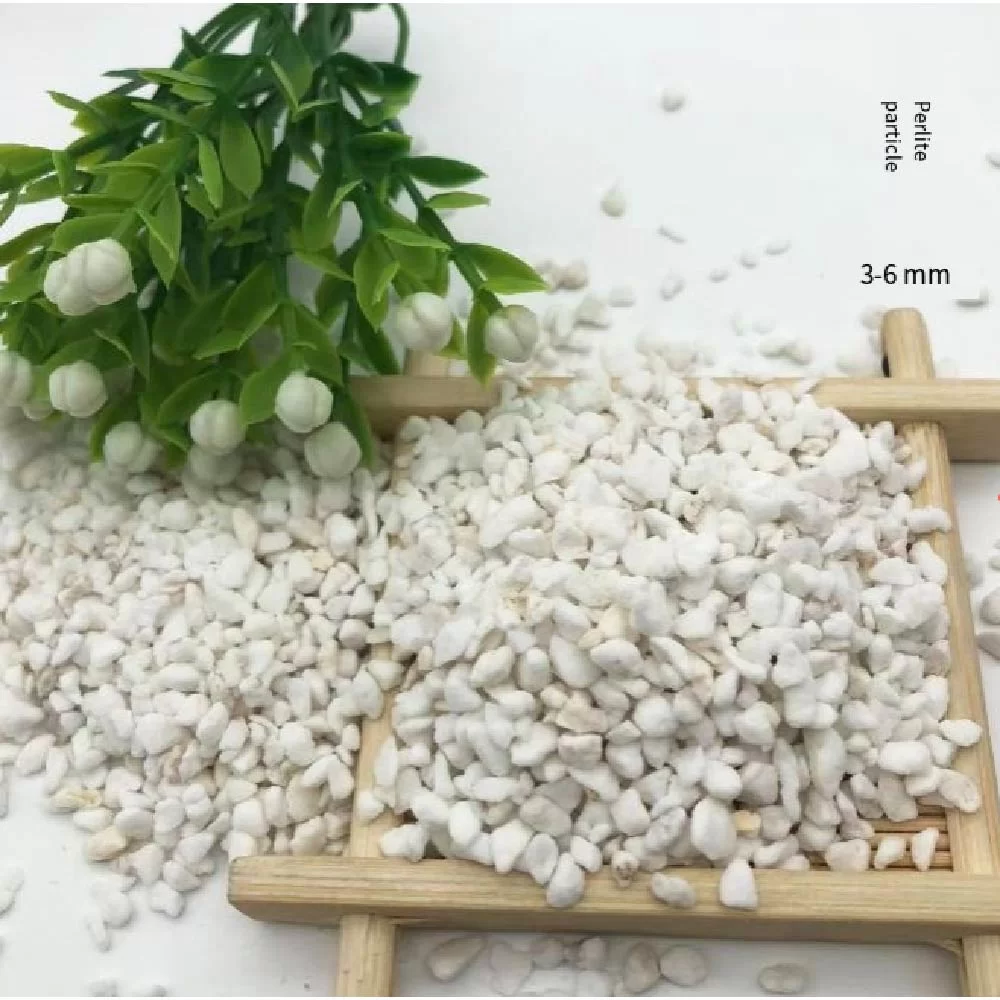
Shijiazhuang Fengersheng Mining Co., Ltd. addresses this specific engineering need by leveraging over 43 years of mineral processing expertise. Since 1982, the evolution from a local mica factory to a global export leader—serving over 120 countries—demonstrates a commitment to solving complex insulation problems. By controlling a comprehensive production system that includes the mining and processing of Vermiculite and Perlite, we provide a lightweight Fire Insulation Material solution that meets international standards. Our annual production capacity of over 200,000 tons ensures that large-scale projects receive consistent, high-grade materials necessary for reliable thermal protection.
Thermal performance cannot be left to chance. It requires rigorous adherence to mineral purity and processing precision. Our approach to manufacturing involves a strict quality control protocol that transforms raw minerals into high-performance insulation. For applications ranging from industrial foundry operations to construction fireproofing, the stability and chemical resistance of the material are paramount.
Below is a breakdown of how our processed minerals, particularly our expanded perlite and vermiculite series, benchmark against standard industry requirements for lightweight Fire Insulation Material.
| Performance Metric | Industry Significance | Our Engineering Standard | Advantage |
|---|---|---|---|
| Bulk Density | Determines structural load and ease of handling. | Optimized expansion ratios for ultra-low density. | Reduces dead load on structures while maintaining volume. |
| Thermal Resistance | Critical for fire retardation and energy conservation. | High-purity processing (removing impurities). | Superior heat containment and fire safety ratings. |
| Chemical Stability | Longevity in harsh environments (e.g., petrochemicals). | Inert mineral composition verification. | Resists corrosion; trusted by CNPC & Sinopec. |
| Porosity & Absorption | Affects acoustic insulation and binder integration. | Controlled particle sizing and texture. | Enhanced bonding with matrices for durable application. |
By utilizing our integrated supply chain—one of North China's largest mica and mineral bases—we ensure that every batch of lightweight Fire Insulation Material meets specific technical criteria for heat resistance and density, supporting critical infrastructure globally.
In an era focusing on "green and low-carbon development," the strategic selection of materials drives long-term financial performance. Investing in superior lightweight Fire Insulation Material goes beyond immediate safety compliance; it translates into reduced energy consumption and lower maintenance costs over the lifecycle of an asset. High-quality mineral insulation acts as a barrier that stabilizes internal temperatures, reducing the load on climate control systems and protecting structural elements from thermal shock.
Our track record, evidenced by long-term partnerships with industry giants like CNPC and Sinopec, validates the economic viability of our solutions. With an annual export volume exceeding 80,000 tons, we facilitate supply chain stability, allowing clients to avoid costly project delays. The chart below illustrates the comparative efficiency gains when utilizing high-grade, lightweight mineral insulation versus standard, heavier alternatives in industrial settings.
Related products
Top Selling Products


If you are interested in our products, you can choose to leave your information here, and we will be in touch with you shortly.