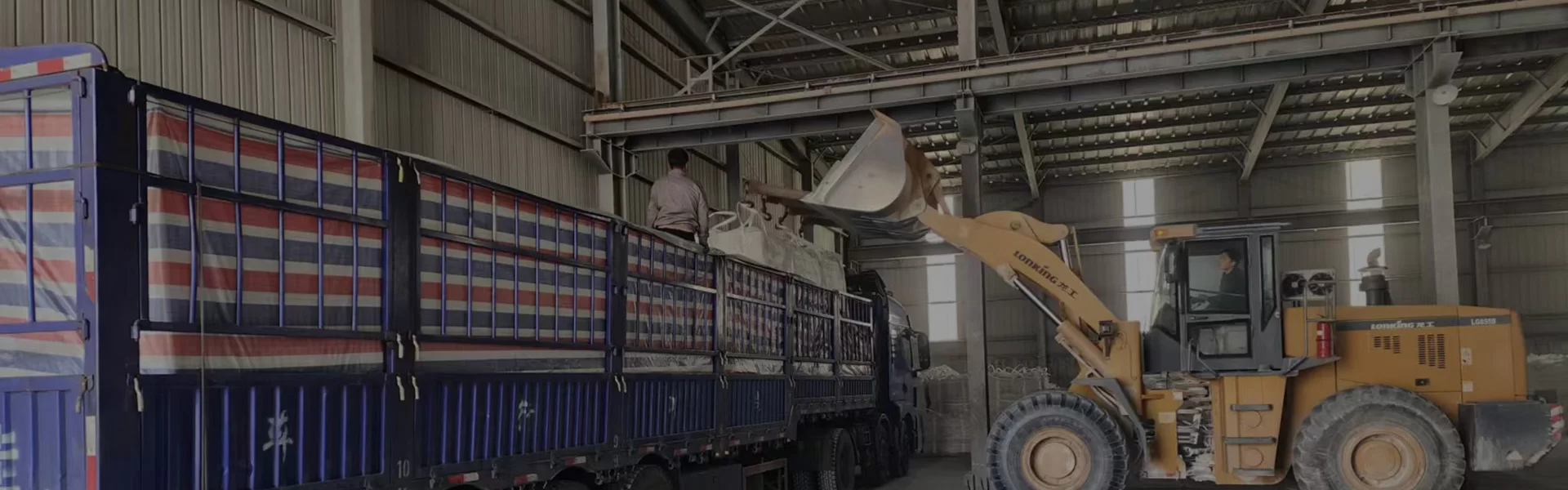
Look, everyone's talking about miniaturization these days, right? Everything’s gotta be smaller, lighter. Folks want more power in a tighter package. I've seen it creep into everything from the connectors on these perlite expansion plants to the actual expansion chambers themselves. It’s a push for efficiency, I guess. But to be honest, I'm always a little wary. Smaller isn't always better, especially when you're dealing with the kind of heat and pressure a China Perlite Expansion Plant throws around.
What I've noticed is a lot of designers get hung up on the specs, the numbers. They forget that this stuff actually *lives* on a construction site, covered in dust, getting knocked around. They design these intricate little interfaces, thinking they’re being clever, and then a field tech spends half a day wrestling with it because it’s too fiddly to connect with gloves on. It happens all the time.
And don’t even get me started on tolerances. Everyone wants super-tight tolerances, but that drives up costs, and frankly, it’s often unnecessary. A little wiggle room is your friend. Especially when you're dealing with materials that can shift and warp under stress. You want things to *fit* together, not be forced. It's about practicality, not perfection.
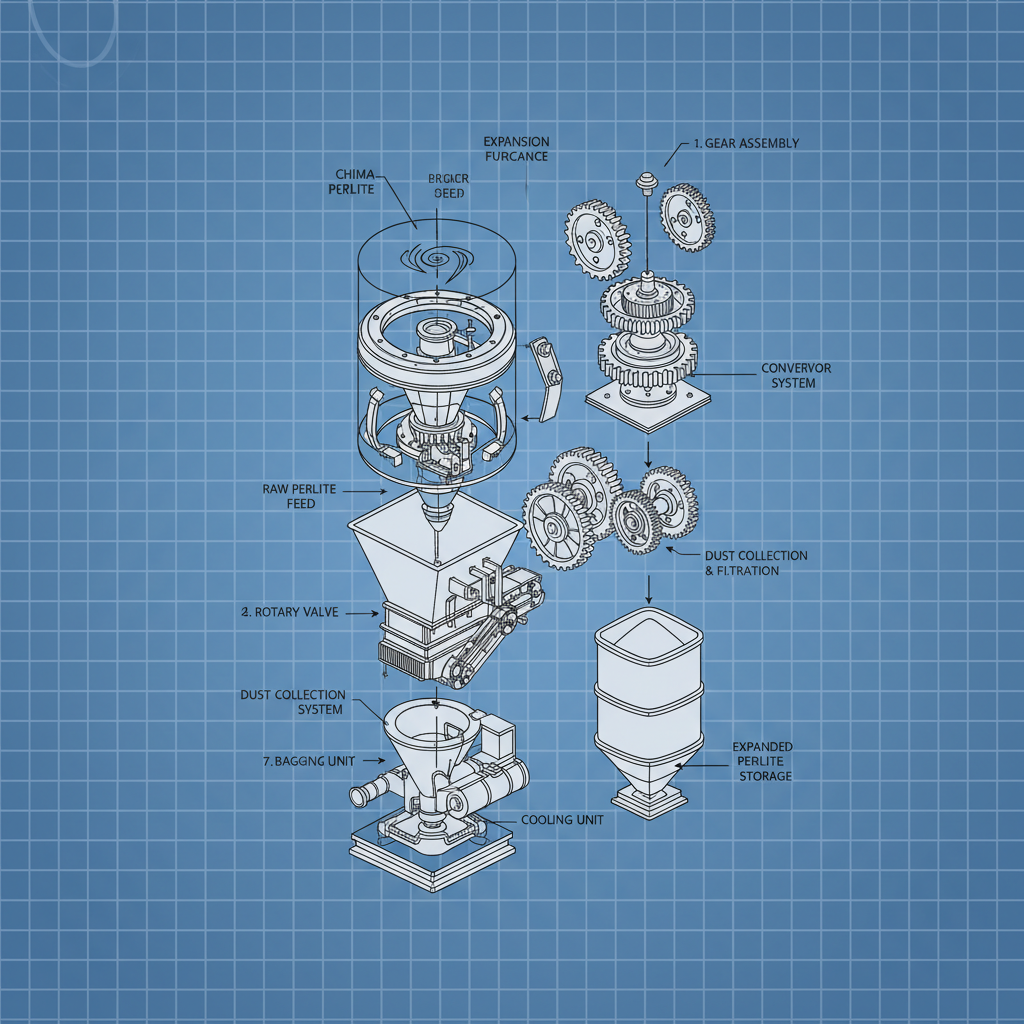
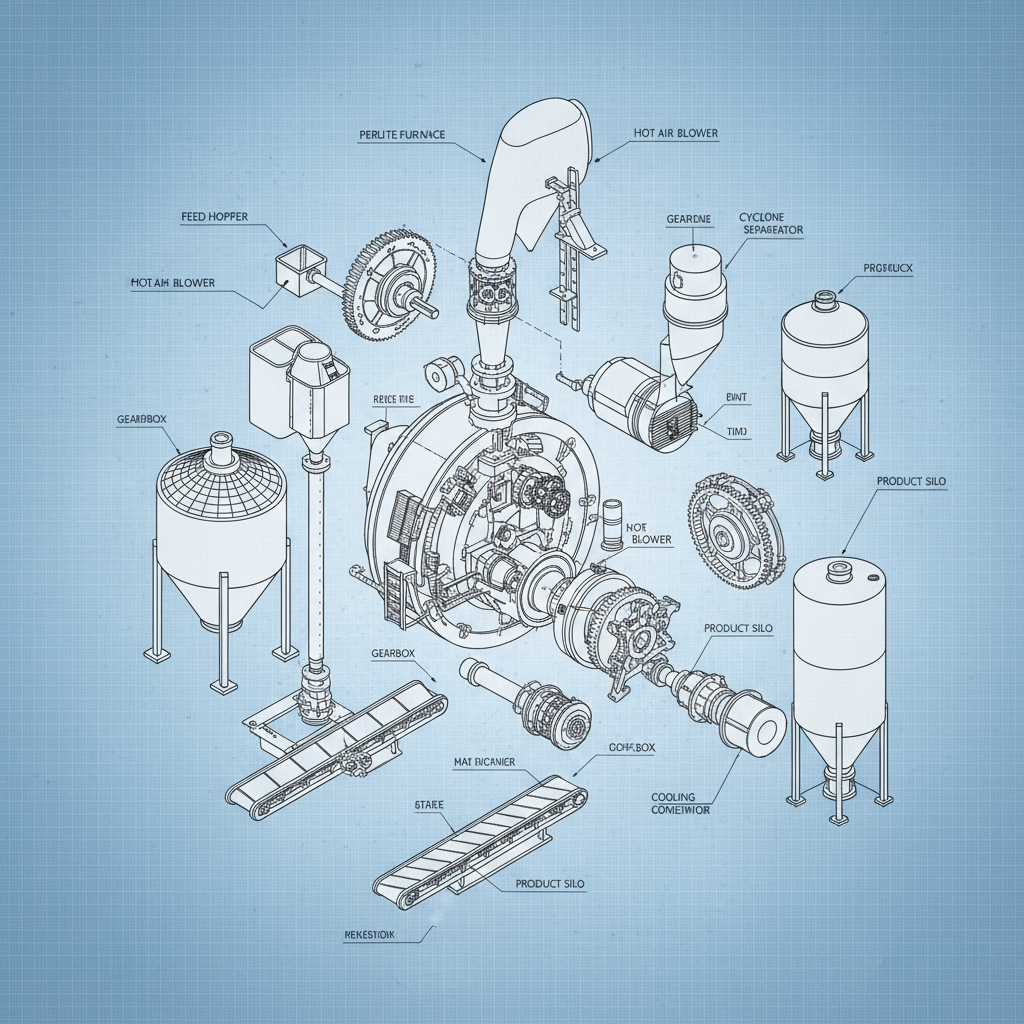
Strangely enough, the biggest trend I’ve been seeing is a move *back* to more robust, simpler designs, especially in the high-end stuff. People are realizing that all these fancy features add complexity and points of failure. I encountered this at a factory in Shandong last time – they'd designed a new expansion valve with, I kid you not, twelve moving parts. Twelve! It took a team of three engineers just to calibrate it.
The biggest pitfall? Over-engineering, hands down. Trying to solve problems that don't exist, or making things overly complicated when a simple solution would do. It's a constant battle to reign in the designers and remind them what it’s like out here in the real world.
Honestly, the biggest headache is the seals. They degrade over time and need regular checking – ideally, every shift. Beyond that, you're looking at annual inspections of the expansion chambers and heating elements, and quarterly checks of the pressure regulator. Ignoring those little things will lead to big problems down the line, trust me.
Hugely. Humidity, dust, extreme temperatures – they all take their toll. A plant operating in a dry, clean environment will last significantly longer than one exposed to harsh conditions. That’s why proper housing and regular cleaning are so important. We've seen plants fail prematurely simply because they weren't protected from the elements.
You need someone who understands the basics of process control and can troubleshoot common issues. It’s not rocket science, but it's not something you can just hand over to anyone. Proper training is essential. A poorly trained operator can damage the equipment, reduce efficiency, and even create a safety hazard.
Seals, without a doubt. Followed by the control system – those things are complex and prone to electronic glitches. And then, surprisingly, the expansion chambers themselves. Metal fatigue can set in over time, especially if the plant is being pushed too hard.
Definitely. We get a lot of requests for custom flow rates, different interface types, and modifications to the control system. One client wanted a plant that could operate on a specific type of fuel – that was a fun challenge. Ultimately, it's about tailoring the plant to the customer's specific needs.
That depends, really. With proper maintenance and a little luck, you can get 10-15 years out of one. But it's not uncommon to see them fail after 5-7 years, especially if they're being used in harsh conditions or operated by inexperienced personnel. It's all about how you treat it, I guess.
So, what have we learned? China Perlite Expansion Plants are complex machines, but they’re essential for a lot of industries. The key to success is understanding the materials, the mechanics, and the practical realities of operating them in the field. It's about balancing innovation with reliability, and not getting caught up in the hype.
Ultimately, whether this thing works or not, the worker will know the moment he tightens the screw. And if it doesn't, well, we'll be getting a phone call. That’s the business. And, let's be honest, I’ll probably be on a construction site somewhere, covered in dust, trying to figure out why. If you’re looking for a reliable plant, or just want to pick my brain, visit our website: China Perlite Expansion Plant.

Ethan is the Marketing Director at Cangzhou Jiujiang, focusing on expanding the brand's presence in North America. With over a decade of experience in outdoor apparel marketing, Ethan leverages his knowledge to promote the company’s PU rainwear, emphasizing its BSCI and GRS certifications.


If you are interested in our products, you can choose to leave your information here, and we will be in touch with you shortly.