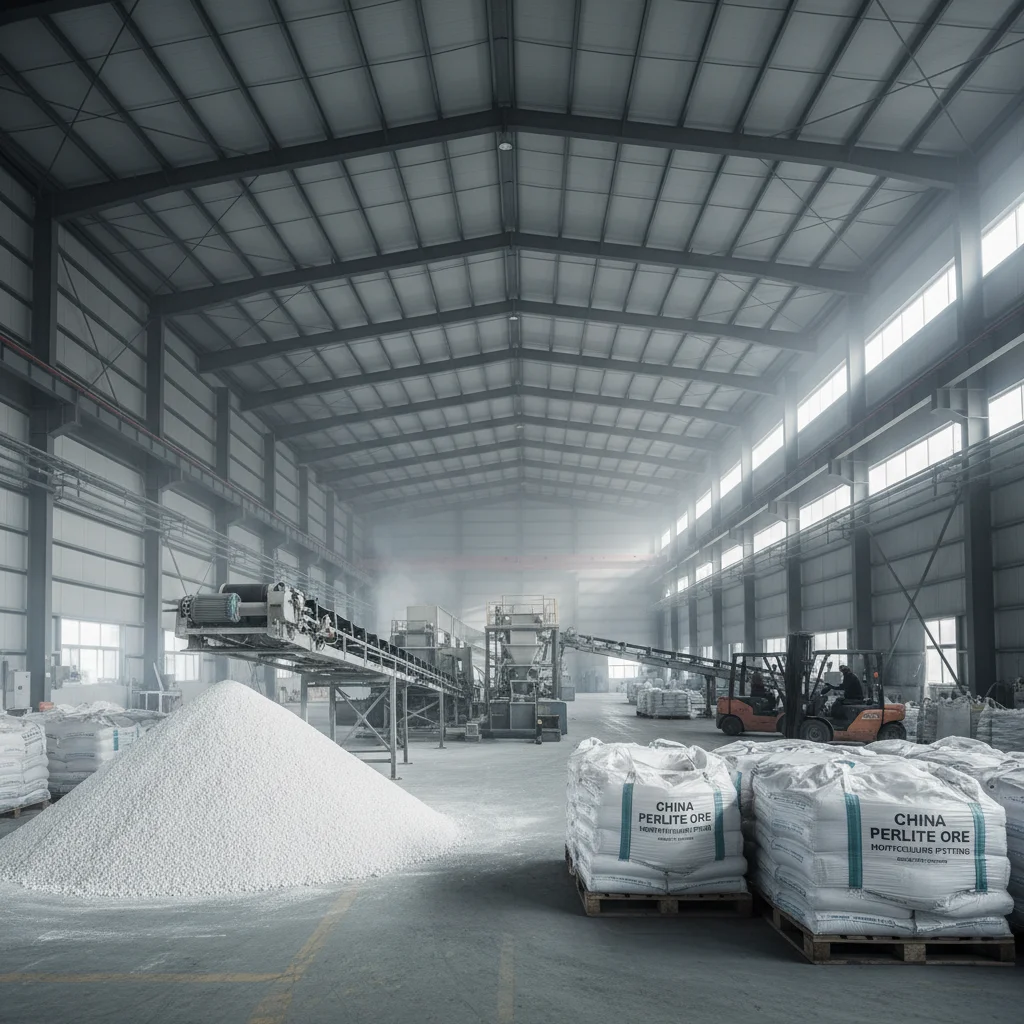
China kaolin price is a crucial indicator within the global ceramics, paper, and paint industries. Fluctuations in its cost directly impact production expenses, product pricing, and overall market competitiveness. Understanding the factors influencing China kaolin price – from mining operations and processing techniques to transportation costs and international demand – is essential for businesses and investors alike. This knowledge allows for better supply chain management, informed investment decisions, and proactive adaptation to market shifts.
The significance of China as a dominant kaolin producer cannot be overstated. The nation holds substantial reserves and consistently supplies a significant portion of the global market. This dominance means that China kaolin price often sets the benchmark for international pricing, influencing market trends worldwide. Monitoring China’s economic policies, environmental regulations, and production capacity is therefore vital for those involved in the kaolin trade.
Accurately assessing China kaolin price isn't merely about tracking a commodity; it’s about understanding a complex interplay of geological factors, logistical challenges, and geopolitical influences. A thorough grasp of these elements allows for strategic decision-making, fostering efficiency and resilience within related industries.
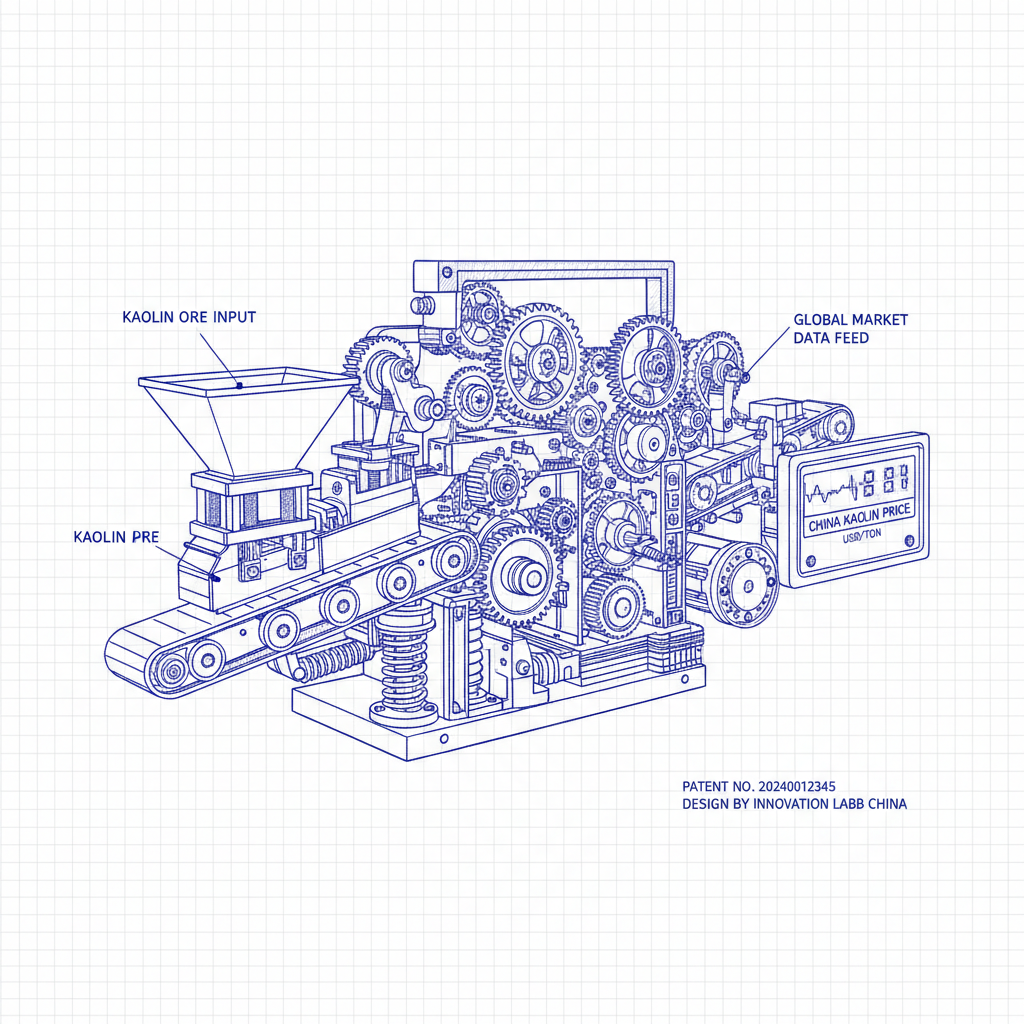
The Global Context of China Kaolin Price
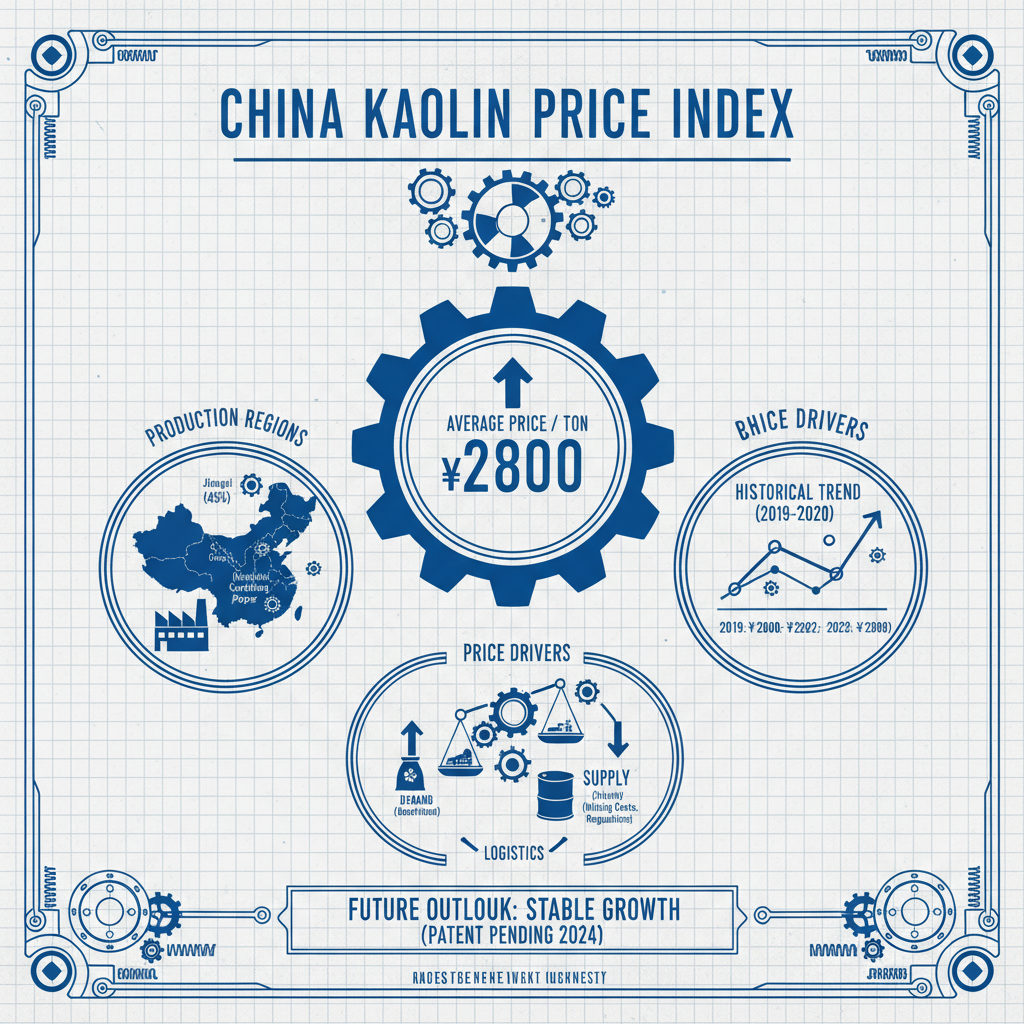
China's prominence in the global kaolin market is undeniable, accounting for over 40% of global production. This significant share positions China kaolin price as a critical benchmark for international trading and industrial applications. Data from the United Nations Statistics Division shows a consistent upward trend in kaolin exports from China over the past decade, mirroring industrial growth in countries like India, Brazil, and Southeast Asian nations.
The global kaolin market, valued at approximately $8 billion in 2023, is heavily influenced by factors such as construction activity, paper production, and advancements in the ceramics industry. Unexpected disruptions in China's production – whether due to environmental regulations, logistical constraints, or geopolitical events – can lead to significant price volatility and supply chain disruptions worldwide. Understanding these dynamics is crucial for mitigating risk and ensuring stable access to this vital raw material.
Defining China Kaolin Price
China kaolin price refers to the cost of kaolin clay sourced from China, typically measured in US dollars per metric ton (USD/MT). However, the price isn't monolithic; it varies considerably based on kaolin grade, purity, particle size, location of origin, and the volume purchased. Different grades are suited for different applications, impacting their respective prices. For instance, highly refined, calcined kaolin used in paper coating commands a higher price than raw kaolin used in construction materials.
The determination of China kaolin price is a complex process involving negotiations between miners, processors, traders, and end-users. Price reporting agencies, industry publications, and online marketplaces provide indicative price ranges, but actual transactions often involve customized pricing agreements. Several key indices and benchmarks are used to track price movements, including those published by commodity market intelligence firms.
Understanding the intricacies of China kaolin price extends beyond simply knowing the per-ton cost. It encompasses the total landed cost – including freight, insurance, import duties, and any applicable taxes – which can significantly affect the overall cost-effectiveness for international buyers. Therefore, a holistic assessment is essential for accurate budgeting and procurement strategies.
Key Factors Influencing China Kaolin Price
Raw Material Availability & Mining Costs: The abundance and accessibility of kaolin deposits significantly impact price. Higher mining costs, driven by factors like labor, energy, and environmental regulations, directly translate to increased kaolin prices. The location of the mine and the ease of extraction are also key considerations.
Processing and Refining Techniques: The degree of processing and refinement greatly influences the final price. Calcined kaolin, which undergoes a high-temperature treatment to enhance its whiteness and reactivity, is significantly more expensive than raw, unrefined kaolin. Advanced processing technologies can also drive up costs, but they deliver higher-value products.
Transportation and Logistics: China’s vast geographical size and infrastructure limitations can create logistical challenges, increasing transportation costs. Rising fuel prices, port congestion, and inland transport bottlenecks all contribute to higher overall costs for buyers. Export tariffs and shipping regulations also play a role.
Demand from Key Industries: The demand from major consuming industries—paper, ceramics, paints, rubber, and plastics—is a primary driver of price. Strong demand leads to price increases, while a slowdown in these sectors can result in price declines. Global economic conditions, therefore, indirectly affect China kaolin price.
Environmental Regulations: China's increasing focus on environmental protection has led to stricter regulations for mining and processing operations. Compliance with these regulations can increase production costs, which are then passed on to consumers. The closure of non-compliant mines can also reduce supply and push prices higher.
Government Policies: Government policies related to mining, export tariffs, and environmental protection can significantly influence the China kaolin price. Changes in these policies can create uncertainty and volatility in the market.
Applications of Kaolin and its Price Sensitivity
Kaolin finds diverse applications across numerous industries, each with varying degrees of price sensitivity. In the paper industry, kaolin is used as a filler and coating pigment to improve brightness, smoothness, and printability, making it a critical component of paper production. Price fluctuations directly impact the cost of paper and packaging materials.
The ceramics industry is another major consumer of kaolin, utilizing it as a key ingredient in the manufacturing of porcelain, tiles, and sanitaryware. Higher kaolin prices can lead to increased production costs for ceramic products, potentially affecting their competitiveness. In the paints and coatings sector, kaolin acts as an extender and functional filler, enhancing opacity, durability, and resistance to cracking.
China Kaolin Price Sensitivity by Application
Global Applications and Regional Variations in China Kaolin Price
While China dominates production, kaolin sourced from China is consumed globally. Southeast Asia, with its burgeoning manufacturing sector, represents a significant growth market. India’s rapid infrastructure development and expanding paper industry also contribute to increasing demand. Europe and North America rely on China for specific grades of kaolin that are not readily available domestically.
Regional variations in China kaolin price often arise due to transportation costs, import duties, and local market conditions. For example, the price of kaolin in Southeast Asia will typically be higher than in China due to shipping expenses and import tariffs. Similarly, the price in Europe will be influenced by exchange rates and logistical considerations.
Advantages of Understanding China Kaolin Price Trends
Accurate monitoring of China kaolin price trends empowers businesses to optimize procurement strategies, reducing input costs and enhancing profitability. Early identification of price increases allows for proactive negotiation with suppliers or exploration of alternative sourcing options.
Furthermore, understanding these trends enables more accurate budgeting and forecasting, improving financial planning and investment decisions. A thorough understanding of the market dynamics also facilitates the development of risk mitigation strategies, protecting against supply chain disruptions and price volatility.
Future Trends and Challenges in the China Kaolin Market
The future of the China kaolin market is intertwined with evolving environmental regulations and a growing emphasis on sustainable mining practices. Increased scrutiny of environmental impacts may lead to mine closures and stricter processing standards, potentially driving up prices. The development of advanced processing technologies aimed at reducing waste and improving efficiency will also shape the market.
Digitalization and supply chain transparency are expected to play an increasingly important role, enabling buyers to track kaolin from origin to delivery and ensuring quality control. The demand for specialized, high-purity kaolin grades is also likely to grow, driven by innovation in industries such as advanced ceramics and nanocomposites.
A key challenge will be balancing economic growth with environmental sustainability, ensuring responsible mining practices and minimizing the ecological footprint of kaolin production. Adapting to these changes and embracing innovation will be crucial for success in the dynamic China kaolin market.
Summary of Challenges and Potential Solutions in the China Kaolin Market
| Challenge |
Impact on China Kaolin Price |
Potential Solution |
Implementation Difficulty (1-5, 5=High) |
| Stricter Environmental Regulations |
Increased Production Costs |
Investment in Sustainable Mining and Processing Technologies |
4 |
| Logistical Bottlenecks |
Higher Transportation Costs |
Improved Infrastructure and Logistics Management |
3 |
| Fluctuating Demand |
Price Volatility |
Diversification of Applications and Markets |
2 |
| Limited Supply of High-Purity Kaolin |
Premium Pricing |
Investment in Advanced Refining Technologies |
4 |
| Lack of Transparency in Supply Chain |
Difficulty in Verifying Quality and Origin |
Implementation of Blockchain Technology for Traceability |
5 |
| Geopolitical Risks |
Supply Chain Disruptions |
Diversification of Sourcing Locations |
3 |
FAQS
Several key factors drive China kaolin price volatility, including raw material availability, mining costs, processing techniques, transportation expenses, demand from key industries like paper and ceramics, and increasingly, environmental regulations. Government policies and global economic conditions also play a significant role. Understanding the interplay of these elements is crucial for anticipating price movements.
China's increasingly stringent environmental regulations impact kaolin production by forcing mine closures, increasing compliance costs, and promoting more sustainable mining practices. These factors can reduce overall supply and drive up production costs, ultimately translating to higher prices for kaolin. The focus on environmental protection is expected to continue, potentially leading to further price increases in the long term.
Raw kaolin is the naturally occurring clay, while calcined kaolin undergoes a high-temperature heating process to enhance its whiteness, brightness, and chemical inertness. Calcination alters the kaolin’s properties, making it suitable for more demanding applications. Due to the additional processing and improved characteristics, calcined kaolin commands a significantly higher price than raw kaolin.
Several sources provide data on China kaolin price trends, including commodity market intelligence firms, industry publications, and online marketplaces. However, it's important to consult multiple sources to get a comprehensive view. Some useful resources include price reporting agencies specializing in industrial minerals and government trade statistics. China kaolin Price offers updated data.
Transportation and logistics significantly contribute to the final price of China kaolin, particularly for international buyers. Costs include freight charges, port fees, inland transportation, insurance, and potential import duties. Distance from the mine, infrastructure limitations, and global fuel prices can all influence these costs. Efficient logistics management is vital for minimizing overall expenses.
Businesses can mitigate risks through strategies such as long-term contracts with suppliers, diversifying sourcing locations, hedging against price fluctuations, and maintaining strategic inventory levels. Thorough market research, accurate forecasting, and proactive communication with suppliers are also crucial. Building strong relationships with multiple suppliers can enhance supply chain resilience.
Conclusion
Understanding China kaolin price is paramount for industries reliant on this versatile material. From ceramics and paper production to paints and plastics, price fluctuations can significantly impact profitability and competitiveness. By grasping the key drivers of price – including raw material availability, environmental regulations, and global demand – businesses can make informed decisions and navigate market volatility effectively.
Looking ahead, a proactive approach to sustainable sourcing, investment in advanced technologies, and a commitment to supply chain transparency will be essential for success. The future of the China kaolin market hinges on balancing economic growth with environmental responsibility. For further insights and up-to-date pricing information, visit our website at www.fesmining.com.