
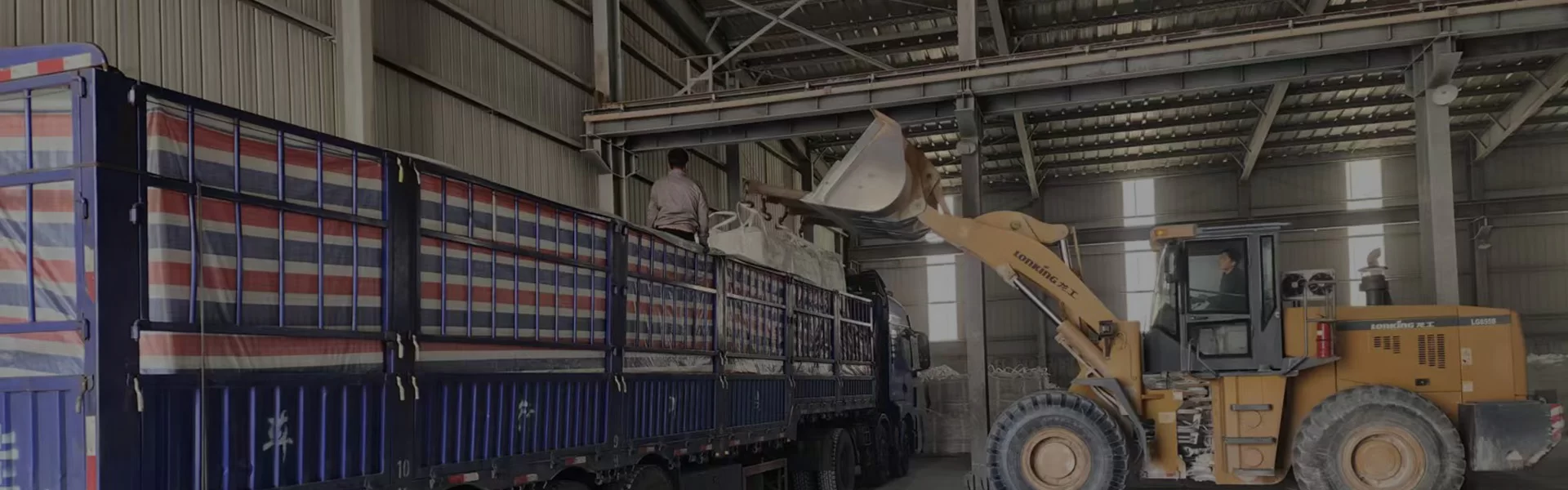
China muscovite Mica Price 325 Mesh Mica Powder Muscovite Mica
Selecting the right industrial aggregate requires a balance between aesthetic permanence and structural integrity. For high-demand architectural projects, standard dyed sands often fall short due to UV degradation and surface wear. This is where High-Temperature Sintered Fade-Proof Colored Sand provides a critical engineering advantage. By fusing natural quartz and limestone with inorganic silicate binders through a precision calcination process, this material transforms from a simple aggregate into a dense crystalline structure.
For procurement managers and architects, the primary value lies in the transition from temporary coloration to permanent molecular integration. Whether specified for municipal landscaping or high-end epoxy grout, the material's ability to maintain vivid hues under extreme environmental stress reduces long-term maintenance costs and ensures project longevity. Understanding the technical distinction between surface-dyed and sintered particles is essential for optimizing the ROI of any large-scale construction investment.

The Engineering Behind High-Temperature Sintering and Crystalline Stability
Unlike conventional colored sands that rely on organic dyes or surface coatings, sintered colored sand is produced through an advanced thermal fusion process. Natural quartz and limestone are blended with inorganic silicate and active oxide binders. This mixture undergoes a rigorous cycle of stirring, preheating, and high-temperature calcination. The result is a material where the colorant is not merely an additive but is chemically fused into the particle's crystalline lattice.
This structural transformation provides several key technical benefits:
- Molecular Bonding: The inorganic binders create a dense matrix that prevents the color from peeling or leaching.
- Hardness Enhancement: The sintering process increases the Mohs hardness of the particles, making them significantly more resistant to abrasion than standard sands.
- Thermal Resistance: Because the material is born from high-temperature processing, it remains stable in environments subject to extreme heat or freeze-thaw cycles.
From a material science perspective, the dense crystalline structure acts as a barrier against chemical penetration, ensuring that the particles do not react with acids or alkalis common in industrial settings.

Strategic Application Scenarios for Durable Industrial Aggregates
The versatility of sintered colored sand is defined by its available particle size distribution, ranging from coarse 8-12 mesh to extremely fine 80-120 mesh. The most common specification, 20-40 mesh, is specifically engineered for high-end epoxy colored sand grout and decorative stone paints, where a balance of texture and flow is required.
In municipal and commercial environments, this material solves the perennial problem of "color fading" in public spaces. Common applications include:
- Urban Landscaping: Ideal for garden paths, tree pit mulch, and theme park decorations due to its UV resistance.
- Industrial Safety: Used in safety zoning and anti-slip surfacing where high visibility and wear resistance are non-negotiable.
- Architectural Finishes: Integrated into epoxy resins for seamless, high-strength flooring that maintains a professional finish over decades.
By selecting a sintered product over a dyed alternative, project managers eliminate the need for frequent recoating or replacement, effectively shifting the project from a short-term economy to a long-term investment.
Evaluating Material Quality and Supplier Capability
When sourcing high-performance minerals, the reliability of the supply chain is as important as the product specification. A leading manufacturer must demonstrate control over the entire production vertical—from raw material screening to final logistics. The purity of the initial quartz and limestone directly impacts the clarity and vibrancy of the final sintered color.
Key quality indicators that buyers should evaluate include:
- Color Consistency: The ability to match custom architectural color guides across different batches.
- Particle Uniformity: Tight control over mesh size to ensure optimal flow and a consistent visual texture.
- Certification Compliance: Adherence to global standards such as ISO 9001 for quality management and REACH for chemical safety.
The integration of advanced calcination drum technology ensures that every particle experiences the same thermal load, preventing "under-sintered" cores that could lead to premature fading or structural failure in the field.
Comparative Analysis: Sintered vs. Standard Dyed Sand
| Metric | Standard Dyed Sand | Sintered Colored Sand | Industrial Impact | Maintenance Need |
|---|---|---|---|---|
| Color Lifespan | 1-3 Years (Fades) | Permanent / UV Resistant | High Aesthetic Stability | Low |
| Surface Hardness | Moderate (Soft Coating) | High (Crystalline) | Extreme Wear Resistance | Minimal |
| Chemical Resistance | Moderate (Peeling Risk) | Excellent (Acid/Alkali Proof) | Suitable for Harsh Sites | Low |
| Particle Structure | Coated Surface | Integrated Matrix | Structural Uniformity | None |
| Overall Value | Short-term Economy | Long-term ROI | Reduced Life-cycle Cost | Very Low |
Optimizing Procurement for Global Mineral Supplies
Procuring specialized minerals for international projects requires a focus on logistics efficiency and compliance. Given the weight of industrial aggregates, proximity to major shipping hubs—such as Tianjin Port—can significantly reduce freight costs and lead times. Flexible packaging options, ranging from 25kg bags for precision work to bulk ton bags for large-scale construction, are essential for operational efficiency.
Buyers should also prioritize suppliers who provide comprehensive documentation, including Material Safety Data Sheets (MSDS) and transportation assessment reports. This ensures that the material is handled safely and complies with the environmental regulations of the destination country. For those requiring specific brand colors, professional lab support for custom color matching is a critical value-add that prevents costly on-site errors.
Ultimately, the goal is to secure a partner capable of OEM/ODM solutions, allowing the material to be tailored to the specific mesh and color requirements of a unique architectural vision.
Future Trends in Mineral Sintering and Sustainable Construction
The construction industry is moving toward "permanent materials"—products that require zero maintenance once installed. The evolution of sintering technology is driving this trend by allowing for even more complex inorganic binders that are completely non-toxic and eco-friendly. As sustainability certifications like EcoVadis become standard, the focus is shifting toward ethical extraction and recyclable mineral processing.
We anticipate an increase in the use of sintered aggregates in "smart city" infrastructure, where materials must withstand increased urban pollution and extreme weather patterns without losing their functional or aesthetic properties. The integration of active oxide binders will likely lead to colors that are not only fade-proof but may eventually incorporate functional properties like photocatalytic self-cleaning.
For the modern developer, investing in these advanced mineral products is no longer just about appearance; it is a strategic move toward sustainable, low-maintenance urban development.
Technical Insights and Frequently Asked Questions
What makes sintered colored sand fundamentally different from ordinary dyed sand?
Unlike dyed sand where color is applied as a surface layer, sintered sand uses high-temperature calcination to fuse inorganic colorants into the particle's crystalline structure, ensuring it is fade-proof and wear-resistant.
Can the particle size be customized for specific industrial needs?
Yes, we offer a wide range of sizes from 8-12 mesh (coarse) to 80-120 mesh (extremely fine) to suit different applications like epoxy grout or decorative paint.
Is this material suitable for outdoor municipal landscaping?
Absolutely. Its high resistance to freeze-thaw cycles, water, and UV radiation makes it ideal for garden paths, tree pit mulch, and theme park decorations.
How does the sintering process impact the environmental footprint?
Our process uses natural minerals and inorganic binders that are harmless to human health and the environment. Additionally, the durability of the product reduces the need for frequent replacements.
Can you provide custom colors based on a specific brand guide?
Yes, while we provide a standard color card, we specialize in custom color development to meet the exact aesthetic requirements of your architectural project.
What is the best application for the 20-40 mesh size?
The 20-40 mesh is our most common size and is highly recommended for high-end epoxy colored sand grout and decorative stone paint due to its balanced texture.
Technical References and Industry Standards
- ISO 9001 Quality Management Systems Standards
- REACH Compliance for Chemical Substances
- EcoVadis Sustainability Rating Framework
- ASTM International Mineral Aggregate Standards
Ready to upgrade your architectural projects with premium, fade-proof mineral solutions? Our technical team is available to provide custom mesh specifications and color matching to ensure your project's long-term success.
Industrial Mineral Insights


