
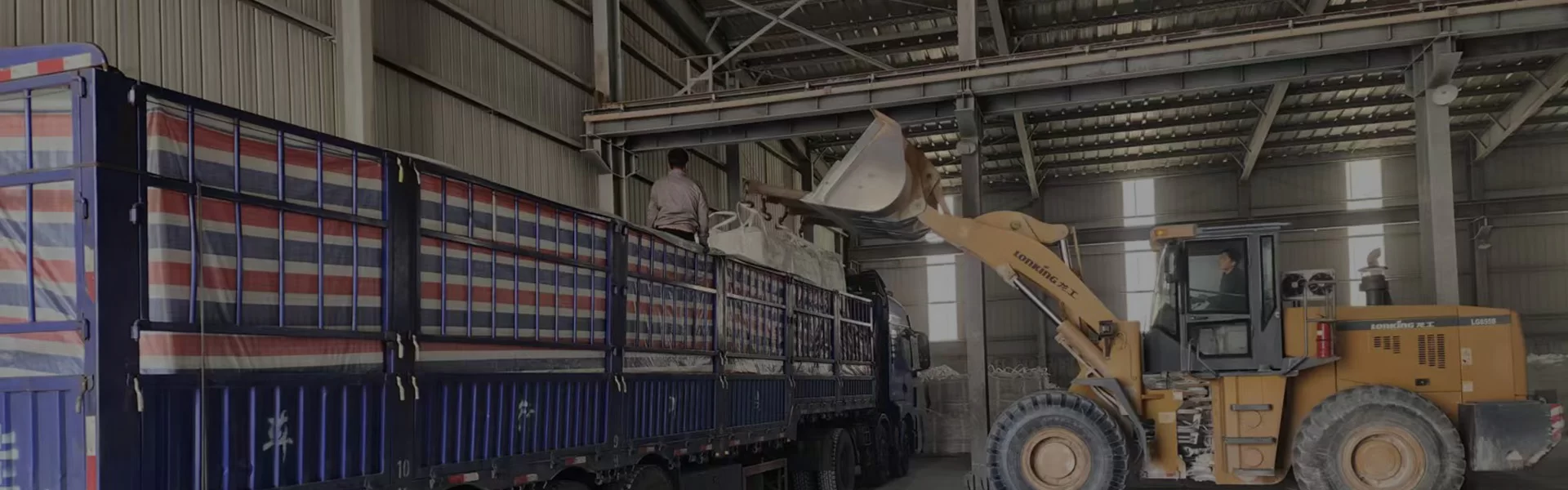
China manufacturer Direct Cheap Decorative Stone Ultra Thin Flakes
Achieving a sophisticated aesthetic in high-end architectural coatings often requires a balance between visual impact and material weight. For projects where precision is paramount, standard composite flakes can be too heavy or coarse, potentially compromising the integrity of delicate substrates. This is where the advancement of ultra-thin mineral technology becomes critical. By refining composite flakes down to a 0.2mm profile, manufacturers can now provide a solution that offers the luxury look of decorative stone without the structural burden of traditional materials.
These extra-thin composite flakes are specifically engineered for applications in green building certifications, healthcare facilities, and sustainable residential projects. By reducing the material thickness, the resulting coating exhibits superior flexibility and crack resistance, making it an ideal choice for intricate patterns and detailed ornamental work. For procurement managers and engineers, this innovation translates to better coverage and significantly lower material weight, ensuring both aesthetic excellence and long-term structural stability.

The Engineering Logic Behind 0.2mm Ultra-Thin Composite Profiles
The transition from standard decorative flakes to a 0.2mm composite profile is not merely a reduction in size, but a significant upgrade in material performance. Traditional flakes often create uneven surface tension on flexible substrates, which can lead to micro-cracking over time. The reduced thickness of these innovative flakes minimizes the stress applied to the base layer, allowing for a more seamless integration into the coating matrix. This results in a finish that is not only visually smooth but also mechanically more resilient.
From a technical perspective, the 0.2mm specification allows for enhanced flexibility. When applied to surfaces that experience thermal expansion or slight structural shifts—common in large-scale educational institutions or healthcare facilities—the ultra-thin profile moves with the substrate rather than resisting it. This prevents the delamination often seen with heavier stone-based aggregates. Furthermore, the precision of the cut ensures that each flake distributes evenly, eliminating the "clumping" effect and providing a consistent texture across vast surface areas.
Moreover, the lightweight nature of this composite is a key advantage. By being 25% lighter than standard options, it reduces the overall load on the wall or ceiling structure. This is particularly vital for sustainable residential projects where reducing the total carbon footprint of building materials is a primary goal. By utilizing less raw mass to achieve the same visual effect, the product aligns perfectly with modern green building standards.

Optimizing Coverage and Cost Efficiency in Large-Scale Projects
One of the most significant challenges in using decorative minerals is the cost of material versus the actual coverage achieved. Standard thickness flakes often leave gaps or require thicker binder layers to hold them in place, which increases both material costs and labor time. The 0.2mm composite flakes solve this by offering 15% better coverage than standard thickness alternatives. Because the flakes are thinner and more uniform, they lay flatter on the surface, filling more area per kilogram of material.
For project managers, this increased efficiency directly impacts the bottom line. Better coverage means fewer bags of material are required to complete a project, reducing shipping costs and storage requirements. When sourcing from a China manufacturer Direct Cheap Decorative Stone provider, this efficiency is compounded, allowing for high-end architectural results at a significantly lower procurement cost. This makes it possible to implement premium decorative finishes in budget-conscious environments like public schools or community healthcare centers without sacrificing quality.
Additionally, the ease of application contributes to lower labor costs. The flakes integrate more readily into various binders, requiring less effort to achieve a homogenous mix. This reduces the risk of application errors and the need for costly rework. When paired with the reliability of large-scale containerized shipping and consistent quality control, these ultra-thin flakes provide a scalable solution for global architectural needs.
Application Scenarios: From Healthcare to Sustainable Housing
The versatility of 0.2mm composite flakes makes them suitable for a wide array of specialized environments. In healthcare facilities, for instance, surface hygiene and durability are critical. These flakes provide a hard-wearing, decorative finish that can withstand rigorous cleaning protocols while remaining aesthetically pleasing, which is known to improve patient well-being. The crack-resistant nature of the thin profile ensures that the protective coating remains intact, preventing the ingress of contaminants into the substrate.
In the realm of sustainable residential projects and green building certifications, the focus is on longevity and environmental impact. The weight reduction of 25% compared to standard flakes reduces the energy required for transportation and installation. Furthermore, because the material is more flexible, the life cycle of the finish is extended, reducing the frequency of maintenance and the volume of waste generated by reapplications.
Educational institutions also benefit from the use of these minerals. In high-traffic corridors and classrooms, the composite flakes offer a durable, impact-resistant surface that masks wear and tear more effectively than flat paint. The ability to create intricate patterns and detailed work allows architects to incorporate branding or navigational cues directly into the floor or wall finishes, combining functionality with a professional aesthetic.
Technical Performance Comparison: Ultra-Thin vs. Standard Flakes
| Feature Metric | Standard Composite Flakes | 0.2mm Ultra-Thin Flakes | Project Impact |
|---|---|---|---|
| Material Thickness | Standard ( >0.5mm) | 0.2mm | Higher Precision Application |
| Weight Profile | Baseline (100%) | 75% of Baseline | Lower Structural Load |
| Surface Coverage | Baseline (100%) | 115% of Baseline | Reduced Material Cost |
| Flexibility Rate | Moderate | High | Superior Crack Resistance |
| Detail Capability | Limited | Excellent | Ideal for Intricate Patterns |
Supplier Capabilities and Quality Assurance in Mineral Processing
Procuring high-performance mineral products requires a partner with deep industrial expertise and a commitment to stringent quality standards. Shijiazhuang Fengersheng Mining Co., Ltd. brings 43 years of specialized experience to the mineral sector, evolving from a local mica factory into a global enterprise. This long-term dedication ensures that the production of 0.2mm composite flakes is backed by mature processing techniques and a stable supply of high-grade mineral reserves.
Quality assurance is not an afterthought but a core component of the manufacturing process. To ensure that every shipment meets the rigorous demands of international construction projects, the company adheres to several global certifications:
- ISO 9001: Ensuring a consistent Quality Management System throughout production.
- EcoVadis Sustainability Certification: Validating the commitment to environmental and social responsibility.
- REACH Compliance: Guaranteeing that materials meet European safety and chemical standards.
Beyond certifications, the provision of Material Safety Data Sheets (MSDS) and transportation assessment reports ensures that the product is handled safely from the mine to the job site. With a production capacity for mica exceeding 200,000 tons per year and strategic proximity to Tianjin Port, the infrastructure is in place to support large-scale global exports with fast, reliable logistics.
Procurement Strategies for Decorative Mineral Coatings
When sourcing decorative stone composites for large projects, buyers should look beyond the initial price per ton and evaluate the "total cost of application." As demonstrated, a slightly more specialized product like the 0.2mm flake can actually lower overall project costs through improved coverage and reduced labor. Procurement managers should prioritize suppliers who can offer OEM/ODM solutions, allowing the material to be tailored to specific project requirements, whether in terms of color, flake distribution, or packaging.
Logistical planning is another critical factor. For massive installations, the choice of packaging can significantly impact on-site efficiency. Options such as 25kg or 50kg bags are suitable for smaller, detailed work, while 1-ton jumbo bags are far more efficient for large-scale industrial mixing. Ensuring that the supplier can provide consistent quality across multiple containers is essential to avoid unsightly color shifts or texture variations across different sections of a building.
Finally, the shift toward sustainable architecture means that documentation is as important as the product itself. Buyers should ensure their supplier can provide the necessary certifications to help the project achieve green building credits. By partnering with a manufacturer that integrates mining, processing, and international sales, buyers can eliminate unnecessary intermediaries, ensuring a direct line of communication and better quality control for their decorative stone needs.
Technical and Procurement FAQ
What is the primary advantage of 0.2mm composite flakes over standard thicknesses?
The primary advantage is the combination of reduced weight (25% lighter) and increased flexibility. This makes them far less likely to crack on flexible substrates and allows for much more precise application in detailed architectural patterns compared to thicker, coarser flakes.
How does the 0.2mm profile affect the cost of a project?
It improves cost-efficiency by providing approximately 15% better coverage per unit of material. This means fewer materials are needed to cover the same surface area, reducing both procurement costs and shipping expenses.
Are these composite flakes suitable for healthcare and educational facilities?
Yes, they are ideal for these environments due to their durability and crack resistance. They provide a professional, high-end finish that can withstand high traffic and rigorous cleaning protocols while maintaining aesthetic appeal.
What certifications should I look for when sourcing these minerals?
For international standards and safety, you should ensure the supplier has ISO 9001 for quality management, REACH compliance for chemical safety, and ideally EcoVadis certification for sustainability.
Can these flakes be customized for specific project needs?
Yes, experienced manufacturers provide OEM and ODM solutions to adjust specifications and provide packaging options (from 25kg bags to 1-ton jumbo bags) to suit specific logistical and application requirements.
What is the risk of using standard flakes on flexible surfaces?
Standard flakes are heavier and more rigid, which can create stress points on flexible substrates. This often leads to micro-cracks or delamination as the substrate moves, whereas the 0.2mm profile is designed to flex with the surface.
Industry Technical References
- ISO 9001 Quality Management Systems Standards
- European Chemicals Agency - REACH Regulation
- EcoVadis Sustainability Rating Methodology
- USGS Mineral Commodity Summaries
For professional architectural projects requiring high-precision mineral finishes, selecting the right composite grade is essential for long-term success. By balancing technical specifications like the 0.2mm profile with a supplier's manufacturing heritage and certification record, you can ensure a finish that is as durable as it is beautiful. We recommend consulting with a technical advisor to match the specific mineral grade to your substrate and environmental requirements.


