
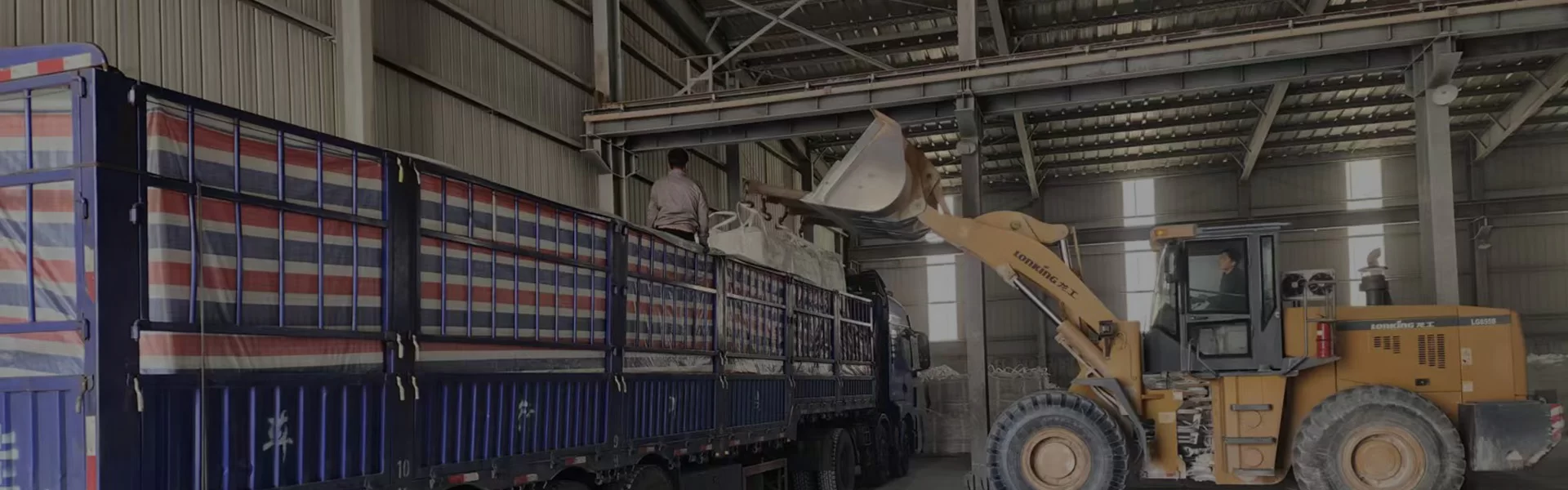
Industrial Hollow Glass Beads and China 325mesh Talcum Powder
Achieving the optimal balance between structural integrity and weight reduction is a recurring challenge in high-performance industrial engineering. Low-Density Hollow Glass Microspheres emerge as a critical solution, providing a unique cellular structure that drastically lowers material density without sacrificing mechanical strength. These advanced alkali-lime borosilicate glass particles are engineered for versatility, offering superior electrical insulation and resistance to extreme temperatures and corrosive chemicals.
For procurement managers and engineers in the coatings and oilfield sectors, selecting a filler that maintains high compressive strength while reducing the overall mass of a composite is vital for operational efficiency. By integrating these microspheres into resins or cements, industries can enhance the buoyancy of deep-sea equipment or the thermal efficiency of reflective coatings, ensuring long-term durability in the harshest environments.

Technical Composition and the Mechanics of Borosilicate Glass Microspheres
The effectiveness of these microspheres lies in their alkali-lime borosilicate glass composition. Unlike solid fillers, the hollow internal structure creates a low-density core that significantly reduces the weight of the final composite material. This architecture allows for an exceptional strength-to-weight ratio, which is essential for applications where every kilogram of weight saved translates to improved fuel efficiency or higher buoyancy.
From a technical standpoint, the high-gloss surface of these spheres ensures excellent fluidity and mixability. When blended with industrial binders, rubbers, or resins, they distribute evenly, preventing clumps and ensuring a homogenous material structure. This fluidity is critical for seamless integration into automated production lines, particularly in the manufacture of anti-corrosion coatings and specialized adhesives.
- Chemical Stability: Remarkable resistance to both strong acids and alkalis.
- Thermal Properties: Low thermal conductivity, ideal for energy-saving reflective coatings.
- Dielectric Strength: Outstanding electrical insulation for advanced electronic components.

Strategic Applications in Syntactic Foams and Oilfield Cementing
In deep-sea exploration, the ability of a material to withstand extreme hydrostatic pressure while remaining buoyant is non-negotiable. Hollow glass microspheres are the primary component in syntactic foams, providing a low-density core with compressive strength reaching up to 12,000 psi. This ensures that underwater vehicles and sensors can operate at great depths without collapsing under the weight of the ocean.
Beyond marine use, these particles are indispensable in oilfield cementing operations. By reducing the slurry density, they prevent the fracturing of fragile formations during the cementing process, thereby improving the seal and stability of the wellbore. The chemical inertness of the borosilicate glass ensures that the microspheres do not react with the cement chemistry, maintaining the structural integrity of the well over its lifetime.
Furthermore, in the transportation sector, they are used to create lightweight composite panels for vehicles. By replacing traditional high-density fillers, manufacturers can reduce vehicle weight, leading to lower carbon emissions and increased payload capacities without compromising the safety or strength of the chassis.
Critical Selection Criteria for Industrial Material Procurement
When evaluating suppliers for hollow glass microspheres, procurement specialists must look beyond the basic price per ton. The most critical metric is the floatation rate; a rate of ≥ 95% indicates a high percentage of intact hollow spheres, which is the only way to guarantee the promised low density and buoyancy. A low floatation rate suggests many crushed spheres, which increases the density and degrades the mechanical performance of the composite.
Particle size distribution, specifically the D50 and D90 values, must be matched to the viscosity of the binder. For example, ultra-fine spheres are required for high-gloss thin-film coatings, while larger spheres may be preferred for structural foams. Custom engineering of these sizes is often necessary to meet precise project requirements and ensure a seamless blend with the host material.
Finally, compliance and certification are paramount. In a global supply chain, materials must meet international safety and environmental standards. Ensuring that the supplier provides MSDS (Material Safety Data Sheets) and transportation assessment reports is essential for safe storage and legal cross-border shipment, particularly when exporting to highly regulated markets like North America.
Performance Comparison: Hollow Glass Microspheres vs. Traditional Fillers
| Performance Metric | Traditional Mineral Fillers | Hollow Glass Microspheres | Industrial Impact |
|---|---|---|---|
| Material Weight | High Density | Ultra-Lightweight | Significant Weight Reduction |
| Compressive Strength | Variable/Moderate | High (up to 12,000 psi) | Enhanced Structural Stability |
| Thermal Efficiency | Standard Conductivity | Superior Insulation | Improved Energy Saving |
| Chemical Resistance | Moderate | Excellent (Acid/Alkali) | Durability in Harsh Environments |
| Return on Investment | Standard Cost | Higher ROI via Weight Saving | Lower Operational Costs |
Quality Assurance and Supply Chain Optimization in Mineral Processing
Consistent quality is the cornerstone of industrial mineral supply. Strict adherence to purity and size distribution standards for every batch is necessary to prevent failures in high-stakes applications like aerospace or deep-sea drilling. This requires a comprehensive quality management system, such as ISO 9001, combined with rigorous inspection of raw borosilicate glass synthesis.
Supply chain efficiency is equally critical. For global buyers, proximity to major logistics hubs, such as Tianjin Port, reduces transit times and lowers shipping costs. An integrated enterprise that handles everything from mining and processing to international sales can provide more reliable lead times and better OEM/ODM solutions, tailoring the microspheres' density and size to the customer's specific technical blueprints.
Sustainability has also become a key procurement driver. Environmentally responsible extraction and processing of raw materials, backed by certifications like EcoVadis, ensure that the supply chain remains compliant with global ESG (Environmental, Social, and Governance) requirements, reducing the risk of regulatory disruptions for the end buyer.
Future Trends in Lightweighting and Composite Material Innovation
The trend toward "lightweighting" is accelerating across the automotive, aerospace, and construction industries. As energy costs rise and emissions regulations tighten, the demand for materials that provide strength without mass is growing. We are seeing a shift toward hybrid filler systems, where hollow glass microspheres are used alongside other minerals, such as China 325mesh Talcum Powder or mica, to create complex composites with tailored thermal and mechanical properties.
Future innovation is focusing on increasing the strength-to-density ratio even further. R&D efforts in borosilicate glass synthesis aim to create thinner, stronger shells that can withstand higher pressures while further reducing the bulk density. This will enable the exploration of even deeper oceanic trenches and the development of ultra-efficient electric vehicles with extended battery ranges due to reduced curb weight.
For buyers, the strategy is moving toward strategic partnerships with manufacturers who can offer technical support and custom engineering. Rather than buying off-the-shelf products, the most successful firms are co-developing material specifications with their suppliers to gain a competitive edge in product performance and durability.
Frequently Asked Questions About Industrial Microspheres
What are the primary applications of Hollow Glass Microspheres in the mining and coatings industry?
They are widely used in anti-corrosion coatings, oilfield cementing operations, syntactic foams for deep-sea exploration, and lightweight building materials to improve thermal insulation and reduce weight.
How do these microspheres improve the performance of syntactic foams?
By providing a low-density core with high compressive strength, they allow the foam to withstand extreme underwater pressures while remaining buoyant.
Can the particle size be customized for specific industrial needs?
Yes, while common sizes range from 2-130 µm, we accept customization requests to meet specific D50 and D90 requirements for your unique application.
Are these microspheres resistant to harsh chemical environments?
Absolutely. Due to their alkali-lime borosilicate glass composition, they exhibit excellent stability and resistance to both acids and alkalis.
How does the floatation rate impact the quality of the product?
A floatation rate of ≥ 95% indicates a high percentage of intact hollow spheres, ensuring the promised low density and consistent buoyancy in the final mixture.
Which other non-metallic minerals are often used alongside these microspheres?
They are frequently used in conjunction with Calcium Carbonate, Talc Powder, and Mica Powder to create complex composite materials with specific mechanical and thermal properties.
Technical References and Industry Standards
- ISO 9001 Quality Management Systems Standards
- REACH Compliance for Chemical Substances
- EcoVadis Sustainability Rating Framework
- NIST Material Property Database
Ready to optimize your material density and structural strength? Contact our technical team today for customized borosilicate glass solutions and comprehensive logistical support for your global projects.
Related Mineral Insights


