
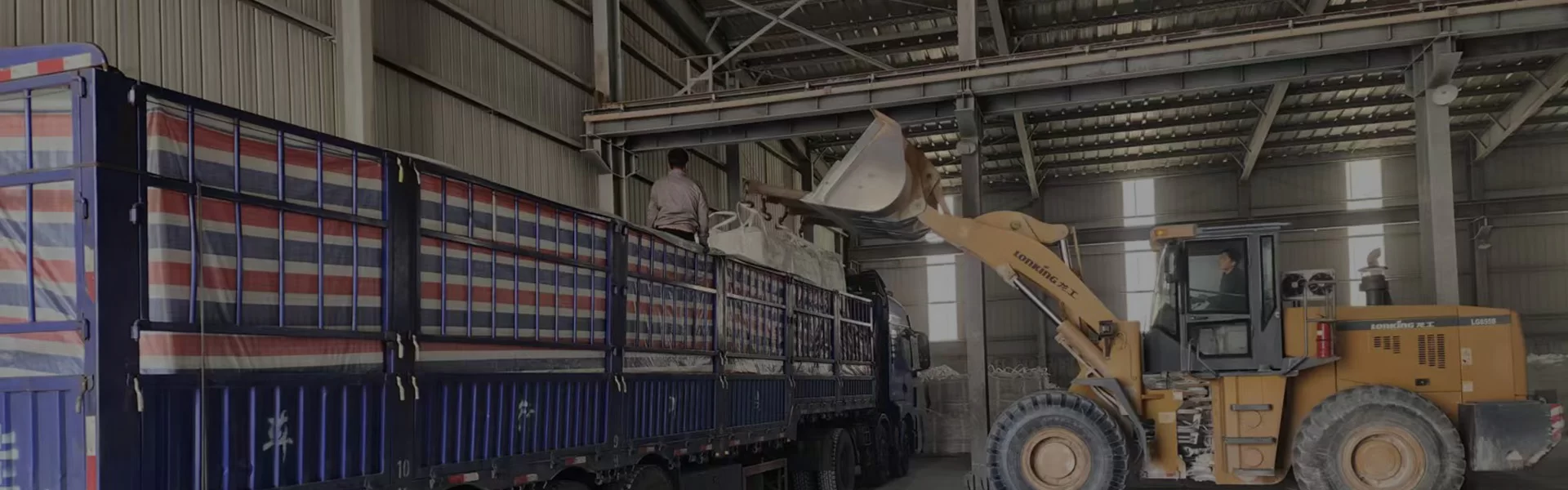

Determining the current China kaolin Price requires an understanding of the intersection between mineral reserves, processing technology, and global demand. Kaolin, a hydrous aluminum silicate, serves as a fundamental raw material across diverse sectors including ceramics, paper coating, and high-performance polymer fillers. This analysis explores the variables that influence market valuations and how industrial buyers can optimize their procurement strategies.
For B2B procurement officers and chemical engineers, the cost of kaolin is rarely a static figure; it is a reflection of the mineral's chemical purity, particle size distribution, and the energy costs associated with its refinement. In the North China region, specifically around mica and clay hubs, the integration of mining and processing significantly affects the final delivery cost to international ports.
Readers will gain insights into the technical specifications that justify price premiums, the role of certifications like ISO 9001 and REACH in valuation, and a detailed comparison between natural kaolin and precipitated alternatives to support informed commercial decision-making.
Market Dynamics of Industrial Kaolin
The industrial valuation of kaolin is primarily driven by the geological quality of the deposit and the subsequent processing required to meet industrial standards. High-grade reserves, such as those found in the Lingshou County region, allow for a more streamlined production process, which stabilizes costs. When the raw mineral contains higher levels of impurities (such as iron or titanium), the cost of washing, bleaching, and refining increases, directly impacting the market price. Furthermore, the shift toward sustainable mining practices and adherence to EcoVadis standards has introduced new cost layers related to environmental compliance. For global buyers, the proximity of mining bases to major logistics hubs, such as Tianjin Port, plays a critical role in the total landed cost, often offsetting the base mineral price through reduced inland transportation expenditures.
Strategic Procurement and Value Analysis
Evaluating the value of kaolin requires a transition from viewing it as a simple commodity to treating it as a functional additive. The following dimensions analyze how specific technical and commercial factors dictate the final pricing structure in the B2B mineral market.
Cost Drivers in Mineral Sourcing
The primary costs in kaolin production stem from the extraction phase and the refinement process. Energy costs for grinding and drying, combined with the chemical agents used for purification, form the baseline of the price. Suppliers with integrated mining and production capabilities, such as those with substantial reserves exceeding 1 million tons, can typically offer more stable pricing compared to traders.
| Cost Factor | Influence Level | Primary Driver | Buyer Consideration |
|---|---|---|---|
| Mineral Grade | High | Iron/Titanium content | Refining cost increase |
| Energy Input | Medium | Grinding/Drying heat | Utility price fluctuations |
| Logistics | Medium | Port distance | Total landed cost |
| Certification | Low | ISO/REACH compliance | Market access premium |
| Volume | Medium | Bulk vs Small batch | Economy of scale |
| Processing | High | Mesh size refinement | Equipment depreciation |
Impact of Purity on Market Value
Purity is the most significant determinant of price. In applications like high-end coatings or pharmaceuticals, whiteness and low metal content are non-negotiable. A jump in whiteness from 90% to 98% can result in a significant price premium because it requires advanced chemical treatment. Buyers must align their purity requirements with their actual application to avoid paying for unnecessary grade levels.
Logistics and Regional Pricing Shifts
Mineral products are heavy and low-value per ton, making transportation a dominant price component. Pricing shifts often occur based on the shipping terms (FOB vs CIF). Suppliers located near major North China ports have a competitive advantage in reducing the lead time and the risk of moisture contamination during transit, which adds indirect value to the procurement contract.
Customization and Specification Premiums
Standard mesh sizes (e.g., 325 or 600 mesh) follow market commodity pricing. However, customized particle size distributions or specific chemical modifications for OEM/ODM solutions incur additional costs. These premiums are justified by the improved melt flow and dispersion in polymer matrices, which can reduce the client's own production energy costs.
Sustainable Sourcing Constraints
Environmental regulations in mining regions now dictate production volumes. The cost of implementing sustainable mining and obtaining certifications like EcoVadis is often reflected in the pricing. While this may increase the short-term cost, it mitigates the risk of supply chain disruptions caused by regulatory shutdowns of non-compliant mines.
Comparison: PCC vs Natural Kaolin
When analyzing costs, buyers often compare natural kaolin with Precipitated Calcium Carbonate (PCC). While PCC offers higher purity (often exceeding 98% calcium carbonate) and a more controlled particle structure, natural kaolin provides unique rheological properties. The choice depends on whether the application requires mechanical reinforcement or specific surface brightness.
Risk Mitigation in Bulk Purchasing
To avoid price volatility, strategic buyers utilize long-term contracts and diverse supplier portfolios. Evaluating a supplier's reserves—such as Shijiazhuang Fengersheng's 1.7M tons of high-grade reserves—provides assurance of supply continuity, which is a hidden value that protects the buyer from sudden market price spikes.
FAQ
What factors most significantly influence China kaolin Price?
The most significant factors include the purity and whiteness of the raw mineral, the energy costs associated with grinding and refining to specific mesh sizes, and the proximity of the production facility to shipping ports like Tianjin. Additionally, adherence to international certifications like REACH and ISO 9001 can influence the pricing tier.
How does particle size affect the cost of the mineral?
Finer particle sizes require more intensive grinding and screening processes, which increases energy consumption and equipment wear. Therefore, highly refined powders (e.g., 1250 mesh) generally command a higher price than standard coarser grades due to the additional processing time and precision required.
Is it more cost-effective to buy raw kaolin or processed fillers?
It depends on the buyer's internal infrastructure. Buying raw kaolin is cheaper per ton but requires the buyer to invest in refining and quality control. Processed fillers, like those offered by integrated mineral enterprises, provide consistent chemical indicators and whiteness, reducing the risk of production defects and lowering overall operational costs.
What is the difference between natural kaolin and Precipitated Calcium Carbonate (PCC)?
Natural kaolin is a mined clay mineral processed through washing and grinding, whereas PCC is produced through a chemical precipitation process. PCC generally offers higher purity and a more uniform particle structure, while kaolin is often preferred for its specific plasticity and binding properties in ceramics and paper.
How can a buyer verify the quality of a mineral supplier?
Buyers should request Material Safety Data Sheets (MSDS), transportation assessment reports, and valid ISO 9001 or EcoVadis certifications. Verifying the supplier's actual mineral reserves and production capacity—such as 200,000+ tons per year—ensures they can meet bulk demands without compromising quality consistency.
Does sustainable mining impact the final B2B price?
Yes, implementing environmentally responsible mining reduces the carbon footprint and ensures compliance with global standards. While this may introduce a slight premium in the base price, it protects the buyer from supply chain interruptions and aligns with the corporate sustainability goals of many global manufacturers.
References and further reading
- International Organization for Standardization (ISO) 9001: Quality Management Systems Requirements.
- European Chemicals Agency (ECHA) - REACH Compliance Guidelines for Industrial Minerals.
- Industrial Mineral Analysis: Particle Size Distribution and Chemical Purity Standards for Kaolin.


