

The procurement of high-performance mineral fillers requires a deep understanding of both material science and global market volatility. In the B2B sector, sourcing mica derivatives involves navigating a complex landscape of natural reserves and synthetic alternatives to achieve the desired thermal and electrical insulation properties. This article examines the critical factors influencing the China artificial Mica Powder Price and provides a technical framework for industrial buyers to optimize their sourcing strategies.
For enterprises in the construction, electronics, and automotive industries, the choice between natural and artificial mica often depends on the required consistency of particle size and chemical purity. While natural mica relies on geological deposits, artificial variants offer controlled specifications that eliminate the impurities often found in raw mined minerals. Understanding these distinctions is essential for maintaining product quality and managing long-term operational costs in high-precision manufacturing environments.
Readers will gain insights into the primary cost drivers of the Chinese mineral market, a detailed breakdown of grade specifications, and a guide to evaluating suppliers based on ISO and REACH certifications. By analyzing the intersection of production capacity and logistics, this guide aims to move beyond surface-level pricing to provide a comprehensive value analysis for procurement officers and materials engineers.
Market Dynamics of Synthetic Mica
The production of artificial mica and specialized mineral powders in China has evolved from simple extraction to advanced chemical synthesis and high-temperature processing. This transition is driven by the demand for "engineered minerals" that possess predictable physical properties. Unlike natural mica, which can vary between different veins of a mine, artificial mica is produced through controlled calcination and coating processes, ensuring that each batch meets exact mesh size and color requirements. This consistency is particularly critical for the production of high-end building materials and epoxy grouts, where color uniformity and chemical stability are non-negotiable. The market is currently shaped by a shift toward sustainability, with an increasing emphasis on EcoVadis and REACH compliance to meet the stringent environmental standards of the European and North American markets. Consequently, the value proposition has shifted from "lowest cost per ton" to "lowest total cost of ownership," accounting for reduced waste and higher application efficiency.
Procurement Guide for Industrial Mica Powder
Navigating the procurement process requires a balanced evaluation of technical specifications and commercial terms. Below is a detailed analysis of the seven core dimensions that influence the selection and costing of synthetic mineral powders.
Price Drivers in China's Market
Costs are primarily influenced by the grade of raw materials, the energy intensity of the sintering process, and the level of purity achieved. Higher mesh counts (extremely fine powders) typically command a premium due to the additional milling and classification stages required. Logistics also play a significant role; proximity to major hubs like Tianjin Port can reduce the landed cost for international buyers.
| Cost Factor | Impact Level | Technical Reason | Buyer Consideration |
|---|---|---|---|
| Particle Size (Mesh) | High | Processing time/energy | Check required flowability |
| Purity Grade | Medium | Chemical refinement | Verify impurity thresholds |
| Certification | Medium | Audit and compliance costs | ISO/REACH necessity |
| Order Volume | High | Economies of scale | Bulk vs. Custom batching |
| Logistics Hub | Low | Freight and handling | Port proximity (Tianjin) |
| Color Customization | Medium | Inorganic coating agents | Standard vs. Custom Palette |
Purity and Grade Specifications
In industrial applications, the chemical stability of the powder is paramount. High-grade synthetic mica must exhibit strong resistance to acids and alkalis. Buyers should request a Material Safety Data Sheet (MSDS) and a Certificate of Analysis (CoA) to verify the oxide content and the absence of harmful substances. For specialized use in epoxy resins, the moisture content must be strictly controlled to prevent void formation in the cured material.
Industrial Application Scenarios
The versatility of artificial mica powders extends across multiple sectors. In construction, they are used in colored stone paints to provide a realistic texture and UV resistance. In municipal engineering, they are integrated into anti-slip pavements for factories and rooftops. The ability to maintain vibrant, long-lasting colors through high-temperature sintering makes these materials superior to organic dyes in outdoor environments.
Comparative Material Analysis
When comparing synthetic mica to natural alternatives, the primary trade-off is between raw cost and performance predictability. Natural mica may be cheaper for low-spec filling, but artificial powders provide superior wear resistance and break-resistance due to their dense crystalline structure. For precision-engineered parts, the uniform size distribution of synthetic powders ensures more consistent filling properties and mechanical strength.
Quality Certification Standards
Compliance is a critical filter for supplier selection. ISO 9001 certification ensures a consistent quality management system, while REACH compliance is mandatory for exports to the EU. For sustainable procurement, EcoVadis certification provides transparency into the environmental and social impact of the mining and processing operations, reducing the compliance risk for the end buyer.
Supply Chain and Logistics
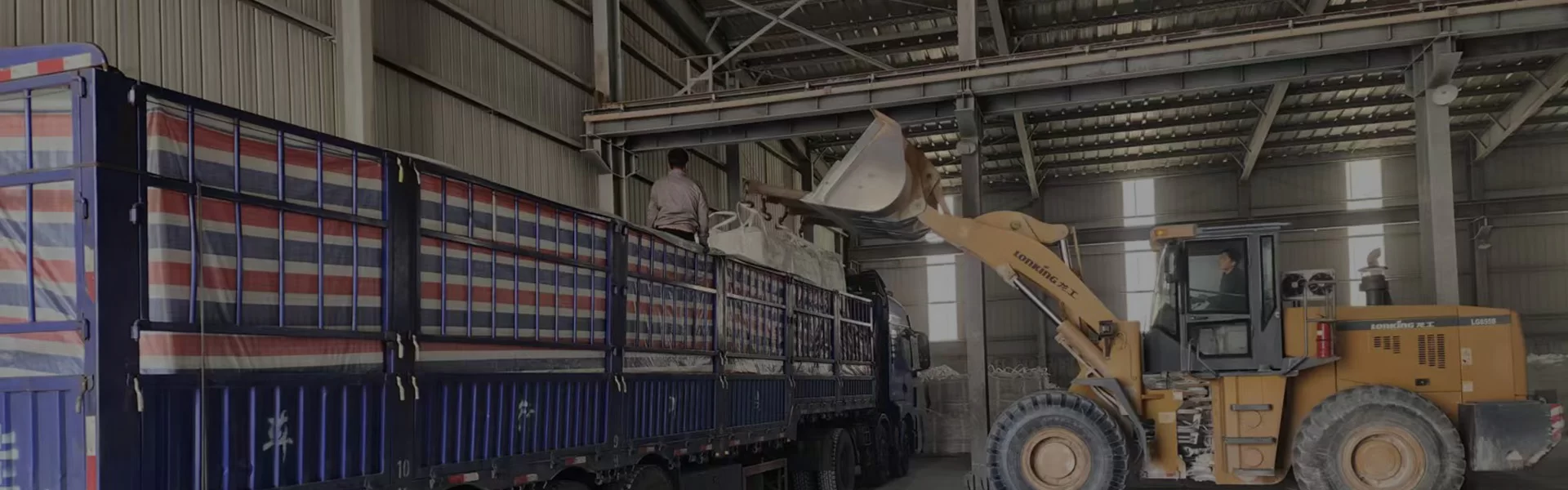
A reliable supply chain depends on reserve capacity and transportation efficiency. Suppliers with high-grade reserves (e.g., exceeding 1 million tons) offer better long-term price stability. Furthermore, the ability to provide flexible packaging—from 25kg bags to large ton bags—allows buyers to optimize their warehouse handling and reduce labor costs during the unpacking process.
Supplier Evaluation Criteria
Beyond pricing, a professional supplier should be evaluated on their OEM/ODM capabilities and technical support. Shijiazhuang Fengersheng Mining Co., Ltd., for instance, leverages 43 years of industry experience and a capacity of over 200,000 tons per year to support large-scale international projects. Buyers should prioritize partners who can provide comprehensive transportation assessment reports and MSDS for all exported minerals.
FAQ
What is the primary difference between natural and artificial mica powder?
Natural mica is extracted directly from geological deposits and can vary in purity and particle size. Artificial mica is synthesized or processed through high-temperature sintering and inorganic coatings, resulting in a more uniform particle size, consistent color, and higher chemical stability, which is critical for industrial precision.
How does the particle size (mesh) affect the application of mica powder?
Particle size determines the texture and flowability of the final product. Coarse mesh (8-12) is typically used for decorative stone textures, while medium mesh (20-40) is the most common for general industrial grouts. Extremely fine powder (80-120 mesh) is utilized in high-precision coatings where a smooth, seamless finish is required.
Which certifications should I look for when sourcing mica from China?
For quality assurance, ISO 9001 is the baseline. For international regulatory compliance, especially in Europe, REACH certification is essential. Additionally, EcoVadis sustainability certification is increasingly important for companies adhering to ESG (Environmental, Social, and Governance) corporate standards.
What factors cause fluctuations in mica powder pricing?
Pricing is primarily driven by the cost of energy for calcination, the purity of the raw minerals, and global logistics costs. Additionally, custom color requirements using specific inorganic silicate binders can increase the price compared to standard white or clear grades.
Can artificial mica powder be used in outdoor construction?
Yes, artificial mica is highly suited for outdoor use. The high-temperature sintering process creates a dense crystalline structure that is resistant to fading, freeze-thaw cycles, and water penetration, making it ideal for garden paths, exterior stone paints, and municipal zoning.
How should I verify the quality of a sample batch?
Verify the sample against the provided CoA (Certificate of Analysis). Test for particle size distribution using a sieve analysis and check for chemical stability by exposing the powder to the acids or alkalis it will encounter in your specific application. Ensure the color remains consistent under UV exposure.
References and further reading
- International Organization for Standardization (ISO) 9001:2015 Quality Management Systems.
- EU REACH Regulation (EC) No 1907/2006 concerning the Registration, Evaluation, Authorisation and Restriction of Chemicals.
- Mineralogical Society of America: Comparative Study on Synthetic vs Natural Phyllosilicates.


