
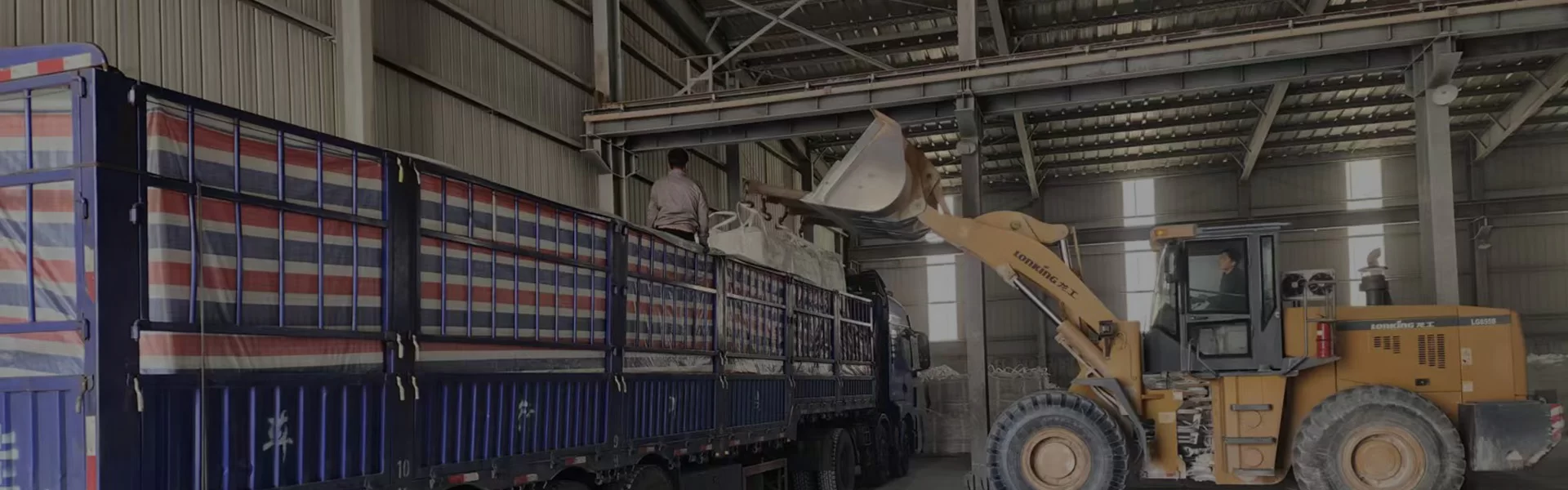

The global mineral trade increasingly focuses on the intersection of high-purity aluminosilicates and regional supply chains, particularly regarding China nigerian Kaolin Eat. Kaolin, often referred to as china clay, serves as a critical raw material in ceramics, papermaking, and various industrial fillers due to its unique chemical stability and plasticity. This article examines the technical specifications, procurement logic, and industrial application of high-grade kaolin within the context of global trade routes between Asian and African markets.
For industrial procurement managers, understanding the variance in mineral purity and grain size is essential for maintaining production consistency. The integration of refined mineral processing—ranging from screening to polishing—ensures that materials meet the rigorous demands of modern manufacturing. As industries shift toward more sustainable and compliant sourcing, the role of certified suppliers who can bridge the gap between raw extraction and processed industrial grade becomes paramount.
Readers will explore the critical factors affecting material selection, from ISO quality management to the logistical advantages of proximity to major shipping ports. By analyzing the relationship between mineral reserves and processing capabilities, this guide provides a framework for evaluating the lifecycle value of mineral procurement, ensuring that the final product achieves the desired physical and chemical properties for its intended use.
Mineral Fundamentals and Industrial Utility
Kaolin is a soft white clay mineral composed primarily of the mineral kaolinite. In the B2B sector, its value is derived from its ability to act as a functional filler and a structural base in a multitude of applications. From a technical standpoint, the quality of kaolin is measured by its brightness, particle size distribution, and alumina content. These properties dictate whether a mineral batch is suitable for high-end sanitary ware, specialized paper coatings, or industrial-grade catalysts. The transition from raw ore to a refined commercial product requires a series of rigorous steps including screening, rough grinding, and fine polishing to eliminate impurities and achieve a uniform texture.
The strategic importance of these minerals is further amplified when considering the scale of reserves. For instance, access to millions of tons of high-grade reserves allows for long-term contract stability and pricing consistency. In the current industrial climate, the ability to provide OEM and ODM solutions means that the mineral can be tailored to specific technical requirements—such as specific mesh sizes or chemical purity levels—rather than offering a one-size-fits-all product. This flexibility is what differentiates a raw mining operation from a comprehensive mineral enterprise.
Strategic Procurement and Application Analysis
Procuring industrial minerals requires a multidimensional evaluation that balances technical performance with logistical efficiency. When assessing materials for global trade, buyers must look beyond the basic chemical composition and examine the processing capabilities of the provider to ensure the material performs consistently across different production batches.
Material Specification Criteria
The selection of kaolin depends heavily on the desired end-use. For architectural and decorative applications, physical attributes like "natural shape" and "artificial gloss" are prioritized. Technical buyers typically evaluate materials based on the following criteria to ensure compatibility with their existing production lines.
| Evaluation Factor | Technical Requirement | Industrial Impact | Buyer Checkpoint |
|---|---|---|---|
| Particle Size | 1-80mm (Customizable) | Affects surface texture/filtration | Sieve Analysis Report |
| Chemical Purity | High Al2O3 content | Determines thermal stability | Lab Assay/COA |
| Whiteness/Brightness | Low iron impurity | Influences final product color | Colorimetry Test |
| Plasticity | Controlled moisture/grain | Affects molding and shaping | Plasticity Index |
| Certifications | ISO 9001/REACH | Ensures regulatory compliance | Valid Certificate Copy |
| Logistics | Proximity to Port | Reduces lead time and cost | Shipping Terms (Incoterms) |
Industrial Application Scenarios
The versatility of refined minerals allows them to be deployed across diverse sectors. In indoor decoration, polished variations are used for display and aesthetic enhancement. In more technical fields, they serve as filtration media or concrete aggregates. Furthermore, these minerals are essential in waterscape construction and as surface coverings for potted plants, where they provide the dual benefit of visual appeal and soil moisture retention.
Supply Chain Logistical Factors
Efficiency in the B2B mineral trade is often determined by the distance between the production base and the exit port. Facilities located near hubs like Tianjin Port can significantly reduce domestic transportation costs and shorten the delivery window for international clients. For those importing China nigerian Kaolin Eat, the integration of mining, production, and transportation within a single enterprise reduces the risk of supply chain fragmentation.
Quality Certification Standards
Reliability in mineral sourcing is guaranteed through third-party certifications. ISO 9001 ensures a consistent quality management system, while EcoVadis certification reflects a commitment to sustainability. For exports to European markets, REACH compliance is non-negotiable. The provision of Material Safety Data Sheets (MSDS) and transportation assessment reports further ensures that the product is handled safely throughout its lifecycle.
Customization and OEM Options
Standard specifications often fall short of specific engineering needs. Leading mineral providers offer OEM/ODM solutions, allowing clients to request specific grain sizes—ranging from 1-3mm up to 50-80mm—or customized chemical blends. This capability allows manufacturers to optimize their own production processes without having to invest in secondary processing equipment.
Environmental Compliance
Modern mining operations must balance extraction with ecological responsibility. The shift toward sustainable mining practices involves reducing the environmental footprint of processing plants and ensuring that waste materials are managed according to international standards. This is not only a regulatory requirement but a commercial advantage when dealing with global brands that prioritize ESG (Environmental, Social, and Governance) criteria.
Supplier Evaluation Framework
When choosing a partner, buyers should evaluate the enterprise's history and integrated capacity. A supplier with over 40 years of expertise in the mineral sector, combining mining rights with processing plants, offers a level of stability that trading companies cannot match. The ability to export to over 50 countries indicates a mature understanding of international shipping laws and quality expectations across different regional markets.
FAQ
What are the primary industrial uses of processed kaolin?
Processed kaolin is widely used as a filler in paper and paint to improve opacity and brightness. It is also a fundamental component in the ceramics industry for producing porcelain and sanitary ware. Additionally, it is used in rubber production, as a filtration medium, and in decorative applications such as polished pebbles for interior design and aquariums.
How does particle size affect the application of minerals?
Particle size determines the material's physical behavior. Fine powders (low mesh) are ideal for coatings and fillers where a smooth finish is required. Coarser grains (e.g., 10-20mm or 30-50mm) are used for concrete aggregates, paving, and drainage filtration. Choosing the wrong size can lead to structural weaknesses in concrete or poor adhesion in coatings.
What certifications should I look for in a mineral supplier?
For quality assurance, ISO 9001 is the gold standard. For environmental and social responsibility, EcoVadis is highly regarded. If importing into the EU, REACH compliance is mandatory to ensure the chemicals are registered and safe. Additionally, a reputable supplier should provide an MSDS (Material Safety Data Sheet) for every shipment.
Can kaolin be customized for specific project needs?
Yes, many integrated mineral enterprises offer OEM and ODM services. This includes customizing the grain size, refining the level of purity, or altering the polishing process to achieve a specific gloss level. Customization ensures that the material integrates perfectly with the client's specific machinery and product requirements.
What factors influence the cost of importing minerals from China?
The primary cost drivers are the grade of the mineral, the level of processing (e.g., polishing vs. rough grinding), and the logistical distance to the port. Suppliers located near Tianjin Port typically offer better shipping rates and faster lead times. Bulk ordering and long-term contracts can also mitigate the volatility of raw material prices.
How is the quality of polished pebbles ensured?
Quality is ensured through a multi-stage production process: screening, rough grinding, fine grinding, polishing, cleaning, and final sorting. This ensures that each pebble has a consistent shape and gloss. Strict quality control measures are applied at each stage to remove defective pieces before packaging.
References and further reading
- International Organization for Standardization. (2015). ISO 9001:2015 Quality Management Systems.
- European Chemicals Agency (ECHA). REACH Regulation on the Registration, Evaluation, Authorisation and Restriction of Chemicals.
- Global Mineral Resources Report: Analysis of Kaolinite Deposits and Industrial Demand.
Related Articles


