The global industrial landscape relies heavily on the availability of high-purity mineral fillers, and Wholesale talc stands as one of the most versatile components in modern manufacturing. From the automotive sector to the cosmetics industry, the demand for consistent, bulk-supply talcum powder is driven by its unique lamellar structure and chemical inertness, making it indispensable for enhancing material properties.
Navigating the complexities of sourcing Wholesale talc requires an understanding of grade specifications, purity levels, and the logistics of large-scale mineral transport. For procurement managers and industrial engineers, securing a reliable supply chain is not just about cost, but about ensuring that the physical properties of the mineral—such as whiteness and particle size—remain uniform across thousands of tons of material.
Understanding the nuances of the talc market allows businesses to optimize their production costs while improving the durability and performance of their end products. By leveraging the advantages of bulk procurement, companies can stabilize their operational overhead and ensure a steady flow of raw materials, which is critical in an era of volatile global commodity pricing and shifting mining regulations.
Global Market Dynamics of Wholesale Talc
The global trade of Wholesale talc is characterized by a complex interplay between mining output in regions like China, Brazil, and the US, and the hungry manufacturing hubs of Southeast Asia and Europe. According to industry trends, the shift toward lightweight automotive components has surged the demand for talc-reinforced polypropylene, forcing a reorganization of how bulk minerals are distributed internationally.
Challenges such as fluctuating freight costs and stringent environmental regulations regarding mining runoff have made the procurement of bulk minerals more volatile. To combat this, many enterprises are shifting toward long-term contractual agreements with verified mining operators to ensure price stability and a guaranteed volume of high-grade talcum powder.
Defining the Industrial Standards for Bulk Talc
In professional terms, Wholesale talc refers to the large-scale distribution of magnesium silicate minerals, processed to specific mesh sizes and purity levels to meet industrial requirements. Unlike retail talcum powder, industrial bulk talc is categorized by its application—be it "industrial grade" for plastics and paper or "pharmaceutical grade" for cosmetics—each requiring different levels of refinement and contaminant removal.
The connection between bulk mineral supply and modern industry is profound; without the ability to source these materials in massive quantities, the cost of producing basic household plastics, ceramics, and paints would skyrocket. The efficiency of the wholesale model allows for the amortization of processing costs, ensuring that downstream manufacturers can maintain competitive pricing for their consumers.
Furthermore, the "wholesale" aspect involves more than just volume; it encompasses a rigorous quality assurance framework. Standardized testing for moisture content, pH levels, and heavy metal concentrations is essential to ensure that the mineral does not negatively react with other chemical components in a complex industrial formula.
Core Components of Talc Quality Control
When evaluating Wholesale talc, the first critical factor is Chemical Purity. The presence of impurities like calcite or quartz can significantly alter the performance of the mineral, particularly in high-temperature plastic molding where purity prevents discoloration and structural weakness.
Particle Size Distribution (PSD) is the second pillar of quality. In the realm of Wholesale talc, the "mesh" size determines the smoothness and reinforcement capabilities of the product; for instance, ultra-fine talc is preferred for cosmetics, while coarser grades are used in the rubber industry for better structural integrity.
Finally, Whiteness and Brightness are essential aesthetic metrics. For companies producing white plastics or high-end paper, the brightness of the bulk talc directly impacts the final product's appearance, making the selection of a supplier with consistent mineral deposits a top priority for quality assurance teams.
Economic Scalability in Mineral Procurement
The transition from small-batch purchasing to Wholesale talc procurement offers significant economies of scale. By purchasing in bulk, companies can reduce the per-unit cost of the raw material, which is particularly beneficial for high-volume industries like the production of PVC pipes or automotive dashboards.
Moreover, scalability allows for more strategic inventory management. Large-scale warehousing of talc ensures that production lines do not halt due to shipping delays or temporary mine closures, providing a buffer that safeguards the company's operational continuity.
Comparison of Procurement Efficiency for Wholesale Talc
Global Applications Across Diverse Industries
The utility of Wholesale talc extends across a surprising variety of sectors. In the plastics industry, it serves as a reinforcing filler that increases the stiffness and heat resistance of polymers. In the paint and coating sector, talc is used to improve the opacity and corrosion resistance of industrial coatings, making it vital for maritime and aerospace applications.
Beyond heavy industry, bulk talc is critical in the agricultural sector as a carrier for pesticides and fertilizers, ensuring an even distribution of active ingredients. In remote industrial zones, the availability of wholesale mineral supplies allows for the local production of construction materials, reducing the reliance on expensive imports of finished goods.
Long-term Value and Sustainability Benefits
Investing in a stable source of Wholesale talc provides long-term value through predictable cost structures and product consistency. When a manufacturer knows the exact mineralogical makeup of their talc supply, they can fine-tune their chemical formulas, reducing waste and increasing the overall yield of their production process.
From a sustainability perspective, the industry is moving toward "green mining" practices. Bulk suppliers are increasingly implementing closed-loop water systems and dust suppression technologies to minimize the environmental footprint of talc extraction, aligning the supply chain with global ESG (Environmental, Social, and Governance) standards.
Ultimately, the reliability of a wholesale partnership fosters trust and innovation. When the raw material supply is guaranteed, R&D teams can experiment with new composite materials, pushing the boundaries of what mineral-reinforced polymers can achieve in terms of strength-to-weight ratios.
Future Innovations in Talc Processing
The future of Wholesale talc is being shaped by nanotechnology and automation. Nano-talc, featuring particle sizes in the sub-micron range, is beginning to emerge as a high-value additive that offers superior reinforcement properties compared to traditional grades, promising a new era of ultra-strong, lightweight materials.
Digital transformation is also hitting the mining sector, with AI-driven sorting technologies allowing for more precise extraction of talc veins. This reduces the amount of waste rock processed, lowering energy consumption and making the wholesale supply chain more ecologically sustainable and economically efficient.
As global policies shift toward circular economies, we expect to see innovations in the recycling of talc-filled plastics. The ability to recover and repurpose mineral fillers will create a secondary market for talc, complementing the primary wholesale mining industry.
Comparative Analysis of Talc Processing Grade and Application
| Grade Type |
Purity Level |
Primary Industry |
Performance Score (1-10) |
| Industrial Grade |
90-95% |
Plastics/Rubber |
8 |
| Cosmetic Grade |
99%+ |
Personal Care |
10 |
| Paper Grade |
92-97% |
Paper Coating |
7 |
| Ceramic Grade |
95-98% |
Ceramics/Glass |
9 |
| Agricultural Grade |
85-90% |
Fertilizer Carrier |
6 |
| Nano-Talc |
99.5%+ |
Advanced Composites |
10 |
FAQS
Lead times vary based on the volume and origin. Typically, for domestic wholesale orders, lead times range from 1 to 2 weeks. For international shipments, including customs clearance and sea freight, it can range from 4 to 8 weeks. We recommend establishing a strategic buffer stock to avoid production delays.
Verification is done through a Certificate of Analysis (CoA) provided with each batch. Professional procurement teams typically perform X-Ray Diffraction (XRD) or ICP-OES testing upon arrival to confirm that the mineral purity and particle size match the agreed-upon specifications of the wholesale contract.
Yes, most reputable wholesale suppliers offer custom milling services. Whether you require a coarse grade for industrial rubber or an ultra-fine mesh for pharmaceutical applications, the talc can be micronized to meet your specific technical requirements.
Absolutely. While the initial investment is higher, the cost per ton is significantly lower than buying small batches. Medium enterprises often form buying cooperatives or sign annual contracts to access wholesale pricing without needing massive on-site storage.
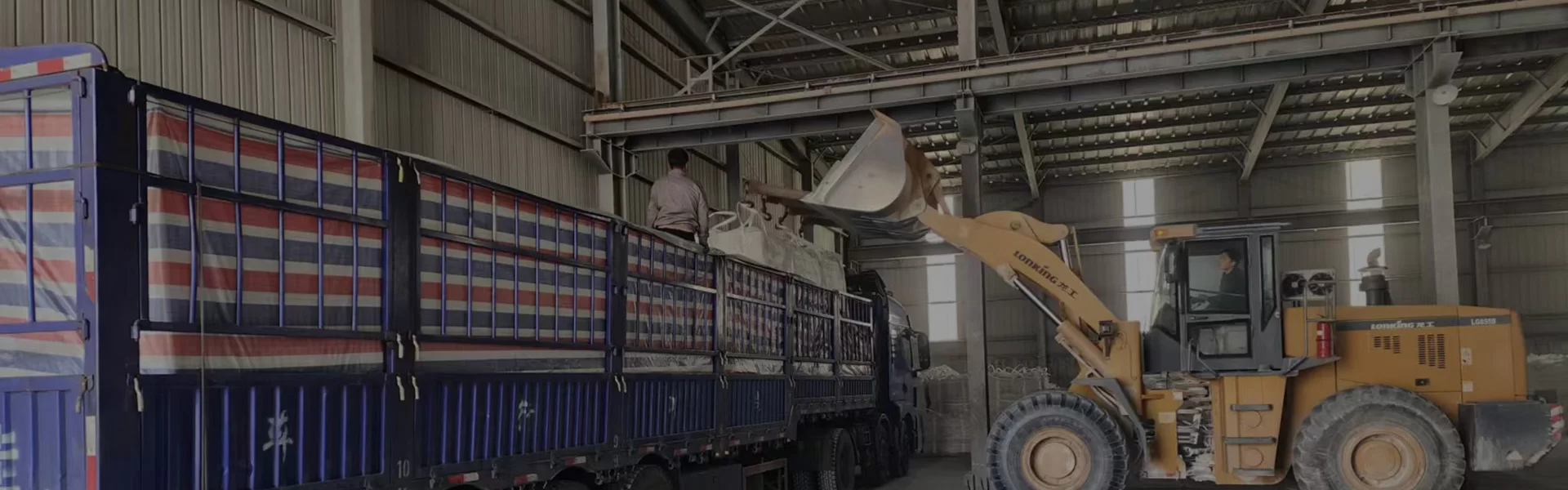
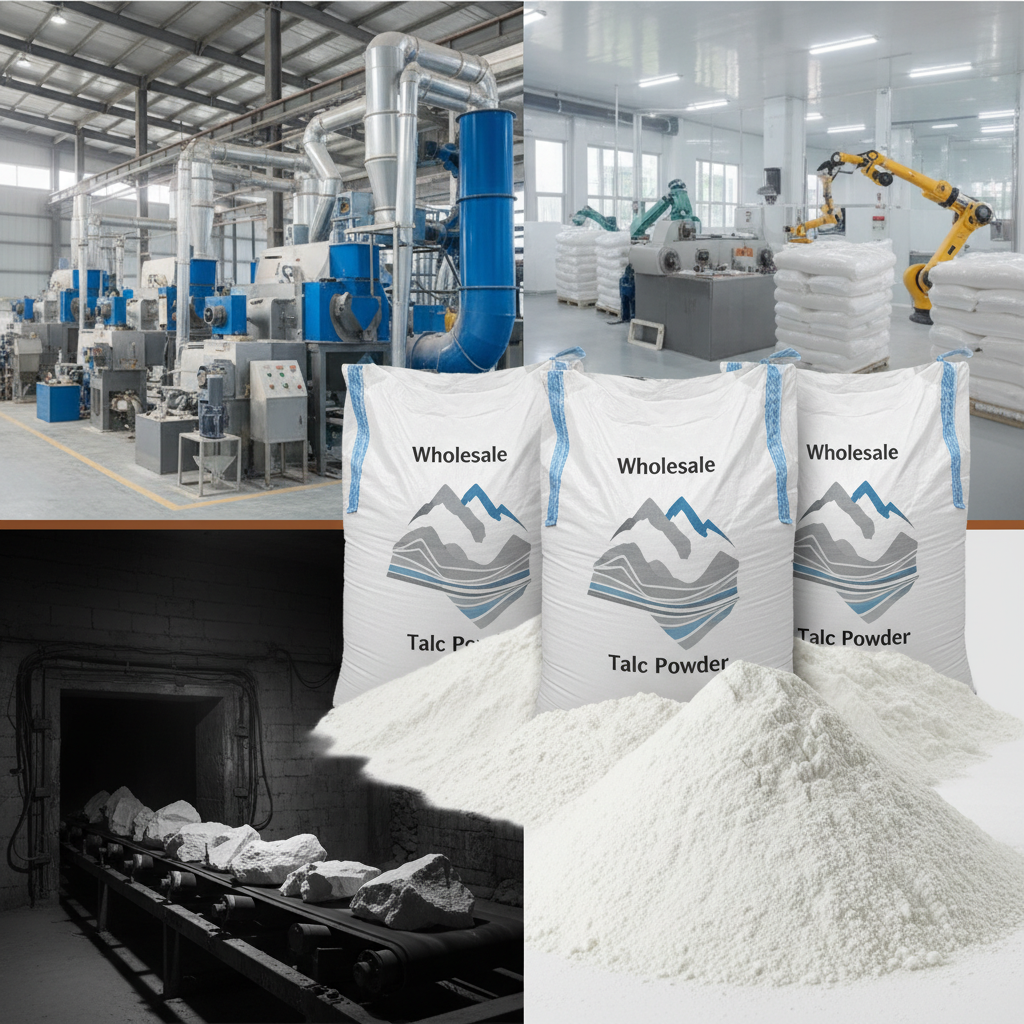
Wholesale talc is commonly shipped in 25kg woven bags, 1-ton jumbo bags (FIBC), or in bulk vessels for very large orders. The choice depends on your facility's unloading capabilities and the need to prevent moisture contamination.
Talc acts as a functional filler that allows manufacturers to reduce the amount of expensive virgin resin used in plastic parts without sacrificing strength. By optimizing the talc content, companies can create more durable products with a smaller carbon footprint per unit.
Conclusion
The strategic procurement of Wholesale talc is a cornerstone of operational efficiency for numerous industrial sectors. By balancing quality control, economic scalability, and a reliable supply chain, businesses can significantly enhance their product performance while maintaining a competitive cost structure. From the precision of nano-talc to the volume of industrial grades, the versatility of this mineral remains unmatched in the world of fillers.
Looking forward, the integration of sustainable mining and digital logistics will further refine the wholesale mineral market. Companies that prioritize suppliers committed to ESG standards and technical innovation will be best positioned to lead in an increasingly eco-conscious global economy. For those seeking high-quality mineral solutions, we invite you to explore our comprehensive range of industrial minerals. Visit our website: www.fesmining.com