The global demand for advanced horticultural substrates has led to a significant increase in the trade of specialized mineral aggregates. Among these, the role of high-quality expanded minerals has become pivotal for commercial greenhouses and large-scale agricultural projects worldwide. Understanding the supply chain and technical advantages of China cross-border Expanded Vermiculite helps growers optimize root health and water management across different climatic zones.
From a technical perspective, the transition toward soilless cultivation requires materials that offer a precise balance of aeration and moisture retention. The integration of processed volcanic and mineral glasses into global markets has revolutionized how we approach container gardening and hydroponics. By leveraging international trade routes, practitioners can access consistent, sterile media that eliminates the risks associated with native soil pathogens.
As the industry evolves, the emphasis on sustainability and efficiency has made China cross-border Expanded Vermiculite a key point of interest for procurement managers in the agricultural sector. This movement ensures that high-performance growing media, such as expanded perlite, is available to support food security and urban greening initiatives globally.

Global Relevance of China cross-border Expanded Vermiculite
The international trade of expanded mineral media, often categorized under China cross-border Expanded Vermiculite, is driven by the global shift toward precision farming. As urban populations grow, the need for vertical farming and hydroponic systems has surged, creating a massive demand for sterile, lightweight substrates that can be shipped efficiently across borders.
By adhering to international quality standards, these materials provide a reliable foundation for agricultural productivity. The ability to source consistent, high-volume shipments ensures that commercial growers can maintain stable crop cycles regardless of the local soil quality in their specific region.
Defining China cross-border Expanded Vermiculite in Modern Agriculture
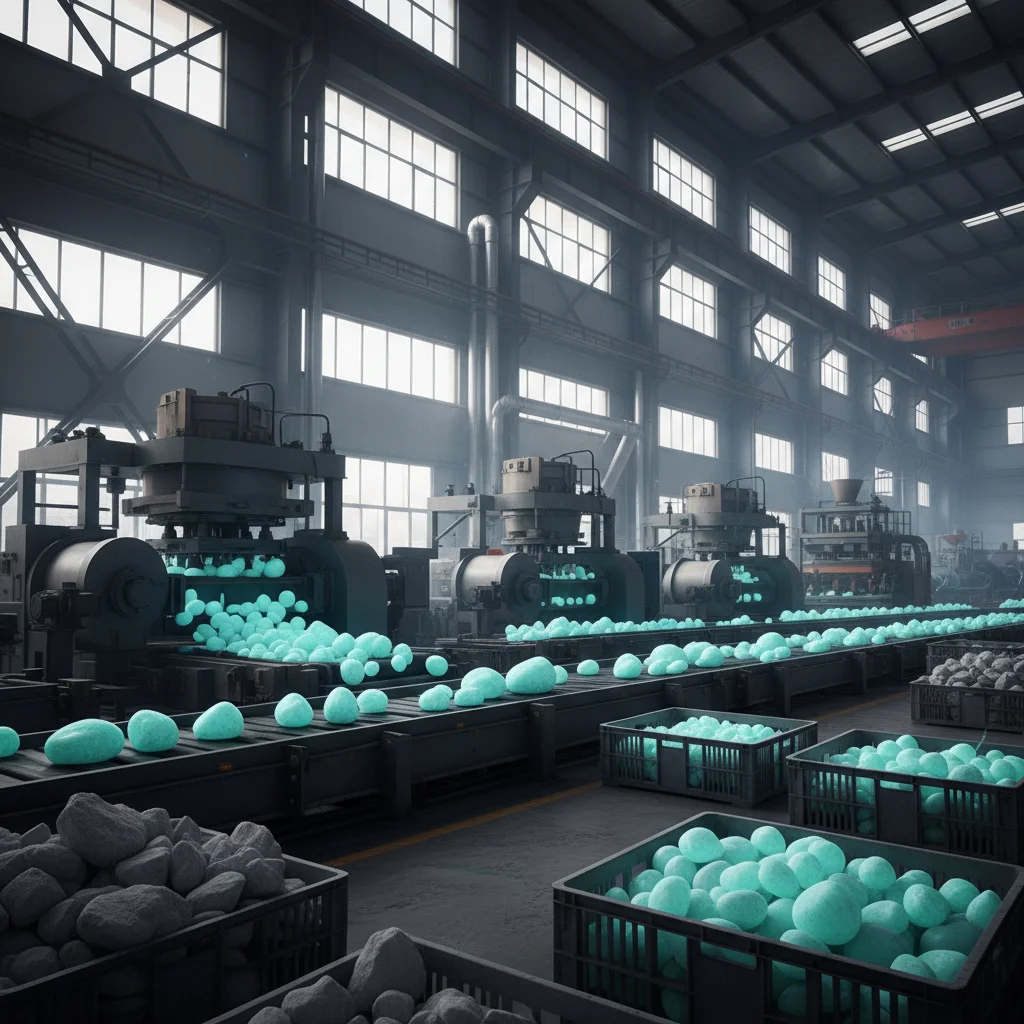
In simple terms, the concept of China cross-border Expanded Vermiculite refers to the strategic sourcing and international distribution of expanded mineral aggregates designed for horticultural use. These materials undergo a thermal expansion process that transforms dense ore into a lightweight, porous structure capable of managing air and water.
This process is essential for modern industry because it creates a medium that is chemically inert and biologically sterile. For humanitarian needs, such as rapid reforestation or emergency food production in degraded lands, having access to a reliable, cross-border supply of these minerals allows for immediate planting without the need for extensive soil remediation.
Essentially, it represents the bridge between mineral extraction expertise and the practical needs of global horticulture. By optimizing the expansion process, manufacturers ensure that the resulting product maximizes aeration and drainage, which are the two most critical factors for root health in soilless systems.
Core Components of High-Performance Mineral Media
One of the most critical factors for China cross-border Expanded Vermiculite is its superior aeration. By creating a network of air pockets within the substrate, it prevents the compaction typically found in organic soils, allowing roots to breathe and expand more freely.
Another core component is optimal drainage. The structural integrity of China cross-border Expanded Vermiculite ensures that excess water is wicked away rapidly, preventing root rot and waterlogging, while still retaining enough moisture to keep the plant hydrated between watering cycles.
Finally, the neutral pH and sterile nature of the medium are indispensable. Because it is free from weeds, pathogens, and contaminants, it provides a "blank canvas" for growers to precisely control nutrient delivery via hydroponic solutions, ensuring maximum yield and plant health.
Global Applications and Real-World Use Cases
The application of China cross-border Expanded Vermiculite spans various high-stakes environments. In commercial container gardening, it is mixed with peat or coco coir to improve the physical structure of the potting mix. In hydroponic systems, it often serves as a support medium that provides stability to the plant while allowing nutrient-rich water to flow freely.
Beyond traditional farming, these minerals are used in landscape soil improvement and the construction of golf course greens, where drainage is paramount. For instance, in regions with heavy clay soils, integrating expanded minerals helps create the necessary porosity for high-maintenance turfgrass to thrive.
Performance Metrics for China cross-border Expanded Vermiculite
Long-Term Value and Sustainability Benefits
The long-term value of investing in China cross-border Expanded Vermiculite lies in its contribution to sustainable agriculture. By reducing the reliance on organic topsoils, which are often depleted and prone to erosion, growers can utilize these mineral media to create closed-loop systems that minimize waste and maximize water efficiency.
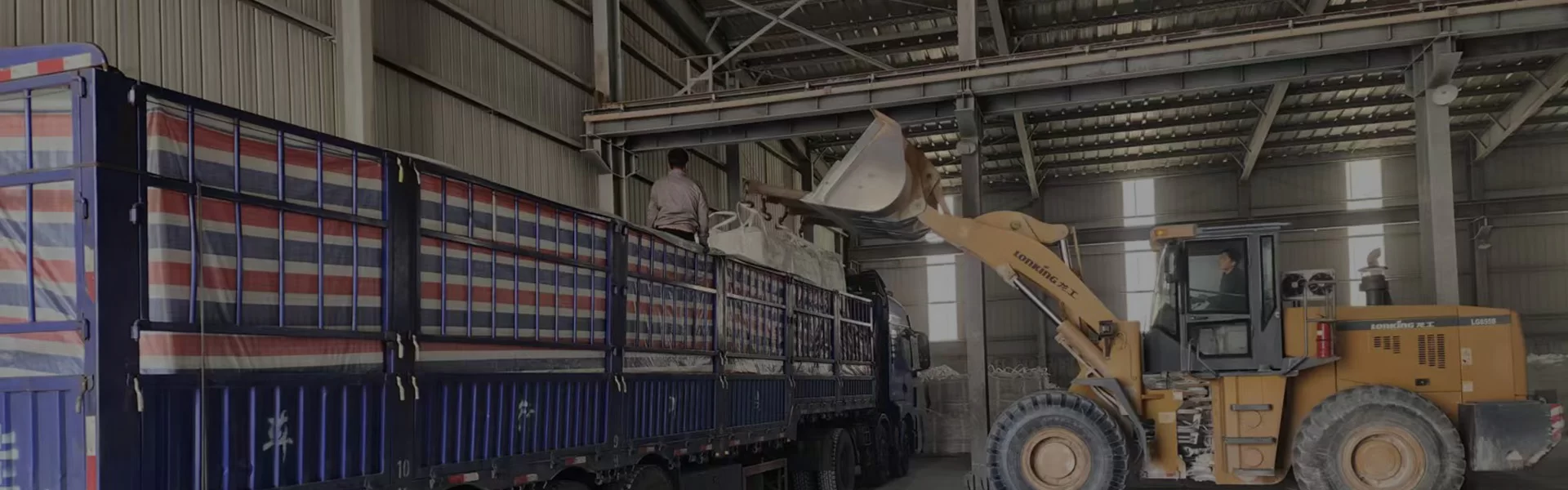
Furthermore, the lightweight nature of the product reduces the carbon footprint associated with transportation. Shipping expanded minerals in bulk—via 1-ton jumbo bags or containerized shipping—lowers the cost per unit and minimizes the energy required for logistical movement, providing both an economic and an environmental advantage.
Future Trends in Cross-Border Mineral Logistics
The future of China cross-border Expanded Vermiculite is closely tied to the digital transformation of the supply chain. We are seeing a move toward automated inventory management and real-time tracking of shipments, ensuring that large-scale projects receive their substrates exactly when needed to avoid planting delays.
Additionally, there is a growing trend toward "smart substrates," where mineral media are combined with slow-release nutrients or bio-stimulants during the expansion process. This innovation aims to further reduce the labor required for fertilization and increase the precision of nutrient delivery in hydroponic systems.
Sustainability policies are also driving the adoption of more eco-friendly packaging. The transition from small plastic bags to biodegradable options or reusable jumbo bags is becoming a priority for companies looking to align with global green energy and waste reduction goals.
Overcoming Challenges in Global Supply Chains
One of the primary challenges in the distribution of China cross-border Expanded Vermiculite is the volatility of international shipping costs and customs regulations. Because these materials are lightweight but high-volume, they can be expensive to ship if the packaging is not optimized for container space.
To overcome this, experts suggest a shift toward strategic regional warehousing. By storing bulk quantities of expanded minerals closer to the end-user, companies can mitigate the impact of shipping delays and provide a more consistent supply to local growers and landscaping firms.
Moreover, ensuring consistent quality across different batches is a constant requirement. Implementing rigorous ISO-standard testing at the production site ensures that every bag delivered maintains the same aeration and pH levels, providing the trust and reliability that professional agriculturalists demand.
Comparative Analysis of Mineral Media Supply Dimensions
| Supply Dimension |
Impact on Logistics |
Cost Efficiency |
Quality Consistency |
| Bulk Jumbo Bags |
High volume/Low labor |
Excellent |
High |
| 25kg Retail Bags |
Easy handling/High labor |
Moderate |
Very High |
| Containerized Shipments |
Optimized space |
High |
Consistent |
| Regional Warehousing |
Rapid delivery |
Moderate |
Very High |
| Custom Blends |
Specialized handling |
Low |
Variable |
| Air Freight (Sample) |
Fast/Low volume |
Very Low |
High |
FAQS
Expanded minerals provide superior aeration and drainage compared to traditional soil, which often compacts over time. They are sterile and inert, meaning they don't introduce weeds or pathogens into the growing environment. This allows for precise control over nutrients and moisture, leading to faster root development and higher yields in commercial horticulture.
When sourcing China cross-border Expanded Vermiculite or perlite, quality is maintained through strict adherence to international standards and specialized packaging. By using containerized shipping and high-grade jumbo bags, the physical structure of the expanded mineral is protected from crushing during transit, ensuring the product arrives with its aeration properties intact.
Yes, because it has a neutral pH and is chemically inert, it is compatible with most plants and nutrient solutions. It is particularly effective for plants that require high oxygen levels at the root zone, such as succulents, ornamentals, and many hydroponic vegetable crops. It is often mixed with other media to tailor the water-holding capacity to a specific species.
Absolutely. These materials are widely used for golf course green construction and urban landscape soil improvement. Their ability to prevent waterlogging makes them ideal for large-scale installations where drainage is a critical engineering requirement. Bulk supply options like 1-ton bags make them logistically feasible for massive projects.
For small-scale gardening or retail, 25kg or 50kg bags are ideal for manual handling. For commercial greenhouses or industrial landscaping, 1-ton jumbo bags are recommended to reduce labor costs and packaging waste. For very large infrastructure projects, containerized bulk shipping provides the lowest cost per cubic meter.
Yes, they promote sustainability by reducing the need for peat mining—a major source of carbon release. Additionally, their lightweight nature reduces transportation energy, and their efficiency in water management helps growers reduce overall water consumption in irrigation systems, contributing to a more sustainable agricultural model.
Conclusion
In summary, the strategic use of China cross-border Expanded Vermiculite and similar expanded minerals represents a critical advancement in horticultural technology. By providing an inert, sterile, and highly aerated medium, these materials solve the perennial problems of soil compaction and root rot, enabling growers to achieve unprecedented levels of precision and productivity in soilless systems.
Looking ahead, the integration of smarter logistics and sustainable packaging will further solidify the role of these minerals in global food security and urban greening. For procurement managers and professional growers, the key to success lies in partnering with reliable suppliers who can guarantee consistency and quality across international borders. Visit our website for more information: www.fesmining.com