In the evolving landscape of industrial mineral procurement, finding a reliable source for Wholesale construction-grade Perlite has become a priority for contractors and engineers seeking to balance structural efficiency with cost-effectiveness. While various lightweight aggregates exist, the specific properties of construction-grade minerals allow for unprecedented versatility in insulation, fireproofing, and composite reinforcement across global infrastructure projects.
The global demand for high-performance additives is driven by the need for sustainable building materials that reduce thermal loss and enhance durability. By integrating premium minerals into modern architectural frameworks, the industry is moving toward a more resilient urban environment where energy efficiency is not just an option but a standard requirement for compliance with international green building codes.
Understanding the nuances of sourcing materials like Wholesale construction-grade Perlite allows procurement managers to optimize their supply chains, ensuring that the physical properties—such as density and thermal stability—align perfectly with the technical specifications of their specific engineering challenges.

Global Market Dynamics of Wholesale construction-grade Perlite
The global market for Wholesale construction-grade Perlite is currently shaped by a surge in "green" construction mandates and the rapid urbanization of emerging economies. As ISO standards for building insulation become more stringent, the demand for minerals that offer high thermal resistance and low bulk density has skyrocketed, leading to a shift toward bulk wholesale procurement to stabilize project costs.
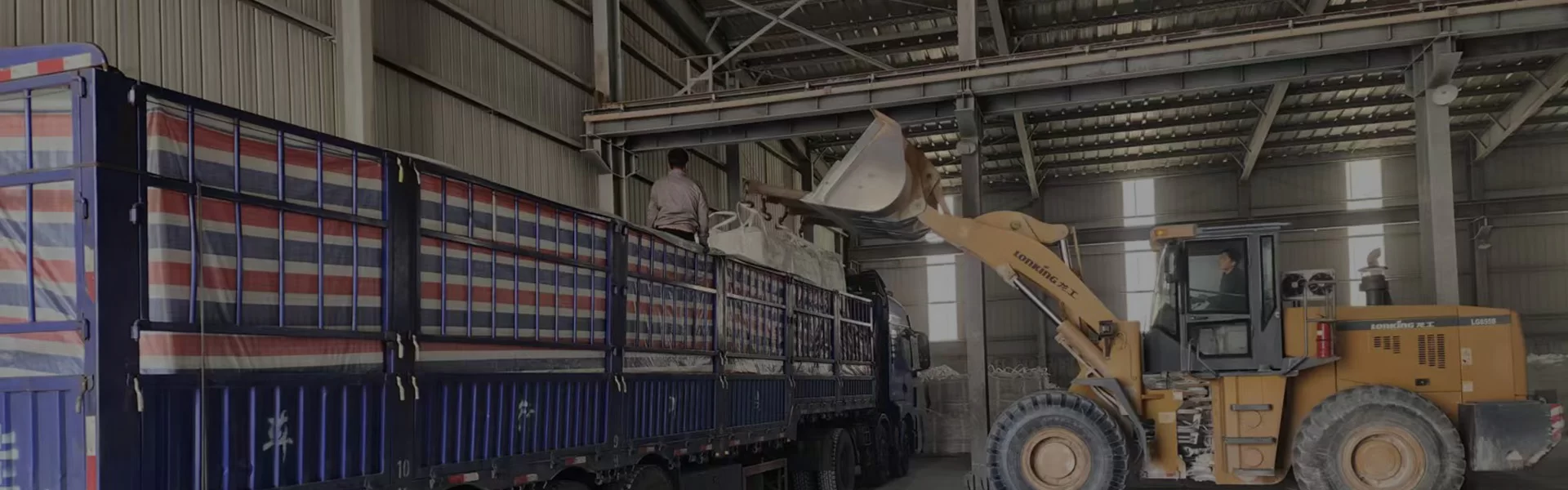
Supply chain volatility has prompted many large-scale developers to seek direct partnerships with non-metallic mineral extractors. By sourcing construction-grade materials at wholesale volumes, firms can ensure consistency in particle size and purity, which is critical for maintaining the structural integrity of lightweight concrete and specialized plasters used in high-rise developments.
Defining Technical Standards for Construction Minerals
When discussing Wholesale construction-grade Perlite, it is essential to define it not just as a raw mineral, but as a precision-engineered industrial tool. In the context of modern mining and processing, "construction-grade" refers to materials that have undergone specific calcination or grading processes to ensure they meet the rigorous compressive strength and fire-retardant requirements of the building industry.
Unlike agricultural or horticultural grades, construction-grade minerals are optimized for their interaction with cementitious binders and polymer resins. This involves strict control over the mesh size and spherical geometry—similar to the precision found in solid glass microspheres—to ensure that the resulting composite material has uniform flow characteristics and no hidden structural voids.
The connection to modern humanitarian needs is evident in the deployment of rapid-build housing and disaster-relief shelters. Materials sourced through Wholesale construction-grade Perlite channels enable the creation of lightweight, insulating walls that can be transported easily and assembled quickly, providing thermal safety and dignity to displaced populations in extreme climates.
Core Components of High-Performance Industrial Fillers
The efficacy of Wholesale construction-grade Perlite is primarily determined by its structural robustness. A high elastic modulus ensures that the mineral can withstand the pressures of mixing and application without collapsing, which preserves the intended air-void ratio and thermal insulation properties of the final construction product.
Thermal stability is another critical factor; the ability of Wholesale construction-grade Perlite to resist thermal expansion prevents cracking in concrete slabs and facades during extreme temperature fluctuations. This reliability makes it an indispensable component for industrial warehouses and cold-storage facilities.
Finally, chemical inertness ensures that the mineral does not react negatively with aggressive solvents or epoxy resins. This stability allows for the creation of advanced composite materials that maintain their chemical integrity over decades, significantly reducing the long-term maintenance costs for infrastructure managers.
Comparative Performance of Specialized Grading
The selection of the correct mesh size is paramount when procuring Wholesale construction-grade Perlite. Different applications require different granularities; for instance, fine-mesh powders are ideal for high-precision coatings and smooth plasters, while larger diameters are preferred for lightweight structural fills and drainage layers.
By comparing various grading methods, engineers can optimize the "packing density" of their composites. A strategic blend of sizes minimizes the amount of binder required, thereby reducing the overall carbon footprint of the construction project while maximizing the compressive strength of the material.
Performance Analysis of Construction-Grade Mineral Variations
Real-World Applications in Modern Infrastructure
In the field of industrial architecture, Wholesale construction-grade Perlite is extensively used in the formulation of fire-resistant panels and cryogenic insulation. For instance, in large-scale petrochemical plants, where thermal runaway is a constant risk, the integration of high-heat resistant minerals into protective coatings provides a critical layer of safety for both personnel and equipment.
Beyond heavy industry, these materials are finding a place in urban "green roofs" and sustainable drainage systems. Because of its lightweight nature and ability to retain structural integrity without compacting over time, construction-grade perlite reduces the dead load on building rooftops, allowing for more ambitious ecological designs without compromising the building's structural safety.
Long-Term Value and Sustainability Benefits
Investing in Wholesale construction-grade Perlite offers significant long-term economic value. By reducing the overall weight of structures, developers can lower transportation costs and decrease the amount of reinforced steel needed for foundations. This creates a ripple effect of cost savings throughout the entire lifecycle of the project.
From a sustainability perspective, the use of these minerals contributes to a lower operational carbon footprint. Enhanced thermal insulation means reduced reliance on HVAC systems for heating and cooling, directly lowering energy consumption and GHG emissions. This alignment with ESG (Environmental, Social, and Governance) goals makes it a preferred choice for institutional investors.
Furthermore, the durability and chemical stability of these minerals mean that structures have an extended operational cycle. This reduces the frequency of renovations and the volume of construction waste sent to landfills, promoting a circular economy within the non-metallic mineral sector.
Future Innovations in Mineral Extraction and Processing
The future of Wholesale construction-grade Perlite lies in the intersection of digital transformation and materials science. We are seeing the rise of "smart grading" systems where AI-driven sorting technology ensures that every batch of mineral adheres to micron-level specifications, eliminating the variance that often plagues bulk mineral orders.
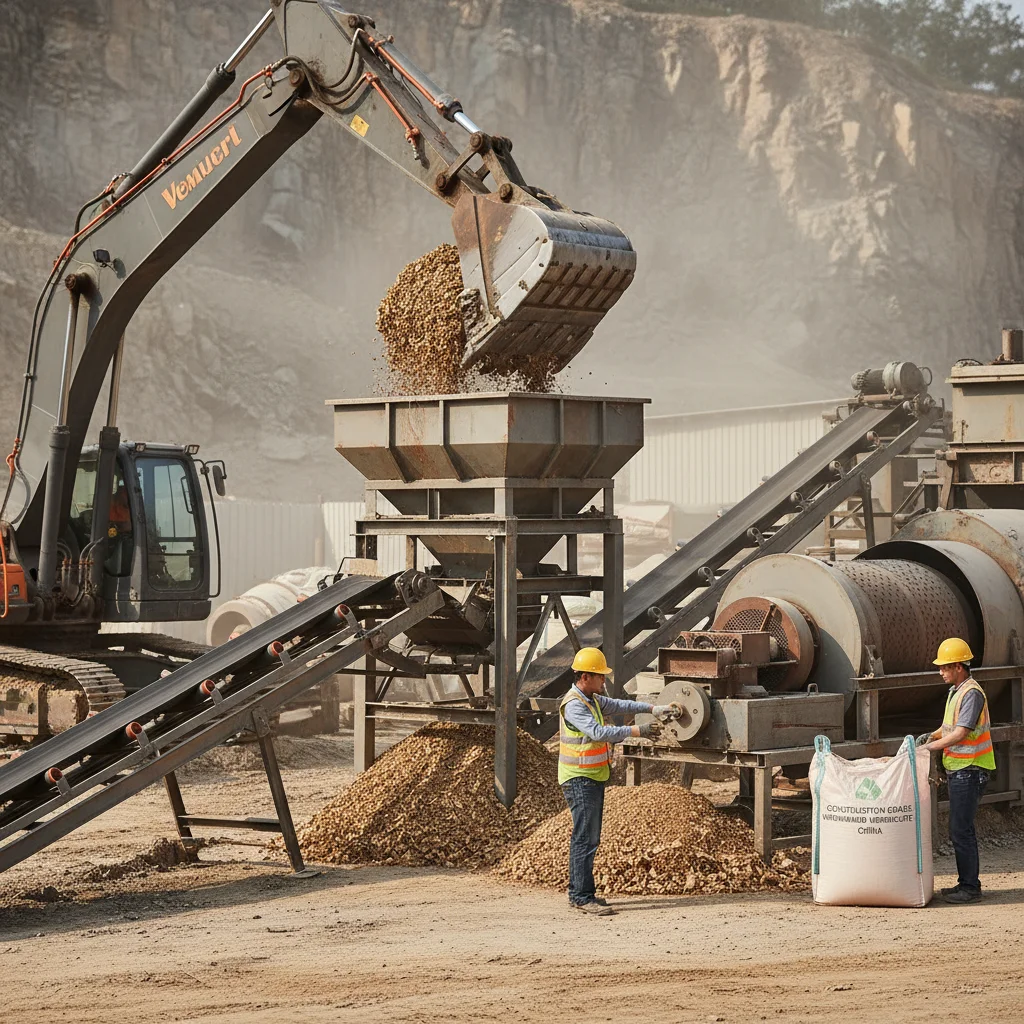
Automation in the extraction process is also reducing the environmental impact of mining operations. New closed-loop water filtration systems and low-emission calcination kilns are making the production of construction-grade minerals more eco-friendly, ensuring that the raw materials used for "green buildings" are themselves produced sustainably.
As we look forward, the integration of nano-coatings on mineral surfaces promises to further enhance the bonding strength between perlite and polymer matrices. This innovation will allow for even lighter materials with higher load-bearing capacities, pushing the boundaries of what is possible in aerospace and high-tech civil engineering.
Comparative Analysis of Wholesale Mineral Processing Standards
| Processing Metric |
Standard Grade |
Premium Wholesale Grade |
Industrial Impact |
| Sphericity Accuracy |
Moderate |
High Precision |
Uniform Flow/Finish |
| Thermal Expansion |
Standard |
Minimal |
Crack Prevention |
| Compressive Strength |
Basic |
Reinforced |
Higher Load Capacity |
| Chemical Inertness |
General |
Exceptional |
Resin Compatibility |
| Grading Consistency |
Batch-variant |
Strictly Controlled |
Predictable Results |
| Cost Efficiency |
Low initial |
High Long-term |
Reduced Maintenance |
FAQS
Construction-grade perlite is specifically processed to optimize its compressive strength, thermal stability, and particle size for use in cement and resin composites. Unlike agricultural perlite, which focuses on water retention and aeration, construction-grade materials are engineered to maintain structural integrity under pressure and provide superior fireproofing and insulation properties for building infrastructure.
Wholesale procurement ensures consistent quality across massive volumes, which is critical for maintaining the same structural properties in every floor or section of a building. It also significantly reduces the cost per ton, stabilizes the supply chain against market fluctuations, and allows for custom grading and sizing tailored to the specific technical requirements of the architectural design.
Yes, high-quality construction-grade perlite is chemically inert, meaning it does not react with epoxy, polyurethane, or other polymer resins. This makes it an ideal functional filler for creating high-performance, lightweight composites that require both structural rigidity and thermal insulation without compromising the chemical bond of the resin matrix.
Absolutely. Most professional mineral suppliers offer a wide range of standard mesh sizes (from 20 to 320 mesh) and millimeter ranges. For specialized projects, such as optical coatings or ultra-high-density reinforcements, custom precision grinding and sizing are available to meet exact micron-level specifications, ensuring the material fits the specific industrial application perfectly.
By significantly increasing the R-value (thermal resistance) of walls and roofs, these minerals reduce the energy required for heating and cooling. This contributes directly to LEED and BREEAM certifications. Additionally, the reduction in total building weight allows for smaller foundations, which means less concrete and steel usage, thereby lowering the overall embodied carbon of the structure.
Structures utilizing high-grade mineral fillers typically see an extended operational cycle. Because the materials are chemically stable and resist thermal expansion and contraction, they reduce the occurrence of stress cracks and degradation. When integrated correctly, they provide permanent insulation and structural reinforcement that lasts as long as the primary building frame.
Conclusion
The strategic integration of Wholesale construction-grade Perlite represents a critical advancement in the quest for sustainable and resilient urban development. By combining high thermal stability, chemical inertness, and structural robustness, these minerals allow engineers to push the limits of lightweight construction while enhancing safety and energy efficiency. From the precision of particle grading to the economic advantages of bulk procurement, the value proposition is clear: superior materials lead to superior infrastructure.
Looking forward, the industry must continue to embrace digital precision and eco-friendly extraction methods to meet the growing demands of a global population. For procurement managers and developers, the shift toward high-specification, wholesale mineral sources is not merely a cost-saving measure, but a commitment to quality and sustainability. To explore how these advanced materials can optimize your next project, visit our website: www.fesmining.com.