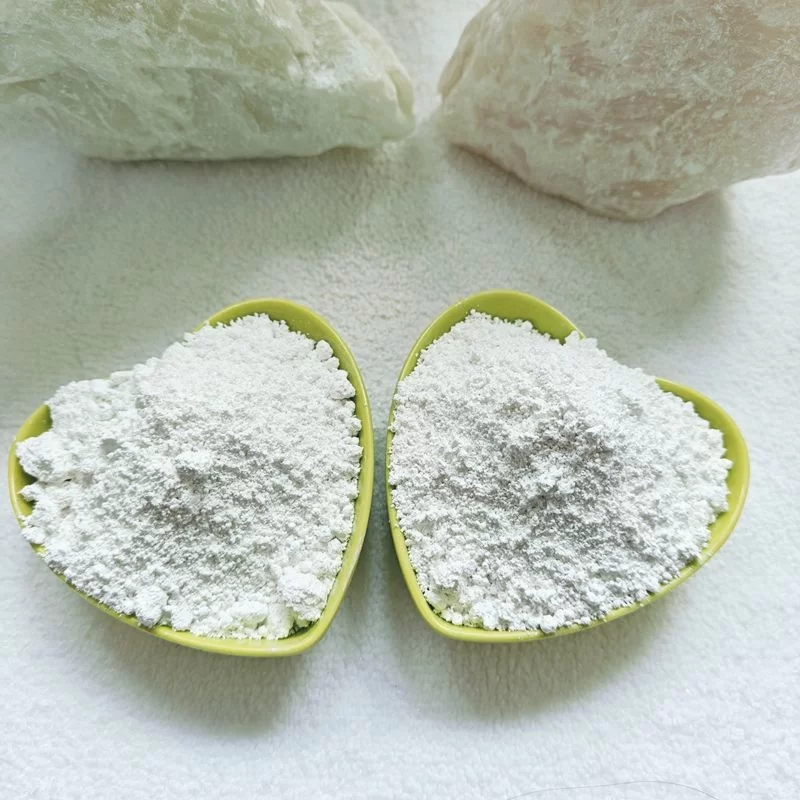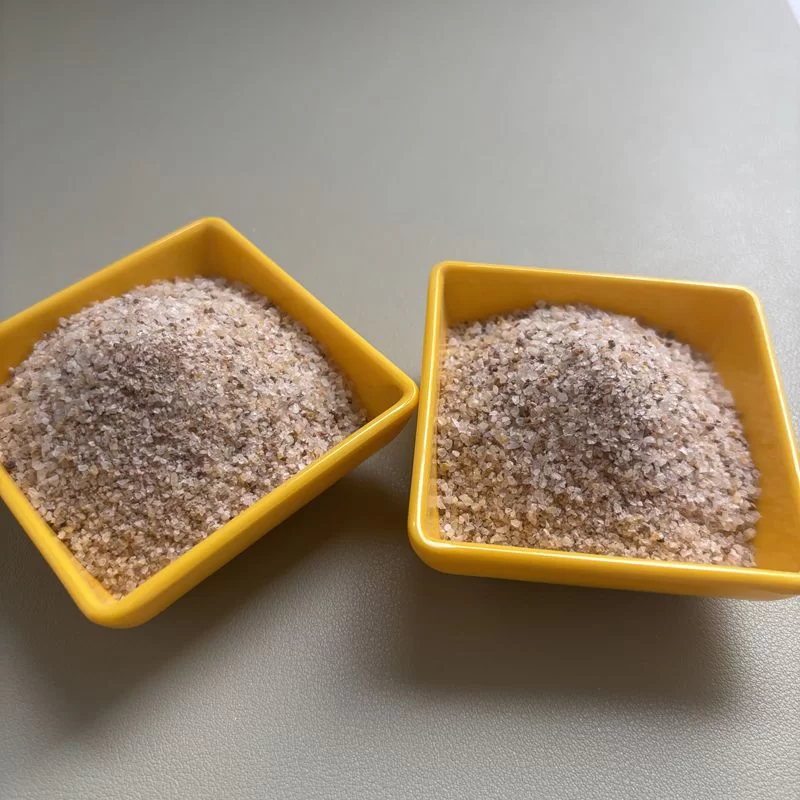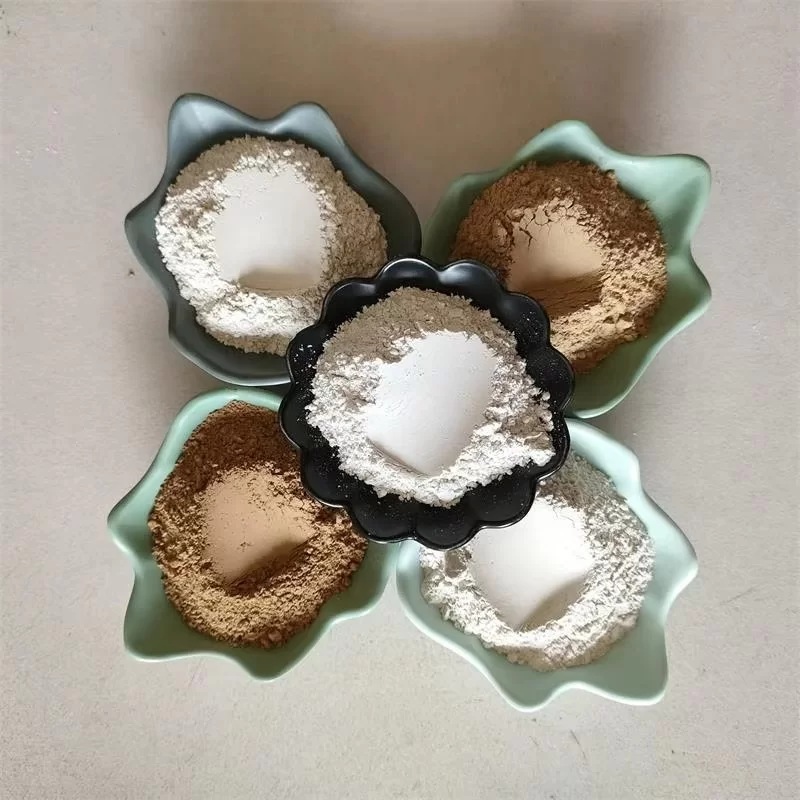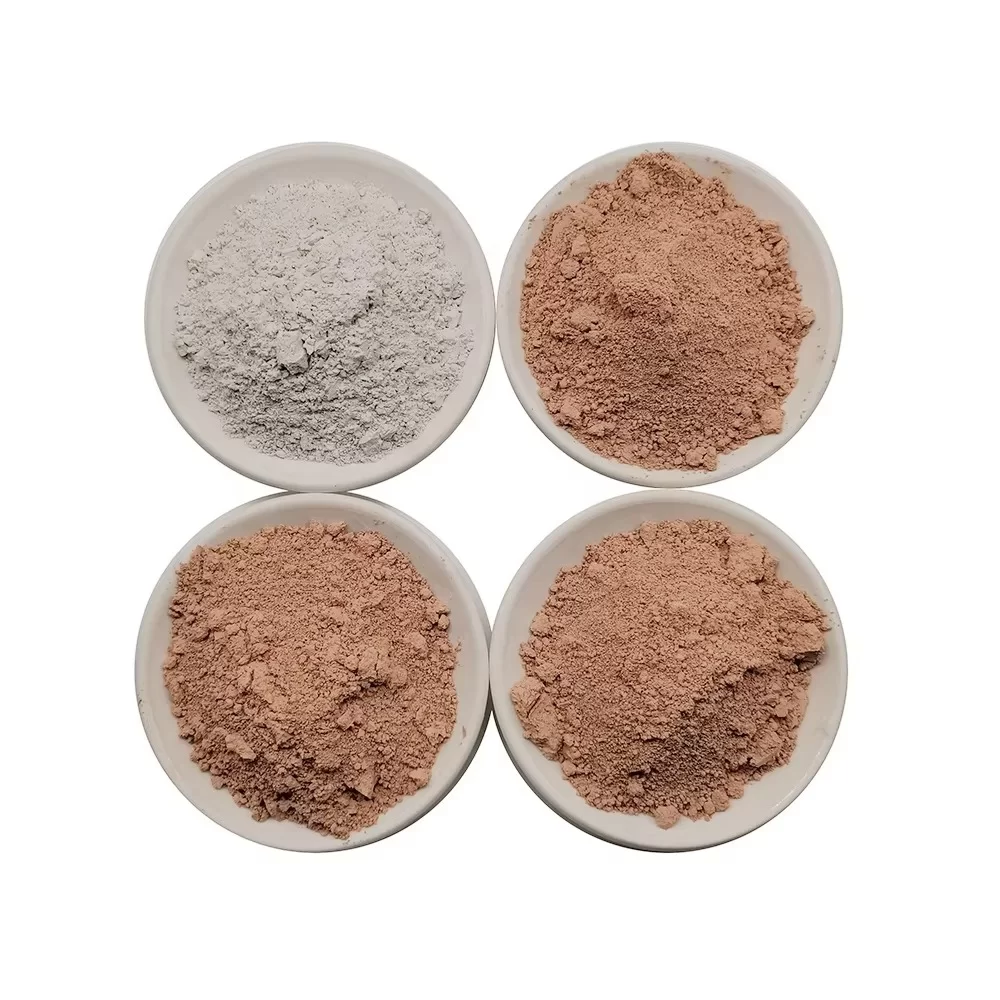
In the highly competitive rubber manufacturing sector, finding the delicate balance between elasticity, durability, and cost-efficiency is a persistent challenge. Manufacturers often face inconsistencies in filler quality that lead to production downtime or compromised end-product properties, such as reduced heat resistance or poor chemical stability. Selecting a superior rubber Application Talc is not merely about sourcing a raw material; it is about securing a foundational component that dictates the performance longevity of tires, seals, and industrial hoses.
The Solution: Shijiazhuang Fengersheng Mining Co., Ltd. addresses these pain points by leveraging over 43 years of mineral processing expertise. Evolving from the renowned No.1 Mica Factory in Lingshou County, we have established a vertically integrated supply chain—from mining to logistics—ensuring that every batch meets rigorous consistency standards.
With an annual production capacity exceeding 200,000 tons and a global footprint spanning over 120 countries, we provide the stability needed for large-scale production. Our talc products are engineered to enhance the reinforcing properties of rubber, offering superior smoothness and chemical resistance that major industry players, including partners like CNPC and Sinopec, rely on for their critical applications.
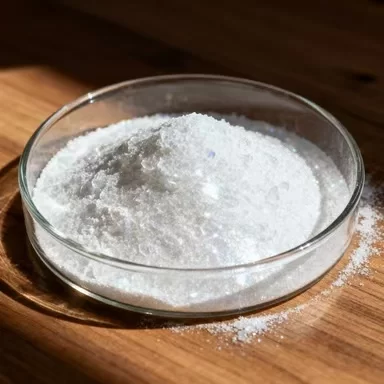
Precise material formulation is the backbone of high-quality rubber products. The inclusion of talc serves as a vital functional filler, improving processing viscosity and reinforcing the mechanical structure of the polymer matrix. At FES Mining, we adhere to international standard testing to ensure our rubber Application Talc delivers optimal particle size distribution and chemical purity.
Our processing technology focuses on retaining the lamellar structure of the talc, which is crucial for barrier properties and stiffness in the final rubber compound. Below is a breakdown of our technical benchmarks compared to general industry expectations.
| Performance Metric | Industry Significance | Our Engineering Standard | Advantage |
|---|---|---|---|
| Chemical Inertness | Prevents reaction with curing agents; ensures stability. | High-purity mineral composition (Acid/Alkali Resistant) | Extends the lifespan of rubber in harsh chemical environments. |
| Lamellar Structure | Improves gas barrier properties and mechanical reinforcement. | Preserved platy aspect ratio via specialized milling | Superior impermeability and enhanced tensile strength. |
| Particle Size Distribution | Affects dispersion and surface finish of the rubber product. | Customizable Mesh (Precision classification) | Ensures smooth extrusion and eliminates surface defects. |
| Moisture Content | Excess moisture causes blistering during vulcanization. | Strictly controlled low moisture levels | Zero porosity defects in finished rubber goods. |
By controlling these variables, we ensure that our talc powder acts not just as a filler, but as a performance enhancer, contributing to the heat resistance and dimensional stability required in modern automotive and industrial rubber applications.
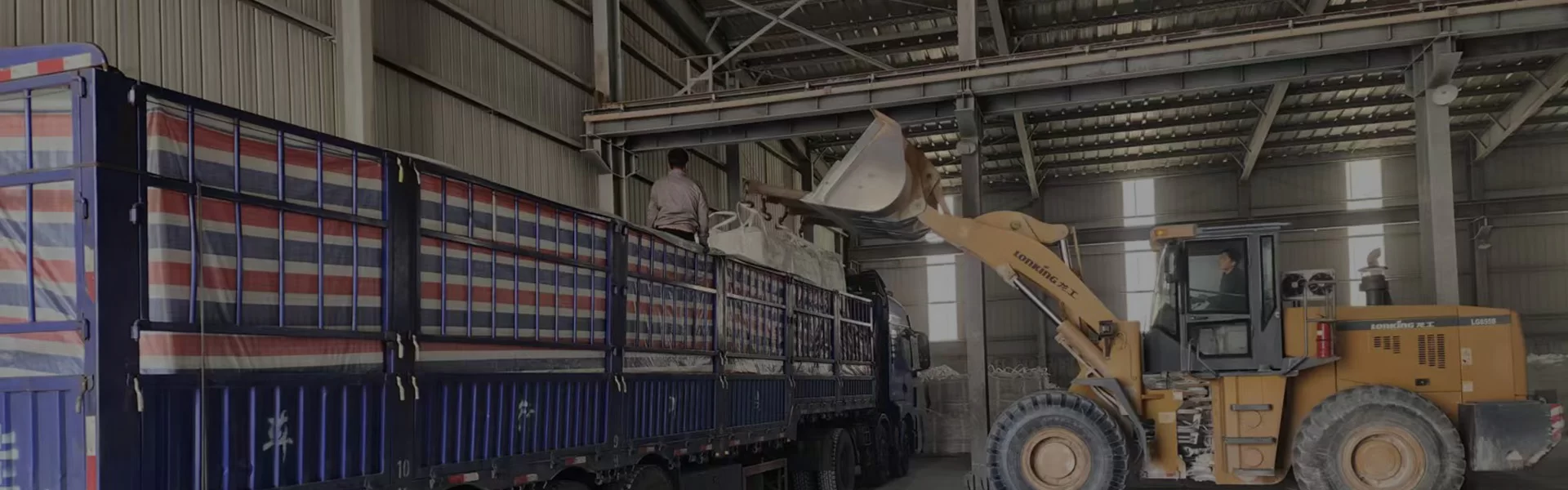
Global supply chain volatility poses a significant risk to manufacturing profitability. Securing a reliable source of rubber Application Talc is a strategic move that transcends simple cost-per-ton calculations. It involves evaluating the Total Cost of Ownership (TCO), which includes processing efficiency, reduction in reject rates, and supply continuity. FES Mining, as one of North China's largest mineral bases, mitigates supply risks with an annual export volume of over 80,000 tons and a robust logistics network.
Our direct "Mine-to-Factory" model eliminates unnecessary intermediaries, allowing us to pass cost benefits directly to our partners while maintaining strict quality control. By utilizing our stable, high-density talc, manufacturers can reduce the usage of more expensive polymer resins without sacrificing quality, effectively optimizing the material cost structure.
Related products
Top Selling Products


If you are interested in our products, you can choose to leave your information here, and we will be in touch with you shortly.