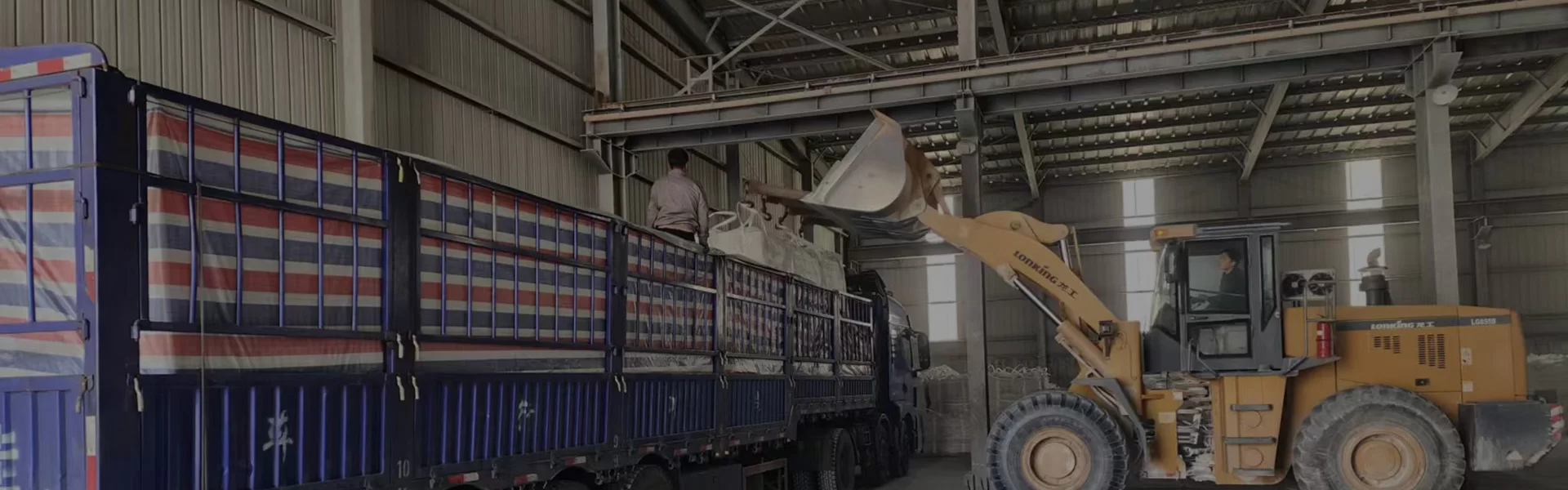
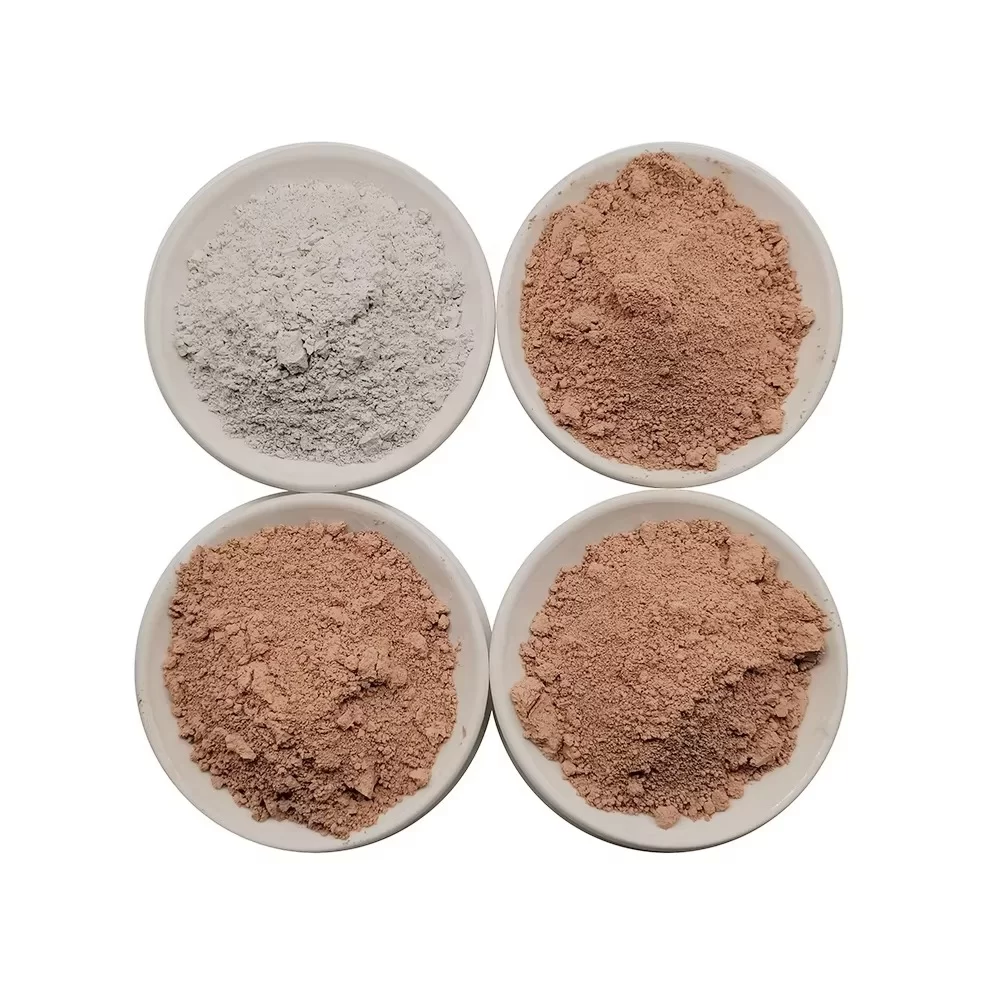
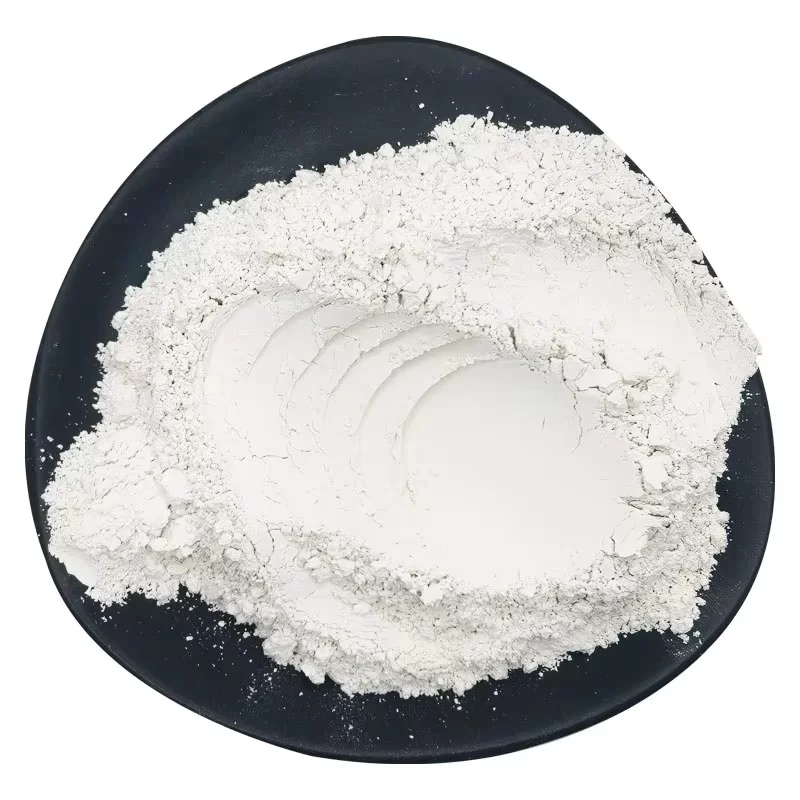
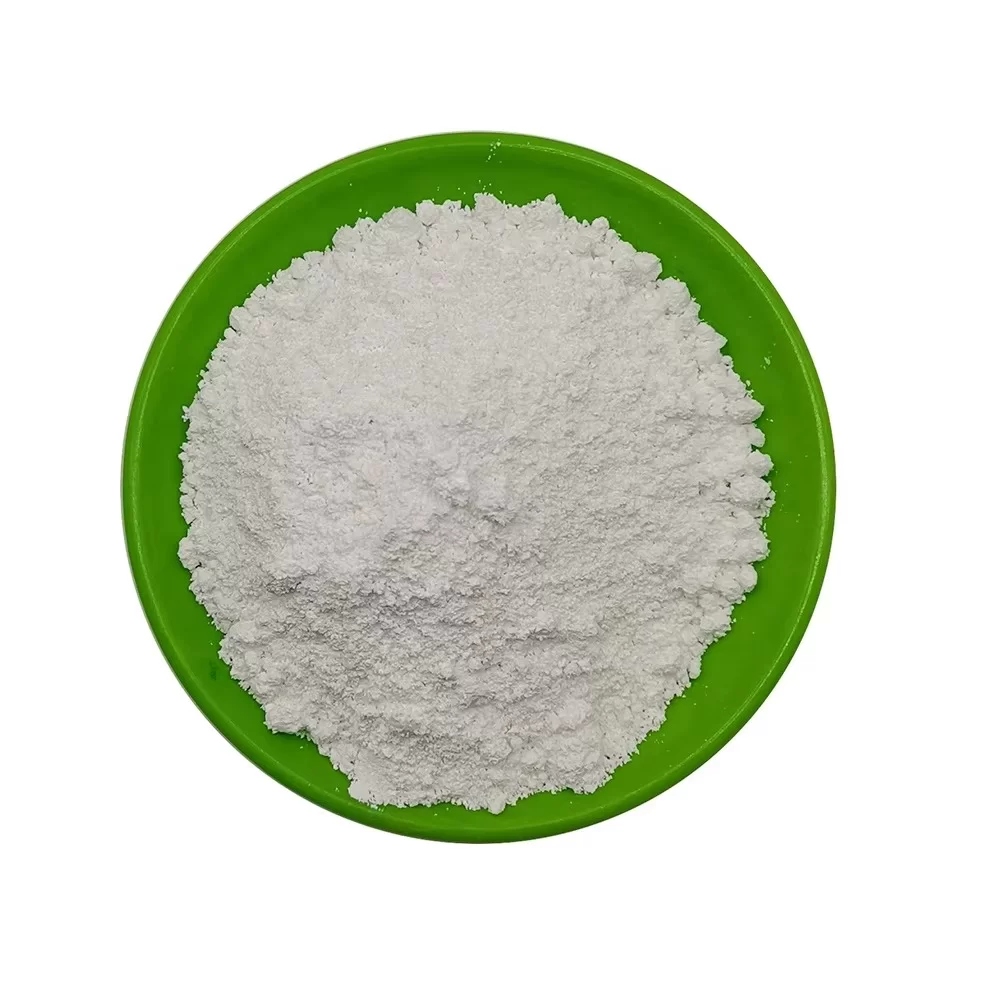
Naki Bentonite meets diverse needs: its strong adsorption handles water impurity removal, good swelling stabilizes drilling wells, and high cation exchange improves soil—serving as a go-to material for industrial, environmental, and agricultural uses.
Hardness 2.0~2.5; specific gravity 2.0~2.7; melting point 1330~1430
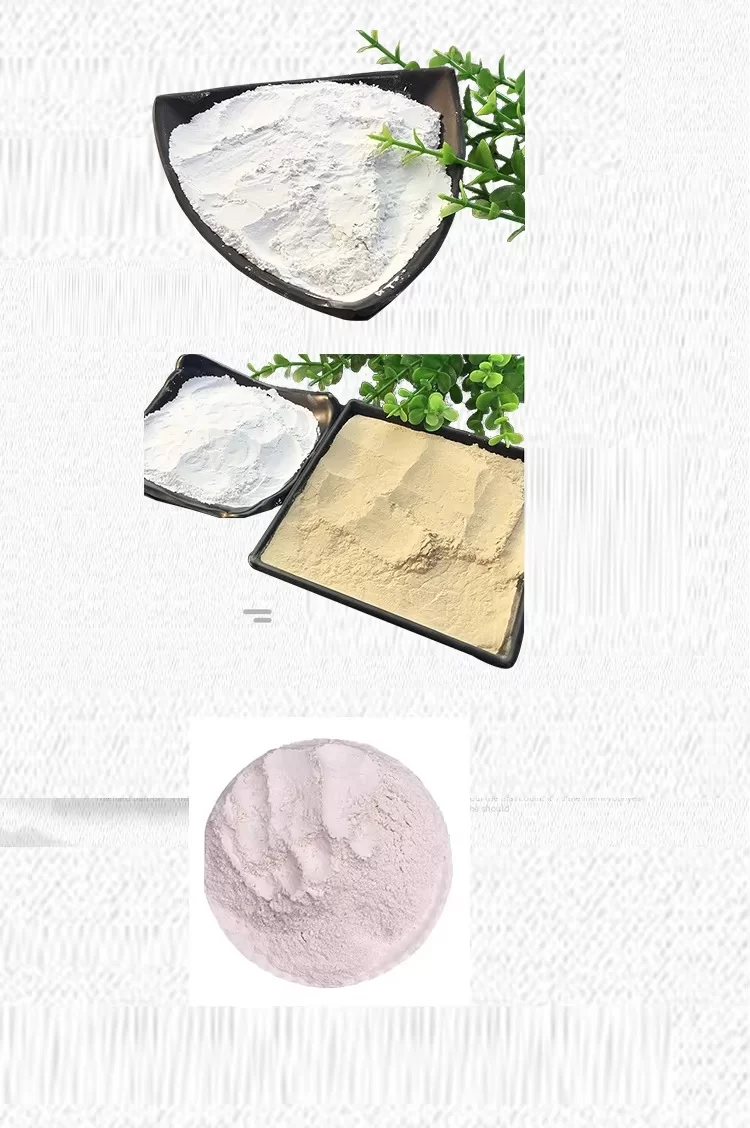
The main component is montmorillonite, with a content of 85-90%; clay minerals associated with montmorillonite include illite, kaolinite, halloysite, chlorite, hydroxy-aluminosilicates, and some interlayer clay minerals. It has a high swelling capacity of 20-30 times, high water absorption, and slow water absorption.
Primary Applications:
Soil improvement: Improve soil structure, enhance the soil's ability to retain water and fertilizers, and is particularly suitable for sandy soil.
Feed additive: Adding a small amount can adsorb mycotoxins in feed and protect the health of livestock and poultry's digestive tracts.
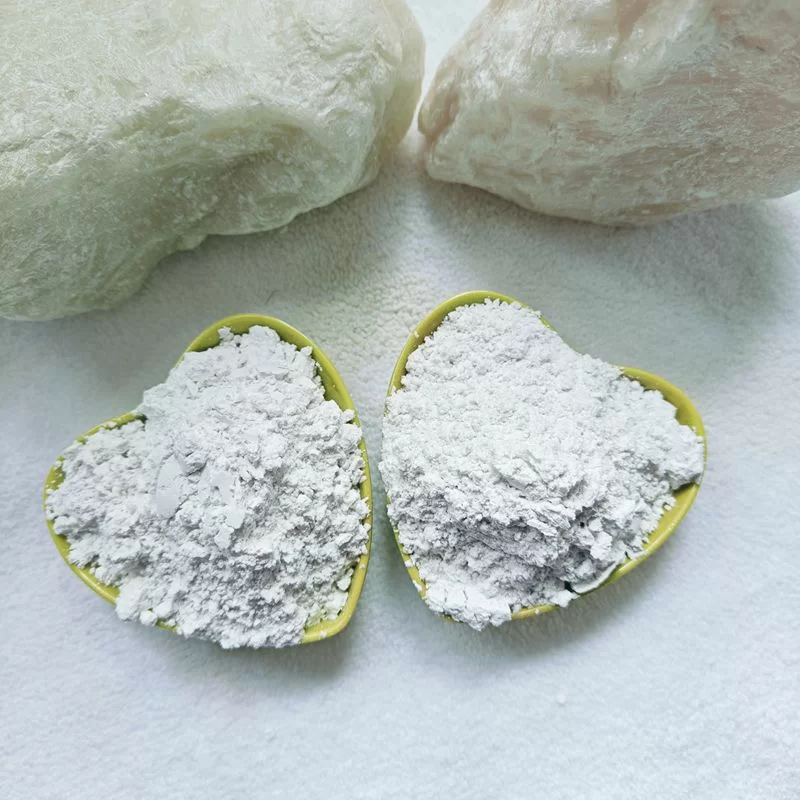
Synthetic Mica
Particle Size: 10-3000mesh
Function Feature
High purity: Free of iron impurities, does not easily discolor, and has a whiter and brighter color.
High temperature resistance: Withstands temperatures above 1000℃.
Strong chemical stability: Resistant to acids, alkalis, and UV rays; non-hygroscopic.
Excellent insulation performance: Low dielectric constant and high breakdown strength.
Environmentally friendly and safe: Free of heavy metals and radioactive substances, meets cosmetic and electronic grade requirements.
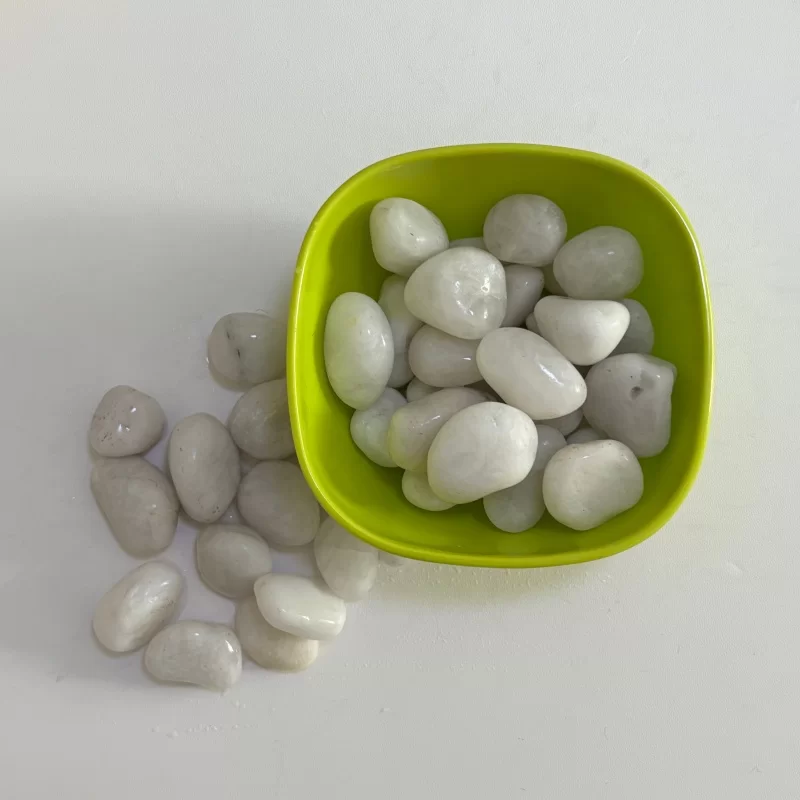
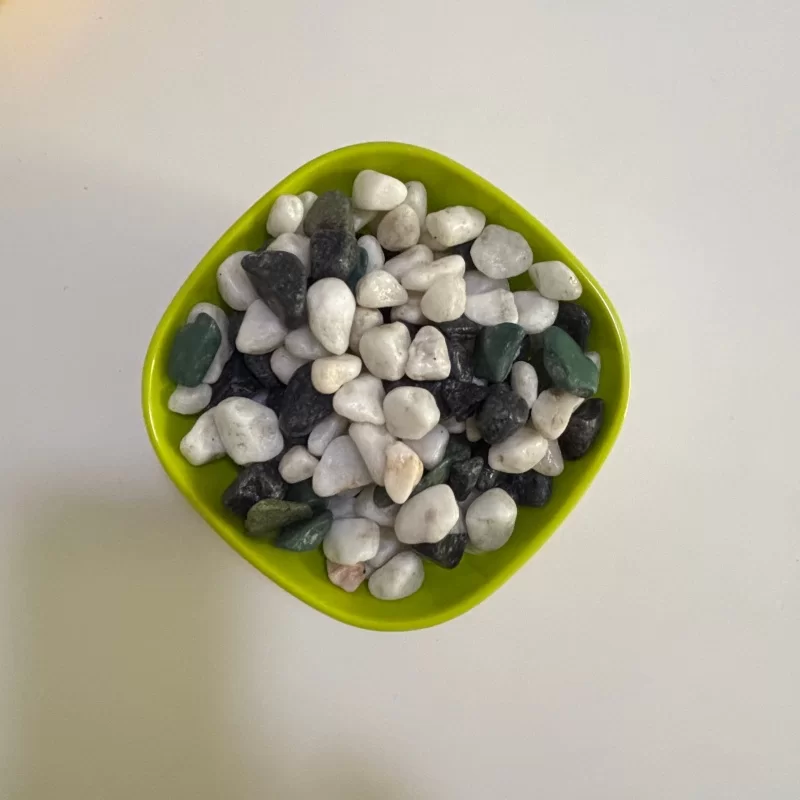
Polished pebbles are natural-collected stones processed via mechanical grinding and polishing to get a smooth, glossy surface. They keep the pebbles’ natural shape while gaining an artistic new life. With high aesthetic value and artistry, they’re mainly used in decoration and quality-of-life fields: indoor decoration & display, aquarium landscaping, bathroom decor, indoor fountain and small artificial water feature decoration, plus as an excellent material for crafts like paperweights, candlesticks, photo frames and creative ornaments.
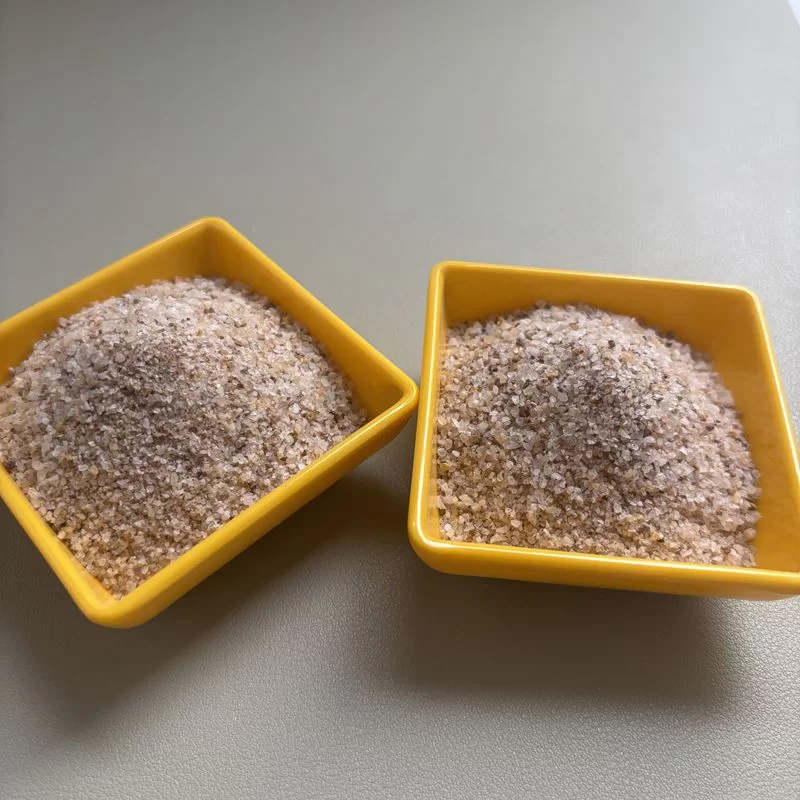
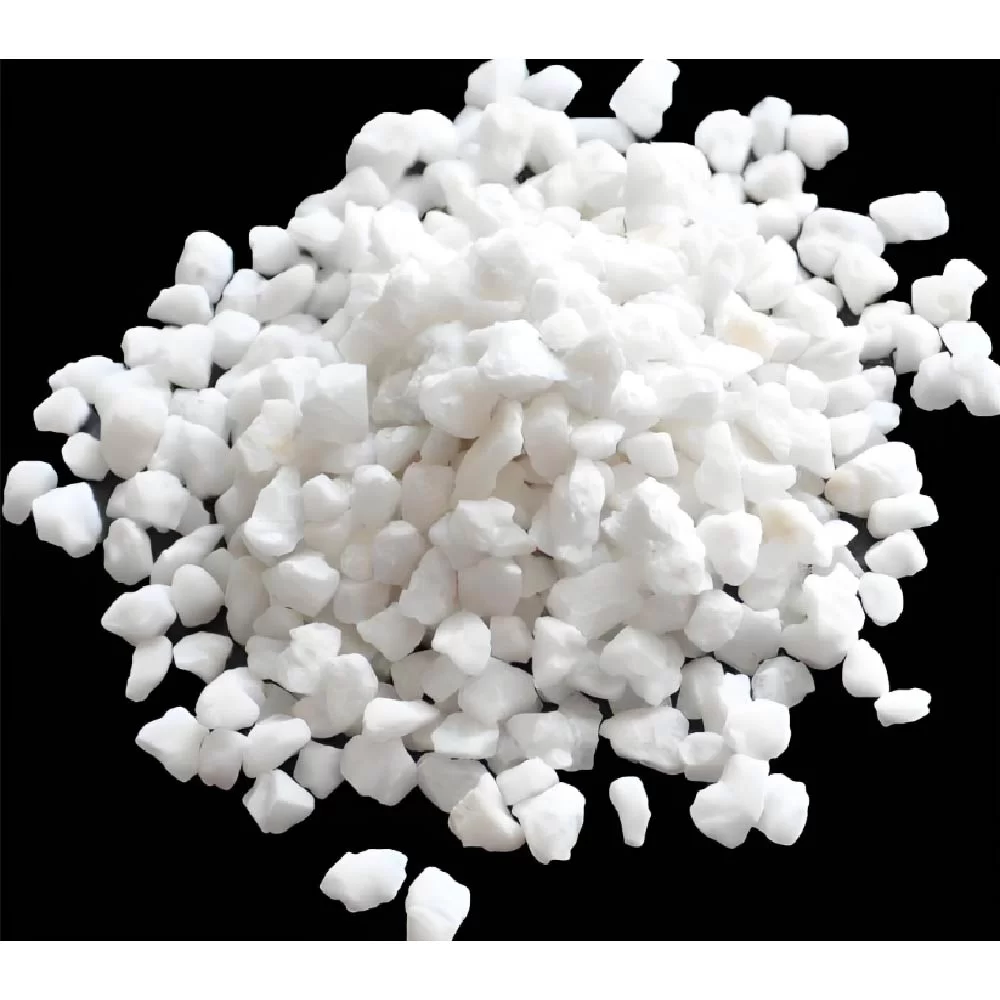
A robust and economical quartz sand for construction, industrial filler, and mortar applications. High silica content ensures durability and performance. Available in 20-40 mesh, 40-80mesh and custom sizes.
High-performance vitrified microsphere with closed-cell structure. Excellent thermal insulation, low water absorption (35-50%), and superior strength. Ideal for building insulation and lightweight aggregates.
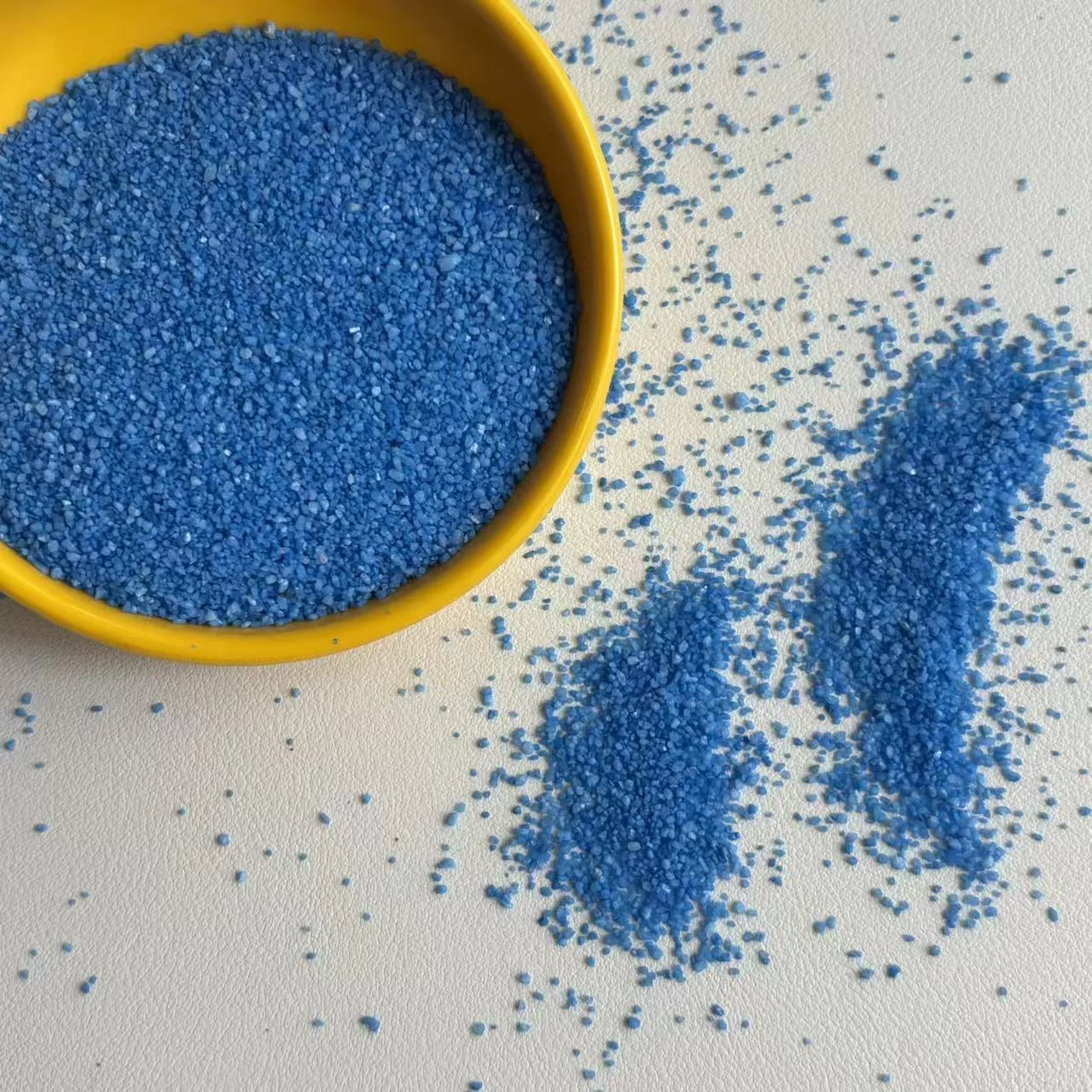
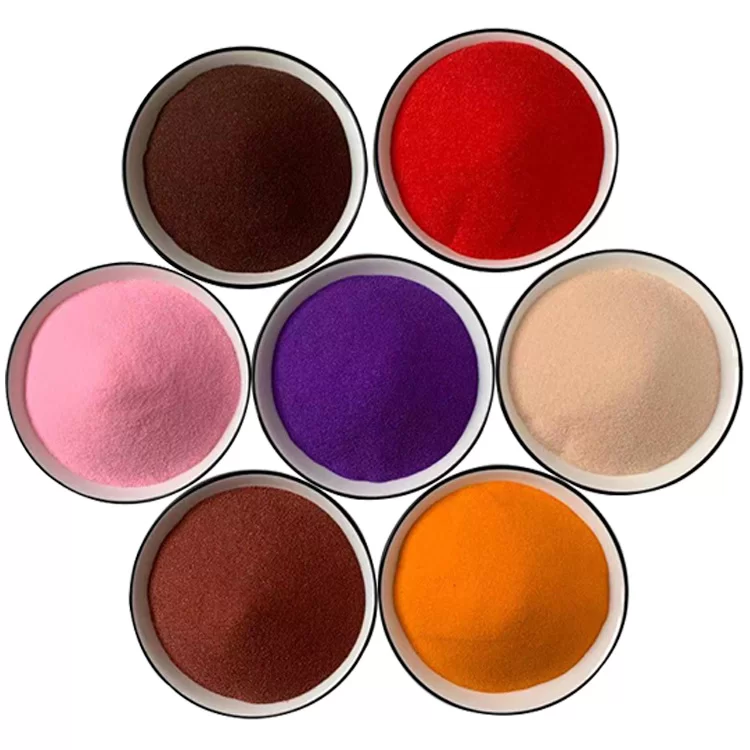
The core value of dyed sand lies in its perfect combination of the durability of natural materials with rich and lasting colors, making it a modern multifunctional material that balances decoration, functionality, and environmental protection.
Natural colored sand refers to naturally formed colored mineral particles that have not undergone artificial dyeing. Its color comes from the natural coloring of the mineral's own chemical composition or trace elements, and is a crystallization of natural geological processes.
Pebbles do not pursue elaborate artificial carving; instead, they retain the traces shaped by time and natural forces to the greatest extent. Available in diverse colors and complete sizes, pebbles are widely used in landscape and construction fields thanks to their natural properties, water permeability, wear resistance and rich natural charm—such as paving and garden paths, water feature creation, cultural stone and stone cladding, and filter media.
Polished pebbles refer to natural-collected pebbles that undergo mechanical grinding and polishing to achieve a smooth, glossy surface. They retain the natural shape of pebbles while being given an artistic second life. With their high aesthetic value and artistry, polished pebbles are mainly used in fields focused on decoration and quality of life enhancement: indoor decoration and display, aquarium and fish tank landscaping, bathroom decoration, decoration of indoor fountains and small artificial water features, as well as an excellent material for making crafts like paperweights, candlesticks, photo frames and creative ornaments.
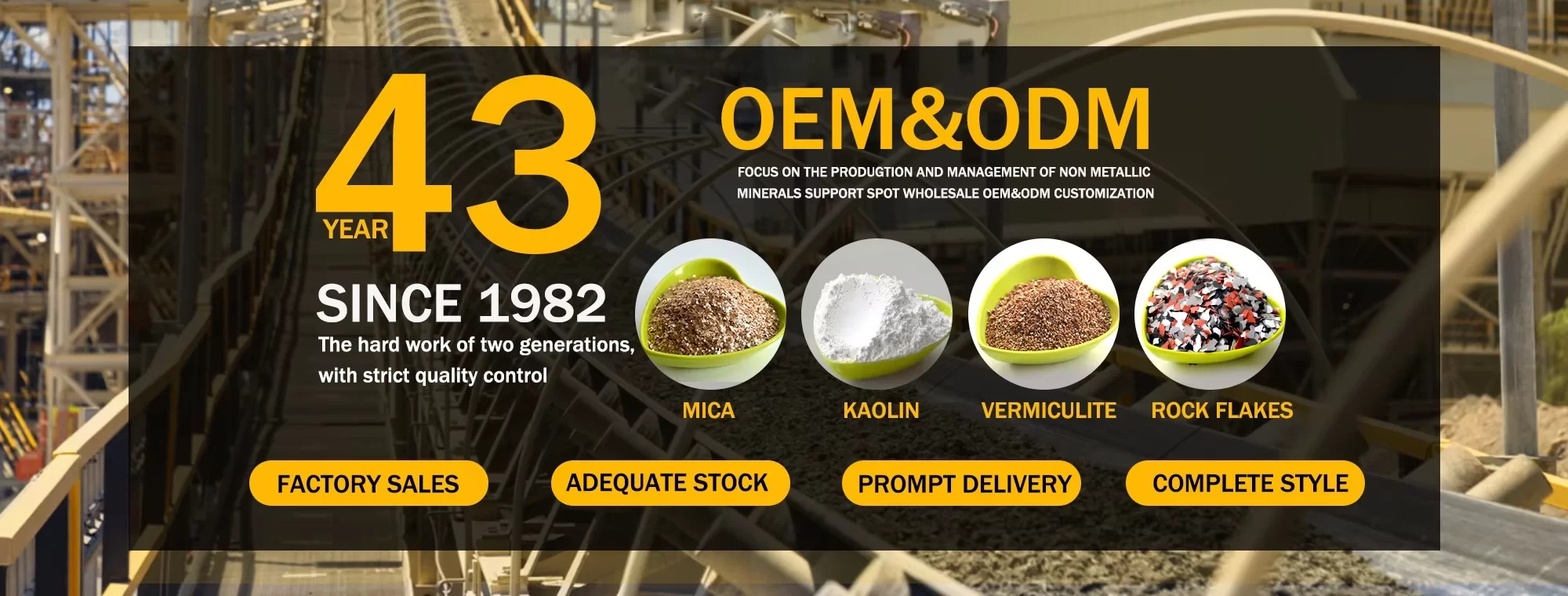
(Shijiazhuang, China) – High-performance mineral materials are the cornerstone of product innovation in global industry.

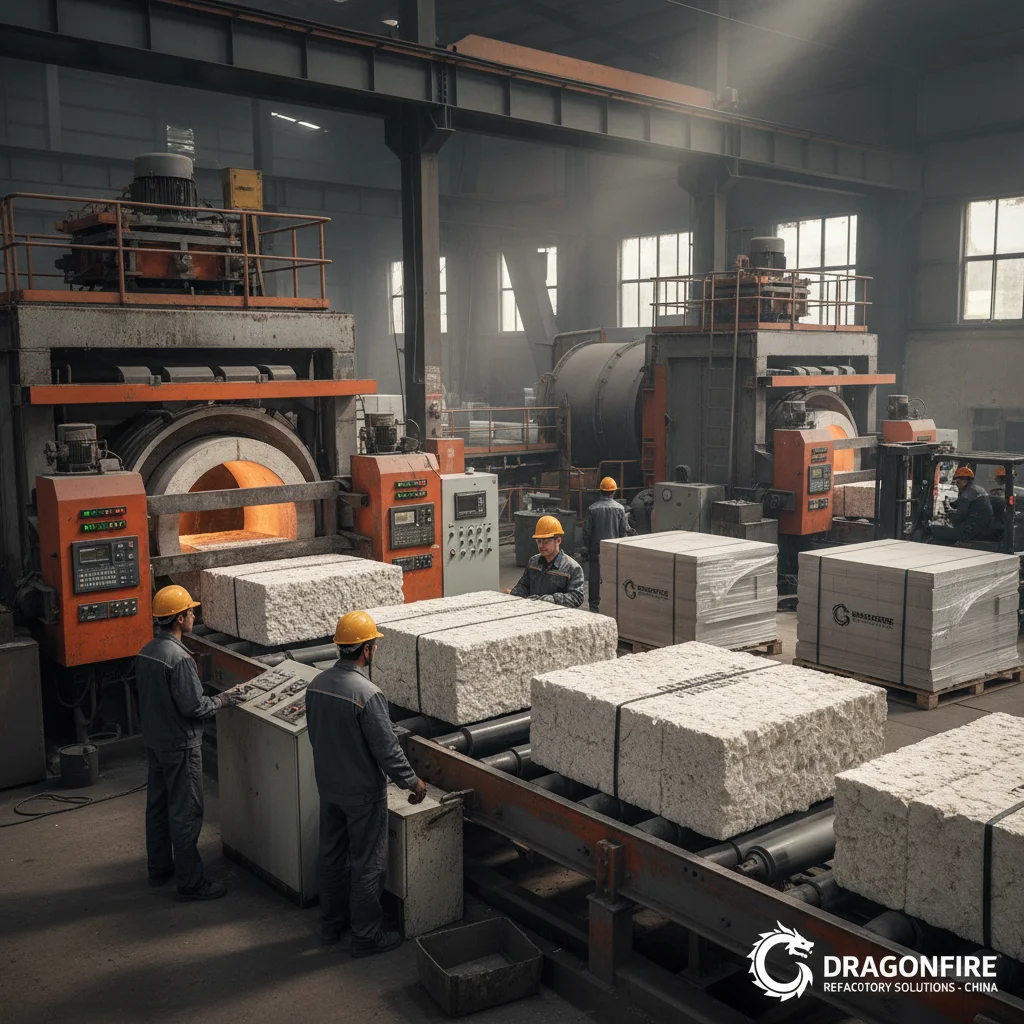
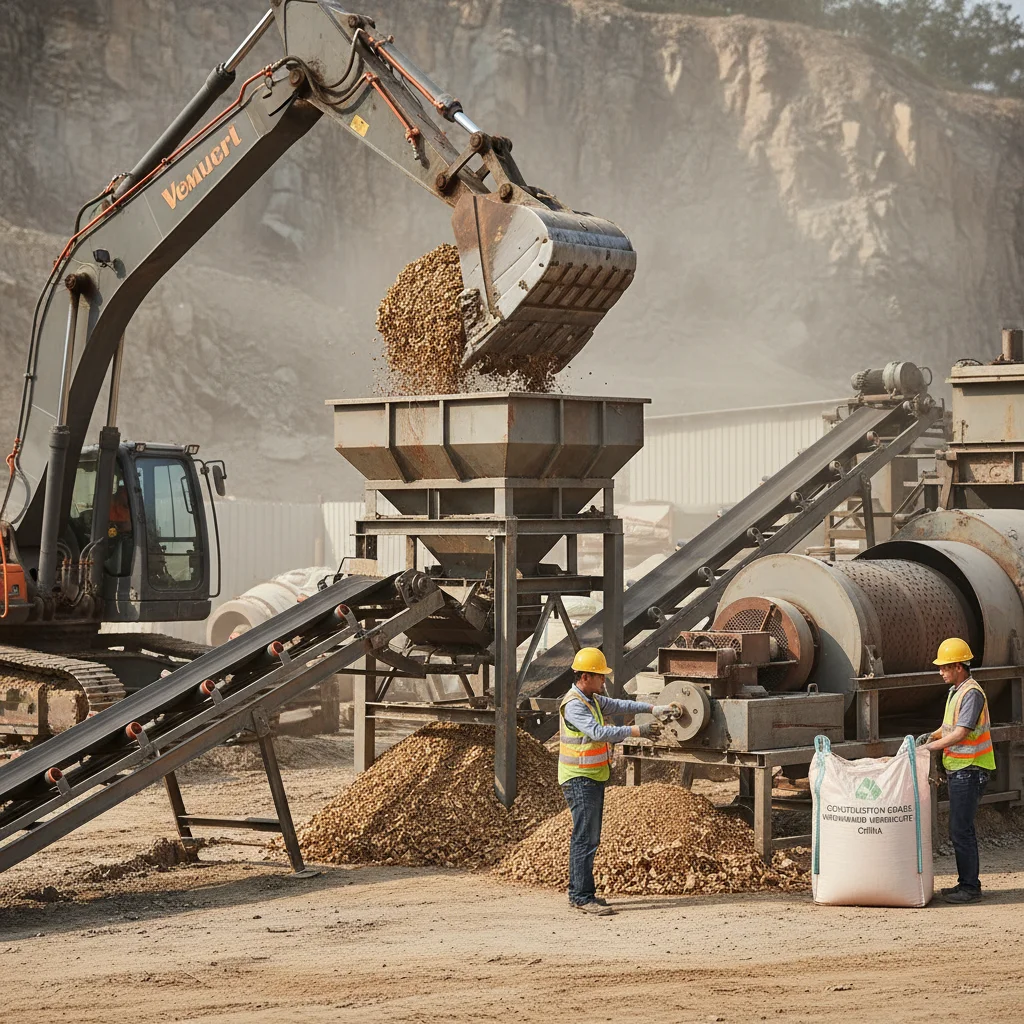
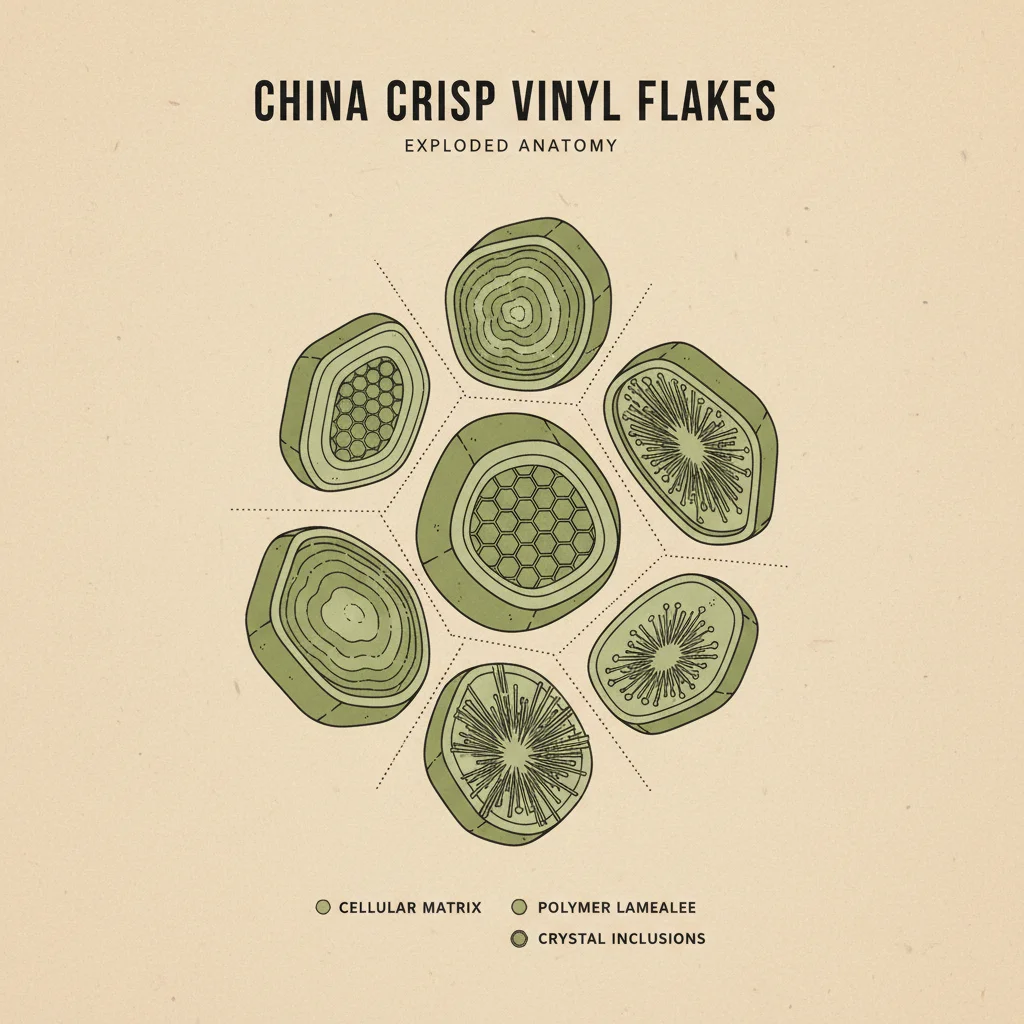
Discover the versatility and sustainability of China crisp Vinyl Flakes, a cost-effective alternative to virgin PVC. Explore applications, properties, and future trends in this comprehensive guide.


If you are interested in our products, you can choose to leave your information here, and we will be in touch with you shortly.
-20251105154605.webp "Natural Pebbles For Garden Path Paving & Water Features")