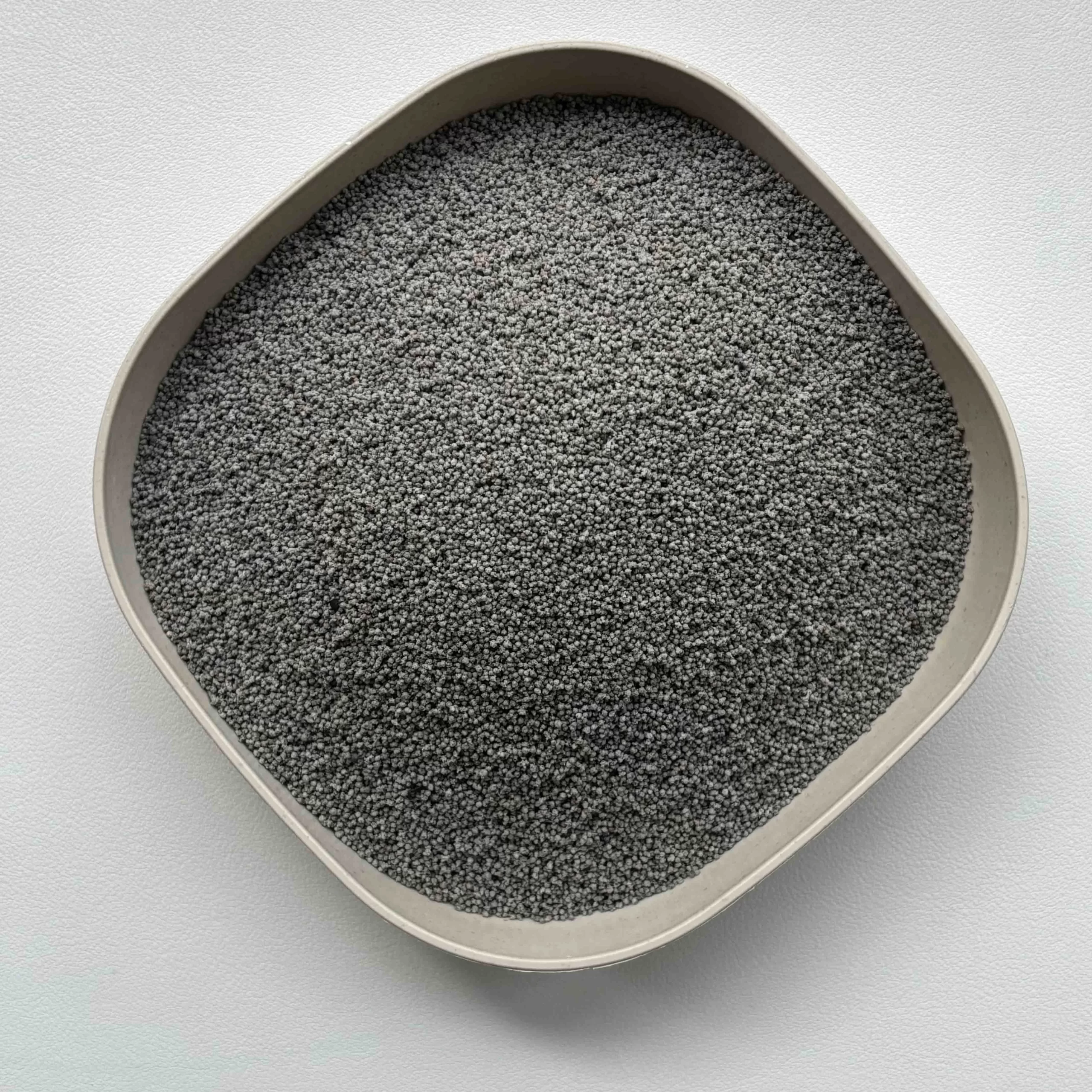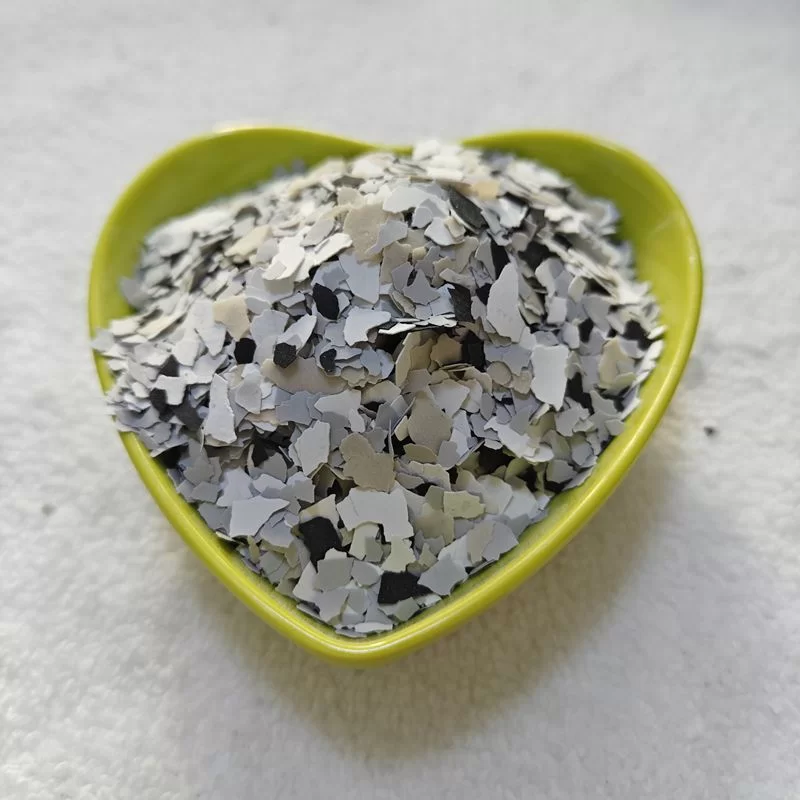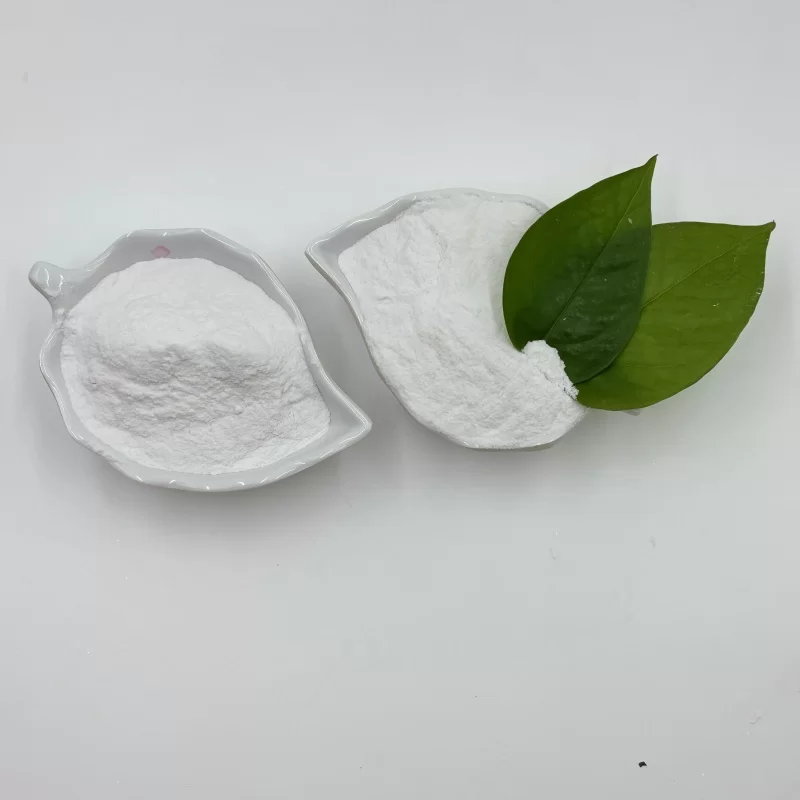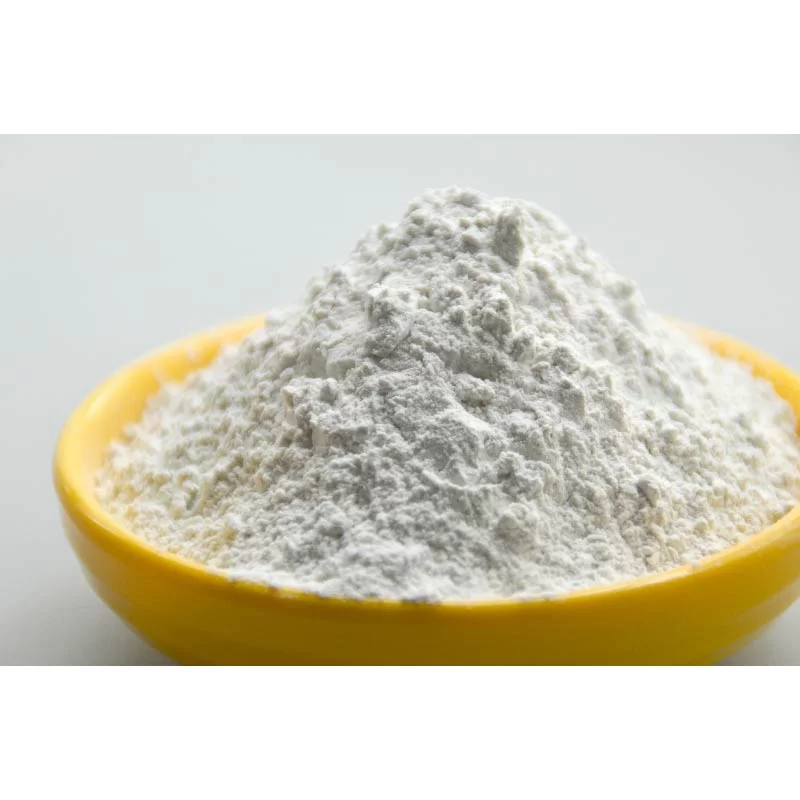
In the highly competitive polymer industry, manufacturers often struggle with achieving the perfect balance between structural rigidity and processing efficiency. Inconsistent filler quality can lead to equipment wear, poor dispersion, and compromised impact strength in the final product. Sourcing high-grade purified Talc Powder For Plastics is not just a procurement task; it is a critical engineering decision that dictates the mechanical integrity of your output.
Shijiazhuang Fengersheng Mining Co., Ltd. addresses these manufacturing challenges by leveraging over 43 years of mineral expertise. Established in 1982, we have evolved from a regional leader to a global authority, exporting over 80,000 tons of mineral products annually to more than 120 countries. Our deep understanding of mineralogy ensures that every batch of talc we process delivers the chemical resistance, smoothness, and thermal stability required for modern plastic applications. By integrating international standard testing into our 200,000-ton annual production capacity, we provide the consistency needed to stabilize your supply chain and optimize your molding processes.
The efficacy of a mineral filler in polymer matrices depends heavily on purity, particle size distribution, and lamellar structure. Low-grade fillers introduce impurities that act as stress concentrators, leading to premature part failure. Our purified Talc Powder For Plastics is engineered to function as a functional additive rather than a mere volume filler, enhancing properties such as stiffness, heat deflection temperature (HDT), and dimensional stability.
Drawing from our background as one of North China's largest mineral bases, we apply rigorous quality controls comparable to those used for our premium mica products. The table below outlines how our technical specifications translate into tangible manufacturing advantages for the plastics industry.
| Performance Metric | Industry Significance | Our Engineering Standard | Advantage |
|---|---|---|---|
| Chemical Purity | Prevents polymer degradation and reaction with stabilizers. | High-purity refining process removing abrasive impurities. | Enhanced chemical resistance and extended machinery life. |
| Thermal Stability | Critical for high-temperature extrusion and injection molding. | Validated heat resistance properties suitable for engineered plastics. | Maintains structural integrity without discoloration during processing. |
| Surface Smoothness | Affects flow rates and surface finish of the final part. | Precision milling for optimal aspect ratio and smoothness. | Improved melt flow and superior surface aesthetics for consumer goods. |
| Dispersion Consistency | Ensures uniform mechanical properties across the part. | International standard testing on particle distribution. | Reduces rejection rates caused by agglomeration or weak spots. |
In a global market increasingly focused on "strategic security" and "cost optimization," relying on a volatile supply chain is a risk forward-thinking manufacturers cannot afford. Utilizing high-quality purified Talc Powder For Plastics acts as a strategic lever to reduce total manufacturing costs. By improving thermal conductivity and stiffness, our material allows for faster cycle times and thinner wall gauges, resulting in significant material and energy savings over high-volume production runs.
Our track record, including long-term partnerships with industry giants like CNPC and Sinopec, demonstrates our ability to deliver value at scale. With 50% of our market in Asia and 30% in North America, we understand the specific compliance and quality demands of diverse regulatory environments. The chart below illustrates the comparative efficiency gains when integrating our optimized talc into standard polypropylene (PP) compounding processes.
Related products
Top Selling Products


If you are interested in our products, you can choose to leave your information here, and we will be in touch with you shortly.