In the high-stakes environment of industrial processing, thermal management is not just about temperature control; it is about operational survival. Engineers and procurement managers often face the challenge of sourcing materials that can withstand extreme heat while maintaining structural integrity and cost-efficiency. Inconsistent quality in raw minerals can lead to catastrophic liner failures, unplanned downtime, and soaring energy costs.
Shijiazhuang Fengersheng Mining Co., Ltd. addresses these critical pain points by bridging the gap between raw extraction and finished industrial application. With a legacy dating back to 1982, we have evolved from the No.1 Mica Factory in Lingshou County into a global authority on mineral processing.
Our solution involves a vertically integrated supply chain that guarantees the purity and thermal performance of our refractory Insulation Material. By leveraging an annual production capacity of over 200,000 tons and an export network spanning 120 countries, we ensure that your facilities—whether in Asia, North America, or Europe—receive consistent, high-grade vermiculite, perlite, and mica products. We do not just supply minerals; we provide the thermal stability required for the global mining and manufacturing industries to operate safely and efficiently.
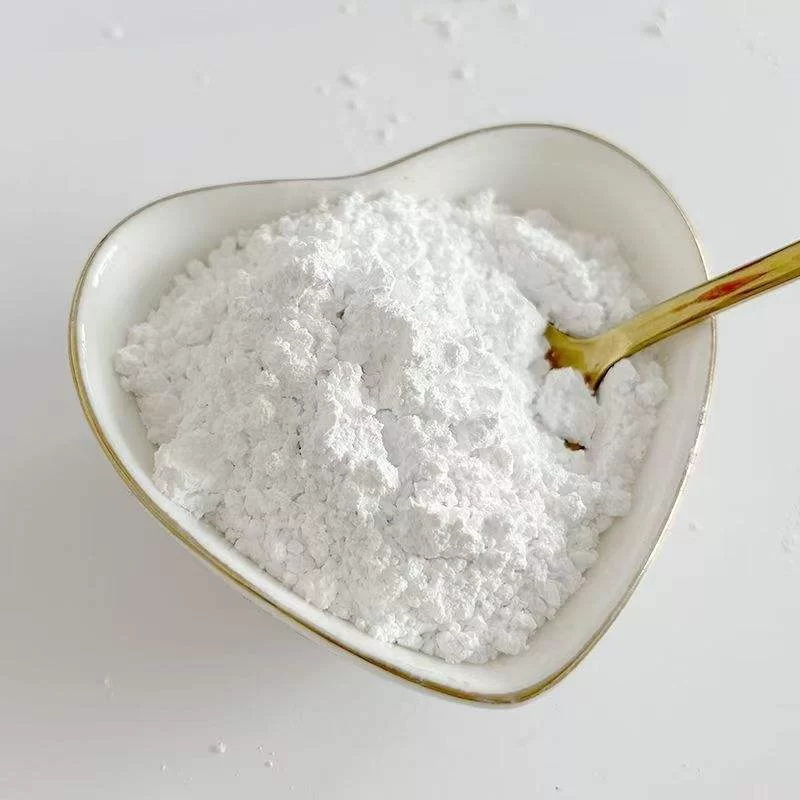
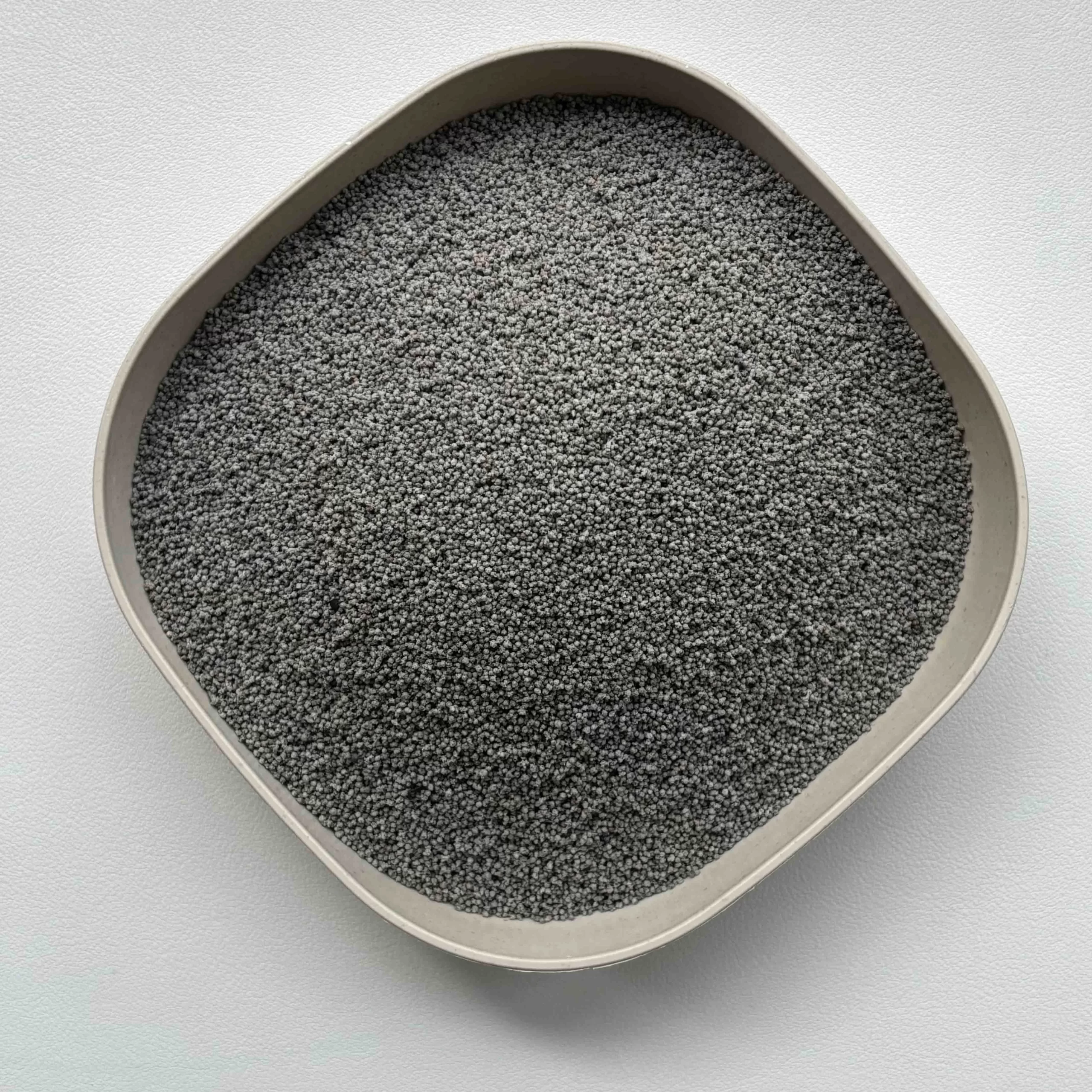
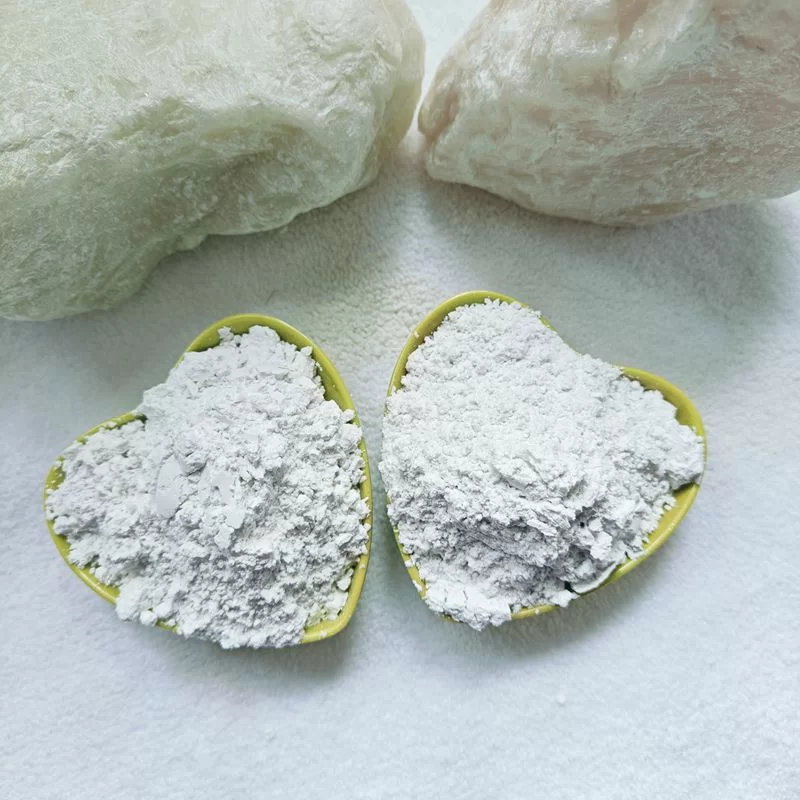
To perform effectively in foundry, construction, and ceramic applications, raw mineral inputs must meet rigorous technical specifications. The efficacy of a refractory Insulation Material is determined by its ability to resist thermal shock, its low thermal conductivity, and its chemical inertness. At Fengersheng Mining, we utilize international standard testing to validate the properties of our core refractory inputs: Vermiculite, Perlite, and Cenospheres.
Our manufacturing process, backed by over 43 years of expertise, ensures that impurities which could lower the melting point or compromise insulation are strictly controlled. The following table outlines how our specific mineral outputs compare against general industry requirements.
| Performance Metric | Industry Significance | Our Engineering Standard | Advantage |
|---|---|---|---|
| Thermal Conductivity (K-Value) | Determines the rate of heat transfer; lower is better for insulation. | Optimized expansion ratios for Perlite & Vermiculite to maximize air pockets. | Superior heat retention reduces energy consumption in kilns and furnaces. |
| Bulk Density | Affects structural load and insulation efficiency. | Precision grading (Cenospheres & Perlite) for high strength-to-weight ratio. | Lightweight formulation without sacrificing compressive strength. |
| Chemical Stability | Resistance to corrosion from molten metals or aggressive chemicals. | High-purity sourcing from North China’s largest mica base. | Longer liner lifespan and reduced reaction with processed metals. |
| High-Temperature Resistance | Ability to maintain form under extreme heat (Refractoriness). | Validated via international standard testing protocols. | Consistent performance up to rated temperatures, preventing structural collapse. |
By strictly adhering to these standards, we ensure that every batch of refractory Insulation Material contributes to a safer and more predictable industrial process.
In an era where the global mining and manufacturing industries are pivoting toward strategic security and green development, the choice of materials has a direct impact on the bottom line. Utilizing premium refractory Insulation Material is a strategic investment in "Value Engineering." High-quality insulation reduces the thermal mass required to heat furnaces, thereby lowering fuel consumption—a critical factor given fluctuating energy prices.
Furthermore, the longevity provided by our chemically stable Mica and Vermiculite products extends the intervals between maintenance shutdowns. For our partners, including major entities like CNPC and Sinopec, this translates to uninterrupted production cycles. The chart below illustrates the projected long-term value, comparing the operational lifecycle of standard market aggregates versus Fengersheng’s optimized refractory solutions.
Related products
Top Selling Products


If you are interested in our products, you can choose to leave your information here, and we will be in touch with you shortly.