The global industrial landscape is increasingly dependent on high-performance mineral additives to optimize manufacturing processes and enhance the physical properties of end products. In the rubber and surface treatment sectors, finding a reliable source for materials that can reduce production downtime and improve surface integrity is a primary objective for procurement managers. This is where the strategic sourcing of specialized minerals, often categorized under the broader umbrella of Wholesale Glass Beads For Sandblasting and similar industrial fillers, becomes essential for maintaining a competitive edge.
Efficiency in rubber compounding often hinges on the ability to manage material tackiness and ensure a uniform finish. Without the correct processing aids, manufacturers face increased scrap rates and slower production cycles due to the inherent sticking properties of synthetic and natural rubber. By integrating thermally treated mineral fillers, companies can significantly streamline their milling and calendaring stages, ensuring that components maintain their structural integrity while moving smoothly through the assembly line.
While many search for Wholesale Glass Beads For Sandblasting to achieve surface perfection, it is the specialized application of Calcined Talc that truly transforms rubber compounding. This thermally treated mineral serves as a critical anti-stick agent and reinforcement filler, providing the thermal stability and mechanical strength required for automotive and industrial rubber parts. Understanding the synergy between surface preparation and internal reinforcement is key to producing high-durability rubber seals, gaskets, and tires.

The Role of Calcined Talc in Processing Efficiency
Calcined Talc is a thermally treated mineral that plays a vital role in improving processing efficiency in rubber manufacturing. During compounding, milling, calendaring, and extrusion, rubber sheets and components are prone to sticking, which can slow production and increase waste. By incorporating this mineral as an anti-stick agent, manufacturers can create a lubricating layer that reduces adhesion and prevents material buildup on expensive machinery.
The use of this high-purity powder ensures smoother handling during processing, allowing for continuous operations with minimal downtime. Its uniform particle size and low moisture content provide consistent flow properties, making it easier for operators to maintain target thickness and uniformity in extruded profiles. This directly leads to reduced scrap rates and a more streamlined production workflow, mirroring the precision found in applications using Wholesale Glass Beads For Sandblasting.
Enhancing Rubber Surface Quality and Aesthetics
Surface quality is a crucial factor in the performance and aesthetics of rubber products, impacting everything from automotive seals to footwear soles. Calcined Talc serves as both an anti-stick agent and reinforcement filler, improving the surface smoothness and uniformity of molded parts. By creating a thin, lubricating interface between layers during processing, it reduces tackiness and prevents surface defects, ensuring a cleaner and more precise finish.
The lamellar structure of the mineral enables it to disperse evenly within the rubber matrix, which minimizes the risk of voids, pinholes, or uneven textures. This is especially critical for industrial gaskets and conveyor belts where surface integrity impacts functionality. Products with consistent, smooth surfaces require less post-processing labor and fewer coating requirements, resulting in a more professional end product.
Furthermore, the material contributes to dimensional stability during the curing process. By controlling shrinkage and preventing deformation, it ensures that surfaces remain flat and uniform after vulcanization. Its thermal stability also protects surfaces from discoloration or degradation, maintaining aesthetic quality over long-term use in harsh environments.
Industrial Applications and Versatility
The versatility of calcined minerals allows them to be used across multiple industrial sectors. In automotive manufacturing, for instance, they enhance the performance of tires, hoses, and belts by improving hardness and dimensional stability. While some manufacturers utilize Wholesale Glass Beads For Sandblasting for external surface preparation, internal reinforcement is achieved through these mineral fillers.
In heavy-duty industrial applications such as vibration-damping components and conveyor belts, the lamellar structure of Calcined Talc reinforces the rubber matrix. This provides superior resistance to deformation, wear, and thermal stress, ensuring that products can withstand high pressure and repeated mechanical loads over an extended service life.
Beyond heavy industry, consumer products like footwear soles benefit from the improved dispersion of the powder, which supports consistent color and texture. The chemical inertness of the material also makes it suitable for electrical insulation components, where safety under elevated temperatures is non-negotiable. This broad utility makes it a standard additive for those who prioritize both efficiency and quality.
Performance Metrics of Mineral Fillers
Measuring the impact of mineral additives on rubber compounding requires a focus on key performance indicators such as viscosity reduction, tensile strength, and surface roughness. Calcined Talc significantly reduces the viscosity of the compound, which improves flow and reduces the energy required for mixing. This efficiency is comparable to the precision sought when sourcing Wholesale Glass Beads For Sandblasting for high-end finishing.
The reinforcement capability of these fillers ensures that the rubber maintains its shape under stress, increasing the hardness and durability of the final product. By analyzing the dispersion rate and the resulting mechanical properties, manufacturers can optimize their formulas to balance elasticity with structural rigidity, ensuring the product meets strict industry standards.
Comparison of Filler Efficiency for Rubber Compounding
Mechanical Reinforcement and Durability
The primary advantage of using Calcined Talc as a reinforcement filler is its ability to improve the dimensional stability of rubber components. Its unique plate-like (lamellar) structure allows it to act as a physical barrier within the rubber matrix, which increases the hardness and resistance to deformation. This is essential for products that must operate under constant pressure or repeated mechanical stress.
By improving the mechanical properties of the compound, this mineral additive extends the functional lifespan of rubber parts. Whether it is a high-pressure hose in an automotive engine or a heavy-duty conveyor belt in a mining facility, the addition of calcined minerals ensures that the material does not degrade prematurely, reducing maintenance costs and improving overall safety.
Thermal Stability and Chemical Inertness
One of the most significant benefits of the calcination process is the removal of moisture and volatile components from the raw mineral. This results in a product with exceptional thermal stability, which is critical for rubber compounds that undergo high-temperature vulcanization. Unlike uncalcined fillers, Calcined Talc does not release gases during curing, preventing the formation of internal bubbles or voids.
Furthermore, the chemical inertness of the material ensures that it does not react negatively with accelerators, curing agents, or other additive chemicals in the mix. This stability preserves the integrity of the rubber formulation, allowing manufacturers to achieve predictable and consistent results across large production batches.
This stability is particularly valued in the production of seals and gaskets exposed to oils, solvents, or corrosive chemicals. By providing a stable internal structure, the mineral prevents the rubber from swelling or softening, maintaining a tight seal even in the most demanding industrial environments.
Comparative Analysis of Rubber Additives
When choosing between various mineral additives, manufacturers must weigh the benefits of processing efficiency against reinforcement needs. While materials like Wholesale Glass Beads For Sandblasting are unrivaled for surface cleaning and profiling, they cannot provide the internal structural benefits of a mineral filler like Calcined Talc. The latter is specifically designed to be integrated into the compound itself.
The choice of filler also depends on the required oil absorption levels. Calcined Talc typically offers lower oil absorption than raw talc or certain clays, which allows for better control over the viscosity of the rubber mix. This characteristic leads to faster mixing times and lower energy consumption during the compounding stage.
Ultimately, the integration of high-quality calcined minerals represents a cost-effective strategy for rubber manufacturers. By combining anti-stick properties with mechanical reinforcement, these additives allow for a higher quality output without significantly increasing production costs.
Comparative Analysis of Rubber Additives and Fillers
| Material Type |
Primary Function |
Processing Impact |
Durability Score (1-10) |
| Calcined Talc |
Anti-stick / Reinforcement |
High Flow Efficiency |
9 |
| Glass Beads |
Surface Preparation |
Excellent Finishing |
7 |
| Kaolin Clay |
Filling / Stiffness |
Moderate Flow |
8 |
| Bentonite |
Binding / Thickening |
Increased Viscosity |
6 |
| Calcium Carbonate |
General Filler |
Standard Processing |
7 |
| Mica Powder |
Insulation / Barrier |
High Lubrication |
8 |
FAQS
Calcined talc has been thermally treated to remove moisture and volatile organic compounds. This makes it much more stable during the high-temperature vulcanization process of rubber, preventing the formation of bubbles and improving the overall structural integrity of the product compared to regular talc.
Anti-stick agents like Calcined Talc form a lubricating layer between rubber sheets during milling and calendaring. This prevents the material from adhering to the rollers and other sheets, reducing downtime for cleaning, lowering scrap rates, and allowing for a continuous, faster production flow.
Yes, Calcined Talc is highly versatile and compatible with both natural and synthetic rubber systems. Its chemical inertness ensures it does not interfere with the specific curing agents or accelerators used in different rubber formulations, providing consistent reinforcement and processing aid across various materials.
While reinforcement fillers increase hardness and dimensional stability, they are formulated to support the rubber matrix without compromising essential elasticity. The goal is to provide a balance where the product resists permanent deformation under stress while still maintaining the necessary flexibility for its application.
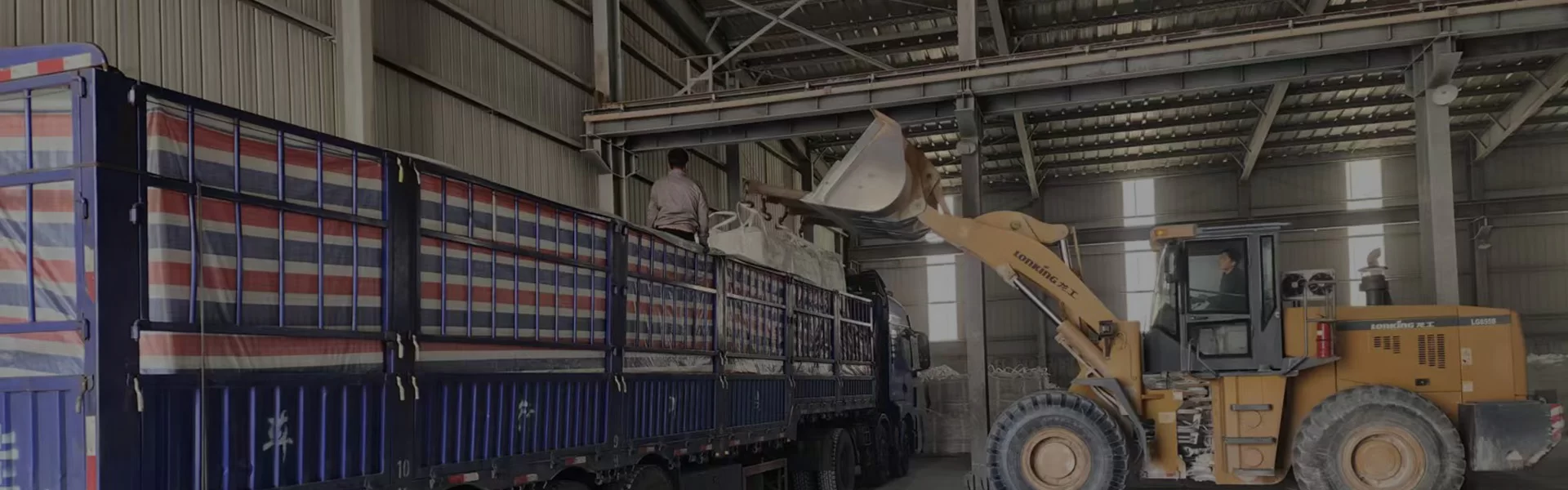
To accommodate different logistical and handling needs, these minerals are typically available in flexible packaging, including 25kg bags, 50kg bags, and 1-ton jumbo bags. This ensures easy transport and efficient unloading for large-scale industrial projects and containerized shipping.
A smooth, void-free surface prevents the initiation of micro-cracks and reduces friction during installation. By using fillers that ensure surface uniformity, manufacturers produce seals that are more resistant to wear and tear, ensuring a tighter, longer-lasting seal in automotive and industrial environments.
Conclusion
In summary, the integration of specialized mineral additives like Calcined Talc is fundamental to achieving high-performance results in rubber compounding. By serving as both a powerful anti-stick agent and a mechanical reinforcement filler, it addresses the dual challenges of production efficiency and product durability. From improving surface aesthetics and dimensional stability to ensuring thermal resilience in automotive and industrial parts, these materials provide a cost-effective solution for manufacturers seeking to optimize their output.
Looking forward, the demand for higher precision and sustainability in mineral processing will continue to grow. Companies that prioritize the sourcing of high-purity, thermally treated fillers will find themselves better equipped to handle the rigors of modern industrial manufacturing. For those seeking the highest standards in industrial minerals and surface treatment solutions, we invite you to explore our comprehensive range of products. Visit our website: www.fesmining.com