Finding a reliable source for Wholesale clay For Pottery is the cornerstone of any successful ceramic operation, whether it's a boutique art studio or a large-scale industrial manufacturer. The physical and chemical properties of the clay—such as plasticity, shrinkage rates, and firing temperatures—directly dictate the quality and durability of the final piece, making the procurement process a critical strategic decision.
In the global marketplace, the demand for high-grade raw materials has shifted toward specialized, refined clays that offer consistency across bulk shipments. When sourcing Wholesale clay For Pottery, professional potters and manufacturers prioritize materials that minimize warping and cracking during the drying and firing phases, ensuring a higher yield of saleable products.
Understanding the nuances of different clay bodies—from the purity of Kaolin to the robustness of ball clays—allows creators to innovate their designs and expand their product lines. By opting for wholesale procurement, businesses not only reduce their per-unit material costs but also secure a stable supply chain that can withstand market fluctuations and logistics challenges.
The Global Market for Wholesale clay For Pottery
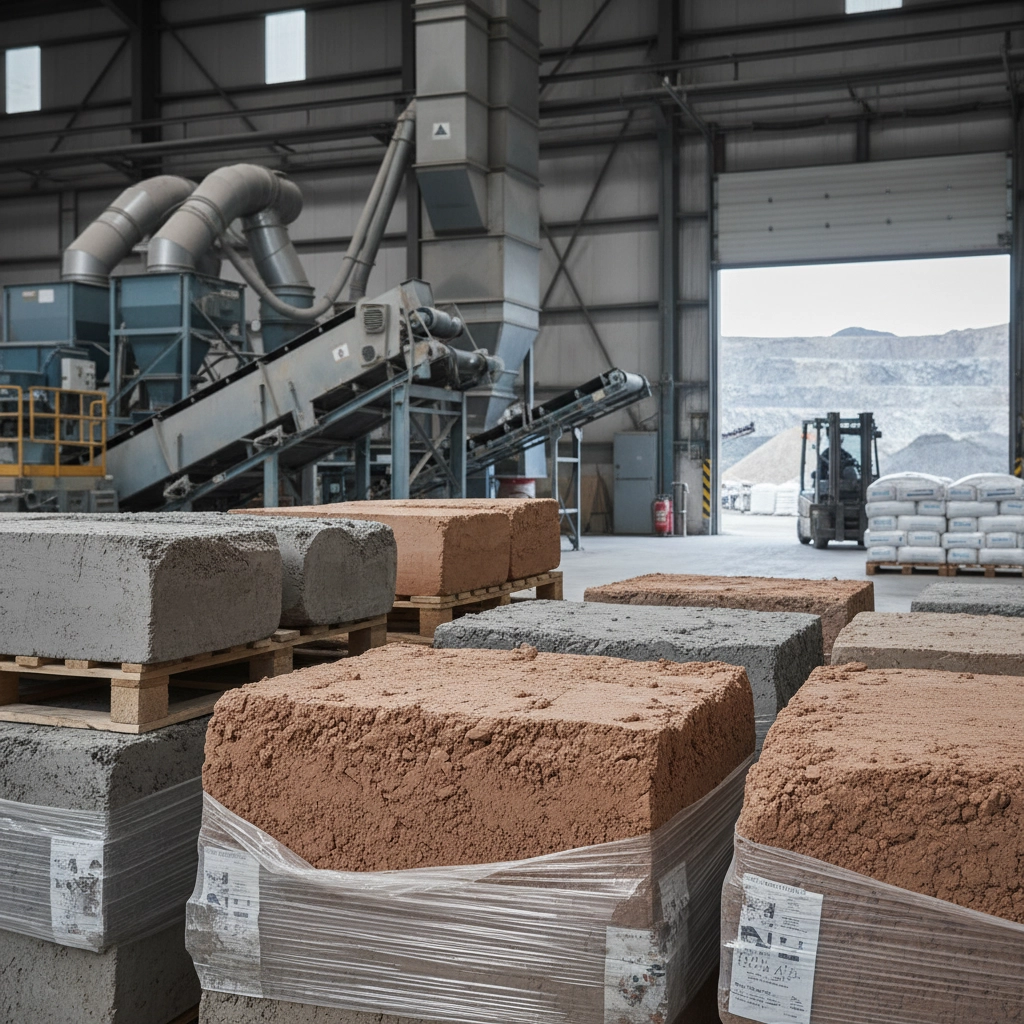
The global trade of Wholesale clay For Pottery is driven by the diverse needs of the construction, art, and household goods industries. From the high-kaolin deposits of Asia to the rich ball clays of Europe, the movement of these materials follows strict ISO quality standards to ensure that the chemical composition remains stable during international transit.
Market volatility often arises from the depletion of easily accessible surface deposits, pushing the industry toward deeper mining and more refined processing techniques. This shift makes the role of a professional wholesale supplier indispensable, as they provide the necessary grading and purification that individual studios cannot perform on their own.
Technical Specifications of Pottery Clay
When analyzing Wholesale clay For Pottery, the most critical technical parameter is plasticity. Plasticity allows the clay to be deformed under pressure without cracking, a property determined by the size and shape of the clay particles. For high-end pottery, a balance between plasticity and structural stability (low shrinkage) is essential to avoid failures in the kiln.
Another vital specification is the firing range, which defines whether a clay is suitable for earthenware, stoneware, or porcelain. Low-fire clays are often more porous and colorful, while high-fire clays, such as those found in premium wholesale porcelain bodies, undergo vitrification, becoming glass-like and impermeable to water.
Contamination control is the final pillar of technical quality. The presence of iron oxides can cause unexpected spotting or "bloating" during firing. Therefore, industrial-grade Wholesale clay For Pottery undergoes rigorous filtration and washing processes to ensure the final product is free from organic impurities and coarse grit.
Core Components of High-Quality Ceramic Clay
The primary mineral component of Wholesale clay For Pottery is kaolinite. This mineral provides the white color and high-temperature resistance required for porcelain, acting as the structural backbone of the ceramic body.
Fluxing agents, such as feldspar, are often integrated into Wholesale clay For Pottery blends. These components lower the melting point of the silica, allowing the clay to fuse more efficiently and creating a denser, stronger final product.
Finally, the addition of "grog"—pre-fired clay that has been ground into granules—is common in Wholesale clay For Pottery designed for large-scale sculptures. Grog reduces overall shrinkage and provides the structural integrity needed to support heavy walls during the building process.
Cost-Efficiency in Bulk Clay Procurement
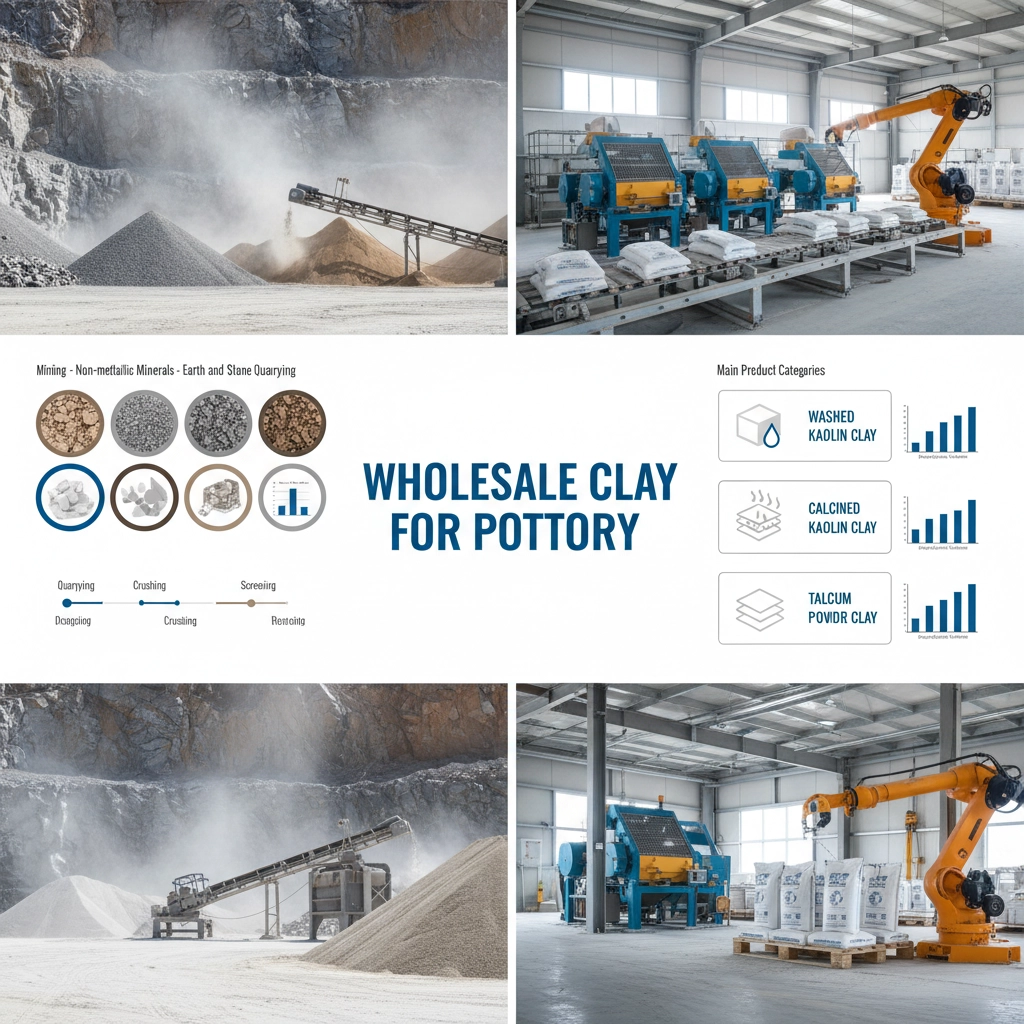
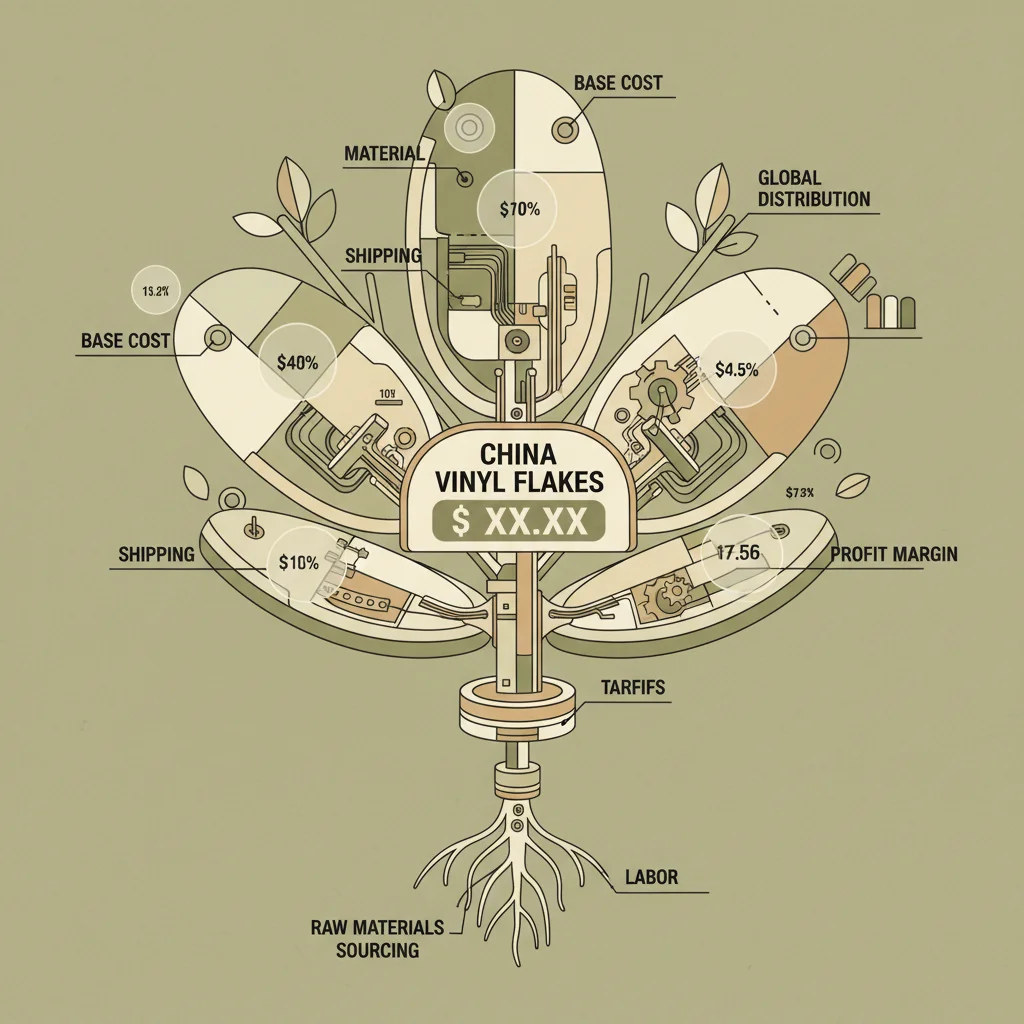
Procuring Wholesale clay For Pottery offers significant economic advantages over retail purchasing. By eliminating middleman markups and optimizing logistics through bulk shipping (such as 20ft or 40ft containers), manufacturers can reduce their raw material costs by up to 40%, allowing for more competitive pricing in the consumer market.
Furthermore, wholesale contracts provide a "batch consistency" guarantee. When a studio buys small amounts from various sources, they risk inconsistent shrinkage rates; however, bulk procurement from a single source ensures that thousands of pieces can be fired together with predictable results.
Comparative Efficiency of Wholesale clay For Pottery Sourcing
Industrial Applications and Regional Use Cases
In the industrial sector, Wholesale clay For Pottery is utilized far beyond art galleries. It is the primary material for sanitary ware (toilets and sinks) and electrical insulators, where the high dielectric strength of processed clay is essential for safety and performance.
Regionally, we see distinct applications; for instance, in Southeast Asia, bulk clay is often used for traditional terracotta roofing and water filtration systems, while in Europe, there is a higher demand for refined white clays used in luxury tableware and pharmaceutical-grade ceramic containers.
Sustainability and Ethical Sourcing in Mining
The environmental impact of extracting Wholesale clay For Pottery has become a focal point for modern manufacturers. Sustainable mining practices now include land reclamation projects, where exhausted pits are converted into reservoirs or parks to restore local biodiversity.
Ethical sourcing also involves reducing the carbon footprint of transportation. By selecting suppliers who utilize energy-efficient processing plants and optimized shipping routes, companies can market their ceramics as "eco-friendly," appealing to a growing demographic of conscious consumers.
Moreover, the industry is exploring the recycling of ceramic waste. By reintegrating fired scrap back into the Wholesale clay For Pottery mix as grog, the mining industry reduces the need for virgin material extraction, closing the loop in a circular economy.
Future Innovations in Pottery Material Science
The future of Wholesale clay For Pottery lies in "engineered clays." These are materials chemically modified to have specific properties, such as extreme thermal shock resistance or self-healing capabilities, expanding the use of pottery into aerospace and medical implants.
Digital transformation is also hitting the mine. Automation and AI-driven sorting technology now allow for the precise separation of mineral impurities at the source, ensuring that wholesale shipments have a variance of less than 0.1% in chemical composition.
As green energy becomes the standard, we expect to see a shift toward electric kilns and hydrogen-fired furnaces. This will necessitate the development of new Wholesale clay For Pottery blends that can vitrify at different temperature curves to maximize energy efficiency.
Comparison of Modern Clay Processing Methods
| Processing Method |
Purity Level |
Production Speed |
Cost Impact |
| Traditional Sedimentation |
Medium |
Slow |
Low |
| Centrifugal Purification |
High |
Fast |
Medium |
| Chemical Leaching |
Ultra-High |
Medium |
High |
| Mechanical Screening |
Low |
Very Fast |
Very Low |
| AI-Sorted Grading |
High |
Fast |
Medium-High |
| Hydro-Cyclone Washing |
High |
Fast |
Medium |
FAQS
The most effective method is using vacuum-sealed industrial liners within reinforced jumbo bags or moisture-proof containers. This prevents the absorption of atmospheric pollutants and maintains the hydration level of the clay, ensuring that it remains plastic and workable upon arrival at the studio.
You should request a technical data sheet (TDS) from the supplier. Look specifically for the alumina and silica content, as well as the vitrification temperature. A high-fire clay will typically have a vitrification point between Cone 5 and Cone 10 (approx. 1200°C to 1300°C).
Yes, most professional wholesale suppliers offer custom blending services. They can adjust the ratio of ball clay to kaolin or add specific amounts of grog based on your project requirements, ensuring the clay has the exact shrinkage rate and texture your production line needs.
Depending on the origin and destination, lead times usually range from 3 to 8 weeks. This includes the time for mining, processing, quality testing, and maritime freight. It is always recommended to order 2-3 months in advance to account for customs clearance.
Bulk purchasing from a single vein or quarry ensures higher consistency. When you buy in wholesale lots, the supplier typically pulls from the same geological stratum, meaning the mineral composition remains identical across all bags, reducing the risk of kiln failures due to material variance.
Clay is a natural mineral, but its eco-friendliness depends on the mining and transport process. Sourcing from suppliers who practice land reclamation and use low-emission transport methods significantly reduces the environmental footprint of your ceramic production.
Conclusion
In summary, the strategic sourcing of Wholesale clay For Pottery is far more than a simple procurement task; it is a technical necessity that influences every stage of ceramic production, from the initial shaping to the final fire. By prioritizing material purity, understanding the chemical interplay of minerals, and leveraging the cost-efficiencies of bulk purchasing, manufacturers can achieve a level of quality and scalability that is impossible with retail sourcing.
Looking forward, the integration of sustainable mining and AI-driven quality control will redefine the industry, making pottery more accessible and environmentally responsible. For those looking to elevate their production standards and secure a reliable supply of premium raw materials, partnering with a professional mining and wholesale expert is the only way to ensure long-term success. Visit our website: www.fesmining.com