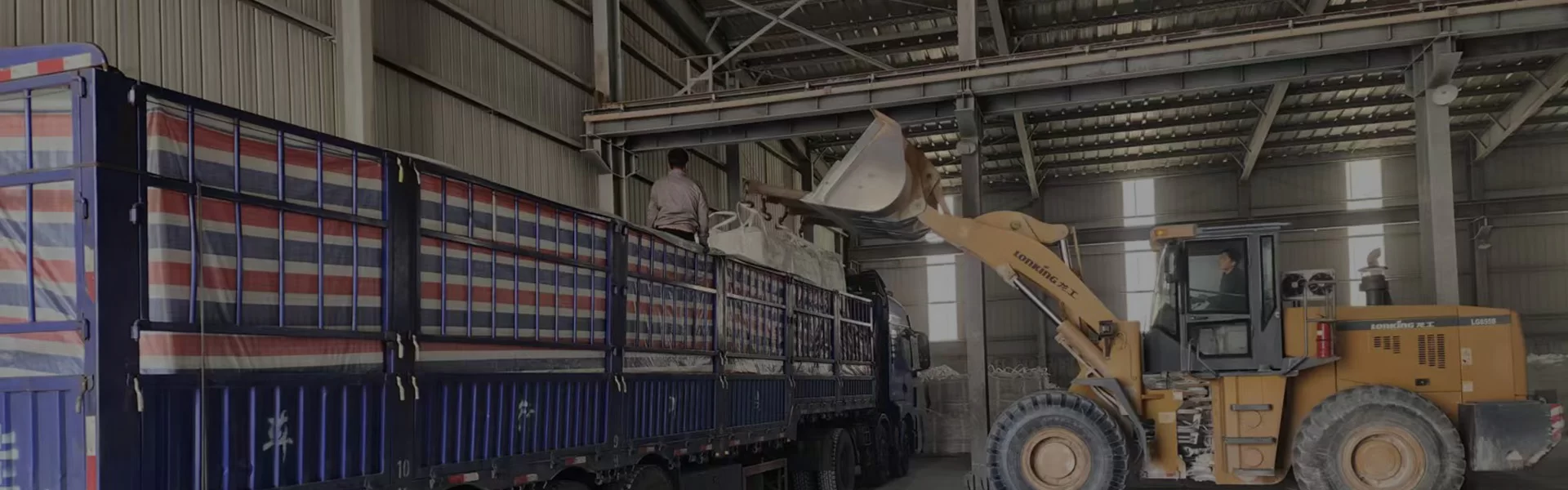


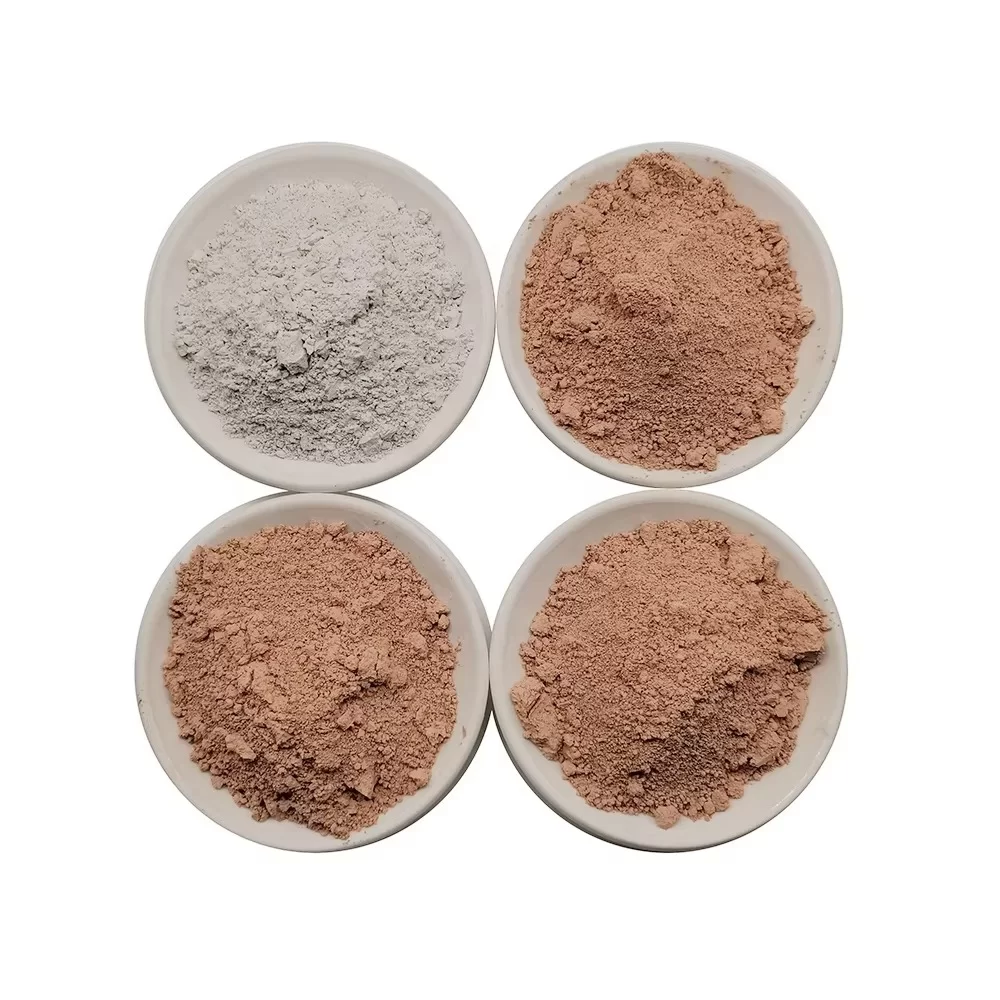
The Australian landscaping market currently faces a dual challenge: the need for high-reflectivity materials to combat urban heat islands and the demand for drought-resistant garden designs. This has led to a surge in the procurement of polar white stones, which are prized for their ability to maintain brightness under the harsh Australian sun.
Geographically, the industry is shifting from simple riverbed dredging to controlled quarrying of non-metallic minerals. In regions like New South Wales and Queensland, there is a distinct preference for large stones for garden projects that serve as natural erosion barriers during the monsoon seasons, blending industrial mining precision with ecological preservation.
Economically, the rise of "xeriscaping" (water-wise gardening) across the arid interior and coastal suburbs has transformed the supply chain. There is now a standardized requirement for consistency in stone size and mineral composition, pushing local distributors to seek high-volume, high-quality garden stones for sale that meet strict Australian environmental standards.