Product Introduction
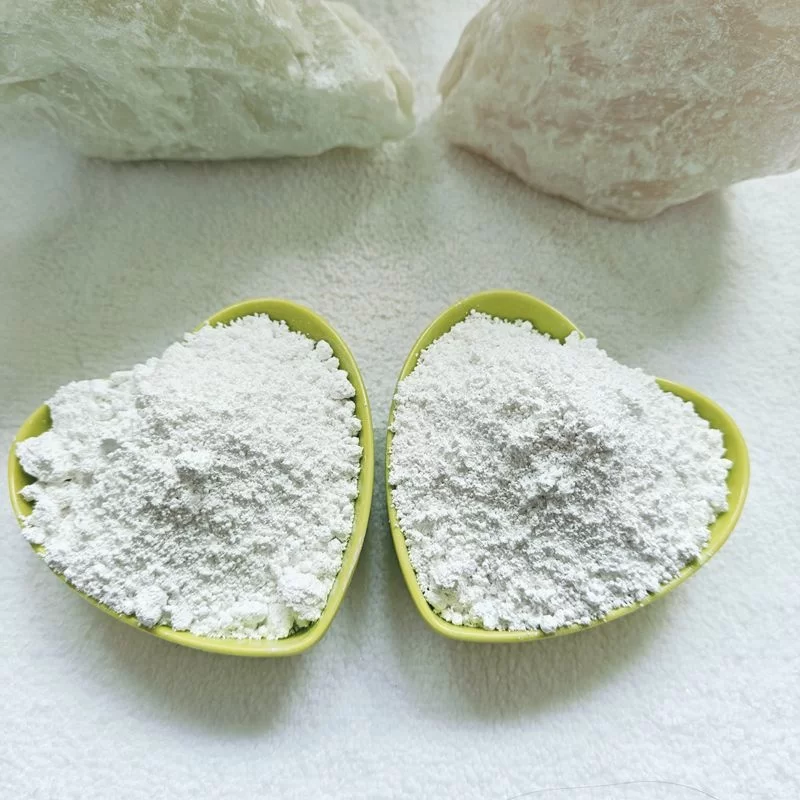
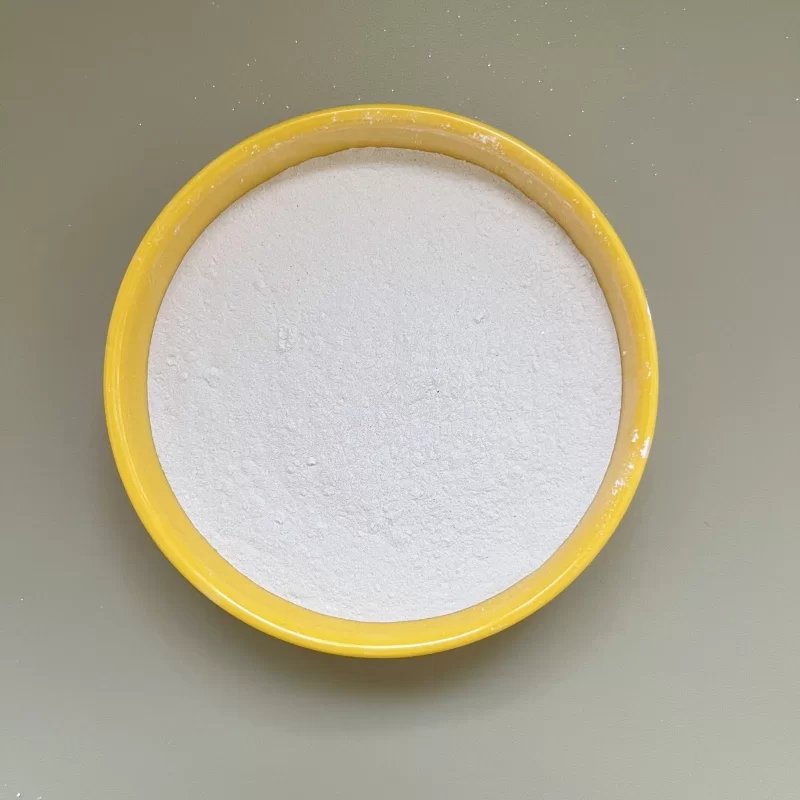
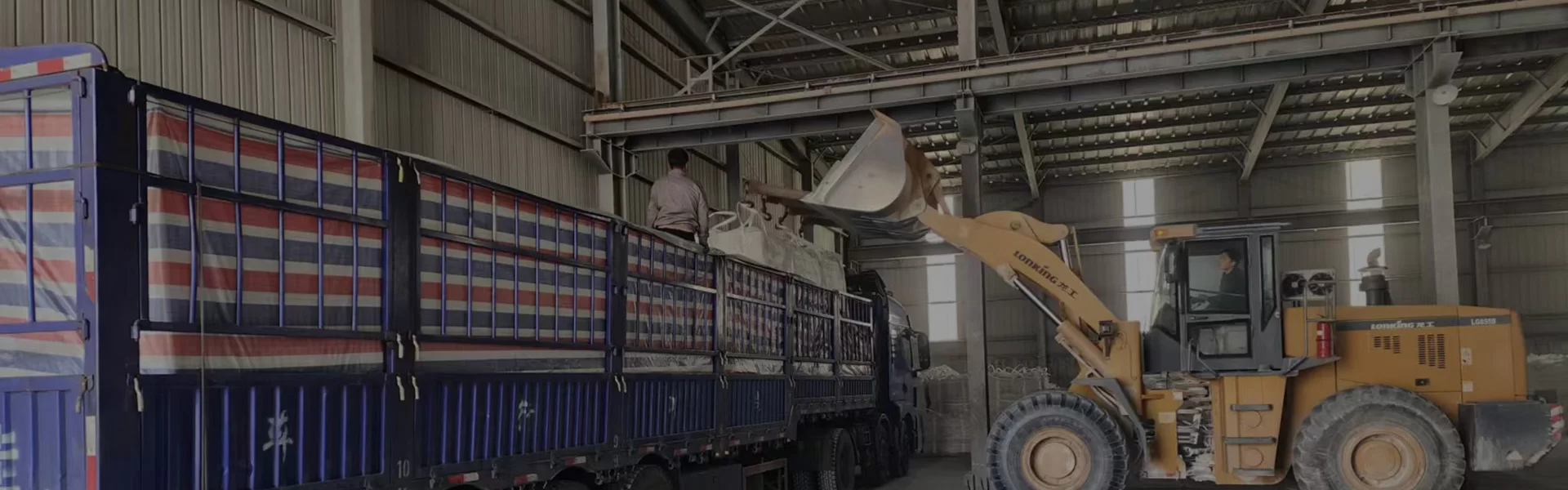
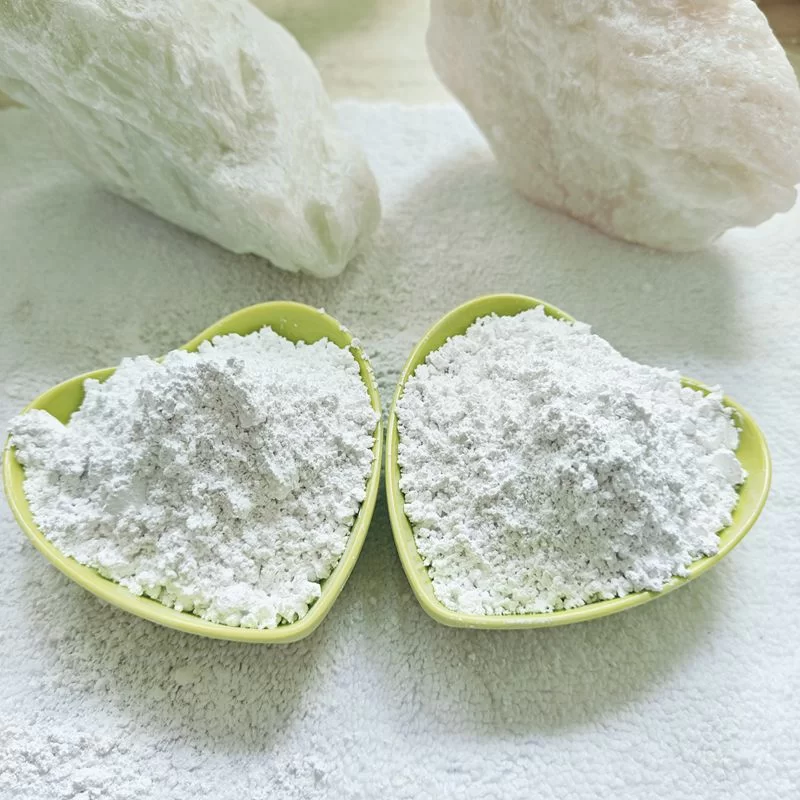
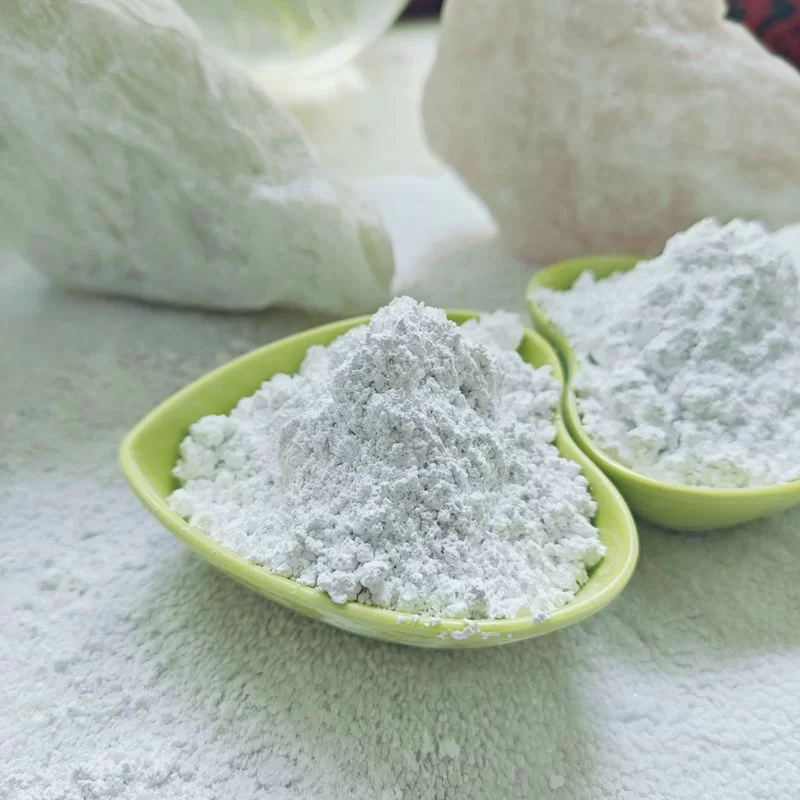
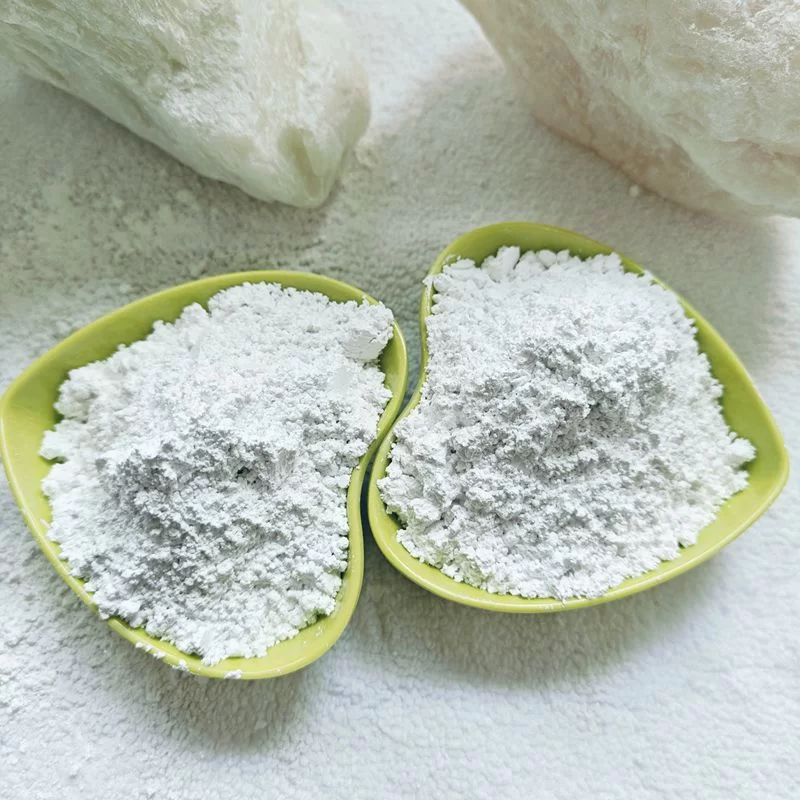
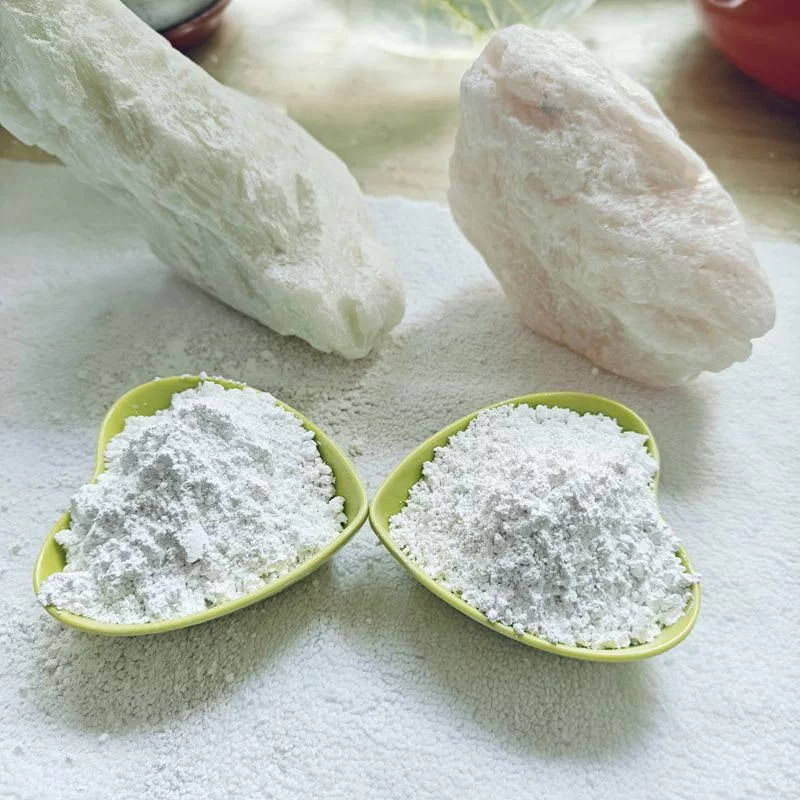
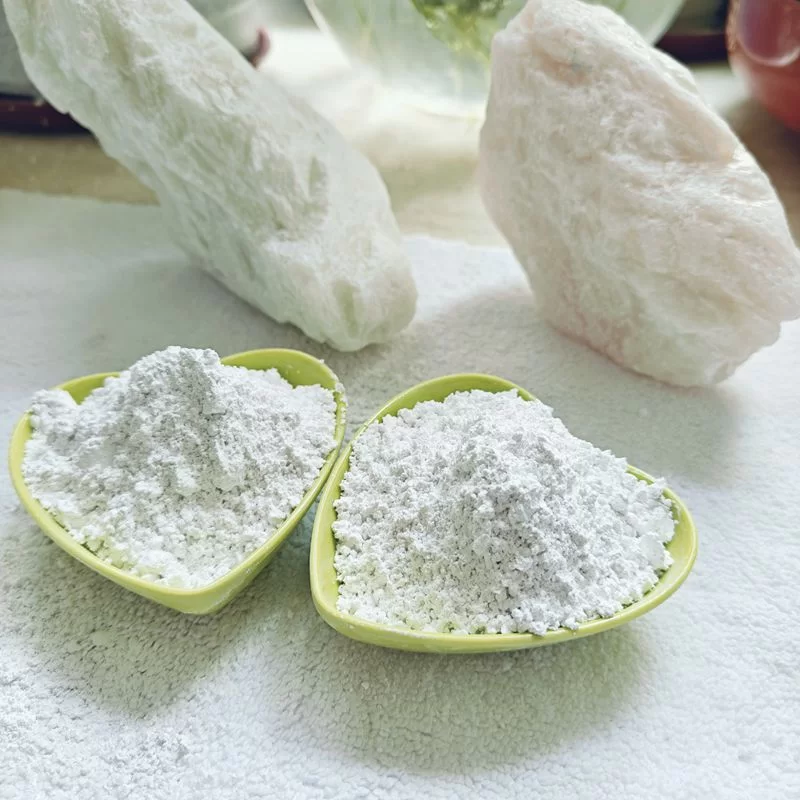
Ground calcium carbonate (GCC) is made by grinding natural carbonate minerals such as calcite, marble, and limestone. As a commonly used powdered inorganic filler, it boasts advantages including high chemical purity, strong inertness, resistance to chemical reactions, good thermal stability (no decomposition below 400℃), high whiteness, low oil absorption, low refractive index, soft texture, dryness (free of crystal water), low hardness with small abrasion value, non-toxicity, odorlessness, and excellent dispersibility. Therefore, it is widely applied in industries such as rubber, plastics, paints, water-based coatings, papermaking, concrete, and fireproof ceiling materials.
Specification
Common sizes are 100mesh,200mesh, 325 mesh, 400mesh,600 mesh,800mesh, 1250 mesh, 1500mesh,2500mesh,4000mesh,5000mesh,We also accept customization if you need.
Chemical indicators
Calcium content | Residue on sieve | pH | Whiteness | Moisture | Clinching point (d100) |
98.6% | 0.005 | 9 | 94.2 | 0.18 | 11. 11 |
Ground calcium carbonate325 technical parameter table, if you need other indicators, please send an inquiry.
Product Usage
Rubber/Plastics/ Paints,/Water-based coatings,/Papermaking/ Concrete/Fireproof ceiling materials.
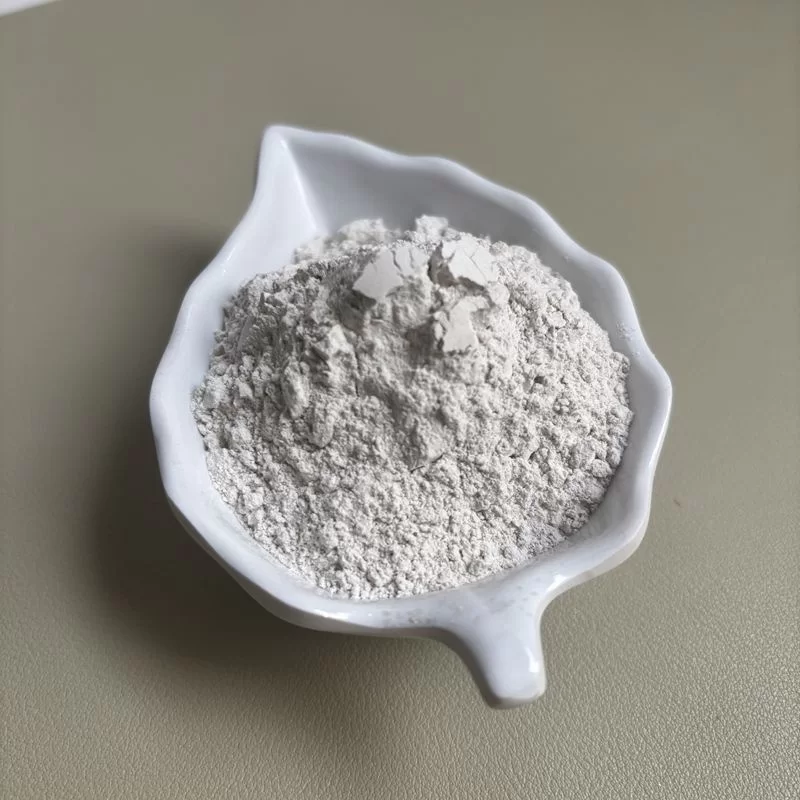
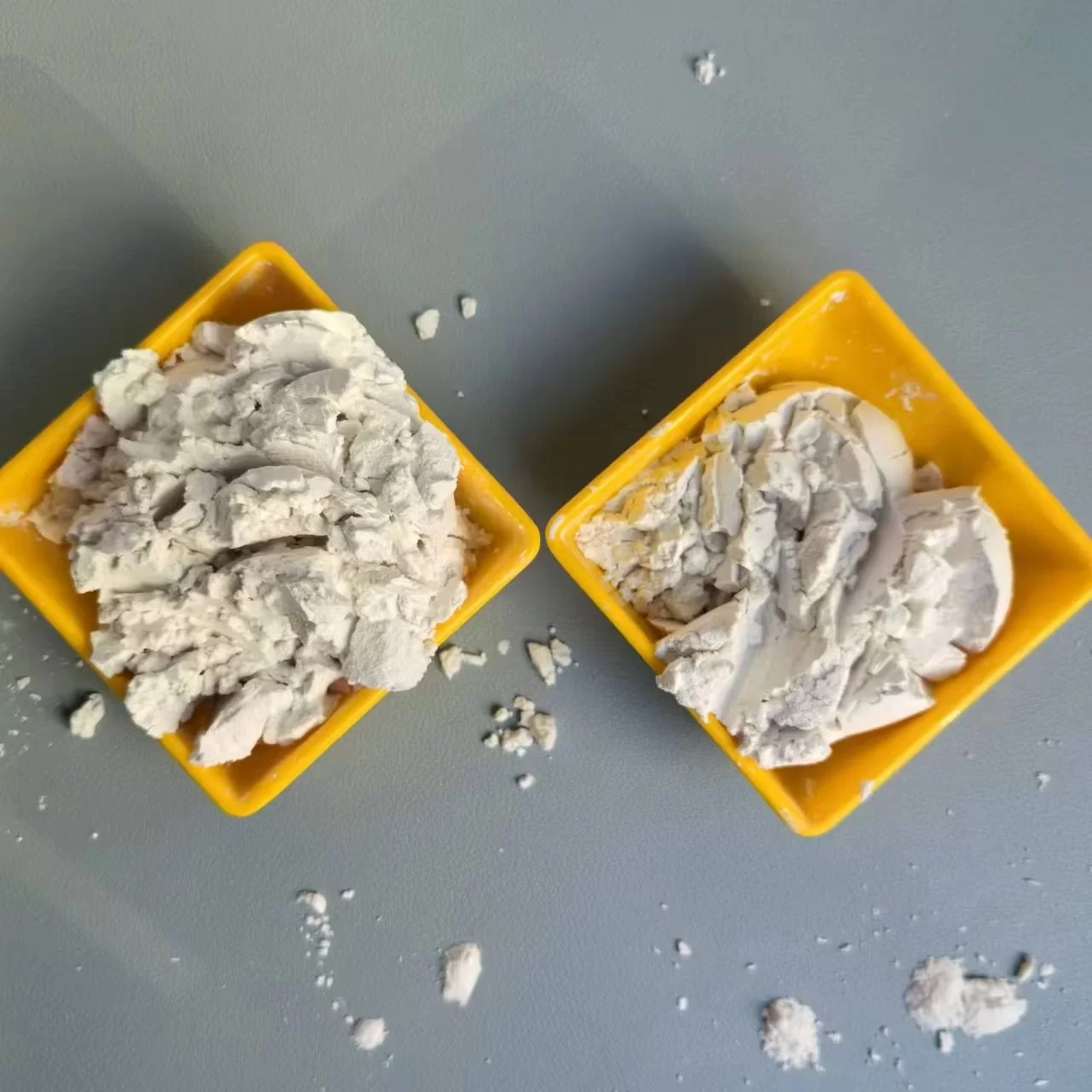
High-quality kaolin undergoes physical and chemical changes through high-temperature calcination, dehydrating and crystallizing to lose substances like fluorine. After cooling, calcined kaolin is formed, which has high silicon content, good whiteness, strong oil absorption and high hardness. It is widely used in ceramics, papermaking, wall tiles, floor tiles, rubber, chemical coatings and other fields.
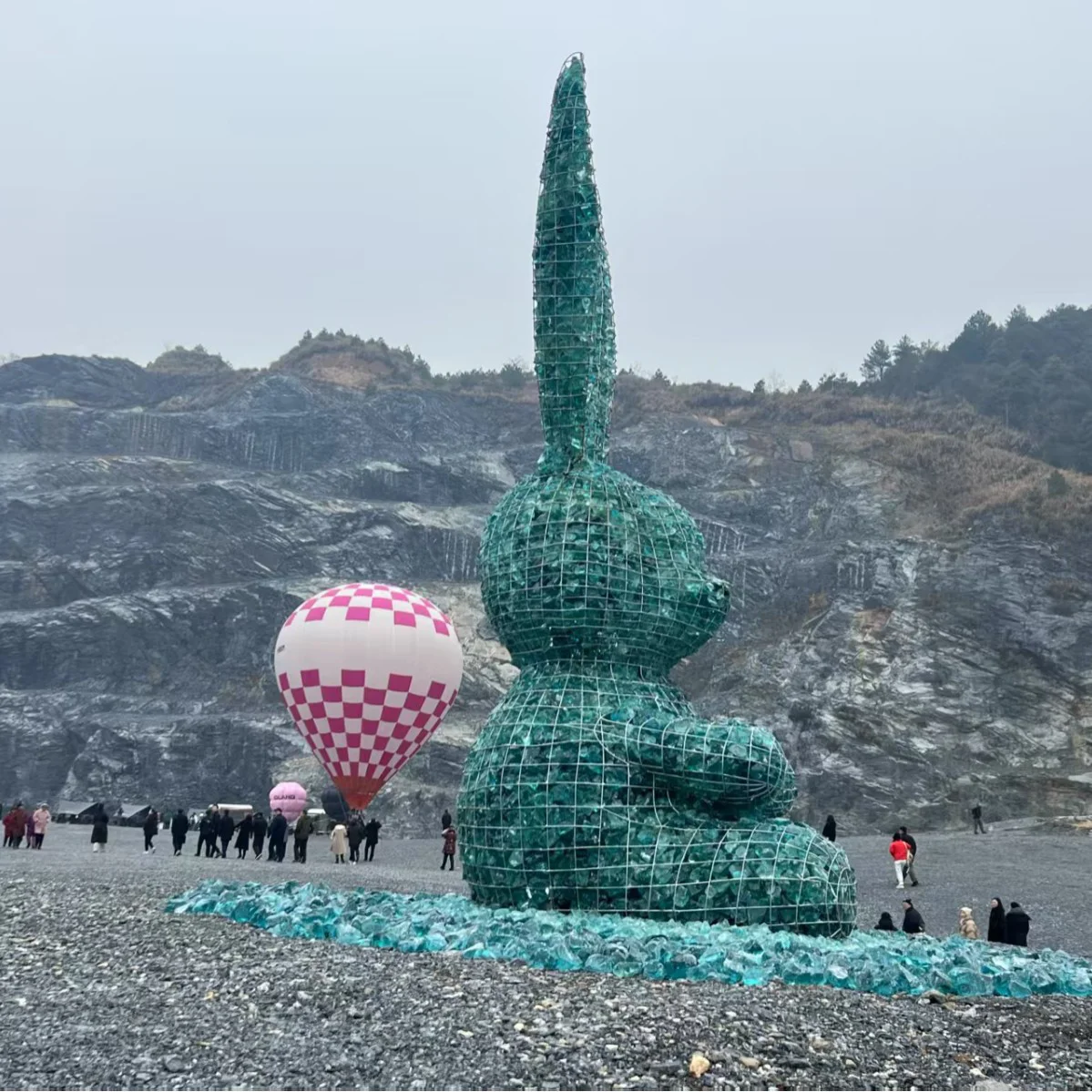
Crushed Glass Stone is a versatile building decoration material, available in customized sizes with multiple color options. Made from high-quality glass, it offers strong durability, rich color, and modern visual appeal.
It is widely used for terrazzo flooring, countertops, landscaping, wall decoration, and aquarium projects, helping designers create unique and vibrant surfaces.
The material is stable, low-maintenance, and resistant to fading, making it suitable for indoor and outdoor applications.
Washed kaolin is made by adding water to raw materials, mixing them into a slurry, then undergoing sedimentation separation and drying. It becomes a mineral with kaolin properties, and due to its white color, low cost, good fluidity, stable chemical properties and large surface cation exchange capacity, it is widely used as a filler in coatings and paints, as well as in firebricks, silica-alumina wool, cosmetics and medicine.
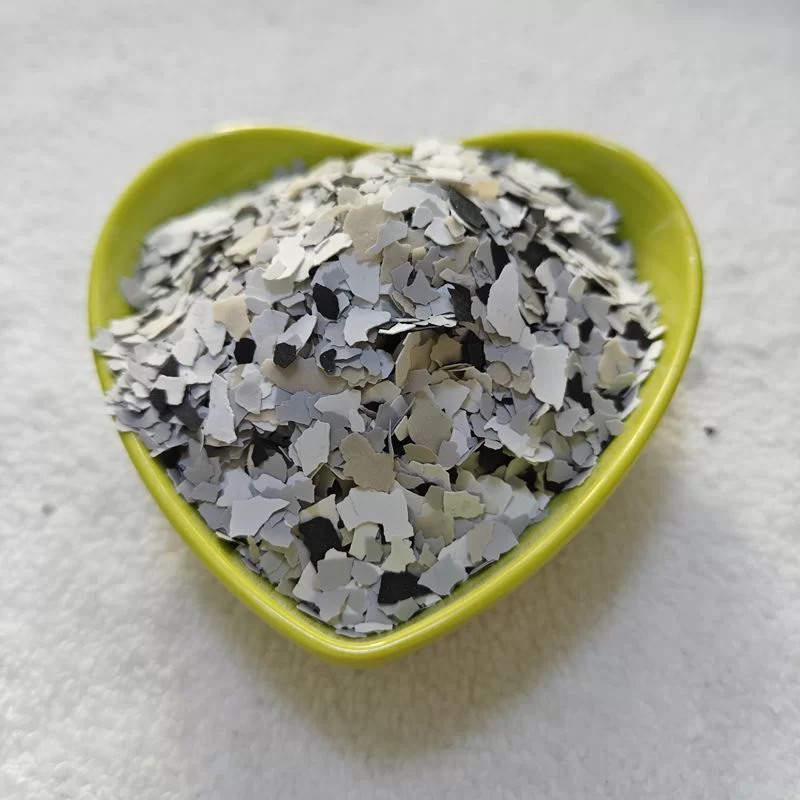
Advanced composite flakes for realistic granite simulation. 0.3mm thickness with irregular edges creates authentic stone texture. Excellent UV resistance and weatherability for long-term performance.
High-quality kaolin undergoes calcination at high temperatures, leading to a series of physical and chemical transformations. During this process, it becomes dehydrated and crystallized, while volatile substances such as fluorine are removed. After cooling, the resulting calcined kaolin features high silica content, excellent whiteness, strong oil absorption, and high hardness.
This product is widely used across various industries, including ceramics, paper manufacturing, wall and floor tiles, rubber, and industrial coatings.
Our high-purity diatomaceous earth, sourced from premium deposits, boasts excellent adsorption, filtration & thermal stability. Ideal for water treatment, food processing, agriculture & industrial applications. Safe, eco-friendly & cost-effective—delivers reliable performance for your professional needs.
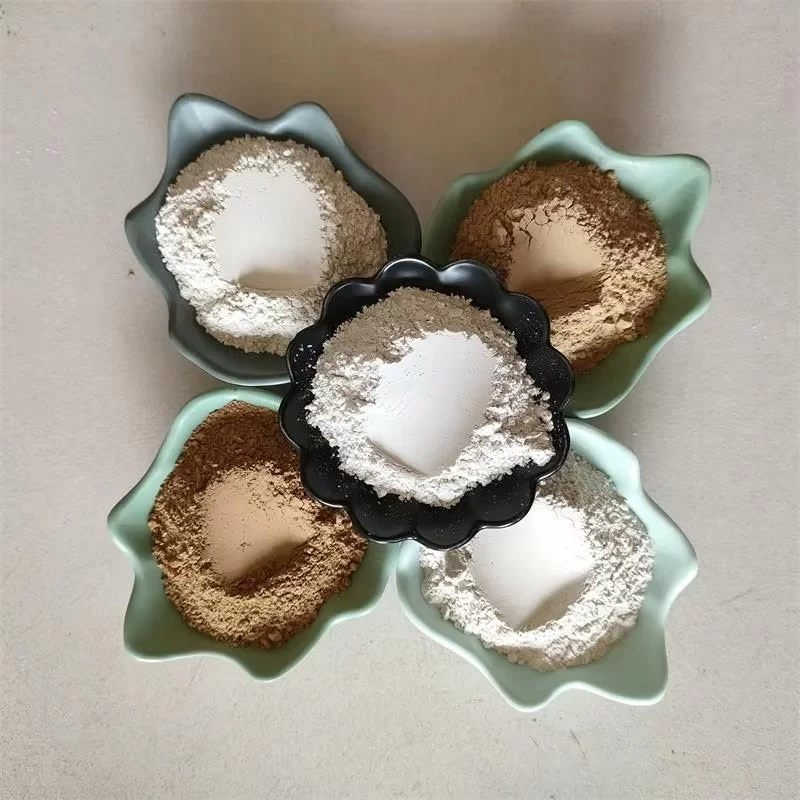
Calcium bentonite production for fine chemicals, cat litter, cosmetics, tiles, ceramics, and industrial desiccants
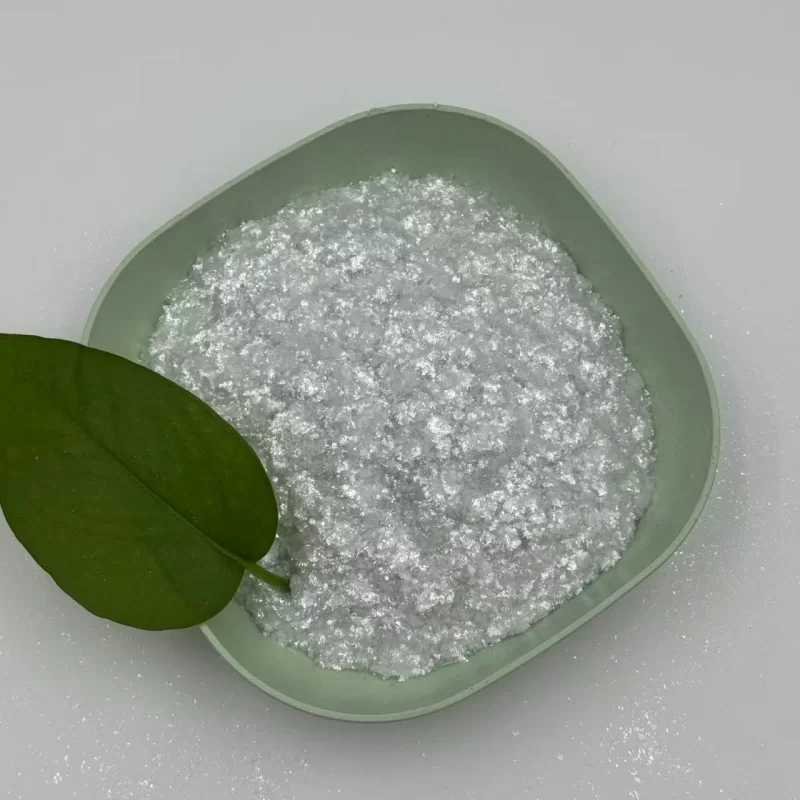
Engineered as high-performance flaky glass fillers, glass flakes deliver enhanced anti-corrosion, wear resistance and barrier properties. Typically 2–10μm thick and 100–3000μm in diameter, they create a "labyrinth effect" in coatings/linings to block corrosive media penetration and extend the service life of industrial equipment and structures.




If you are interested in our products, you can choose to leave your information here, and we will be in touch with you shortly.