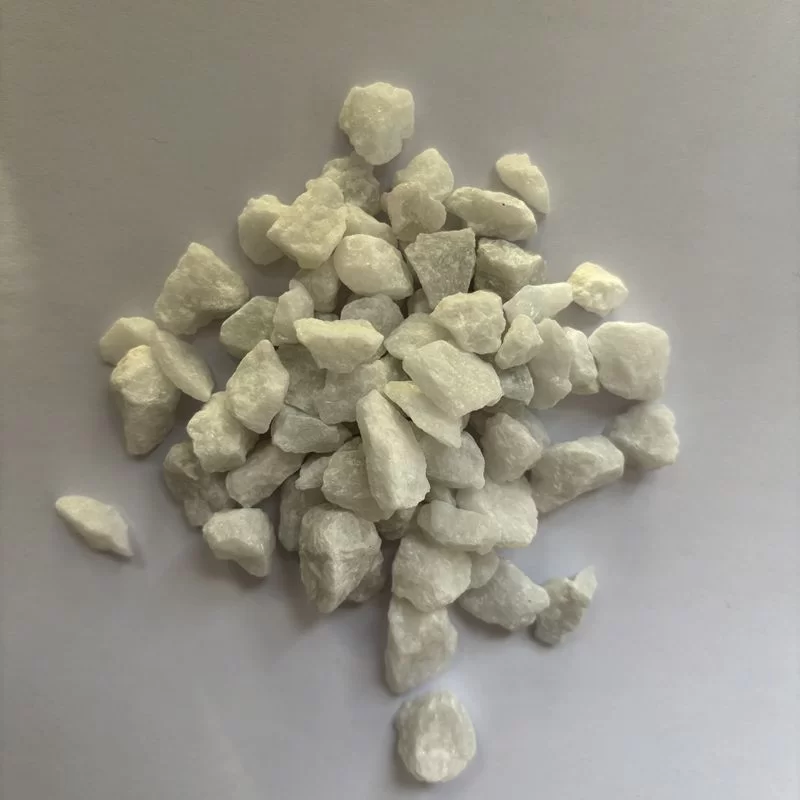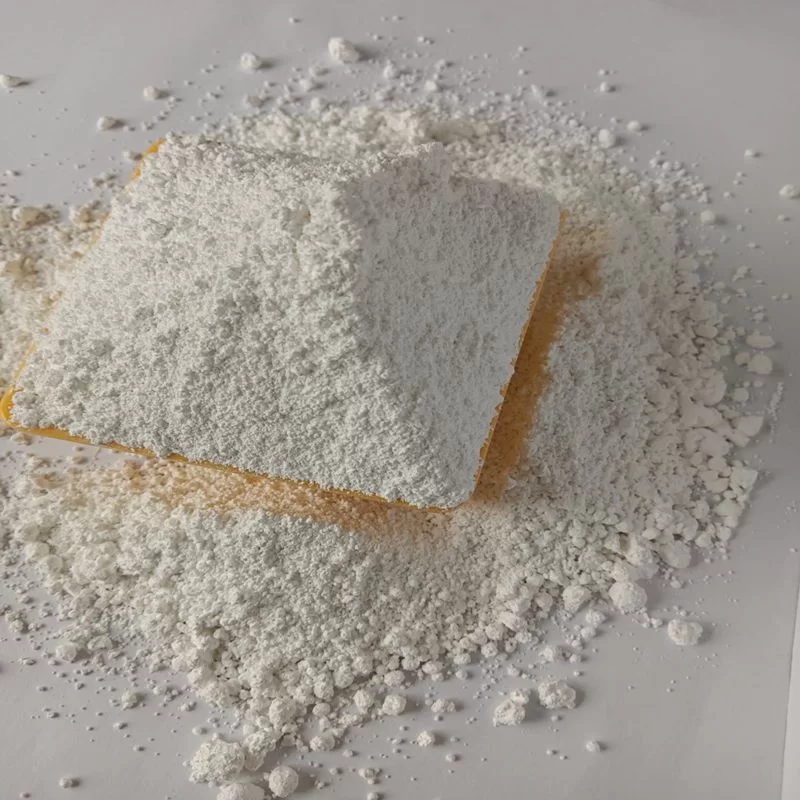
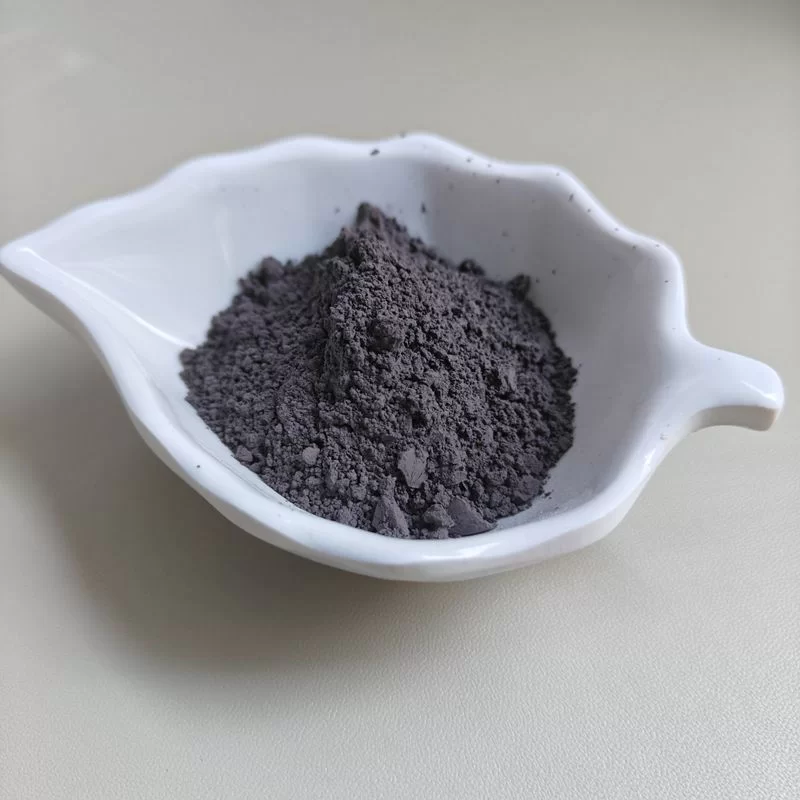
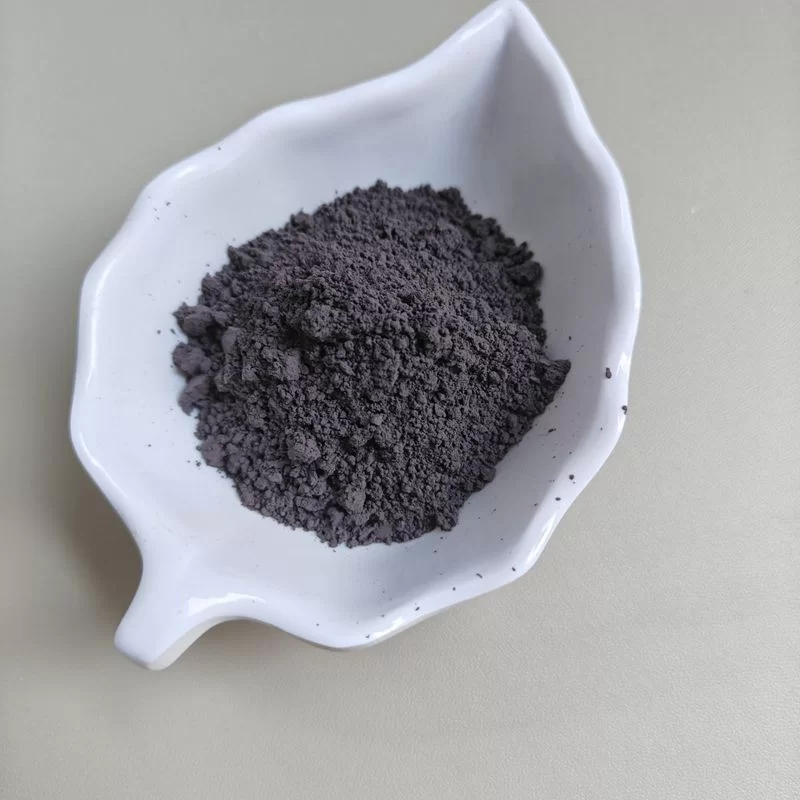
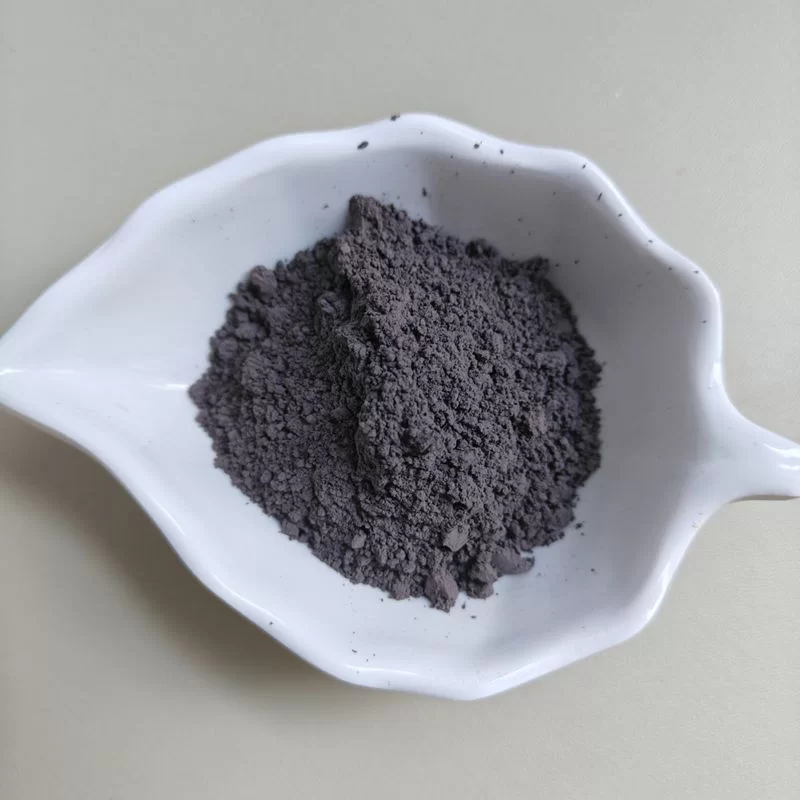
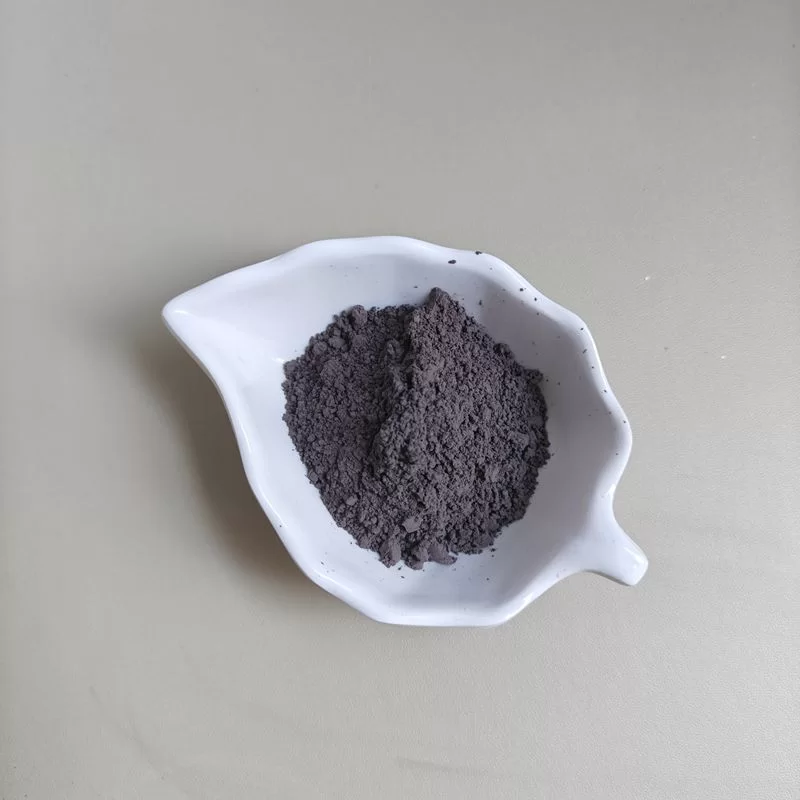
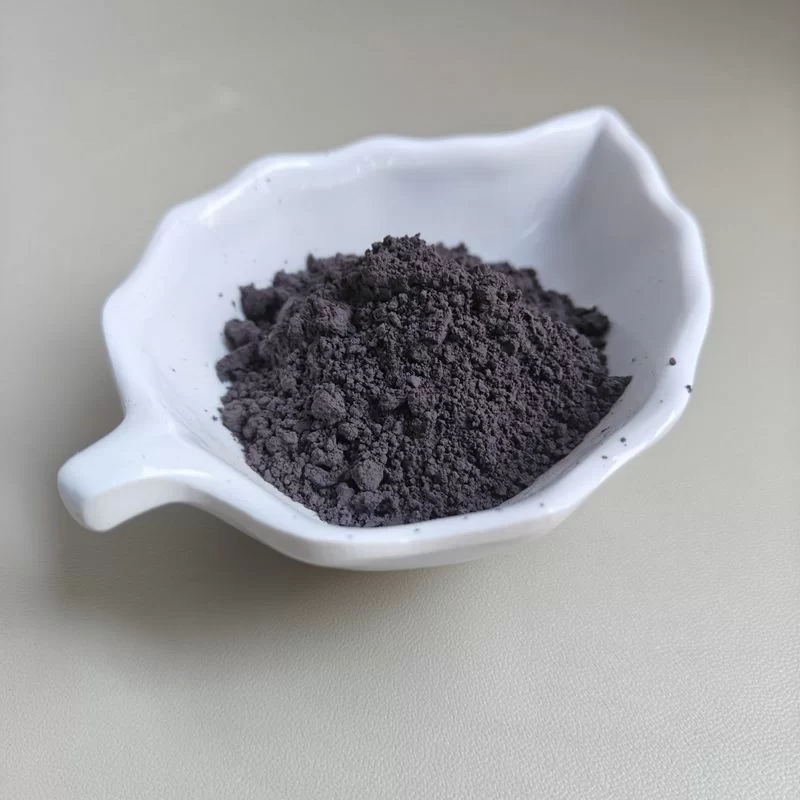
Biotite
Particle Size: 3-400mesh
Application: In the architectural coatings industry, stone-like paint and water-based paint are used for decorative purposes.
Biotite, a dark mica mineral, has gained significant attention in modern industry due to its unique combination of physical and chemical properties. Its layered structure, high thermal stability, and chemical resistance make it a versatile material across a wide range of applications.
In industrial manufacturing, Biotite is often used as a reinforcing filler in plastics and composites, improving mechanical strength, dimensional stability, and resistance to heat and chemical degradation. Its fine particles also contribute to enhanced surface smoothness and aesthetic appeal in coatings, paints, and decorative materials.
Biotite’s thermal and electrical insulating properties make it valuable in electronics and electrical equipment, where it can be applied in components such as capacitors, transformers, and insulating sheets. Its stability under high temperatures ensures reliable performance in demanding environments.
Additionally, Biotite is used in construction materials to enhance durability and structural integrity. It improves the workability of cement, concrete, and mortar while reducing shrinkage and cracking, resulting in longer-lasting infrastructure. In emerging applications, Biotite is being explored for use in green technologies, such as thermal insulation materials and eco-friendly composites, demonstrating its adaptability to modern industrial needs.
Overall, Biotite’s versatility and robust performance characteristics make it an indispensable mineral for innovative industrial applications. Its ability to enhance mechanical, thermal, and aesthetic properties ensures that products achieve superior quality, reliability, and longevity, meeting the evolving demands of modern manufacturing.
Biotite plays a crucial role in the development of sustainable building materials due to its natural abundance, non-toxic properties, and excellent physical characteristics. Its fine-grained structure, thermal stability, and chemical resistance make it an ideal additive for environmentally friendly construction solutions.
In concrete, cement, and mortar, Biotite improves workability, reduces shrinkage, and strengthens the overall structure. Its addition helps create denser, more durable materials, extending the lifespan of buildings and reducing maintenance costs. In coatings and plasters, Biotite enhances adhesion, surface smoothness, and resistance to cracking, weathering, and UV exposure, contributing to the long-term performance of architectural finishes.
Biotite is also used in insulation panels, decorative materials, and energy-efficient building components. Its natural thermal and electrical insulating properties improve energy efficiency in buildings, supporting sustainable construction practices. Moreover, as a naturally occurring mineral, Biotite aligns with green building standards and promotes environmentally responsible material choices.
By incorporating Biotite into construction projects, manufacturers can produce high-performance, durable, and eco-friendly building materials. Its versatility ensures that both structural and decorative applications benefit from improved strength, longevity, and sustainability.
Overall, Biotite is a valuable mineral that supports the creation of sustainable, high-quality building materials, helping the construction industry meet the growing demand for environmentally conscious and durable solutions.
Biotite is a widely distributed rock-forming mineral and an important member of the mica family, notable for its dark coloration and iron-rich phyllosilicate structure. Geologically, the formation of biotite is closely associated with igneous and metamorphic environments, where silicate melts or metamorphic fluids evolve under specific temperature and pressure conditions. During the cooling of granitic or intermediate magmas, biotite crystallizes as one of the major ferromagnesian minerals, commonly appearing alongside quartz, feldspar, and hornblende. In metamorphic settings, biotite forms from the recrystallization of precursor minerals such as chlorite, muscovite, or amphibole when subjected to medium to high-grade metamorphism. This geological versatility makes biotite a key indicator mineral for interpreting tectonic processes and rock evolution.
The iron-rich layered structure of biotite develops during crystallization. Its chemical composition includes iron, magnesium, aluminum, and potassium, arranged in sheet-like layers typical of phyllosilicates. The presence of iron gives biotite its characteristic brown to black appearance and influences its optical absorption and thermal stability. These layered sheets are bonded by weak van der Waals forces, allowing biotite to cleave into thin, flexible lamellae. This is a defining feature of mica minerals and contributes to their suitability for industrial processing. Over geologic time, weathering, erosion, and transport can break down biotite-bearing rocks, releasing mineral flakes into sediments or soils, though the mineral remains relatively resistant compared to more reactive silicates.
From a material transformation perspective, biotite extracted from natural rock deposits undergoes mechanical processing such as crushing, grinding, washing, and classification to meet different industrial specifications. One notable derivative is black Mica Powder, which originates from biotite’s dark mineral composition. The geological conditions that allow biotite to accumulate iron and magnesium also contribute to the unique pigment and performance attributes of black Mica Powder, making it valuable in sectors such as coatings, plastics, refractories, and construction materials. Because biotite forms in large, naturally occurring crystalline aggregates, it provides a consistent raw material base for powder-grade products.
Overall, understanding the geological formation of biotite provides insight into both earth processes and material sourcing strategies. The mineral’s origin in magmatic and metamorphic systems, combined with its stable iron-rich layered structure, explains its abundance, reliability, and industrial relevance. As resource exploration expands and processing technologies improve, biotite-derived materials such as black Mica Powder are expected to remain important for both traditional manufacturing and emerging material applications.
Biotite is classified chemically as a potassium iron magnesium aluminum silicate, belonging to the broader phyllosilicate group of minerals. The general formula for biotite is often expressed as K(Mg,Fe)₃(AlSi₃O₁₀)(OH,F)₂, which reflects its variable iron (Fe) and magnesium (Mg) content. This variability is responsible for many of biotite’s physical and optical characteristics, including its dark coloration, moderate thermal stability, and relatively high density compared to muscovite and phlogopite. The iron-rich nature of biotite influences not only its appearance but also its magnetic susceptibility and capacity to absorb infrared and visible wavelengths. These chemical relationships are fundamental to understanding why biotite is processed into black Mica Powder for industrial use.
The layered structure of biotite consists of tetrahedral sheets of silica arranged around aluminum atoms, bonded to octahedral sheets that contain iron and magnesium. These tetrahedral-octahedral-tetrahedral (TOT) arrangements create a robust but flexible crystalline lattice. Potassium ions occupy interlayer spaces, balancing charge and enabling cleavage along basal planes. This structural geometry is characteristic of all mica minerals, but biotite’s elevated iron content sets it apart chemically and functionally. The substitution of iron for magnesium within the lattice also reflects the geochemical conditions under which the mineral forms—iron-rich environments tend to produce darker and more opaque biotite varieties.
Hydroxyl groups (OH⁻) and fluorine (F⁻) within the octahedral sheets influence thermal stability and chemical reactivity. Fluorine-rich biotite formations, for example, often display enhanced resistance to high-temperature breakdown compared to hydroxyl-dominant specimens. These compositional nuances are relevant for industries that require mica derivatives capable of withstanding thermal, chemical, or physical stress. During the production of black Mica Powder, controlling chemical purity and particle morphology is important for ensuring consistent performance in fillers, pigments, and reinforcement materials.
The chemical composition of biotite also affects its industrial compatibility. The iron content contributes to enhanced opacity and darker pigmentation, making biotite-derived black Mica Powder suitable for use in coatings, polymers, and specialty paints where coloration, infrared absorption, or surface texture enhancement is desired. Meanwhile, the presence of aluminum and silica improves dimensional stability and dielectric performance, providing added value in refractory materials and insulating compounds. The chemical inertness of biotite toward many acids and alkalis further contributes to its durability in harsh manufacturing environments.
In summary, the chemical composition of biotite—rich in iron, magnesium, and aluminum—defines its technological potential and commercial value. The mineral’s phyllosilicate architecture, combined with its unique element distribution, directly influences its transformation into black Mica Powder, a versatile industrial ingredient. As material science continues to progress, biotite’s chemical attributes are expected to support new and advanced applications across multiple sectors.
Biotite plays a significant role in various industrial sectors due to its layered structure, iron-rich composition, and functional material properties. While muscovite is typically preferred in high-transparency electrical and optical applications, biotite’s unique characteristics make it valuable in industries where dark pigmentation, thermal resistance, and filler performance are advantageous. A major commercial product derived from biotite is black Mica Powder, which has gained increasing relevance in construction, coatings, plastics, drilling fluids, and refractory materials.
In the construction sector, biotite-based materials are used as fillers and reinforcing agents in cementitious systems, asphalt formulations, and fire-resistant panels. The layered structure of biotite contributes to improved dimensional stability, reduced cracking, and enhanced surface finish. When incorporated into construction composites, black Mica Powder provides volume efficiency, heat resistance, and surface uniformity. It also helps modify rheology in mortars and sealants, making mixtures easier to apply and more stable during curing.
In coatings and pigment formulations, biotite’s natural dark coloration and opacity are key advantages. Black Mica Powder is widely used in decorative coatings, industrial paints, anticorrosive layers, and automotive finishes to enhance color depth, UV resistance, and texture. Compared to carbon black or iron oxide pigments, black mica provides a more complex visual effect due to its layered structure, which reflects and absorbs light differently. This gives end products a more sophisticated matte or metallic aesthetic depending on particle size distribution and processing technique.
In polymer and plastic manufacturing, biotite minerals serve as functional fillers that enhance mechanical properties, reduce shrinkage, and improve thermal stability. Thermoplastic and thermoset manufacturers integrate black Mica Powder to improve dimensional accuracy, reduce warpage, and enhance surface quality. The mineral’s resistance to chemical degradation also makes it suitable for polymer applications exposed to high temperatures or harsh chemical environments.
Another important application area is the oil and gas industry, where powdered mica acts as a mud additive in drilling fluids. Biotite-based black Mica Powder helps seal porous formations, reduce fluid loss, and maintain wellbore stability. Its thermal resistance and lamellar geometry allow it to perform effectively in deep drilling operations where high pressure and temperature are common.
Refractories and high-temperature materials represent additional markets for biotite-derived products. Biotite’s ability to withstand moderate heat without decomposition makes it suitable for fireproof boards, insulation materials, and kiln components. Although muscovite and phlogopite are more commonly used in extreme thermal environments, biotite offers a cost-effective and functional solution for mid-range thermal applications.
In conclusion, the industrial applications of biotite are diverse and expanding. The transformation of biotite into black Mica Powder enables compatibility with multiple manufacturing systems that require reinforcement, pigmentation, surface enhancement, or thermal resistance. As global industries continue to adopt mineral-based fillers and pigments for performance and sustainability reasons, biotite is expected to remain an important industrial mineral with long-term market relevance.
Product Description
Biotite Mica Mineral with Iron-Rich Layered Structure is a naturally occurring phyllosilicate mineral renowned for its unique combination of mechanical strength, thermal stability, and distinctive layered composition. Characterized by dark brown to black sheets with an iron-rich structure, biotite mica is widely used in geological research, industrial applications, and specialty material formulations. Its layered crystalline structure allows for excellent cleavage, enabling it to be split into thin, flexible sheets that are both durable and lightweight.
The iron-rich composition of biotite mica imparts additional functional properties, including enhanced thermal resistance, electrical insulation, and chemical stability. These qualities make it valuable in applications such as high-temperature insulation, fireproofing materials, and electronic components. In industrial sectors, it is used as a filler or additive to improve the strength and durability of paints, coatings, and polymer composites, providing improved heat and corrosion resistance.
In addition to its functional advantages, biotite mica’s layered structure also contributes to its optical properties. The reflective surfaces of its thin sheets create a subtle luster or shimmer, making it suitable for decorative applications in ceramics, pigments, and specialty coatings. Its natural origin and stability also make it an attractive material for scientific studies in geology and mineralogy, where its formation and iron content offer insights into rock metamorphism and soil chemistry.
Biotite Mica Mineral with Iron-Rich Layered Structure is highly versatile due to its combination of mechanical, thermal, and chemical properties. Its unique layered morphology, high iron content, and natural stability make it suitable for diverse applications ranging from industrial materials to scientific research, offering both practical functionality and valuable insights into natural mineral formations. Its consistent quality and adaptability continue to make it a key mineral in both industrial and academic fields.
1. Enhancing Industrial Material Performance
Biotite Mica Mineral with Iron-Rich Layered Structure contributes to material innovation by improving the performance of industrial products. Its unique layered composition and iron content provide excellent thermal stability and chemical resistance, making it ideal for use in high-temperature insulation, fireproofing materials, and corrosion-resistant coatings. By integrating biotite mica into polymers, paints, or composites, manufacturers can create products that are more durable, heat-resistant, and reliable, supporting innovation in demanding industrial applications.
2. Enabling Advanced Functional Applications
The iron-rich layered structure of biotite mica also enhances its electrical and mechanical properties, opening doors to advanced functional applications. It can serve as a natural additive for improving electrical insulation in electronic components, enhancing structural integrity in composite materials, or providing subtle reflective effects in coatings. This versatility allows researchers and manufacturers to experiment with new formulations, pushing the boundaries of product performance and functionality.
3. Supporting Sustainable and Customized Material Solutions
Biotite Mica Mineral’s natural origin and stability make it an environmentally friendly option for innovative material solutions. Its consistent structure allows for precise formulation and customization, enabling designers and engineers to tailor materials for specific industry needs, from thermal-resistant composites to decorative coatings. By combining safety, functionality, and adaptability, biotite mica fosters the development of next-generation materials that meet both industrial standards and consumer demands.
Industrial Uses of Biotite Mica Mineral with Iron-Rich Layered Structure are extensive due to its unique combination of layered morphology, thermal stability, and chemical resistance. As a phyllosilicate mineral with a high iron content, biotite mica offers properties that are highly valued across multiple industrial sectors, from construction and electronics to coatings and composites. Its natural cleavage into thin, flexible sheets enables easy incorporation into materials, enhancing both mechanical and functional performance.
In the construction and insulation industries, biotite mica serves as a key additive for high-temperature applications. Its iron-rich layers provide excellent thermal resistance, making it suitable for fireproofing panels, heat shields, and insulating materials. This thermal stability ensures durability under extreme conditions, reducing material degradation and improving safety standards. Additionally, its chemical resistance allows biotite mica to maintain structural integrity in harsh environments, such as acidic or alkaline conditions, which is crucial for industrial coatings and protective surfaces.
Biotite mica is also widely applied in polymer and composite materials. Its plate-like structure enhances mechanical strength, dimensional stability, and flexibility when blended into plastics, resins, or paints. This makes it valuable in automotive components, high-performance coatings, and specialty paints, where both aesthetic appeal and functional durability are essential. The reflective properties of biotite mica add subtle luster to decorative coatings, improving product quality and market appeal.
Furthermore, biotite mica’s electrical insulating properties enable its use in electronics and electrical equipment. It provides reliable insulation while maintaining stability at elevated temperatures, supporting innovation in high-performance components. Overall, the combination of its iron-rich layered structure, thermal and chemical resilience, and mechanical versatility makes biotite mica an indispensable industrial mineral. Manufacturers across sectors leverage its unique characteristics to enhance product performance, ensure safety, and drive material innovation in both traditional and advanced industrial applications.
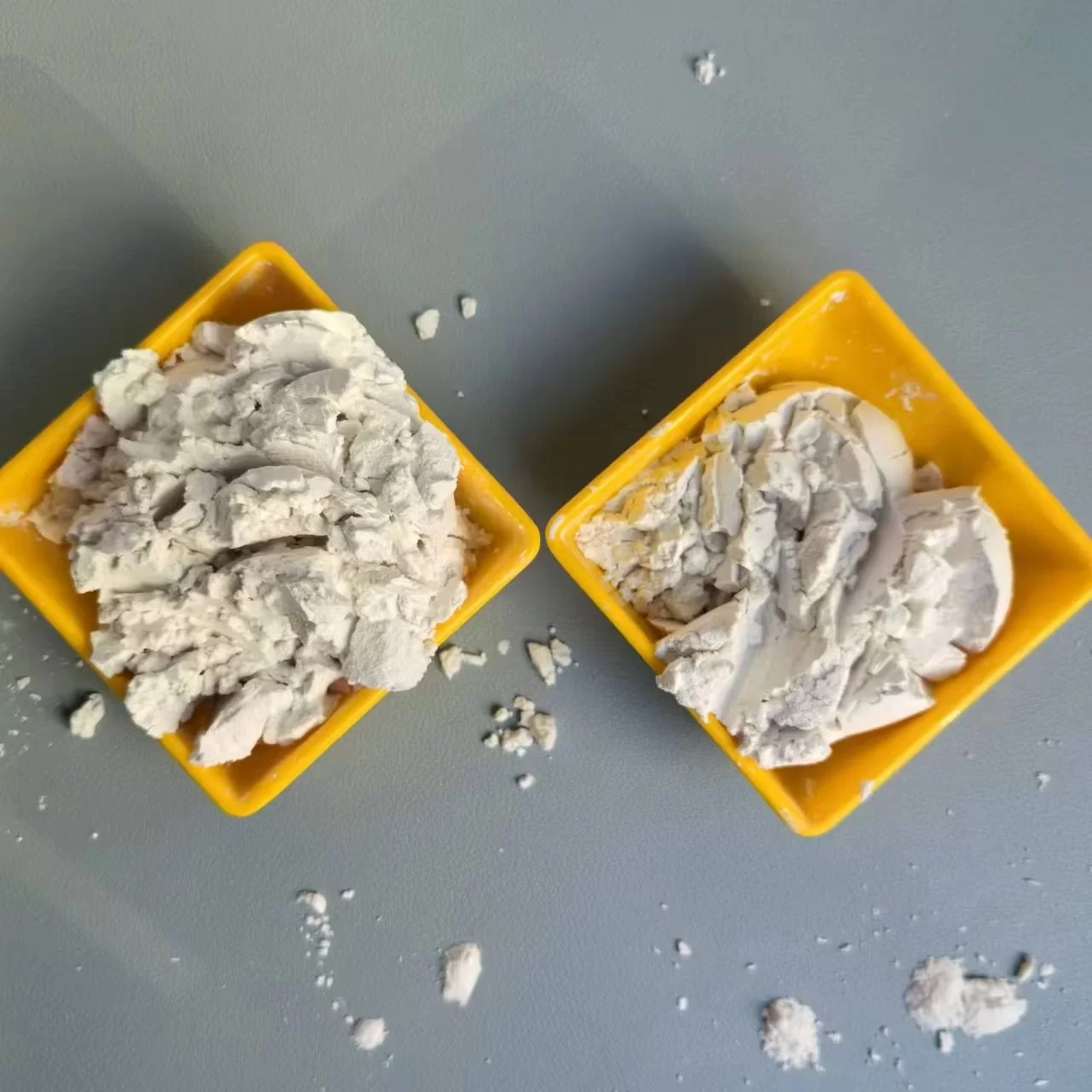
Our high-purity diatomaceous earth, sourced from premium deposits, boasts excellent adsorption, filtration & thermal stability. Ideal for water treatment, food processing, agriculture & industrial applications. Safe, eco-friendly & cost-effective—delivers reliable performance for your professional needs.
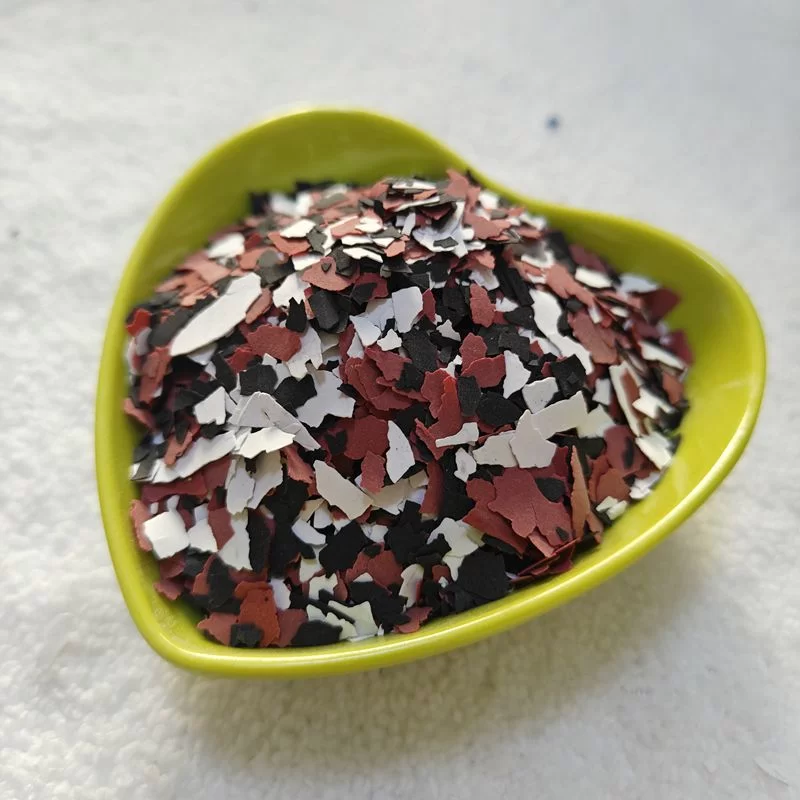
Extra thin composite flakes with 0.2mm thickness for ultra-premium coating finishes. Lightweight formulation reduces coating weight by 25% while maintaining superior stone simulation effect. Ideal for delicate surfaces and detailed applications.
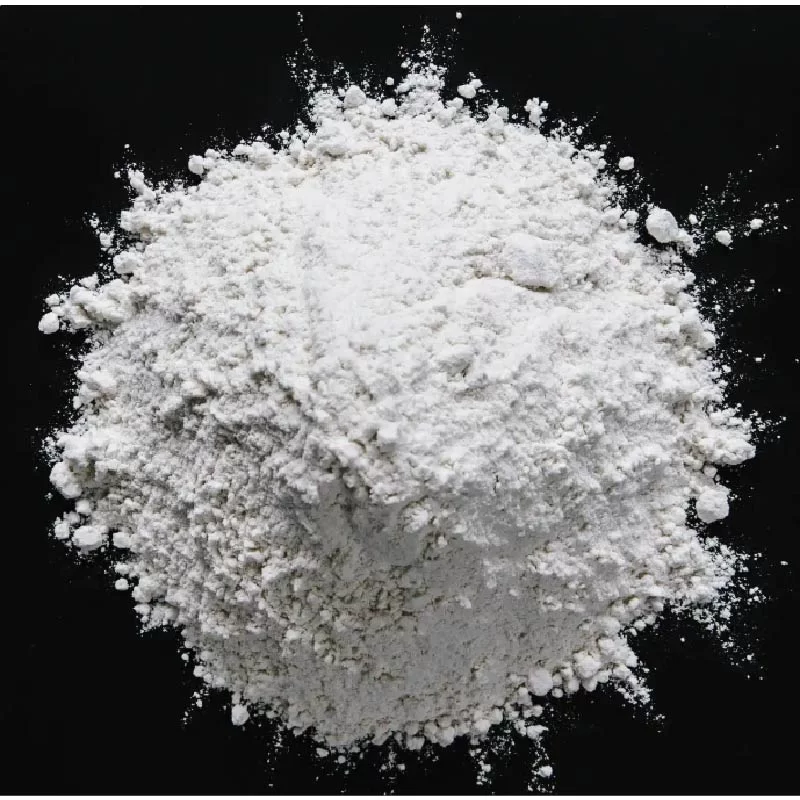
Titanium dioxide is a high-performance white pigment with excellent opacity, brightness, and UV resistance. It’s widely used in paints, plastics, and coatings for vivid, durable finishes.
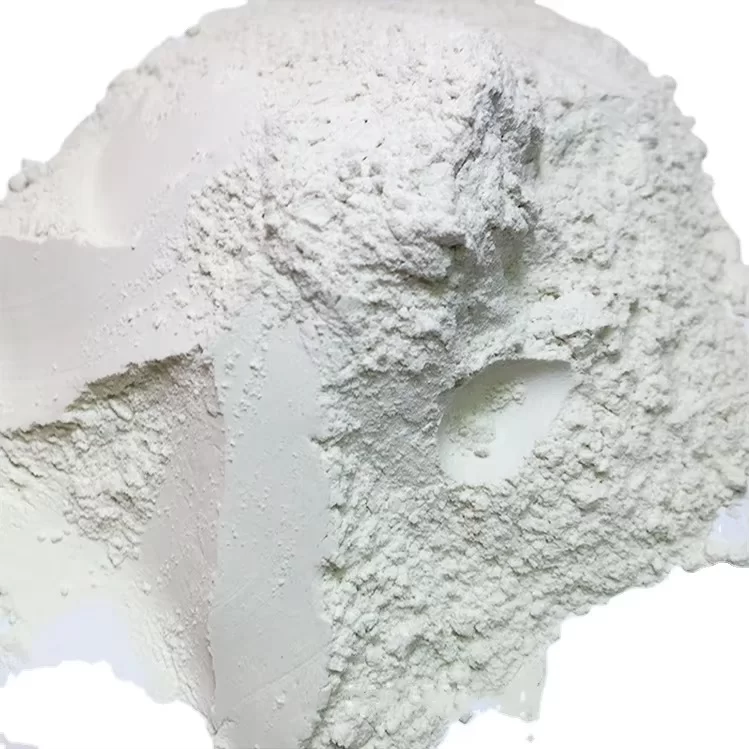
Naki Bentonite excels as a multi-functional material. It purifies water by adsorbing impurities, stabilizes drilling wells, and enhances soil quality—all thanks to its superior swelling and adsorption capabilities.
Semi-Refined Quartz Powder offers a balance of quality and value. Whiter than common grade, it's perfect for ceramics, precision casting, and resin works. Available from 40-120mesh.and custom sizes.
High whiteness, high purity, specially developed for interior coatings
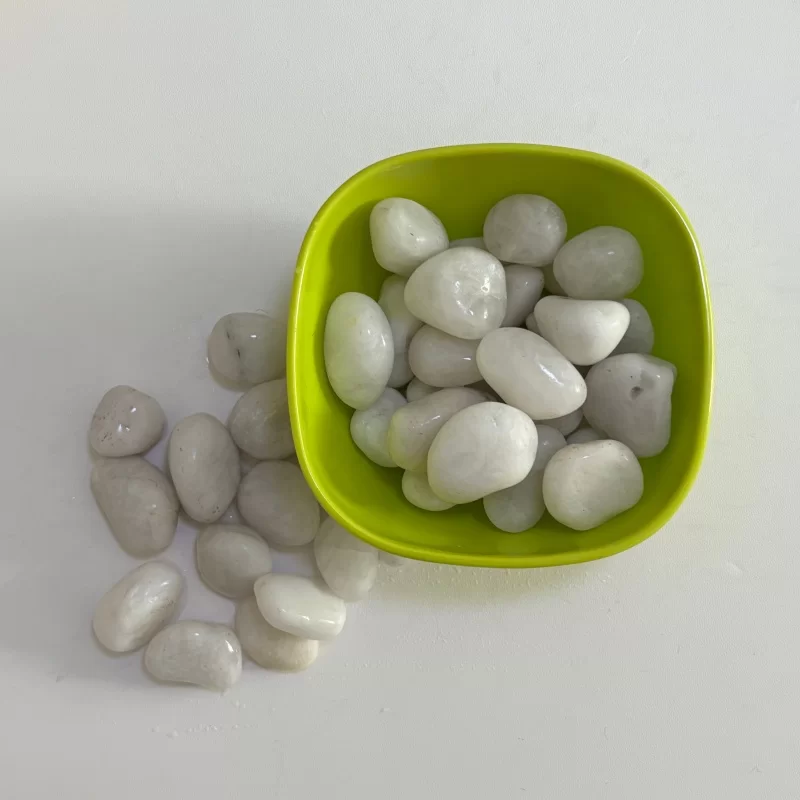
Polished pebbles are natural-collected stones processed via mechanical grinding and polishing to get a smooth, glossy surface. They keep the pebbles’ natural shape while gaining an artistic new life. With high aesthetic value and artistry, they’re mainly used in decoration and quality-of-life fields: indoor decoration & display, aquarium landscaping, bathroom decor, indoor fountain and small artificial water feature decoration, plus as an excellent material for crafts like paperweights, candlesticks, photo frames and creative ornaments.
Glass powder acts as a high-performance "industrial monosodium glutamate". Its high hardness, chemical inertness and low oil absorption enable it to enhance the mechanical properties, durability and appearance quality of products such as coatings, adhesives and plastics remarkably, rendering it an essential functional filler in modern industry.

(Shijiazhuang, China) – High-performance mineral materials are the cornerstone of product innovation in global industry.
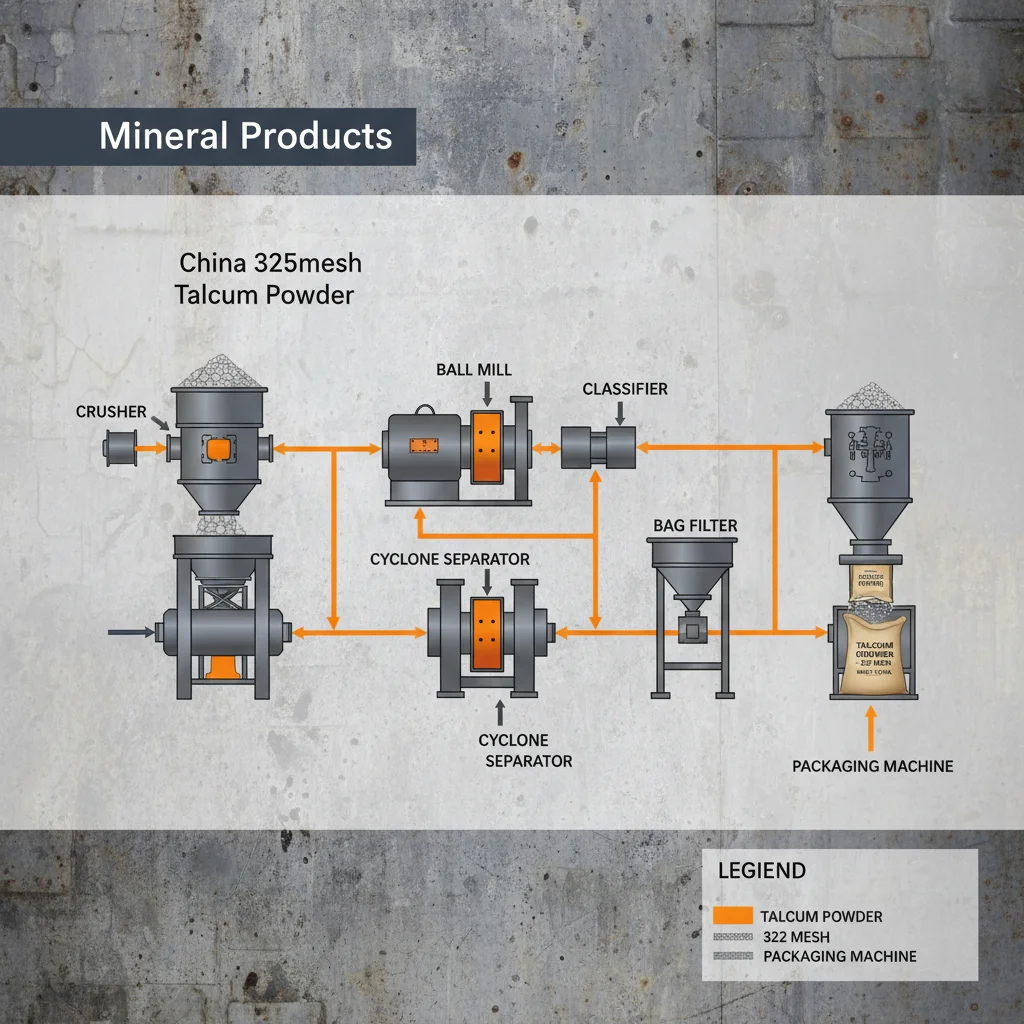
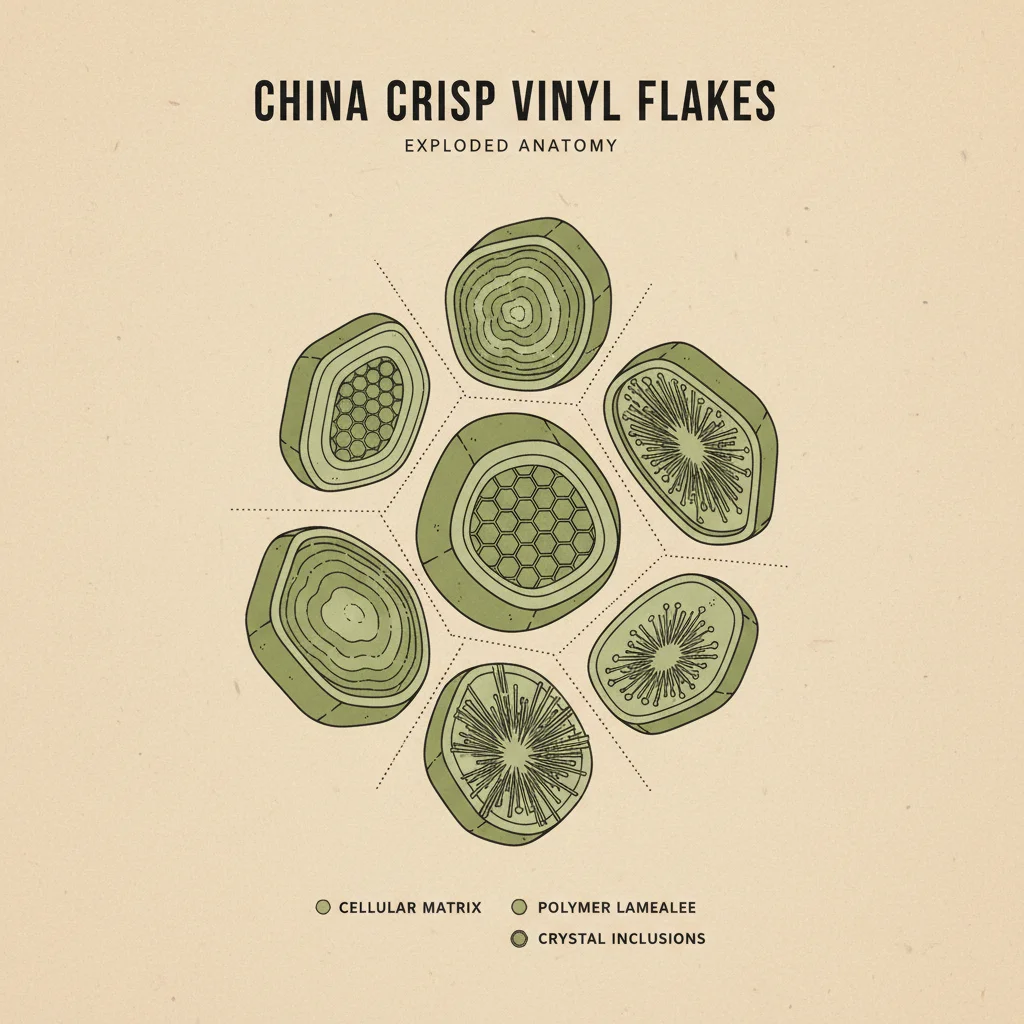
Discover the versatility and sustainability of China crisp Vinyl Flakes, a cost-effective alternative to virgin PVC. Explore applications, properties, and future trends in this comprehensive guide.



If you are interested in our products, you can choose to leave your information here, and we will be in touch with you shortly.