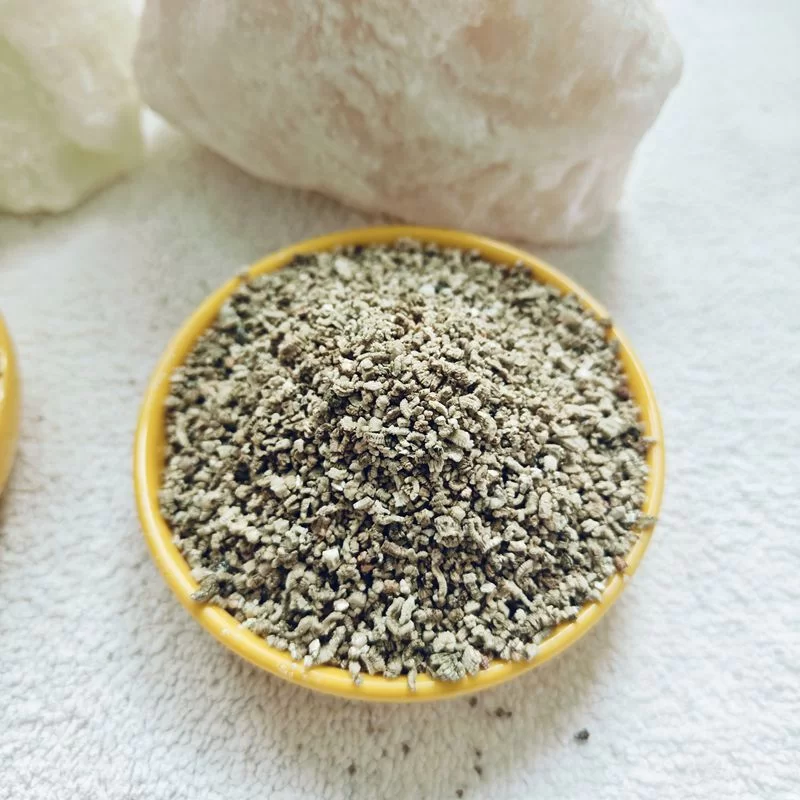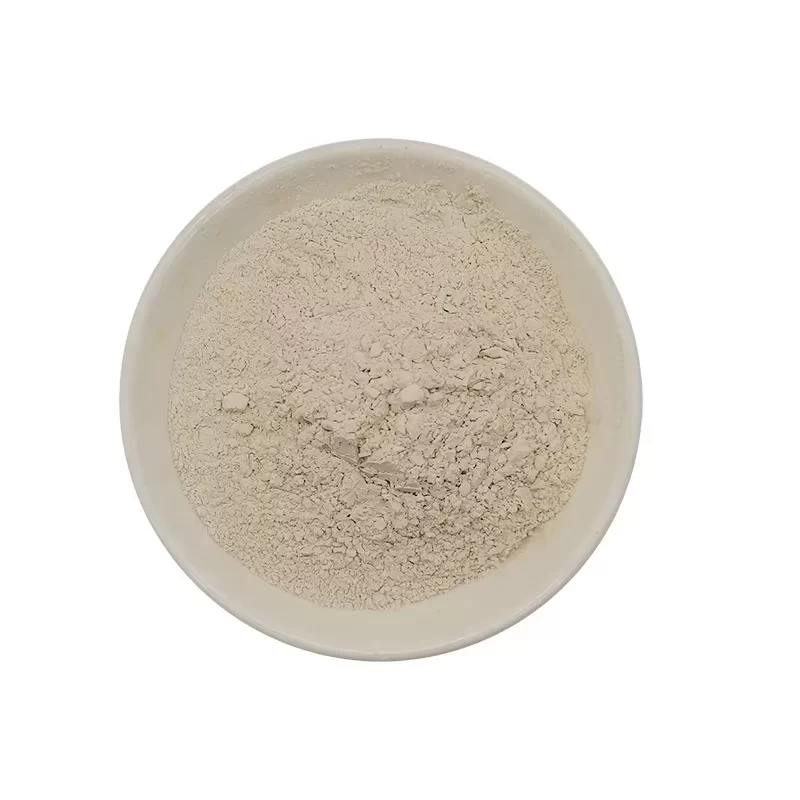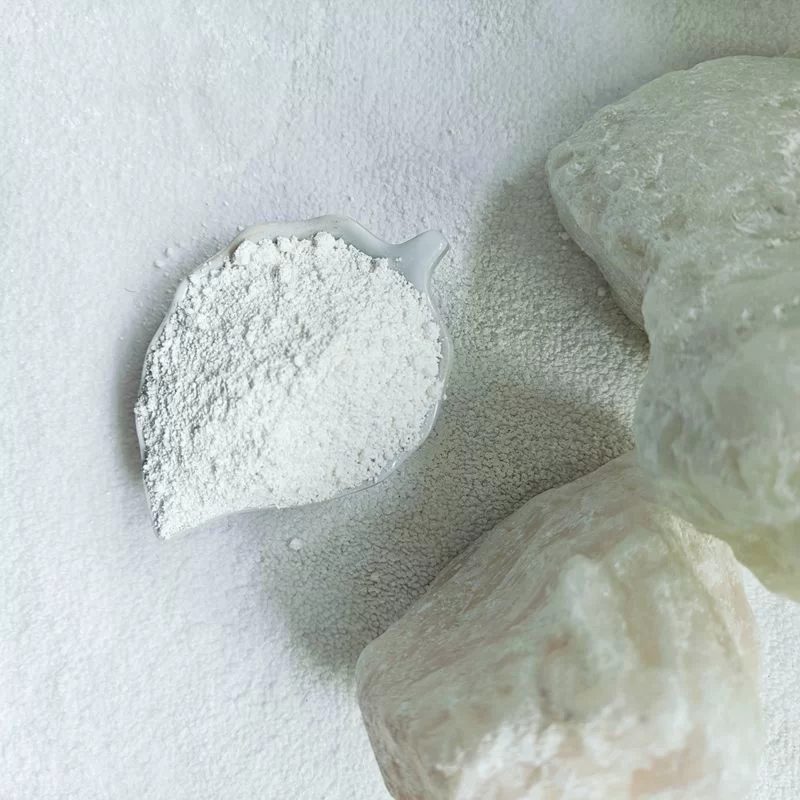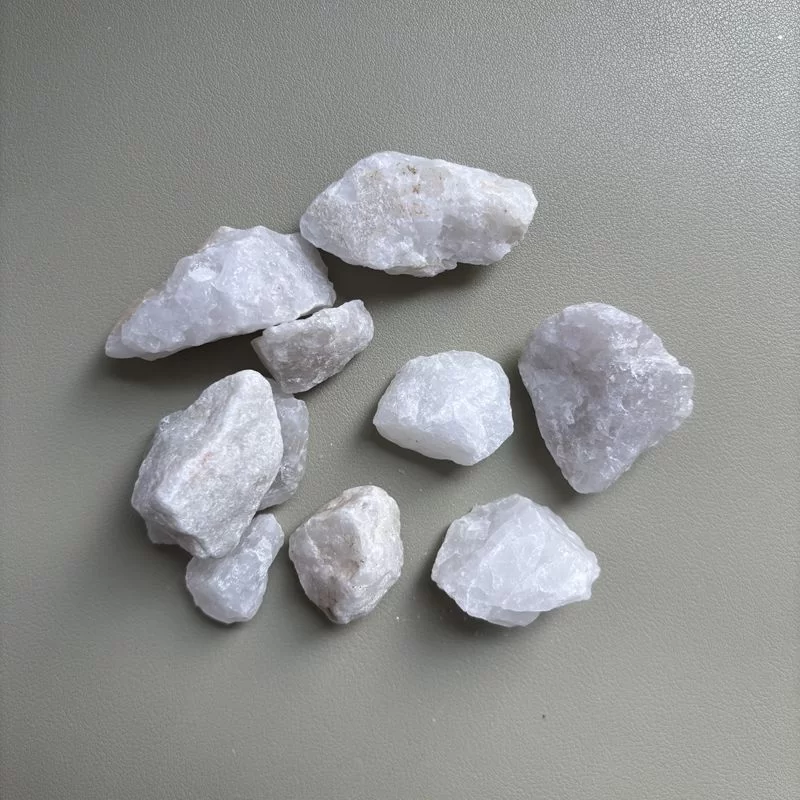
In harsh industrial environments, equipment longevity is not just a maintenance concern; it is a critical financial imperative. We understand the frustration of seeing expensive assets degrade prematurely due to chemical attacks and environmental exposure. The failure of a protective barrier often stems not from the application method, but from the fundamental quality of the mineral aggregates used within the formulation. To combat this, industries require a solution that goes beyond surface-level protection.
Shijiazhuang Fengersheng Mining Co., Ltd. addresses this core challenge by supplying the essential high-grade mineral components that define the performance of a superior corrosion Resistant Glass Flake Coating. With a heritage dating back to 1982 and a lineage evolving from the Lingshou County No.1 Mica Factory, we bring over 43 years of material science expertise to the table. Our massive production capacity of 200,000 tons annually ensures that whether you are formulating coatings for marine applications or chemical processing plants, the supply chain remains robust and the material quality consistent.
By leveraging our "chemical resistance" and "stability" properties found in our mineral range, we help manufacturers achieve a coating matrix that acts as an impermeable shield. Choosing the right source for your raw materials is the first step in guaranteeing a coating life that meets international standards.
The efficacy of a corrosion Resistant Glass Flake Coating is determined by the aspect ratio, chemical inertness, and orientation of the flakes within the resin binder. A haphazard selection of fillers leads to a "wicking" effect where moisture permeates the barrier. Conversely, precision-processed flakes create a tortuous path, forcing corrosive elements to travel a significantly longer distance to reach the substrate.
Our processing system, which includes international standard testing, ensures that the specific mineral flakes used in these coatings meet rigorous technical criteria. We focus on delivering high-density, chemically stable materials that enhance the mechanical properties of the final coating system.
| Performance Metric | Industry Significance | Our Engineering Standard | Advantage |
|---|---|---|---|
| Chemical Resistance | Prevents binder degradation in acidic/alkaline environments. | Verified stability in harsh chemical environments (Acid/Alkali resistant). | Extends the service life of the corrosion Resistant Glass Flake Coating in aggressive zones. |
| Heat Resistance | Maintains coating integrity under thermal cycling. | High thermal tolerance inherent in our mineral processing. | Prevents micro-cracking and delamination under temperature fluctuations. |
| Particle Consistency | Ensures uniform barrier thickness and alignment. | Advanced screening/processing system (ISO aligned). | Optimizes the "Tortuous Path" effect for maximum impermeability. |
| Production Scalability | Guarantees project timelines for large-scale applications. | 200,000 tons/year capacity from one of North China's largest bases. | Eliminates supply bottlenecks for global coating manufacturers. |
Investment in protective systems is often viewed as a sunk cost, but strategic procurement transforms it into long-term value engineering. Utilizing a high-performance corrosion Resistant Glass Flake Coating reinforced with superior mineral additives significantly reduces the Total Cost of Ownership (TCO) for industrial assets. By extending maintenance intervals and reducing downtime, the ROI is realized not just in material savings, but in operational continuity.
Our global footprint, exporting over 80,000 tons to more than 120 countries, serves as a testament to the reliability and economic value we deliver. Major industry players, including long-term partners like CNPC and Sinopec, rely on our consistency. This global trust network proves that integrating our high-quality materials into your coating specifications translates directly to improved asset lifespan and reduced capital expenditure on repairs.
Related products
Top Selling Products


If you are interested in our products, you can choose to leave your information here, and we will be in touch with you shortly.