In the heavy industry and anti-corrosion sectors, the failure of protective linings is not merely an inconvenience—it is a critical operational risk. Engineers and procurement officers often face the challenge of sourcing materials that can truly withstand aggressive chemical environments and extreme physical stress. The efficacy of Glass Flake Reinforced systems relies heavily on the quality, aspect ratio, and purity of the flake material used. Without a consistent and high-grade supply, even the most advanced resin systems can fail prematurely.
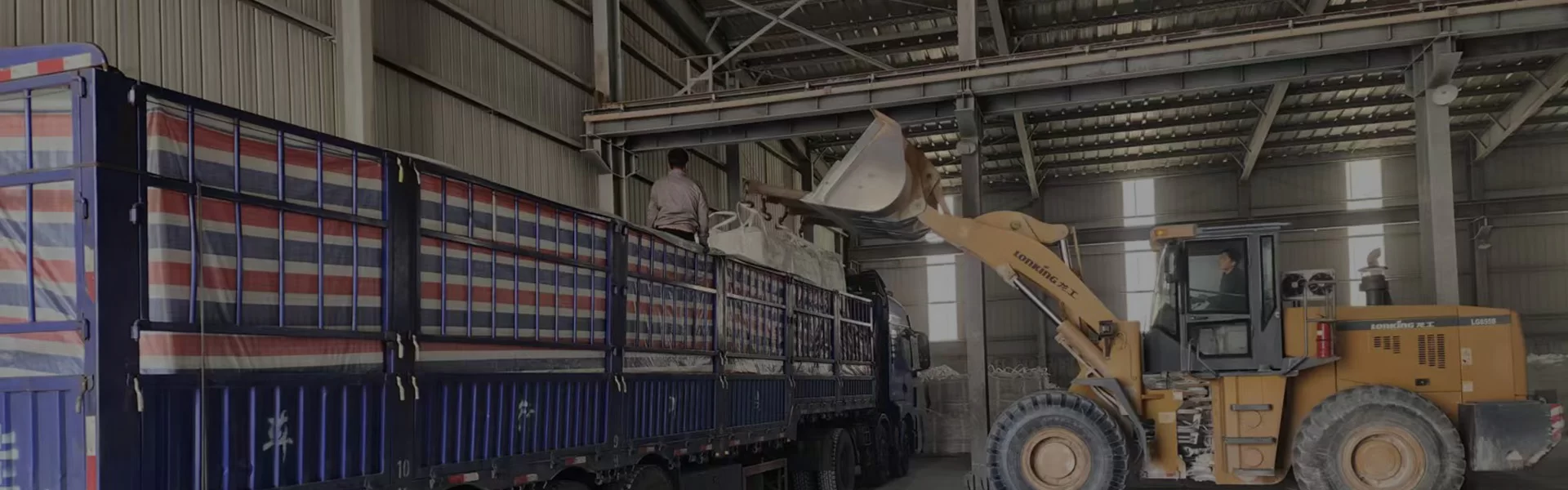
Shijiazhuang Fengersheng Mining Co., Ltd. addresses this supply chain volatility with stability rooted in over four decades of operational excellence. Established in 1982, we have evolved from the No.1 Mica Factory in Lingshou County to a global powerhouse with an annual production capacity exceeding 200,000 tons. By controlling the entire process—from mining and processing to logistics—we ensure that the mineral reinforcements required for high-performance coatings meet rigorous international standards. Our commitment to integrity and quality makes us the preferred partner for industries requiring durable Glass Flake Reinforced applications in over 120 countries worldwide.
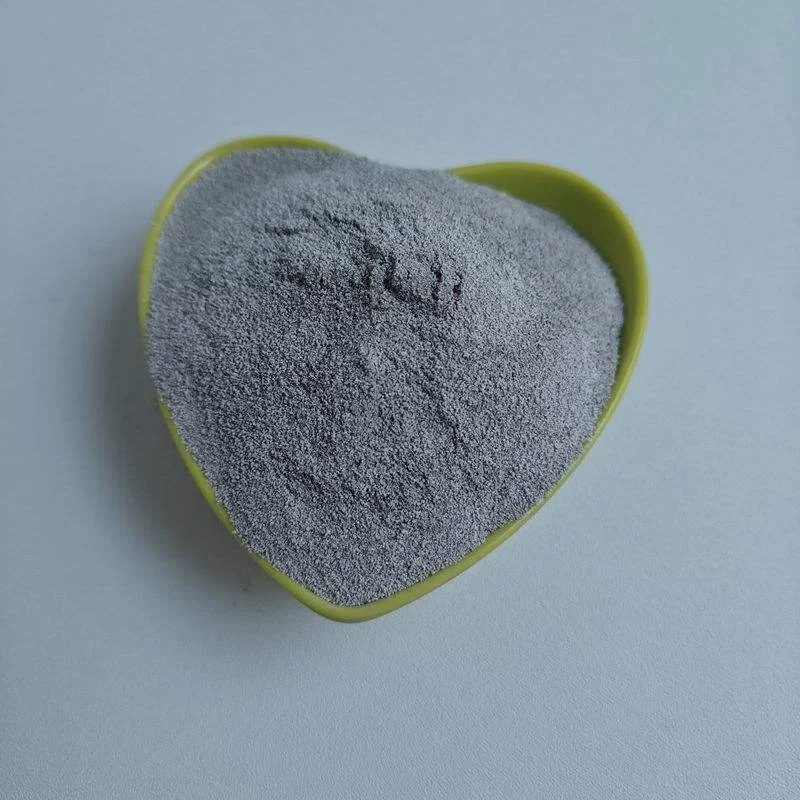
The barrier mechanism of a coating is directly proportional to the geometry and chemical stability of the reinforcement material. To achieve a true "tortuous path" effect—which significantly slows the permeation of moisture and corrosive ions—the Glass Flake Reinforced material must exhibit precise particle size distribution and chemical inertness. Variations in flake thickness or purity can compromise the structural integrity of the final composite, leading to blistering or delamination under service conditions.
Leveraging our position as one of North China's largest mineral bases, we employ international standard testing to guarantee material performance. Our processing systems are designed to preserve the high aspect ratio of flakes while maintaining the chemical resistance essential for heavy-duty applications. Below is a breakdown of how our production standards elevate the performance of Glass Flake Reinforced composites.
| Performance Metric | Industry Significance | Our Engineering Standard | Advantage |
|---|---|---|---|
| Chemical Resistance | Prevents degradation in acid/alkali environments. | High-purity mineral composition (Inert). | Ensures long-term stability in Glass Flake Reinforced linings used in petrochemical sectors (CNPC/Sinopec standards). |
| Flake Aspect Ratio | Critical for creating the permeation barrier (Tortuous Path). | Precision milling and screening technology. | Maximizes the overlapping layers within the resin matrix for superior impermeability. |
| Dimensional Stability | Reduces shrinkage and thermal expansion stress. | Consistent density and low coefficient of thermal expansion. | Prevents micro-cracking during temperature fluctuations, extending coating life. |
| Purity & Cleanliness | Contaminants cause osmotic blistering. | Rigorous ISO-aligned quality control. | Delivers a clean substrate for optimal resin adhesion in Glass Flake Reinforced applications. |
Strategic procurement views material selection not as a one-time cost, but as an investment in lifecycle asset management. Utilizing high-quality Glass Flake Reinforced materials significantly extends the maintenance intervals of industrial assets, reducing downtime and replacement costs. While lower-grade fillers may offer immediate savings, they frequently result in accelerated coating failure, necessitating expensive re-application and halting production.
With an annual export volume of over 80,000 tons and a presence in major markets including Asia (50%) and North America (30%), Fengersheng Mining understands the global demand for cost-effective yet superior performance. Our "new materials" division focuses on sustainable and high-density solutions that drive down the total cost of ownership. By integrating our consistent, high-grade reinforcements into your supply chain, you secure a competitive advantage through enhanced product durability and reduced liability.
Related products
Top Selling Products


If you are interested in our products, you can choose to leave your information here, and we will be in touch with you shortly.