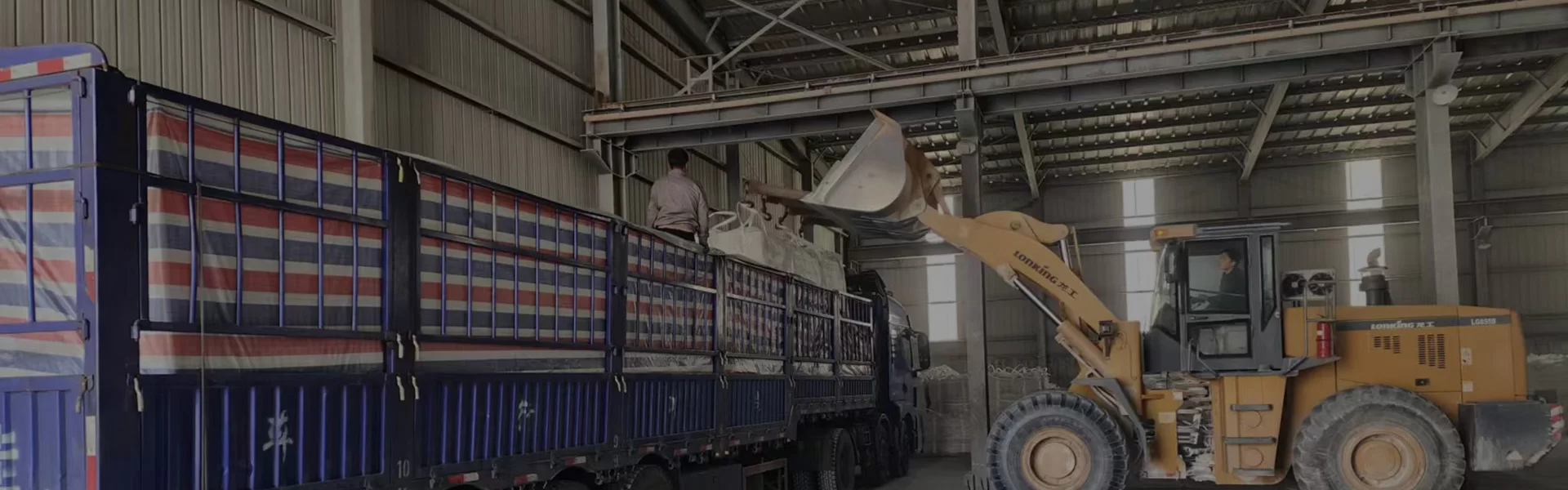
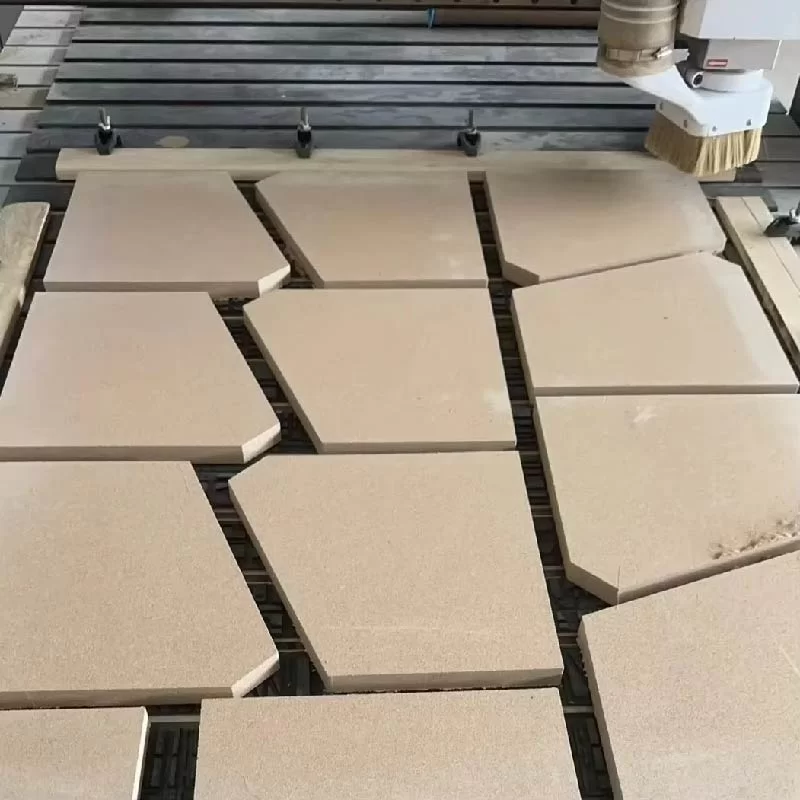
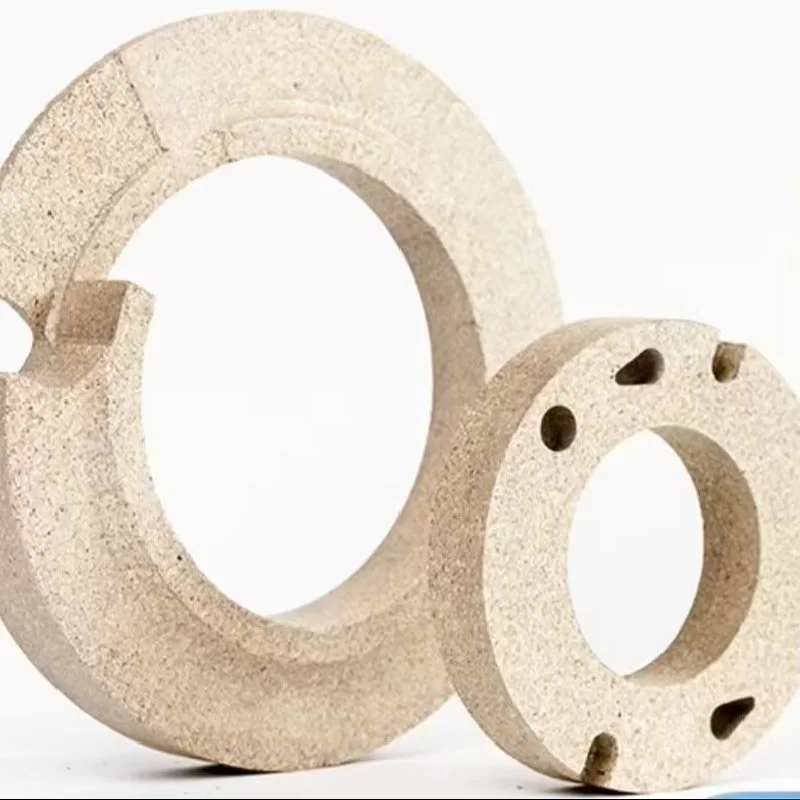
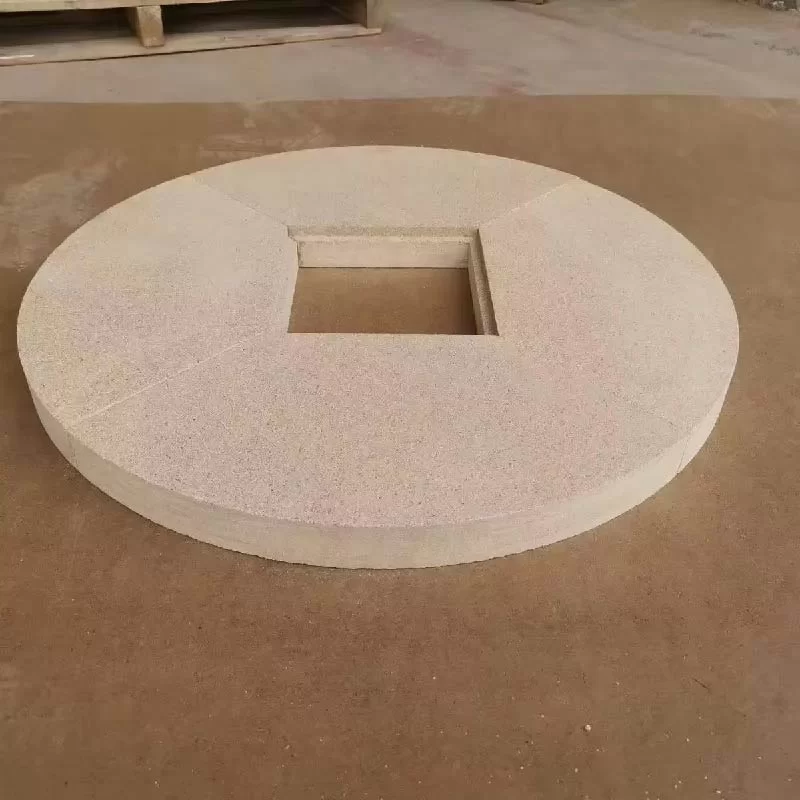
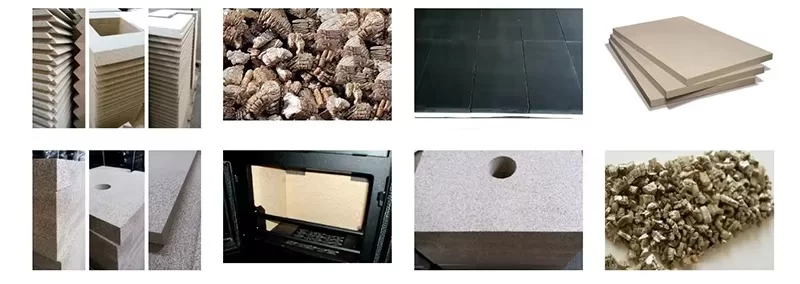
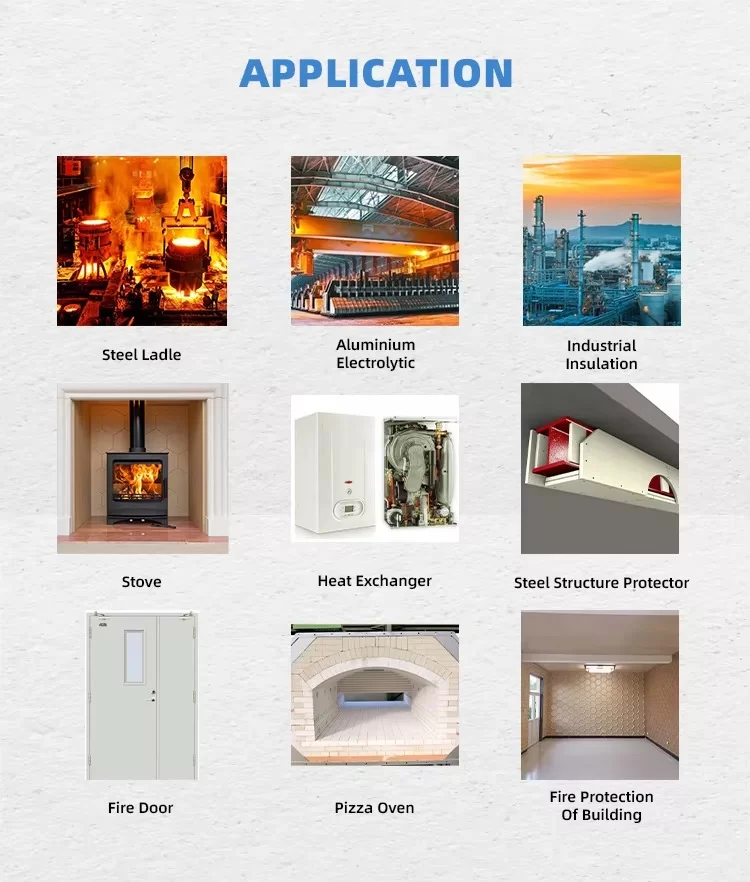
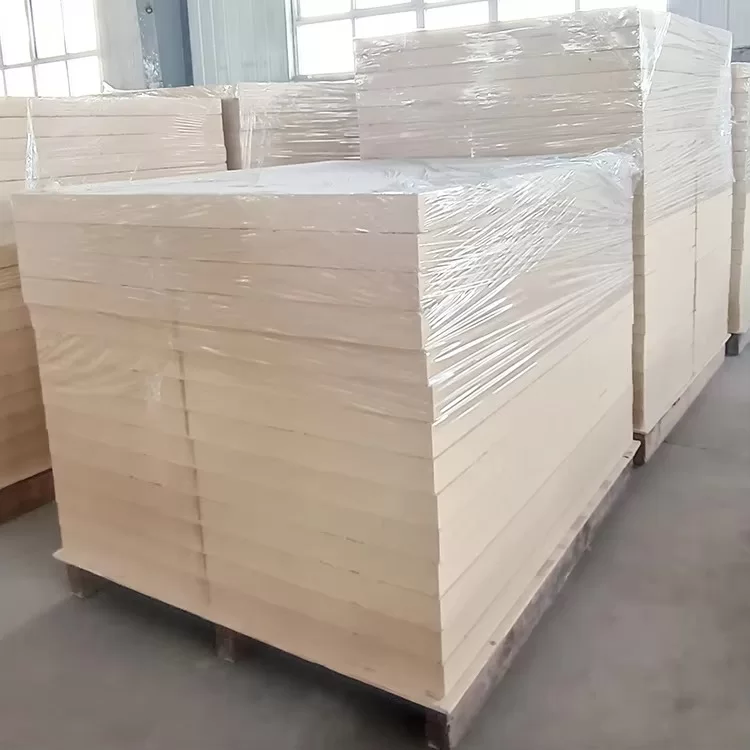
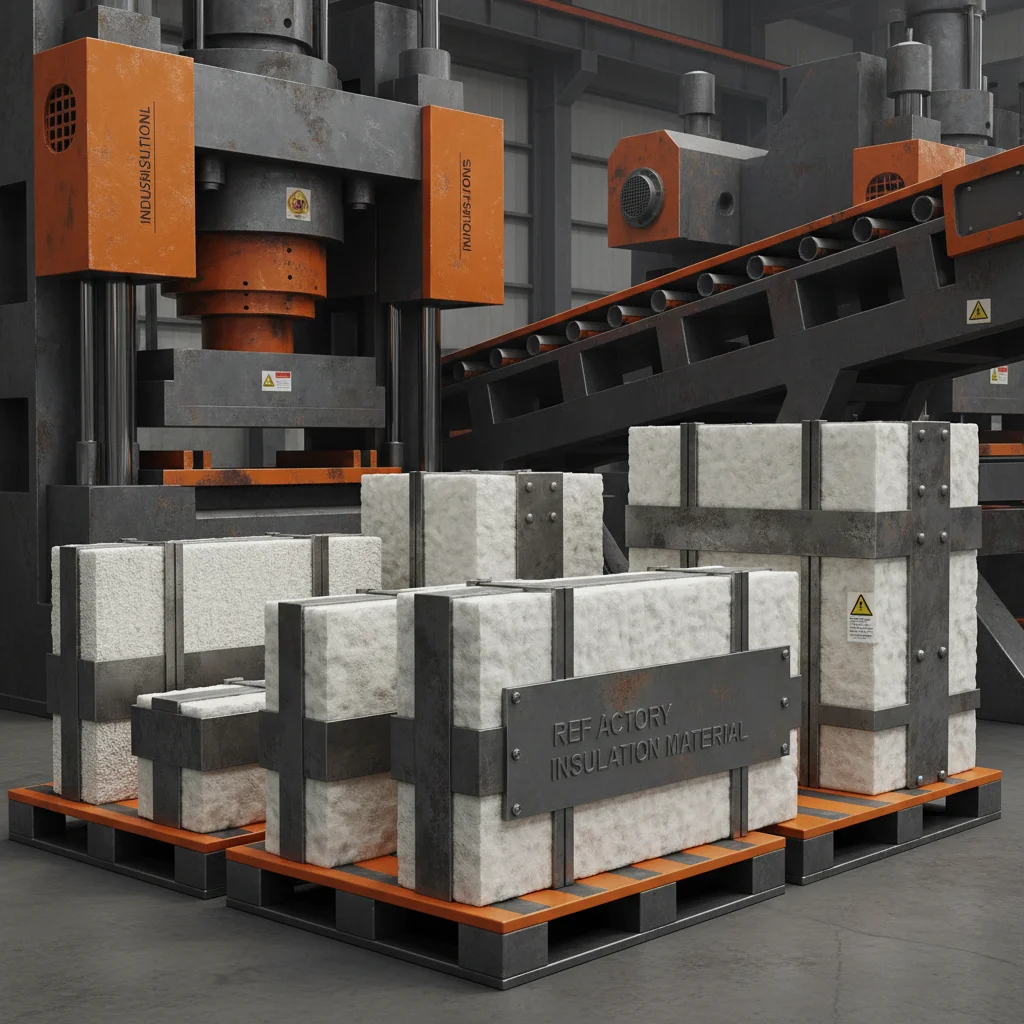
Vermiculite boards are dense yet lightweight composite panels, made by pressing expanded vermiculite with inorganic binders. They boast high fire resistance (withstanding high temperatures), good thermal stability, and low thermal conductivity. Suitable for fireproof partitions in buildings, heat-insulating layers for industrial pipelines, and even as safe backing boards for heaters, meeting strict safety and insulation standards.
Vermiculite boards are eco-friendly, rigid panels produced by combining expanded vermiculite with non-toxic binders. They offer strong moisture resistance, sound dampening, and fire retardancy, requiring minimal maintenance. Often used as safe wall claddings in homes, insulation for electrical enclosures, and backing for fireplaces, fitting both residential and industrial safety-focused needs.
Vermiculite boards are durable, easy-to-cut panels made from expanded vermiculite bonded with stable adhesives. They have low smoke emission when exposed to fire, good thermal insulation, and chemical inertness. Widely applied in fire-rated doors, equipment insulation in power plants, and kitchen backsplashes, ideal for scenarios demanding safety and heat resistance.
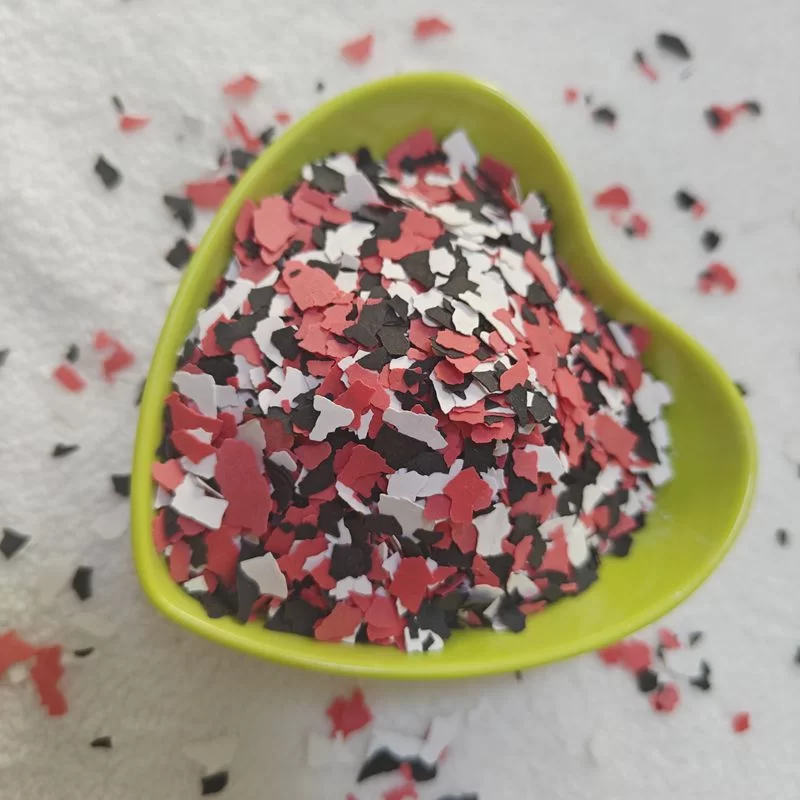
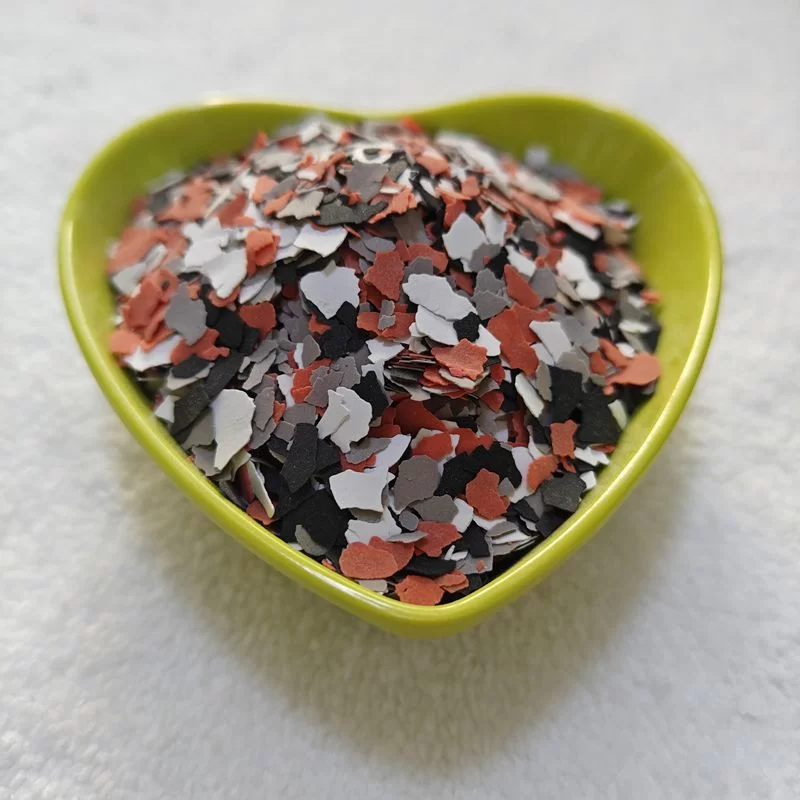
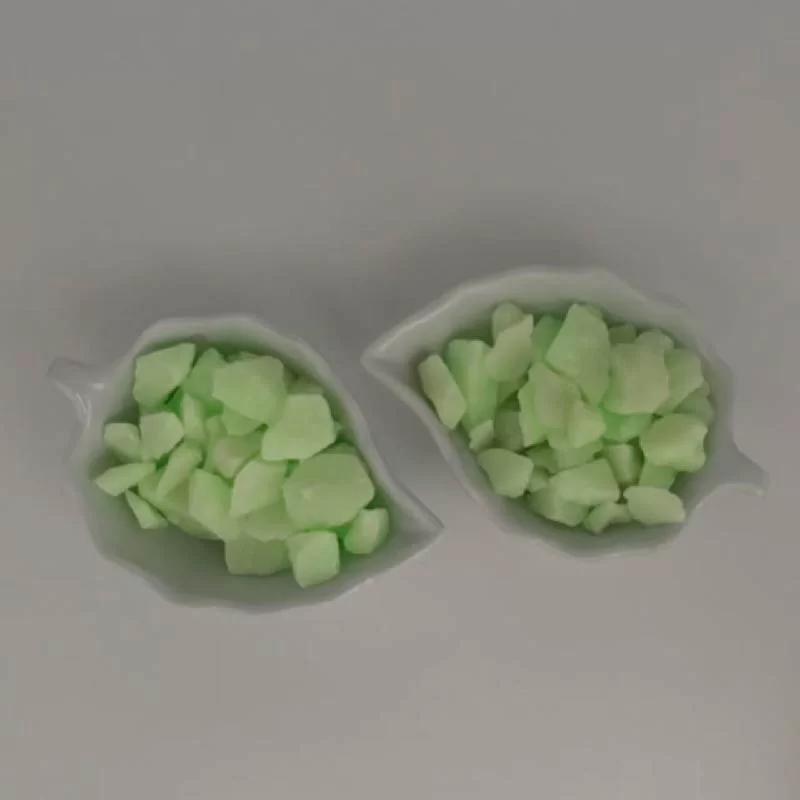
Premium natural rock flakes for architectural coatings and stone-effect finishes. Excellent UV resistance and color stability. Ideal for exterior wall coatings, waterproof systems, and decorative applications. Available in 6-10 mesh to 40-60 mesh sizes.
Metallic colored rock flakes for premium special effect coatings. Custom metallic effects including gold, silver, and bronze finishes. Enhanced reflectivity and depth for high-end architectural and design projects.
Naki Bentonite excels as a multi-functional material. It purifies water by adsorbing impurities, stabilizes drilling wells, and enhances soil quality—all thanks to its superior swelling and adsorption capabilities.
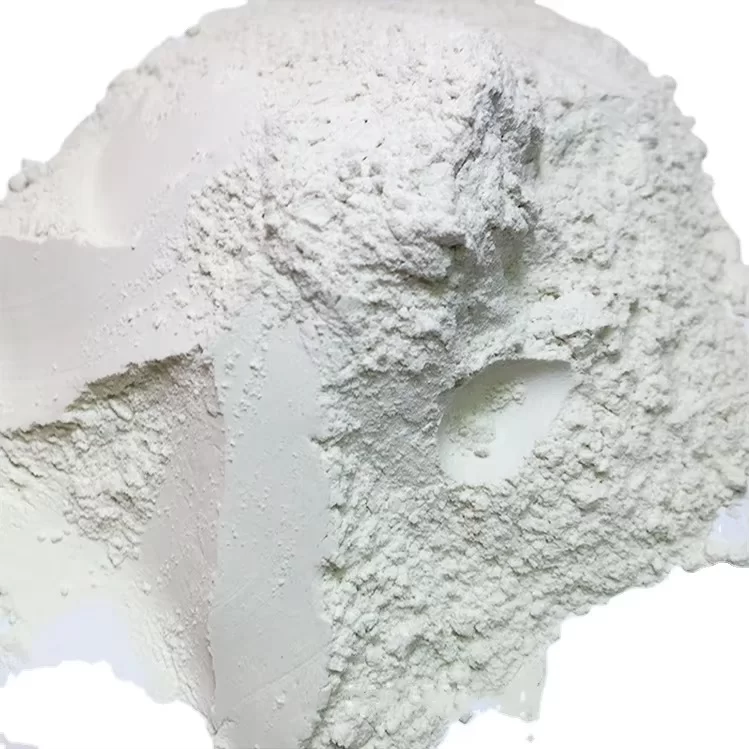
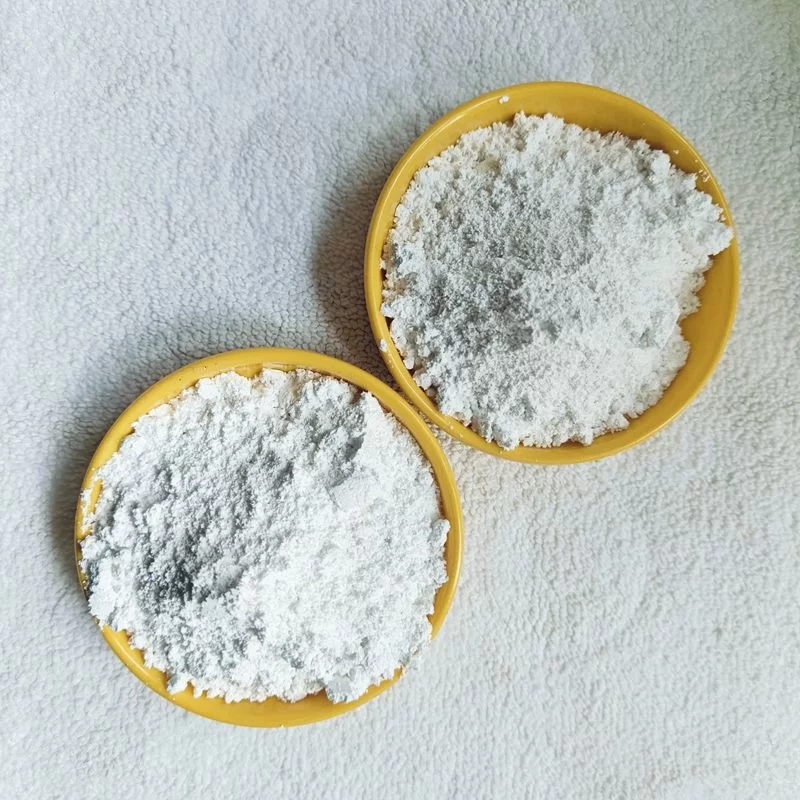
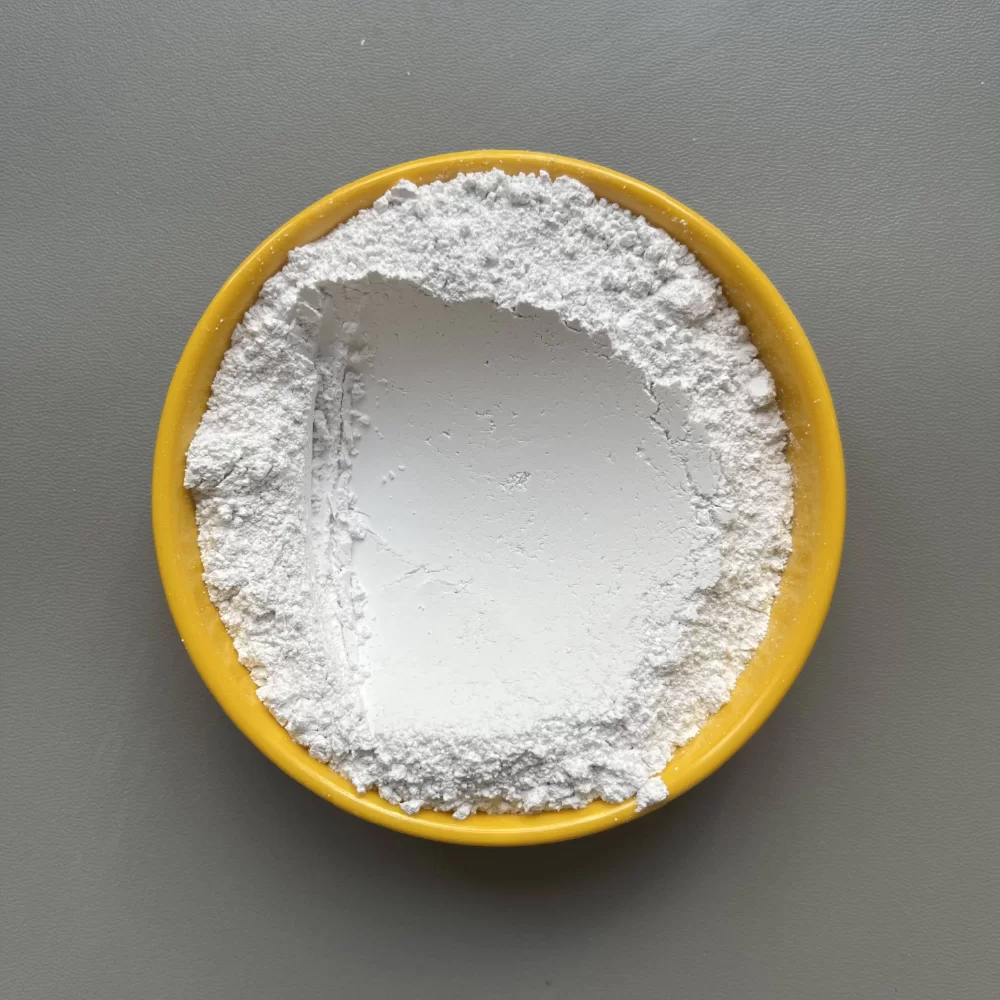
Light calcium carbonate typically presents a spindle or needle-like morphology, combined with a narrow particle size distribution. It boasts uniform particle size, high whiteness, large sedimentation volume, low oil absorption, excellent dispersibility, and high chemical purity. These superior properties make it a versatile choice across diverse industrial sectors, including plastics, rubber, papermaking, and coatings.
Glass-based luminous stones, functional decorative materials, are produced by combining high-quality rare earth long-lasting luminous materials with glass substrates through special techniques like high-temperature sintering or melting. They inherit glass’s crystalline transparency and hard texture, and are also endowed with the magical trait of self-luminescence at night, delivering a clear, cool, and strongly modern optical effect. Their uses span garden road paving, wall guidance signs, safety warning lines, water feature design, kitchen countertops, bathroom walls, and lobby feature walls.
Acidic talc powder for ceramic applications providing high whiteness, uniform humidity distribution, and excellent gloss. Prevents moisture-related discoloration and ensures consistent firing results.
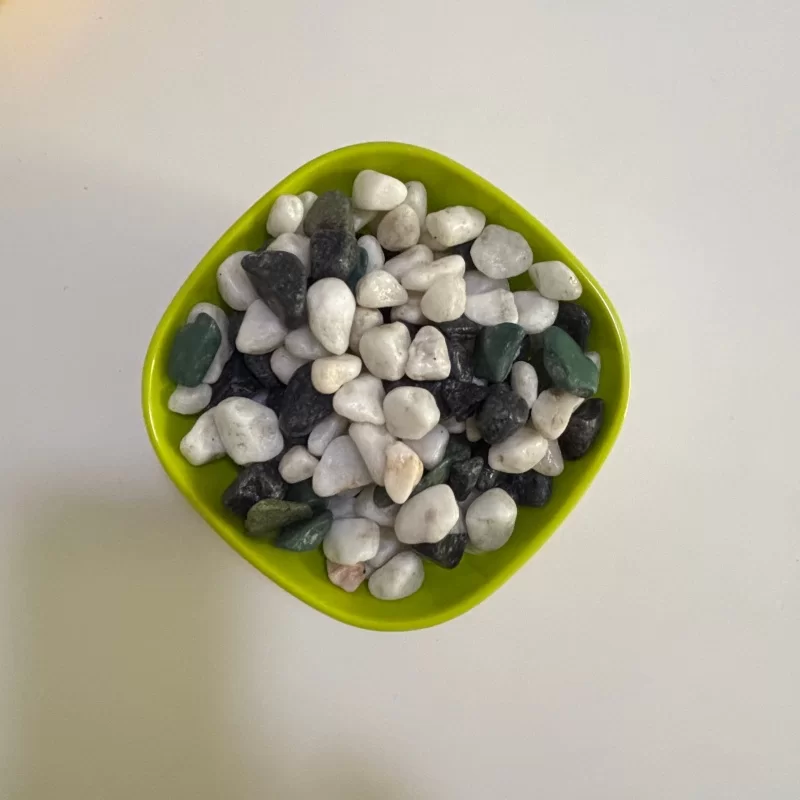
Pebbles do not pursue elaborate artificial carving; instead, they retain the traces shaped by time and natural forces to the greatest extent. Available in diverse colors and complete sizes, pebbles are widely used in landscape and construction fields thanks to their natural properties, water permeability, wear resistance and rich natural charm—such as paving and garden paths, water feature creation, cultural stone and stone cladding, and filter media.
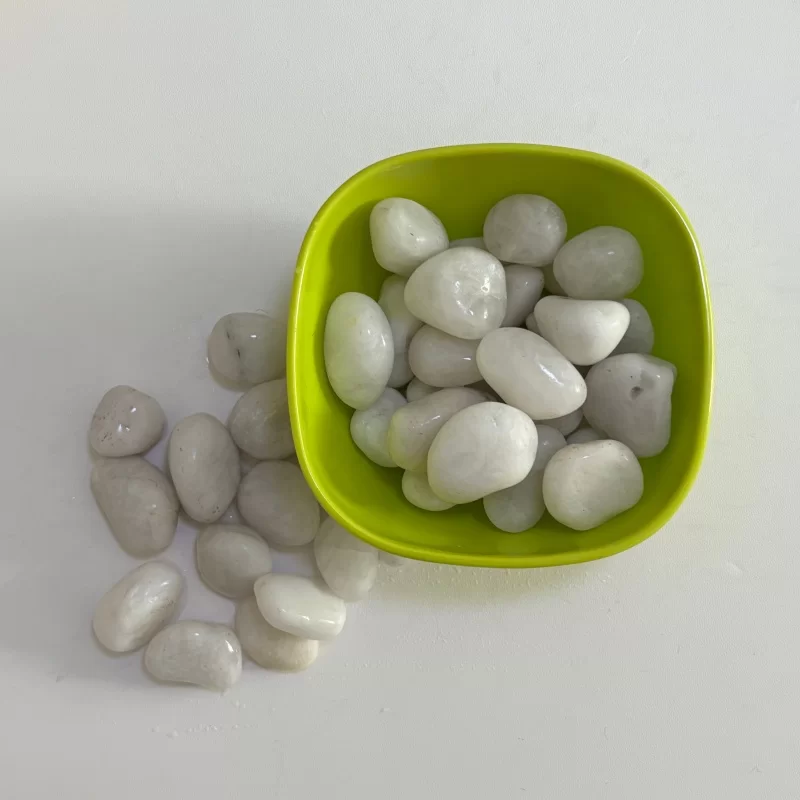
Polished pebbles are natural-collected stones processed via mechanical grinding and polishing to get a smooth, glossy surface. They keep the pebbles’ natural shape while gaining an artistic new life. With high aesthetic value and artistry, they’re mainly used in decoration and quality-of-life fields: indoor decoration & display, aquarium landscaping, bathroom decor, indoor fountain and small artificial water feature decoration, plus as an excellent material for crafts like paperweights, candlesticks, photo frames and creative ornaments.
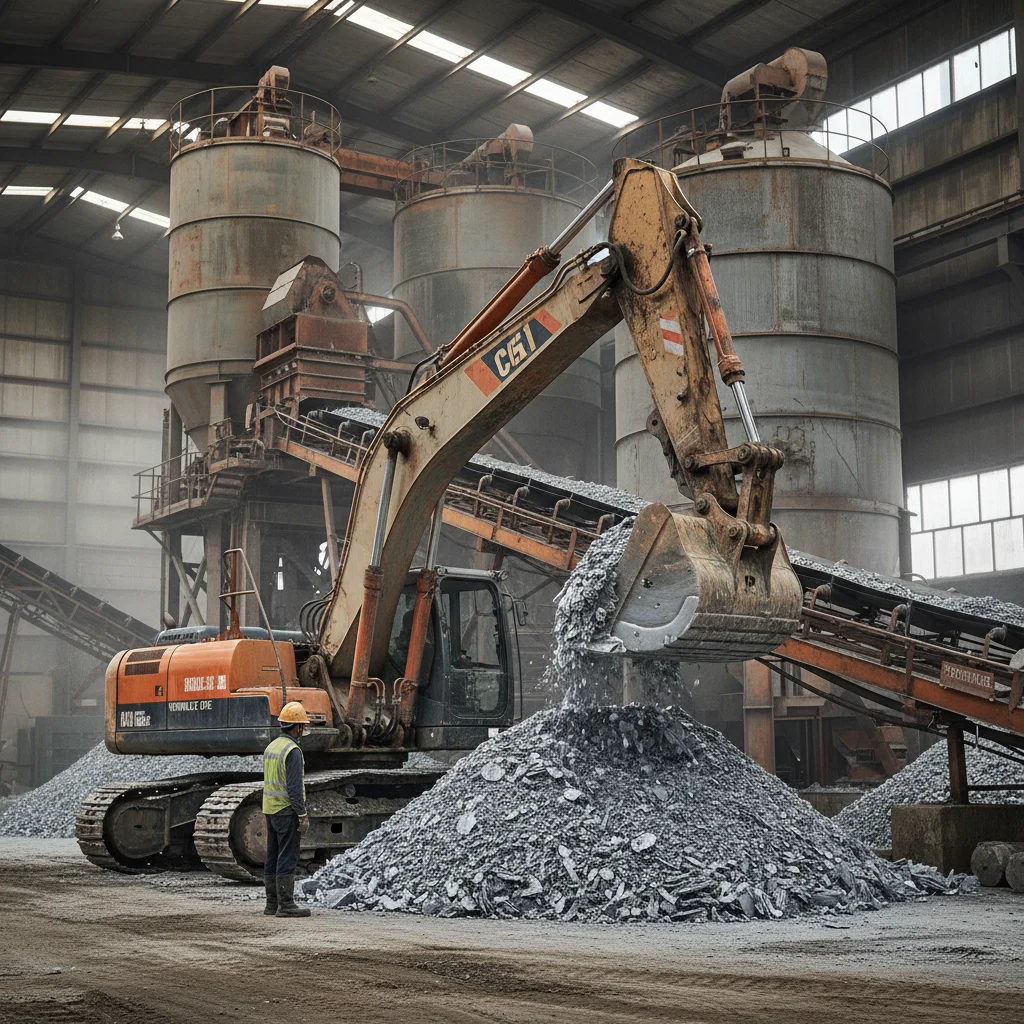


If you are interested in our products, you can choose to leave your information here, and we will be in touch with you shortly.