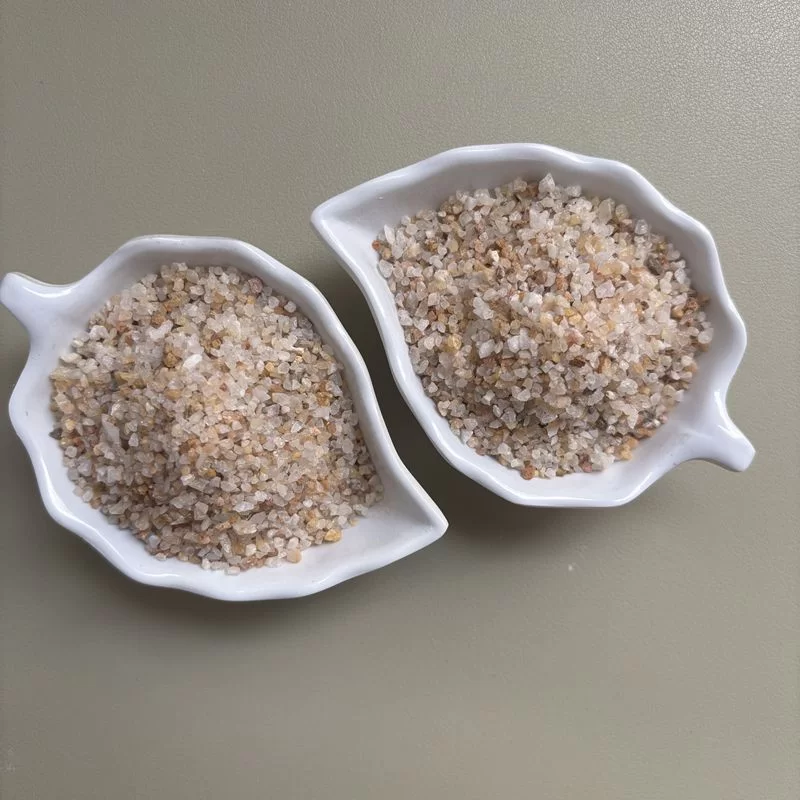
In sectors ranging from ceramics and coatings to drilling and agriculture, the inconsistency of raw material inputs often becomes the primary bottleneck for production efficiency. Manufacturers frequently face the challenge of sourcing mineral aggregates that balance high purity with reliable, large-scale availability. When the foundational material fluctuates in quality, the final product suffers, leading to increased rejection rates and compromised structural integrity.
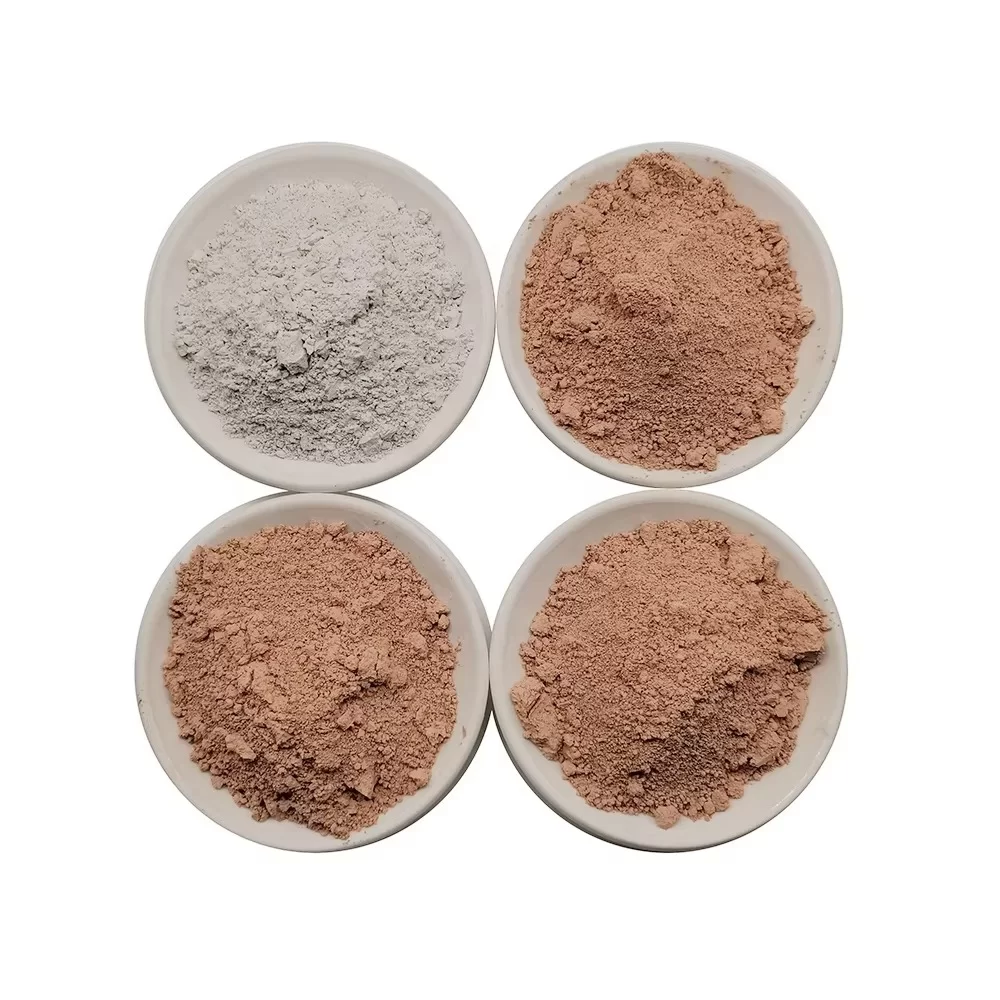
The Solution: Leveraging over 43 years of extraction and processing expertise, Shijiazhuang Fengersheng Mining Co., Ltd. addresses these pain points by delivering Industrial Grade Clay characterized by exceptional stability and consistency.
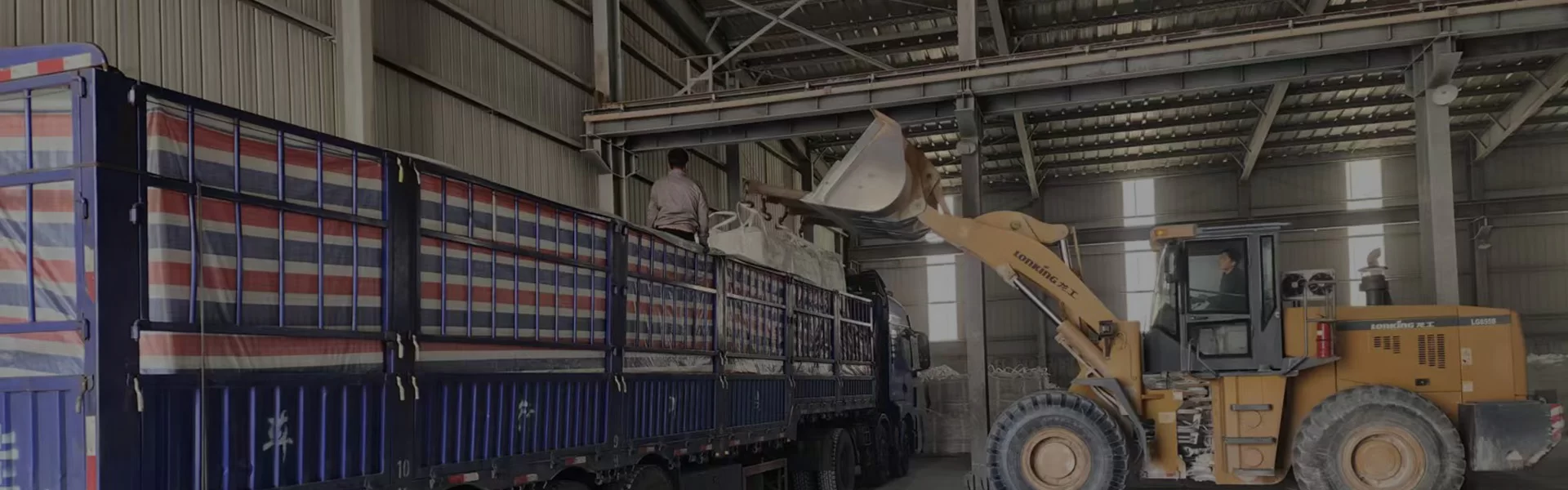
Moving beyond the limitations of standard sourcing, our facility—evolved from the renowned No.1 Mica Factory in Lingshou County—operates with an annual production capacity exceeding 200,000 tons. This scale allows us to buffer against market shortages while maintaining strict quality controls. By integrating mining, processing, and logistics into a single stream, we ensure that every batch of kaolin, bentonite, or diatomite meets the rigorous demands of modern industry, providing the reliability necessary for long-term operational success.
Integrating mineral additives into high-performance applications requires more than just generic extraction; it demands precise processing to ensure specific physicochemical properties. Whether utilized for its strong absorbency in environmental filtration or its heat resistance in foundry applications, the technical parameters of the clay dictate its suitability. We adhere to international testing standards to refine our natural mineral resources into engineered solutions.
Our approach ensures that key properties such as density, porosity, and chemical resistance are optimized for industrial application. The table below outlines how our processing benchmarks translate into tangible operational advantages for your specific industry vertical.
| Performance Metric | Industry Significance | Our Engineering Standard | Operational Advantage |
|---|---|---|---|
| Thermal Stability | Critical for ceramics, foundry, and refractory linings to prevent cracking under heat. | High heat resistance processing (Kaolin/Bentonite varieties). | Ensures structural integrity in high-temperature environments, reducing failure rates. |
| Chemical Inertness | Essential for coatings and plastics to prevent unwanted reactions with binders. | International standard purity testing for chemical resistance. | Maintains formulation stability, extending the shelf life and durability of the final product. |
| Absorbency & Porosity | Vital for drilling fluids, agriculture, and filtration systems. | Optimized pore structure (Diatomite/Bentonite). | Maximizes filtration efficiency and moisture retention, lowering material usage per unit. |
| Supply Consistency | Prevents batch-to-batch variance in automated manufacturing. | Unified processing system (Mining to Sales) with 200k ton capacity. | Eliminates the need for constant recalibration of production machinery. |
In a global market where supply chain security is paramount, selecting a vendor is a strategic financial decision. The mining industry has shifted towards a focus on strategic security and green development. Partnering with a supplier that exports over 80,000 tons annually to 120+ countries mitigates the risks associated with geopolitical logistics and localized shortages. By utilizing Industrial Grade Clay that is sourced and processed responsibly, manufacturers can secure a competitive edge through material reliability.
Furthermore, high-quality mineral additives contribute directly to cost efficiency. Superior dispersion and consistency in materials like China kaolin or bentonite reduce the volume required to achieve desired physical properties in the end product. This "value engineering" approach transforms raw material procurement from a cost center into an efficiency driver, as demonstrated by our long-term partnerships with giants like CNPC and Sinopec.
Related products
Top Selling Products


If you are interested in our products, you can choose to leave your information here, and we will be in touch with you shortly.