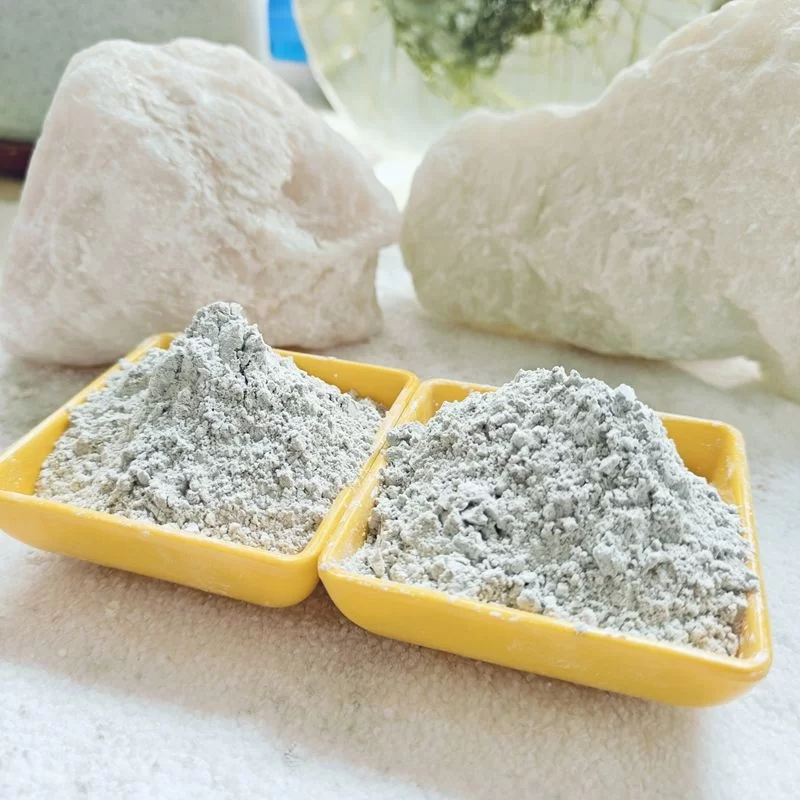
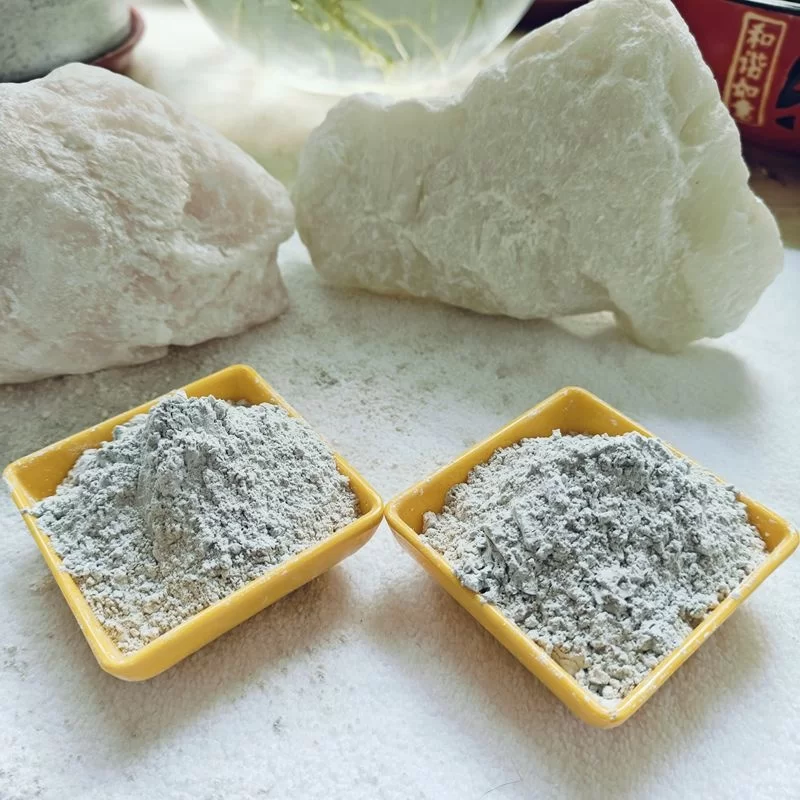
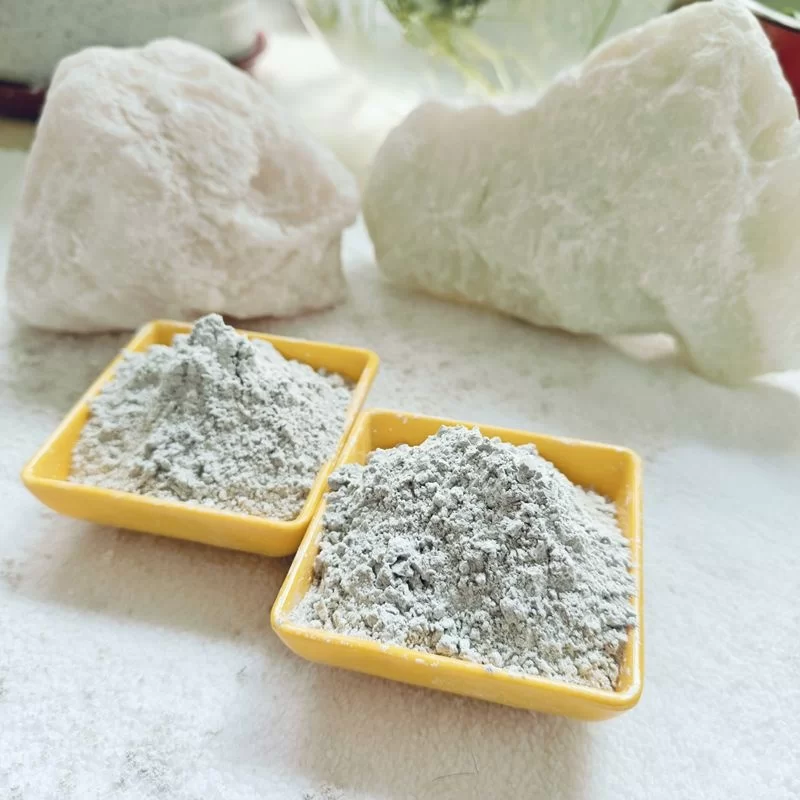
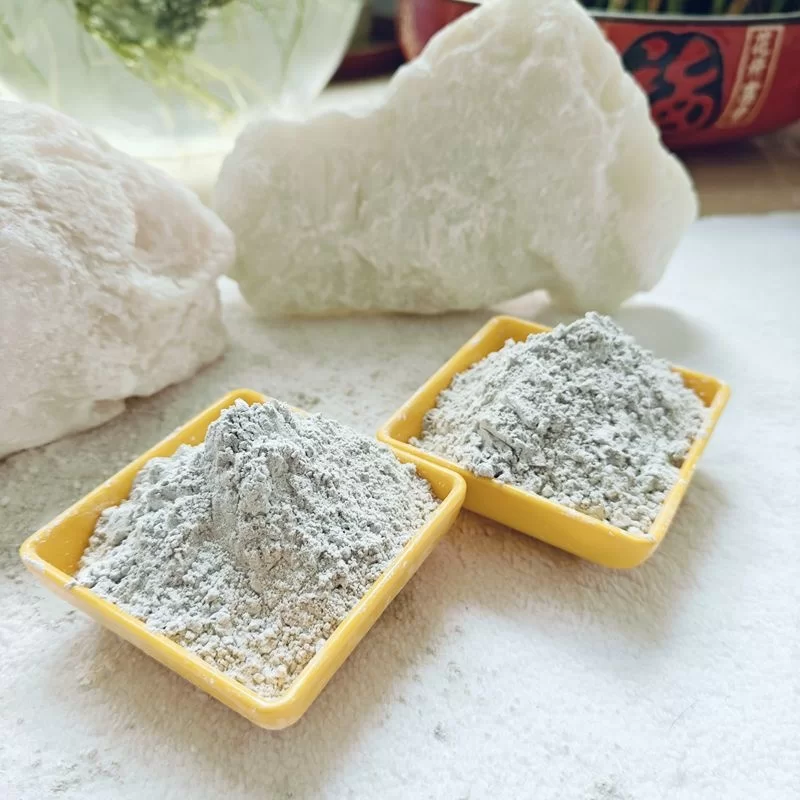
Product Introduction
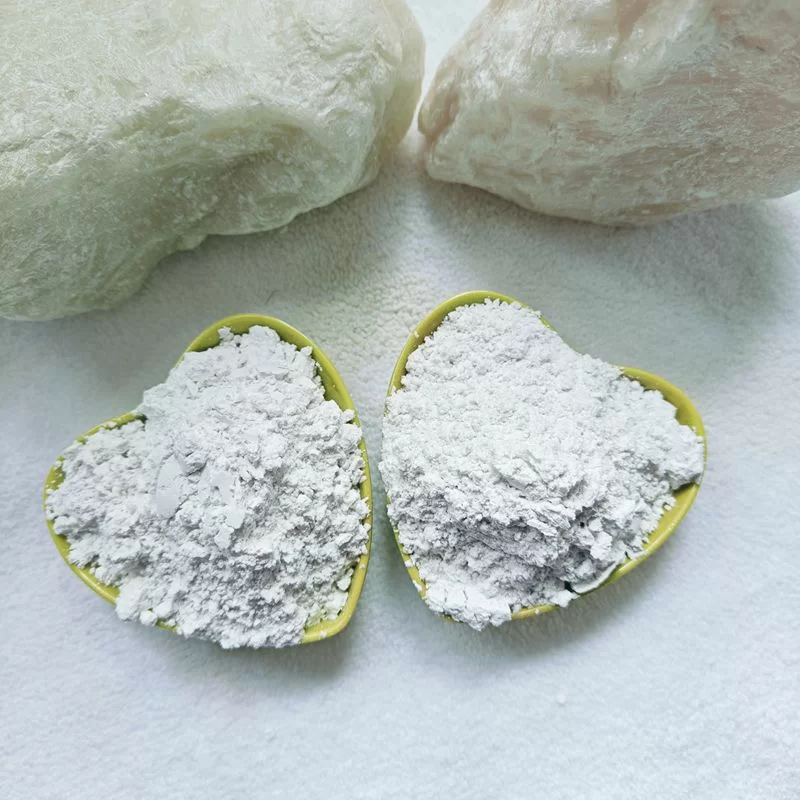
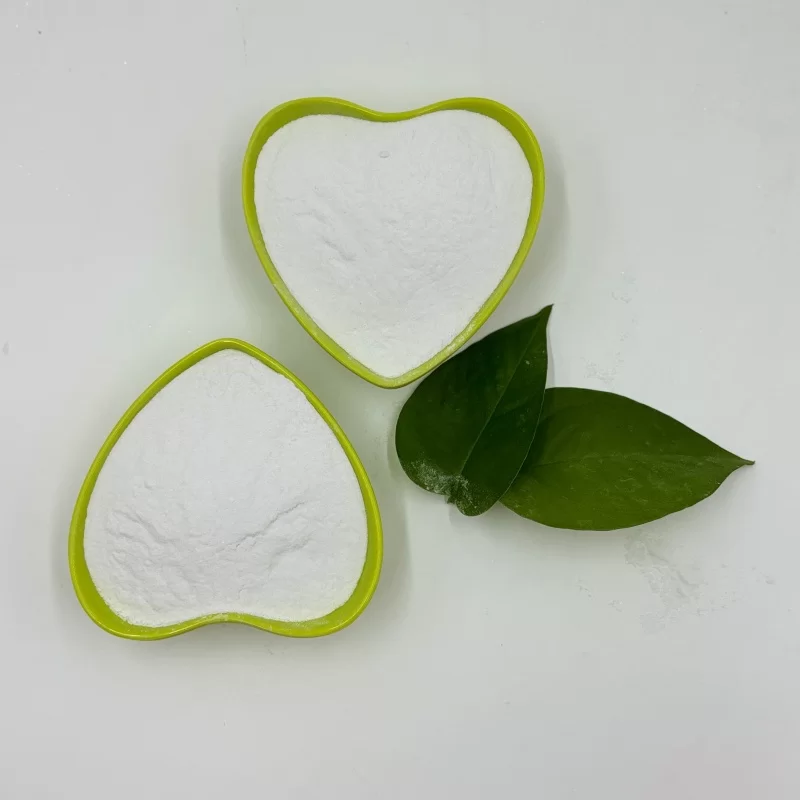
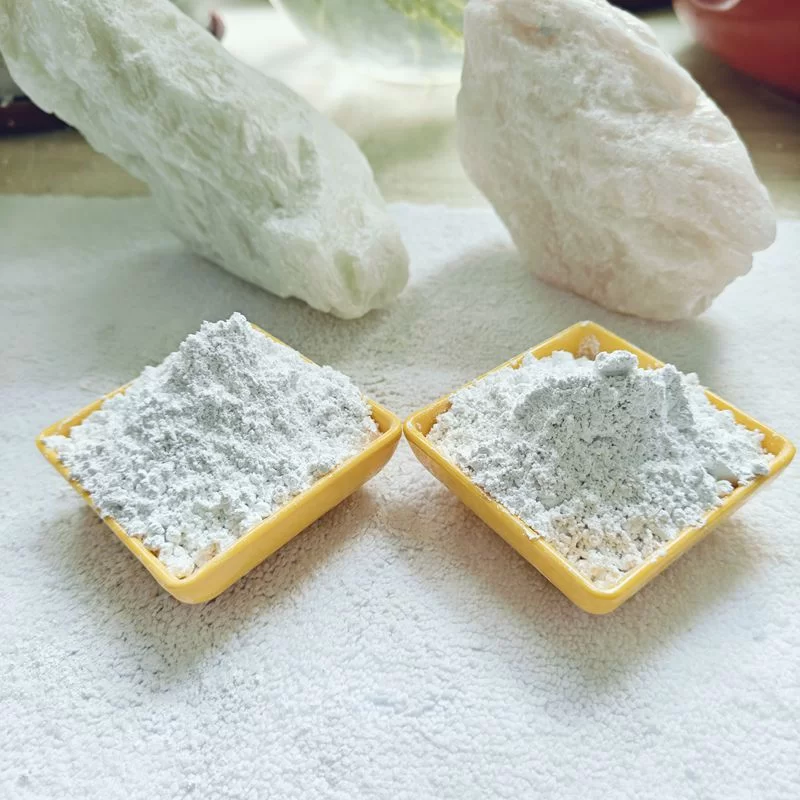
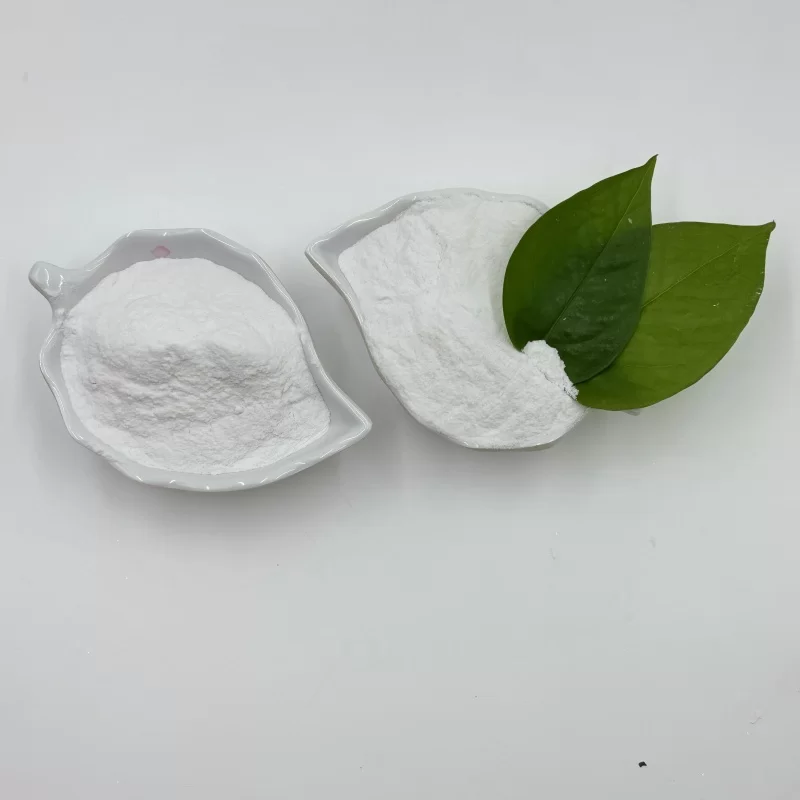
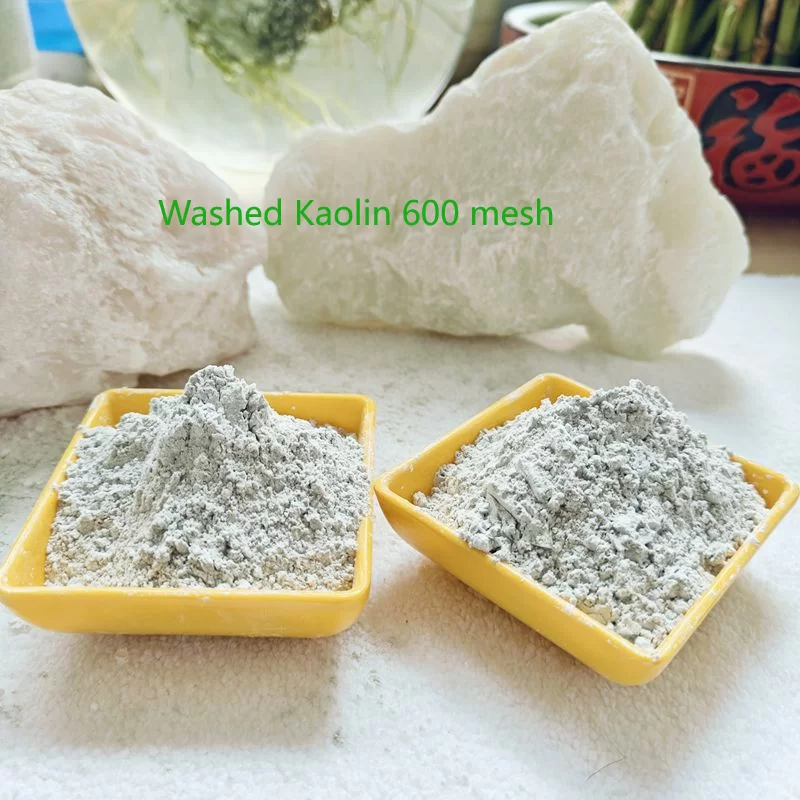
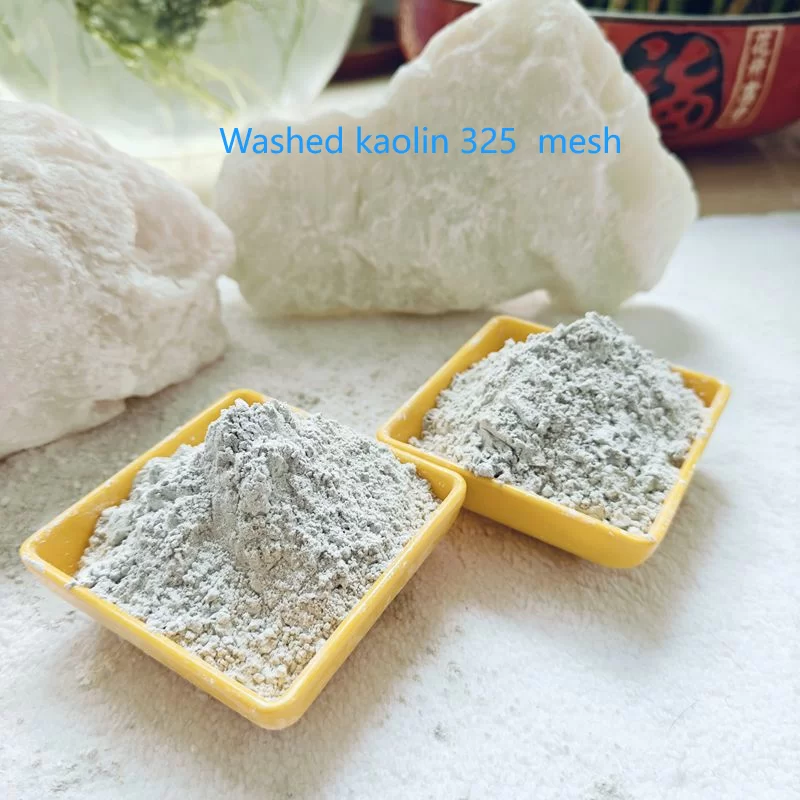
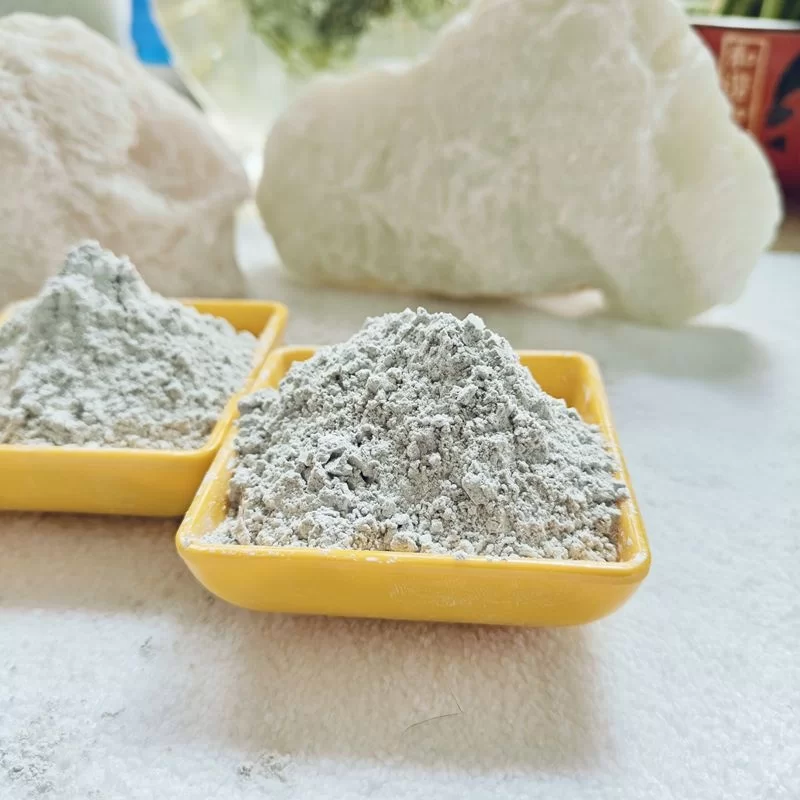
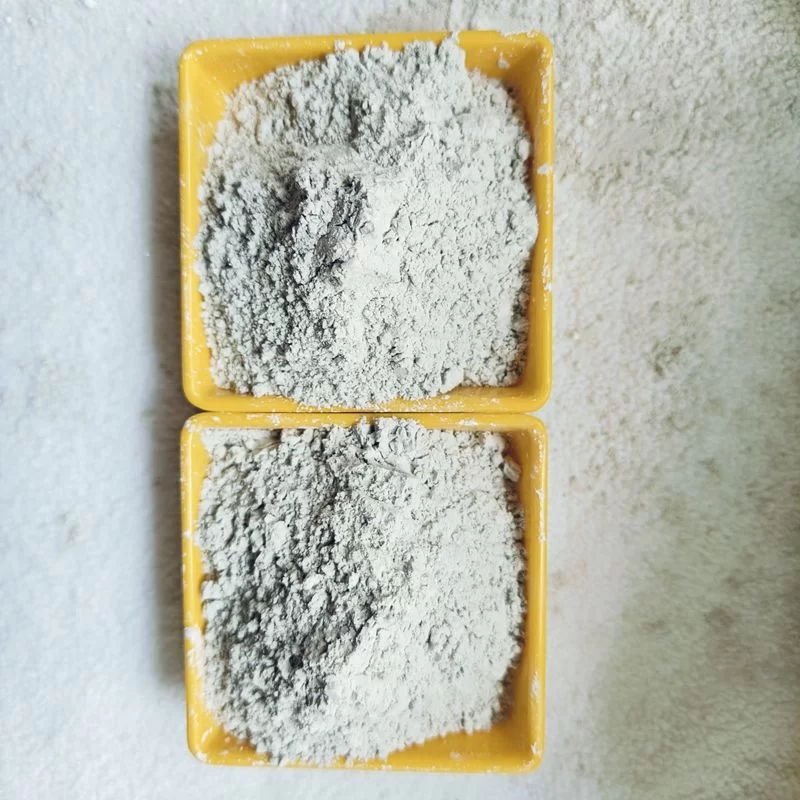
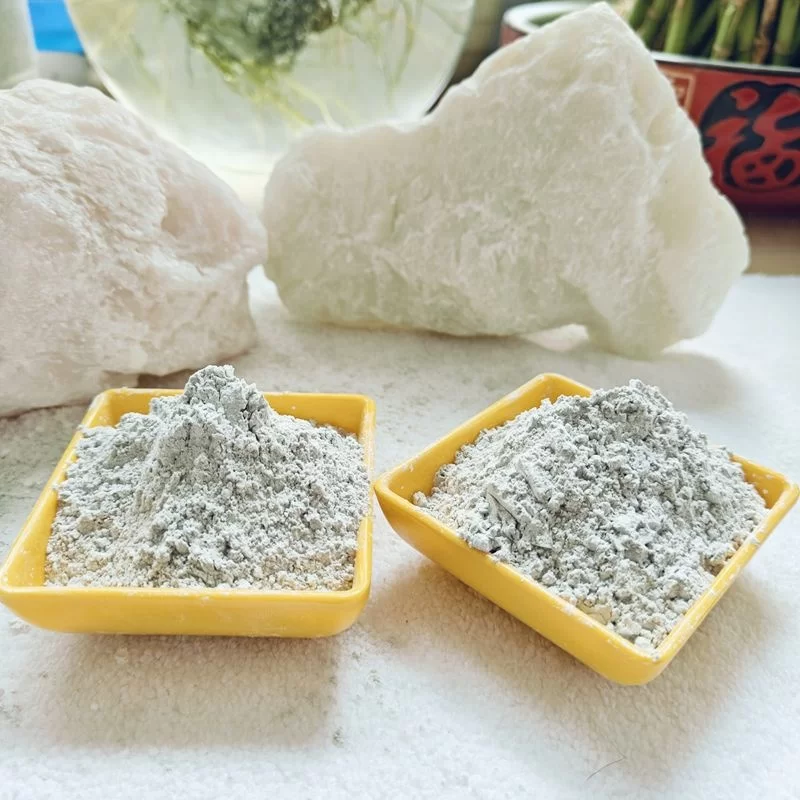
Our washed kaolin maintains kaolinite’s inherent stable flaky silicate crystal structure, requiring no high-temperature chemical treatment. It delivers key advantages: excellent electrical insulation, strong chemical inertness, and a hydroxyl-rich surface that bonds well with organic polymer molecular chains. This makes it a top-choice raw material for sectors including high-voltage electrical ceramics, daily-use/art ceramics, refractories, high-grade daily-use ceramics, coatings, paper filling, and rubber manufacturing.
Specification
Common sizes are 200 mesh, 325 mesh, 800 mesh, 1250 mesh, 4000 mesh, 6000 mesh. We also accept customization if you need.
Chemical indicators
Al2O3 | Si02 | Fe203 | CaO | MgO | K20 | Na20 | Ti02 |
67.41% | 51.90% | 0.84% | 0.02% | 0.13% | 2.36% | 0.01% | 0.03% |
Washed Kaolin technical parameter table, if you need other indicators, please send an inquiry.
Product Usage
Papermaking/Coatings/Inks/Rubber/Plastics/Refractory Materials/Cosmetics and Pharmaceuticals
Washed Kaolin Clay is a high-purity mineral additive specifically designed for rubber compounding applications. With its low impurity content, fine particle size, and excellent dispersibility, it enhances the performance, processability, and durability of various rubber formulations, including natural rubber (NR), styrene-butadiene rubber (SBR), nitrile rubber (NBR), and silicone rubber.
In rubber compounding, Washed Kaolin Clay serves as a reinforcing filler that improves mechanical properties such as tensile strength, elongation, and abrasion resistance. Its lamellar structure provides better stress distribution within the rubber matrix, reducing the risk of cracking, deformation, or premature wear during processing and end-use. The low impurity content ensures minimal interference with curing agents, accelerators, or other additives, resulting in predictable and consistent vulcanization.
Washed Kaolin Clay also enhances processability, facilitating easier mixing, extrusion, and molding. Its uniform particle size and chemical inertness allow it to disperse evenly in rubber compounds, reducing processing difficulties such as sticking, agglomeration, or uneven texture. This leads to smoother surfaces, consistent thickness, and improved aesthetic and functional quality of rubber products.
Additionally, the use of Washed Kaolin Clay contributes to cost efficiency. As a partial replacement for more expensive fillers, it maintains or enhances performance while reducing material costs. Its thermal stability also allows rubber products to withstand higher processing and operating temperatures without degradation, making it suitable for automotive components, industrial gaskets, hoses, belts, and other high-performance rubber applications.
Overall, Washed Kaolin Clay is an essential additive in modern rubber compounding, providing low impurity, high dispersibility, mechanical reinforcement, improved processability, and cost-effective performance. Its integration ensures durable, high-quality rubber products that meet the rigorous demands of industrial, automotive, and consumer applications.
Washed kaolin clay with low impurity content has become a widely recognized performance-enhancing filler in modern rubber compounding applications. Its refined mineral profile, uniform particle size distribution, and excellent chemical neutrality contribute directly to improvements in tensile strength, tear resistance, elasticity, and durability of finished rubber products. Compared with standard fillers such as calcium carbonate or talc, washed kaolin clay offers a significantly more functional reinforcing effect while maintaining balanced processing characteristics in both natural and synthetic rubber systems.
In rubber compounding, the structural enhancement offered by washed low-impurity kaolin clay stems from the clay’s lamellar microstructure and strong interfacial bonding with the rubber matrix. This results in better stress transfer and reduced crack propagation under mechanical load, extending product lifespan even under repetitive deformation or high-impact use cases. Industries such as automotive, industrial machinery, footwear, rollers, conveyor belts, and wire/cable sheathing increasingly prefer this material due to consistent reinforcing performance without major modifications to existing mixing or curing processes.
The refinement process that produces low-impurity washed kaolin also provides benefits beyond rubber mechanical performance. It removes unwanted minerals—such as iron oxides, carbonates, and silica impurities—that would otherwise compromise product consistency or cause color deviations. This high mineral purity also improves rubber compound processing efficiency by lowering abrasiveness, improving scorch safety, and stabilizing plasticity during mixing, milling, and vulcanization. Rubber manufacturers therefore gain not only technical performance advantages but also smoother production workflows and reduced long-term equipment wear.
It is also worth noting that washed kaolin clay maintains valuable cross-industry compatibility, particularly with ceramics and pottery applications. Many raw material suppliers integrate washed kaolin into formulation systems involving Clay Pottery, clay For Pottery, and white Clay For Pottery, due to overlapping mineral standards required in ceramic shaping, glazing, and sintering. For higher-temperature firing applications, specialized grades such as calcined Kaolin Pottery Clay and kaolin Ceramic Powder are also produced, offering thermal conversion properties and controlled whiteness levels suitable for ceramic bodies and porcelain. Meanwhile, raw Kaolin Clay continues to serve as a versatile base material across both industrial filler and ceramic markets, making kaolin highly adaptable in global supply chains.
Overall, washed low-impurity kaolin clay represents a reliable, performance-driven solution for upgrading mechanical strength properties in rubber compounding. Its combination of reinforcement capabilities, processing efficiency, purity control, and multi-industry compatibility ensures continued demand across technical, industrial, and consumer-grade rubber production fields.
Beyond mechanical reinforcement, washed low-impurity kaolin clay is highly valued in rubber compounding for its thermal stability and heat-resistant behavior. In automotive under-the-hood applications, industrial high-temperature conveyor belts, wire and cable insulation, and chemical processing components, resistance to thermal degradation is critical for product safety and lifetime performance. Kaolin clay’s inherent mineral structure—consisting of hydrated aluminosilicates—provides an excellent barrier against thermal deformation, oxidation, and softening when exposed to sustained or cyclic heat environments.
When integrated into rubber compounds, washed kaolin clay improves heat resistance by reducing polymer molecular mobility and enhancing thermal insulation characteristics. This reduces internal heat build-up during dynamic operations, minimizing premature failure caused by thermal fatigue, rubber hardening, or cracking. Low-impurity washed grades are especially important because contaminants such as iron or organic residues can catalyze thermal degradation. Therefore, cleaner mineral composition ensures more stable performance under prolonged thermal conditions and improves rubber’s retention of elasticity over time.
From a manufacturing standpoint, washed kaolin clay also improves thermal stability during curing and vulcanization stages. Rubber processors benefit from expanded scorch time, reduced reversion, and more predictable cure kinetics—all of which contribute to higher production yields and more consistent product quality. These advantages are desirable across a wide range of elastomer systems ranging from natural rubber (NR) to synthetic rubbers such as EPDM, SBR, NBR, and silicone compounds.
Interestingly, the same mineral characteristics that enhance rubber heat resistance also make kaolin clay widely used in high-temperature ceramic and pottery formulations. Materials used in Clay Pottery, clay For Pottery, and white Clay For Pottery rely on kaolin’s fine particle distribution and firing behavior to form dense ceramic bodies with smooth textures and controlled shrinkage. Meanwhile, calcination treatments produce calcined Kaolin Pottery Clay and kaolin Ceramic Powder, which undergo phase transformation and whiteness enhancement—making them ideal for porcelain, glaze, and advanced ceramic applications. For more traditional pottery and craft applications, raw Kaolin Clay maintains demand due to its plasticity, chemical inertness, and compatibility with blending systems.
Thermal and heat-resistant rubber products containing washed kaolin clay are widely deployed in industries that require long-term performance reliability, including automotive OEM components, industrial sealing, chemical hose production, aerospace insulation, and electrical protective coverings. By integrating washed kaolin clay into rubber compounding formulas, manufacturers gain a cost-effective route to improved thermal performance without resorting to expensive specialty fillers or complex additive systems.
In summary, washed low-impurity kaolin clay significantly enhances heat resistance, thermal stability, and long-term durability of rubber products operating under demanding temperature conditions. Its mineral purity, processing stability, and cross-industry compatibility make it a critical material for heat-resistant rubber manufacturing and ceramic engineering alike.
One of the major advantages of washed low-impurity kaolin clay in rubber compounding is its ability to deliver balanced performance at a highly cost-effective price point. Rubber manufacturers face ongoing pressure to optimize formulations due to fluctuating raw material costs, global supply chain changes, and increasing requirements for performance compliance. In this context, washed kaolin clay serves as an economical filler that not only reduces total formulation cost but also enhances reinforcement, processing behavior, and product surface quality.
As a filler, washed kaolin clay helps reduce the consumption of expensive polymers such as natural rubber, SBR, EPDM, or nitrile rubber. Unlike purely inert fillers, kaolin clay contributes functional value through improved tensile strength, abrasion resistance, crack control, and dimensional stability. This cost-to-performance ratio is particularly beneficial in high-volume manufacturing segments including footwear soles, conveyor belts, tubing, molded components, automotive parts, rubber sheets, and wire/cable insulation.
The washing and refinement processes remove unwanted pigments, iron oxides, carbon residues, and silica impurities—resulting in stable color tone, consistent whiteness, and improved dispersion within rubber matrices. Cleaner minerals also reduce rubber compound viscosity, improve extrusion smoothness, and contribute to reduced die swell—all of which support manufacturing efficiency and less product waste. Over time, these operational efficiencies translate directly into lower production costs.
Kaolin clay also integrates into ceramic and pottery industries, reinforcing its value as a cross-sector material. For example, materials such as Clay Pottery, clay For Pottery, and white Clay For Pottery depend on kaolin’s purity, texture, and firing properties to produce smooth ceramic bodies for both artisanal and industrial production. Higher-temperature products benefit from calcined Kaolin Pottery Clay and kaolin Ceramic Powder, which exhibit whiteness control and reduced shrinkage after firing. Meanwhile, raw Kaolin Clay maintains demand in blending and formulation stages due to its plasticity and ease of processing.
From a procurement perspective, washed kaolin clay offers several supply-chain advantages that contribute to cost effectiveness. It is globally available, scalable, and less price-volatile than many specialty fillers. The ability to standardize grade specifications ensures consistent batch-to-batch performance, simplifying international sourcing for manufacturers operating multi-facility production lines. Additionally, its compatibility with both natural rubber and synthetic elastomers means purchasing departments can optimize raw material inventories without fragmenting supply chains.
For industries producing mid-to-high volume rubber goods, the use of washed kaolin clay supports strategic cost reduction while maintaining adequate mechanical properties and processing behavior. Compared to more expensive reinforcing fillers such as silica, carbon black, or specialty silicates, kaolin clay provides a competitive performance level at a substantially lower cost. This economic efficiency, combined with technical compatibility and global availability, is why washed kaolin clay remains a cornerstone filler in rubber engineering and material formulation.
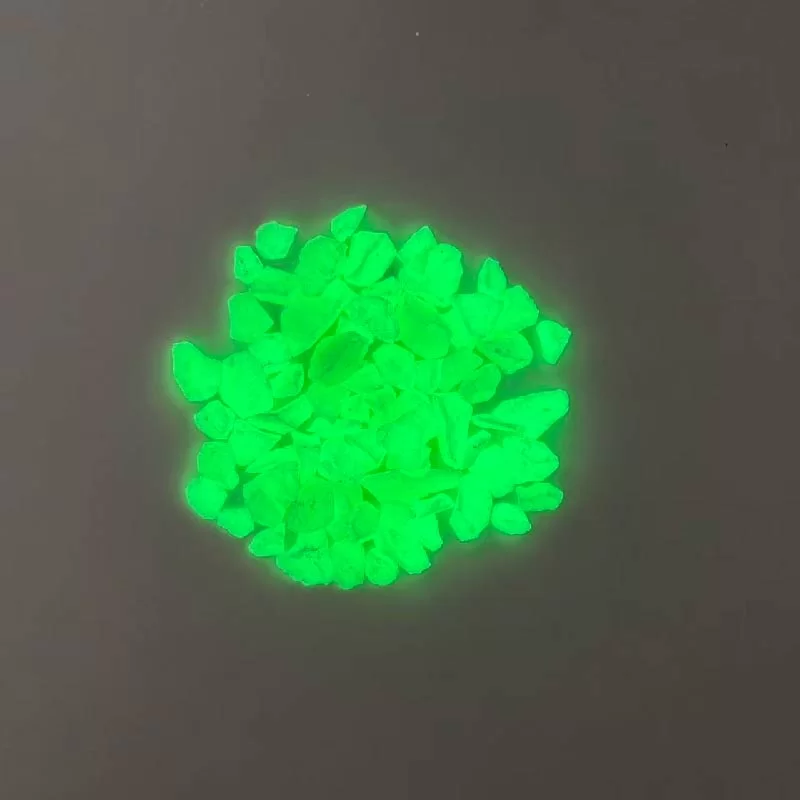
Resin-based luminous stones offer long glow duration, light weight with high strength, wear and weather resistance, safety and environmental friendliness, and easy installation. They can be customized in specific sizes, colors and luminous intensity according to project requirements, and are widely used in luminous walkways/paths, garden decoration, feature walls, safety indication and guidance, artistic decoration, as well as lighting for parks, river banks and bridges.
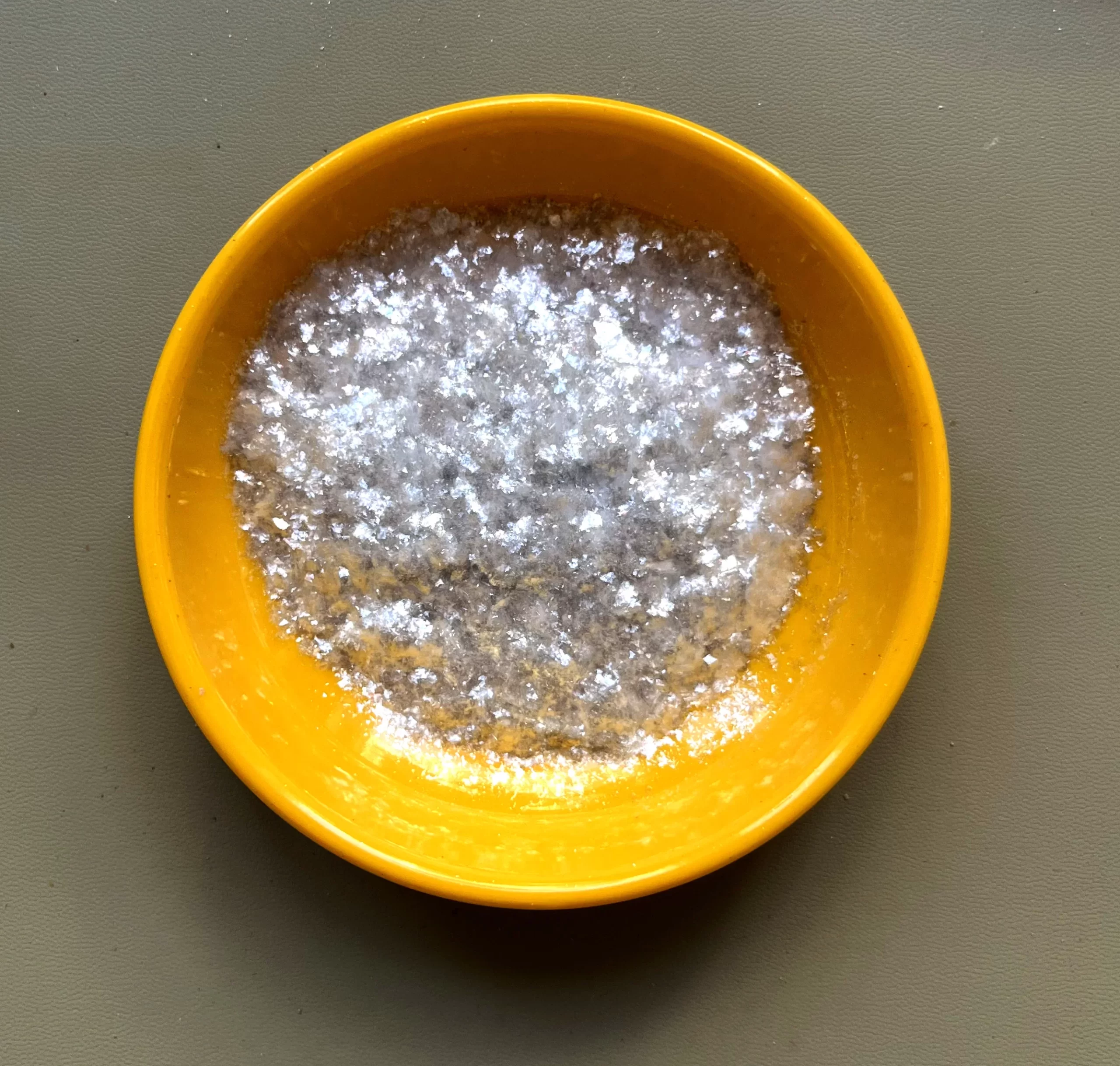
Synthetic Mica
Particle Size: 10-3000mesh
Function Feature
High purity: Free of iron impurities, does not easily discolor, and has a whiter and brighter color.
High temperature resistance: Withstands temperatures above 1000℃.
Strong chemical stability: Resistant to acids, alkalis, and UV rays; non-hygroscopic.
Excellent insulation performance: Low dielectric constant and high breakdown strength.
Environmentally friendly and safe: Free of heavy metals and radioactive substances, meets cosmetic and electronic grade requirements.
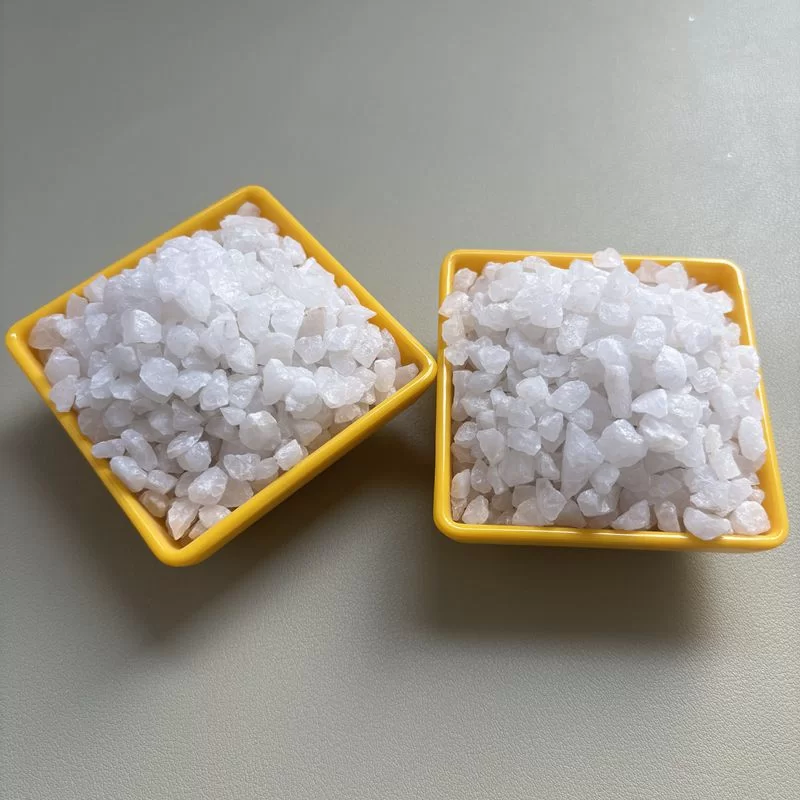
Semi-refined quartz powder strikes an excellent balance between cost and performance. Specially processed, it boasts significantly higher whiteness than ordinary quartz sand, while its iron content is strictly controlled to ensure chemical stability. This versatile material is ideal for ceramics, resin castings, and various industrial fillers, effectively improving product quality without significantly increasing costs.
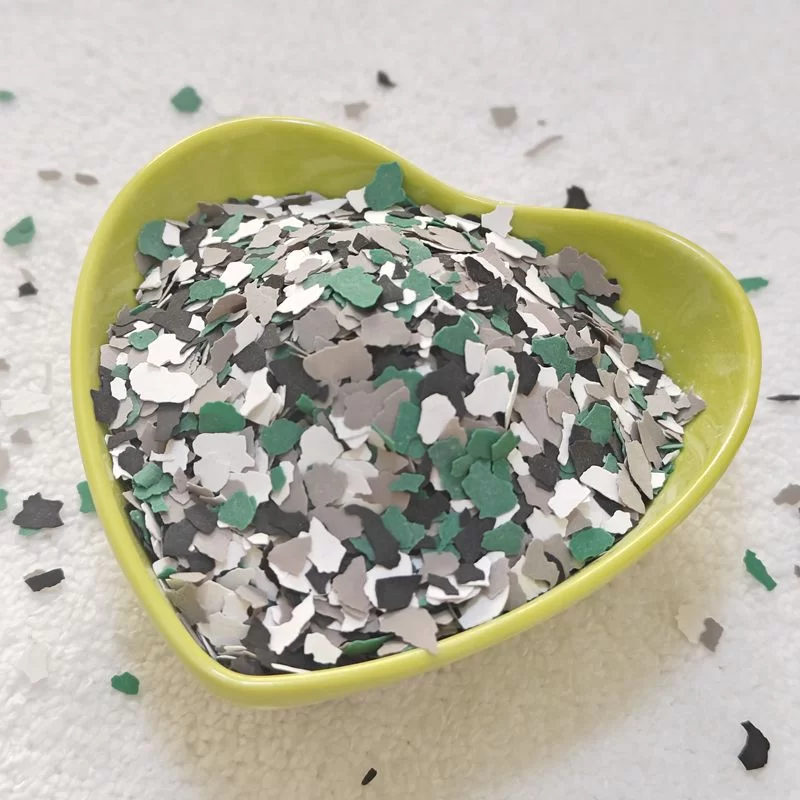
Fine grade natural rock flakes specifically for interior wall coatings and artistic finishes. 40-60 mesh size provides smooth texture and excellent coverage. Non-toxic, odorless, and environmentally safe for residential and commercial interiors.
Glass flakes are high-performance flaky glass fillers designed to boost anti-corrosion, wear resistance and barrier capabilities. Featuring a typical thickness of 2–10μm and diameter of 100–3000μm, they form a "labyrinth effect" in coatings/linings, which effectively stops corrosive media from penetrating and prolongs the service life of industrial equipment and structures.
Regarded as a high-performance "industrial monosodium glutamate", glass powder can notably improve the mechanical properties, durability and appearance quality of coatings, adhesives and plastics by virtue of its high hardness, chemical inertness and low oil absorption, and it has become an indispensable important functional filler in modern industry.
Derived from grinding natural carbonate minerals like calcite, marble, and limestone, Heavy calcium carbonate is a go-to powdered inorganic filler in multiple industries. It delivers core advantages: high chemical purity, strong inertness, chemical reaction resistance, stable thermal performance (no decomposition under 400℃), plus high whiteness, low oil absorption, low refractive index, soft texture, no crystal water, low hardness (minimal abrasion), non-toxicity, odorlessness, and great dispersibility. This makes it widely used in rubber, plastics, paints, water-based coatings, papermaking, concrete, and fireproof ceiling materials.
Glass powder is a high-performance "industrial monosodium glutamate". Leveraging its properties such as high hardness, chemical inertness and low oil absorption, it can significantly enhance the mechanical properties, durability and appearance quality of products like coatings, adhesives and plastics, making it an indispensable and important functional filler in modern industry.



If you are interested in our products, you can choose to leave your information here, and we will be in touch with you shortly.