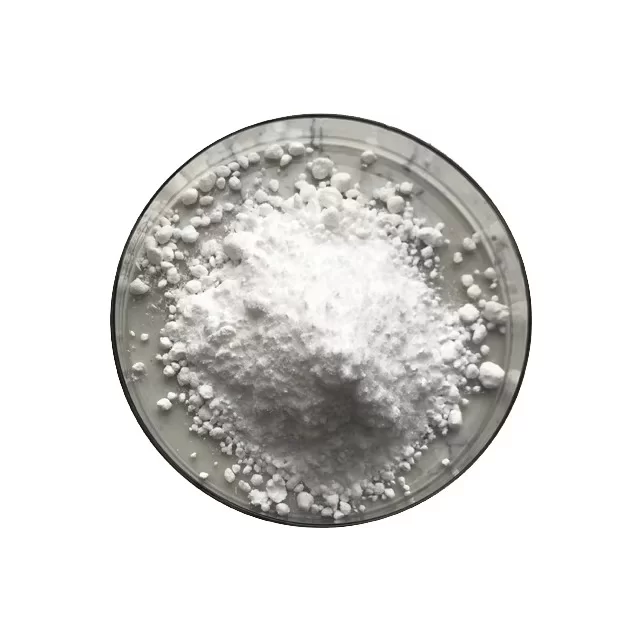
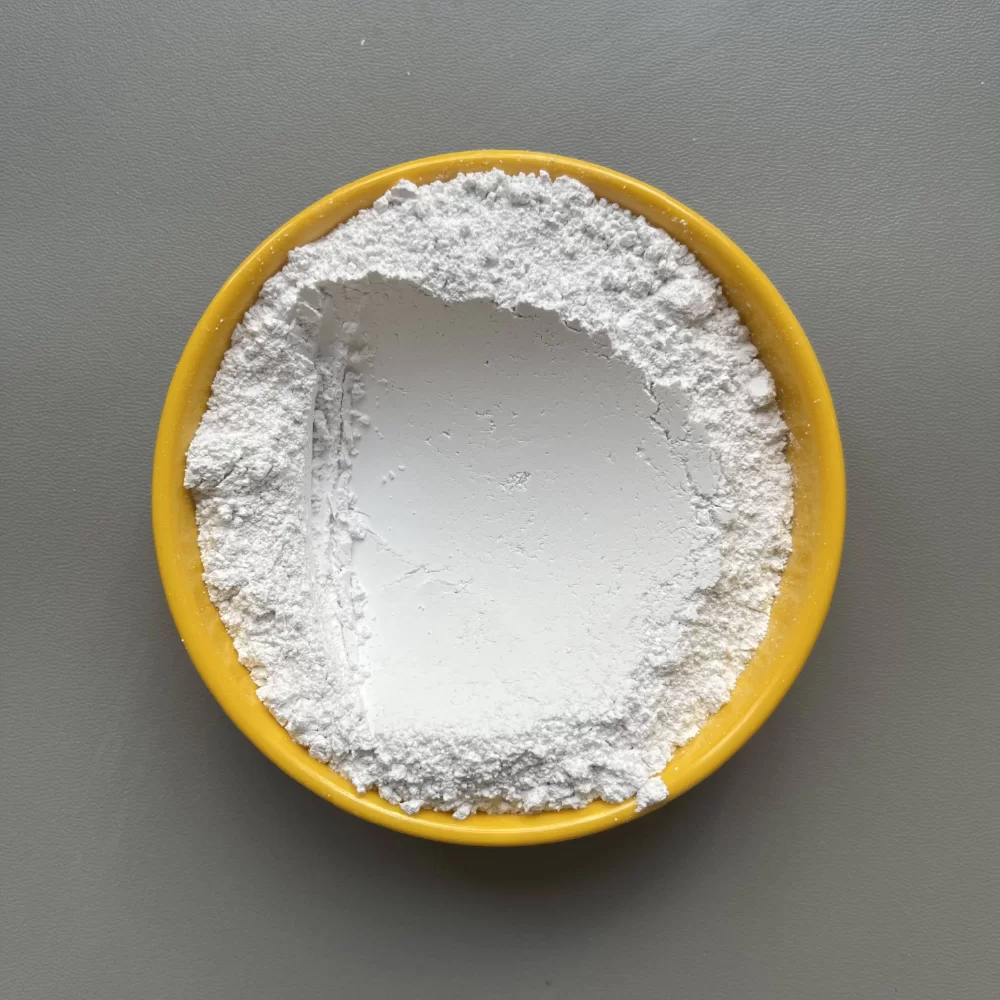
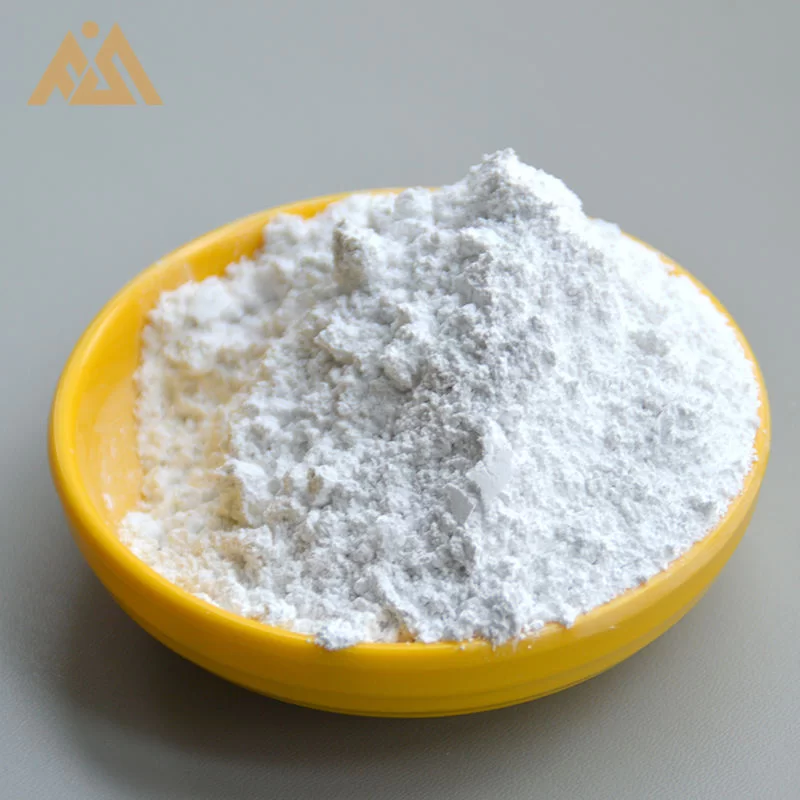
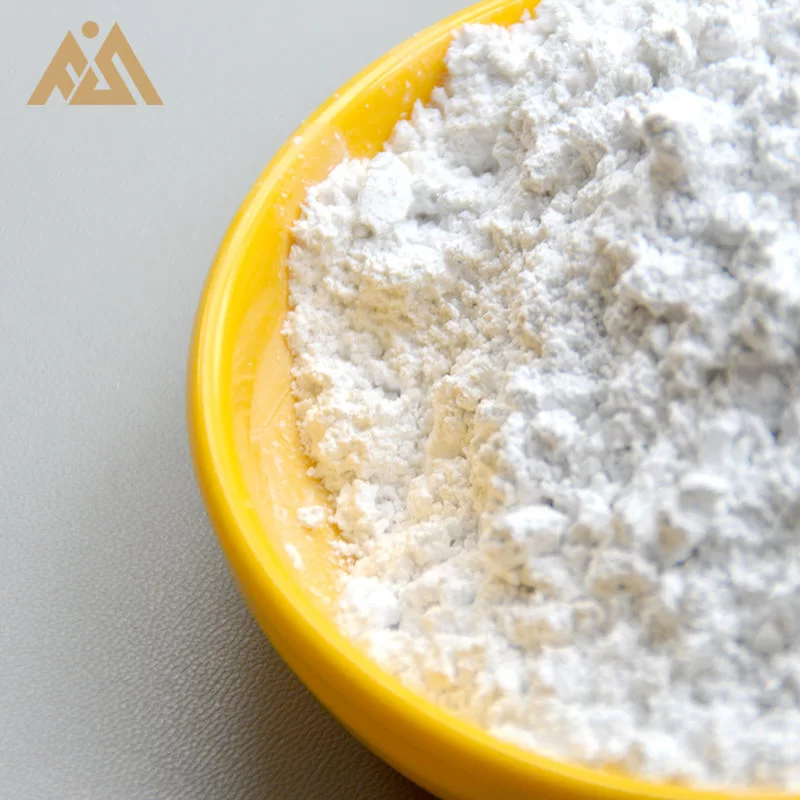
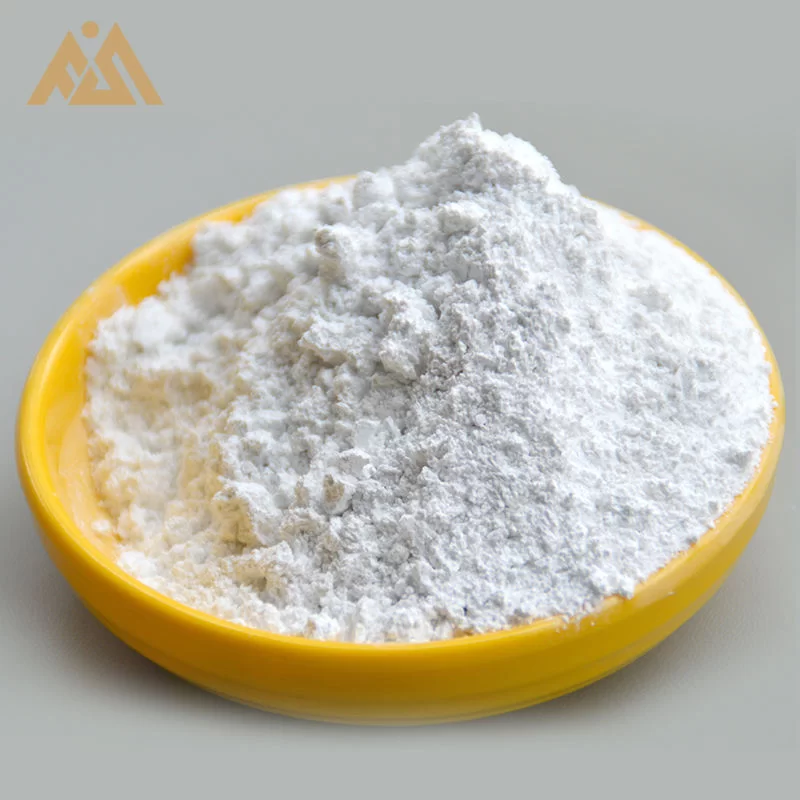
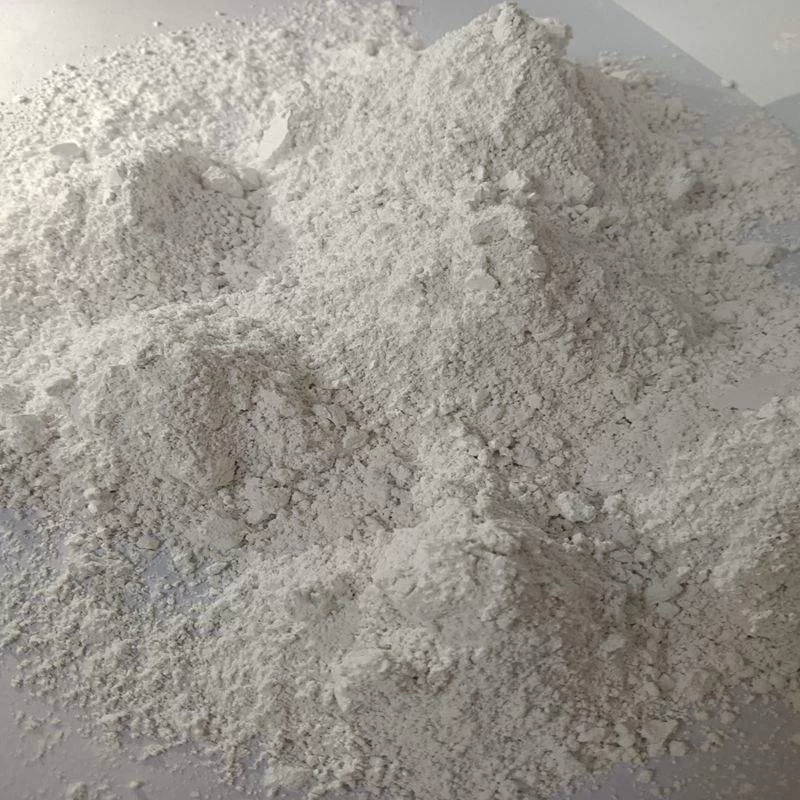
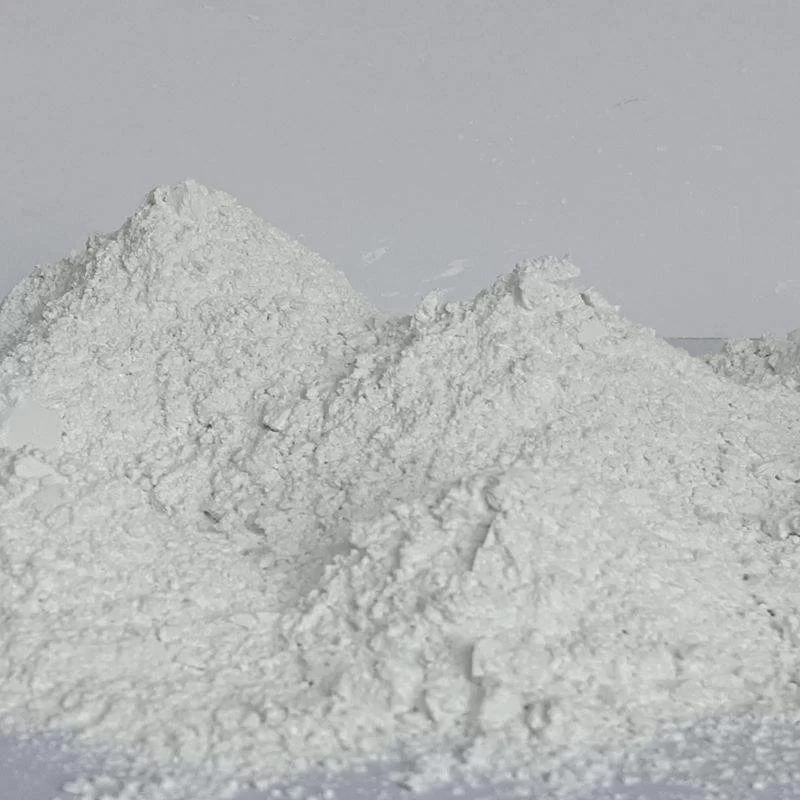
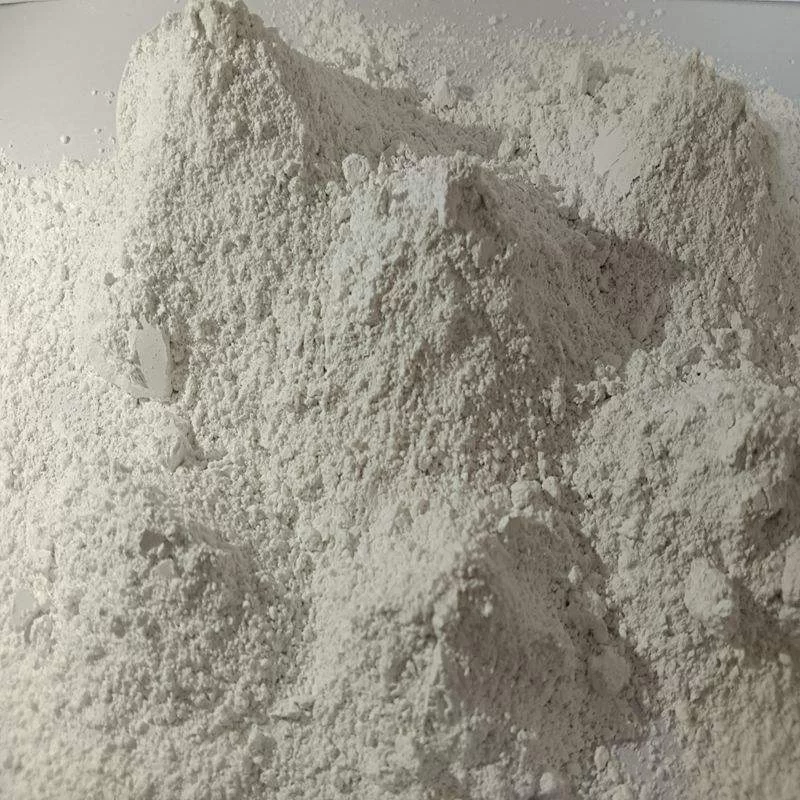
Talc Powder for Quality Ceramic Production
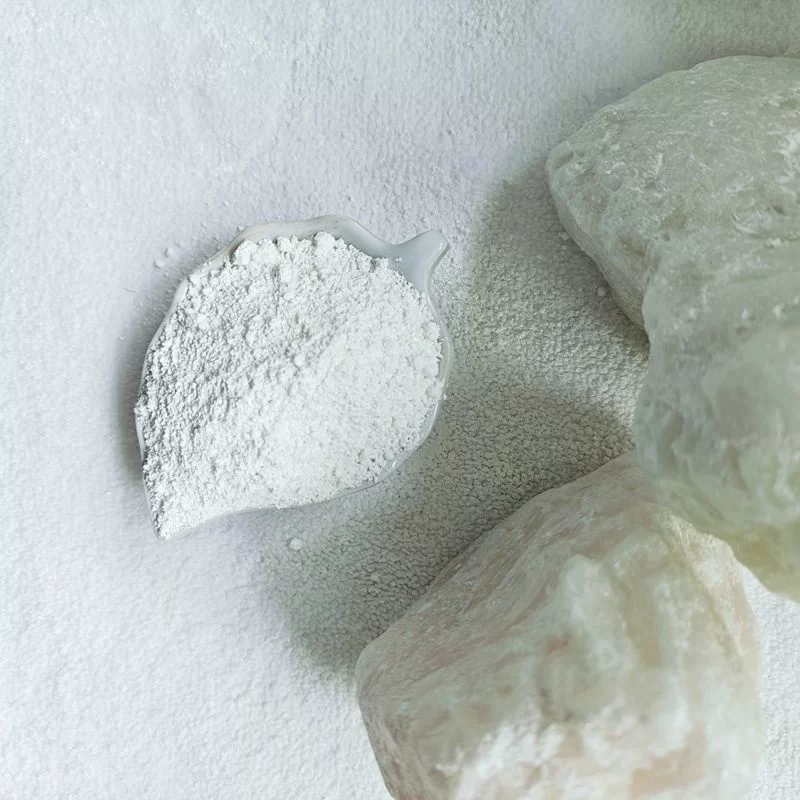
Our ceramic-grade talc powder is specially processed to meet the demanding requirements of ceramic manufacturing. The acidic nature and consistent quality ensure reliable performance in various ceramic bodies and glazes.
Key Specifications & Benefits:
High Whiteness: Maintains bright white color after firing
Moisture Stability: Prevents discoloration from humidity variations
Excellent Gloss: Enhances surface quality and visual appeal
Uniform Firing: Consistent performance in kiln conditions
Acidic Nature: Suitable for specific ceramic formulations
Primary Applications:
Ceramic tile production
Sanitary ware manufacturing
Technical ceramics
Glass-ceramic composites
Packaging:
Flexible Packaging: Available in 25kg bags, 50kg bags, or 1-ton jumbo bags to suit your handling and logistical requirements.
Bulk Supply: We can support large-scale project needs with consistent quality and reliable containerized shipping.
Ceramic Talc Powder is a high-quality mineral additive specifically designed for ceramic applications, offering exceptional performance in tile, sanitary ware, porcelain, and advanced ceramic manufacturing. This acidic-type talc is processed to achieve high whiteness, consistent particle size, and uniform humidity, making it an ideal filler for producing visually appealing and technically superior ceramic products.
The acidic type Ceramic Talc Powder ensures excellent compatibility with glazes and ceramic bodies. Its chemical composition minimizes interactions with alkaline components, reducing defects such as pinholes, bloating, or surface roughness during firing. High whiteness contributes to a pure, bright base color, enhancing the aesthetic quality of tiles, tableware, and decorative ceramics. Meanwhile, uniform humidity ensures predictable dispersion in slurry or dry pressing processes, improving molding consistency and reducing production defects.
Beyond aesthetics, Ceramic Talc Powder improves the mechanical properties of ceramic products. It enhances thermal stability, reduces shrinkage during firing, and improves fracture toughness, resulting in stronger and more durable finished pieces. Its lamellar structure also contributes to better plasticity, enabling easier shaping and forming of complex designs without compromising structural integrity.
This product is suitable for high-performance ceramic manufacturing where both appearance and technical quality are critical. By incorporating Ceramic Talc Powder, manufacturers can achieve brighter surfaces, smoother textures, and improved dimensional stability while maintaining efficient production processes. It is widely used in tiles, sanitary ceramics, tableware, and specialty ceramic applications requiring consistent quality and superior finish.
Ceramic Talc Powder combines high whiteness, controlled particle distribution, and uniform moisture content to provide a reliable, high-performance solution for modern ceramic production, supporting both aesthetic excellence and industrial efficiency.
Calcined Talc is a widely recognized mineral additive known for its stability and reinforcement properties, and it plays a crucial role when combined with Ceramic Talc Powder in enhancing the mechanical strength of ceramic products. Acidic-type ceramic talc, processed to achieve high whiteness and uniform humidity, is particularly suitable for applications where both aesthetic quality and structural integrity are essential. When formulated with Calcined Talc, it offers improved fracture toughness, reduced brittleness, and better dimensional stability during the firing and cooling processes.
The lamellar structure of Calcined Talc helps distribute stress evenly across the ceramic matrix, reducing the likelihood of cracking or chipping under mechanical loads. This makes it especially valuable in high-performance applications such as floor and wall tiles, sanitary ware, porcelain, and advanced technical ceramics. Additionally, Calcined Talc contributes to reducing thermal shrinkage during kiln firing, ensuring that products maintain their intended dimensions and mechanical integrity.
In addition to reinforcing structural properties, Calcined Talc enhances the uniformity of Ceramic Talc Powder dispersion within the ceramic body. Even distribution is critical to avoid weak points in the fired product, which can lead to premature failure or lower mechanical performance. Manufacturers benefit from predictable performance, higher yield rates, and reduced material wastage.
Moreover, the combination of high whiteness from Ceramic Talc Powder and the structural support from Calcined Talc ensures that ceramic products not only perform well mechanically but also maintain a visually appealing and consistent surface. In applications demanding both durability and aesthetic excellence, such as premium tiles and decorative porcelain, this synergy is particularly advantageous.
By integrating Calcined Talc, manufacturers can produce ceramics that meet stringent mechanical requirements while optimizing material usage and production efficiency. This makes Ceramic Talc Powder with Calcined Talc reinforcement a reliable choice for modern ceramic production.
The forming and shaping process in ceramic manufacturing requires materials that are both pliable and stable under pressure. Calcined Talc, when combined with Ceramic Talc Powder, significantly enhances these properties, improving moldability, flowability, and dimensional precision during forming processes. Acidic-type ceramic talc with high whiteness and uniform humidity ensures consistent performance in both wet and dry forming methods, from extrusion to pressing.
The lamellar nature of Calcined Talc contributes to better plasticity in the ceramic body, allowing it to deform easily under applied force without cracking or developing defects. This is particularly important for complex shapes, thin-walled components, and decorative elements where precision and surface quality are critical. Calcined Talc also helps maintain uniform humidity and consistency throughout the mix, preventing uneven shrinkage and warping during molding and drying stages.
During pressing, Calcined Talc acts as a flow enhancer, improving particle packing and reducing internal voids. This leads to smoother surfaces, more consistent density, and better dimensional control. The combination of Calcined Talc with Ceramic Talc Powder also reduces friction in molds, lowering wear on equipment and minimizing sticking problems.
The result is a ceramic product that retains its intended shape, has fewer defects, and can support finer designs or intricate patterns. For manufacturers, this translates into higher production efficiency, reduced material wastage, and more reliable output. Moreover, the enhanced forming and shaping properties ensure that high-whiteness ceramic bodies maintain their surface quality, contributing to better glazing and final product appearance.
By integrating Calcined Talc, ceramic manufacturers optimize both the processability and quality of products, ensuring reliable, efficient, and aesthetically superior ceramics.
Glaze application is one of the most critical steps in ceramic manufacturing, and the compatibility of the base ceramic body with the glaze determines surface finish, color uniformity, and defect-free firing. Calcined Talc, when combined with Ceramic Talc Powder, enhances glaze compatibility, ensuring smooth adhesion, minimal bubbling, and consistent coloration. Acidic-type ceramic talc with high whiteness and uniform humidity forms an ideal substrate for glazes, preventing unwanted chemical reactions that could result in defects such as pinholes, blisters, or uneven gloss.
Calcined Talc contributes by controlling the thermal expansion and shrinkage of the ceramic body, aligning it closely with the glaze’s behavior during kiln firing. This reduces stress at the interface and minimizes the risk of cracking or delamination. Its lamellar structure also provides a smooth and uniform surface, improving glaze wetting and adhesion.
The high whiteness of Ceramic Talc Powder ensures that glazes show true, vibrant colors without interference from underlying impurities or discoloration. Uniform humidity in the powder prevents inconsistent absorption of glaze slurries, which is critical in automated or large-scale ceramic production. Together, Calcined Talc and Ceramic Talc Powder create a stable, predictable, and high-quality base for various glazes, whether matte, glossy, or decorative.
In advanced ceramic applications, including tiles, sanitary ware, and artistic porcelain, this combination helps manufacturers achieve superior finish, consistent gloss, and reliable production quality. By integrating Calcined Talc, ceramic bodies become more compatible with modern glazes, supporting both aesthetic excellence and industrial efficiency.
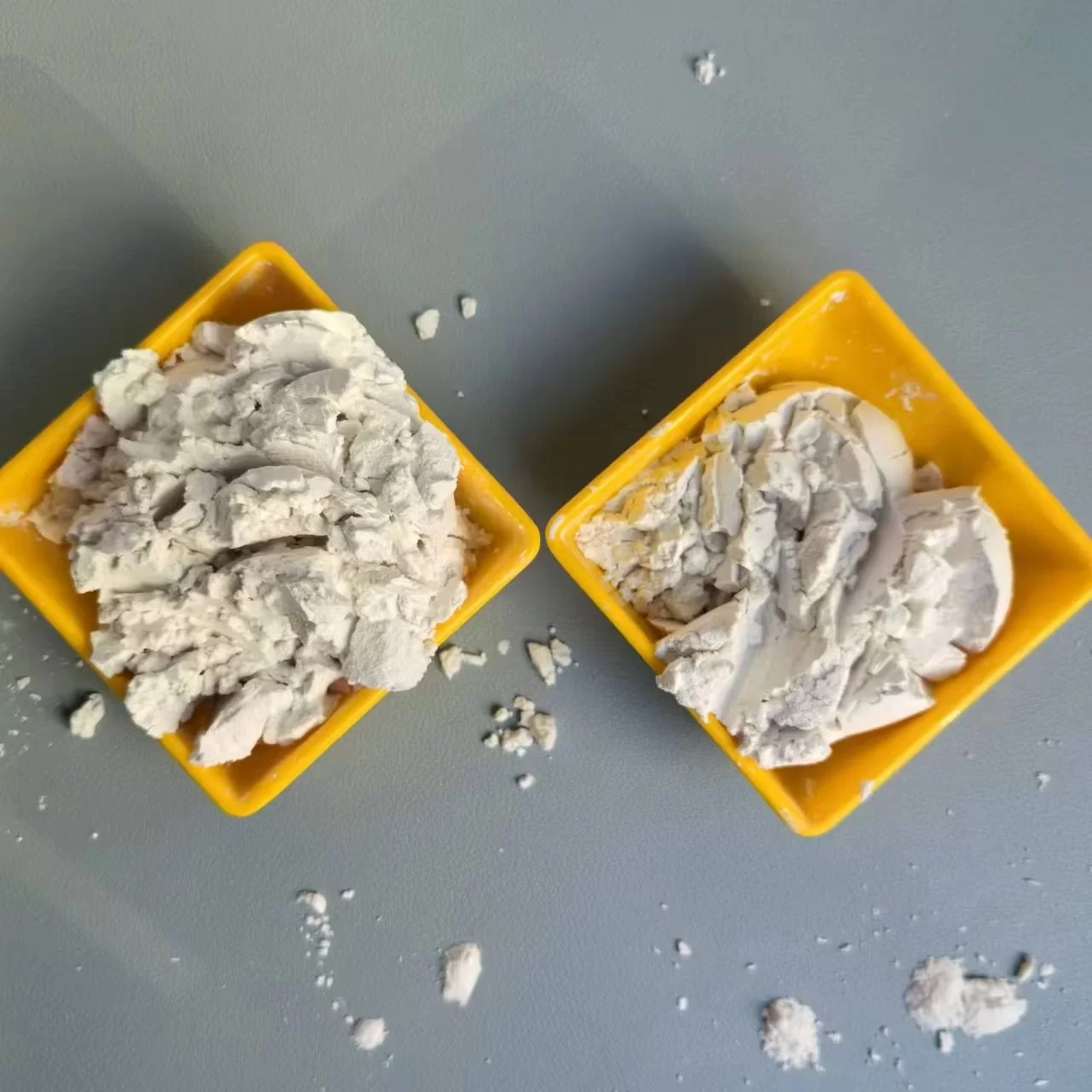
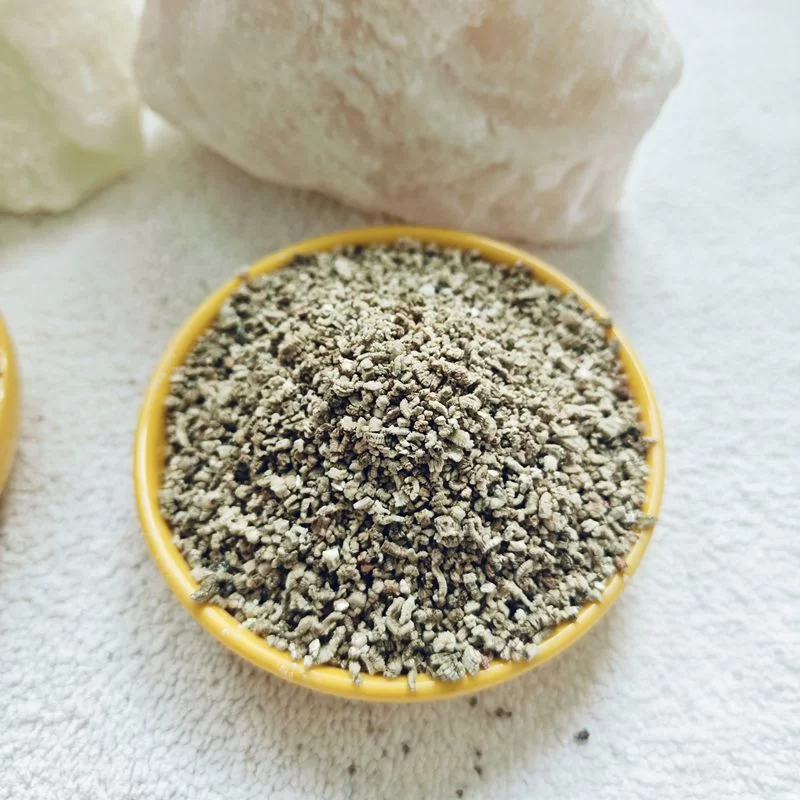
White vermiculite originates from natural magnesium-aluminum silicate rocks. Formed via geological processes like magmatism or metamorphism, it’s mined, then crushed and sorted to remove impurities, with high-quality deposits in South Africa, the US, and China.
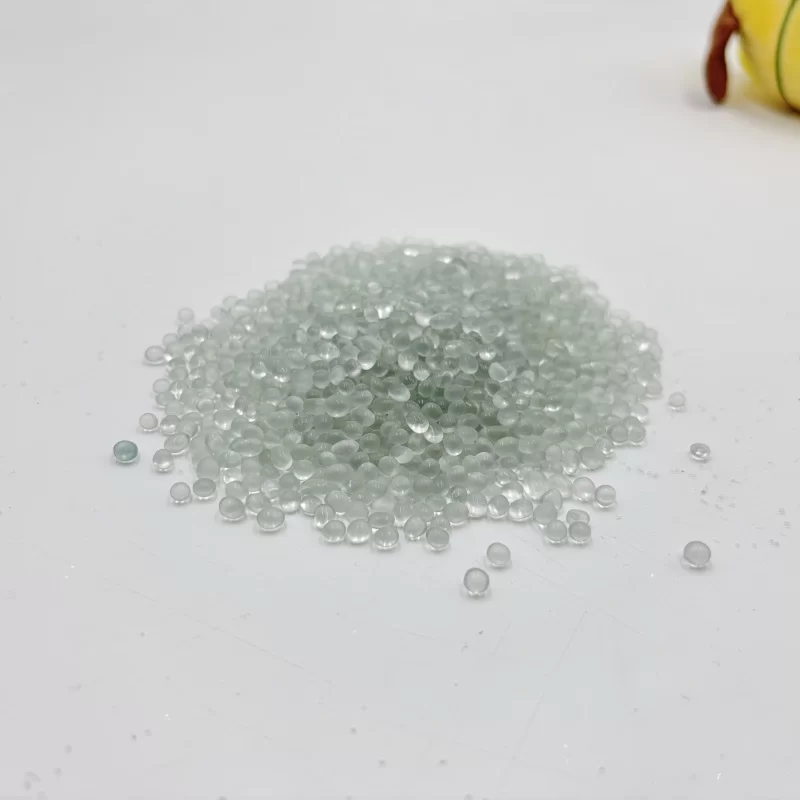
Solid glass microspheres are small yet powerful spherical particles. They feature high density, strength, and thermal stability, making them ideal for demanding applications in precision polishing, polymer reinforcement, and functional coatings.
Polished pebbles refer to natural-collected pebbles that undergo mechanical grinding and polishing to achieve a smooth, glossy surface. They retain the natural shape of pebbles while being given an artistic second life. With their high aesthetic value and artistry, polished pebbles are mainly used in fields focused on decoration and quality of life enhancement: indoor decoration and display, aquarium and fish tank landscaping, bathroom decoration, decoration of indoor fountains and small artificial water features, as well as an excellent material for making crafts like paperweights, candlesticks, photo frames and creative ornaments.
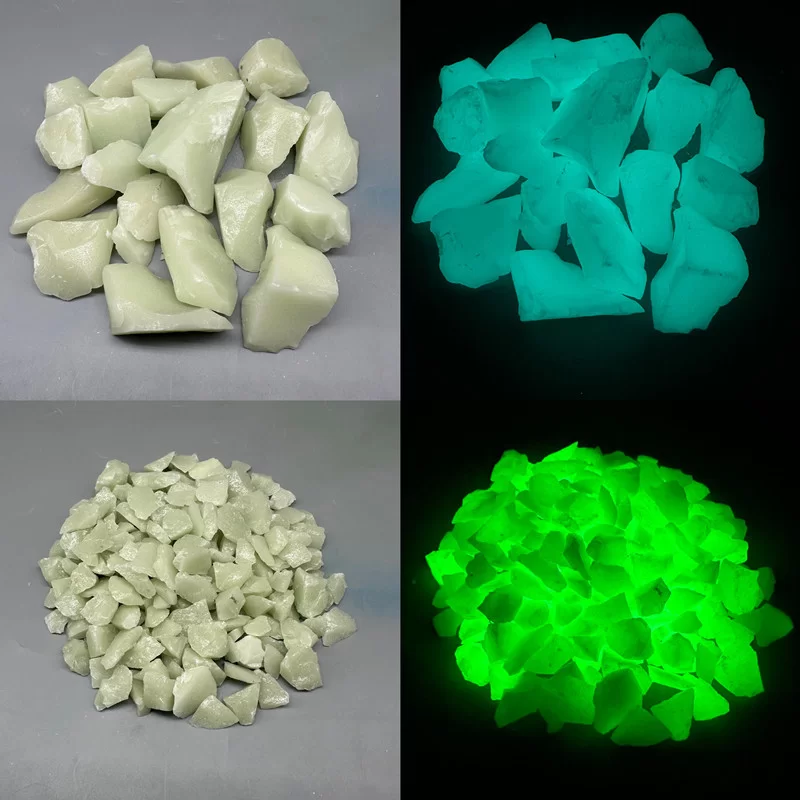
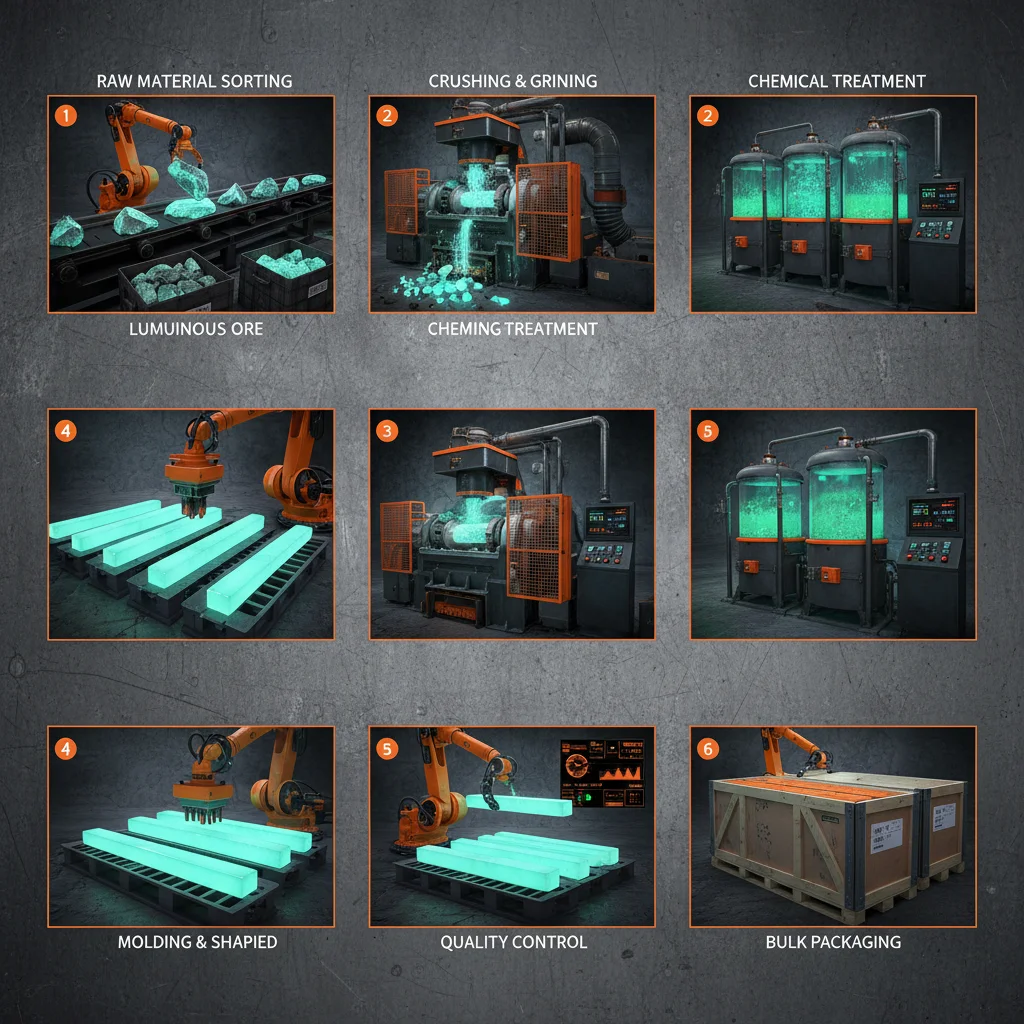
Featuring long glow time, lightweight with high strength, wear and weather resistance, safety and environmental protection, and easy installation, resin-based luminous stones support customization of specific sizes, colors and luminous intensity according to project requirements. They are extensively used in luminous walkways/paths, garden decoration, feature walls, safety indication and guidance, artistic decoration, and lighting for parks, river banks and bridges.
As a weighting agent, it increases the density of drilling fluid and balances formation pressure.
Our high-purity diatomaceous earth, sourced from premium deposits, boasts excellent adsorption, filtration & thermal stability. Ideal for water treatment, food processing, agriculture & industrial applications. Safe, eco-friendly & cost-effective—delivers reliable performance for your professional needs.
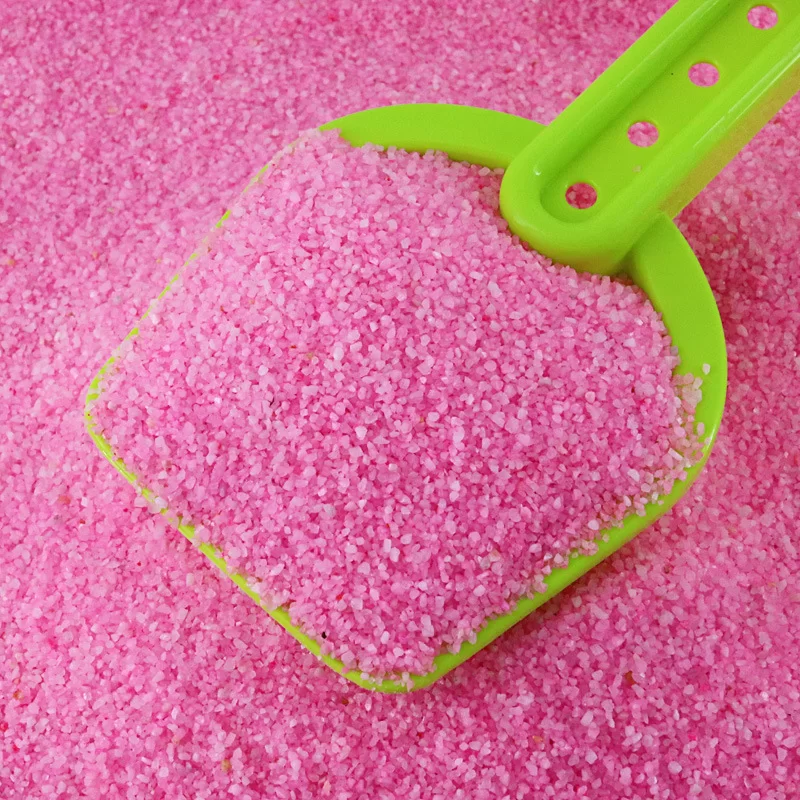
Sintered colored sand, also known as high-temperature sintered colored sand or ceramic colored sand, is a high-end decorative material that uses a high-temperature ceramic sintering process to color selected quartz sand. Its core lies in using high temperatures (usually above 800℃) to fuse inorganic ceramic glazes with the surface of the quartz sand, forming a strong and dense colored ceramic layer.
Titanium dioxide (TiO₂) is a high-performance white pigment with exceptional opacity, brightness, and UV resistance. It delivers long-lasting whiteness and coverage in paints, plastics, and coatings, being vital for durable, vivid finishes in industrial and consumer products.



If you are interested in our products, you can choose to leave your information here, and we will be in touch with you shortly.

-20251105154605.webp "Natural Pebbles For Garden Path Paving & Water Features")