Product Introduction
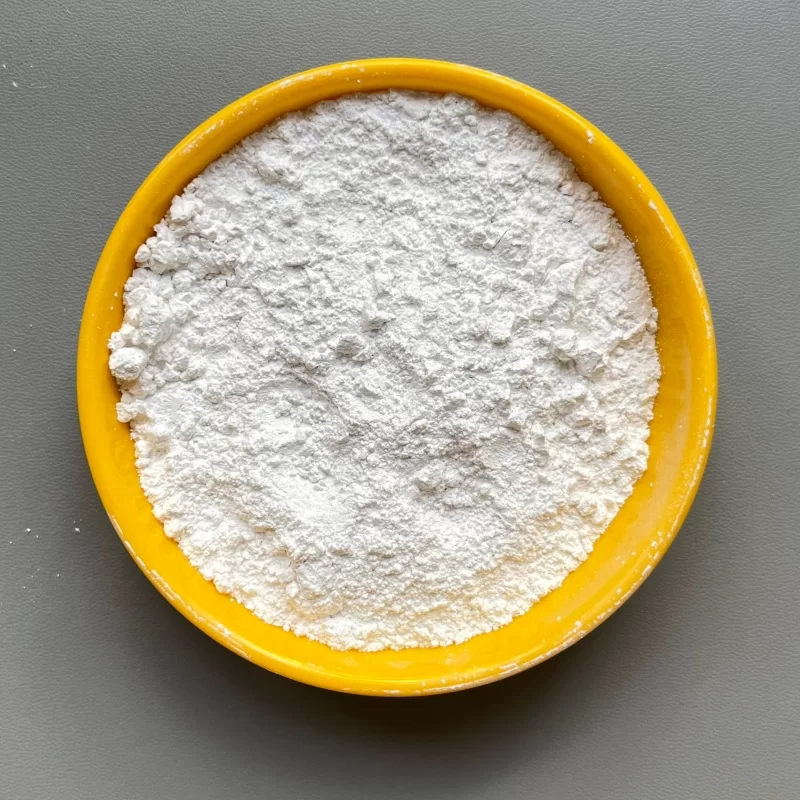
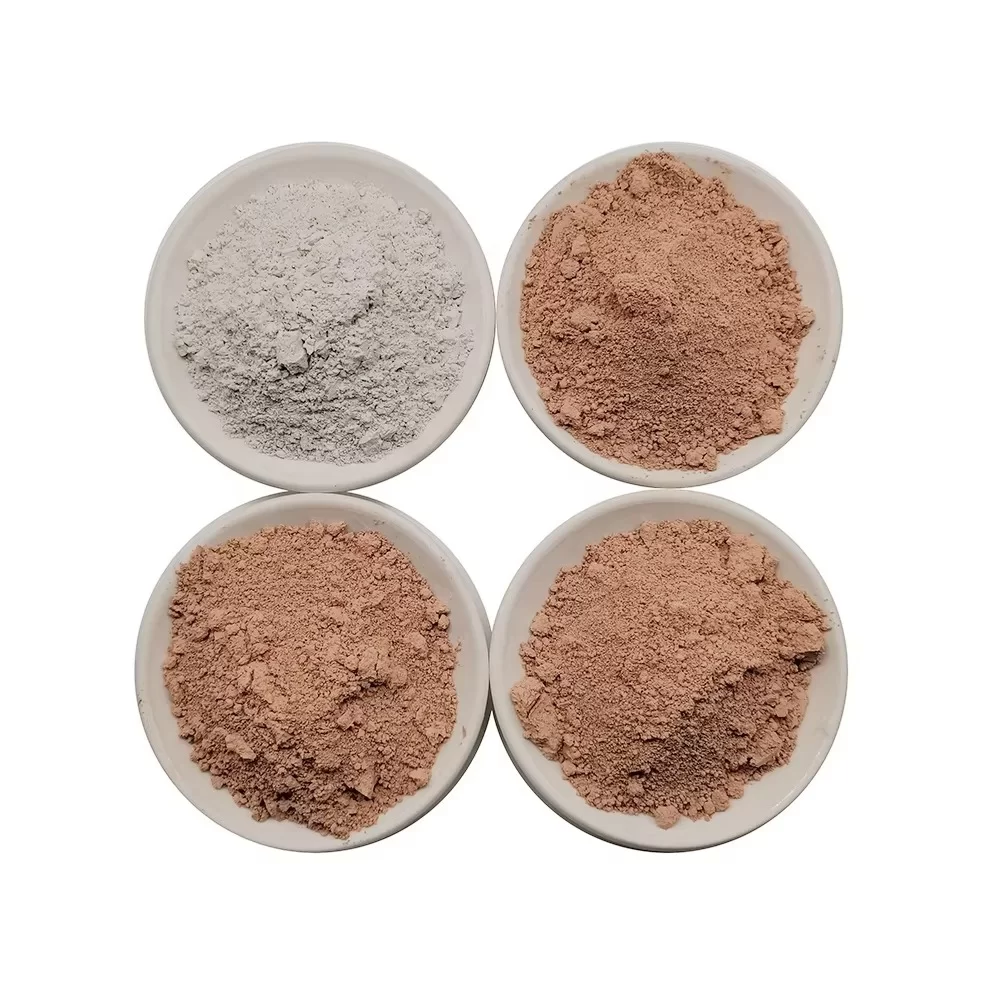
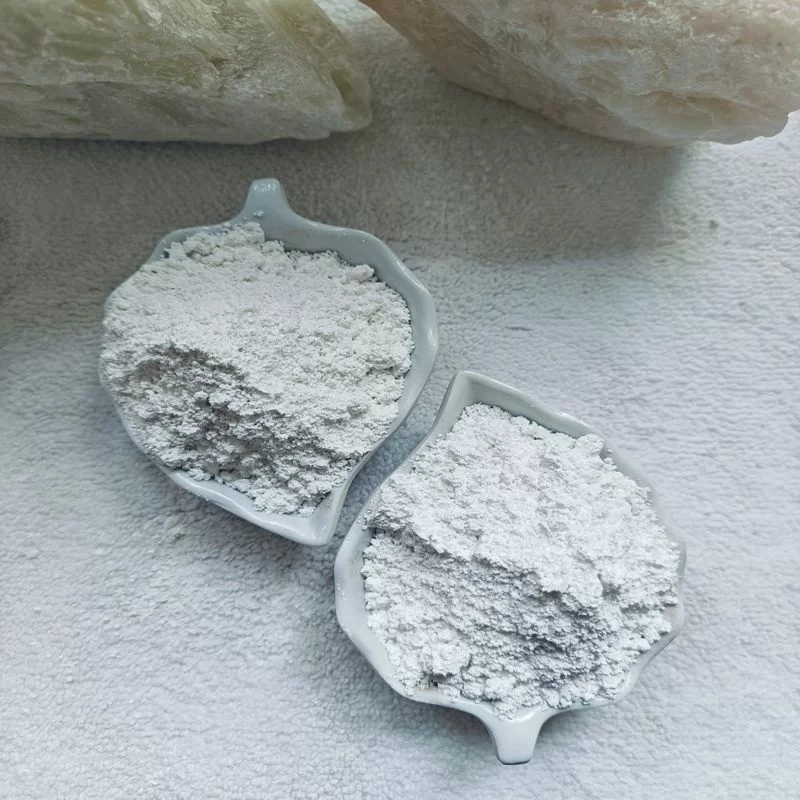
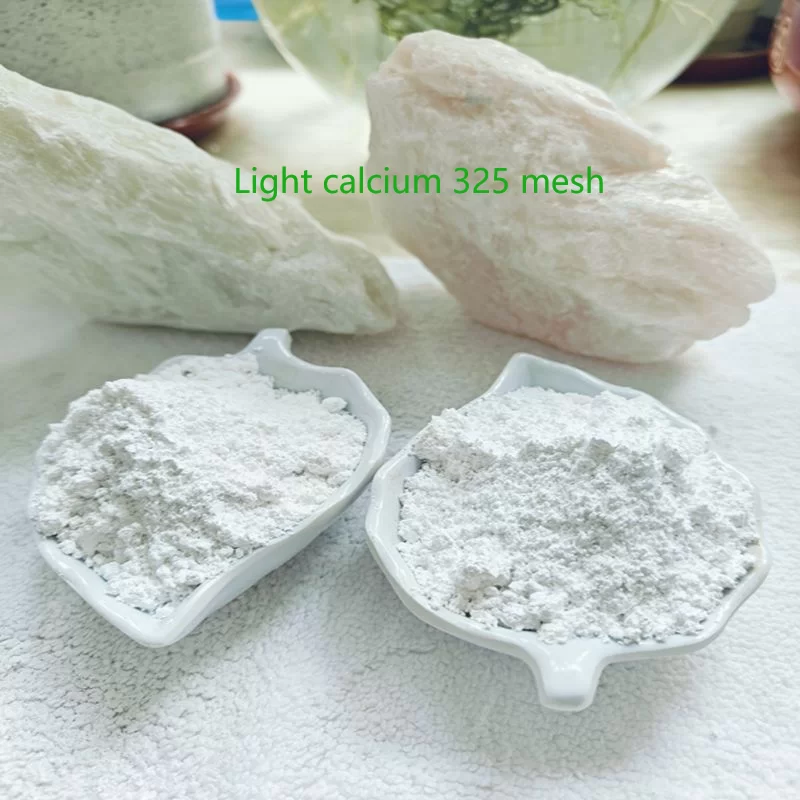
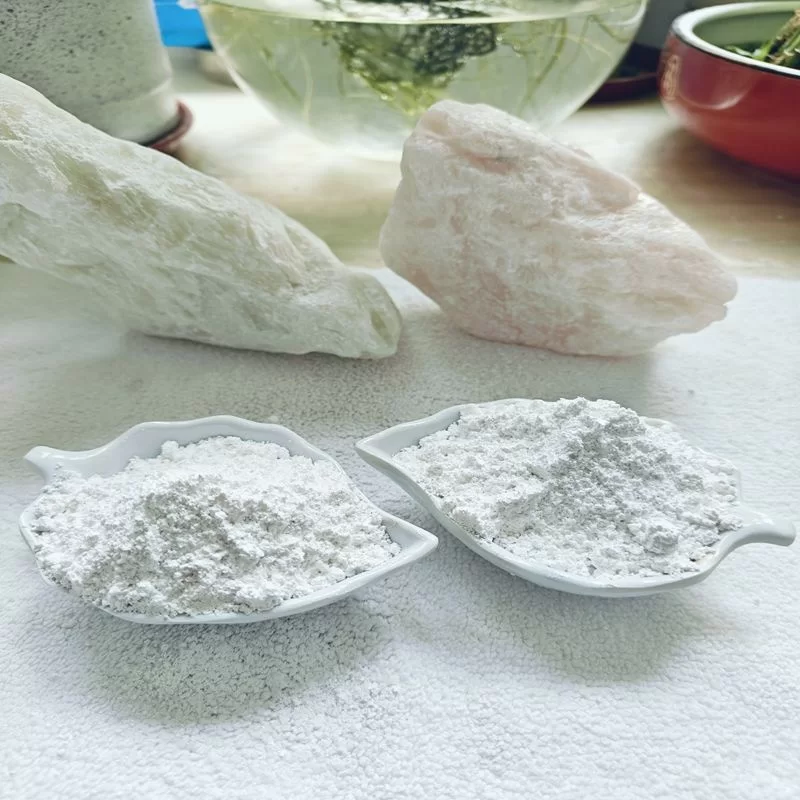
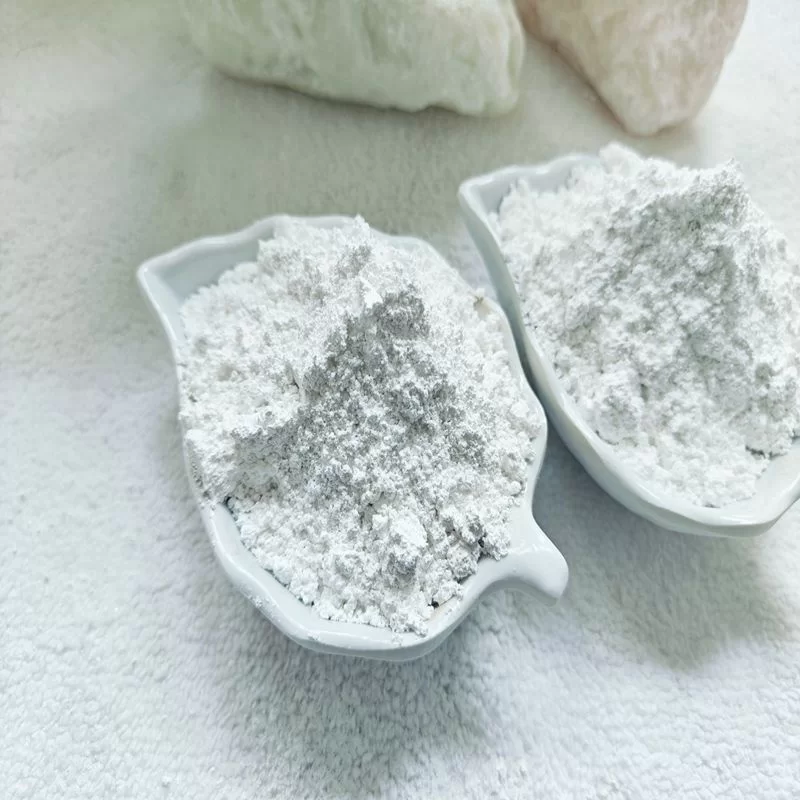
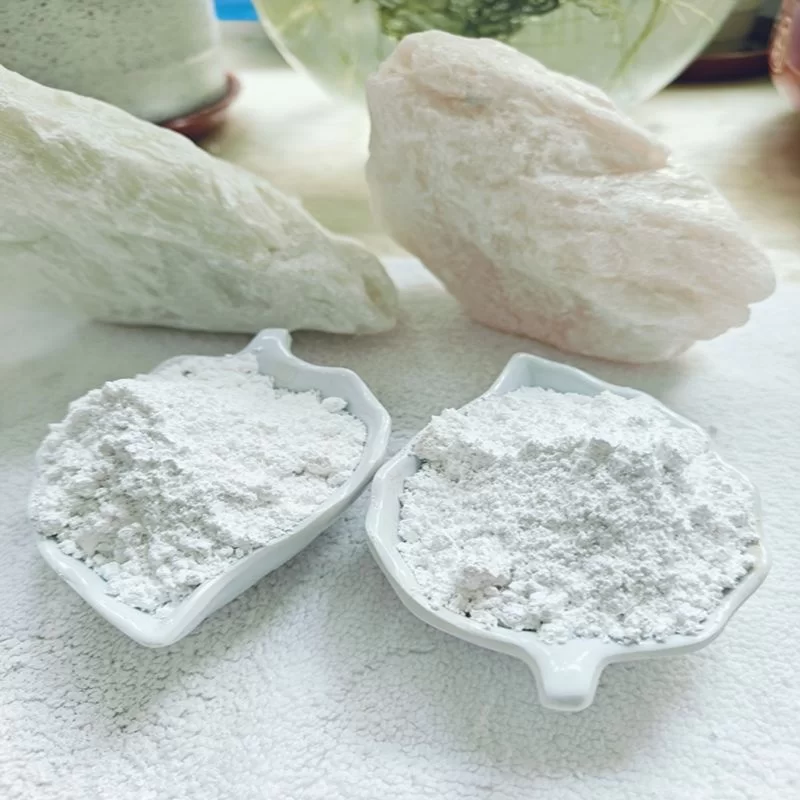
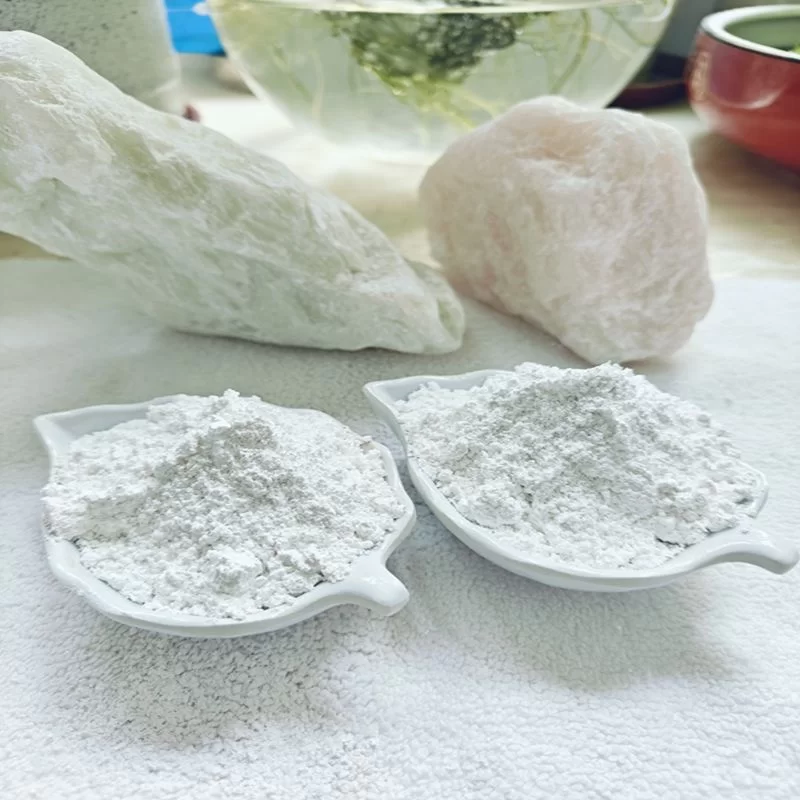
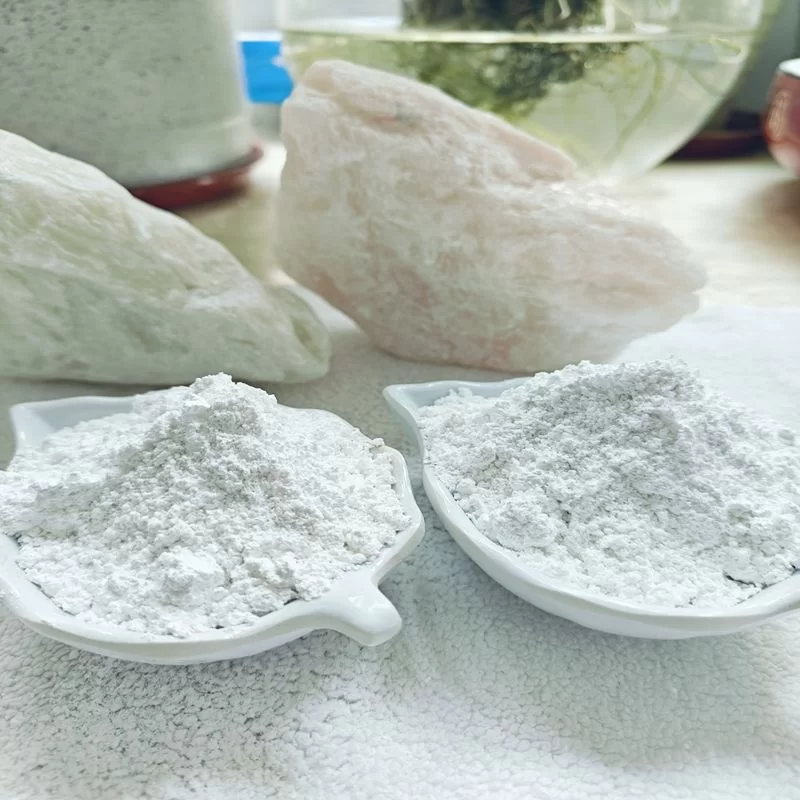
Light calcium carbonate, also known as precipitated calcium carbonate, has calcium carbonate as its main component, with a content usually above 98%. It can be used as a filler in industries such as rubber, plastics, papermaking, coatings, and inks. Additionally, it is widely applied in the production of organic synthesis, metallurgy, glass, and asbestos. The sedimentation volume of light calcium carbonate ranges from 2.4 to 2.8 mL/g. When fully dispersed, the particles of ordinary light calcium carbonate appear in a date pit shape, with a major axis of approximately 5–12 μm, a minor axis of 1–3 μm, and an average particle size of 2–3 μm.
Specification
Common sizes are 100mesh, 325 mesh, 600 mesh, 1250 mesh, We also accept customization if you need.
Chemical indicators
Calcium content | Residue on sieve (45 microns)% | pH | Whiteness | volume | Oil absorption value |
97.2% | 0.15% | 9.1 | 93 | 2.5 | 77 |
Light calcium carbonate 1250 technical parameter table, if you need other indicators, please send an inquiry.
Product Usage
Papermaking/Coatings/Rubber/Plastics
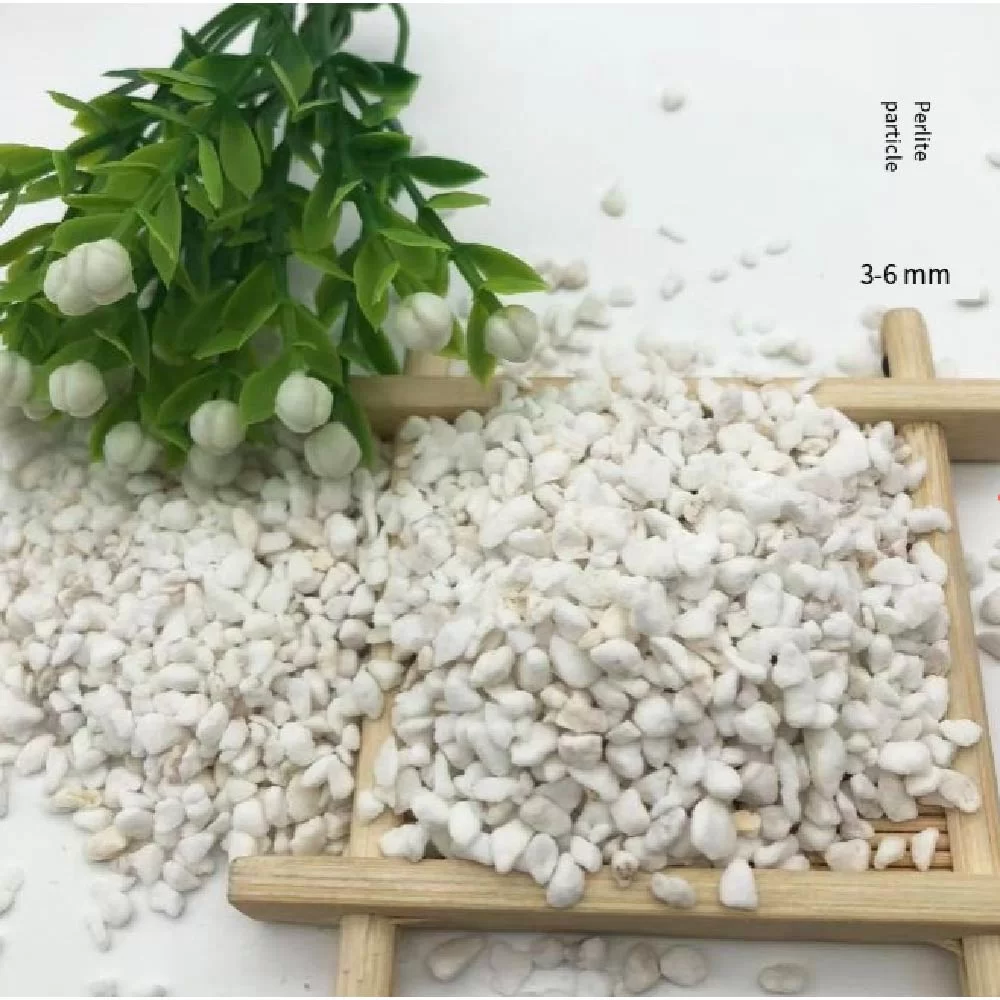
Standard expanded perlite for general insulation and lightweight applications. Low density (70-110kg/m³), excellent thermal properties, and cost-effective solution for various industrial and construction uses.
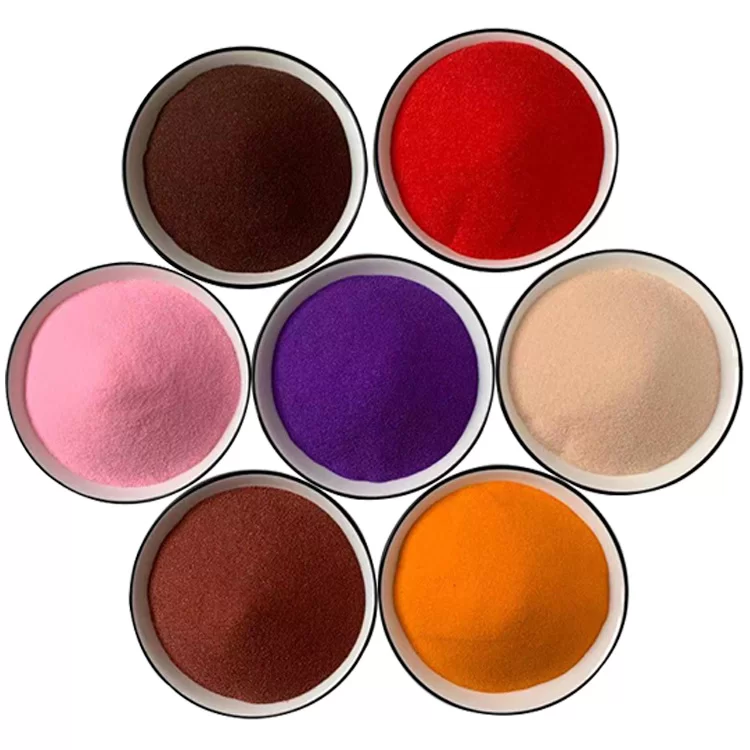
Natural colored sand refers to naturally formed colored mineral particles that have not undergone artificial dyeing. Its color comes from the natural coloring of the mineral's own chemical composition or trace elements, and is a crystallization of natural geological processes.
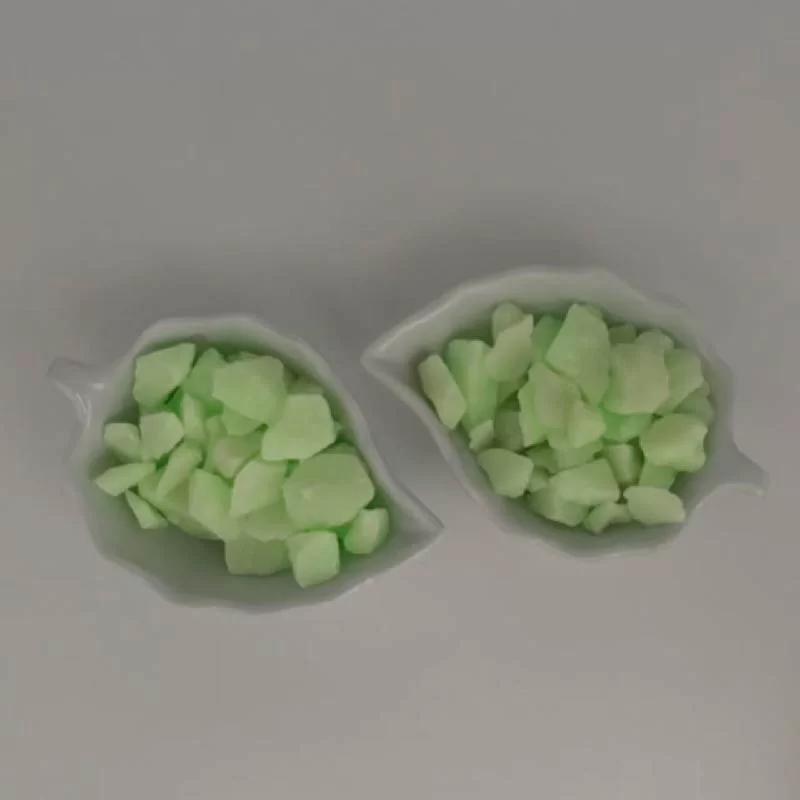
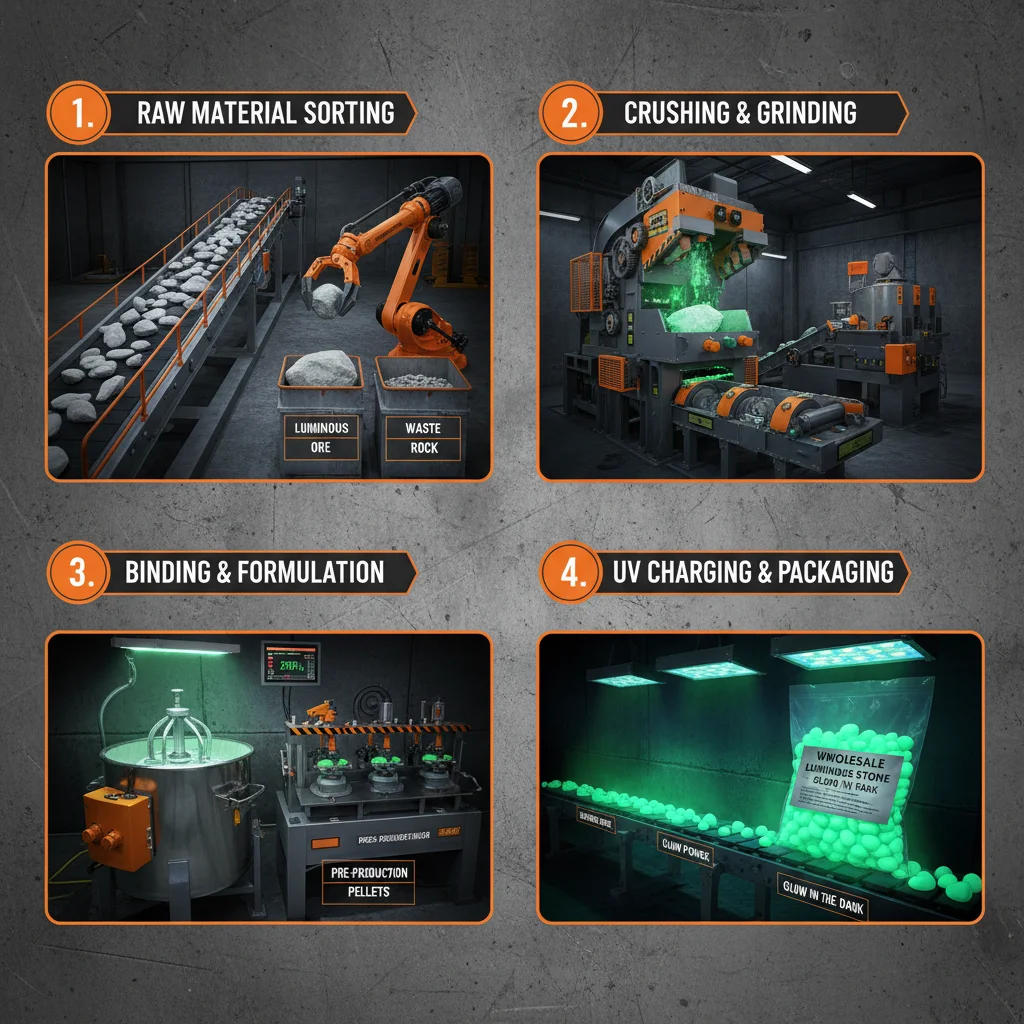
Glass-based luminous stones, functional decorative materials, are produced by combining high-quality rare earth long-lasting luminous materials with glass substrates through special techniques like high-temperature sintering or melting. They inherit glass’s crystalline transparency and hard texture, and are also endowed with the magical trait of self-luminescence at night, delivering a clear, cool, and strongly modern optical effect. Their uses span garden road paving, wall guidance signs, safety warning lines, water feature design, kitchen countertops, bathroom walls, and lobby feature walls.
With a spindle or needle-like structure and narrow particle size distribution, light calcium carbonate offers key advantages: uniform particles, high whiteness, large sedimentation volume, low oil absorption, good dispersibility, and high chemical purity. Such characteristics support its wide application in industries like plastics, rubber, papermaking, and coatings.
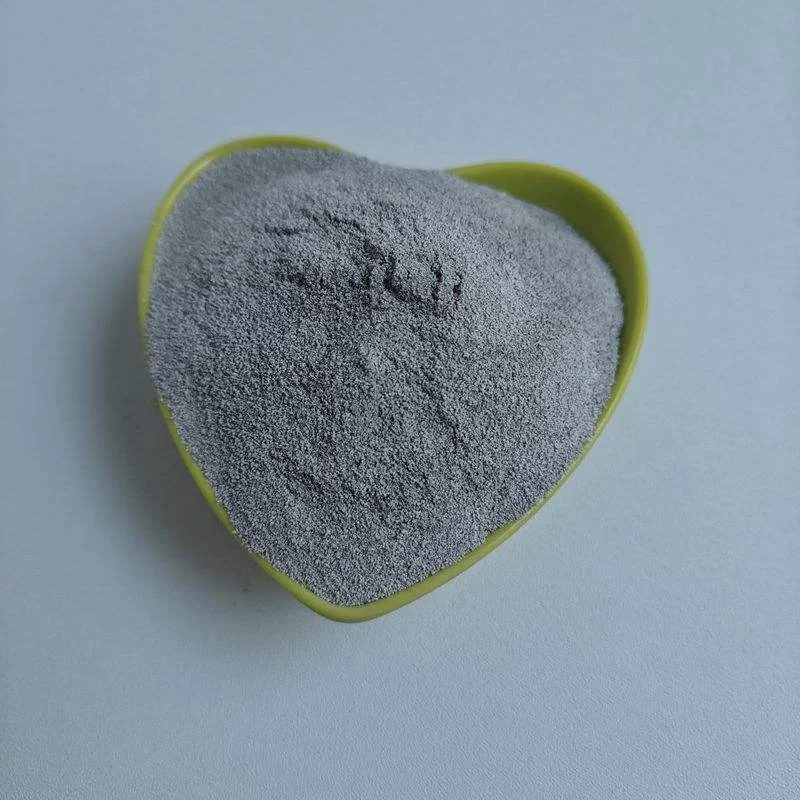
Naki Bentonite solves key challenges: it traps water impurities for purification, maintains well stability in drilling, and boosts soil’s water-holding ability—all powered by its strong swelling and adsorption traits.
Premium closed-cell perlite as lightweight aggregate for construction materials. Reduces material weight while maintaining strength and thermal properties. Low water absorption prevents performance degradation.
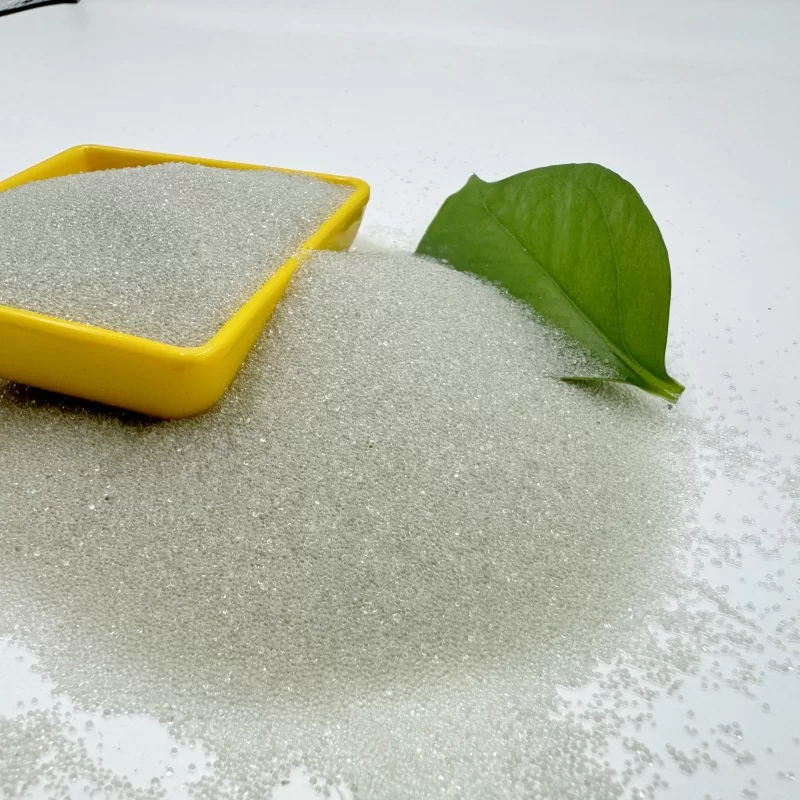
Solid glass microspheres are precisely spherical, smooth-surfaced particles. Their exceptional mechanical, thermal, and chemical properties make them a key material for precision polishing, polymer enhancement, functional coatings, and optical applications.
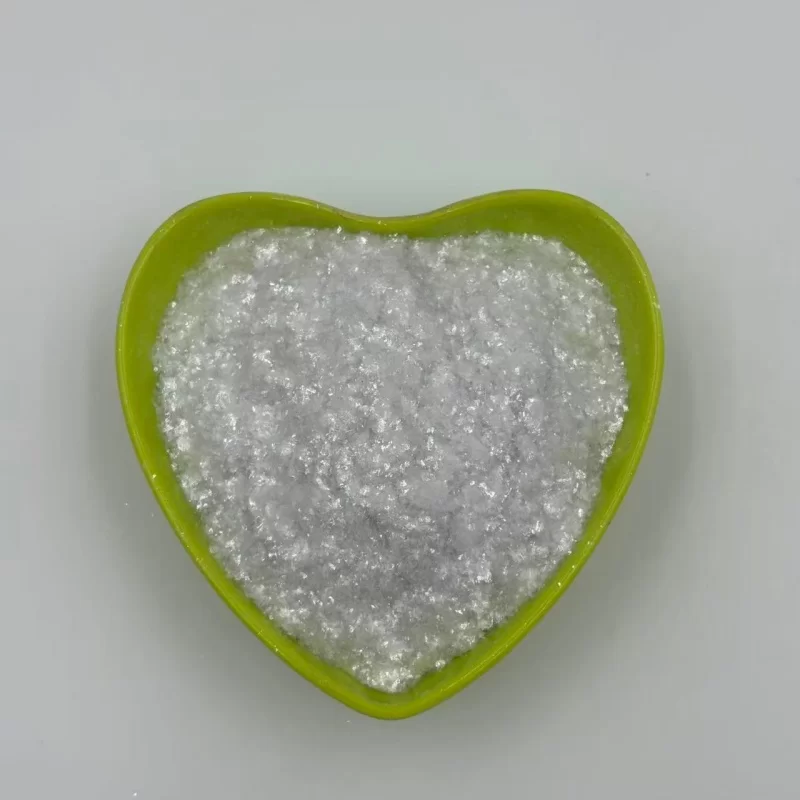
High-performance engineered glass flakes: flaky glass fillers enhancing anti-corrosion, wear resistance, and barrier properties. Typical specs: 2–10μm thickness, 100–3000μm diameter. Create a "labyrinth effect" in coatings/linings to block corrosive media and extend industrial equipment/structure lifespan.




If you are interested in our products, you can choose to leave your information here, and we will be in touch with you shortly.