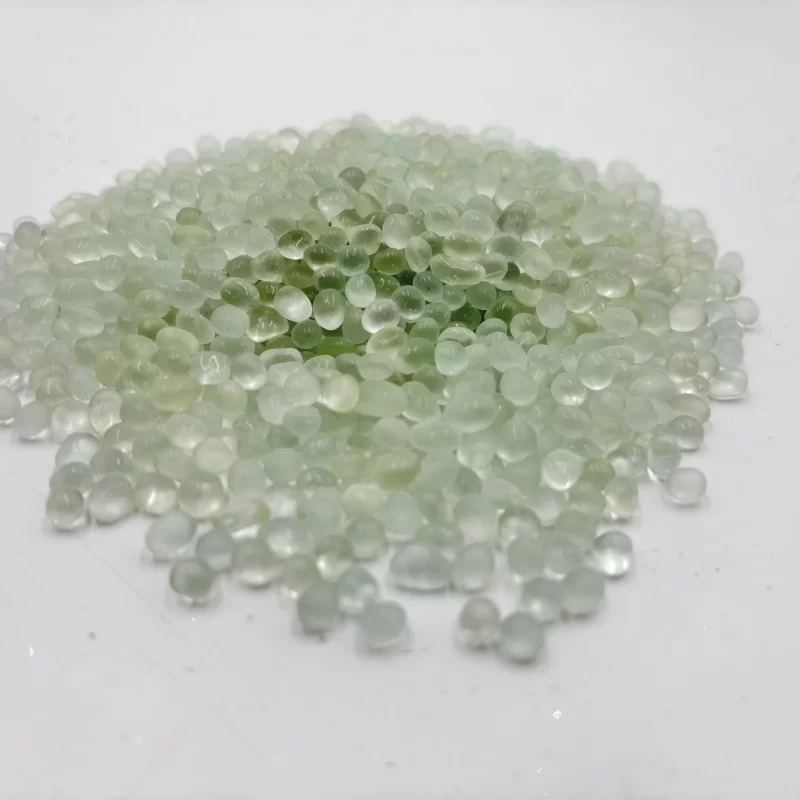
glass microbeads
Yellow Expanded Vermiculite Particles For Fireproof Insulation, Horticulture, Seedling Raising And Insulation Yellow Expanded Vermiculite Particles For Fireproof Insulation, Horticulture, Seedling Raising And Insulation
Yellow Expanded Vermiculite Particles For Fireproof Insulation, Horticulture, Seedling Raising And Insulation

Yellow Expanded Vermiculite Particles For Fireproof Insulation, Horticulture, Seedling Raising And Insulation

Yellow vermiculite is primarily sourced from the alteration of biotite or phlogopite mica in igneous and metamorphic rocks. Major deposits exist in South Africa, the US, and China, extracted via mining then processed through heating for expansion.

Product Details

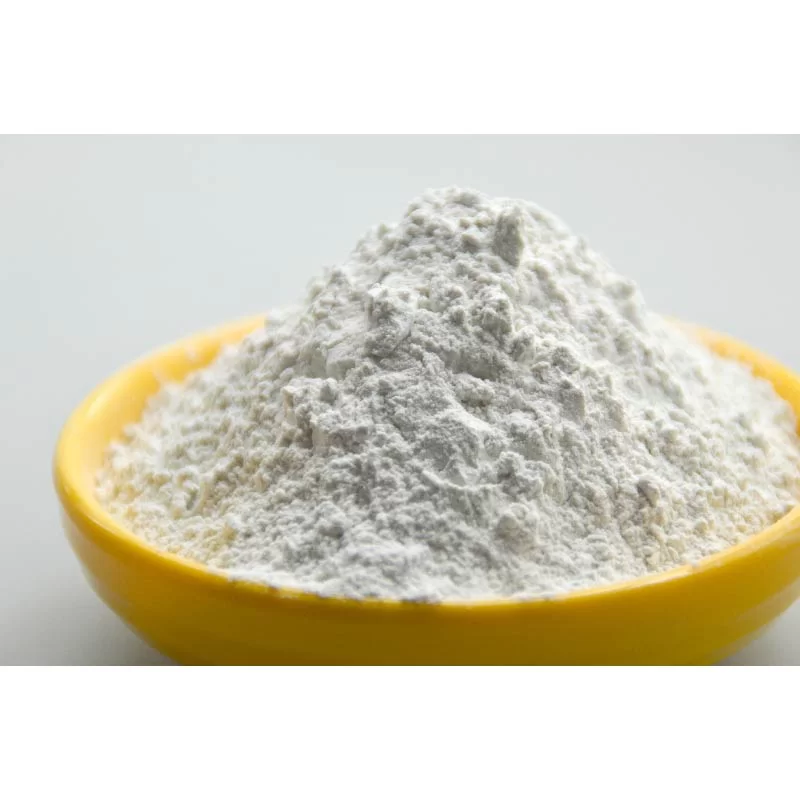
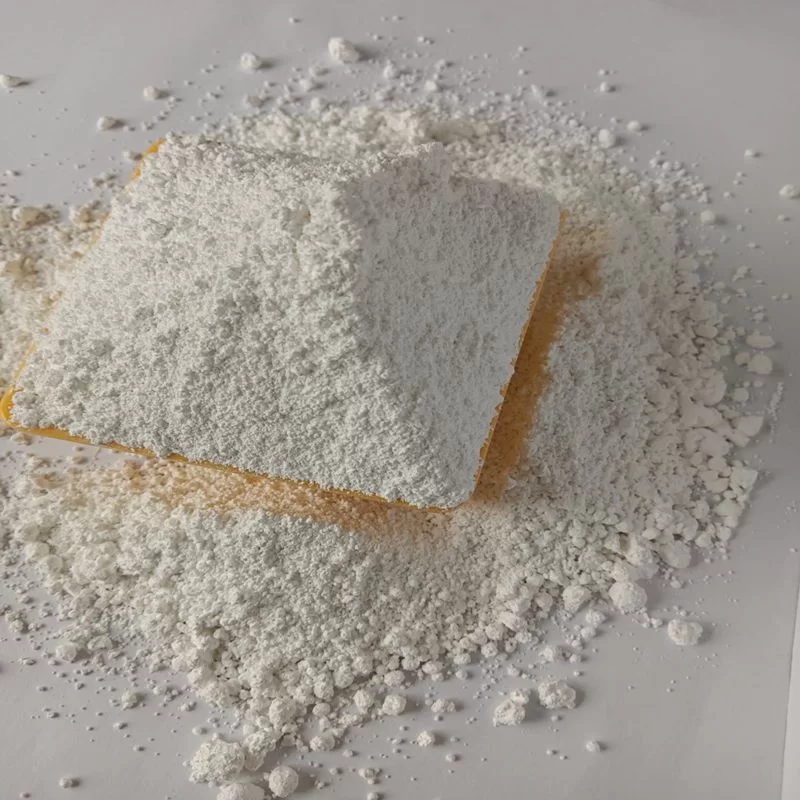
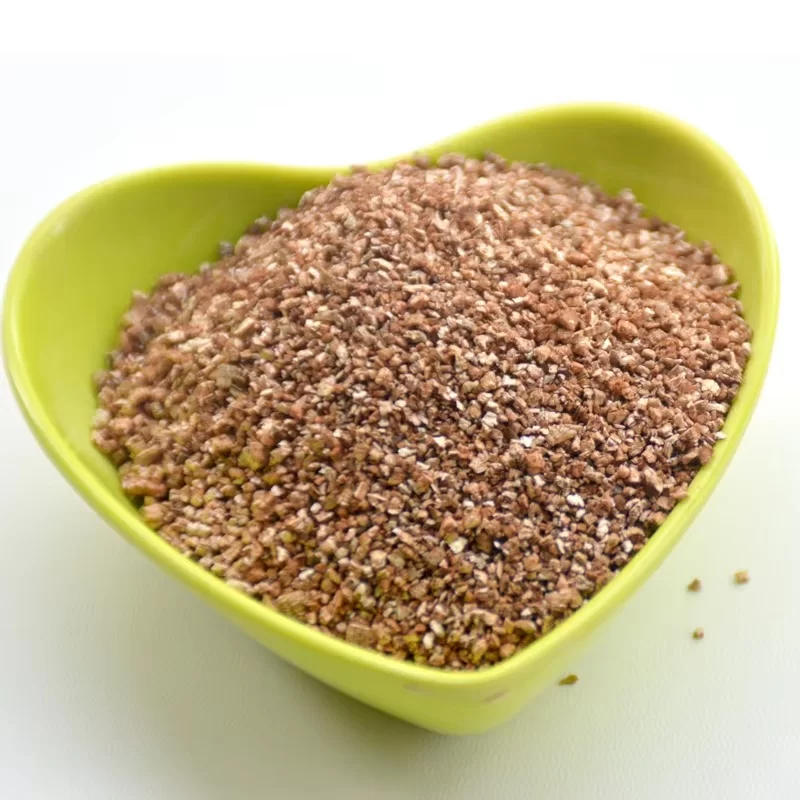
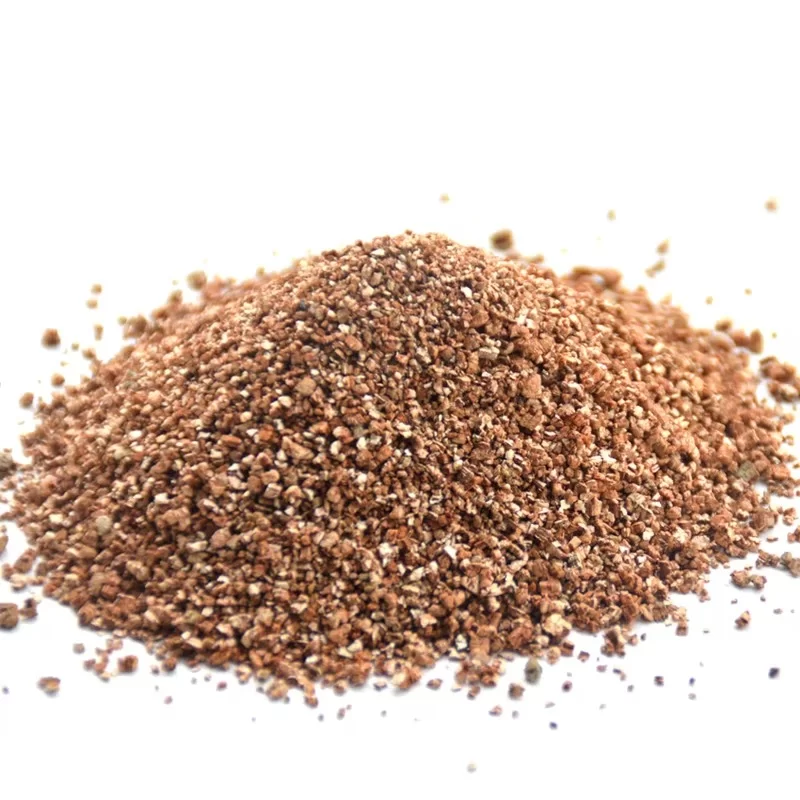
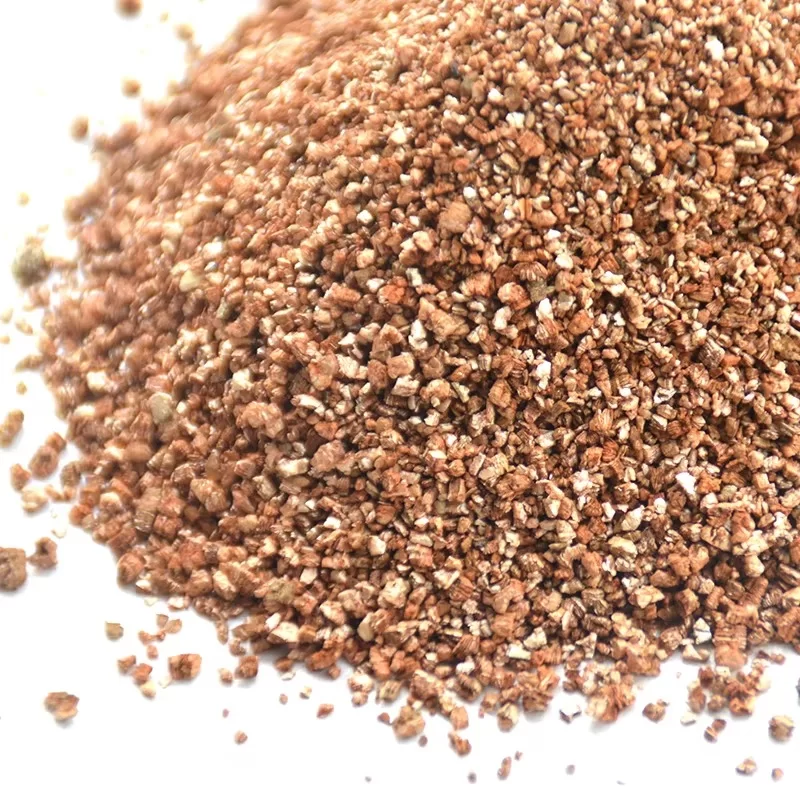
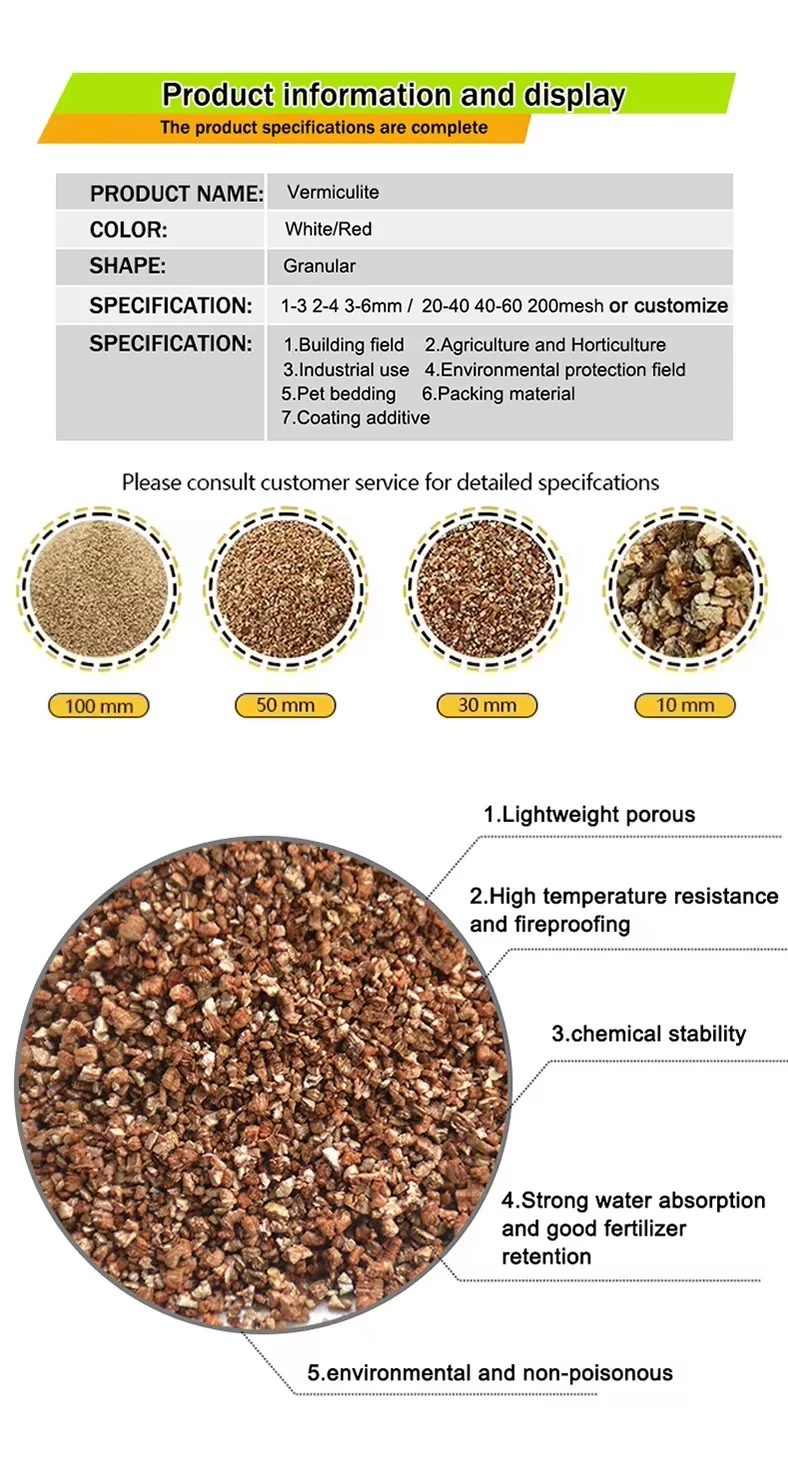
Yellow vermiculite is a natural, heat-expandable mineral with a distinct golden-yellow hue. It offers good water retention, aeration, and mild insulation, widely used in horticulture (as soil amendment for plant growth), pet bedding (non-toxic and absorbent), and light industrial filling, valued for its natural origin and functional versatility.


Yellow vermiculite, a naturally occurring golden-hued mineral, expands when heated to become lightweight. It retains moisture while aiding aeration—ideal for boosting soil health in gardening, absorbing moisture in pet bedding, and acting as a gentle filler in light industrial uses, leveraging its natural traits for practical value.


Yellow vermiculite, a heat-expandable natural mineral with a golden tint, solves key needs: it retains water for dry garden soils, absorbs moisture in pet enclosures, and adds lightweight filling for delicate industrial parts—all while being non-toxic, making it a go-to for horticulture, pet care, and light manufacturing.
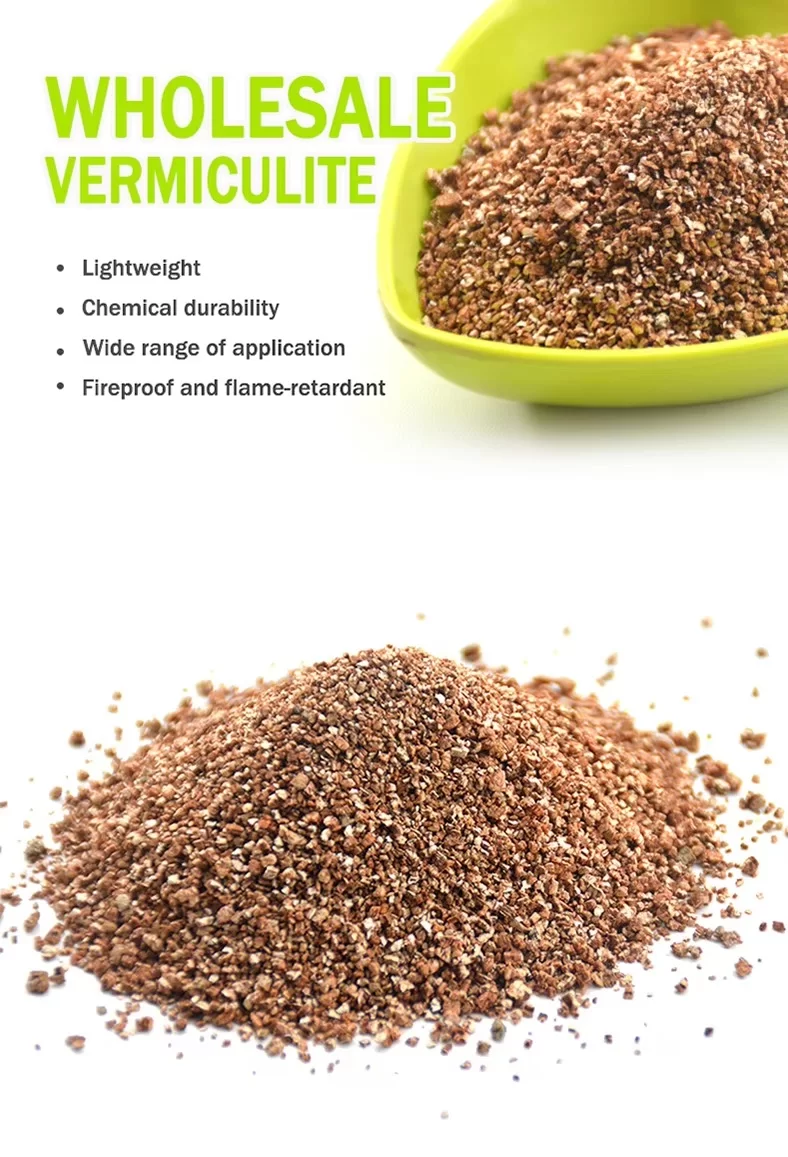
1、Comprehensive Guide to Yellow Expanded Vermiculite Particles For Fireproof Insulation, Horticulture, Seedling Raising And Insulation Uses in Modern Industrie


Yellow expanded vermiculite particles are a versatile and high-performance mineral material widely used across multiple modern industries, including fireproof insulation, horticulture, seedling raising, and thermal insulation systems. Produced through the controlled expansion of natural vermiculite ore at high temperatures, these particles feature a lightweight, porous structure that delivers excellent functional performance in both industrial and agricultural applications.


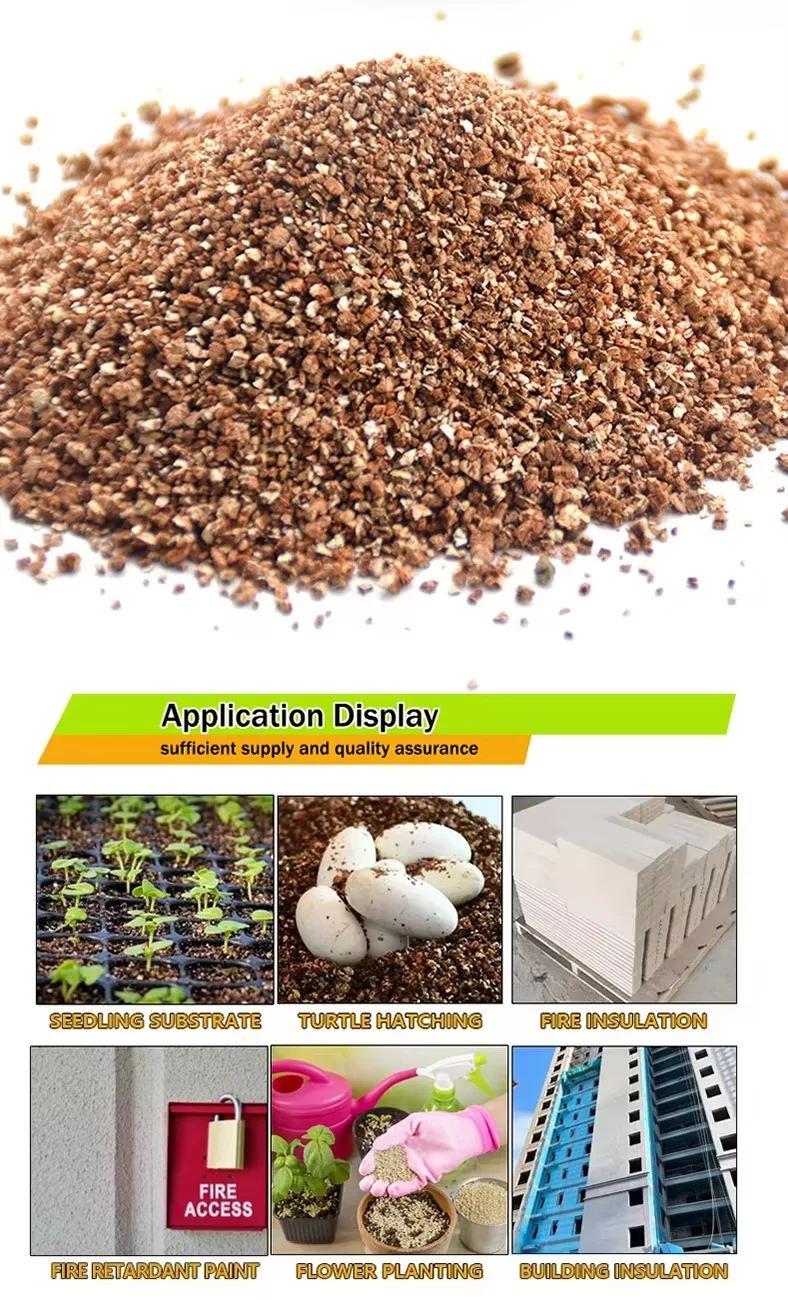
In the field of fireproof insulation, yellow expanded vermiculite is highly valued for its non-combustible properties and excellent thermal resistance. It can withstand extremely high temperatures without melting or releasing toxic gases, making it an ideal material for fire-resistant boards, coatings, and protective building systems. Its ability to slow heat transfer significantly enhances the safety of construction projects and industrial facilities.


In horticulture, vermiculite plays an essential role as a soil amendment and growth medium. It improves soil aeration while retaining moisture, creating an optimal environment for plant roots. When mixed with soil or other substrates, it enhances nutrient retention and supports healthier plant development. This makes it widely used in greenhouse cultivation, garden planting, and commercial farming systems.


For seedling raising, yellow expanded vermiculite provides a stable and balanced environment for seed germination. Its moisture-holding capacity ensures consistent hydration, while its porous structure prevents waterlogging and root suffocation. As a result, seedlings grow stronger and more uniform, improving overall cultivation efficiency.


In insulation applications, vermiculite is used in wall insulation, ceiling panels, and industrial thermal protection systems. Its low thermal conductivity helps reduce energy loss, contributing to improved energy efficiency in buildings and industrial equipment.


Additionally, yellow expanded vermiculite is environmentally friendly, chemically stable, and non-toxic, making it suitable for sustainable development projects. It is also lightweight and easy to transport, which reduces logistics costs and simplifies construction or agricultural usage.


Overall, yellow expanded vermiculite particles are a multifunctional material that bridges industrial safety and agricultural productivity. Their wide range of applications makes them an essential resource in modern sustainable development strategies.


2、Energy Efficiency and Thermal Stability of Yellow Expanded Vermiculite Particles For Fireproof Insulation, Horticulture, Seedling Raising And Insulation Materials 


Yellow expanded vermiculite particles are widely recognized for their exceptional energy efficiency and thermal stability, making them a valuable material in fireproof insulation, horticulture, seedling cultivation, and advanced insulation systems. Their unique physical structure, formed through high-temperature expansion, gives them low density, high porosity, and strong resistance to heat transfer.


One of the most important characteristics of yellow expanded vermiculite is its excellent thermal insulation performance. The layered structure of the particles traps air within microscopic spaces, significantly reducing heat conduction. This property allows vermiculite to act as an effective barrier against heat loss or heat penetration, making it highly suitable for energy-saving applications in buildings and industrial systems.


In fireproof insulation systems, vermiculite provides critical thermal stability. It does not combust, melt, or release harmful gases when exposed to high temperatures. This makes it an ideal component in fire-resistant panels, protective coatings, and high-temperature industrial insulation materials. Its stability under extreme conditions ensures long-term safety and reliability.


From an energy efficiency perspective, the use of vermiculite in construction materials helps reduce heating and cooling energy consumption. By improving thermal resistance in walls, roofs, and floors, it contributes to lower energy bills and supports sustainable building practices. This aligns with modern green building standards and environmental regulations.


In horticultural applications, thermal stability indirectly benefits plant growth by maintaining stable soil temperatures. Vermiculite helps buffer temperature fluctuations in the root zone, ensuring that plants are not exposed to sudden heat or cold stress. This stable environment improves germination rates and promotes healthy root development in seedlings.


For seedling raising, consistent temperature and moisture balance are essential. Vermiculite supports both by regulating heat retention and moisture distribution within the growth medium. This creates ideal conditions for uniform and efficient seedling development.


Furthermore, yellow expanded vermiculite is environmentally safe and chemically inert, meaning it does not degrade or release pollutants over time. Its durability ensures long service life in both industrial and agricultural systems, reducing material replacement frequency and overall environmental impact.


In conclusion, yellow expanded vermiculite particles offer a powerful combination of thermal stability and energy efficiency. Their multifunctional properties make them an essential material for modern fireproof insulation systems, sustainable agriculture, and energy-saving infrastructure development.


Get in Touch
If you have any camping barbeque equipment inquiry, please feel

If you are interested in our products, you can choose to leave your information here, and we will be in touch with you shortly.