Product Introduction
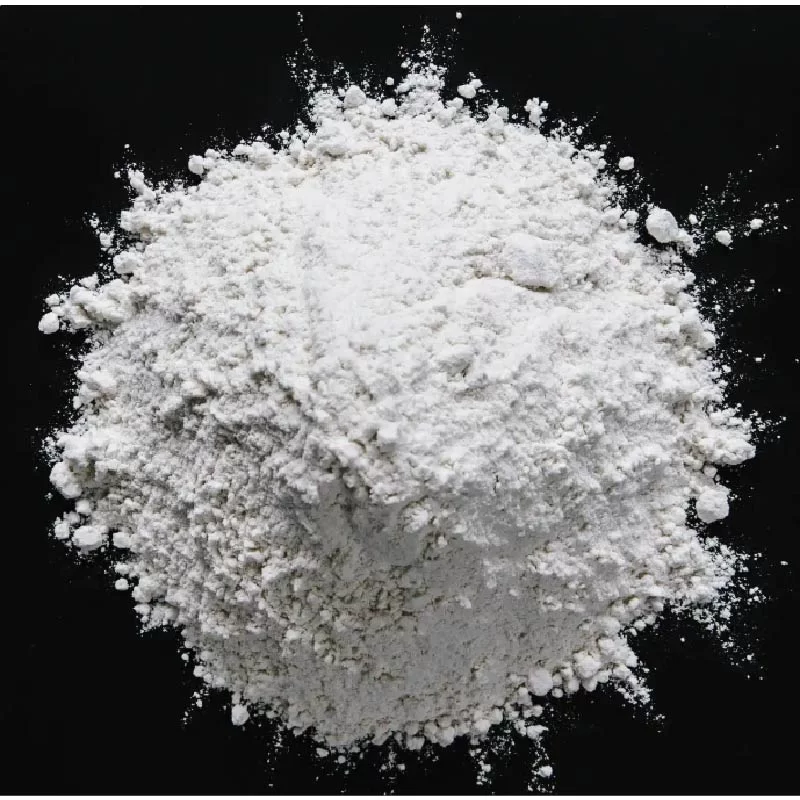
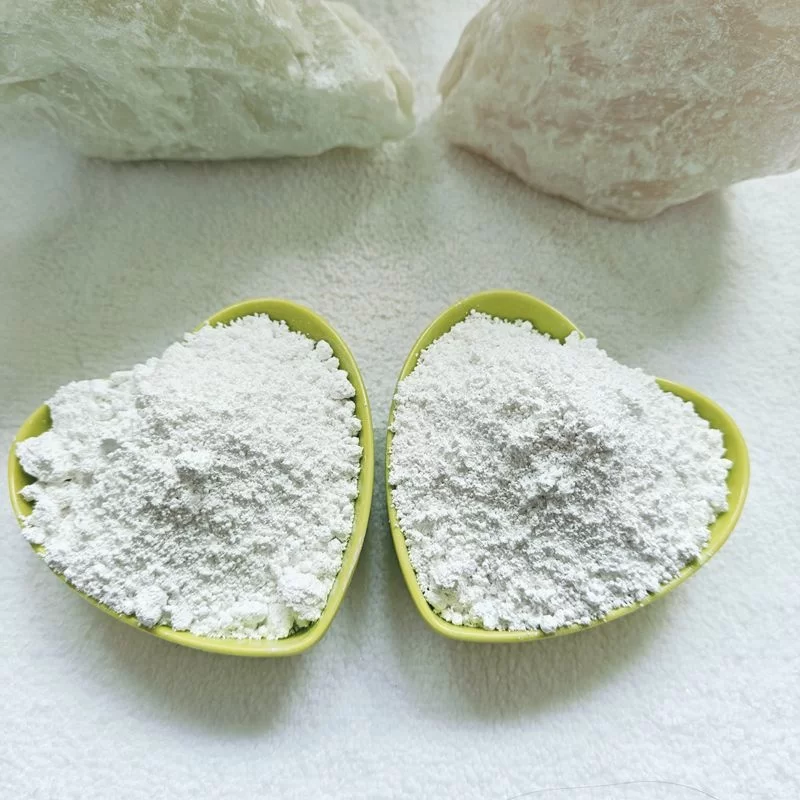
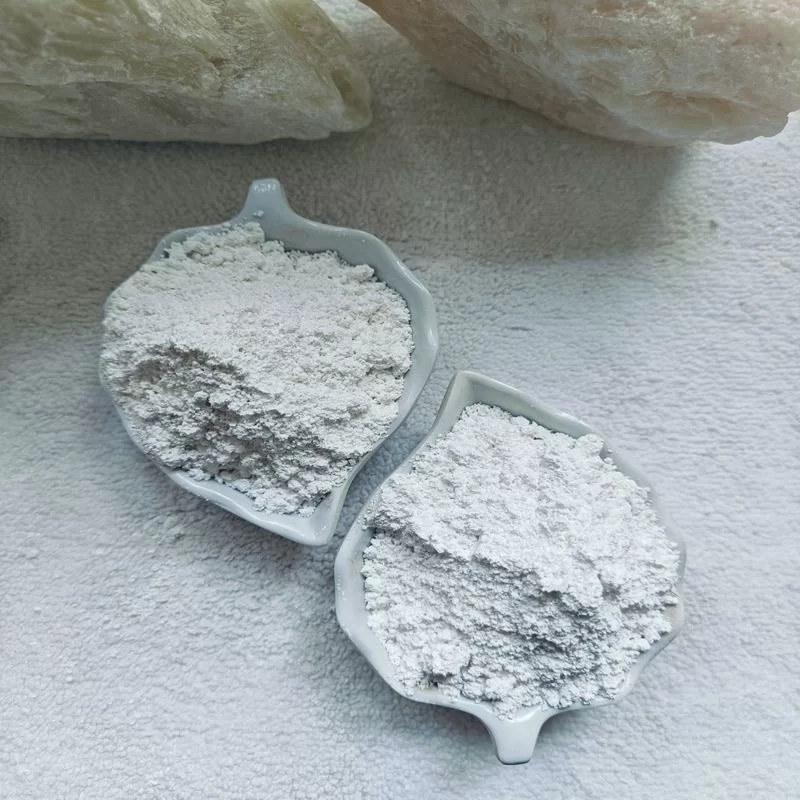
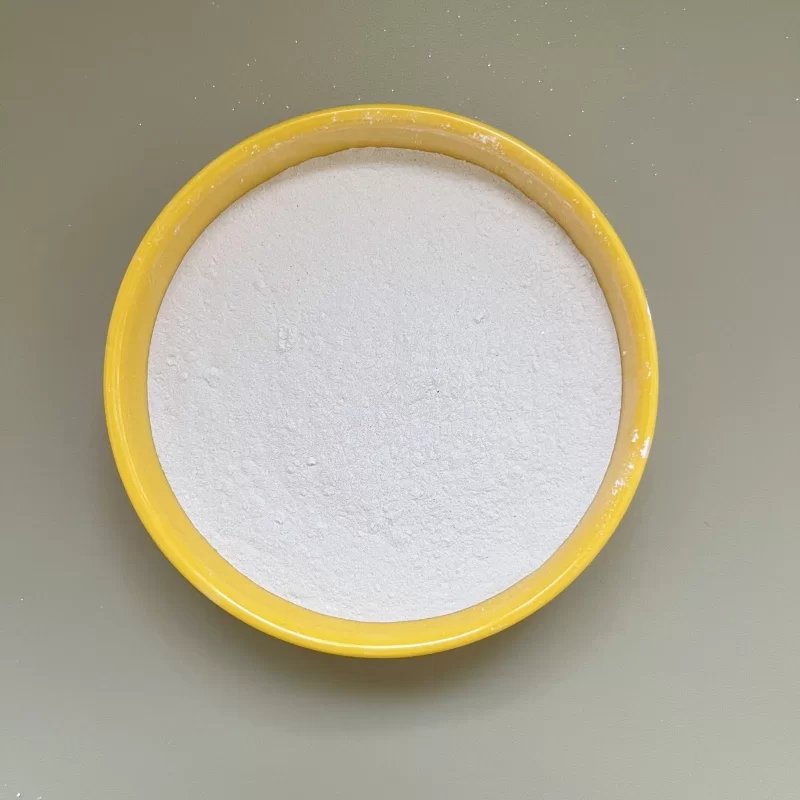
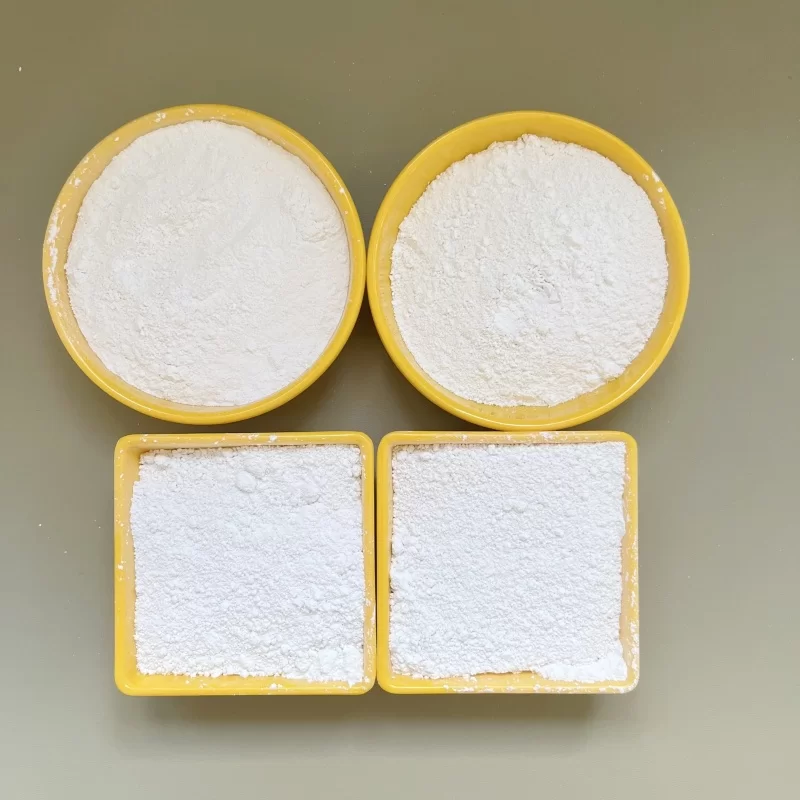
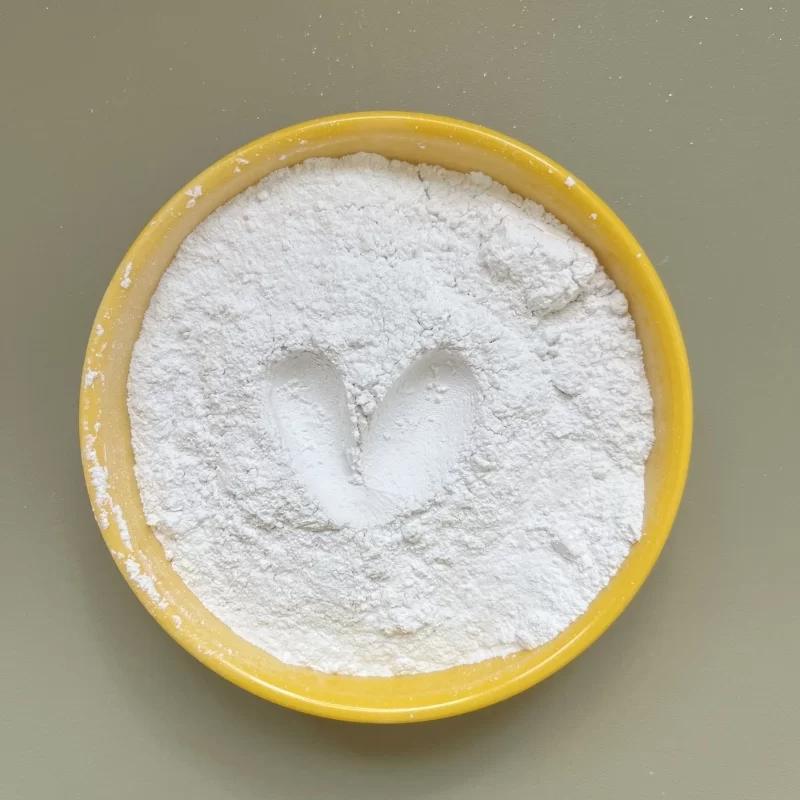
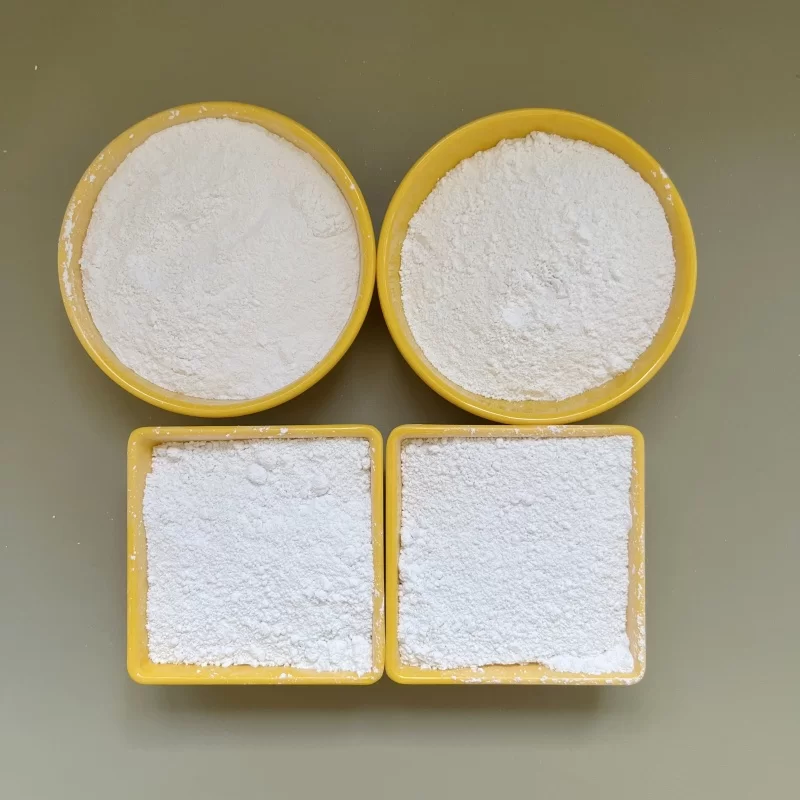
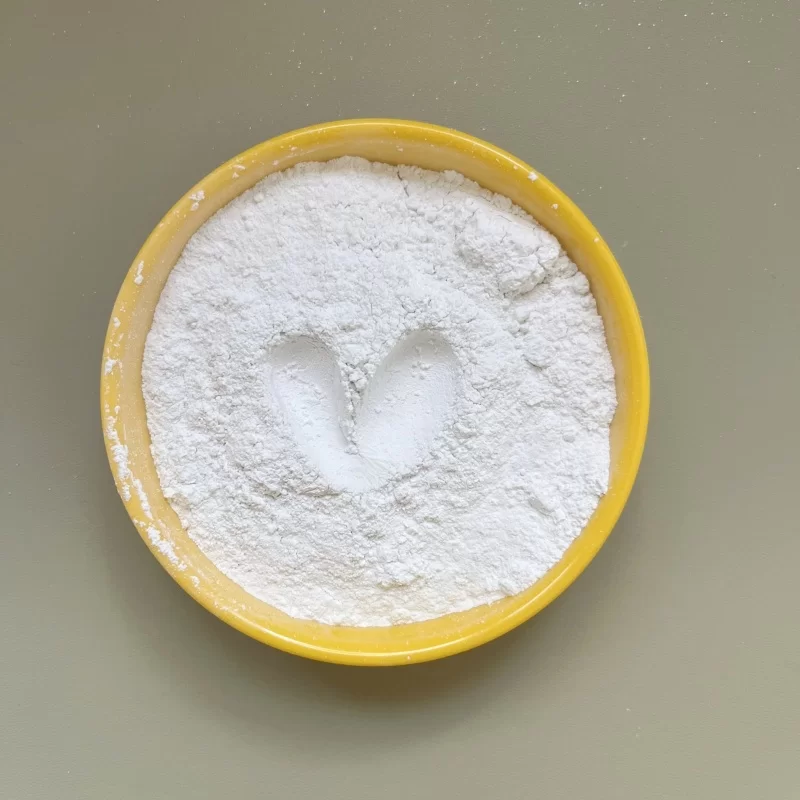
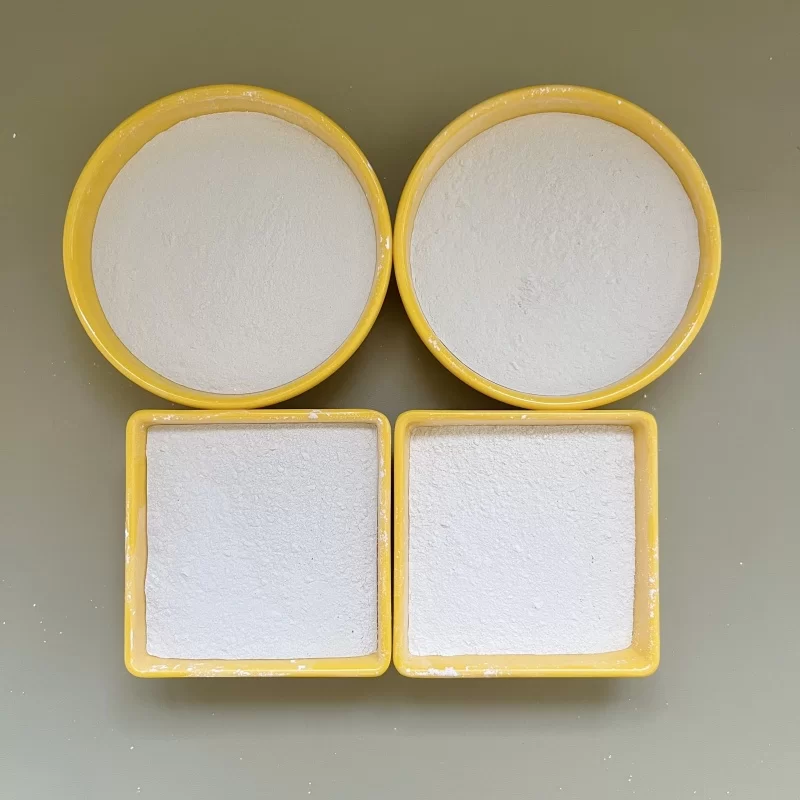
Engineered for high-performance formulations, this calcined kaolin is a versatile solution for the paper, coating, ink, rubber, and plastics industries. Manufactured from select kaolin ore through advanced processing and calcination, it offers a combination of high whiteness, uniform particle size, and stability under high temperatures. Its ability to partially replace silica fume provides a significant avenue for cost reduction without compromising on quality.
Specification
Common sizes are 200 mesh, 325 mesh, 800 mesh, 1250 mesh, 4000 mesh, 6000 mesh. We also accept customization if you need.
Chemical indicators
Al2O3 | Si02 | Fe203 | CaO | MgO | K20 | Na20 | Ti02 |
46-48% | 49-53% | 0.3% | 0.12% | 0.2% | 0.05% | 0.16% | 0.4% |
Calcined kaolin 325 mesh technical parameter table, if you need other indicators, please send an inquiry.
Product Usage
Papermaking/Coatings/Inks/Rubber/Plastics/Refractory Materials/Cosmetics and Pharmaceuticals
mineral processed to achieve exceptional whiteness, purity, and consistency, making it ideal for a wide range of applications across paper, coatings, and rubber industries. Its fine particle size, uniform distribution, and low impurity content ensure superior performance in both aesthetic and functional aspects of finished products.
In the paper industry, this high-quality calcined kaolin enhances brightness, opacity, and smoothness, improving printability and ink holdout for premium paper grades. Its excellent coating and filling properties ensure uniformity, reduce paper porosity, and contribute to stronger, high-quality paper products. Manufacturers benefit from consistent product quality and optimized production efficiency.
For coatings, calcined kaolin provides better adhesion, improved gloss, and enhanced opacity. Its high whiteness ensures vibrant and uniform colors, while its fine particle structure enhances the smoothness and durability of paints and surface coatings. This makes it an essential component in producing high-performance decorative and protective coatings for various surfaces.
In the rubber industry, calcined kaolin acts as a reinforcing filler, improving mechanical strength, hardness, and abrasion resistance of rubber products. Its low impurity content ensures compatibility with different rubber formulations, helping manufacturers produce more durable and reliable products.
Furthermore, the versatility of calcined kaolin allows integration with advanced processing equipment, ensuring consistent quality, particle size, and dispersion. Whether used in paper production, coatings, or rubber manufacturing, Calcined Kaolin: High-Quality For Paper, Coatings & Rubber Industries delivers reliable performance, enhanced product quality, and long-term efficiency, making it a preferred choice for industrial applications that demand both functionality and aesthetic excellence.
Selecting the right calcined kaolin: high-quality for paper, coatings & rubber industries is critical for manufacturers who want to maximize product performance and efficiency. This versatile mineral offers exceptional whiteness, purity, and fine particle distribution, making it suitable for applications across multiple industries, including papermaking, coatings, rubber, and ceramics. Choosing the correct grade ensures consistent results and minimizes production issues.
For ceramic and pottery applications, selecting the appropriate clay for pottery or white clay for pottery is vital. Calcined kaolin pottery clay provides enhanced plasticity and workability, allowing artisans and manufacturers to achieve smoother surfaces and finer details in their ceramic and pottery products. Its chemical stability ensures uniform firing, reducing defects such as warping or cracking during kiln processing.
In addition to ceramics, this high-quality kaolin is essential for paper and coatings industries. The use of kaolin ceramic powder improves paper brightness, opacity, and printability, while in coatings, it enhances gloss, adhesion, and opacity, resulting in uniform, durable surfaces. Rubber manufacturers also benefit, as calcined kaolin enhances mechanical properties, including hardness and abrasion resistance, while maintaining compatibility with diverse formulations.
Understanding the source material, such as raw kaolin clay, is important for ensuring consistent quality. High-purity kaolin reduces impurities that could negatively affect color, texture, and overall performance. Manufacturers should consider particle size, chemical composition, and processing method, as these factors directly impact the performance of the final product.
By carefully evaluating the requirements of each application and selecting the appropriate calcined kaolin, businesses can achieve superior product quality, improved manufacturing efficiency, and cost-effective production. Choosing the right kaolin ensures that products, whether in paper, coatings, rubber, or pottery, meet industry standards and customer expectations consistently.
Calcined kaolin: high-quality for paper, coatings & rubber industries is not only valued for its functional performance but also for its ability to enhance durability and aesthetics. In ceramics and pottery, using high-quality clay pottery such as calcined kaolin pottery clay allows manufacturers to produce items with uniform whiteness, smooth surfaces, and excellent structural strength. This ensures that pottery and ceramic products are both visually appealing and long-lasting.
In the paper industry, the fine particle size and high whiteness of kaolin ceramic powder improve surface smoothness and ink holdout, resulting in high-quality coated papers. For coatings, white clay for pottery and calcined kaolin can provide excellent coverage, opacity, and gloss, improving the aesthetic appearance of painted surfaces while also enhancing protection against wear and environmental damage.
Rubber products benefit from the reinforcing properties of calcined kaolin, which improves hardness, abrasion resistance, and overall product longevity. By selecting the right raw kaolin clay and processing it with advanced techniques, manufacturers can achieve uniform particle distribution and consistency, ensuring both durability and aesthetic quality in the final products.
Additionally, high-quality kaolin improves glaze performance in pottery and ceramics, enabling vibrant, uniform finishes that resist discoloration over time. This combination of durability and visual appeal makes calcined kaolin a preferred choice across industries that require long-lasting, high-performance products.
Ultimately, leveraging calcined kaolin in your production process allows manufacturers to combine enhanced functionality with superior aesthetics, creating products that satisfy both technical standards and consumer expectations.
Modern manufacturing relies heavily on high-quality raw materials to ensure efficiency, consistency, and superior product performance. Calcined kaolin: high-quality for paper, coatings & rubber industries offers a unique combination of fine particle size, high whiteness, and chemical stability, making it an indispensable component in contemporary industrial applications.
One key advantage is its role in ceramics and pottery. Clay for pottery, especially calcined kaolin pottery clay, allows manufacturers to achieve precise molding, smooth surfaces, and uniform firing results. The use of white clay for pottery ensures excellent whiteness in final products, while kaolin ceramic powder contributes to mechanical strength and glaze adhesion, resulting in more durable and visually appealing ceramic items.
In the paper industry, calcined kaolin improves brightness, opacity, and printability. High-purity kaolin reduces paper defects and enhances coating performance, allowing manufacturers to produce premium paper products efficiently. Similarly, in coatings, its inclusion enhances gloss, opacity, and surface uniformity, producing high-quality paints and coatings that meet modern performance standards.
Rubber manufacturers also benefit from raw kaolin clay, which improves mechanical properties such as hardness, tensile strength, and abrasion resistance. The use of high-quality calcined kaolin ensures consistent results, reduced waste, and optimized production processes.
Additionally, cost efficiency and versatility are important advantages. Sourcing reliable, high-quality kaolin allows manufacturers to maintain production standards while minimizing material wastage. Across paper, coatings, rubber, and pottery industries, the benefits of calcined kaolin include enhanced aesthetics, improved mechanical properties, and long-term durability, making it a cornerstone of modern industrial manufacturing.
Titanium dioxide is a high-performance white pigment with excellent opacity, brightness, and UV resistance. It’s widely used in paints, plastics, and coatings for vivid, durable finishes.
Rather than elaborate artificial carving, pebbles preserve the marks formed by time and natural forces to the greatest degree. Available in various colors and complete sizes, they’re extensively applied in landscape and construction sectors due to their natural properties, water permeability, wear resistance and abundant natural appeal—such as paving, garden paths, water feature design, cultural stone, stone cladding and filter media.
High-quality kaolin undergoes physical and chemical changes through high-temperature calcination, dehydrating and crystallizing to lose substances like fluorine. After cooling, calcined kaolin is formed, which has high silicon content, good whiteness, strong oil absorption and high hardness. It is widely used in ceramics, papermaking, wall tiles, floor tiles, rubber, chemical coatings and other fields.
Light calcium carbonate usually appears in spindle or needle-like shapes with a narrow particle size distribution. It features uniform particles, high whiteness, large sedimentation volume, low oil absorption value, good dispersibility, and high chemical purity. These properties enable it to be widely used in numerous industrial fields, such as plastics, rubber, papermaking, and coatings.
Food-grade expanded perlite for industrial filtration applications. High flow rates, excellent clarity, and consistent performance as filter aid in food, beverage, and pharmaceutical industries.
Crushed Glass Stone is a versatile building decoration material, available in customized sizes with multiple color options. Made from high-quality glass, it offers strong durability, rich color, and modern visual appeal.
It is widely used for terrazzo flooring, countertops, landscaping, wall decoration, and aquarium projects, helping designers create unique and vibrant surfaces.
The material is stable, low-maintenance, and resistant to fading, making it suitable for indoor and outdoor applications.
Semi-refined quartz powder strikes an excellent balance between cost and performance. Specially processed, it boasts significantly higher whiteness than ordinary quartz sand, while its iron content is strictly controlled to ensure chemical stability. This versatile material is ideal for ceramics, resin castings, and various industrial fillers, effectively improving product quality without significantly increasing costs.
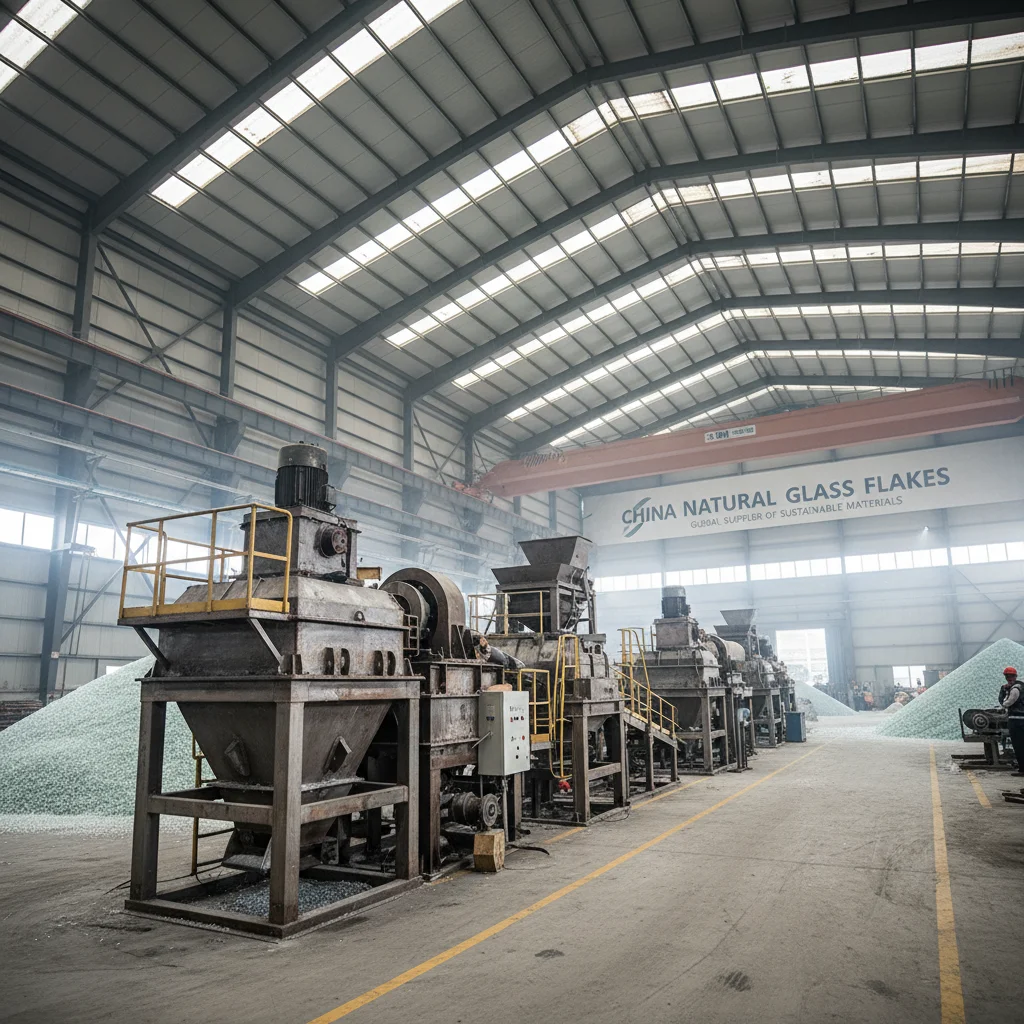
Glass flakes are high-performance flaky glass fillers designed to boost anti-corrosion, wear resistance and barrier capabilities. Featuring a typical thickness of 2–10μm and diameter of 100–3000μm, they form a "labyrinth effect" in coatings/linings, which effectively stops corrosive media from penetrating and prolongs the service life of industrial equipment and structures.




If you are interested in our products, you can choose to leave your information here, and we will be in touch with you shortly.