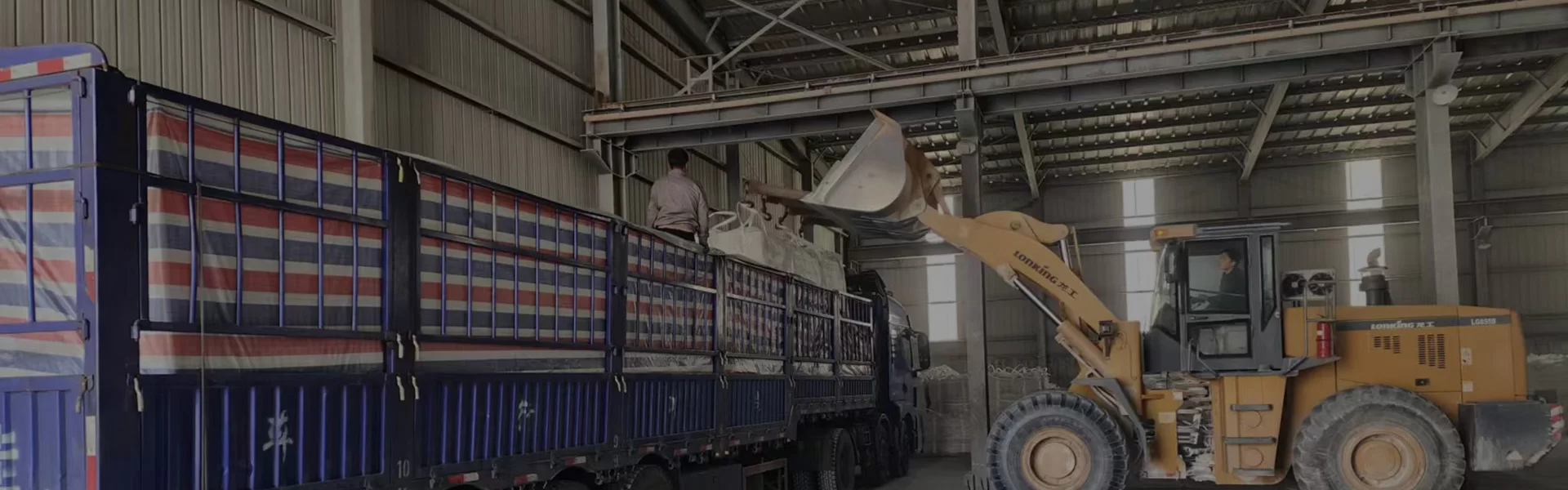
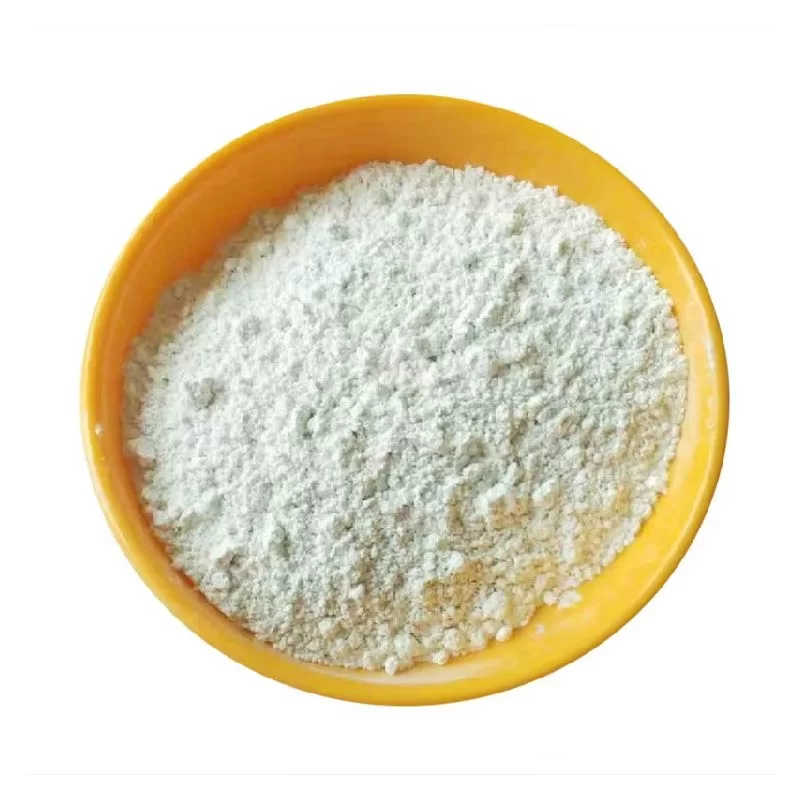
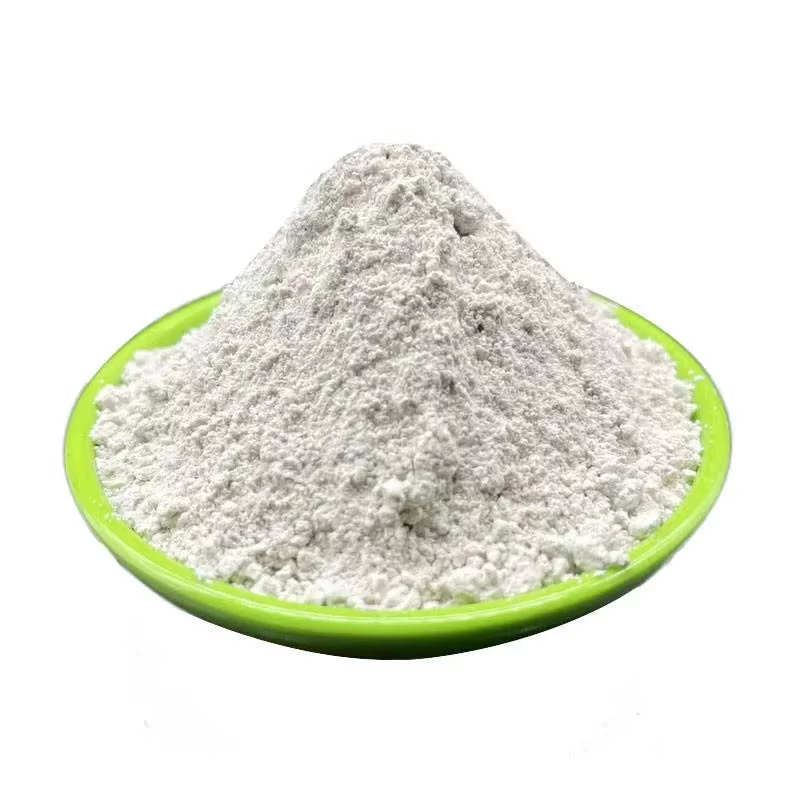
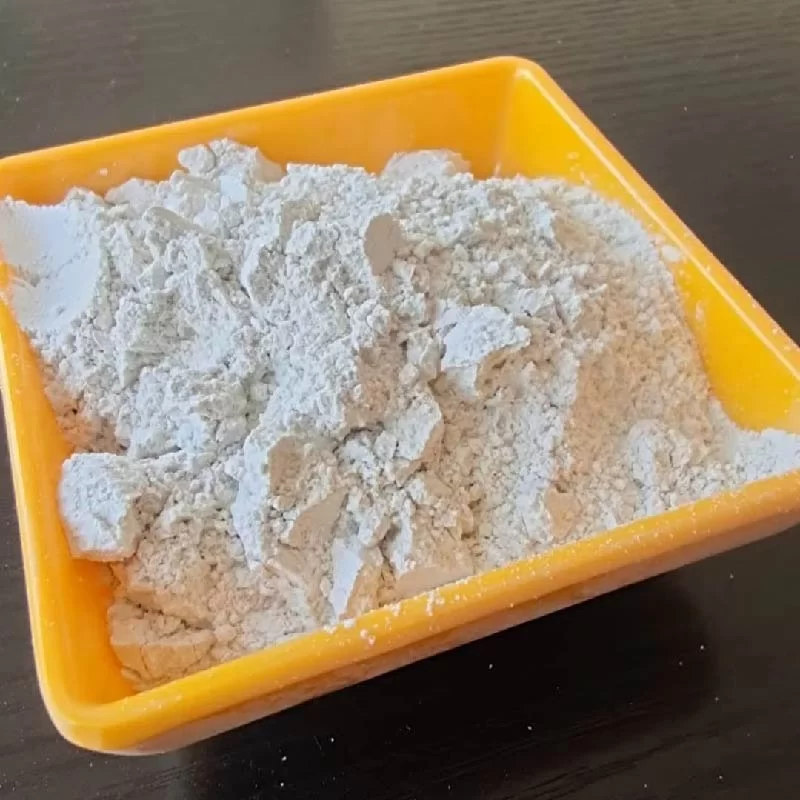
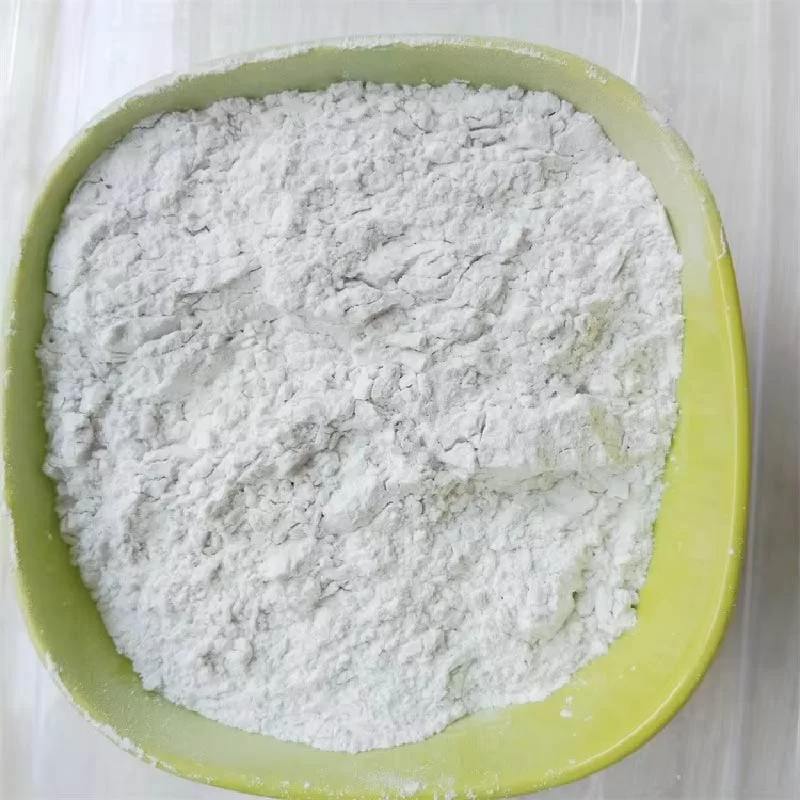
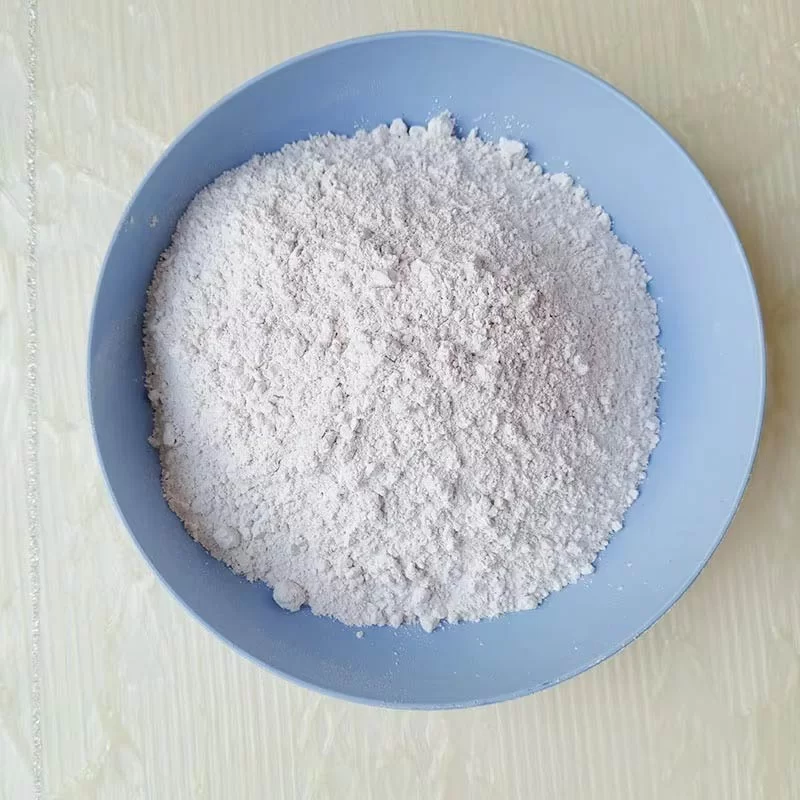
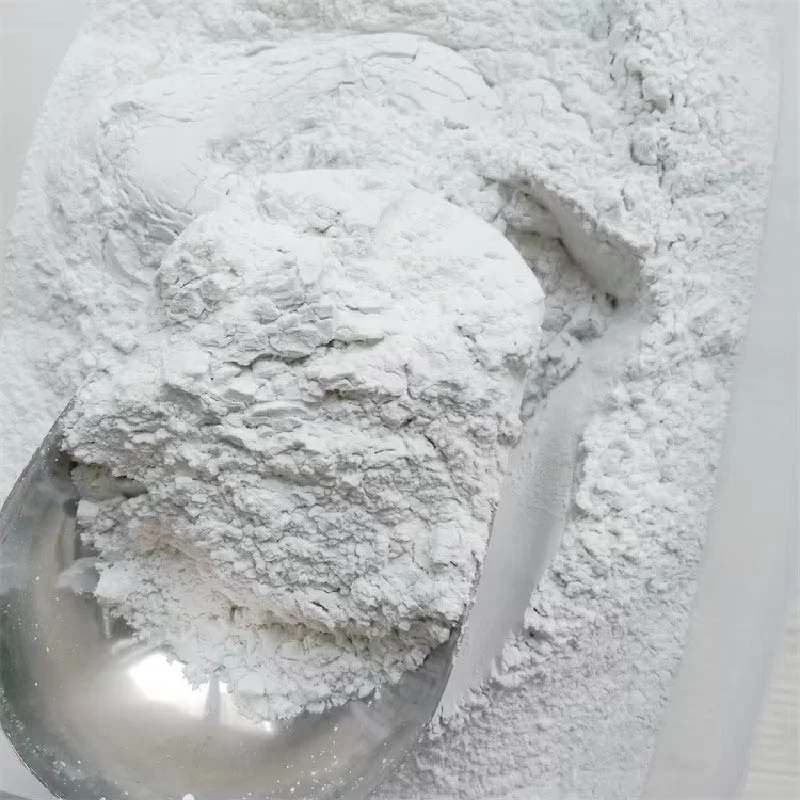
Main Features
Feature Description
Fine Particle Size Ultrafine lamellar structure with soft touch and smooth feel.
High Whiteness & Transparency Provides natural brightness and elegant luster.
Excellent Adhesion Adheres well to resins, coatings, and skin surfaces.
Chemical Stability Resistant to acids, alkalis, UV radiation, and oxidation.
Soft Touch & Non-Irritating Safe, skin-friendly, and suitable for cosmetic use.
Main Application Industries & Functions
Industry Typical Applications Main Functions & Advantages
1.Cosmetics Industry Foundation, pressed powder, eyeshadow, BB cream, skincare Provides silky texture, oil absorption, good adhesion, soft-focus and brightening effects.
2.Coatings & Paints High-end architectural coatings, pearlescent paints Improves smoothness, weather resistance, and surface appearance.
3.Plastics & Rubber Functional filler in engineering plastics and rubber Enhances toughness, improves heat resistance, and reduces shrinkage.
4.Ceramics & Glass Fine ceramics, glazes Improves whiteness, luster, and firing stability.
5.Paper Industry Coated paper and specialty paper Enhances smoothness, brightness, and printability.
6.Electrical Insulation Materials Cable insulation, insulating boards Provides good dielectric strength and heat resistance.
7.Functional Powder Materials Composite fillers, anti-caking agents Improves powder flowability and product stability.
Advantages Summary
Smooth and silky texture
High purity and whiteness
Excellent adhesion and dispersibility
Stable under UV and heat
Non-toxic and skin-safe (cosmetic grade available)
Key Selling Points for Export
Fine lamellar structure and soft touch
Ideal for cosmetics, coatings, and plastics
Improves texture, smoothness, and surface appearance
Excellent chemical and thermal stability
Safe, environmentally friendly, and non-irritating
Sericite, a fine-grained mica mineral, has become an essential additive in modern construction projects due to its unique physical and chemical properties. Its excellent thermal stability, chemical resistance, and smooth particle structure make it ideal for enhancing the performance and durability of various building materials.
In cement, concrete, and mortar, Sericite improves workability, reduces shrinkage, and enhances adhesion between components. Its fine particles help fill micro-gaps, resulting in denser and more durable structures. This contributes to longer-lasting buildings and infrastructure while minimizing maintenance costs over time.
For coatings, plasters, and paints, Sericite enhances surface smoothness, adds subtle luster, and improves resistance to cracking, weathering, and UV radiation. Its reflective properties not only provide aesthetic appeal but also protect surfaces from environmental degradation, extending the life of exterior and interior finishes.
Sericite is also used in decorative panels, tiles, and thermal insulation materials, where it improves durability and contributes to energy efficiency. Its non-toxic, environmentally friendly characteristics make it a sustainable choice for modern construction, aligning with the increasing demand for eco-conscious building materials.
By incorporating Sericite into construction projects, manufacturers and builders can achieve stronger, more durable, and visually appealing results. Its versatility allows it to be applied across structural, protective, and decorative applications, providing both functional and aesthetic benefits.
Overall, Sericite is a reliable mineral that enhances the quality, longevity, and sustainability of construction materials, making it an indispensable component in high-performance building solutions.
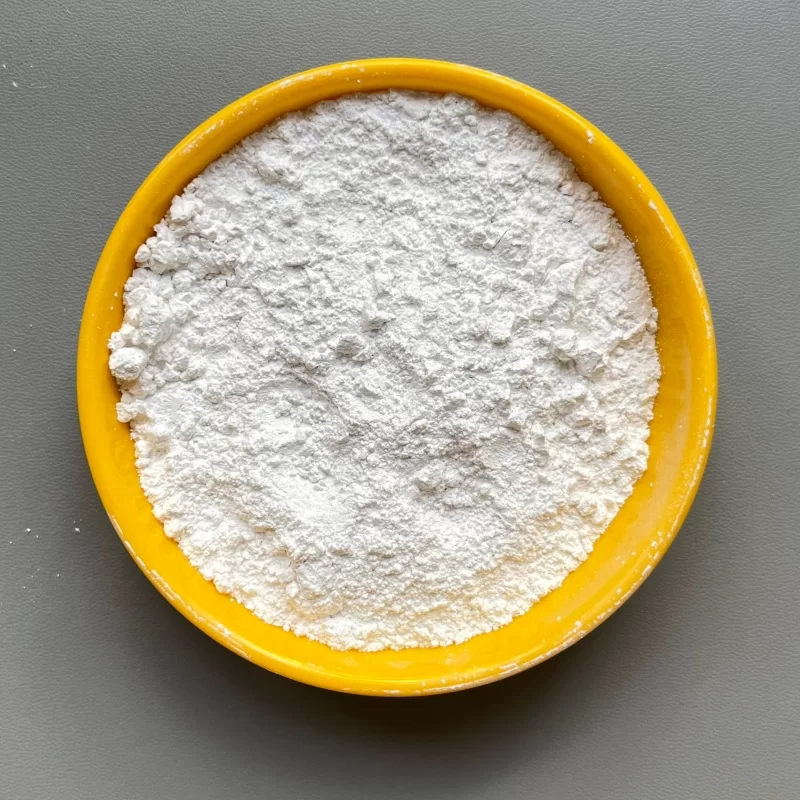
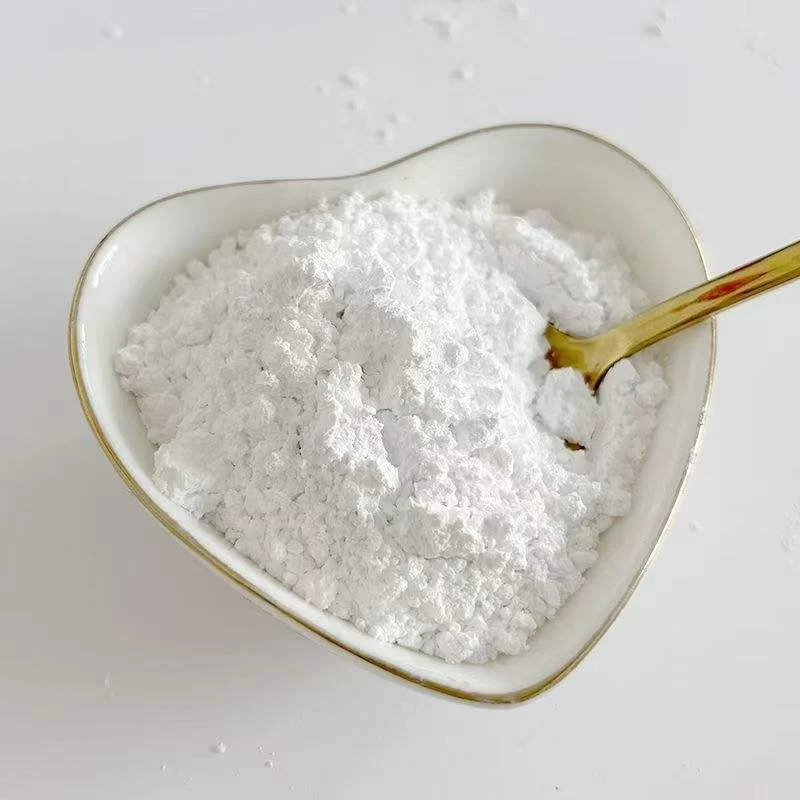
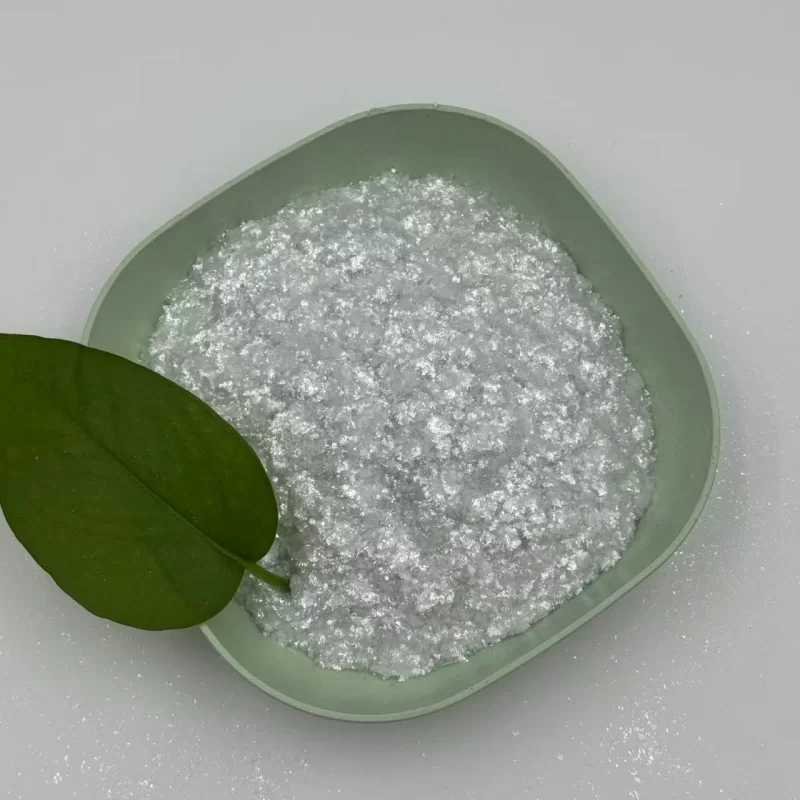
Sericite powder, a fine-grained mica mineral, is highly valued in various industries due to its unique physical and chemical properties. Its smooth, layered structure provides excellent thermal stability, chemical resistance, and electrical insulation, making it a versatile additive in manufacturing and industrial applications.
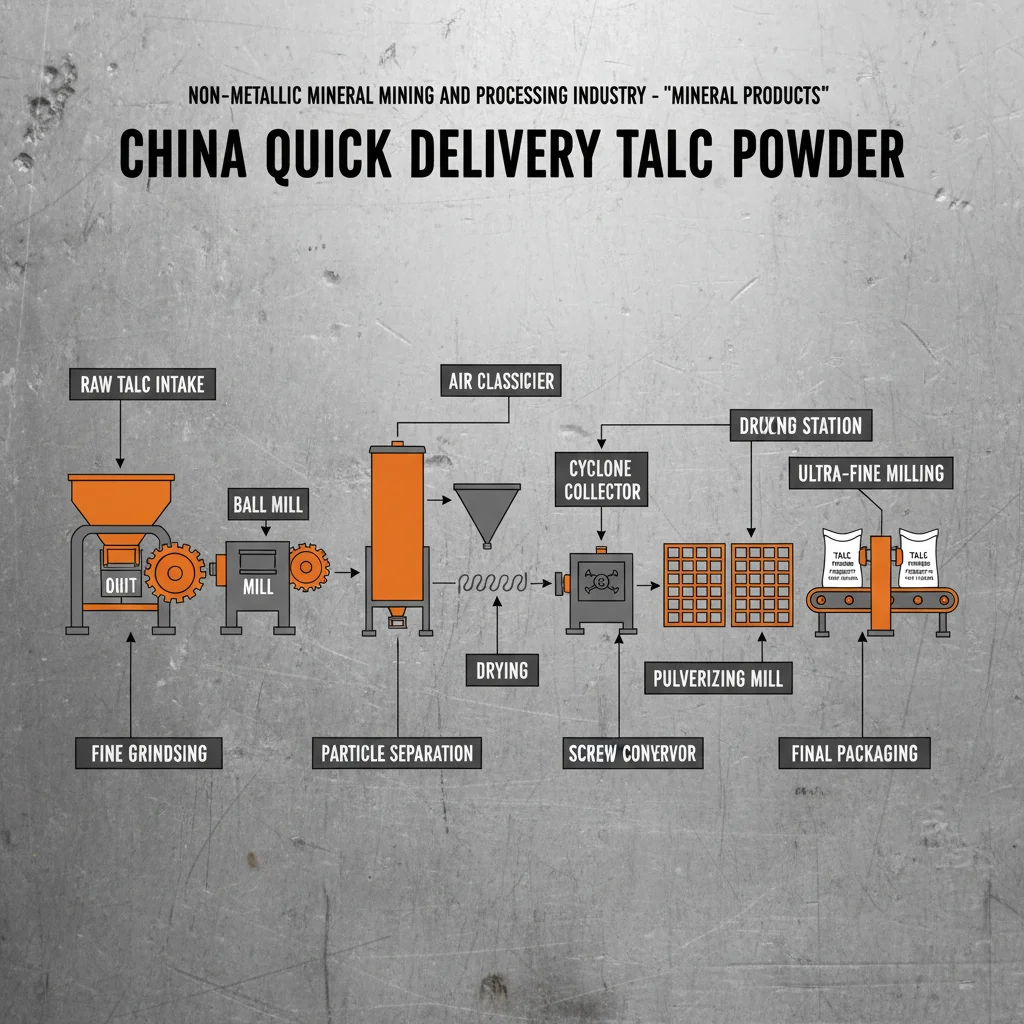
The production of Sericite powder involves careful mining, crushing, and milling processes to achieve consistent particle size and purity. High-quality Sericite powder ensures uniform performance in all applications, from coatings and plastics to construction materials and cosmetics. Advanced processing techniques also allow for the production of ultra-fine Sericite powders, which enhance the performance and finish of the final product.
In coatings and paints, Sericite powder improves adhesion, durability, and surface smoothness while adding a subtle pearlescent effect. It also increases resistance to cracking, weathering, and UV radiation, extending the life of the coating. In plastics and composites, Sericite powder acts as a reinforcing filler, improving mechanical strength, dimensional stability, and heat resistance.
Sericite powder is widely used in construction materials such as cement, plaster, and decorative panels, where it enhances workability, reduces shrinkage, and contributes to a smooth and durable finish. Additionally, its non-toxic and environmentally friendly properties make it suitable for cosmetics, personal care products, and other applications that require safety and sustainability.
Overall, Sericite powder’s combination of physical strength, chemical stability, and aesthetic appeal makes it an indispensable material across multiple industries. Whether in coatings, plastics, construction, or cosmetics, high-quality Sericite powder provides reliable performance, improved product quality, and enhanced durability, making it a preferred choice for manufacturers and professionals worldwide.
Product Description
High Quality Sericite Mica for Industrial Applications is a premium-grade mineral designed to meet the rigorous demands of modern industrial processes. Sourced from carefully selected deposits, this sericite mica exhibits exceptional purity, consistent particle size, and superior chemical stability, making it ideal for a wide range of applications in coatings, plastics, rubbers, paints, and electronics. Its smooth, platy structure ensures excellent dispersion and enhances the mechanical and thermal properties of composite materials.
In the coatings industry, High Quality Sericite Mica acts as a functional filler, improving adhesion, reducing shrinkage, and enhancing surface finish. Its fine particles provide a natural sheen and durability, contributing to long-lasting and aesthetically appealing surfaces. For plastics and rubbers, the mica increases dimensional stability and heat resistance, enabling manufacturers to produce high-performance materials suitable for automotive, construction, and consumer products.
The chemical inertness and high dielectric strength of this mica make it particularly suitable for electrical and electronic applications. It ensures reliable insulation, thermal resistance, and stability even under demanding conditions. Furthermore, its uniform particle distribution reduces the risk of material defects and enhances product consistency across large-scale production.
Our High Quality Sericite Mica undergoes rigorous quality control to ensure minimal impurities and superior performance. It is available in various mesh sizes and customizable grades, allowing industries to tailor the material to specific process requirements. With excellent compatibility with both organic and inorganic compounds, it is a versatile mineral solution that enhances the durability, safety, and efficiency of industrial products.
Whether used in advanced industrial coatings, high-performance polymers, or precision electronic components, High Quality Sericite Mica for Industrial Applications delivers reliable performance, enhanced material properties, and long-term stability, making it an indispensable choice for manufacturers seeking top-quality industrial minerals.
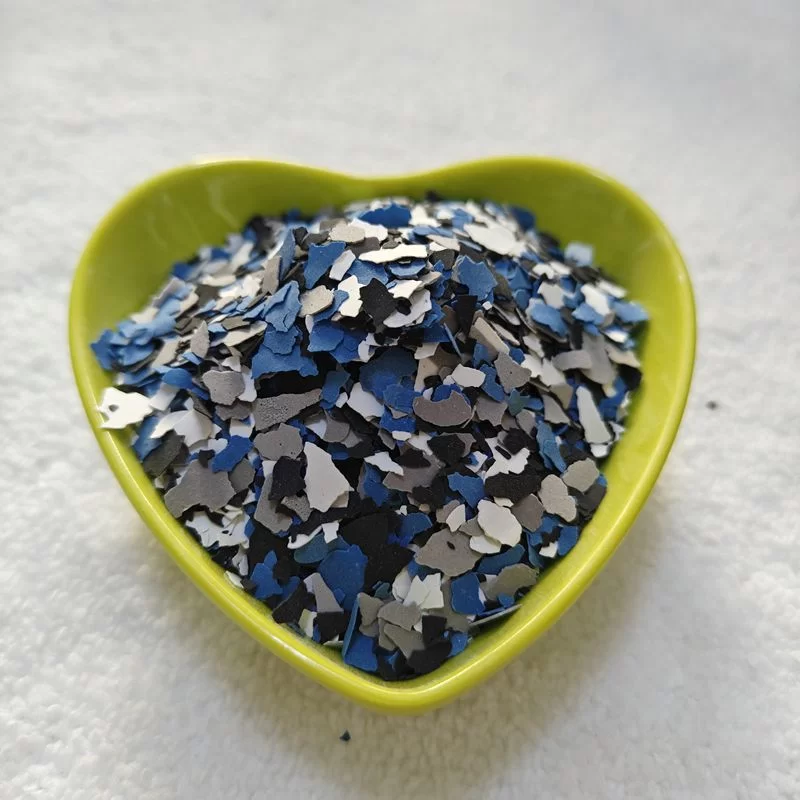
Environmentally friendly composite flakes for green building projects. Low VOC, water-based formulation with excellent coverage and application properties. LEED compliant.
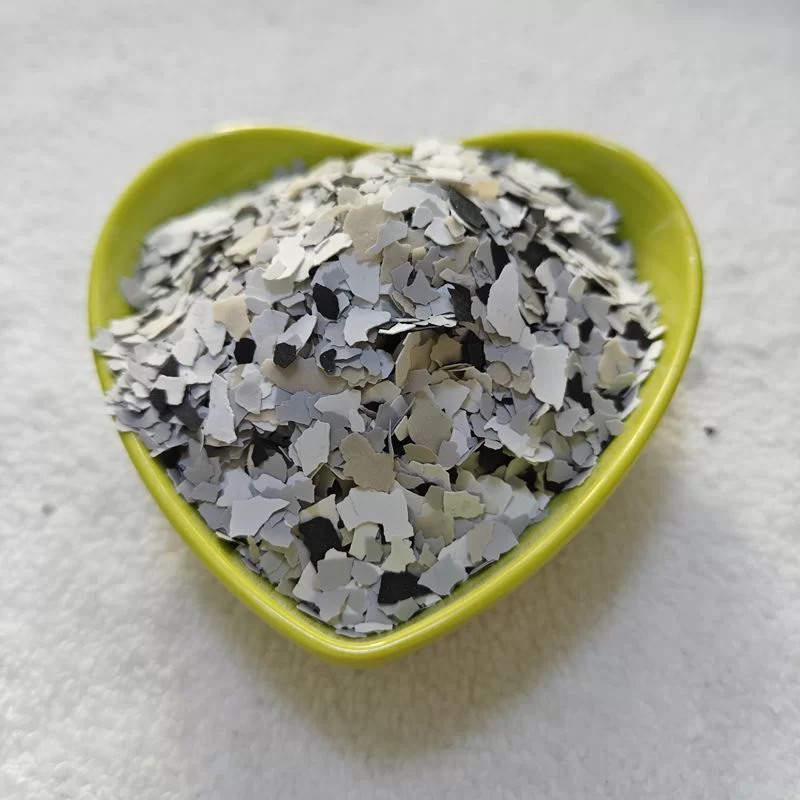
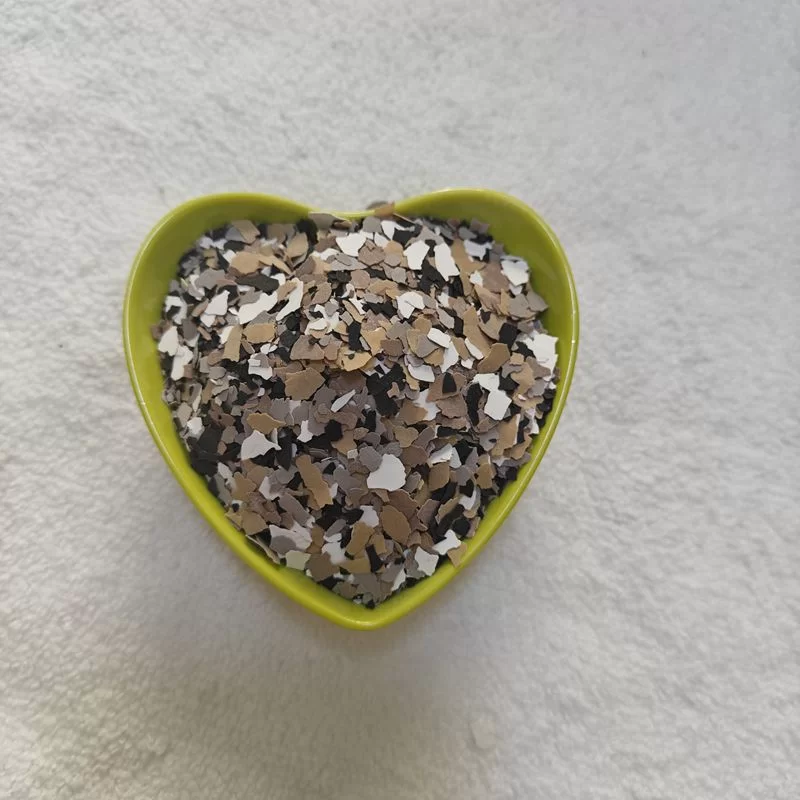
Advanced composite flakes for realistic granite simulation. 0.3mm thickness with irregular edges creates authentic stone texture. Excellent UV resistance and weatherability for long-term performance.
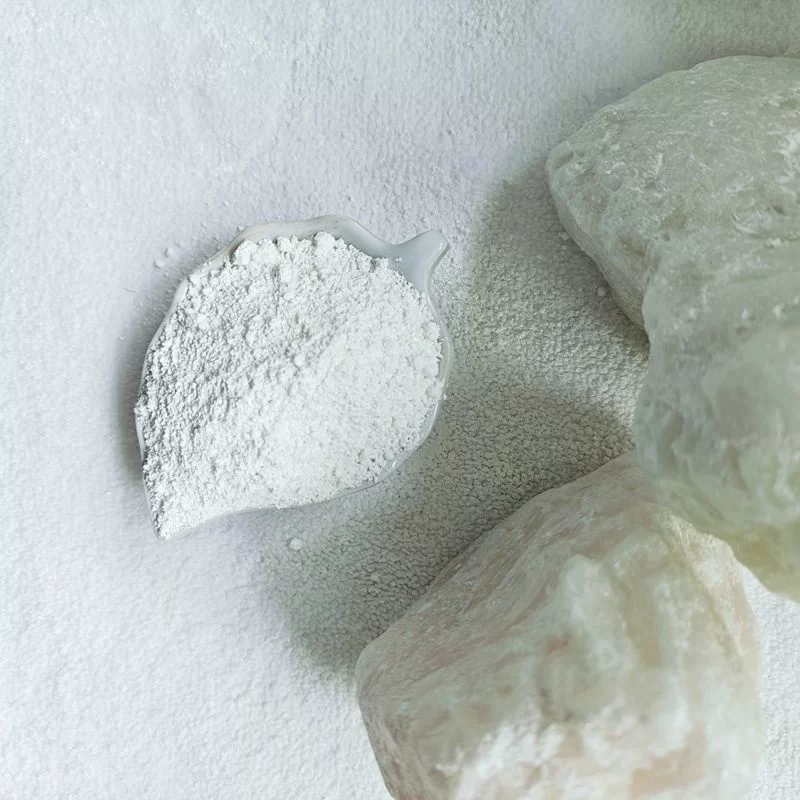
With a spindle or needle-like structure and narrow particle size distribution, light calcium carbonate offers key advantages: uniform particles, high whiteness, large sedimentation volume, low oil absorption, good dispersibility, and high chemical purity. Such characteristics support its wide application in industries like plastics, rubber, papermaking, and coatings.
Calcined talc powder specifically designed for rubber applications. Functions as effective filler, release agent, and surface treatment agent while improving heat resistance and mechanical properties.
Specialty natural stone chips specifically formulated for real stone paint applications. Delivers authentic granite and marble visual effects with enhanced durability and weather resistance.
Engineered as high-performance flaky glass fillers, glass flakes deliver enhanced anti-corrosion, wear resistance and barrier properties. Typically 2–10μm thick and 100–3000μm in diameter, they create a "labyrinth effect" in coatings/linings to block corrosive media penetration and extend the service life of industrial equipment and structures.
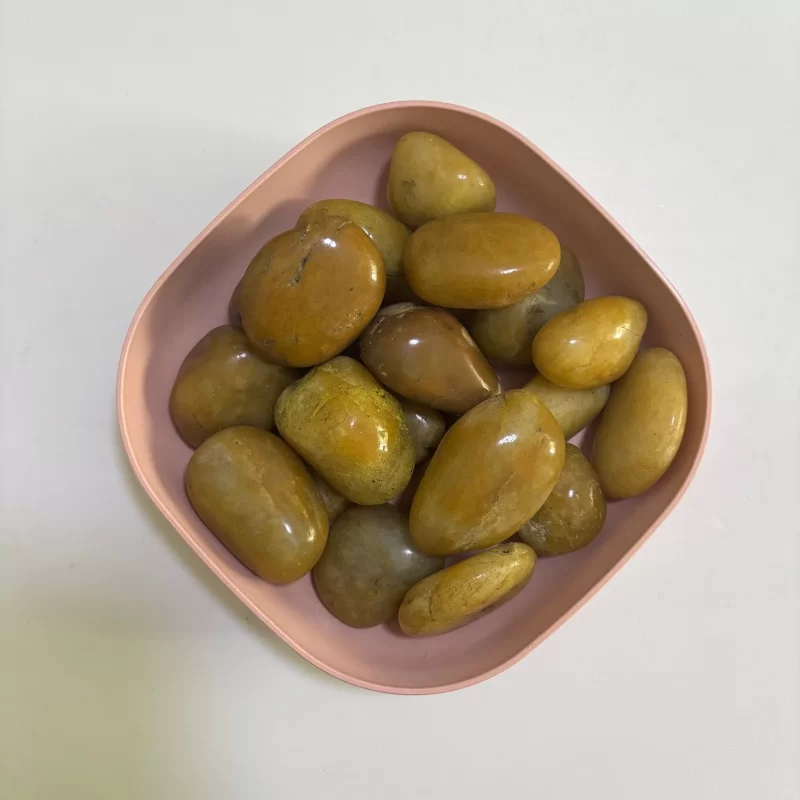
Pebbles avoid intricate man-made carving; instead, they keep the traces shaped by time and natural forces as much as possible. Coming in diverse colors and full size ranges, they’re widely used in landscape and construction fields thanks to their natural characteristics, water permeability, wear resistance and rich natural charm—including paving, garden paths, water feature creation, cultural stone, stone cladding and filter media.
As a weighting agent, it increases the density of drilling fluid and balances formation pressure.

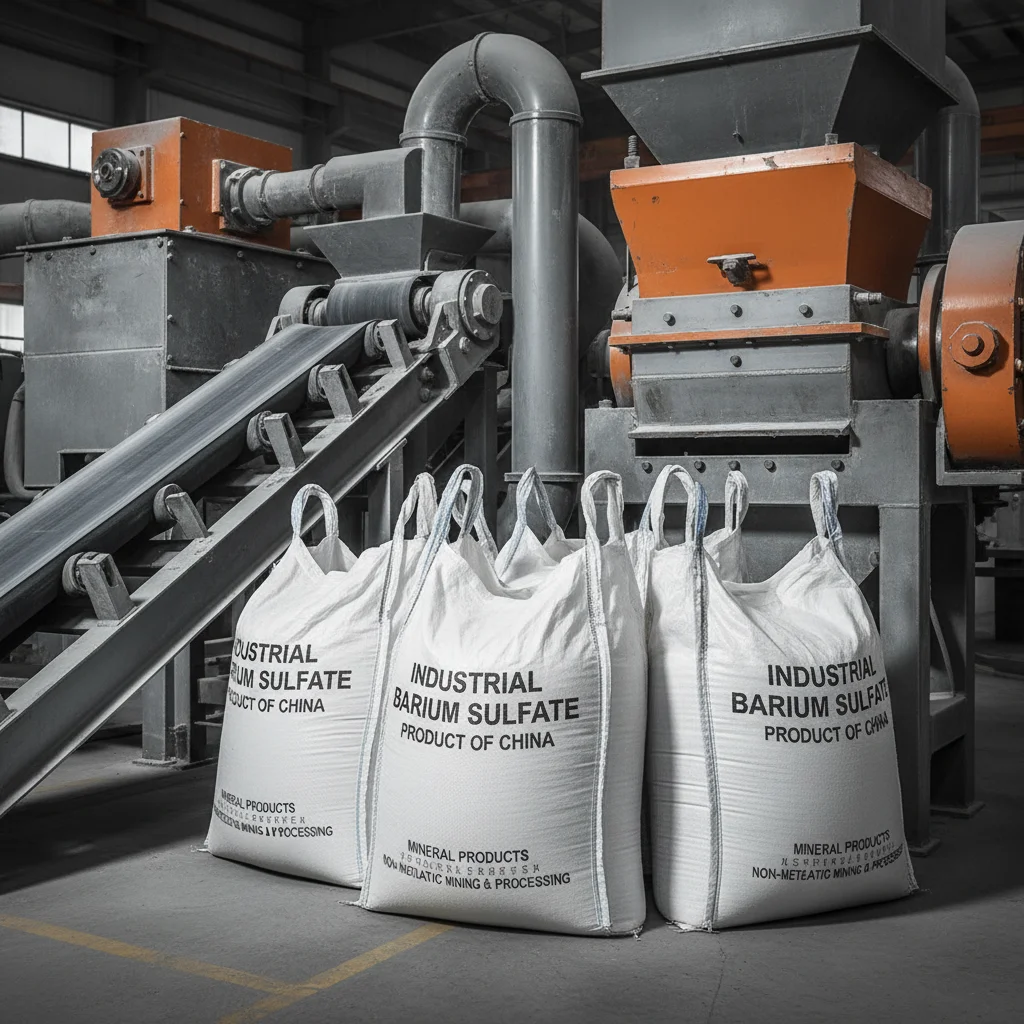


If you are interested in our products, you can choose to leave your information here, and we will be in touch with you shortly.