Product Introduction
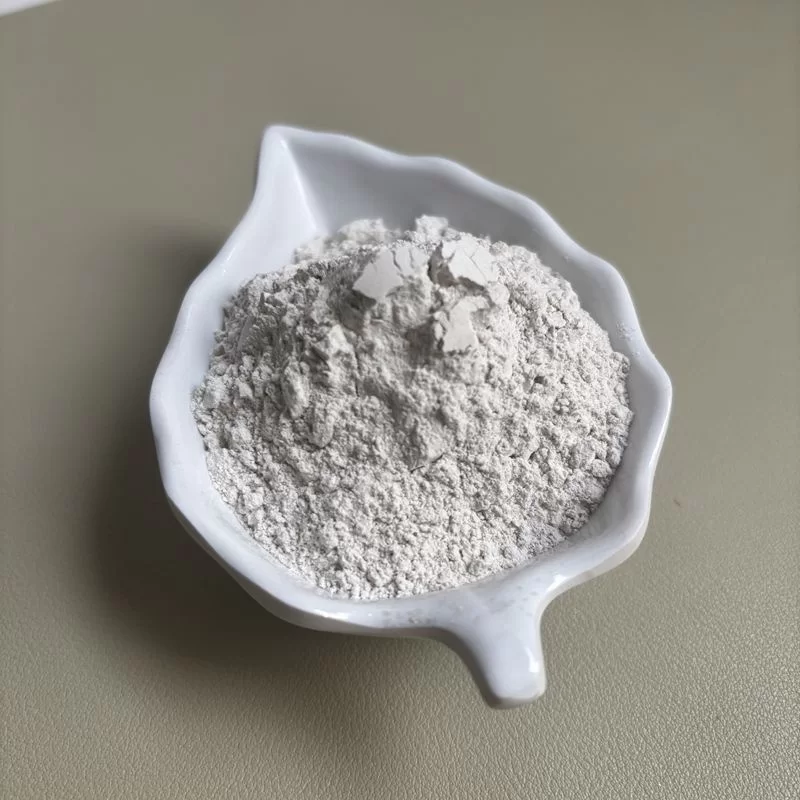
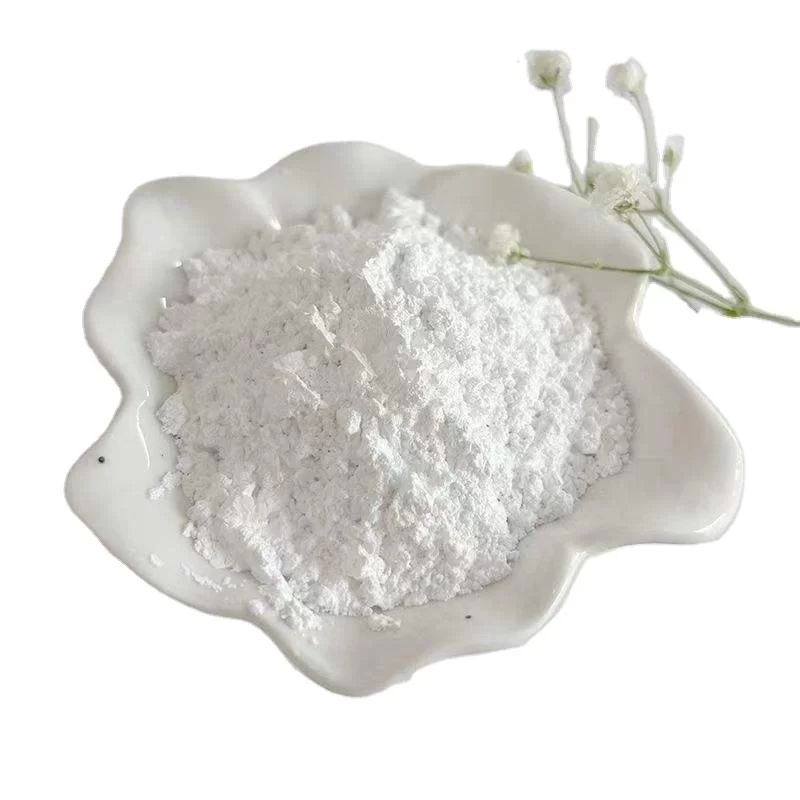
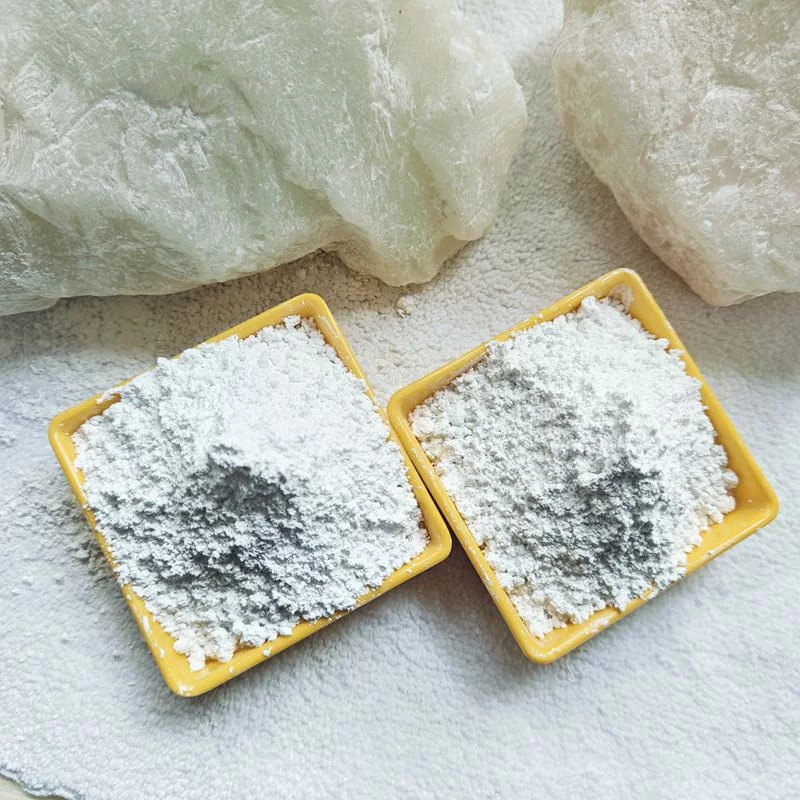
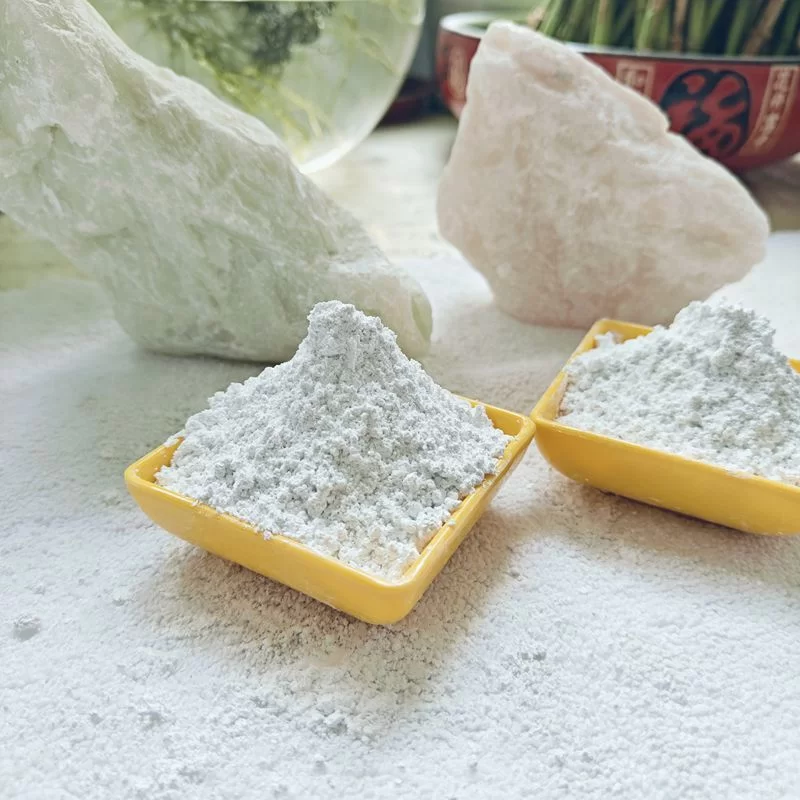
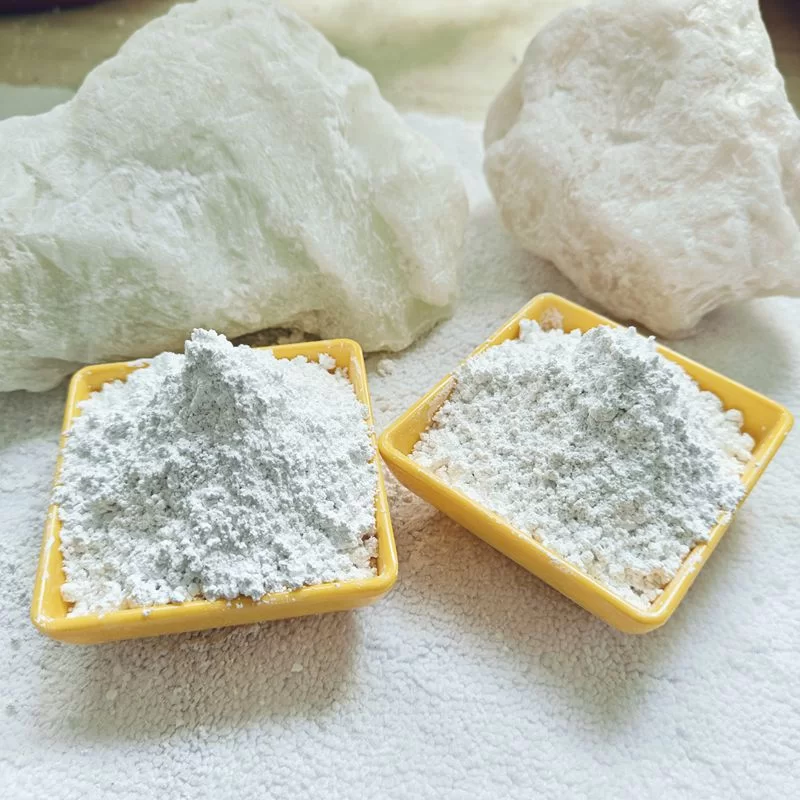
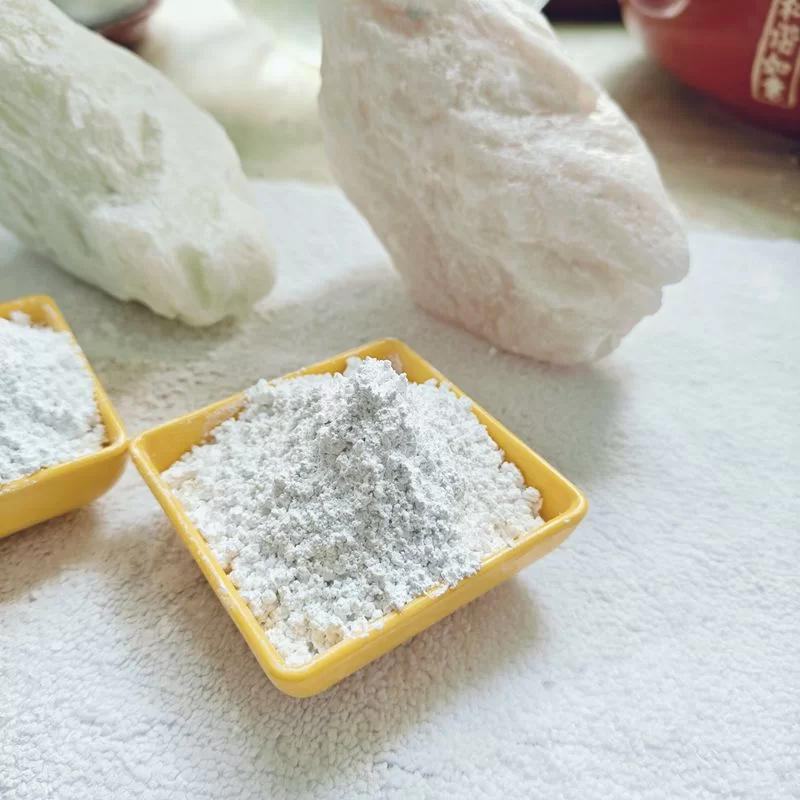
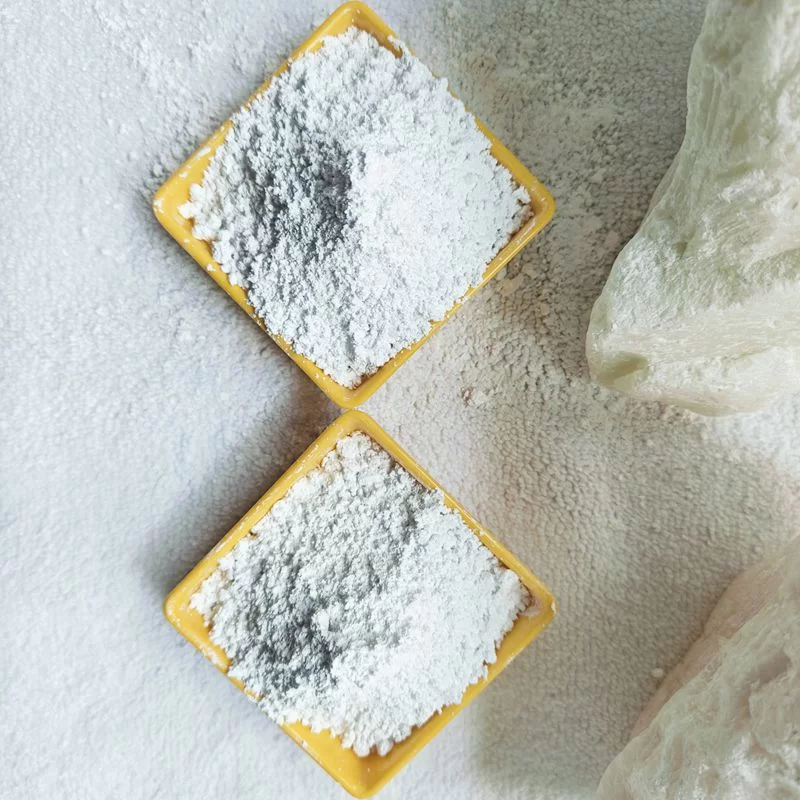
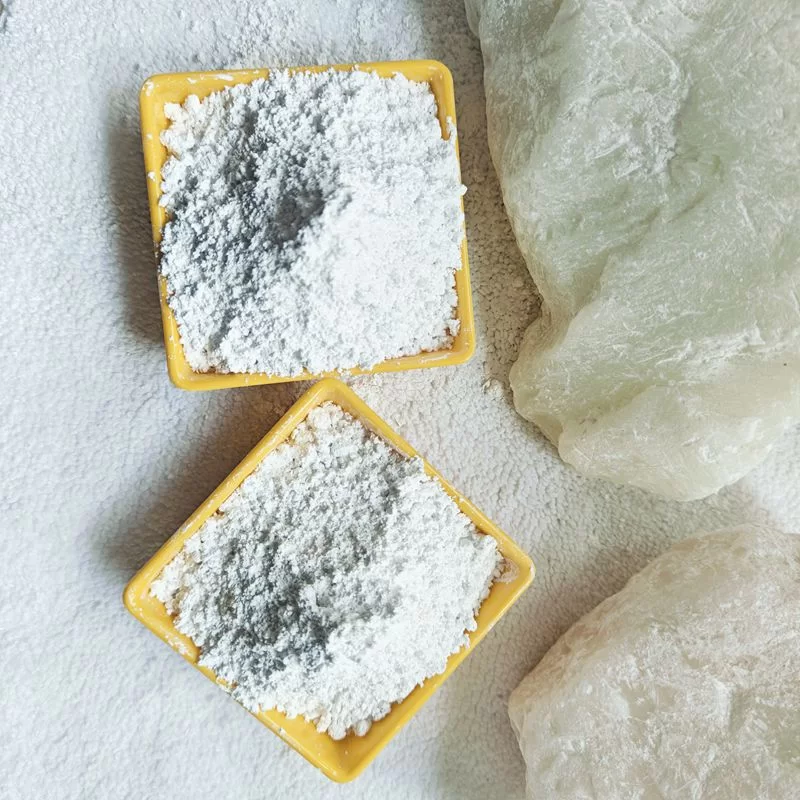
Heavy calcium carbonate– crafted by grinding premium natural carbonate minerals (calcite, marble, limestone) – stands out as a highly versatile powdered inorganic filler. Its competitive edge lies in a suite of superior properties: exceptional chemical purity, strong inertness, outstanding resistance to chemical reactions, and excellent thermal stability (maintaining integrity below 400℃). It also offers high whiteness, low oil absorption, low refractive index, soft texture, dry composition (no crystal water), low hardness (low abrasion), non-toxicity, odorlessness, and top-tier dispersibility. These traits drive its broad adoption in industries ranging from rubber, plastics, paints, and water-based coatings to papermaking, concrete, and fireproof ceiling materials.
Specification
Common sizes are 100mesh,200mesh, 325 mesh, 400mesh,600 mesh,800mesh, 1250 mesh, 1500mesh,2500mesh,4000mesh,5000mesh,We also accept customization if you need.
Chemical indicators
Calcium content | Residue on sieve | pH | Whiteness | Moisture | Clinching point (d100) |
98.6% | 0.005 | 9 | 94.2 | 0.18 | 11. 11 |
Ground calcium carbonate325 technical parameter table, if you need other indicators, please send an inquiry.
Product Usage
Rubber/Plastics/ Paints,/Water-based coatings,/Papermaking/ Concrete/Fireproof ceiling materials.
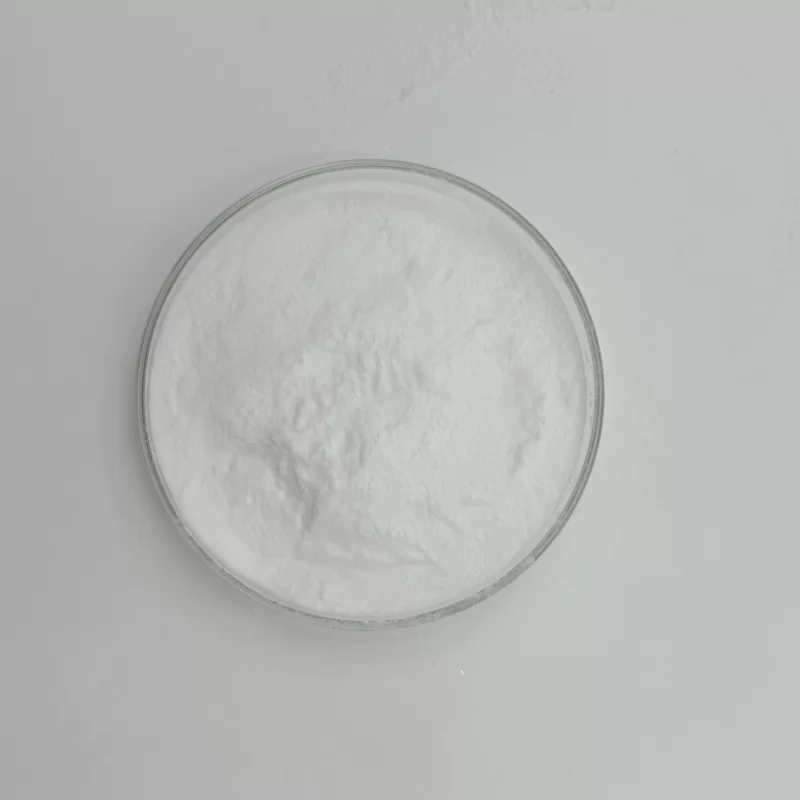
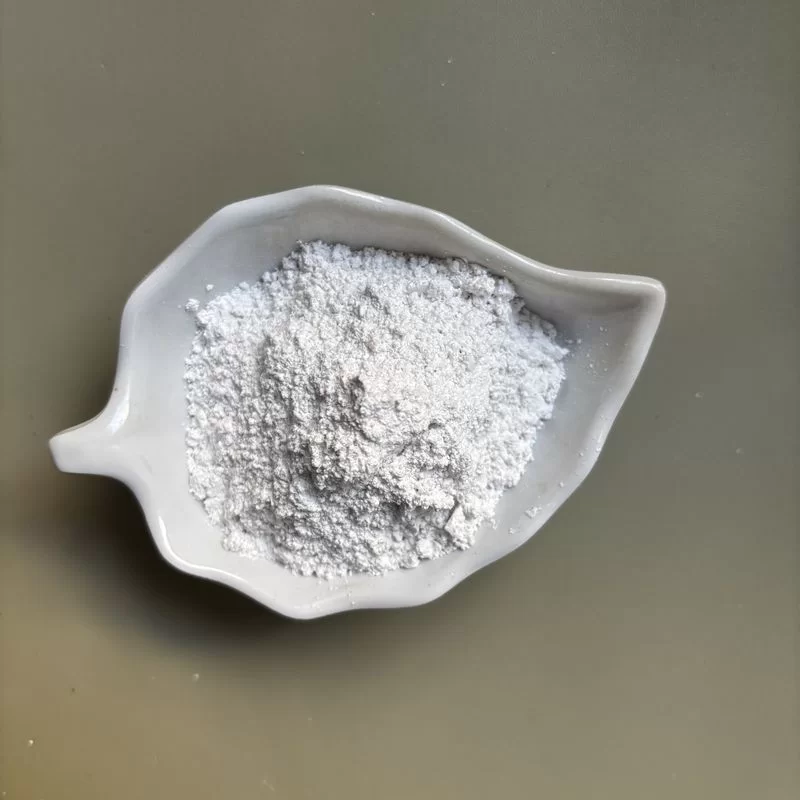
Washed kaolin is made by adding water to raw materials, mixing them into a slurry, then undergoing sedimentation separation and drying. It becomes a mineral with kaolin properties, and due to its white color, low cost, good fluidity, stable chemical properties and large surface cation exchange capacity, it is widely used as a filler in coatings and paints, as well as in firebricks, silica-alumina wool, cosmetics and medicine.
Hollow glass microspheres are lightweight spherical particles characterized by a smooth and reflective surface. Predominantly formulated with alkali-lime borosilicate glass, they possess a distinctive set of properties: low density, high mechanical strength, low thermal conductivity, excellent electrical insulation performance, temperature resistance, chemical stability, and good fluidity. These multi-functional microspheres are extensively utilized in adhesives, corrosion-resistant coatings, insulating coatings, construction materials, rubber products, synthetic wood, oilfield cementitious materials, and lightweight automotive composite materials.
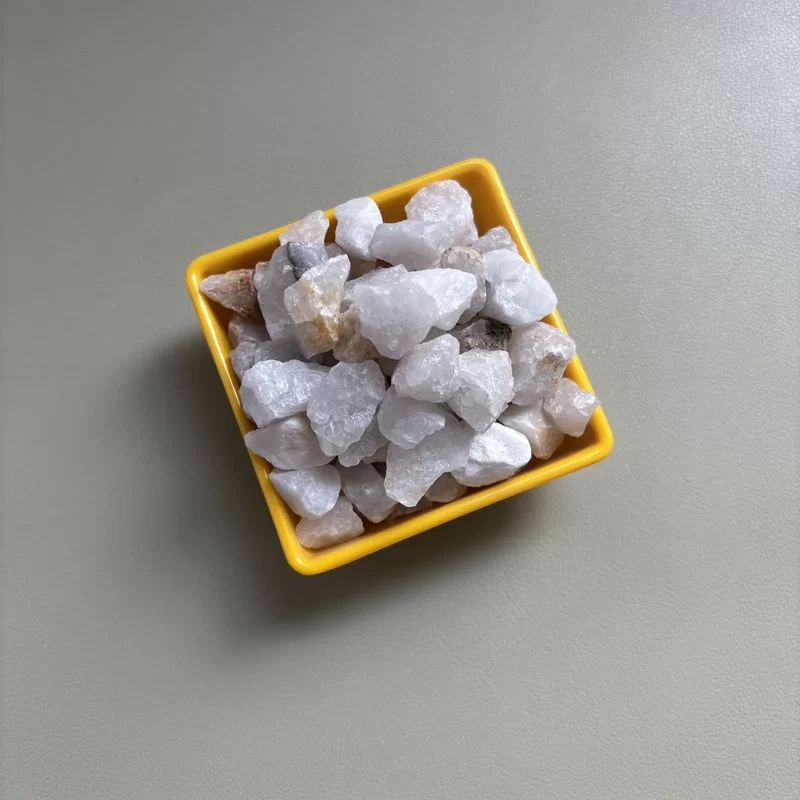
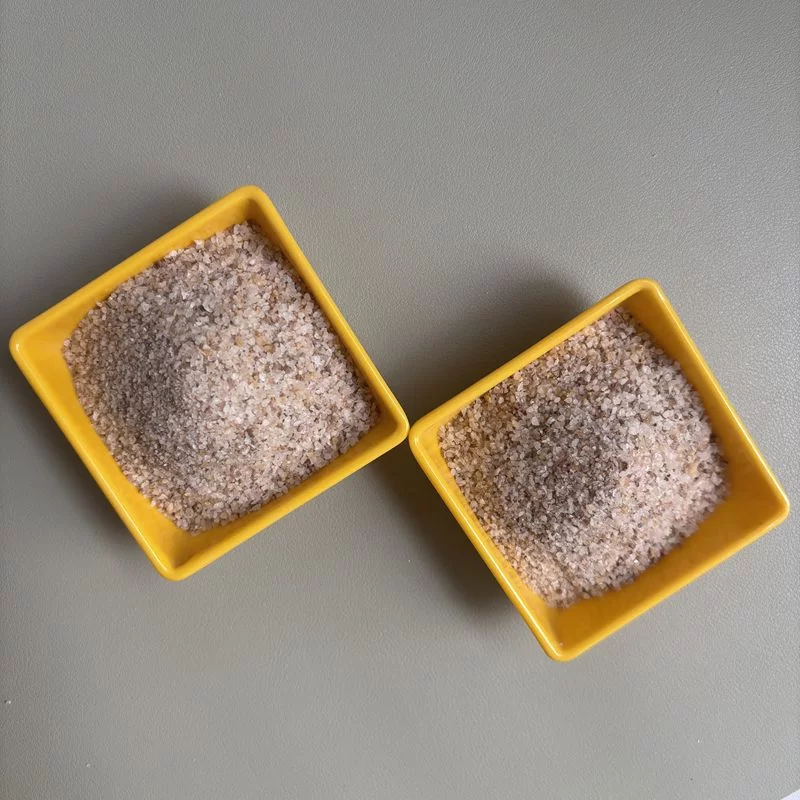
Semi-refined quartz sand is particularly suitable for ceramic glazes, greenware production, and precision casting. Compared to ordinary quartz sand, it offers advantages in whiteness and composition consistency, better meeting the requirements for raw material appearance and performance stability in related production processes.
High-quality kaolin undergoes physical and chemical changes through high-temperature calcination, dehydrating and crystallizing to lose substances like fluorine. After cooling, calcined kaolin is formed, which has high silicon content, good whiteness, strong oil absorption and high hardness. It is widely used in ceramics, papermaking, wall tiles, floor tiles, rubber, chemical coatings and other fields.
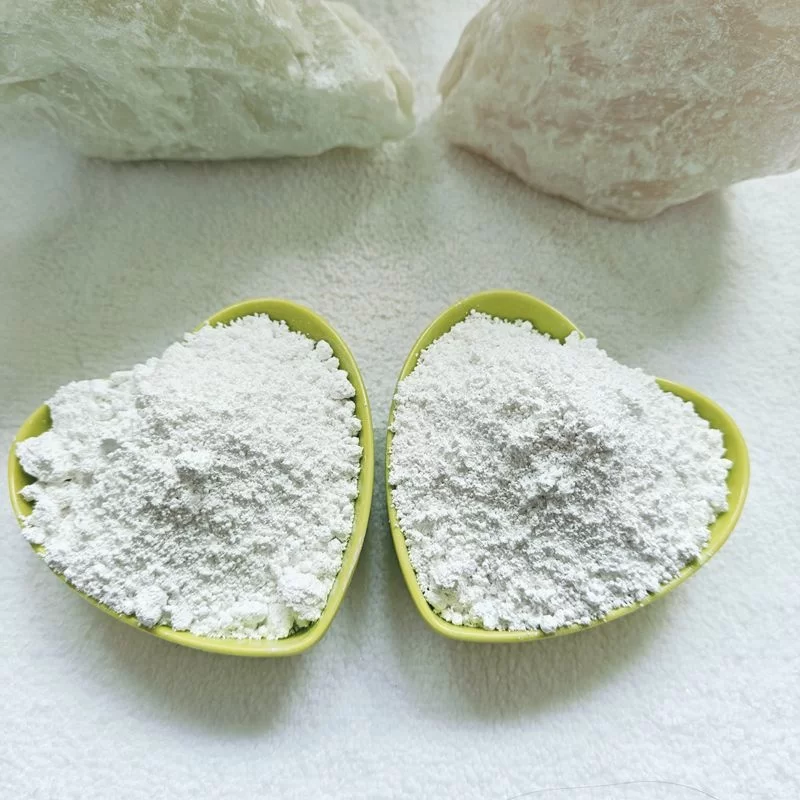
Premium Refined Quartz,the silicon dioxide (SiO₂) content is ≥ 99.5%, with extremely low impurity content. It has a pure white appearance and a crystal texture, as clean as white sugar, and can meet the stringent requirements of high-end scenarios for raw material purity and appearance.
Premium calcined talc powder with enhanced heat resistance, excellent wetting properties, and high whiteness. Ideal for rubber, plastics, and coatings requiring superior thermal stability.
High-quality talc powder specifically formulated for paint and coating applications. Enhances leveling, smoothness, and acid/alkali resistance while reducing production costs.
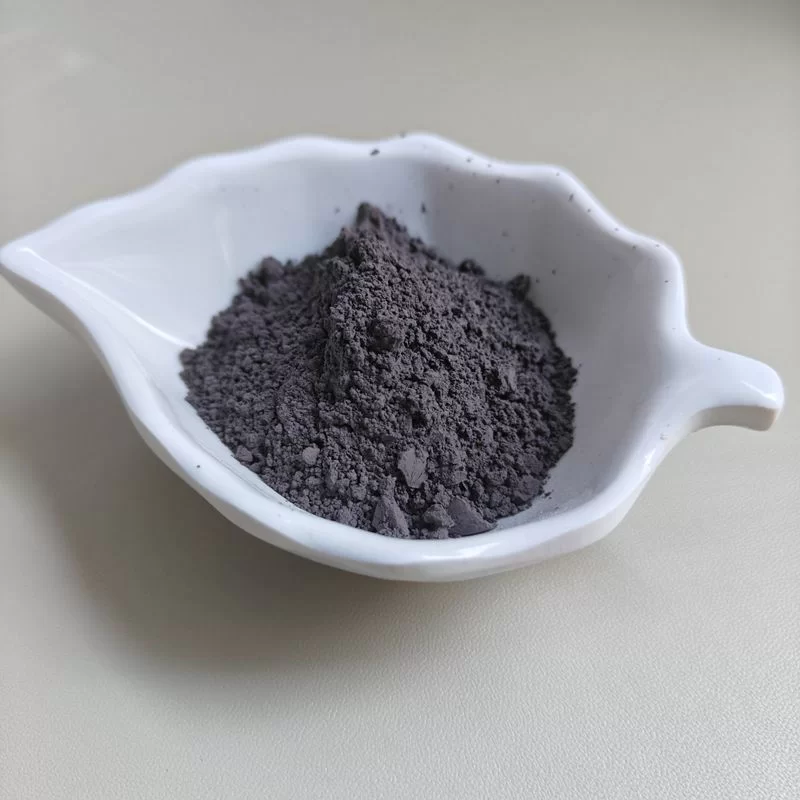
Biotite
Particle Size: 3-400mesh
Application: In the architectural coatings industry, stone-like paint and water-based paint are used for decorative purposes.
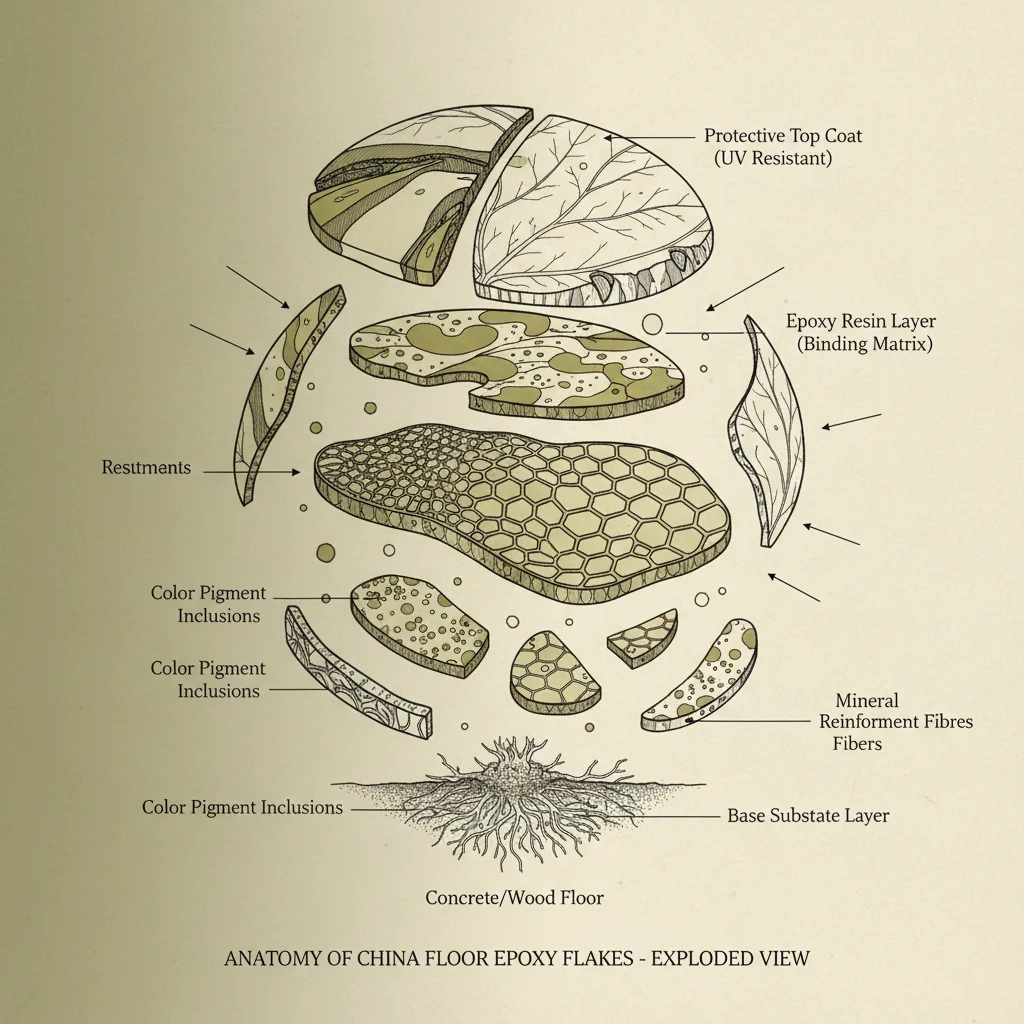
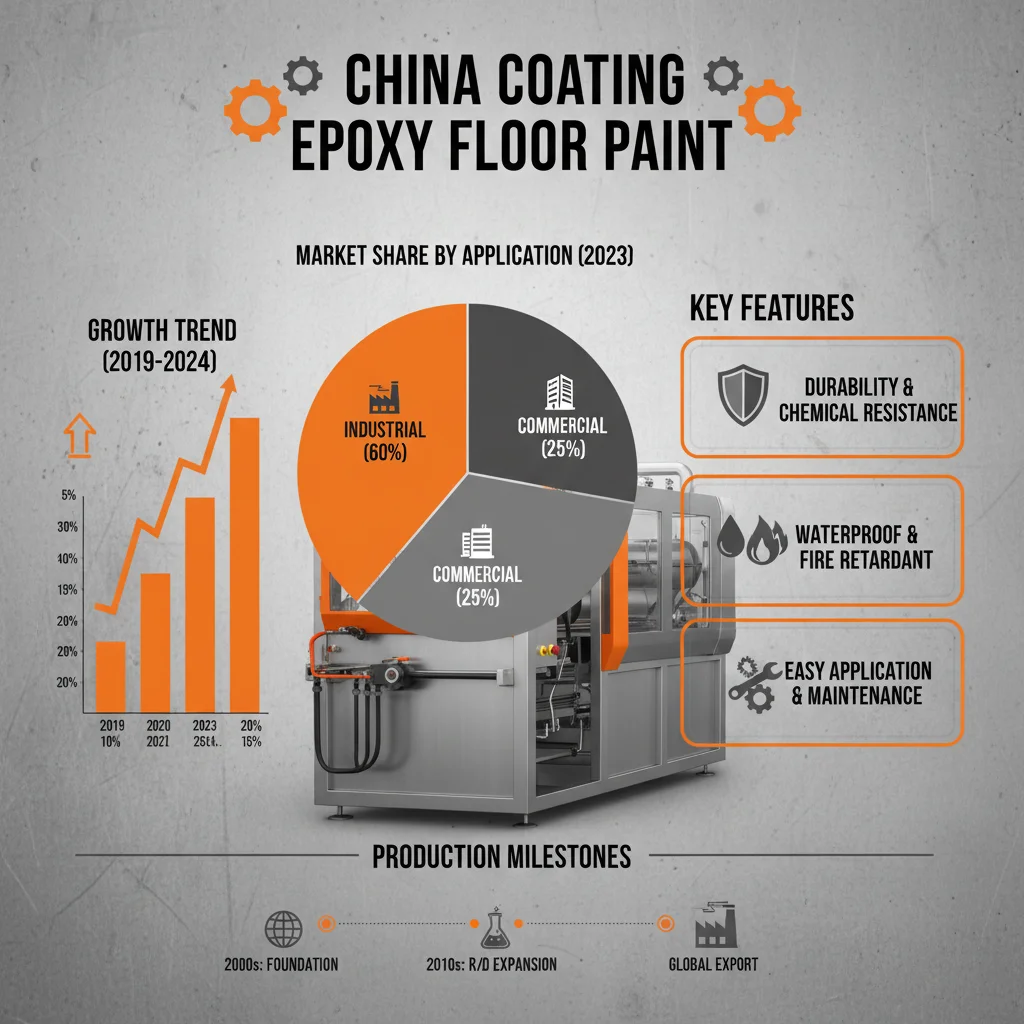
Discover the rise of China floor Epoxy Flakes, their applications, advantages, and future trends. Explore a cost-effective, durable, and customizable flooring solution for various industries.


If you are interested in our products, you can choose to leave your information here, and we will be in touch with you shortly.