Product Introduction
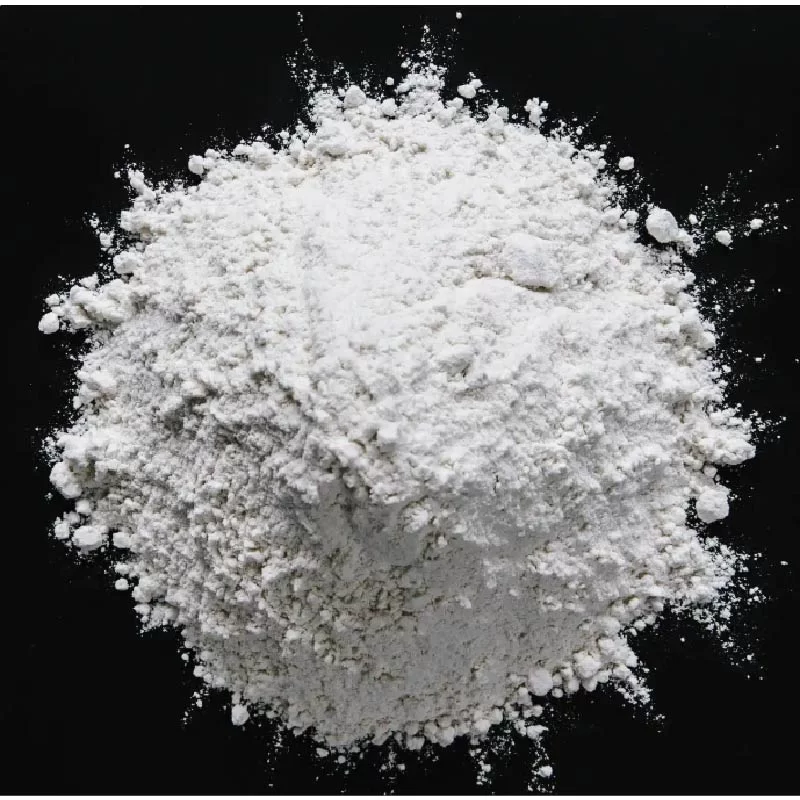
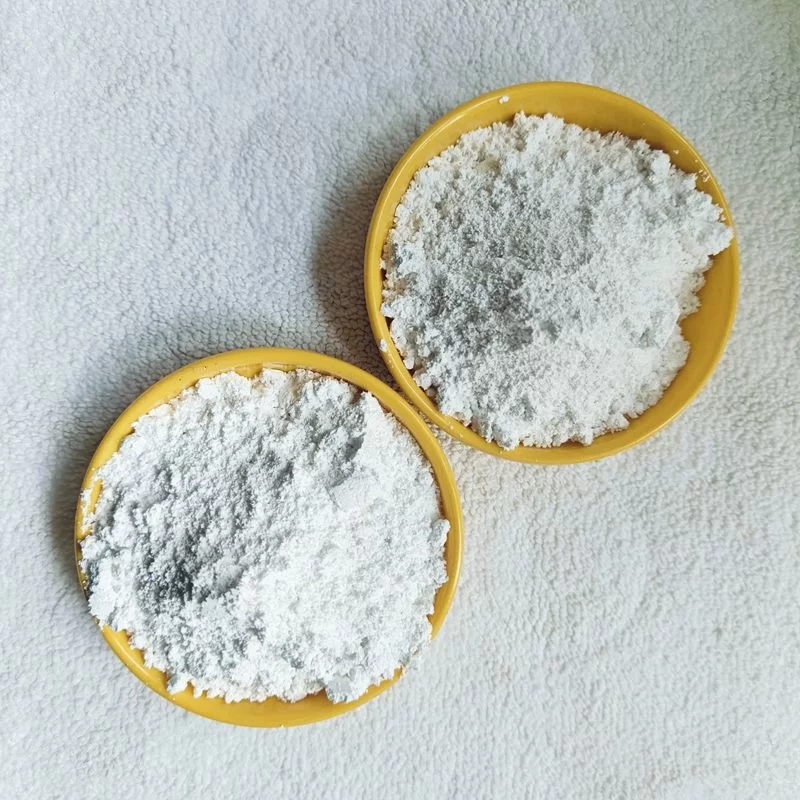
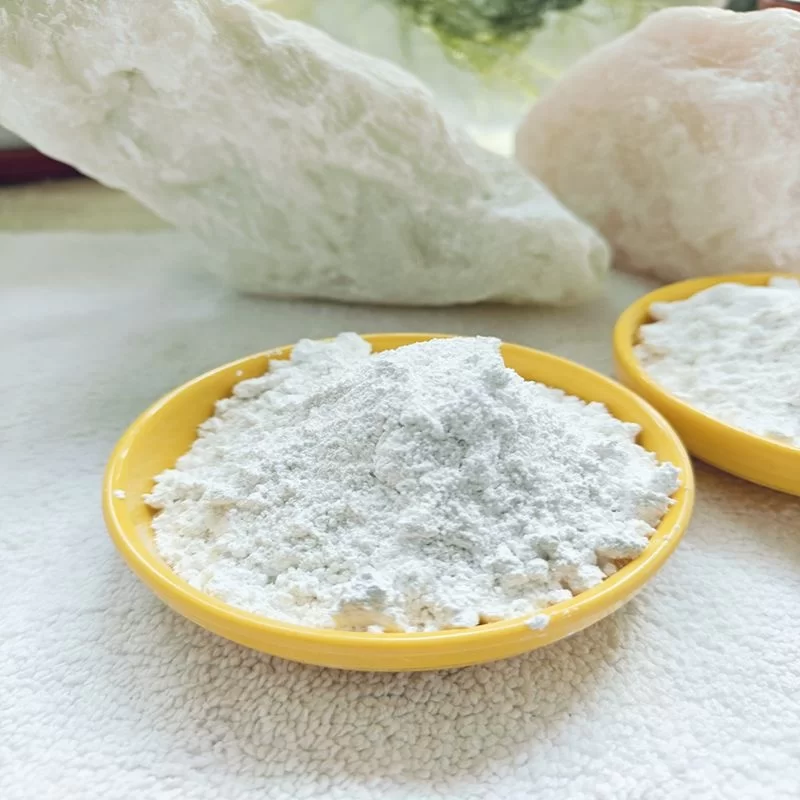
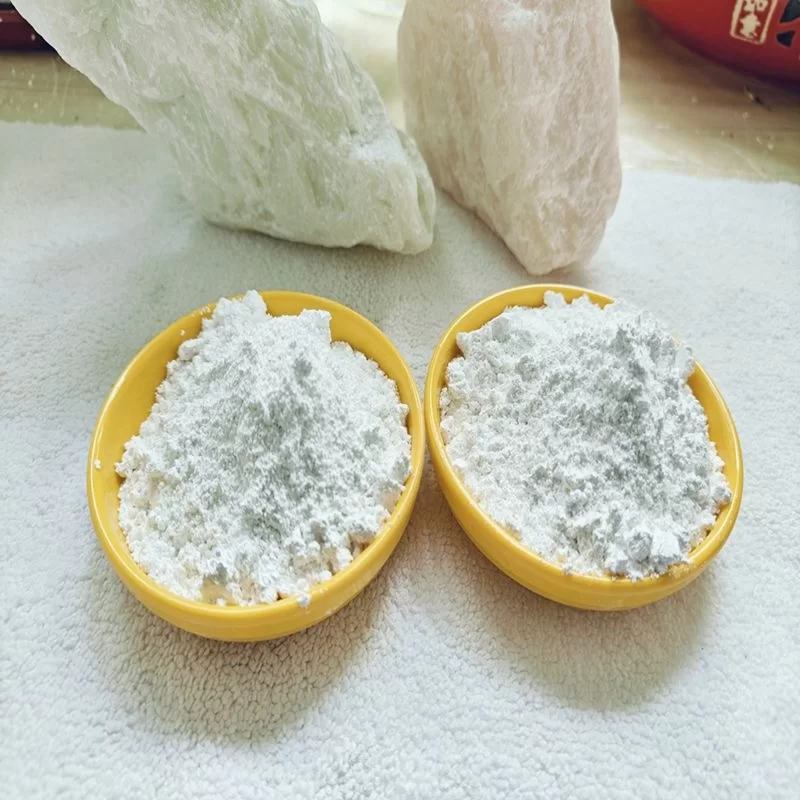
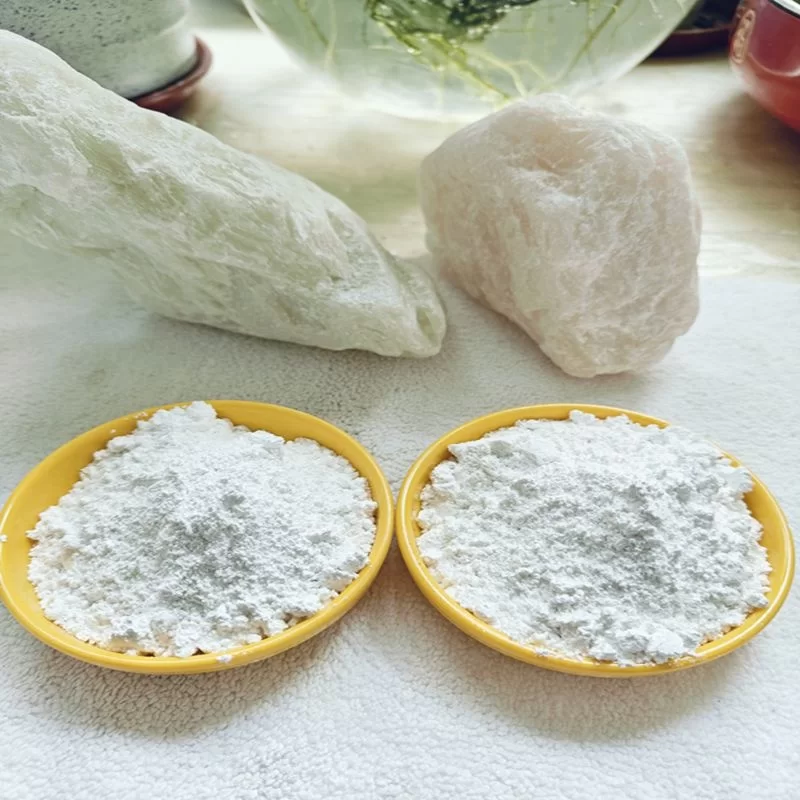
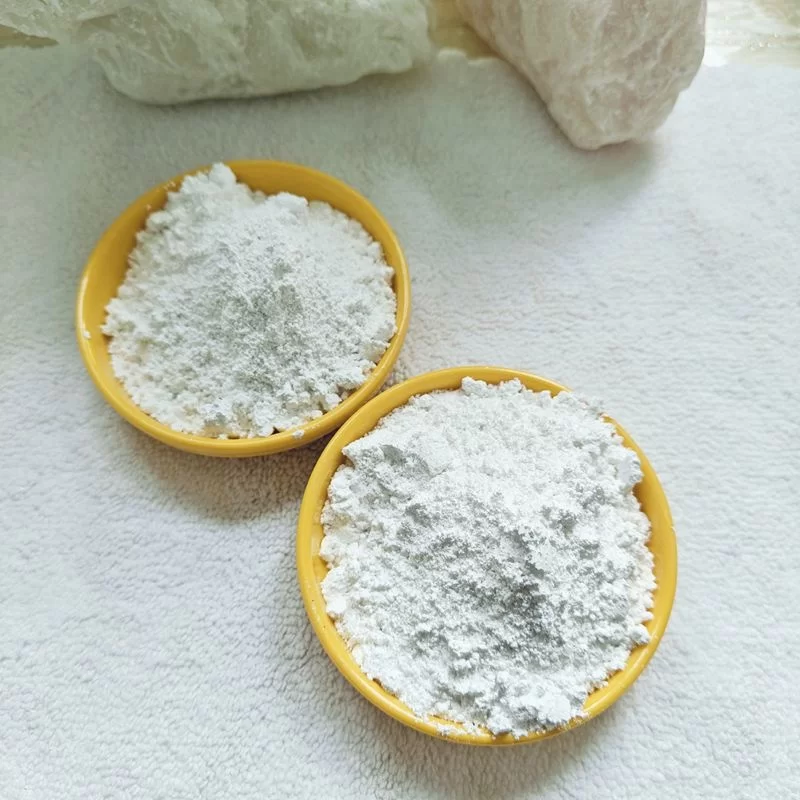
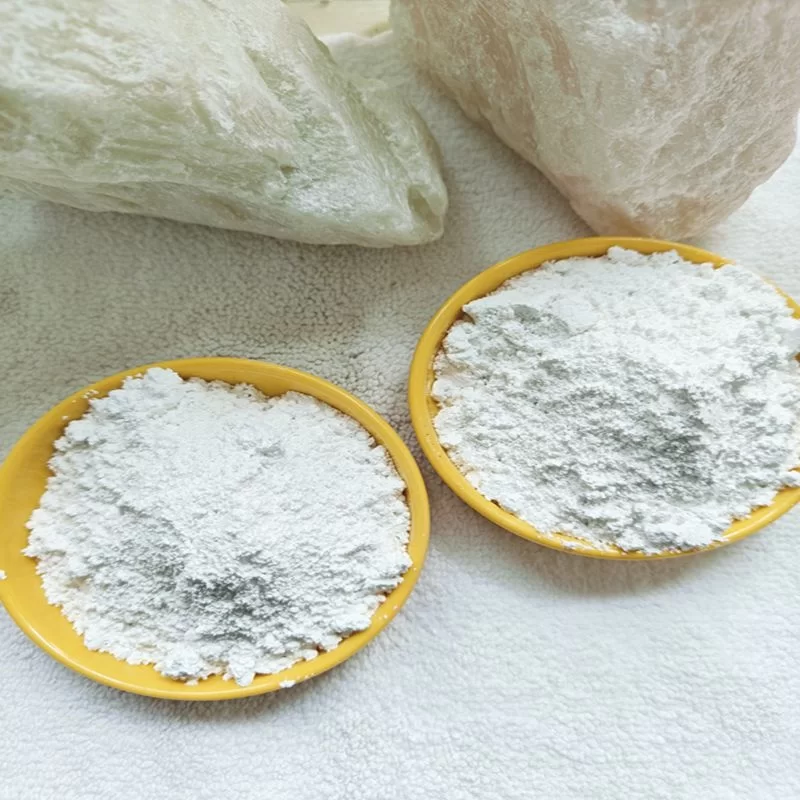
Light calcium carbonate—also referred to as precipitated calcium carbonate (PCC)—has calcium carbonate as its primary component, typically with a content exceeding 98%. It functions as a high-performance filler across industries including rubber, plastics, papermaking, coatings, and inks. Beyond this, it finds extensive application in organic synthesis, metallurgy, glass manufacturing, and asbestos production.
Notably, its sedimentation volume ranges from 2.4 to 2.8 mL/g. When fully dispersed, standard light calcium carbonate particles exhibit a date pit-like morphology, with a major axis of approximately 5–12 μm, a minor axis of 1–3 μm, and an average particle size of 2–3 μm.
Specification
Common sizes are 100mesh, 325 mesh, 600 mesh, 1250 mesh, We also accept customization if you need.
Chemical indicators
Calcium content | Residue on sieve (45 microns)% | pH | Whiteness | volume | Oil absorption value |
97.2% | 0.15% | 9.1 | 93 | 2.5 | 77 |
Light calcium carbonate 1250 technical parameter table, if you need other indicators, please send an inquiry.
Product Usage
Papermaking/Coatings/Rubber/Plastics
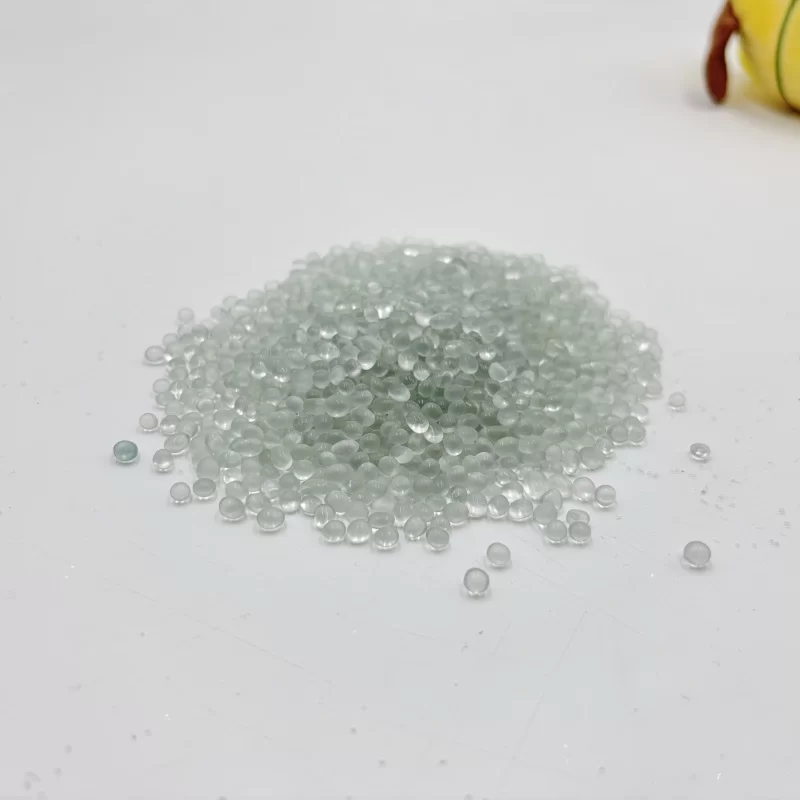
Solid glass microspheres are small yet powerful spherical particles. They feature high density, strength, and thermal stability, making them ideal for demanding applications in precision polishing, polymer reinforcement, and functional coatings.
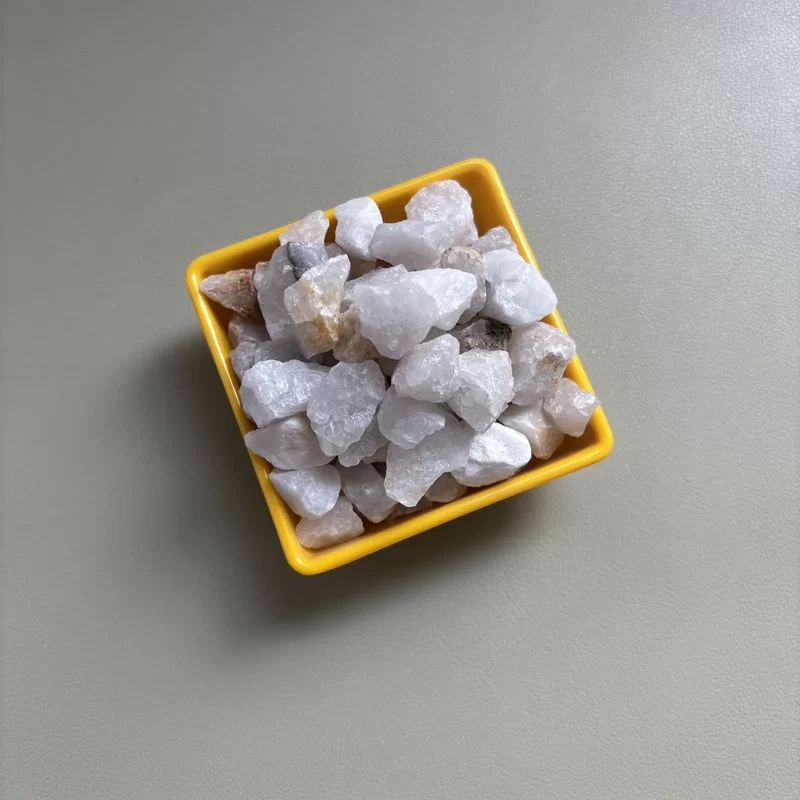
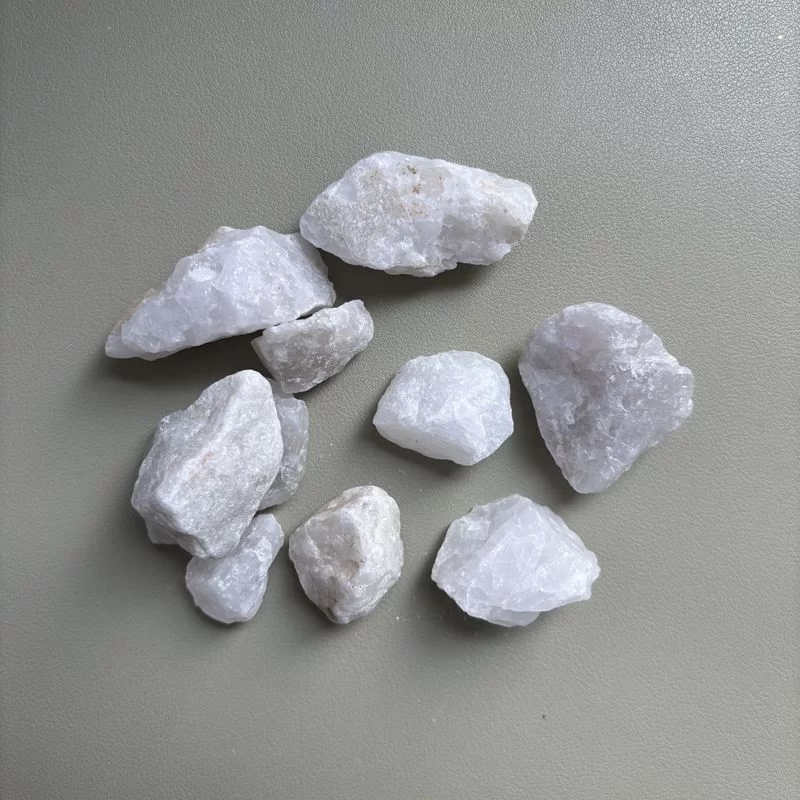
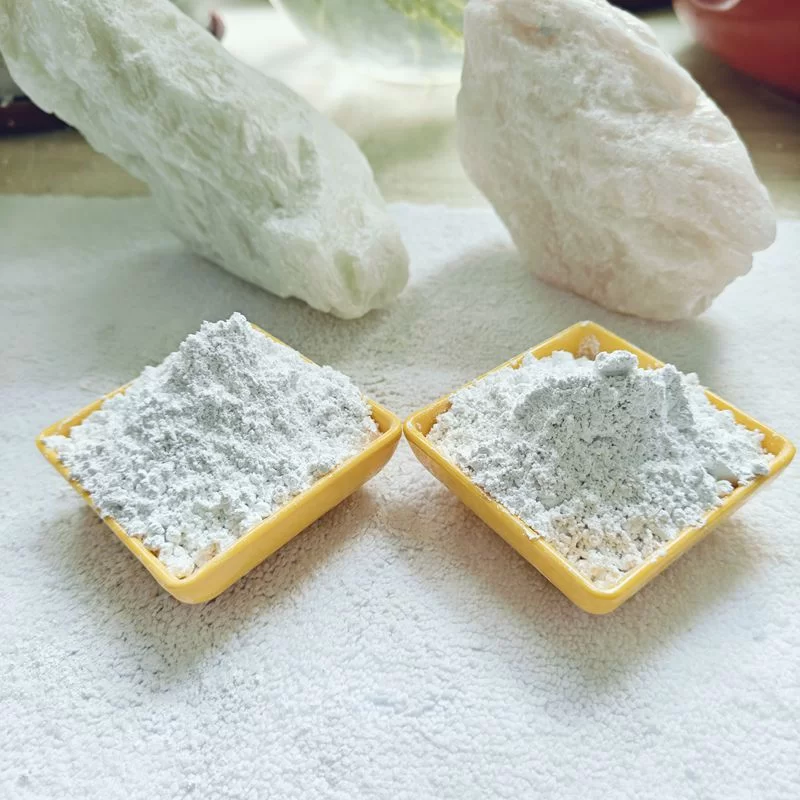
Semi-refined quartz sand is particularly suitable for ceramic glazes, greenware production, and precision casting. Compared to ordinary quartz sand, it offers advantages in whiteness and composition consistency, better meeting the requirements for raw material appearance and performance stability in related production processes.
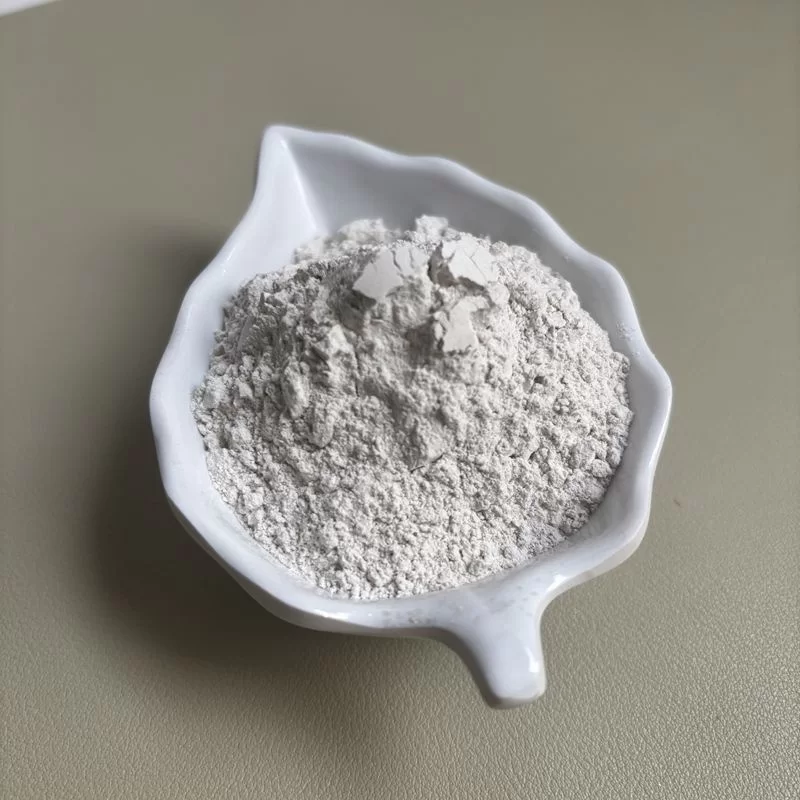
Premium Refined Quartz Powder with 99.5% SiO₂, pure white color. Essential for high-end optics, semiconductors, electronics, and premium coatings. Sizes from 325mesh to 3000mesh,and custom sizes.
Washed kaolin is made by adding water to raw materials, mixing them into a slurry, then undergoing sedimentation separation and drying. It becomes a mineral with kaolin properties, and due to its white color, low cost, good fluidity, stable chemical properties and large surface cation exchange capacity, it is widely used as a filler in coatings and paints, as well as in firebricks, silica-alumina wool, cosmetics and medicine.
Titanium dioxide is a high-performance white pigment with excellent opacity, brightness, and UV resistance. It’s widely used in paints, plastics, and coatings for vivid, durable finishes.
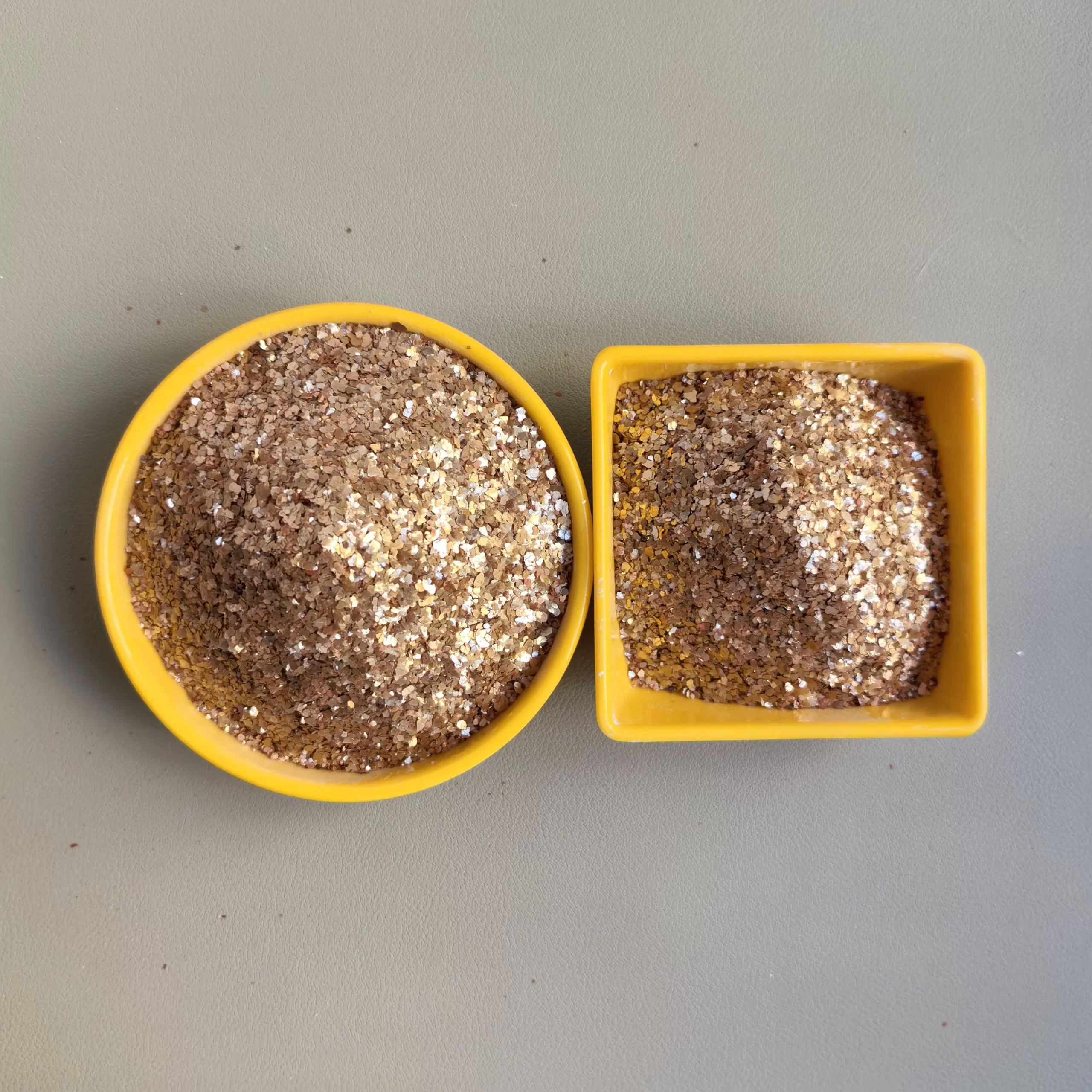
Phlogopite
Particle Size: 6-1250mesh
Product Overview
Phlogopite mica powder, also known as golden mica powder, is a heat-resistant silicate mineral with excellent mechanical strength, electrical insulation, and thermal stability.
It is commonly used in industries requiring high temperature resistance, insulation, and anti-corrosion performance.
Derived from grinding natural carbonate minerals like calcite, marble, and limestone, Heavy calcium carbonate is a go-to powdered inorganic filler in multiple industries. It delivers core advantages: high chemical purity, strong inertness, chemical reaction resistance, stable thermal performance (no decomposition under 400℃), plus high whiteness, low oil absorption, low refractive index, soft texture, no crystal water, low hardness (minimal abrasion), non-toxicity, odorlessness, and great dispersibility. This makes it widely used in rubber, plastics, paints, water-based coatings, papermaking, concrete, and fireproof ceiling materials.
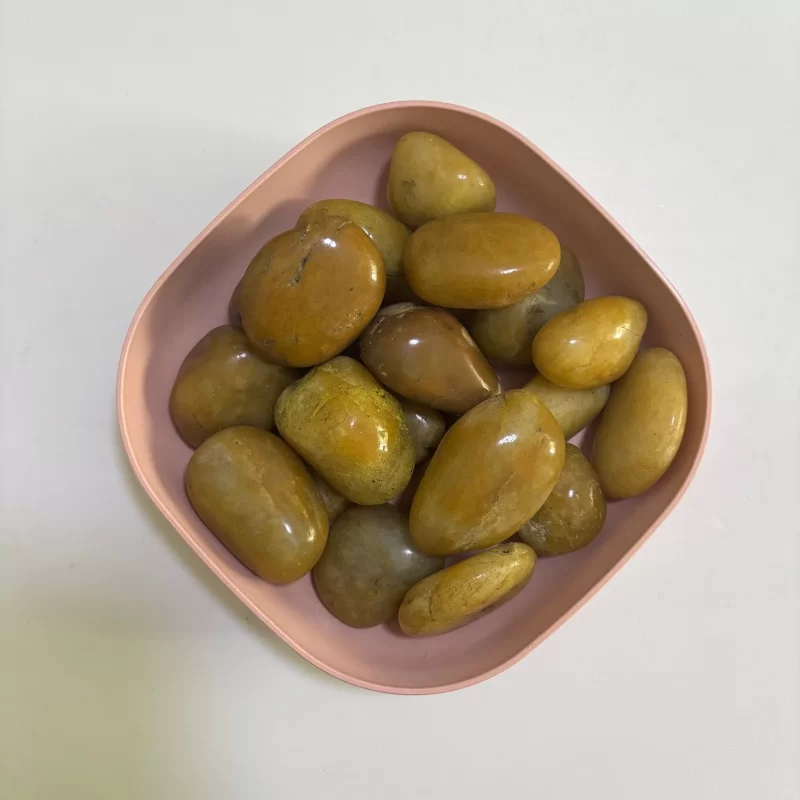
Pebbles avoid intricate man-made carving; instead, they keep the traces shaped by time and natural forces as much as possible. Coming in diverse colors and full size ranges, they’re widely used in landscape and construction fields thanks to their natural characteristics, water permeability, wear resistance and rich natural charm—including paving, garden paths, water feature creation, cultural stone, stone cladding and filter media.





If you are interested in our products, you can choose to leave your information here, and we will be in touch with you shortly.