Product Introduction
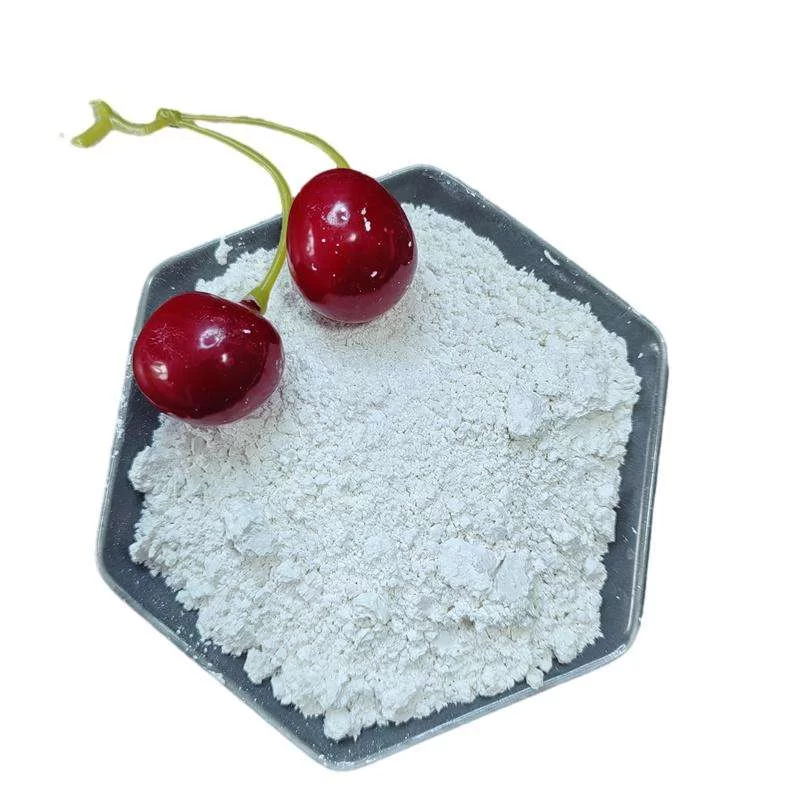
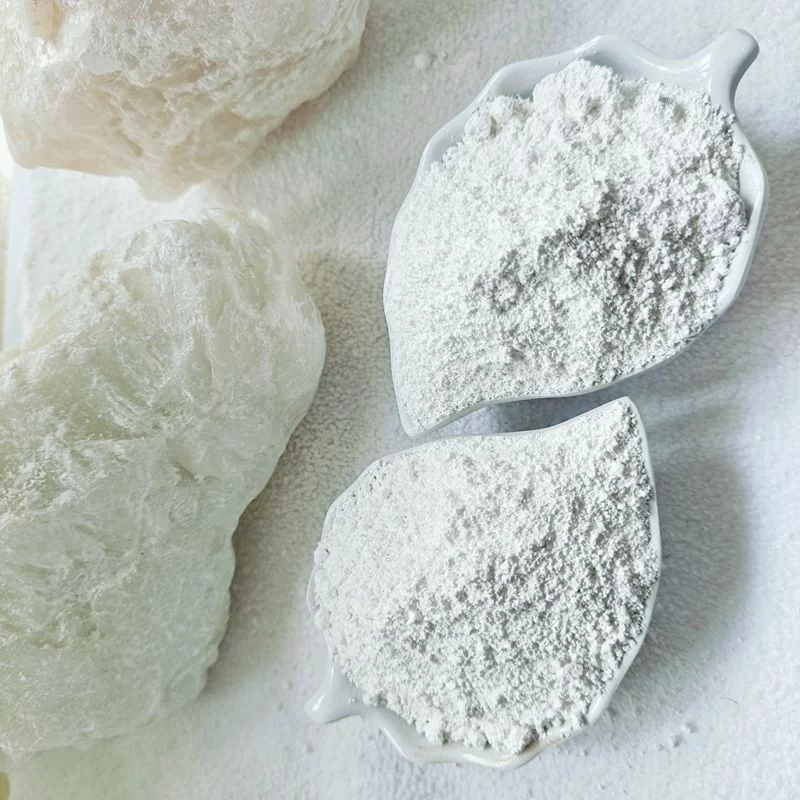
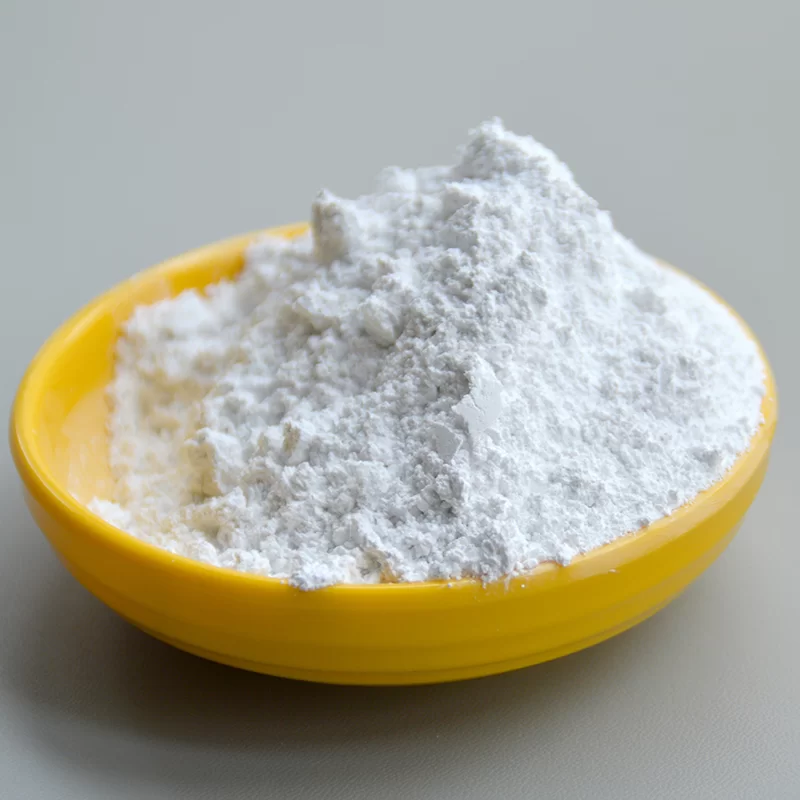
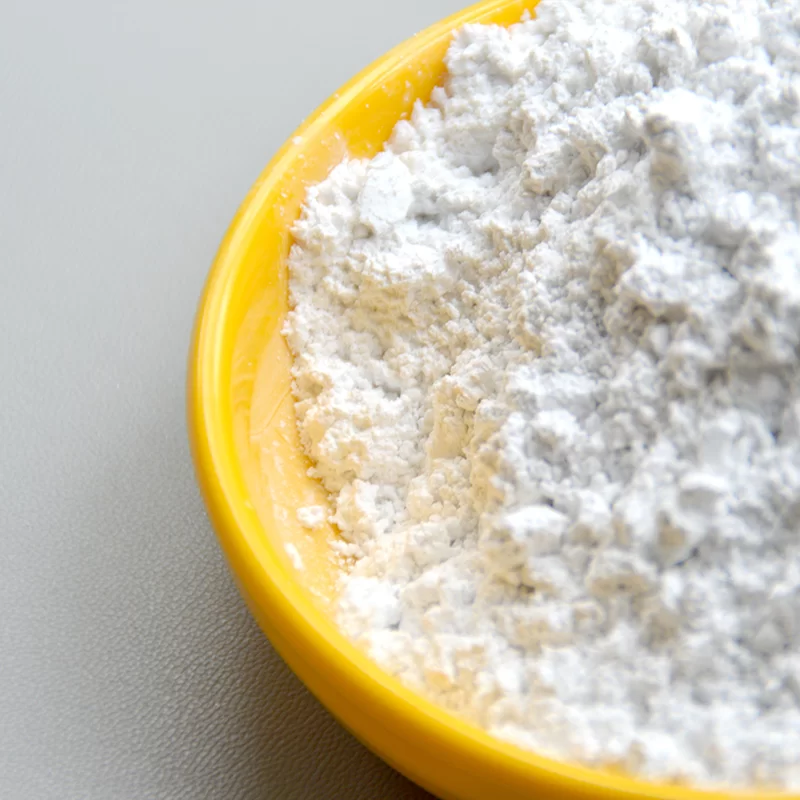
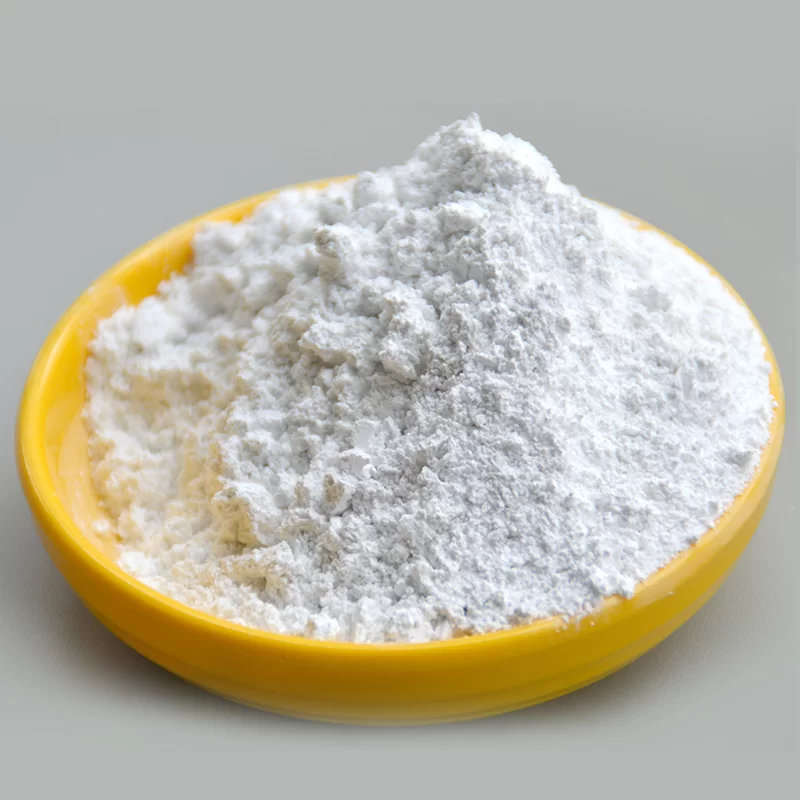
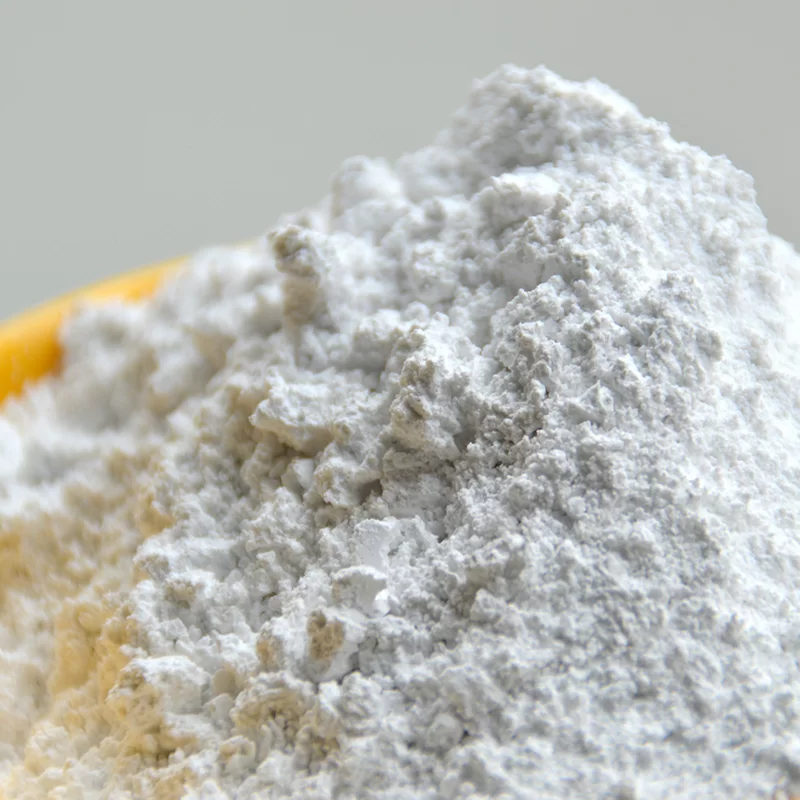
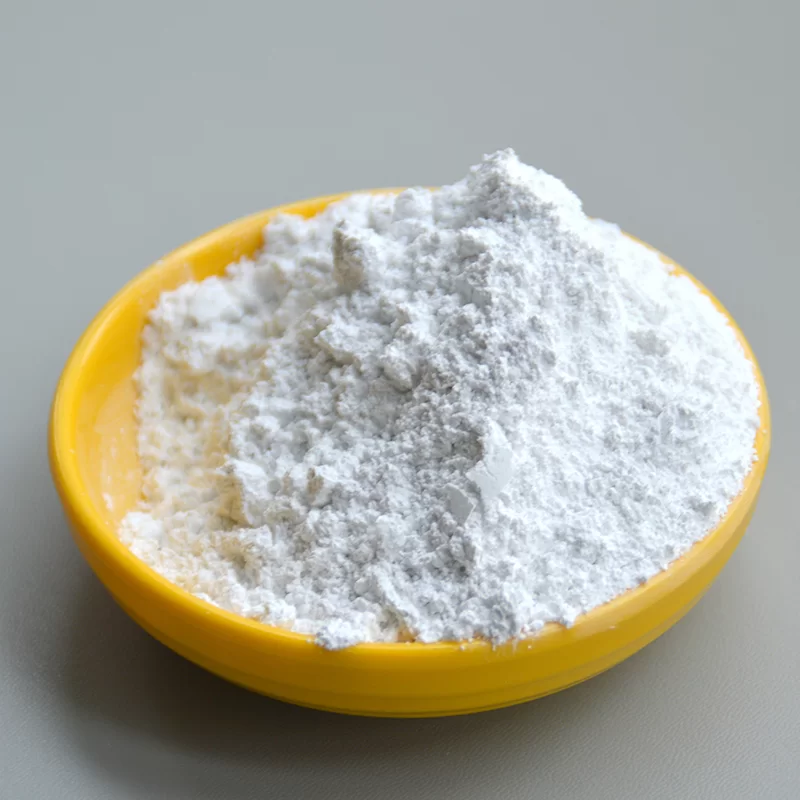
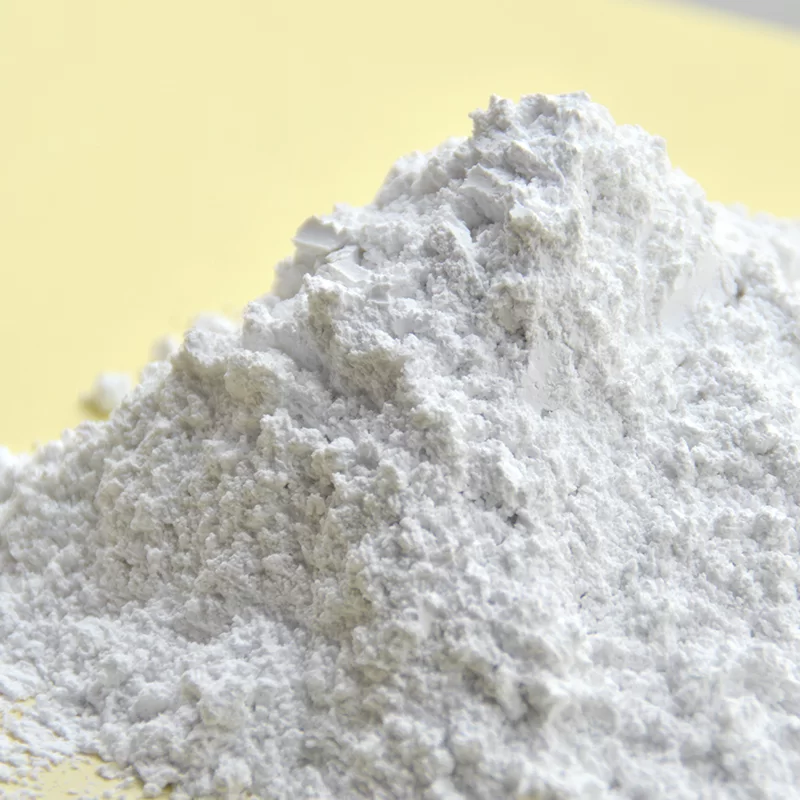
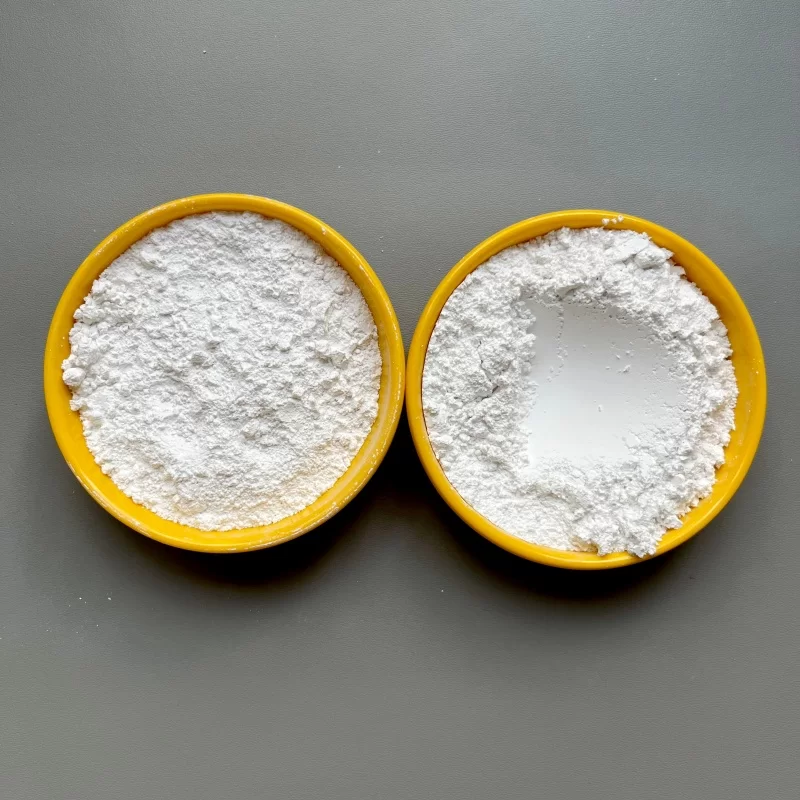
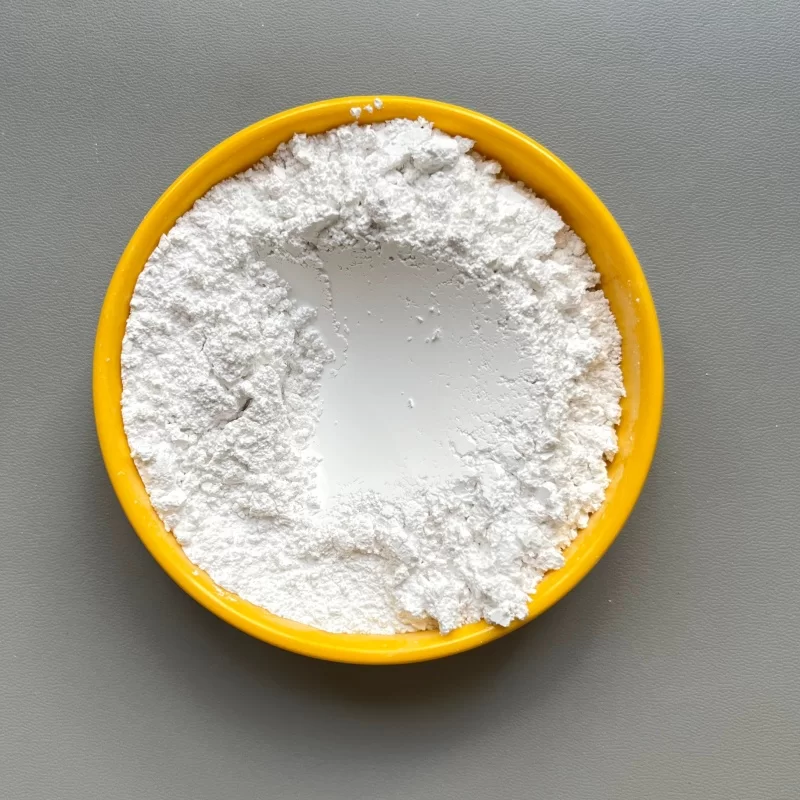
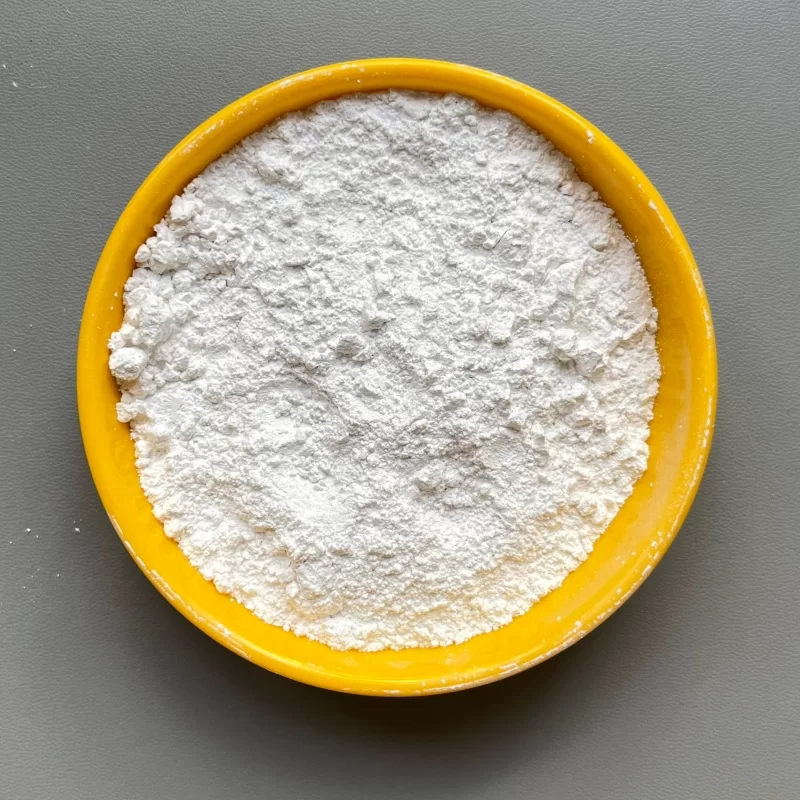
Known as both light calcium carbonate and precipitated calcium carbonate (PCC), this material features a calcium carbonate content of over 98%—making it a reliable filler for rubber, plastics, papermaking, coatings, and inks. Its utility extends further to organic synthesis, metallurgy, glass, and asbestos production, driven by its tailored physical traits.
These include a sedimentation volume of 2.4–2.8 mL/g, and when fully dispersed, standard particles adopt a date pit structure (5–12 μm major axis, 1–3 μm minor axis, 2–3 μm average size)—optimized for consistent performance across industrial processes.
Specification
Common sizes are 100mesh, 325 mesh, 600 mesh, 1250 mesh, We also accept customization if you need.
Chemical indicators
Calcium content | Residue on sieve (45 microns)% | pH | Whiteness | volume | Oil absorption value |
97.2% | 0.15% | 9.1 | 93 | 2.5 | 77 |
Light calcium carbonate 1250 technical parameter table, if you need other indicators, please send an inquiry.
Product Usage
Papermaking/Coatings/Rubber/Plastics
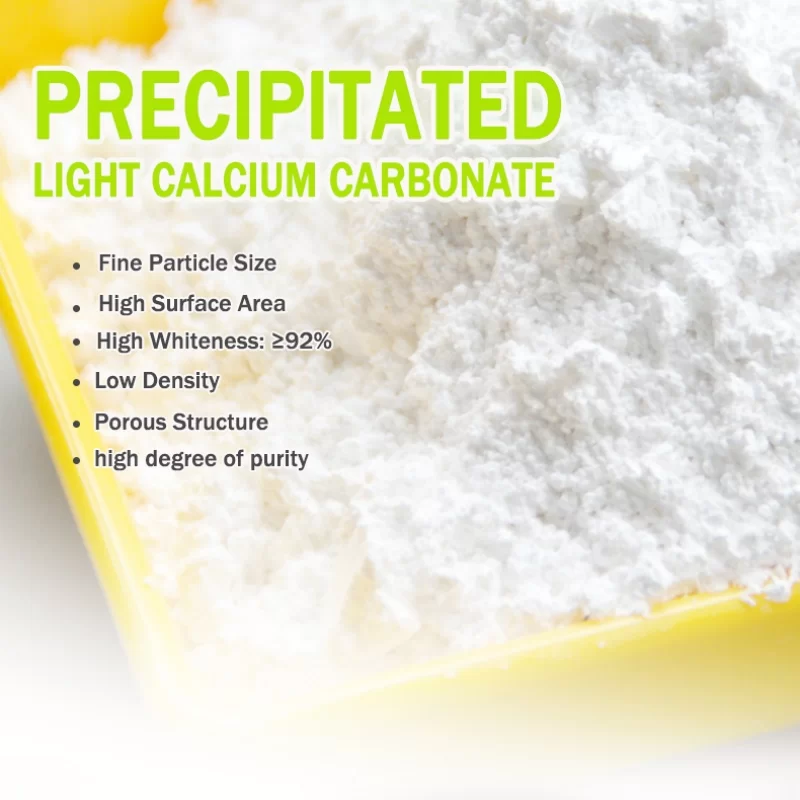
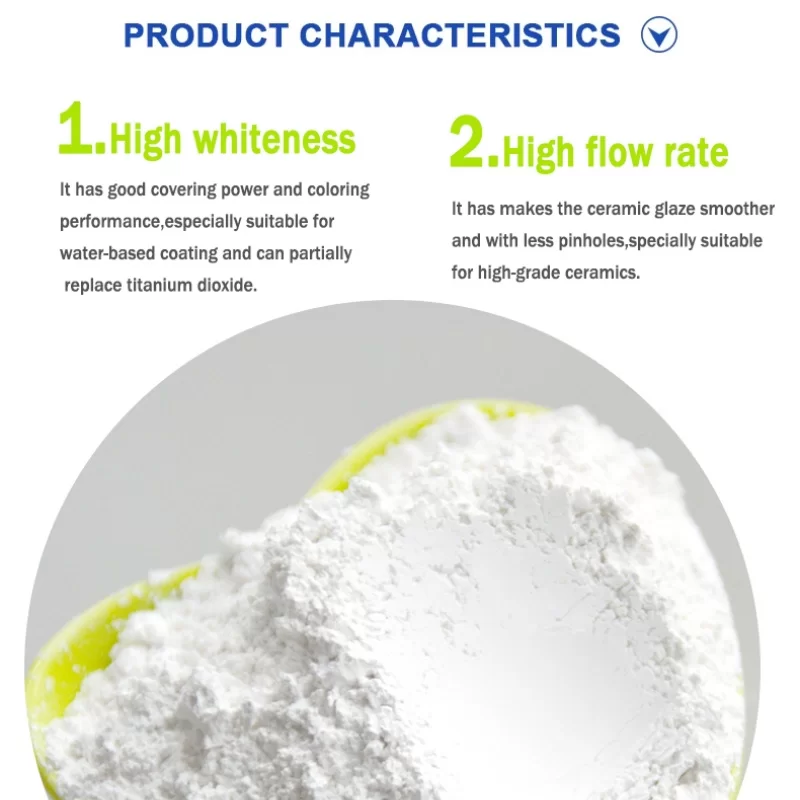
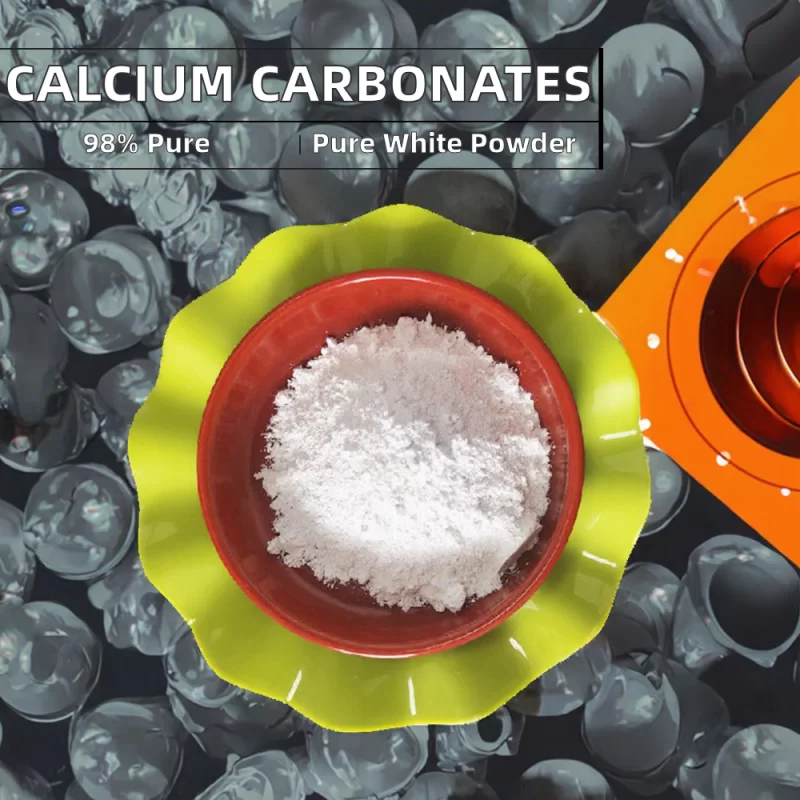
Light calcium carbonate is one of the most widely used functional fillers in the plastics and rubber industries, valued for its fine particle size, high whiteness, and stable chemical properties. As a naturally derived mineral processed through precipitation or fine grinding, it provides excellent compatibility with polymer systems, making it an essential material in modern industrial manufacturing.
In plastic applications, light calcium carbonate serves primarily as a functional filler that improves material performance while reducing production costs. It is widely used in PVC, PE, and PP products, including pipes, films, sheets, and molded components. By partially replacing expensive polymer resins, it helps manufacturers achieve significant cost savings without compromising product quality.
One of its key benefits in plastics is improving rigidity and dimensional stability. When incorporated into polymer matrices, calcium carbonate enhances stiffness and reduces shrinkage during cooling processes. This ensures more precise product dimensions and better structural consistency, which is especially important in industrial and construction materials.
In rubber reinforcement applications, light calcium carbonate plays a crucial role in improving mechanical strength. It enhances hardness, tensile strength, and abrasion resistance, making rubber products more durable and suitable for demanding environments. It is commonly used in seals, gaskets, hoses, tires, and various industrial rubber components.
Another important functional benefit is its ability to improve processing performance. Light calcium carbonate helps optimize melt flow and dispersion within polymer and rubber systems. This leads to smoother production processes, reduced energy consumption, and improved manufacturing efficiency.
Additionally, it contributes to surface quality and appearance. Due to its high whiteness and fine particle structure, it improves the brightness and finish of plastic and rubber products. It also enhances pigment dispersion, allowing for more uniform color distribution in final products.
From a chemical standpoint, light calcium carbonate is stable and non-reactive, ensuring compatibility with a wide range of additives and processing conditions. This makes it a versatile material suitable for diverse industrial formulations.
Overall, light calcium carbonate is an essential functional material in both plastic filler and rubber reinforcement applications. Its combination of cost efficiency, mechanical enhancement, and processing improvement makes it a key component in modern polymer manufacturing industries.
Light calcium carbonate is experiencing continuous growth in application across modern manufacturing industries, particularly in plastics and rubber production. Its unique combination of physical properties, economic advantages, and processing benefits has made it an indispensable material in a wide range of industrial sectors.
In the plastics industry, the use of light calcium carbonate continues to expand due to increasing demand for cost-effective and high-performance materials. It is widely applied in PVC pipes, packaging films, injection molded parts, and construction materials. As manufacturers seek to reduce reliance on expensive polymer resins, calcium carbonate serves as an efficient filler that maintains product quality while significantly lowering production costs.
In rubber manufacturing, its application is also growing rapidly. Light calcium carbonate is used to reinforce rubber compounds, improving strength, elasticity, and wear resistance. This makes it suitable for automotive parts, industrial seals, conveyor belts, and household rubber products. Its reinforcing effect helps extend product lifespan and improve performance under mechanical stress.
Another important area of expansion is in environmentally friendly manufacturing. As industries move toward more sustainable production methods, light calcium carbonate is favored due to its natural origin and non-toxic properties. It helps reduce the consumption of petroleum-based raw materials in plastics, contributing to lower carbon emissions and more sustainable production systems.
In addition, advancements in material processing technology have further increased the usability of light calcium carbonate. Improved grinding and surface treatment techniques allow for better dispersion within polymer and rubber matrices, enhancing overall product performance. This has expanded its use in high-end industrial applications that require consistent quality and precision.
The construction industry also benefits from its expanding applications, particularly in plastic building materials and rubber-based sealing systems. Its ability to improve durability and stability makes it valuable in long-term infrastructure projects.
Overall, the expanding applications of light calcium carbonate reflect its growing importance in modern manufacturing. Its role as a cost-effective, performance-enhancing, and environmentally friendly material ensures its continued demand across global plastic and rubber industries.
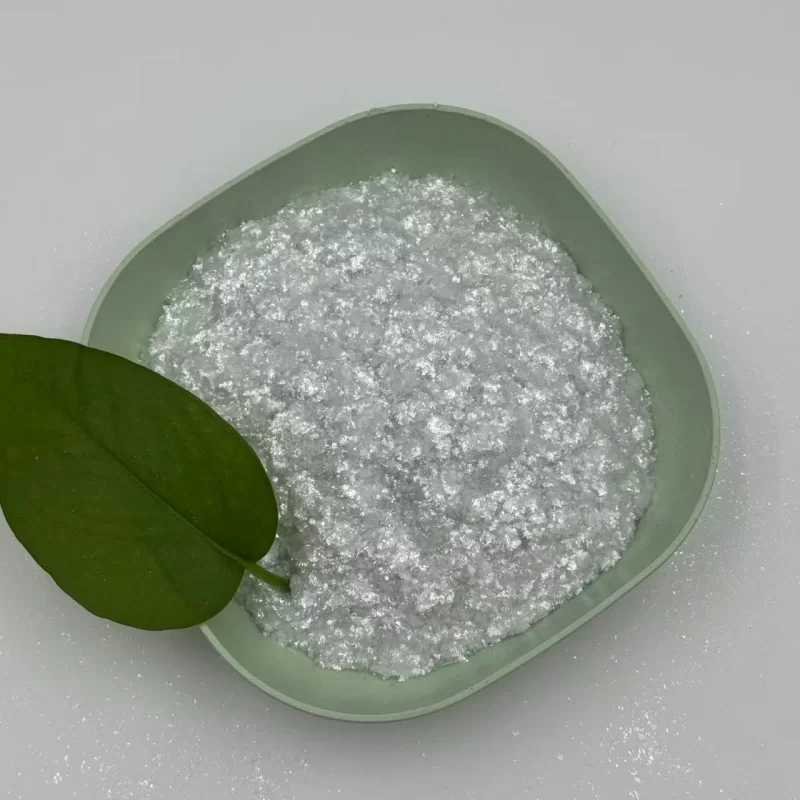
Engineered as high-performance flaky glass fillers, glass flakes deliver enhanced anti-corrosion, wear resistance and barrier properties. Typically 2–10μm thick and 100–3000μm in diameter, they create a "labyrinth effect" in coatings/linings to block corrosive media penetration and extend the service life of industrial equipment and structures.
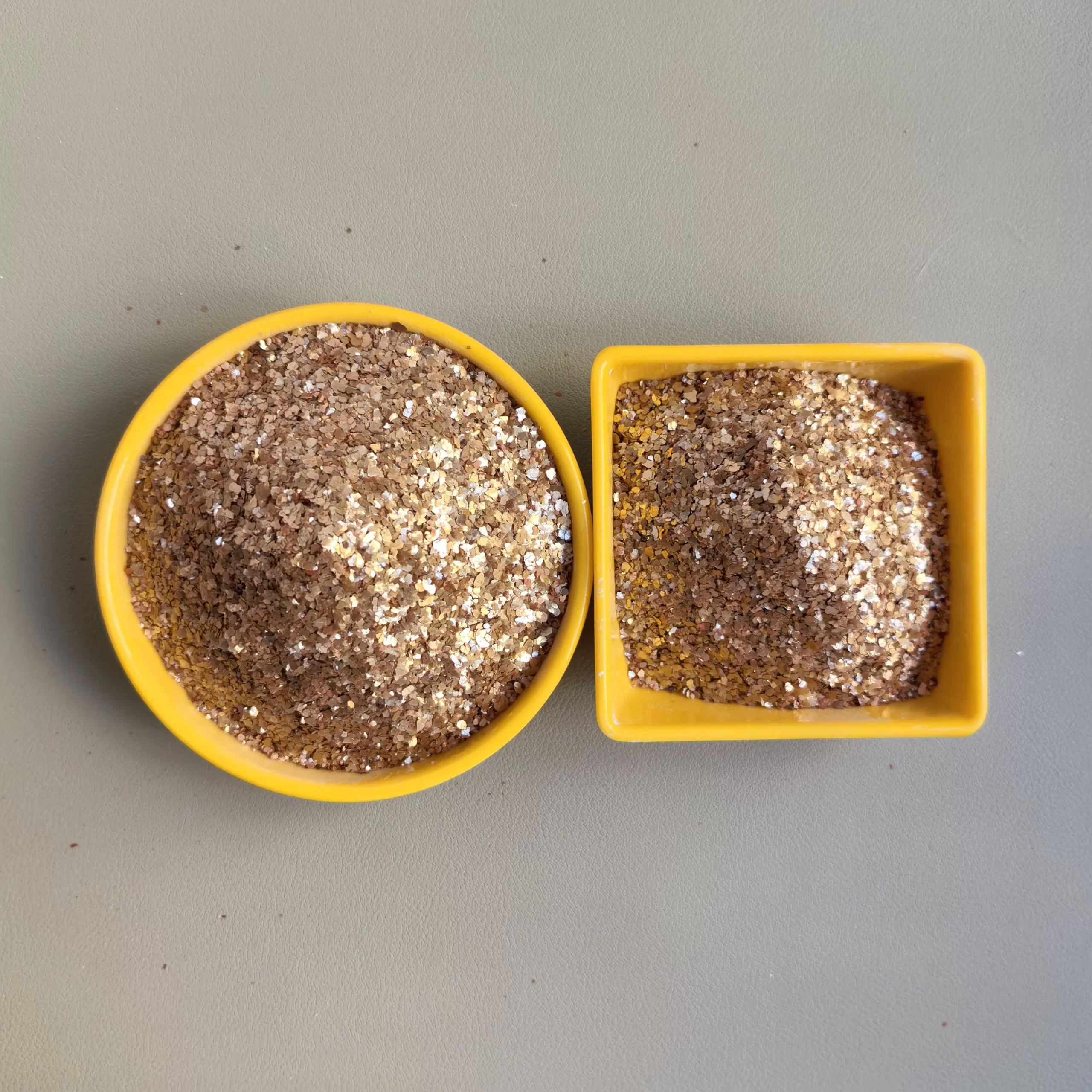
Phlogopite
Particle Size: 6-1250mesh
Product Overview
Phlogopite mica powder, also known as golden mica powder, is a heat-resistant silicate mineral with excellent mechanical strength, electrical insulation, and thermal stability.
It is commonly used in industries requiring high temperature resistance, insulation, and anti-corrosion performance.
High-performance calcined talc for plastic applications that significantly improves dimensional stability, heat resistance, and reduces shrinkage. Excellent for precision plastic components.
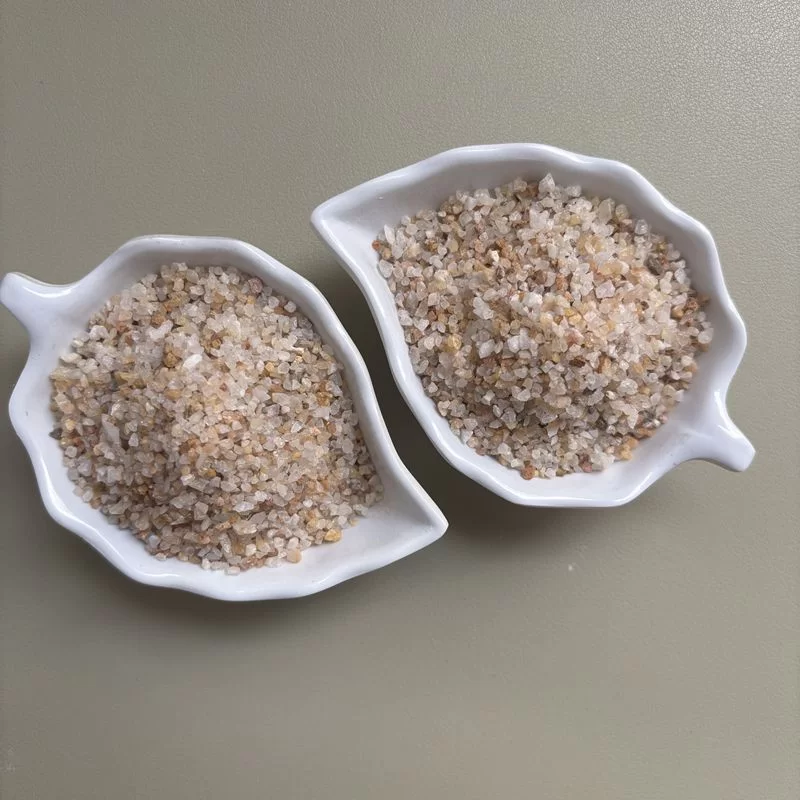
Ordinary quartz powder effectively used as a filtration media for water treatment and as cost-efficient foundry sand in metalcasting. Reliable performance with 99% SiO₂.
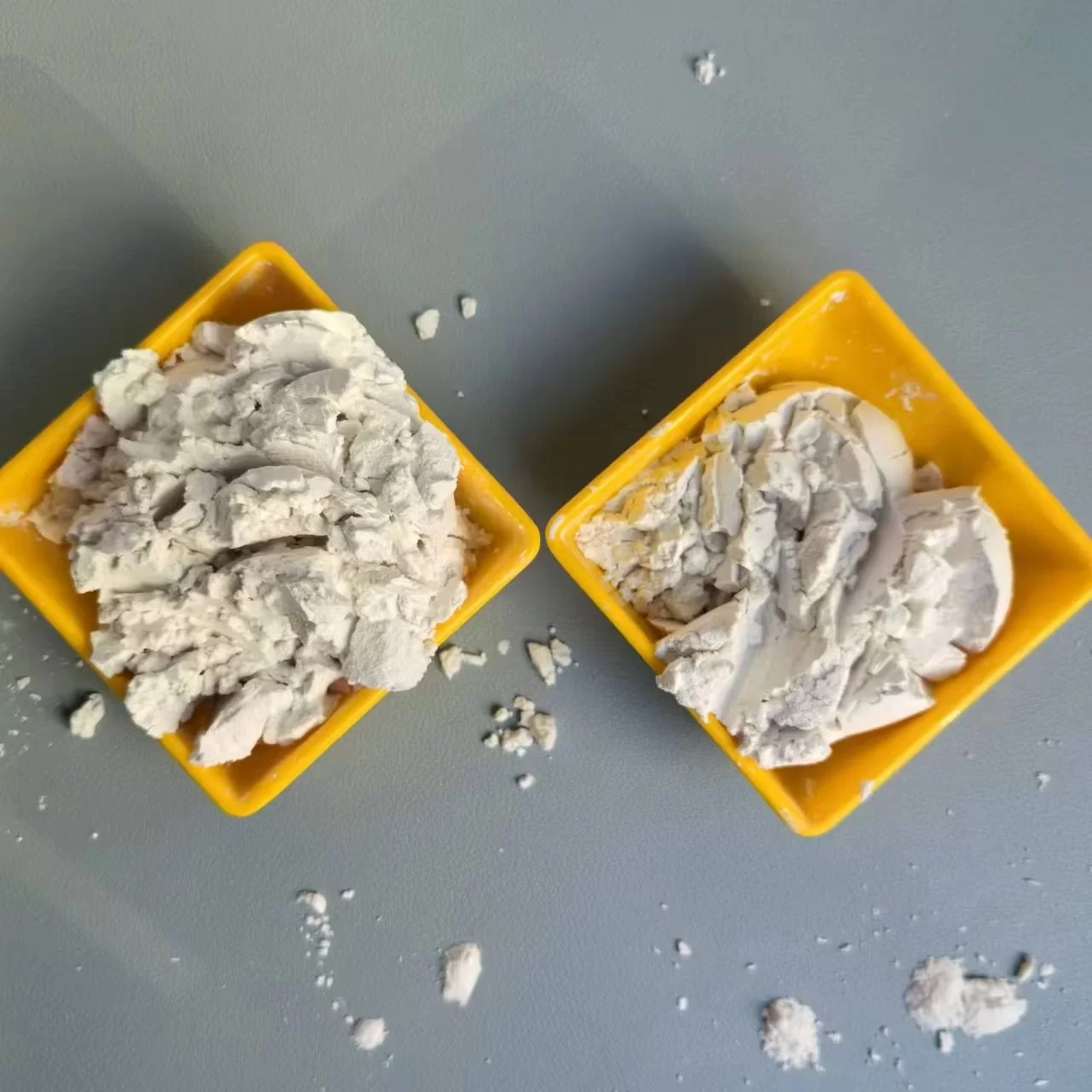
High-quality kaolin experiences physical and chemical transformations when calcined at high temperatures. It loses components such as fluorine through dehydration and crystallization. Once cooled, it becomes calcined kaolin—characterized by high silicon content, excellent whiteness, strong oil absorption, and great hardness. This material is widely applied in ceramics, papermaking, wall tiles, floor tiles, rubber, chemical coatings, and more.
Our high-purity diatomaceous earth, sourced from premium deposits, boasts excellent adsorption, filtration & thermal stability. Ideal for water treatment, food processing, agriculture & industrial applications. Safe, eco-friendly & cost-effective—delivers reliable performance for your professional needs.
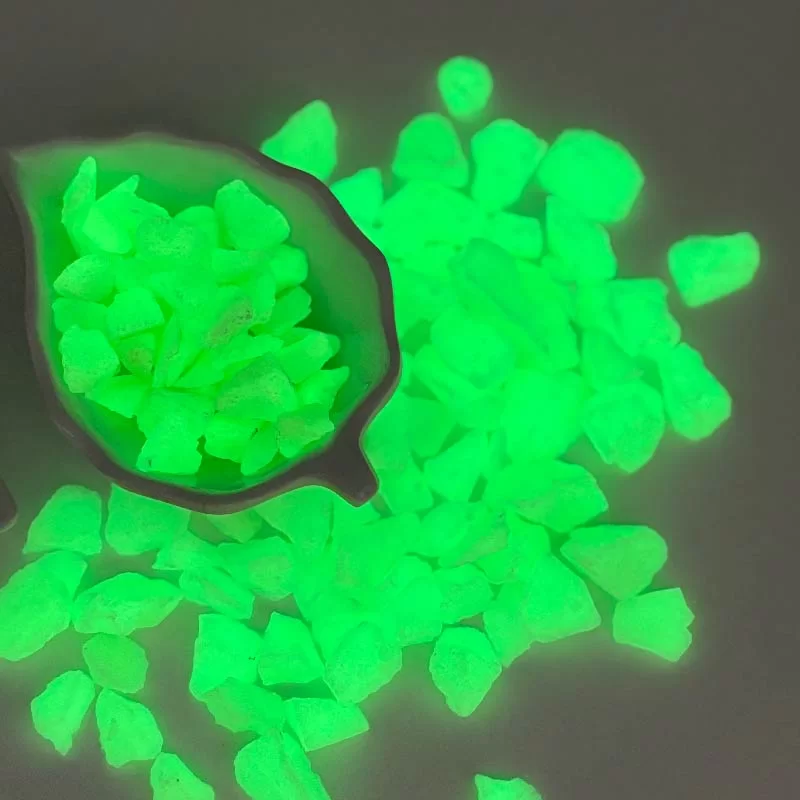
Resin-based luminous stones boast long glow duration, light weight combined with high strength, wear & weather resistance, safety, eco-friendliness, and easy installation. Tailored sizes, colors and luminous intensity can be provided as per project demands, and they are widely utilized in luminous walkways/paths, garden decoration, feature walls, safety indication and guidance, artistic decoration, as well as lighting for parks, river banks and bridges.
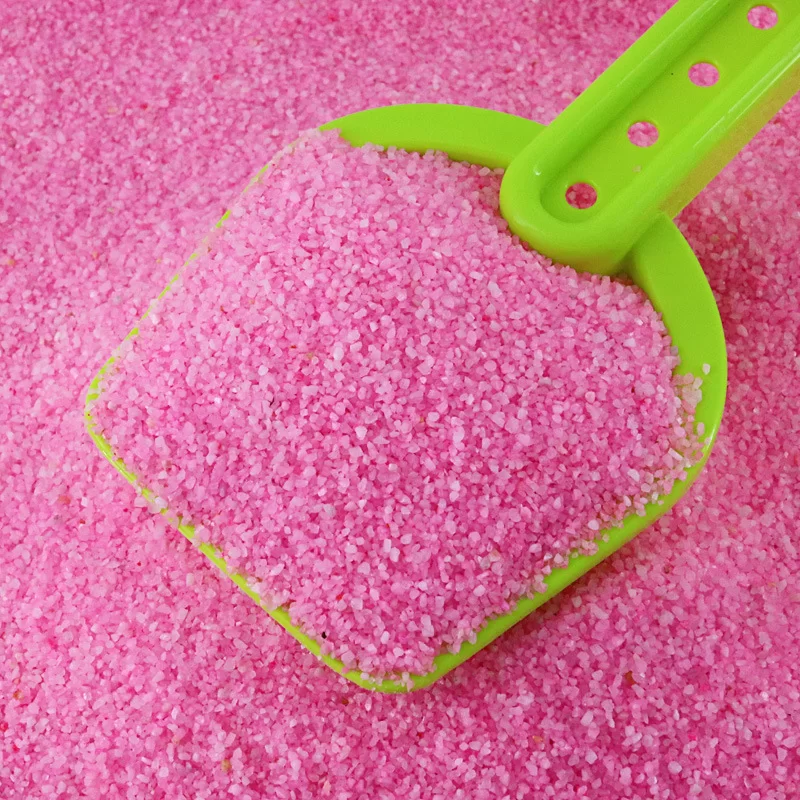
Sintered colored sand, also known as high-temperature sintered colored sand or ceramic colored sand, is a high-end decorative material that uses a high-temperature ceramic sintering process to color selected quartz sand. Its core lies in using high temperatures (usually above 800℃) to fuse inorganic ceramic glazes with the surface of the quartz sand, forming a strong and dense colored ceramic layer.



If you are interested in our products, you can choose to leave your information here, and we will be in touch with you shortly.