
In the realm of industrial safety and infrastructure, the quality of reflective materials can be a matter of life and death. Opting for high-grade Wholesale glass Beads ensures that road markings, safety signs, and industrial coatings achieve maximum retroreflectivity and durability. These precision-engineered spheres are designed to return light directly back to the source, significantly improving visibility during night-time driving or in adverse weather conditions. By sourcing in bulk, enterprises can maintain a consistent supply chain while reducing operational costs. This guide explores the technical advantages and diverse applications of premium glass beads in modern industry.

The efficacy of Wholesale glass Beads lies in their spherical geometry and refractive index. When these beads are embedded into a binder, such as thermoplastic or cold-plastic paint, they act as tiny lenses. When light from vehicle headlights hits the bead, it is refracted, reflected off the back surface, and refracted again as it exits, returning the beam to the driver's eye. This process, known as retroreflection, is critical for creating high-contrast road lines that guide traffic safely. The precision in size distribution and chemical purity ensures that the beads do not degrade under the pressure of heavy traffic or exposure to harsh UV radiation.
Technical Insight: The refractive index of the glass must be carefully matched with the refractive index of the binding resin to prevent light leakage and maximize the intensity of the reflected signal.
The versatility of Wholesale glass Beads extends far beyond simple road stripes. They are integral to a variety of safety-critical applications. In highway engineering, they are used for permanent lane markings and crosswalks. In the aviation sector, they enhance the visibility of runway markings, ensuring safe take-offs and landings. Additionally, these beads are used in the production of high-visibility safety apparel and reflective tapes for emergency vehicles. Their ability to withstand extreme temperature fluctuations and chemical exposure makes them the ideal choice for outdoor environments where maintenance intervals are long.

Not all reflective additives are created equal. When choosing between premium Wholesale glass Beads and lower-grade fillers, the difference in longevity and brightness is stark. Premium beads offer a higher degree of sphericity, which minimizes light scattering and maximizes the focal point of the reflection. While standard fillers may provide immediate brightness, they often succumb to "flattening" under heavy axle loads, leading to a rapid loss of visibility. High-quality beads are tempered to resist mechanical wear and chemical erosion, providing a much higher return on investment over the lifecycle of the road surface.
When sourcing Wholesale glass Beads, it is essential to examine the technical data sheet to ensure compliance with international road safety standards (such as AASHTO or EN standards). The particle size distribution is the most critical factor, as beads that are too large may not embed properly, while those that are too small may be completely covered by the paint, rendering them useless. Most industrial applications require a precise blend of "drop-on" beads and "pre-mixed" beads to achieve a dual-layer reflective effect.
Maintaining a rigorous quality control process is what differentiates a top-tier supplier of Wholesale glass Beads. Every batch undergoes strict particle size analysis via laser diffraction to ensure a narrow distribution curve. Furthermore, the beads are tested for moisture content to prevent clumping during the application process. With a robust global supply chain, we ensure that large-scale infrastructure projects receive their materials on time, regardless of the project location, minimizing downtime and maximizing road safety deployment speed.
Investing in high-quality Wholesale glass Beads is not just about procuring a material; it is about enhancing public safety and ensuring the longevity of critical infrastructure. Through superior retroreflectivity and mechanical durability, these beads provide the essential visibility needed to reduce traffic accidents and improve logistical efficiency. By choosing a professional partner for your supply needs, you ensure that your projects meet the highest international standards of safety and quality.
Choosing the right size depends on the application method and the thickness of the paint. For pre-mixed applications, smaller beads (around 200-300μm) are preferred as they blend seamlessly into the resin. For drop-on applications, larger beads (400-600μm) are used to provide a high-profile reflective surface. It is often recommended to use a combination of both to achieve an "optimal embedment" where approximately 50% of the bead is exposed, which is the theoretical peak for retroreflectivity.
Soda-lime glass is the industry standard, offering excellent reflectivity and cost-effectiveness for most road marking projects. Borosilicate glass, however, is designed for extreme environments. It possesses a higher refractive index and superior thermal shock resistance, making it ideal for regions with extreme temperature swings or for specialized industrial coatings that require higher chemical stability. Depending on your project's environmental stressors, one may be more suitable than the other.
Bulk purchasing through Wholesale glass Beads suppliers provides significant economies of scale, reducing the cost per ton. More importantly, it ensures batch consistency. In large-scale highway projects, using beads from different batches can lead to uneven reflectivity across the road, which can be a safety hazard. By securing a wholesale volume, you ensure that the entire stretch of road maintains a uniform safety standard and visual appearance.
Yes, they are compatible with most common binders, including thermoplastic, acrylic, epoxy, and solvent-based paints. However, the method of application varies. For thermoplastics, the beads are typically dropped on the hot material immediately after extrusion. For cold-plastic paints, they can be either pre-mixed or dropped. The key is to ensure the binder's refractive index is compatible with the bead to avoid "light trapping," which would reduce the overall brightness of the marking.
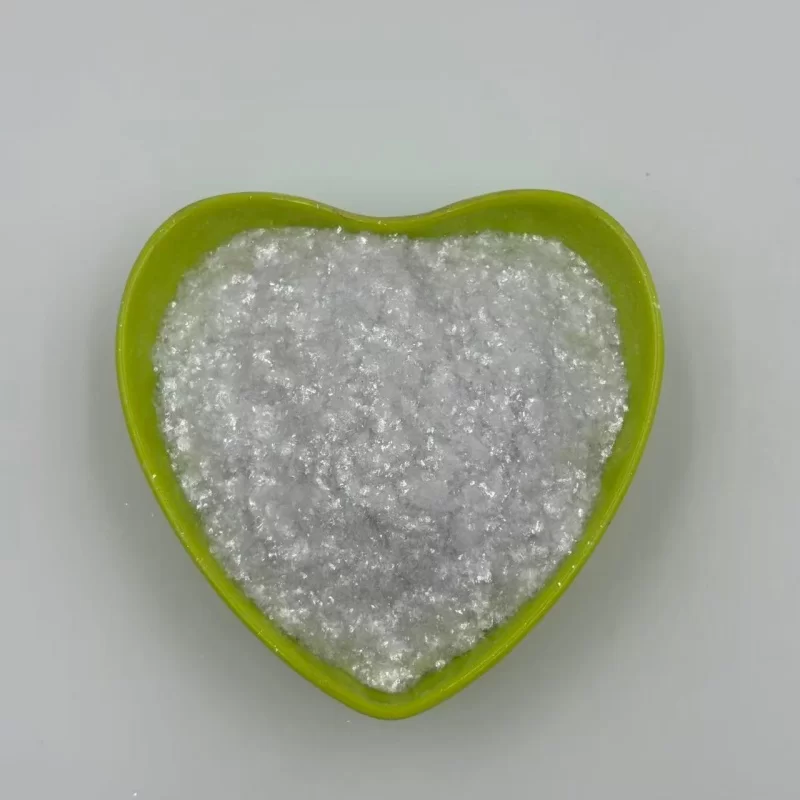
High-performance engineered glass flakes: flaky glass fillers enhancing anti-corrosion, wear resistance, and barrier properties. Typical specs: 2–10μm thickness, 100–3000μm diameter. Create a "labyrinth effect" in coatings/linings to block corrosive media and extend industrial equipment/structure lifespan.
Polished pebbles refer to natural-collected pebbles that undergo mechanical grinding and polishing to achieve a smooth, glossy surface. They retain the natural shape of pebbles while being given an artistic second life. With their high aesthetic value and artistry, polished pebbles are mainly used in fields focused on decoration and quality of life enhancement: indoor decoration and display, aquarium and fish tank landscaping, bathroom decoration, decoration of indoor fountains and small artificial water features, as well as an excellent material for making crafts like paperweights, candlesticks, photo frames and creative ornaments.
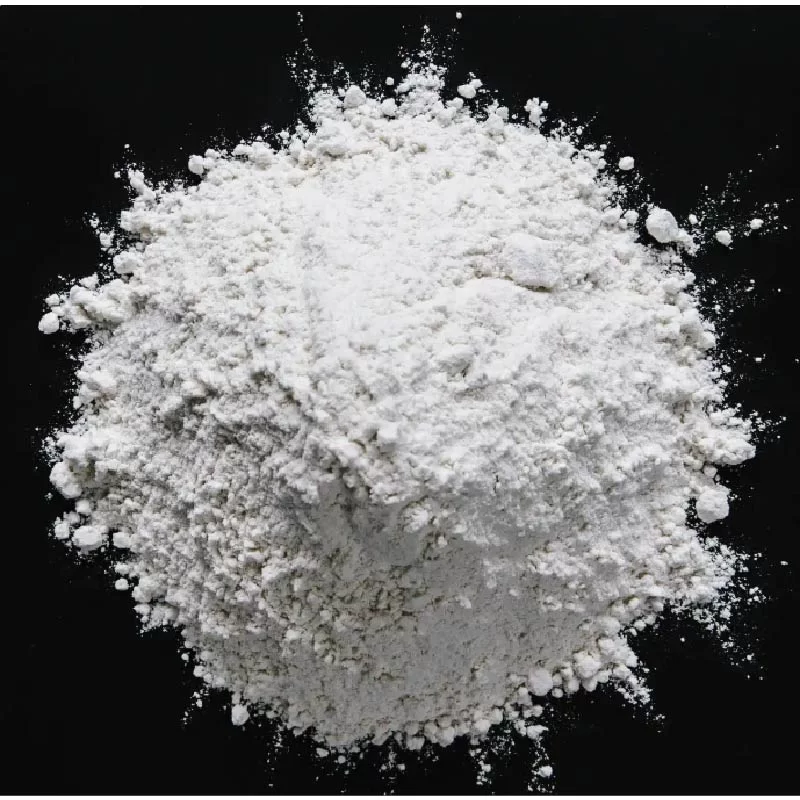
Titanium dioxide is a high-performance white pigment with excellent opacity, brightness, and UV resistance. It’s widely used in paints, plastics, and coatings for vivid, durable finishes.
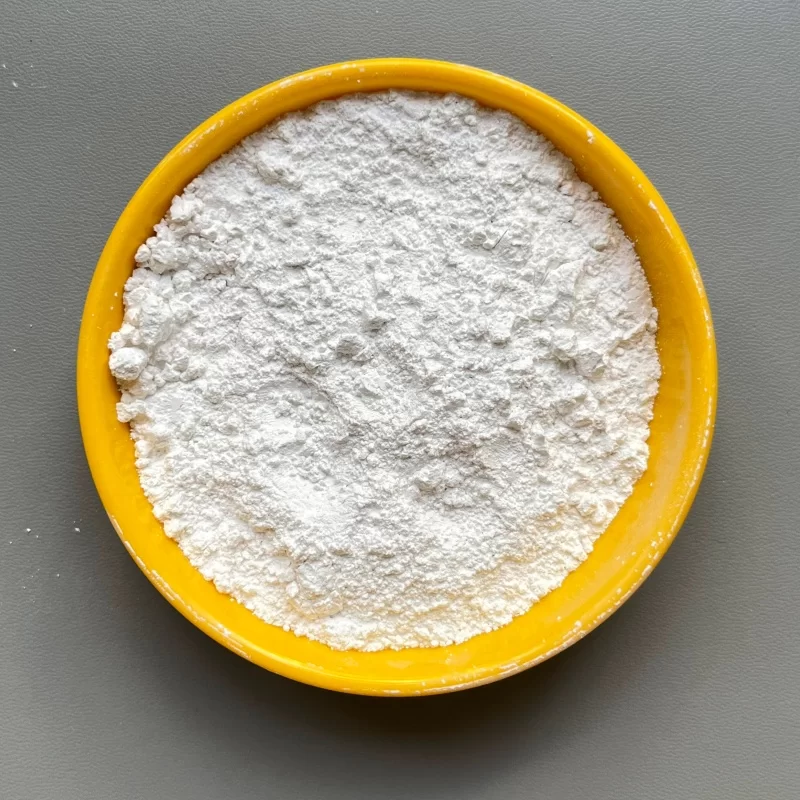
With a spindle or needle-like structure and narrow particle size distribution, light calcium carbonate offers key advantages: uniform particles, high whiteness, large sedimentation volume, low oil absorption, good dispersibility, and high chemical purity. Such characteristics support its wide application in industries like plastics, rubber, papermaking, and coatings.
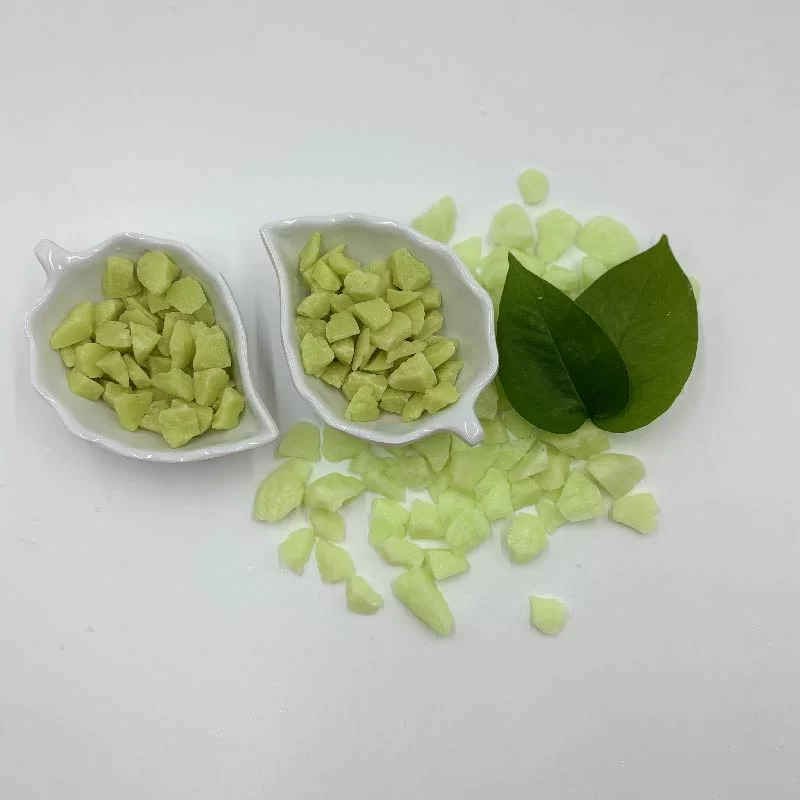
Glass-based luminous stones are functional decorative materials made by combining high-quality rare earth long-lasting luminous materials with glass substrates through special processes (such as high-temperature sintering or melting). They inherit the crystal clarity and hard texture of glass, while being endowed with the magical property of self-luminescence at night, presenting a clear, cool and highly modern optical effect. These stones are widely used in garden road paving, wall guidance signs, safety warning lines, water feature design, kitchen countertops, bathroom walls, and lobby feature walls.
Specialty natural stone chips specifically formulated for real stone paint applications. Delivers authentic granite and marble visual effects with enhanced durability and weather resistance.






If you are interested in our products, you can choose to leave your information here, and we will be in touch with you shortly.