
Phlogopite and muscovite mica powder serve different epoxy and composite briefs. Phlogopite covers 800 to 1000°C, high-voltage insulation, and golden metallic effects, while muscovite covers 600 to 800°C, high whiteness, and 20 to 3000 mesh. Compare temperature, electrical role, form, particle size, and finish before requesting a grade.
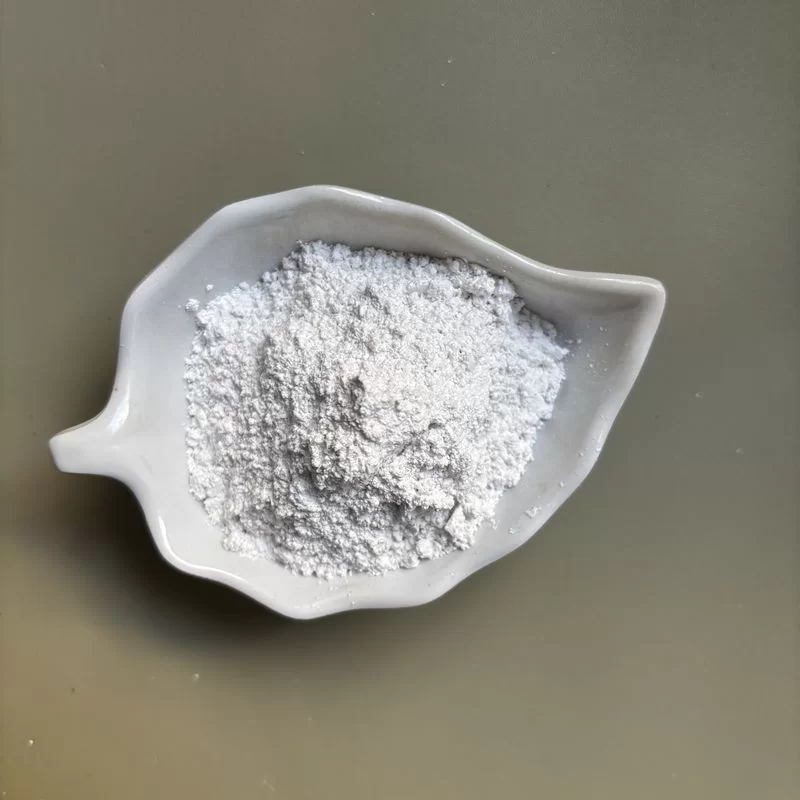
Phlogopite mica powder
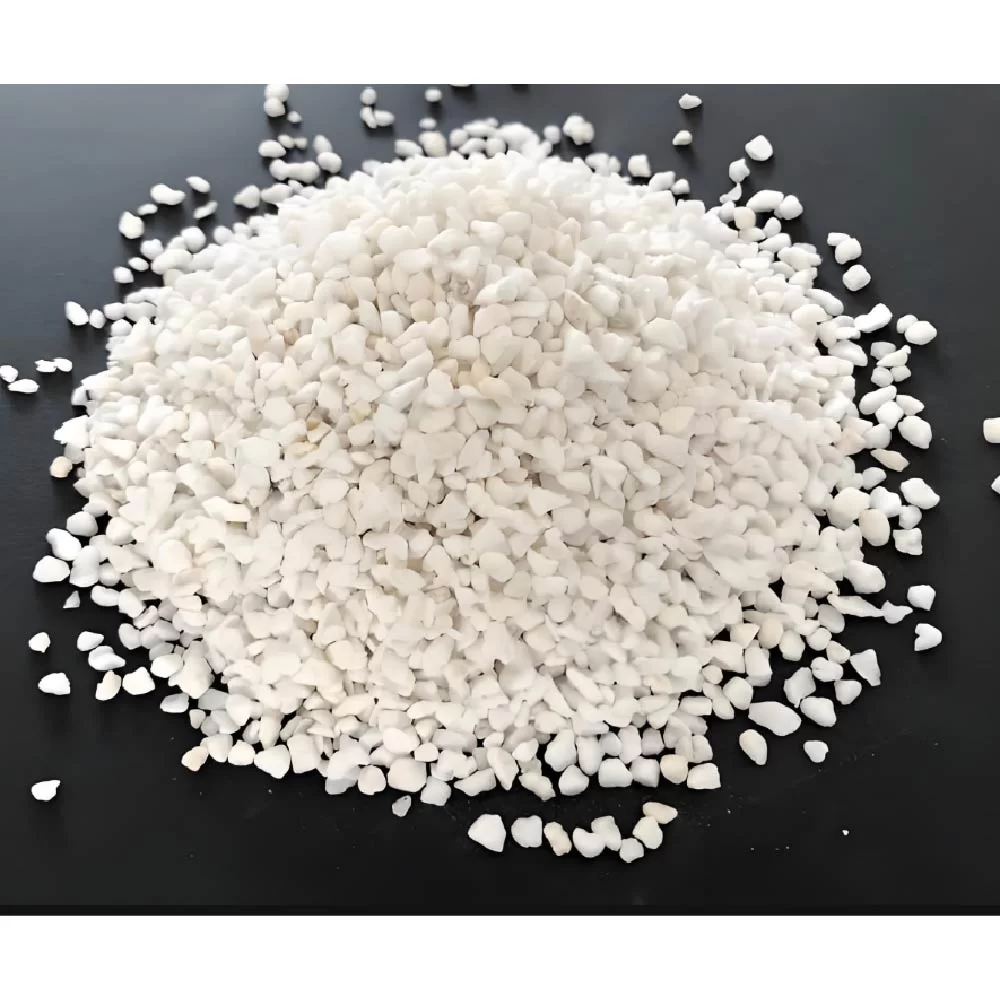
Muscovite mica powder
Phlogopite mica powder and muscovite mica powder are layered silicate minerals used in reinforcement, insulation, coatings, plastics, and resin-related formulations. We supply them for different purchasing briefs. Phlogopite fits a formulation that calls for the higher heat range, high-voltage resistance, or a natural golden metallic effect. Muscovite fits a light-colored filler brief, a smooth powder texture, or a wider particle-size range.
For a China mica powder for epoxy order, define four points first: service temperature, electrical function, required form, and visual result. Those points give your technical team a useful basis for choosing between the two minerals.
Phlogopite covers 800 to 1000°C and has high dielectric strength, low loss, and high-voltage resistance. These properties support its use in electrical insulation, motor gaskets, industrial coatings, welding rod coatings, and composites where heat and insulation are considered together.
Muscovite covers 600 to 800°C and has high dielectric strength with low electrical loss. Its listed uses include electrical insulation materials, capacitors, cables, mica boards, coatings, plastics, and resins. That profile suits an epoxy or resin filler brief where electrical insulation and the 600 to 800°C range are part of the specification.
The two listed temperature ranges meet at 800°C: muscovite runs from 600 to 800°C, while phlogopite runs from 800 to 1000°C. Treat 800°C as the shared endpoint, then send the actual service temperature and electrical function with your inquiry. A temperature figure alone does not settle the grade when the formulation also needs a particular form, finish, or reinforcement role.
Both mica powders resist acids and alkalis. Muscovite also resists oxidation and works as a reinforcing filler for resins and plastics. Its layered crystalline structure supports dimensional stability, hardness, and surface smoothness in the listed applications.
Phlogopite is magnesium-rich, resists oxidation, acids, and alkalis, and works as reinforcement in plastics, rubber, and composites. Its listed mechanical role includes strength, dimensional stability, and wear resistance. This makes it the option to evaluate first when a composite brief combines reinforcement with the higher temperature range.
The practical test belongs in the same epoxy system planned for production. Keep the resin chemistry, loading level, particle size, mixing method, and curing conditions consistent when comparing trial samples. We can use those details to discuss the appropriate material form and grade.
Muscovite is available in a 20 to 3000 mesh range as a fine, smooth powder with high whiteness and a glossy appearance. This combination suits light-colored resin fillers and decorative coatings where the finished surface needs a bright, smooth look. The range also gives buyers more room to define a particle-size target for a particular process.
Phlogopite is available in a 6 to 1250 mesh range, as powder, flakes, and sheets. Its layered crystalline flakes have a natural golden or metallic luster that can create a pearlescent effect in decorative coatings and paints. The requested form should appear in the inquiry because powder, flakes, and sheets serve different processing briefs.
Picture a decorative epoxy workshop choosing a warm metallic effect: phlogopite gives the visual direction to evaluate. A manufacturer preparing a light-colored resin filler can start with muscovite's whiteness, smooth texture, and mesh range. In either case, compare a sample in the planned resin and at the intended loading before fixing the purchase specification.
| Criterion | Phlogopite mica powder | Muscovite mica powder |
|---|---|---|
| Temperature range | 800 to 1000°C | 600 to 800°C |
| Electrical properties | High dielectric strength, low loss, high-voltage resistance | High dielectric strength, low electrical loss |
| Chemical resistance | Resistant to oxidation, acids, and alkalis | Resistant to oxidation, acids, and alkalis |
| Particle-size range | 6 to 1250 mesh | 20 to 3000 mesh |
| Available forms | Powder, flakes, and sheets | Fine, smooth powder |
| Appearance | Natural golden or metallic luster | High whiteness and glossy appearance |
| Resin or composite role | Reinforcement in composites | Reinforcing filler in resins and plastics |
Phlogopite suits buyers whose brief centers on 800 to 1000°C, high-voltage insulation, a golden metallic effect, or multiple forms. Muscovite suits buyers whose brief centers on 600 to 800°C, high whiteness, smooth powder, or resin reinforcement. We can review either route for a China mica powder for epoxy request when the formulation conditions are included.
Include the intended electrical function and the operating voltage, along with the service temperature. Phlogopite is associated with high dielectric strength, low loss, and high-voltage resistance. Muscovite is associated with high dielectric strength and low electrical loss. This distinction helps us discuss whether your brief calls for the additional high-voltage resistance description attached to phlogopite.
Ask for flakes or sheets when the physical form is part of the process or component design. Phlogopite is available in powder, flakes, and sheets, while muscovite is available as a fine, smooth powder. Tell us whether the material will be dispersed as a filler or used in a form-based insulation application so we can review the request correctly.
Represent the acids, alkalis, and oxidation conditions expected in service. Both materials resist acids and alkalis, and both descriptions include oxidation resistance. Phlogopite is also used in industrial coatings and composites, while muscovite is used in coatings, plastics, and resins. Include the intended application so the trial reflects the finished product environment.
Choose phlogopite for a brief centered on the 800 to 1000°C range, high-voltage resistance, golden metallic appearance, or powder, flake, and sheet forms. Choose muscovite for a 600 to 800°C brief requiring high whiteness, smooth powder, or the 20 to 3000 mesh range. Review our muscovite mica powder and phlogopite mica powder, then send the resin type, target mesh or form, color, service temperature, electrical function, loading, and annual quantity for a quotation.

About the author
The company
Welcome to Shijiazhuang Fengersheng Mining Co., Ltd. — a trusted partner with 43 years of dedication to the mineral products industry. Rooted in Lingshou County, the “Hometown of Mica in China”, we have grown from a local mica factory into a comprehensive global mineral enterprise, committed to delivering high-quality products and reliable services to customers worldwide.…
About Us ↗Visit company website ↗Heavy calcium carbonate, produced via physical processing, offers distinct advantages over light calcium carbonate: lower production costs, significantly reduced oil absorption, and a more pronounced boost to the surface gloss of end products. As a result, it has become the preferred filler for the vast majority of manufacturers.
Its applications span key industries including rubber, plastics, papermaking, and coatings. Beyond these, it also sees extensive use in pharmaceuticals, food processing, feed production, and toothpaste manufacturing.
High-quality talc powder specifically formulated for paint and coating applications. Enhances leveling, smoothness, and acid/alkali resistance while reducing production costs.
Food-grade expanded perlite for industrial filtration applications. High flow rates, excellent clarity, and consistent performance as filter aid in food, beverage, and pharmaceutical industries.
Expanded vermiculite is a lightweight, porous material made by heating raw vermiculite. It has excellent water retention, aeration, and insulation. Widely used in horticulture (soil mix), construction (insulation), and packaging (padding), being eco-friendly and non-toxic.







If you are interested in our products, you can choose to leave your information here, and we will be in touch with you shortly.