
Key data
Abstract
Natural Colored Sand suits purchases centered on mineral-origin color and natural mineral composition. Dyed Colored Sand suits orders that need controlled color selection, uniform distribution, and defined mesh groups. Compare the material bases, processing methods, color behavior, and order details to confirm before purchase.
Natural Colored Sand and Dyed Colored Sand address different purchasing requirements. Natural Colored Sand keeps its color from mineral sources, while the dyed material uses quartz, feldspar, or river sand as a base and adds color through physical coating or chemical infiltration. Your choice should follow the required material basis, mesh group, color behavior, and order controls.
| Criterion | Natural Colored Sand | Dyed Colored Sand |
|---|---|---|
| Material basis and color source | Marble, granite, quartzite, and diabase; natural oxides including iron, chromium, and titanium | Natural quartz, feldspar, and river sand; physical coating or chemical infiltration |
| Processing method | Crushing, washing, screening, and magnetic separation | Drying, curing, sieving, physical coating, and chemical infiltration |
| Particle size options | Coarse gravel from 4-8 mesh to fine powder at 100+ mesh | 5-10, 10-20, 20-40, 40-80, 80-120, 120-180 mesh, and 180 mesh and above |
| Color and exposure behavior | Permanent color and UV stability | UV-resistant color stability and high-temperature sintering for weather resistance |
| Chemical and environmental profile | Non-toxic and acid and alkali resistant | Non-toxic and eco-friendly |
| Purchasing controls to confirm | Mineral source, grade, mesh range, magnetic separation, color sorting, packaging, and application | Base material, color treatment, mesh range, curing and sieving, color consistency, custom processing, packaging, and application |
Natural Colored Sand fits specifications that call for marble, granite, quartzite, or diabase particles with color from natural oxides. Its processing includes magnetic separation, which removes iron through magnetic sorting. This option suits mineral finishes where the source and natural visual variation belong in the specification.
The dyed option uses natural quartz, feldspar, or river sand as its base. Physical coating or chemical infiltration creates the color, followed by drying, curing, and sieving. Choose this route when the order requires a defined palette or uniform color distribution.
We supply both options through our Dyed Colored Sand product page and our Natural Colored Sand product page. Include the required mineral basis or target color in your inquiry so we can match the request to the appropriate product.
Natural Colored Sand spans coarse gravel from 4-8 mesh to fine powder at 100+ mesh. The dyed material is separated into groups from 5-10 mesh through 180 mesh and above. Name the target mesh range in the purchase specification, especially for epoxy, mortar, resin, coating, or art-medium applications.
The two ranges are organized differently. A clear order request should state the product, mesh group, color or mineral basis, and intended application. We can tailor grinding and dyeing services to specific industrial particle requirements for the dyed product.
Start with a specification sheet that identifies the material basis, color source, processing method, and particle-size range. For the natural option, check the stated mineral composition, crushing and screening process, magnetic separation, and industrial or selected craft grade. For the dyed option, check the base material, physical coating or chemical infiltration, drying and curing, sieving, and selected mesh group.
Use the stated quality controls as a second check. The natural material uses magnetic separation and quality sorting between industrial and craft grades. The dyed material uses sieving and curing protocols for mesh size and color consistency, with custom grinding and dyeing services for industrial particle requirements. Ask for order-specific inspection details that correspond to the material, mesh, color, and packaging requirements.
Samples can help when appearance or color matching affects approval. Send the target color, required mesh, application, and exposure conditions with the sample or quotation request. For the natural option, compare mineral texture and shade variation. For the dyed option, compare color distribution and particle-size grouping against the requested specification.
Natural Colored Sand uses mineral color from natural oxides and has permanent coloration and UV stability. It suits projects that require mineral-origin color and a natural visual texture.
The dyed material uses color treatment and high-temperature sintering for UV-resistant and weather-resistant color stability. It suits projects that need controlled, vivid colors or a customized palette. Include indoor or outdoor exposure in the request so the selected color and product details can be reviewed against the intended use.
The two options
Choose Natural Colored Sand when mineral composition and natural color are central to the purchase. Choose Dyed Colored Sand when color selection, uniform distribution, and a defined mesh option carry more weight. Tell us the required material or color, mesh range, application, exposure conditions, packaging requirement, and any sample or inspection details through our product page.

About the author
The company
Welcome to Shijiazhuang Fengersheng Mining Co., Ltd. — a trusted partner with 43 years of dedication to the mineral products industry. Rooted in Lingshou County, the “Hometown of Mica in China”, we have grown from a local mica factory into a comprehensive global mineral enterprise, committed to delivering high-quality products and reliable services to customers worldwide.…
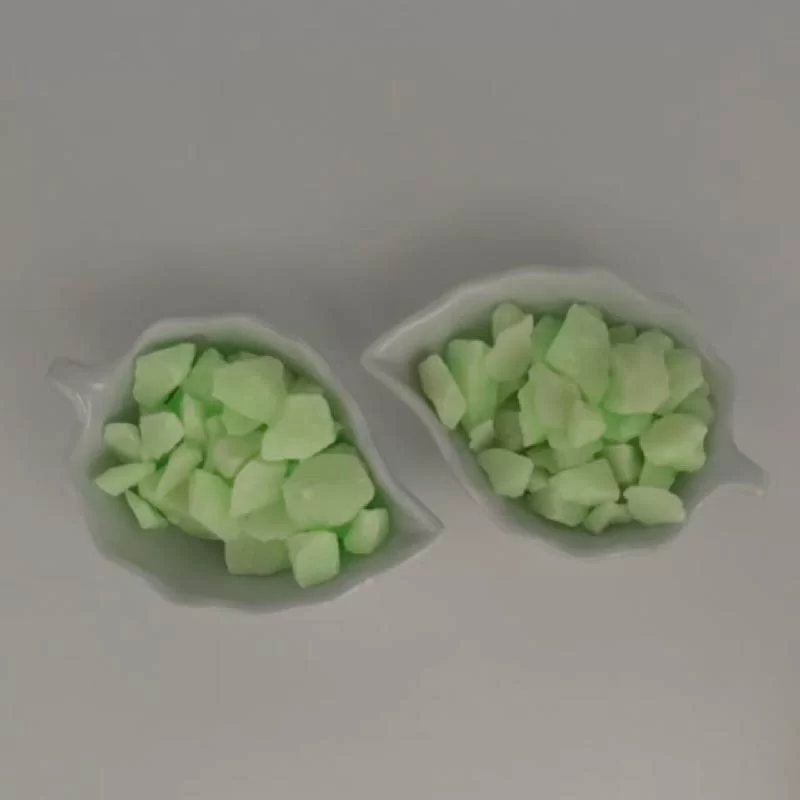
About Us ↗Visit company website ↗Glass-based luminous stones, functional decorative materials, are produced by combining high-quality rare earth long-lasting luminous materials with glass substrates through special techniques like high-temperature sintering or melting. They inherit glass’s crystalline transparency and hard texture, and are also endowed with the magical trait of self-luminescence at night, delivering a clear, cool, and strongly modern optical effect. Their uses span garden road paving, wall guidance signs, safety warning lines, water feature design, kitchen countertops, bathroom walls, and lobby feature walls.
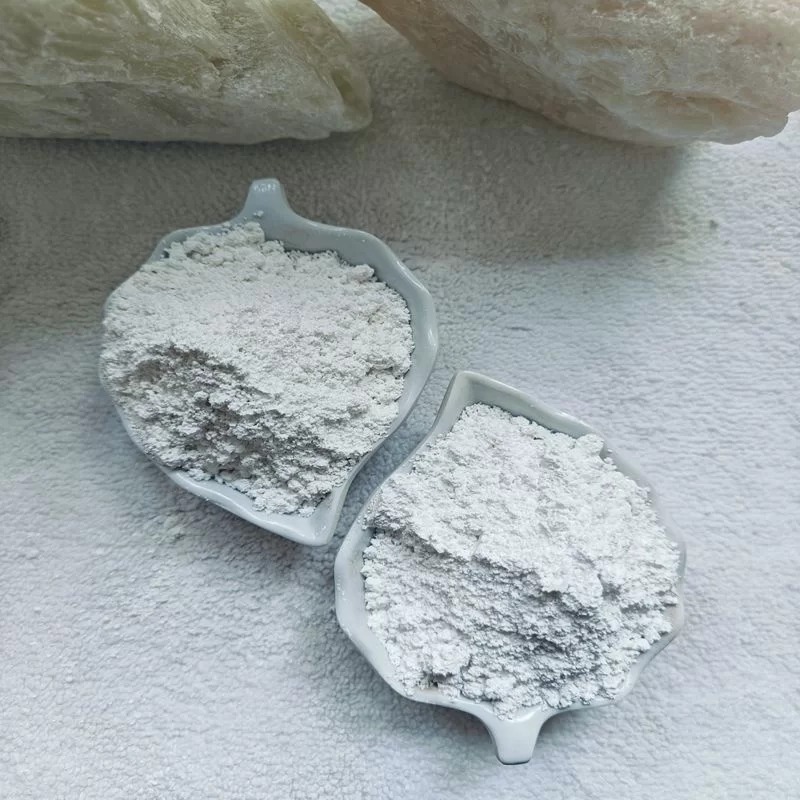
Light calcium carbonate usually appears in spindle or needle-like shapes with a narrow particle size distribution. It features uniform particles, high whiteness, large sedimentation volume, low oil absorption value, good dispersibility, and high chemical purity. These properties enable it to be widely used in numerous industrial fields, such as plastics, rubber, papermaking, and coatings.
Phlogopite
Particle Size: 6-1250mesh
Product Overview
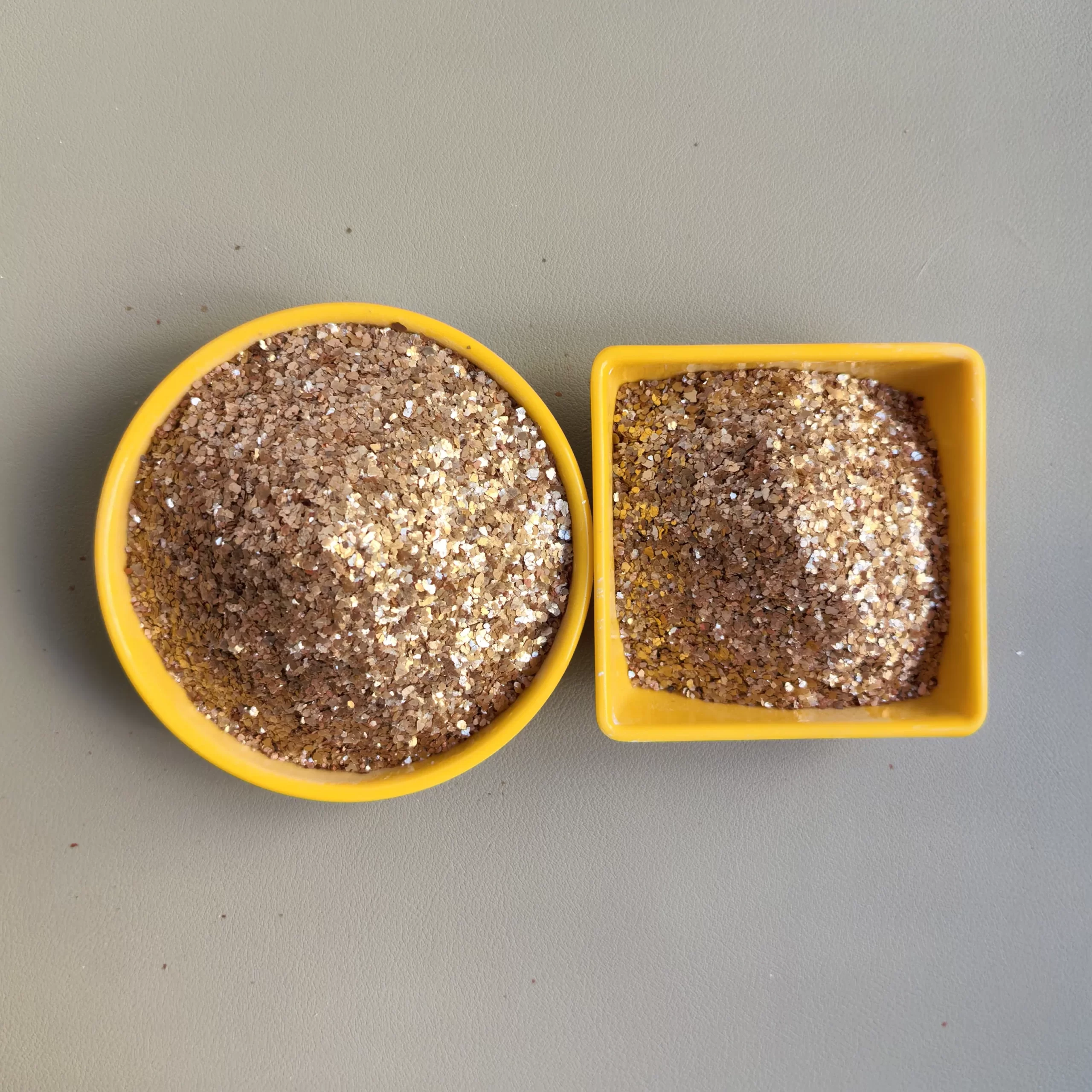
Phlogopite mica powder, also known as golden mica powder, is a heat-resistant silicate mineral with excellent mechanical strength, electrical insulation, and thermal stability.
It is commonly used in industries requiring high temperature resistance, insulation, and anti-corrosion performance.
Heavy calcium carbonate, produced via physical processing, offers distinct advantages over light calcium carbonate: lower production costs, significantly reduced oil absorption, and a more pronounced boost to the surface gloss of end products. As a result, it has become the preferred filler for the vast majority of manufacturers.
Its applications span key industries including rubber, plastics, papermaking, and coatings. Beyond these, it also sees extensive use in pharmaceuticals, food processing, feed production, and toothpaste manufacturing.





If you are interested in our products, you can choose to leave your information here, and we will be in touch with you shortly.