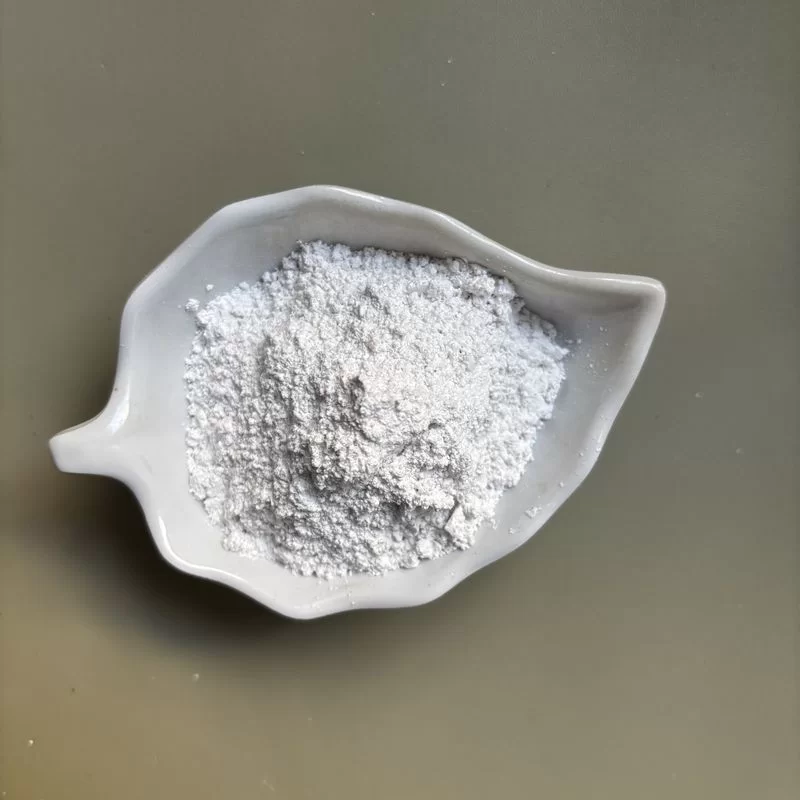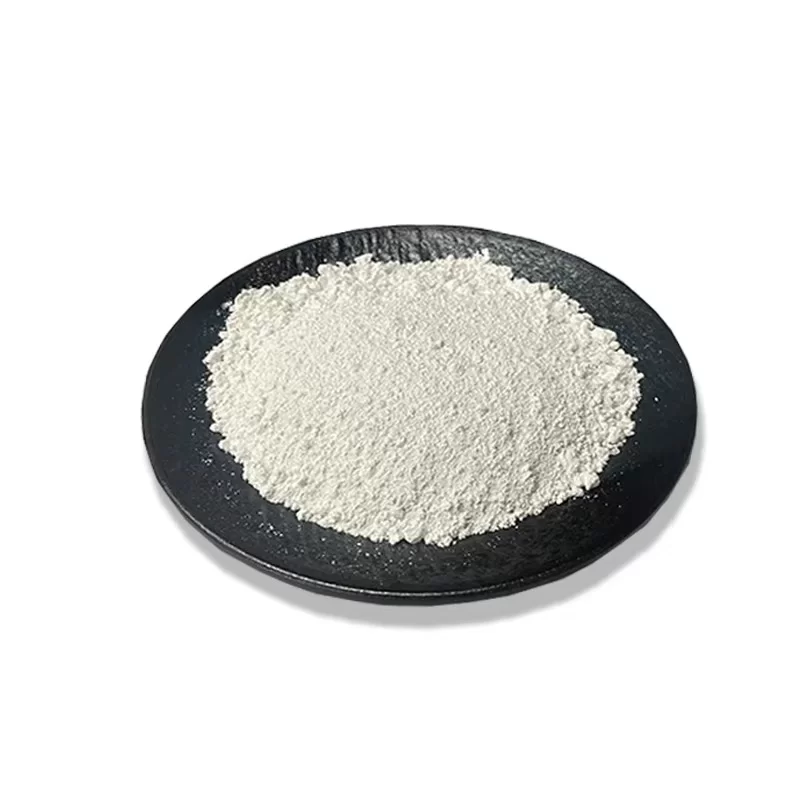
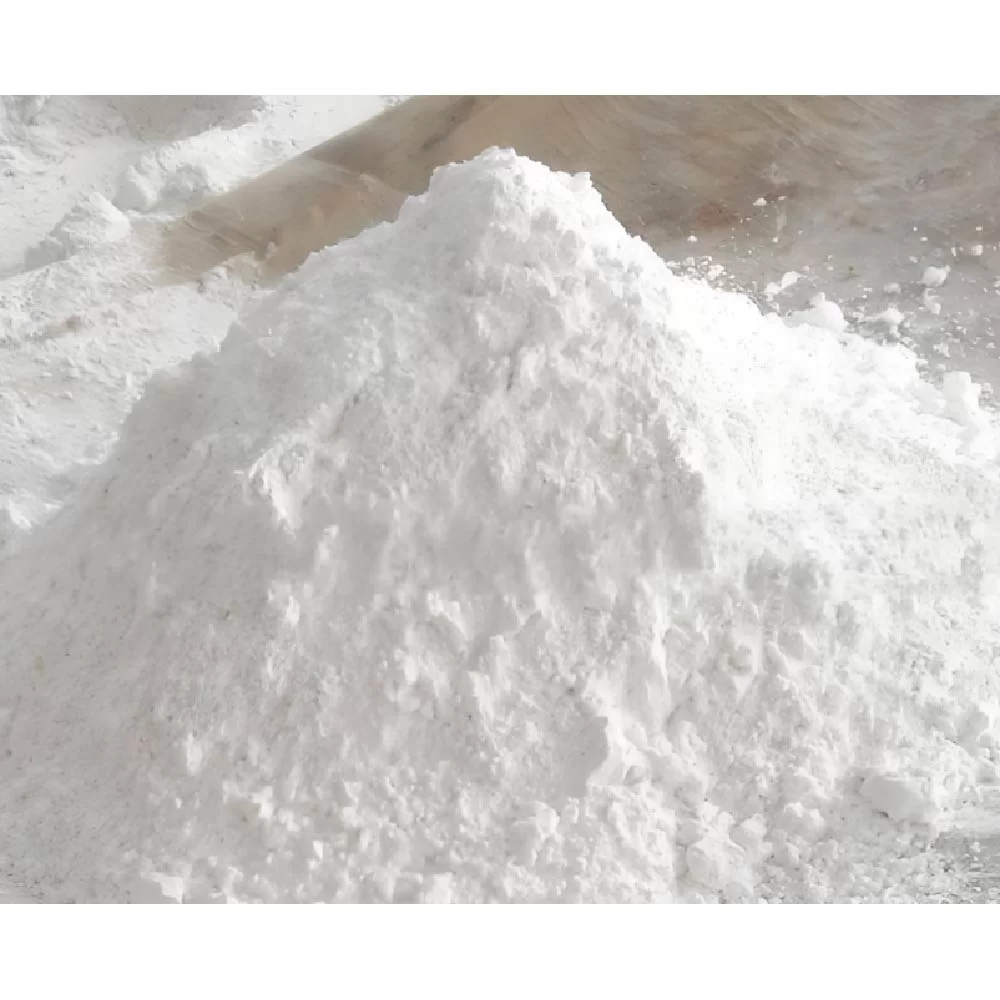
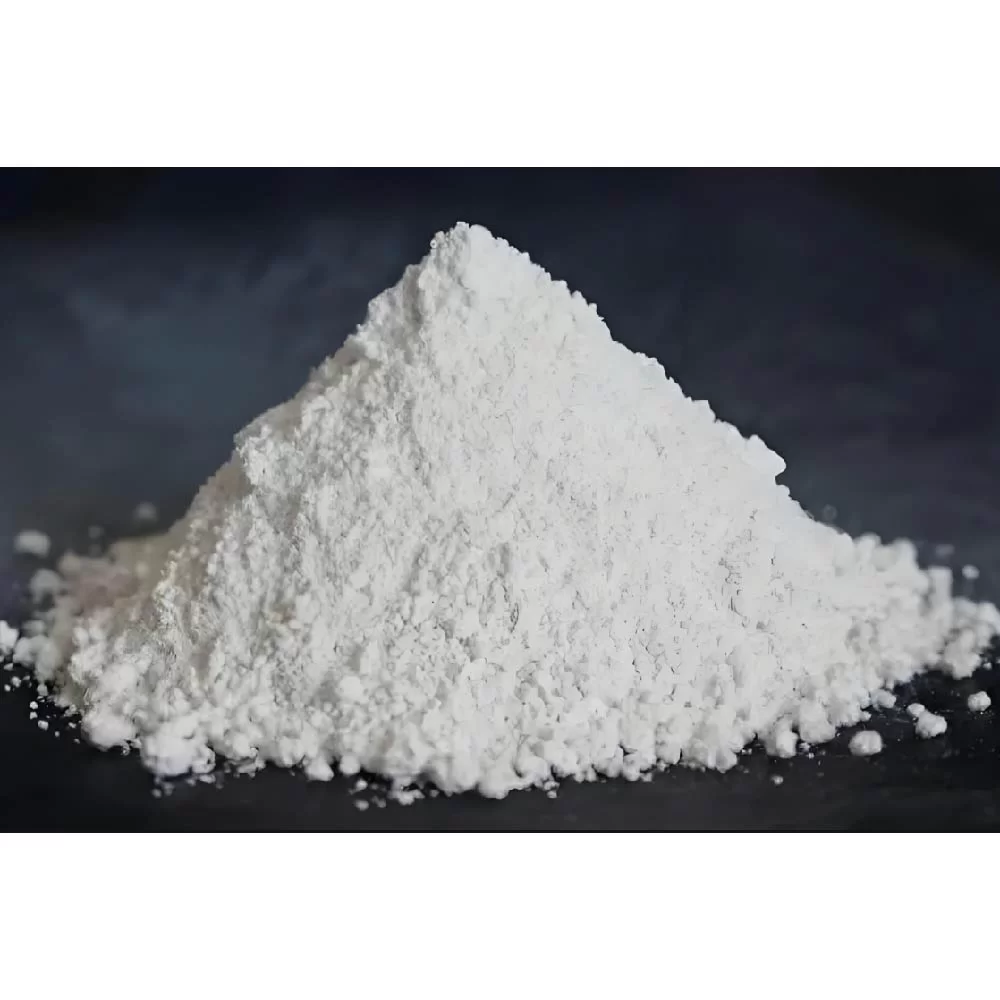
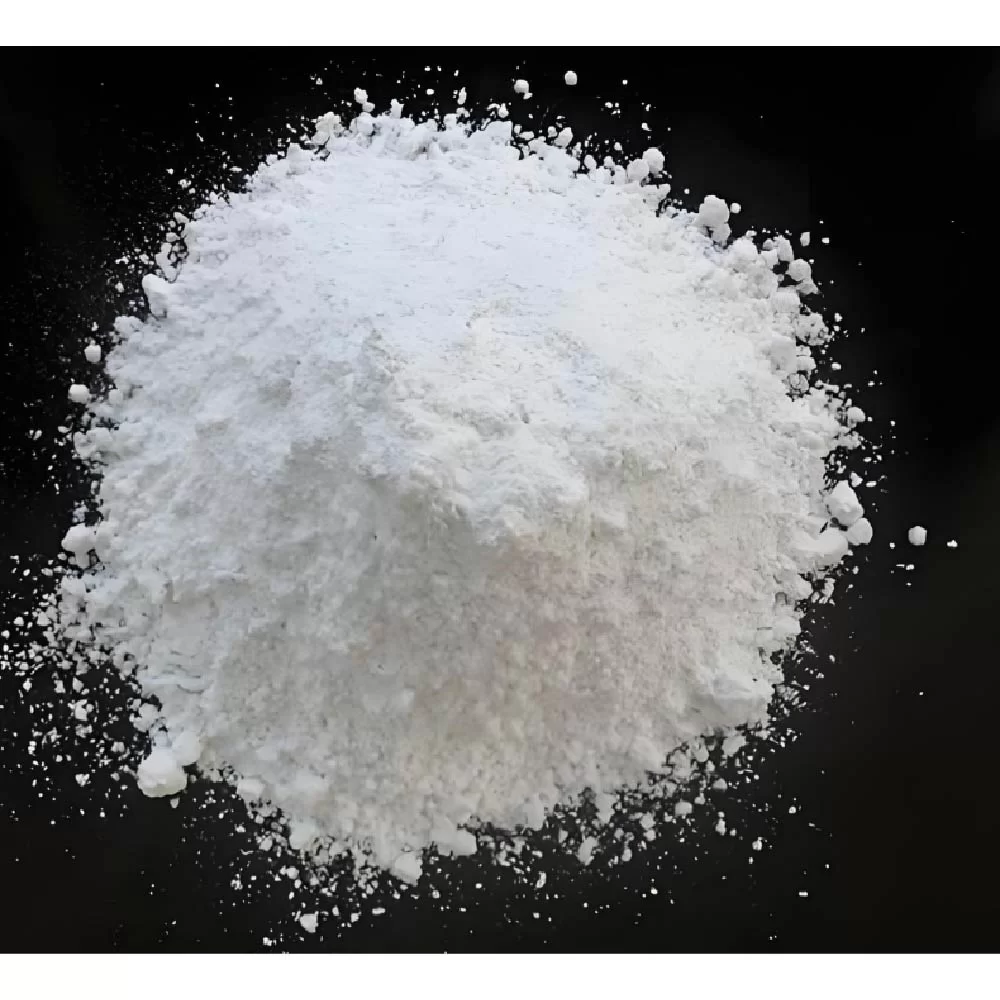
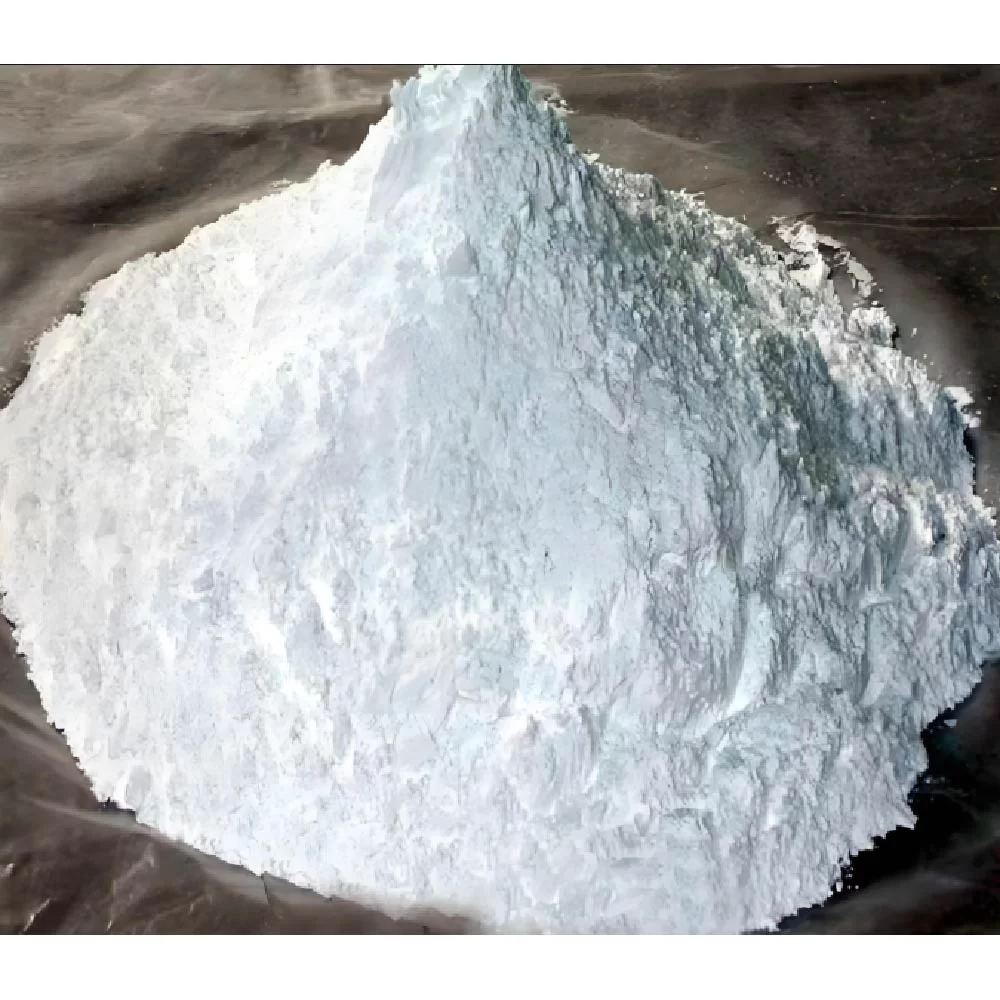
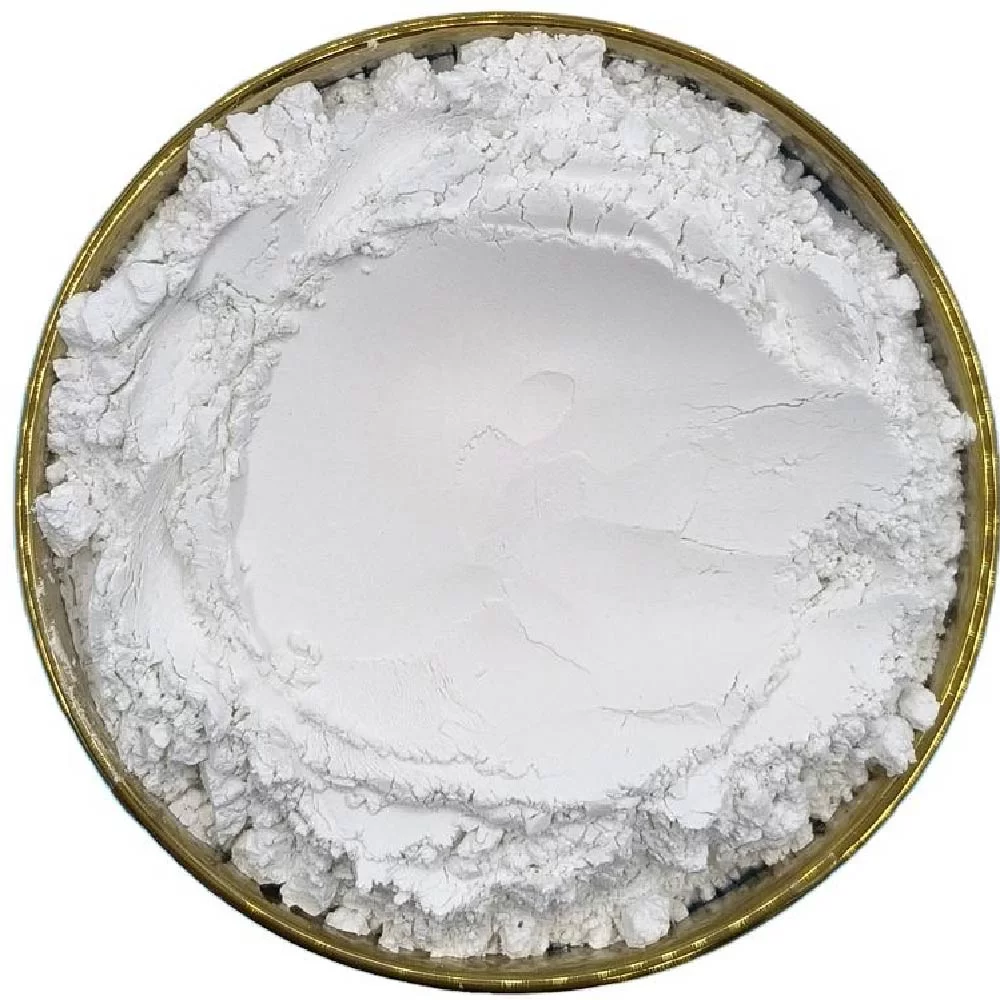
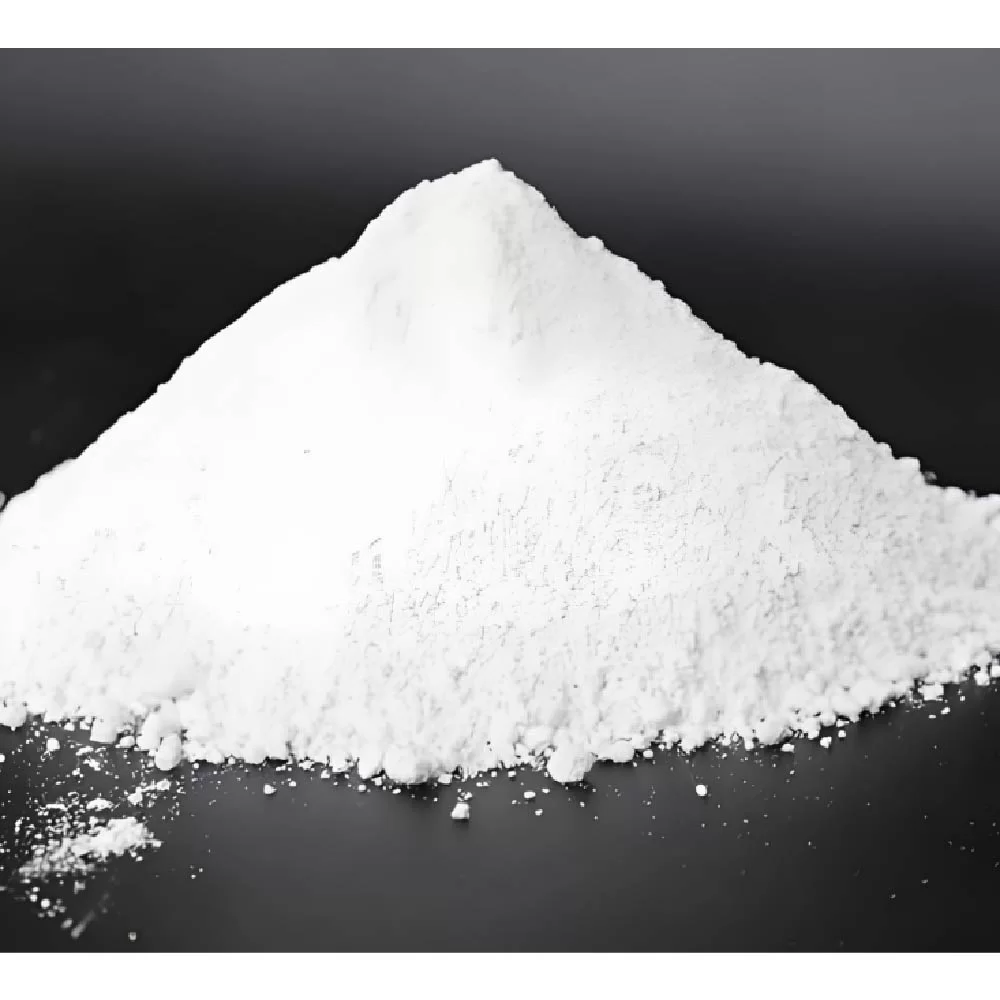
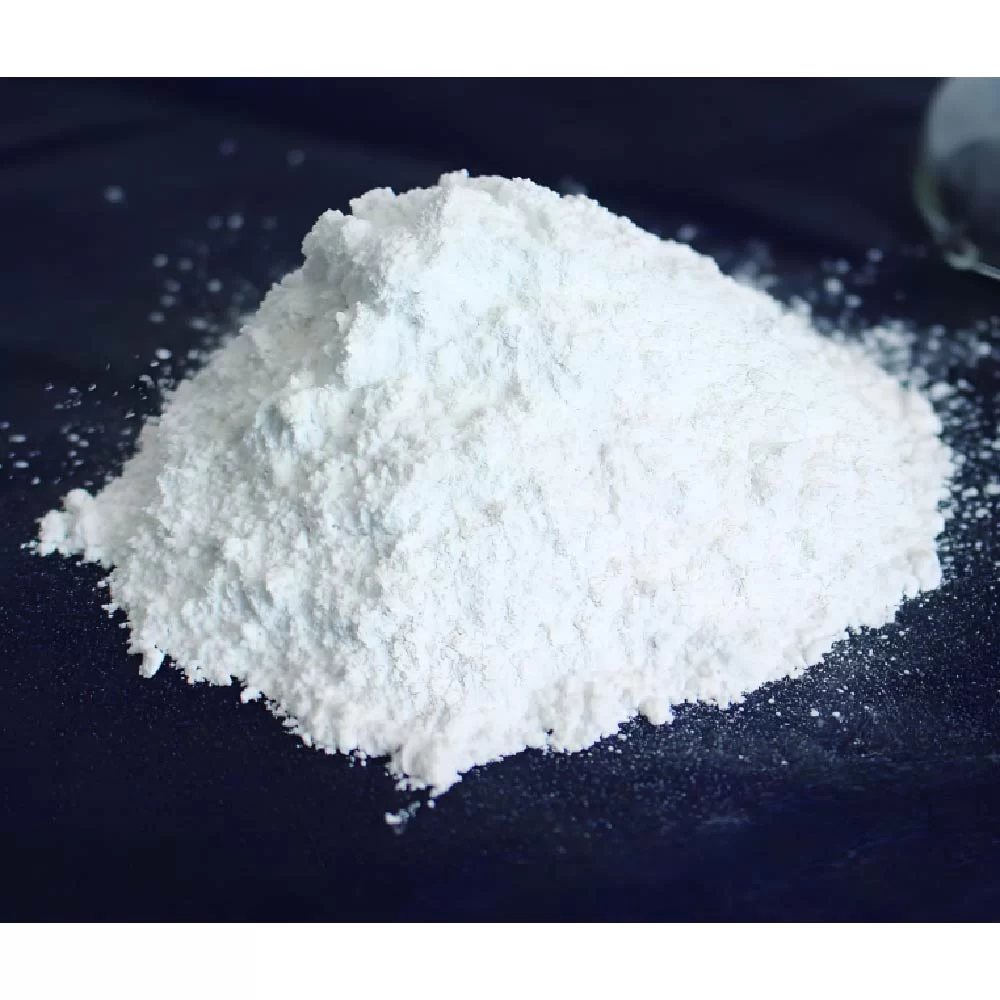
Talc Powder for Advanced Plastic Compounds
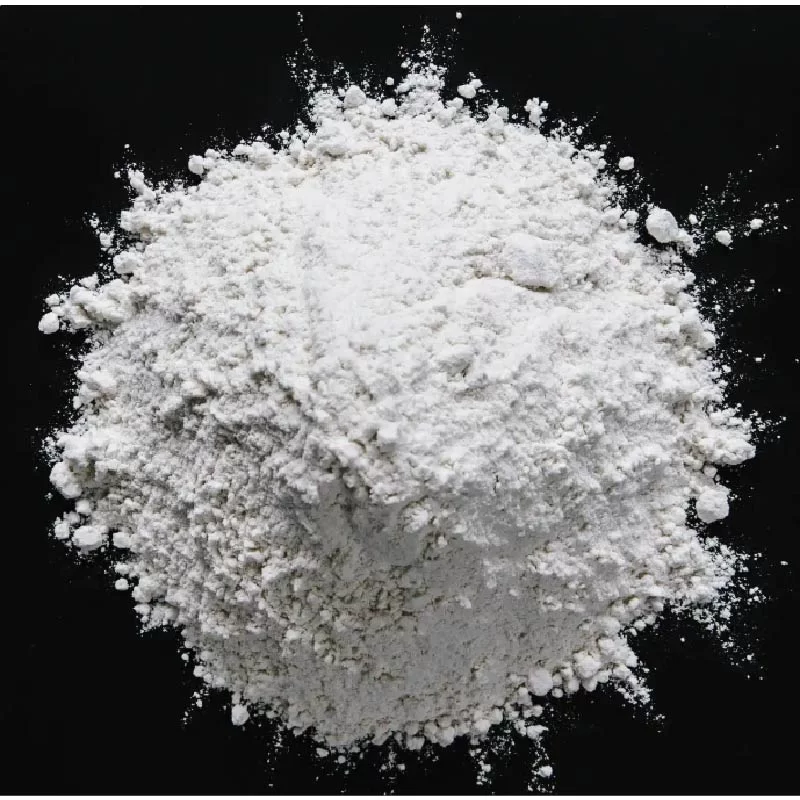
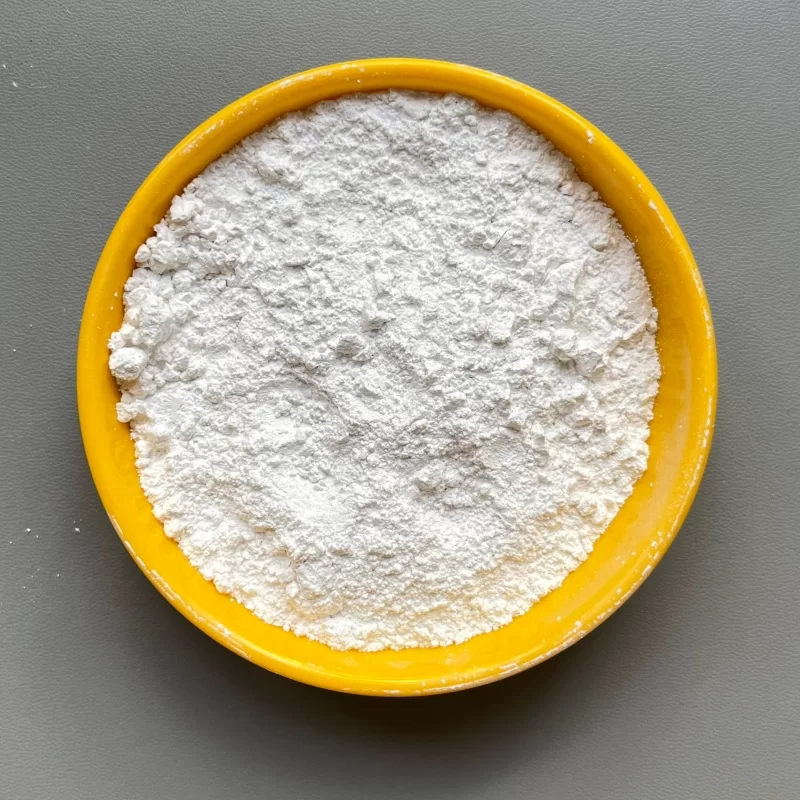
Specifically engineered for plastic applications, our talc powder serves as an effective filler that enhances product performance while optimizing production costs. The platelet structure provides excellent reinforcement and dimensional stability.
Key Specifications & Benefits:
Enhanced Stability: Improves dimensional stability and reduces warpage
Heat Resistance: Increases heat deflection temperature
Reduced Shrinkage: Minimizes post-molding shrinkage
Improved Stiffness: Enhances mechanical properties
Better Processability: Improves flow characteristics and surface finish
Primary Applications:
Polypropylene compounds
Automotive plastic parts
Household appliances
Engineering plastics
Packaging:
Flexible Packaging: Available in 25kg bags, 50kg bags, or 1-ton jumbo bags to suit your handling and logistical requirements.
Bulk Supply: We can support large-scale project needs with consistent quality and reliable containerized shipping.
Talc Powder is a versatile and high-performance mineral additive widely used in the plastics industry as a polymer filler. Its unique lamellar structure, chemical inertness, and thermal stability make it an ideal choice for enhancing the mechanical, thermal, and dimensional properties of various plastic materials, including polypropylene (PP), polyethylene (PE), polystyrene (PS), ABS, and engineering plastics.
One of the key benefits of Talc Powder in plastic applications is its ability to improve dimensional stability. When incorporated into polymer matrices, it reduces shrinkage and warpage during molding and cooling processes, ensuring that finished components maintain precise dimensions and structural integrity. This property is particularly valuable for automotive parts, appliance housings, and high-precision injection-molded components.
In addition to dimensional control, Talc Powder enhances stiffness, hardness, and impact resistance of plastic products. Its fine particle size allows for uniform dispersion within polymers, improving surface finish, reducing defects, and supporting high-quality coloration in decorative or functional parts. The mineral’s thermal stability also allows plastics to withstand higher processing temperatures without degradation, extending their performance range in demanding applications.
Talc Powder also contributes to cost efficiency by partially replacing more expensive polymer resins while maintaining or improving mechanical performance. Its chemical inertness ensures compatibility with most additives, pigments, and stabilizers, making it a flexible and reliable solution for a wide range of plastic formulations.
Overall, Talc Powder is a critical filler for modern plastics manufacturing, offering dimensional stability, improved mechanical properties, enhanced surface quality, and cost-effective performance. Its application ensures durable, precise, and high-quality polymer products suitable for automotive, industrial, and consumer markets.
Talc Powder is a high-performance mineral additive widely used in the plastics industry as a polymer filler to enhance dimensional stability and reduce shrinkage and warpage in molded parts. Shrinkage and warpage are common challenges in plastic manufacturing, particularly in large or high-precision components. These issues occur due to uneven cooling, differential polymer contraction, and inconsistencies in material composition. By incorporating Talc Powder into polymer matrices such as polypropylene (PP), polyethylene (PE), ABS, and engineering plastics, manufacturers can minimize these problems and ensure precise, reliable components.
The lamellar structure of Talc Powder allows it to align along polymer chains during processing, which restricts polymer flow and contraction during cooling. This physical reinforcement reduces internal stresses and helps maintain the shape of components. As a result, products exhibit lower dimensional variation, less distortion, and improved tolerance control. For high-precision applications, such as automotive interiors, appliance housings, and industrial equipment, these benefits translate into higher yield rates, reduced rework, and improved cost efficiency.
In addition, Talc Powder provides thermal stability, enabling plastics to withstand elevated processing temperatures without excessive shrinkage or deformation. This makes it particularly suitable for injection molding and extrusion processes where thermal control is critical. Its chemical inertness ensures compatibility with a wide range of polymer resins and additives, maintaining product performance while enhancing processing consistency.
By using Talc Powder, manufacturers can produce durable, dimensionally stable plastic components that meet strict quality and precision requirements. Its ability to reduce shrinkage and warpage makes it an essential filler for modern plastics, ensuring consistent performance, high-quality appearance, and long-term reliability across various industrial applications.
Injection molding is one of the most widely used manufacturing techniques for plastic parts, and Talc Powder is an essential polymer filler that optimizes this process. Its lamellar particle structure improves flow behavior, reduces internal stresses, and enhances dimensional stability in molded components. By integrating Talc Powder into polymers such as PP, PE, ABS, or polyamide (PA), manufacturers can achieve smoother filling, consistent wall thickness, and reduced defects during molding cycles.
The addition of Talc Powder improves thermal conductivity, allowing the plastic to cool evenly and reducing localized hot spots that cause warpage or sink marks. This uniform cooling is critical for complex parts with varying wall thicknesses, ensuring the final product maintains its designed dimensions and shape. Additionally, the mineral’s reinforcement effect increases stiffness and reduces polymer contraction, further supporting dimensional accuracy.
Talc Powder also facilitates faster cycle times and higher production efficiency. Its uniform particle size ensures even dispersion throughout the polymer matrix, preventing agglomeration that could affect flow or create weak points in the molded component. This contributes to smoother surfaces and reduces post-processing work, such as trimming or machining.
For industrial applications including automotive parts, household appliances, electronic housings, and precision equipment, Talc Powder ensures injection-molded components meet stringent specifications. Its combination of thermal stability, mechanical reinforcement, and process efficiency makes it a reliable additive for manufacturers seeking high-quality, consistent plastic parts.
By using Talc Powder, injection molding operations benefit from improved flow, reduced defects, faster production cycles, and better dimensional control, making it a critical filler for modern plastic manufacturing.
Surface quality is a critical factor in both functional and decorative plastic components, and Talc Powder plays a key role as a polymer filler in enhancing surface finish and aesthetics while maintaining dimensional stability. Its fine lamellar particles disperse evenly within the polymer matrix, filling voids and smoothing irregularities. This results in improved gloss, texture uniformity, and overall visual appeal, which is particularly important in consumer products, automotive interiors, and electronic housings.
In addition to improving appearance, Talc Powder contributes to better mold release and reduced surface defects such as sink marks, flow lines, or pinholes. Its inert nature prevents chemical reactions with pigments, stabilizers, or other additives, allowing consistent coloration and long-lasting surface quality. For molded or extruded parts, this translates into components with high-quality, uniform finishes that require less post-processing.
Talc Powder also enhances mechanical properties that indirectly support aesthetic quality. By increasing stiffness and reducing shrinkage, it prevents deformation or warping that could compromise surface flatness or uniformity. This makes it ideal for precision-molded parts where both form and appearance are critical.
Moreover, Talc Powder is compatible with a wide range of polymers, enabling manufacturers to achieve smooth, glossy, or matte finishes depending on design requirements. Its incorporation ensures that plastic products not only meet performance standards but also maintain visual appeal, making it a versatile and cost-effective solution for both industrial and consumer applications.
By integrating Talc Powder, manufacturers can produce plastics with superior surface finish, consistent texture, and dimensional accuracy, ensuring that final products are visually attractive, functional, and reliable.
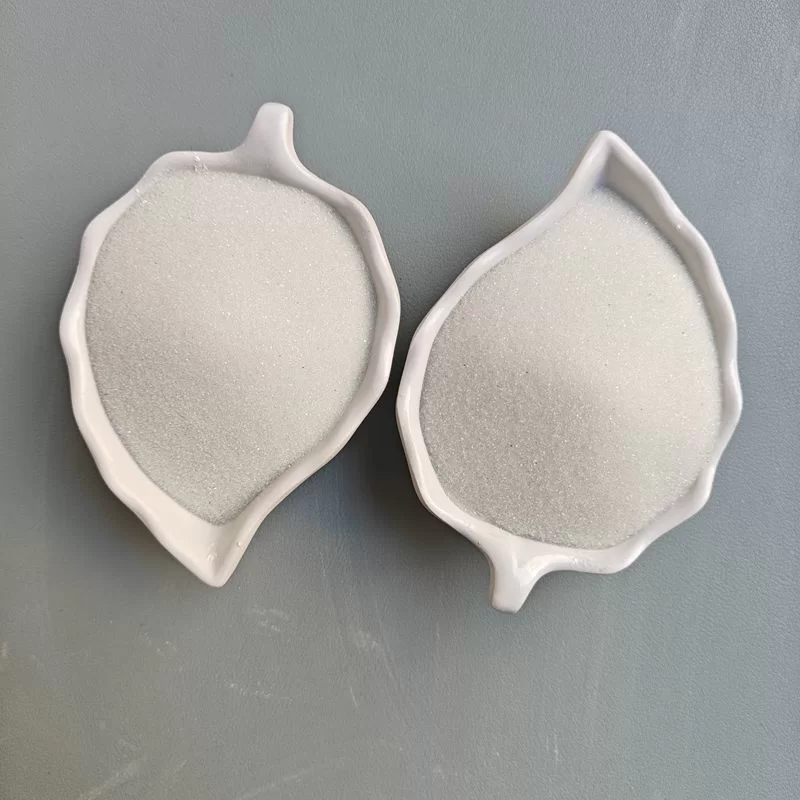
Glass-based luminous stones are functional decorative materials made by combining high-quality rare earth long-lasting luminous materials with glass substrates through special processes (such as high-temperature sintering or melting). They inherit the crystal clarity and hard texture of glass, while being endowed with the magical property of self-luminescence at night, presenting a clear, cool and highly modern optical effect. These stones are widely used in garden road paving, wall guidance signs, safety warning lines, water feature design, kitchen countertops, bathroom walls, and lobby feature walls.
Natural colored sand refers to naturally formed colored mineral particles that have not undergone artificial dyeing. Its color comes from the natural coloring of the mineral's own chemical composition or trace elements, and is a crystallization of natural geological processes.
Titanium dioxide is a high-performance white pigment with excellent opacity, brightness, and UV resistance. It’s widely used in paints, plastics, and coatings for vivid, durable finishes.
With a spindle or needle-like structure and narrow particle size distribution, light calcium carbonate offers key advantages: uniform particles, high whiteness, large sedimentation volume, low oil absorption, good dispersibility, and high chemical purity. Such characteristics support its wide application in industries like plastics, rubber, papermaking, and coatings.
High-quality talc powder specifically formulated for paint and coating applications. Enhances leveling, smoothness, and acid/alkali resistance while reducing production costs.
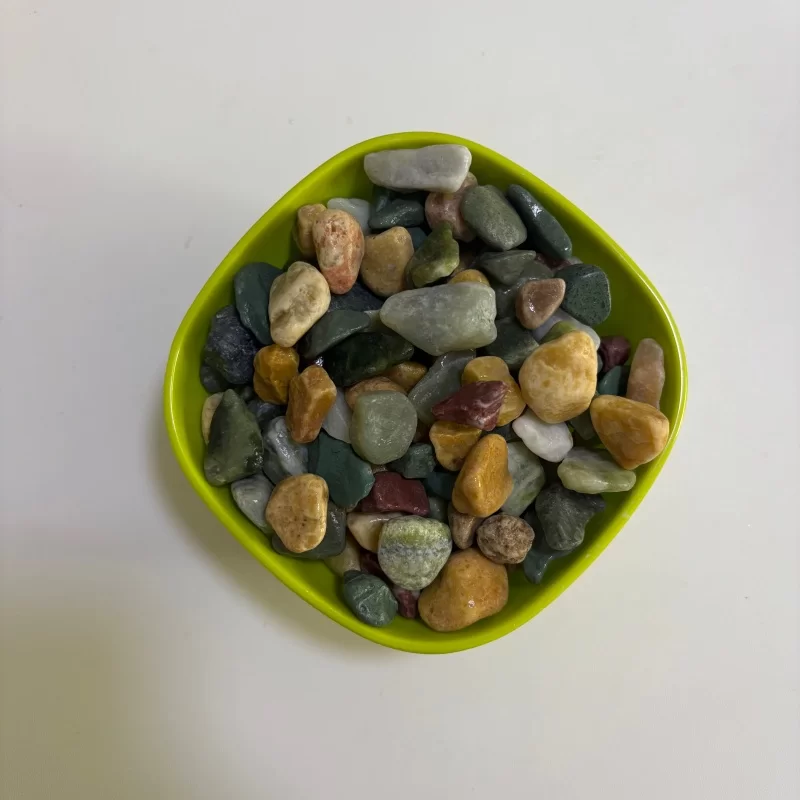
Rather than elaborate artificial carving, pebbles preserve the marks formed by time and natural forces to the greatest degree. Available in various colors and complete sizes, they’re extensively applied in landscape and construction sectors due to their natural properties, water permeability, wear resistance and abundant natural appeal—such as paving, garden paths, water feature design, cultural stone, stone cladding and filter media.
Titanium dioxide (TiO₂) is a white, odorless inorganic pigment. It boasts high whiteness, opacity, and UV resistance. Widely used in paints, plastics, cosmetics, and paper, it enhances product appearance and durability, being a key industrial material globally.
Hollow glass microspheres are lightweight, spherical particles with a smooth, reflective surface. Composed primarily of alkali-lime borosilicate glass, they offer a unique combination of properties including low density, high strength, low thermal conductivity, excellent electrical insulation, temperature resistance, chemical stability, and fluidity. These versatile microspheres are widely used in adhesives, corrosion-resistant and insulating coatings, construction materials, rubber, synthetic wood, oilfield cements, and lightweight automotive composites.





If you are interested in our products, you can choose to leave your information here, and we will be in touch with you shortly.