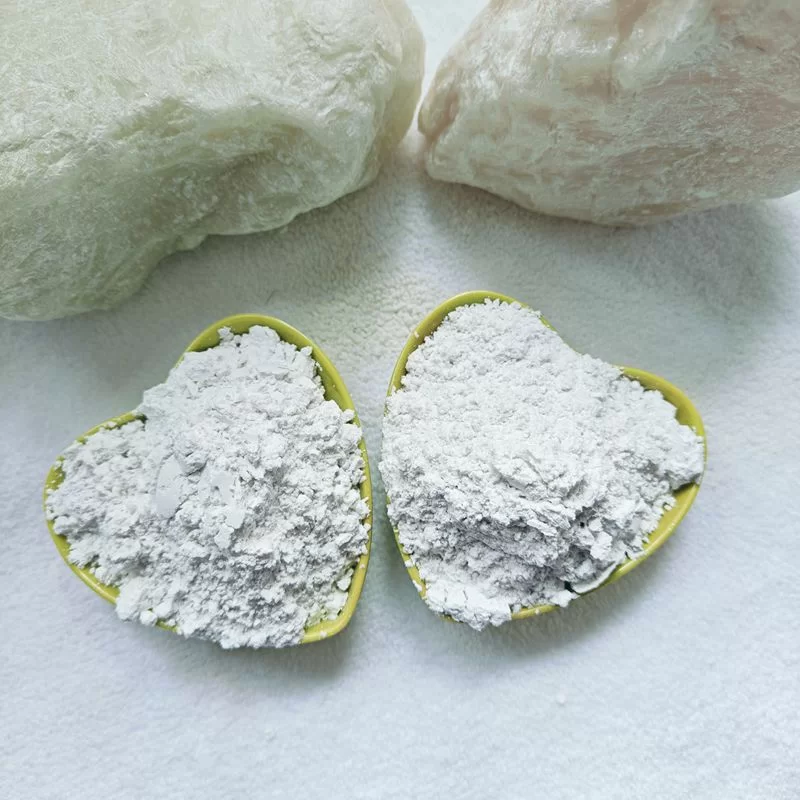
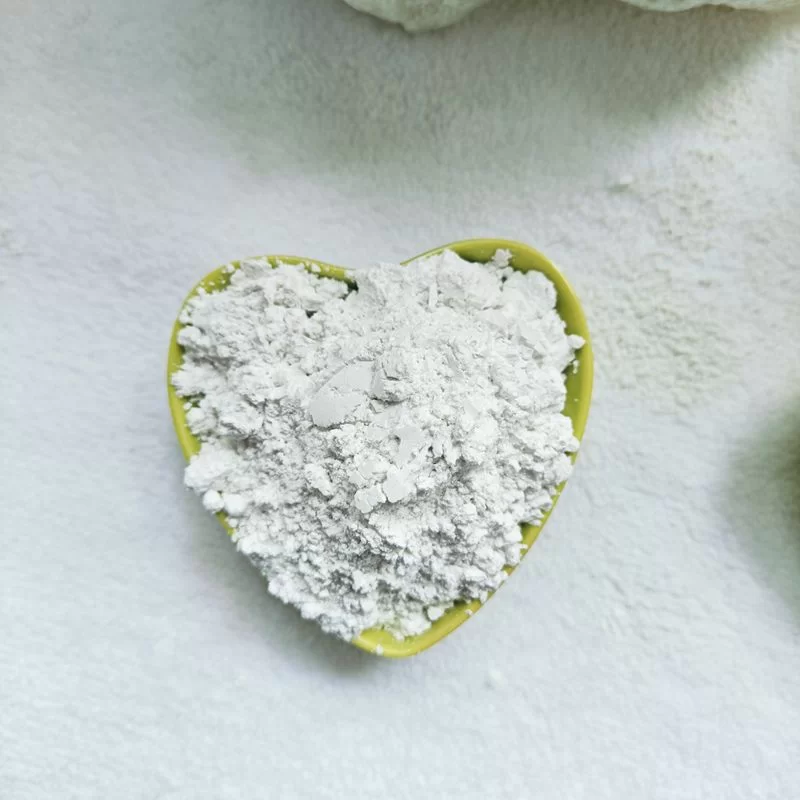
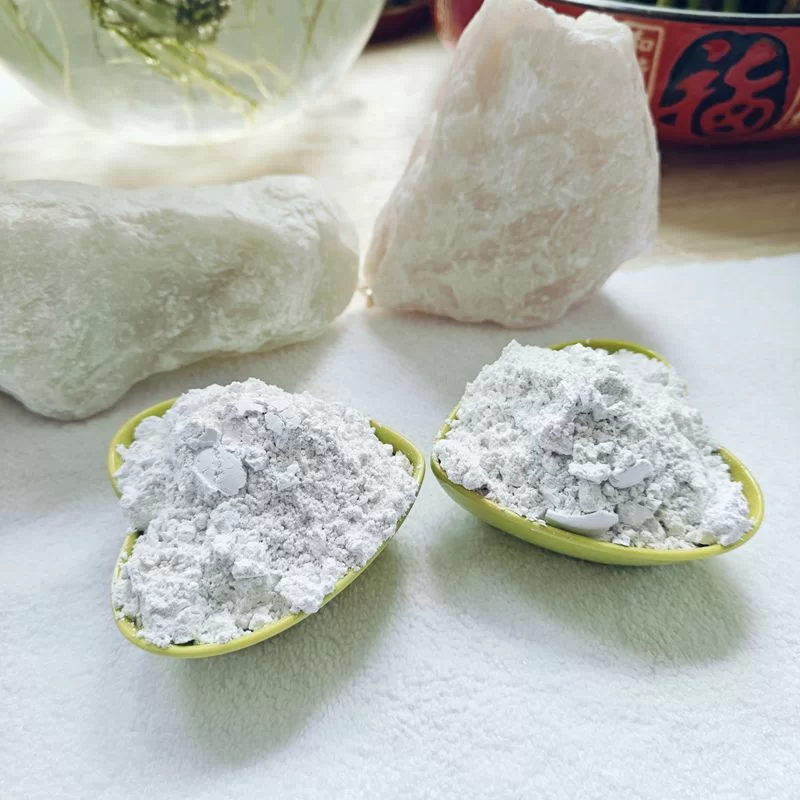
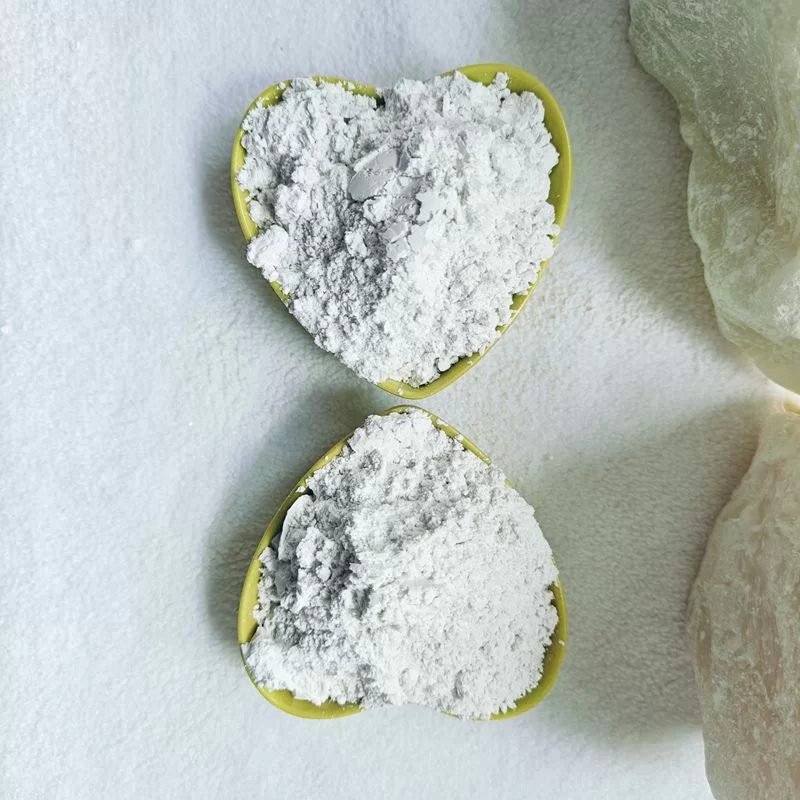
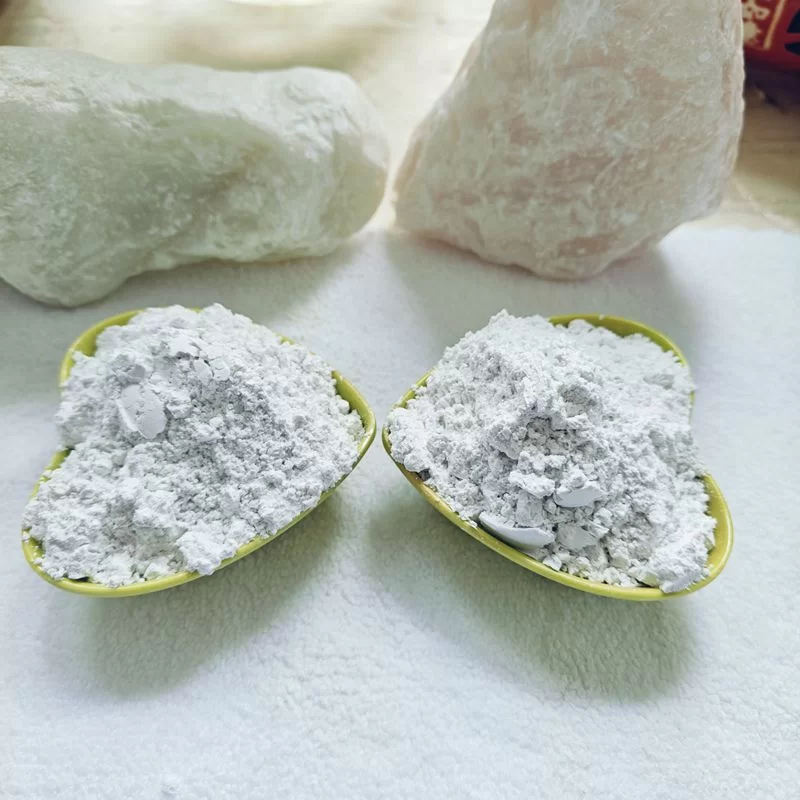
Synthetic Mica Powder — Application & Key Functions
Product Features
Feature Description
High Purity Free from iron and other impurities, offering bright and clean color tones.
Excellent Heat Resistance Can withstand temperatures above 1000°C.
Superior Chemical Stability Resistant to acids, alkalis, UV radiation, and moisture.
Outstanding Electrical Insulation Low dielectric constant and high breakdown strength.
Environmentally Friendly & Safe Free of heavy metals and radioactivity; compliant with FDA and REACH standards.
Main Application Industries & Functions
Industry Typical Applications Key Functions & Advantages
1.Cosmetics Industry Foundations, eye shadows, highlighters, nail polish, skincare creams Provides high-purity pearlescent luster, soft-focus effect, brightening finish, and excellent skin safety.
2.Coatings & Paints Automotive coatings, pearlescent paints, decorative finishes Creates strong reflective pearlescent effects, high weather resistance, and long-lasting color stability.
3.Plastics & Polymers Engineering plastics, decorative panels, appliance casings Enhances brightness, heat resistance, and dimensional stability.
4.Electronics & Electrical Insulation Mica sheets, insulating materials, electronic encapsulation powder Excellent electrical insulation and high-temperature resistance.
5.Rubber & Sealing Materials High-temperature seals, electrical insulating films Improves heat resistance and insulation performance.
6.Ceramics & Glass Ceramic glazes, decorative glass Adds brightness, luster, and thermal stability.
7.Pearlescent Pigments Automotive paint, cosmetics, inks, and decorative coatings Serves as the core substrate for high-end pearlescent pigments, replacing natural mica.
Comparison: Synthetic Mica vs. Natural Mica
Item Natural Mica Synthetic Mica
Color Purity Slightly yellowish due to impurities High whiteness and transparency
Stability Sensitive to environment and oxidation Excellent chemical and weather resistance
Luster Effect Soft and less uniform Brighter and more consistent gloss
Cost Lower Higher
Typical Uses Regular coatings, basic fillers High-end cosmetics, automotive coatings, electronic materials
Key Selling Points (for export or catalog use)
High purity and brightness, free from iron impurities
Excellent heat, UV, and chemical resistance
Ideal substrate for high-end pearlescent pigments
Outstanding color stability and weather resistance
Safe, non-toxic, and compliant with FDA / REACH / EU standards
In advanced manufacturing environments—especially those involving electronics, automotive systems, aerospace components, chemical processing, and high-performance coatings—material stability and reliability define competitive advantage. Synthetic mica with consistent structure and high purity has emerged as the preferred solution among manufacturers who need materials capable of maintaining performance under demanding physical, chemical, and thermal conditions.
One of the primary reasons manufacturers choose synthetic mica is its structural consistency. Unlike natural mica, which varies in composition due to geological origins, synthetic mica is engineered through controlled crystallization, providing uniform thickness, chemical composition, and plate morphology. This uniformity is critical in fields such as electrical insulation, polymer reinforcement, and specialty coatings, where microstructural variances can lead to performance failures, reduced lifespan, or inefficient manufacturing processes. The ability to rely on consistent material quality allows manufacturers to scale production while maintaining stringent quality standards.
Purity is another major consideration. Natural mica contains impurities such as iron, calcium, and trace minerals that can reduce thermal stability, electrical resistance, and transparency. In contrast, synthetic mica is produced with extremely low impurity levels—often exceeding 99% purity—enhancing performance across multiple applications. In electrical components, high purity ensures stable dielectric strength and minimizes leakage. In cosmetics and coatings, it enhances color clarity, UV resistance, and gloss. In plastics and composites, it helps maintain mechanical strength without compromising weight or processability.
Manufacturers are also attracted to synthetic mica due to its superior thermal and chemical stability. Its crystal structure allows it to withstand temperatures exceeding 1000°C without decomposing, making it indispensable in high-temperature insulation, furnace structures, and automotive electronics. Additionally, its resistance to corrosion, acids, alkalis, and solvents allows synthetic mica to maintain integrity where polymeric, metallic, or ceramic materials may fail.
Environmental and sustainability factors further influence selection. As natural mica mining faces increasing scrutiny over ethical and environmental concerns, synthetic mica offers a more controlled and responsible alternative. Manufacturers striving to meet ESG standards and regulatory compliance can adopt synthetic mica without compromising performance.
Ultimately, the choice of synthetic mica with consistent structure and high purity is driven by a combination of reliability, safety, efficiency, and sustainability. Whether used in next-generation batteries, cosmetic pigments, insulating films, or advanced engineering plastics, synthetic mica enables manufacturers to create high-performance products that meet modern market expectations for durability, precision, and environmental responsibility. As industries move toward higher performance thresholds and stricter material specifications, synthetic mica stands out as a material engineered for the future rather than simply adapted from nature.
The technological value of synthetic mica with consistent structure and high purity originates from its engineered crystal composition, controlled production methods, and stable physicochemical behavior. These properties translate into practical industrial benefits that support high-performance applications across electronics, aerospace, chemicals, and consumer products.
From a structural perspective, synthetic mica is composed of precisely aligned layers of silicate sheets that mimic natural phyllosilicates but with far fewer defect sites. This structural uniformity yields predictable particle size distribution, controlled aspect ratio, and reliable flake integrity. These traits are essential for high-end coatings, engineering plastics, and polymer composites, where reinforcement, optical effects, and surface smoothness depend on particle uniformity.
Thermal stability represents a defining technical characteristic. Many synthetic mica grades maintain structural integrity above 1000°C, outperforming polymer-based materials and most natural minerals. This makes synthetic mica suitable for refractory insulation components, thermal barriers, fire-resistant panels, and high-power electronics. In automotive EV applications, it ensures electrical insulation around battery modules and power control systems that operate under high thermal stress.
Electrical insulation is another area where synthetic mica excels. Its high dielectric strength, low dielectric loss, and minimal ion migration make it ideal for capacitors, insulation tapes, electromagnetic shielding materials, and microelectronic barriers. Manufacturers in the semiconductor and telecommunication sectors rely on synthetic mica for stable insulation performance without risk of impurity-driven conductivity or chemical instability.
Synthetic mica also delivers superior chemical resistance. It is virtually inert to strong acids, alkalis, and organic solvents, enabling its integration into harsh chemical processing equipment, protective coatings, and corrosion-resistant composites. This chemical immunity supports longer product lifecycles and reduced maintenance costs in industrial environments.
In the cosmetics and pigments industry, purity and plate transparency are crucial. Because synthetic mica contains minimal heavy metal contaminants, it offers clean, high-brightness optical properties for pearlescent pigments used in automotive coatings, cosmetics, plastics, and printing inks. Its controlled morphology enhances gloss consistency, sparkle intensity, and UV durability—qualities highly valued by premium brands.
Industrial benefits extend beyond performance. For manufacturers, synthetic mica improves production stability, reduces defect rates, and provides predictable long-term reliability. Its uniformity enhances filler dispersion in polymers and coatings, resulting in smoother surfaces, better mechanical reinforcement, and improved rheology control. These advantages are not achievable with irregular natural mica flakes that vary in density, shape, and purity.
In summary, the technical properties of synthetic mica with consistent structure and high purity—including thermal resilience, dielectric strength, chemical inertness, and morphological precision—form the foundation of its industrial value. These properties support innovation in advanced technologies while allowing manufacturers to meet stricter performance, environmental, and regulatory expectations across global markets.
The demand for synthetic mica with consistent structure and high purity is expected to accelerate in the coming decade as materials science, clean energy technologies, and digital infrastructure continue to evolve. Several major industry trends are shaping its future applications and market positioning.
One dominant trend is the advancement of electric mobility and high-power electronics. Electric vehicles, energy storage systems, and power conversion modules require materials that offer both thermal and dielectric stability. Synthetic mica’s ability to insulate under high temperature and voltage conditions makes it well-suited for next-generation battery safety components, high-frequency inverters, and thermal management systems. As automotive OEMs push for longer battery life and improved safety, synthetic mica’s engineered consistency will become increasingly valuable.
Another trend involves aerospace and defense materials. Lightweight, heat-resistant, and chemically stable materials are essential for aircraft insulation, onboard electronics, and protective coatings. Synthetic mica supports these needs while offering predictable material behavior under extreme operational stresses. As space exploration expands into private and commercial sectors, synthetic mica may play a role in thermal shielding, electromagnetic interference control, and lightweight composite structures.
The cosmetics and specialty pigments sector is undergoing its own evolution, driven by clean beauty standards and regulatory pressure on heavy metal contamination. Synthetic mica offers a low-impurity, ethically responsible alternative to mined mica—aligning with consumer preferences for transparency and sustainability. Future developments in pigment engineering may leverage synthetic mica substrates for more complex optical effects, multi-layer pearlescent finishes, and UV-stable color systems.
In the field of advanced polymers and composites, synthetic mica is poised to become a functional filler for performance-critical applications. Its uniform plate structure enhances mechanical strength, barrier properties, dimensional stability, and fire resistance. Research into flame-retardant composites, recyclable thermoplastics, and lightweight structural parts is already incorporating engineered mineral fillers. Synthetic mica’s controlled morphology supports predictable reinforcement behavior—an increasingly important attribute for industries optimizing digital simulation and material modeling.
Digital infrastructure presents another growth frontier. As 5G and future 6G telecommunications expand, the need for components that maintain electrical integrity at high frequencies will grow. Synthetic mica’s low dielectric loss characteristics position it as a candidate for substrates, insulation layers, and RF components in telecommunications hardware.
Finally, sustainability and ethical sourcing concerns are reshaping global supply chains. With responsible mining and labor practices becoming legal and brand requirements, synthetic mica provides a consistent and controlled alternative that avoids the social and environmental challenges associated with natural mica extraction. Manufacturers seeking ESG compliance will likely shift toward synthetic materials that support traceable, high-purity sourcing.
Looking ahead, research and industrial collaboration will deepen synthetic mica’s integration into high-value material ecosystems. Its combination of purity, structure, performance, and sustainability aligns with the needs of industries transitioning toward cleaner energy systems, digital connectivity, and advanced manufacturing. As innovation accelerates, synthetic mica with consistent structure and high purity is expected to evolve from a specialty material into a strategic enabler of next-generation technologies.
Product Description
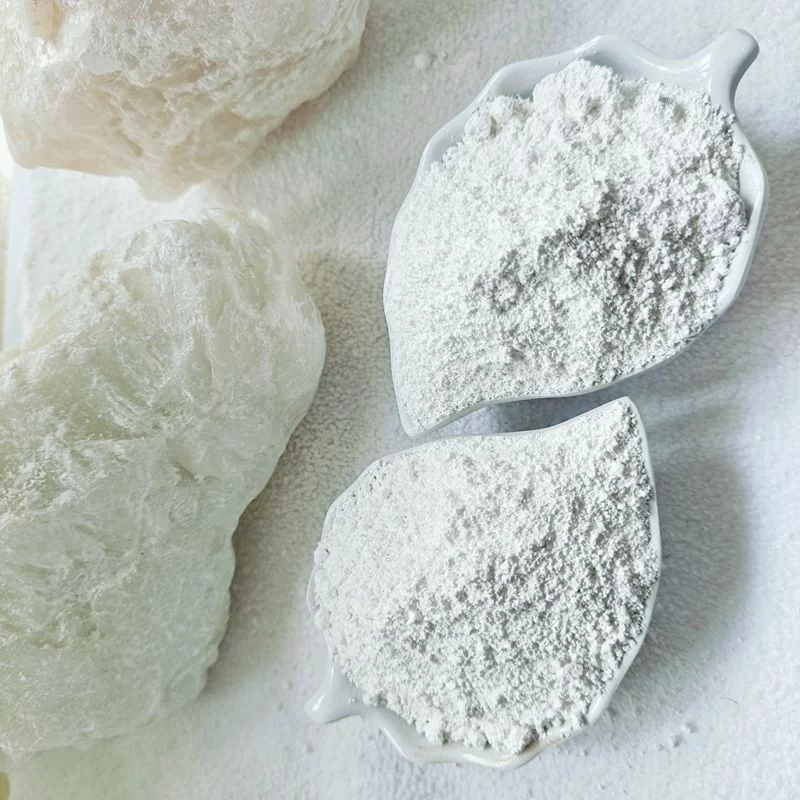
Synthetic Mica with Consistent Structure and High Purity is an advanced functional material engineered to meet the demanding requirements of modern cosmetic, coating, and industrial applications. Unlike natural mica, synthetic mica is produced under controlled conditions, ensuring a uniform crystal structure, exceptional purity, and reliable performance across every batch.
One of its most significant advantages is its consistent particle size and morphology, which contribute to superior dispersion and stability in various formulations. This uniformity allows manufacturers to achieve predictable results, whether in color cosmetics, automotive coatings, plastics, or specialty inks. The smooth and plate-like structure enhances light reflection, delivering a refined pearlescent or satin effect that elevates the visual quality of finished products.
High purity is another key feature of synthetic mica. Free from natural impurities such as heavy metals and contaminants, it meets strict safety and regulatory standards, making it especially suitable for sensitive applications like skincare and personal care products. Its non-toxic and non-irritating properties provide added assurance for both manufacturers and end users.
In addition, Synthetic Mica with Consistent Structure and High Purity offers excellent thermal stability, chemical resistance, and electrical insulation properties. These characteristics make it highly versatile, supporting its use not only in cosmetics but also in high-performance industrial sectors, including electronics and advanced coatings.
With its controlled production process, superior quality, and multifunctional benefits, synthetic mica serves as a reliable alternative to natural mica. It enables manufacturers to enhance product consistency, improve aesthetic performance, and meet increasingly stringent quality standards, making it an essential material for innovation and precision-driven industries.
Synthetic Mica with Consistent Structure and High Purity: Key Benefits for Modern Industries highlights the growing importance of this advanced material across a wide range of applications. Engineered under controlled conditions, synthetic mica offers a highly uniform crystal structure and exceptional purity, making it a reliable and high-performance alternative to natural mica in industries that demand precision and consistency.
One of the primary benefits is its predictable and stable quality. Unlike natural mica, which can vary in composition, synthetic mica ensures consistent particle size, thickness, and morphology. This uniformity allows manufacturers to achieve better control over product performance, whether in cosmetics, coatings, plastics, or electronics. The result is improved efficiency in production processes and reduced risk of defects or inconsistencies.
Another key advantage is its high purity level. Free from natural contaminants such as heavy metals and unwanted minerals, synthetic mica meets stringent regulatory standards, making it suitable for sensitive and high-end applications. This is particularly valuable in the cosmetics and personal care industry, where safety, skin compatibility, and ingredient transparency are critical factors.
In addition, synthetic mica offers excellent thermal stability, chemical resistance, and electrical insulation properties. These characteristics make it ideal for use in advanced coatings, automotive finishes, and electronic components, where durability and performance under extreme conditions are essential.
With its superior structural consistency and purity, synthetic mica enables manufacturers to enhance product quality, achieve better aesthetic results, and meet the evolving demands of modern industries. It stands as a versatile and dependable material that supports innovation, sustainability, and high-performance manufacturing across global markets.
1. Superior Light Reflection for Enhanced Shine
Synthetic Mica with Consistent Structure and High Purity features a uniform, plate-like crystal structure that allows light to reflect evenly across the surface. This controlled reflection creates a more intense and refined shimmer compared to natural mica. Whether used in cosmetics, coatings, or inks, it delivers a bright, clean luster that enhances product appearance with a premium, high-gloss or pearlescent finish.
2. Consistent Particle Size for Uniform Color Distribution
Thanks to its precisely engineered particle size, synthetic mica ensures even dispersion in formulations. This consistency eliminates color streaking or patchiness, resulting in smooth, uniform color payoff. Manufacturers can achieve accurate shade reproduction and batch-to-batch reliability, which is essential for maintaining brand quality and meeting customer expectations across large-scale production.
3. High Purity for Vibrant and Stable Color Performance
With minimal impurities and no unwanted mineral contamination, synthetic mica provides a clean base that allows pigments to display their true, vibrant colors. Its chemical stability also helps prevent discoloration or fading over time, even under exposure to heat, light, or chemicals. This ensures long-lasting brilliance and durability, making it ideal for applications that demand both visual impact and performance consistency.
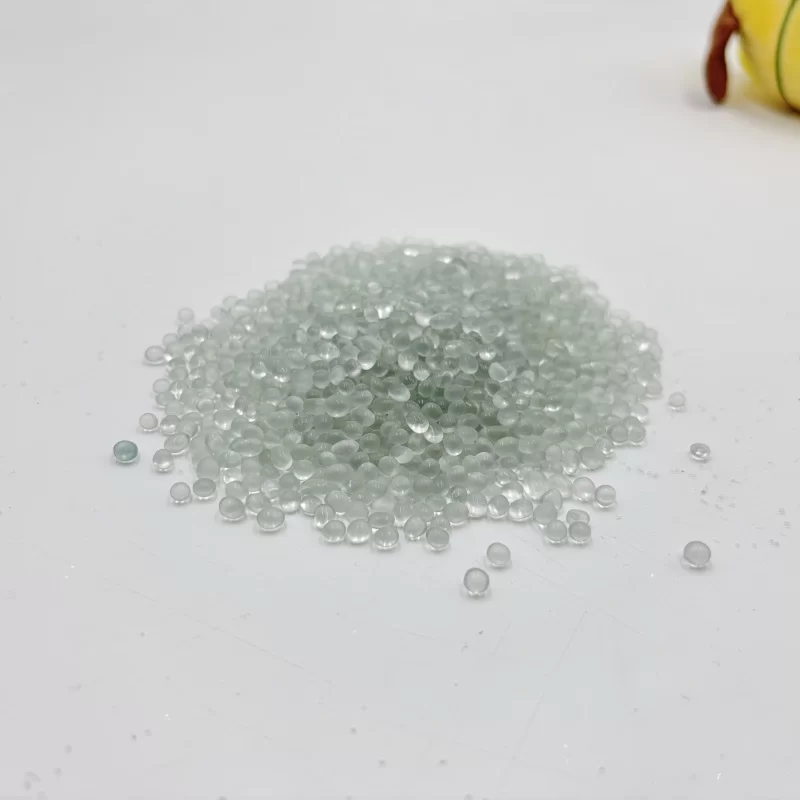
Solid glass microspheres are small yet powerful spherical particles. They feature high density, strength, and thermal stability, making them ideal for demanding applications in precision polishing, polymer reinforcement, and functional coatings.
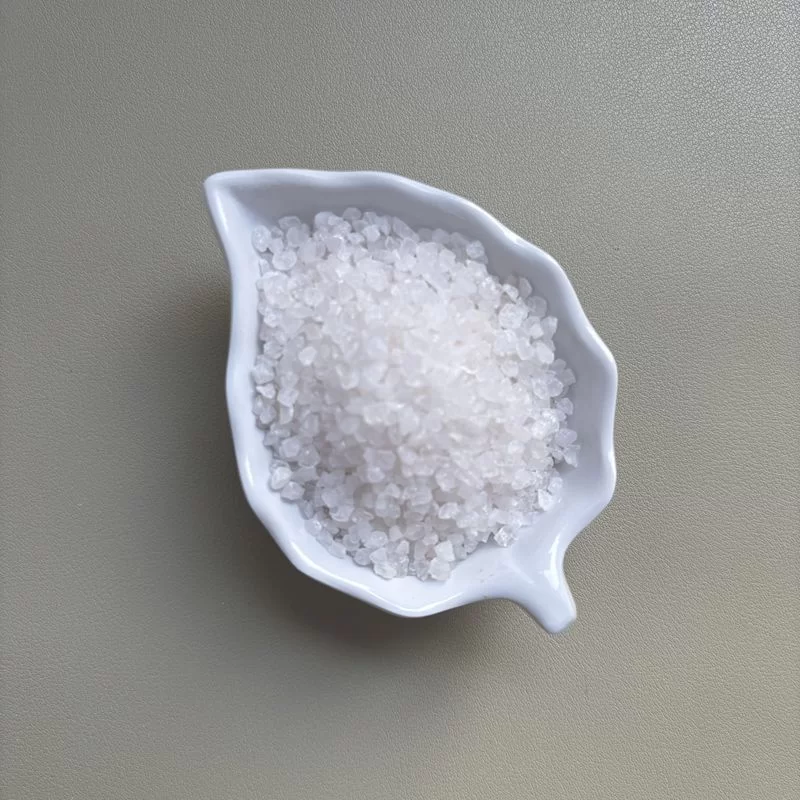
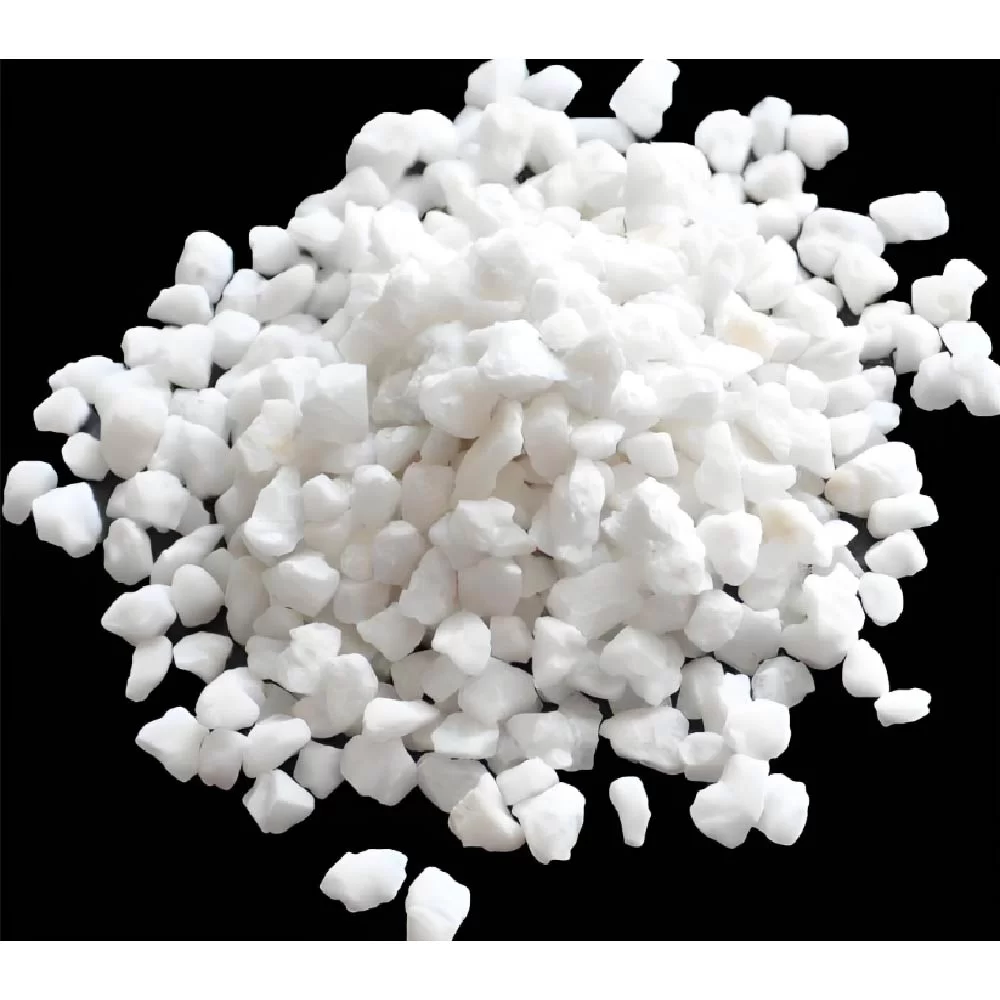
Premium Refined Quartz,Excellent whiteness and purity for premium applications like epoxy flooring, optical glass, and high-end coatings. A variety of mesh sizes are available and customized mesh sizes.
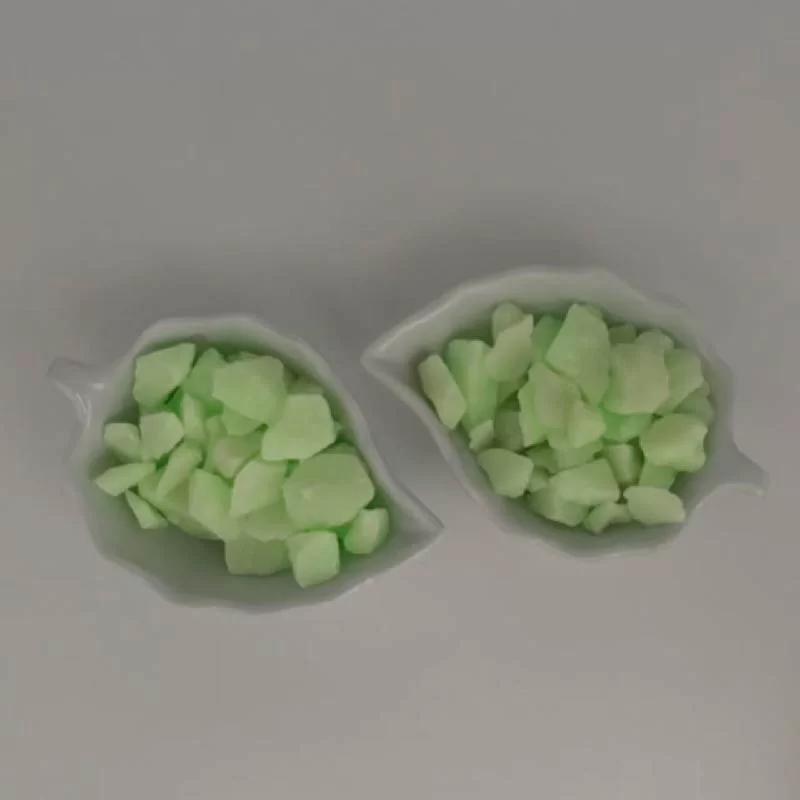
Glass-based luminous stones, functional decorative materials, are produced by combining high-quality rare earth long-lasting luminous materials with glass substrates through special techniques like high-temperature sintering or melting. They inherit glass’s crystalline transparency and hard texture, and are also endowed with the magical trait of self-luminescence at night, delivering a clear, cool, and strongly modern optical effect. Their uses span garden road paving, wall guidance signs, safety warning lines, water feature design, kitchen countertops, bathroom walls, and lobby feature walls.
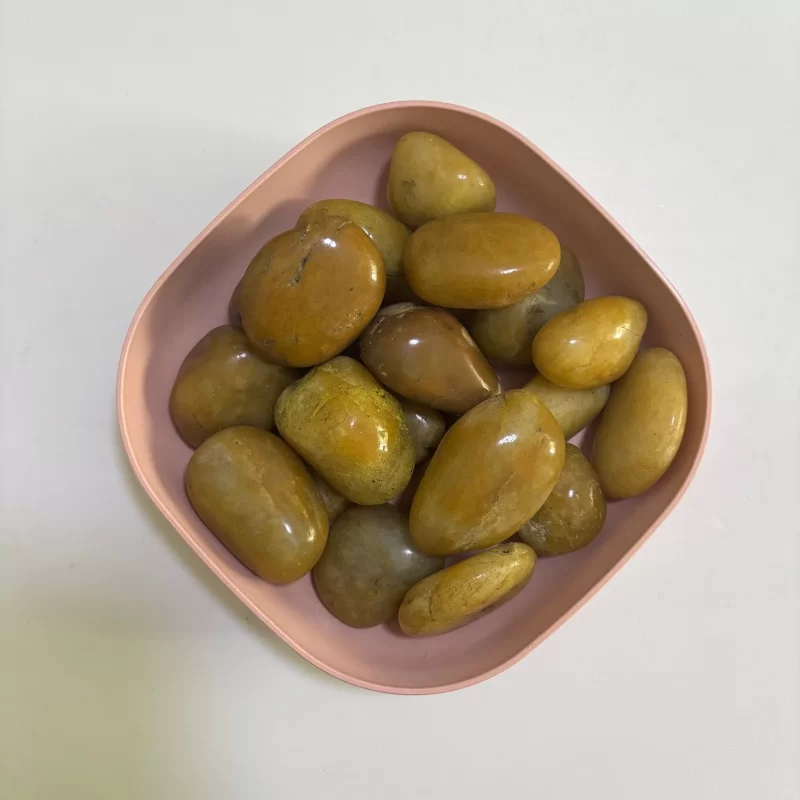
Pebbles avoid intricate man-made carving; instead, they keep the traces shaped by time and natural forces as much as possible. Coming in diverse colors and full size ranges, they’re widely used in landscape and construction fields thanks to their natural characteristics, water permeability, wear resistance and rich natural charm—including paving, garden paths, water feature creation, cultural stone, stone cladding and filter media.
High-performance vitrified microsphere with closed-cell structure. Excellent thermal insulation, low water absorption (35-50%), and superior strength. Ideal for building insulation and lightweight aggregates.
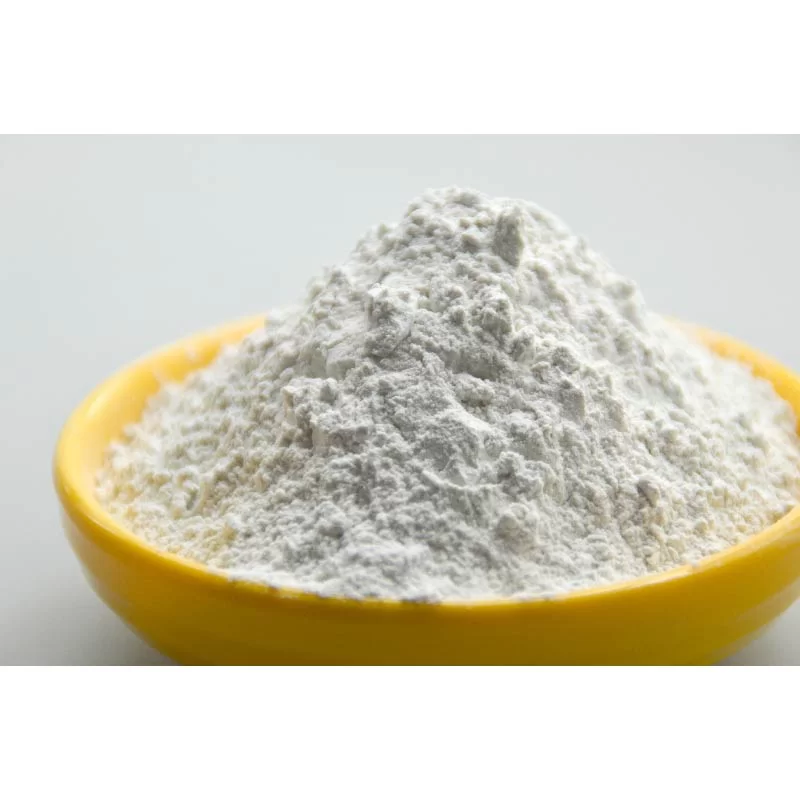
High-quality kaolin experiences physical and chemical transformations when calcined at high temperatures. It loses components such as fluorine through dehydration and crystallization. Once cooled, it becomes calcined kaolin—characterized by high silicon content, excellent whiteness, strong oil absorption, and great hardness. This material is widely applied in ceramics, papermaking, wall tiles, floor tiles, rubber, chemical coatings, and more.
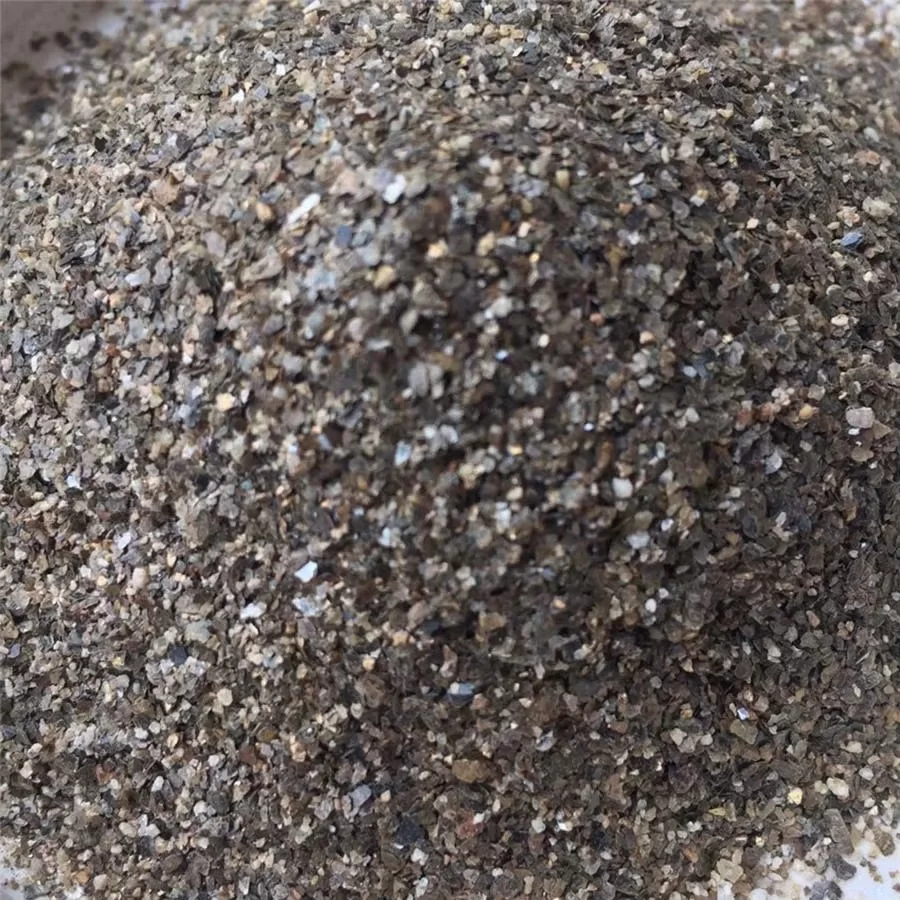
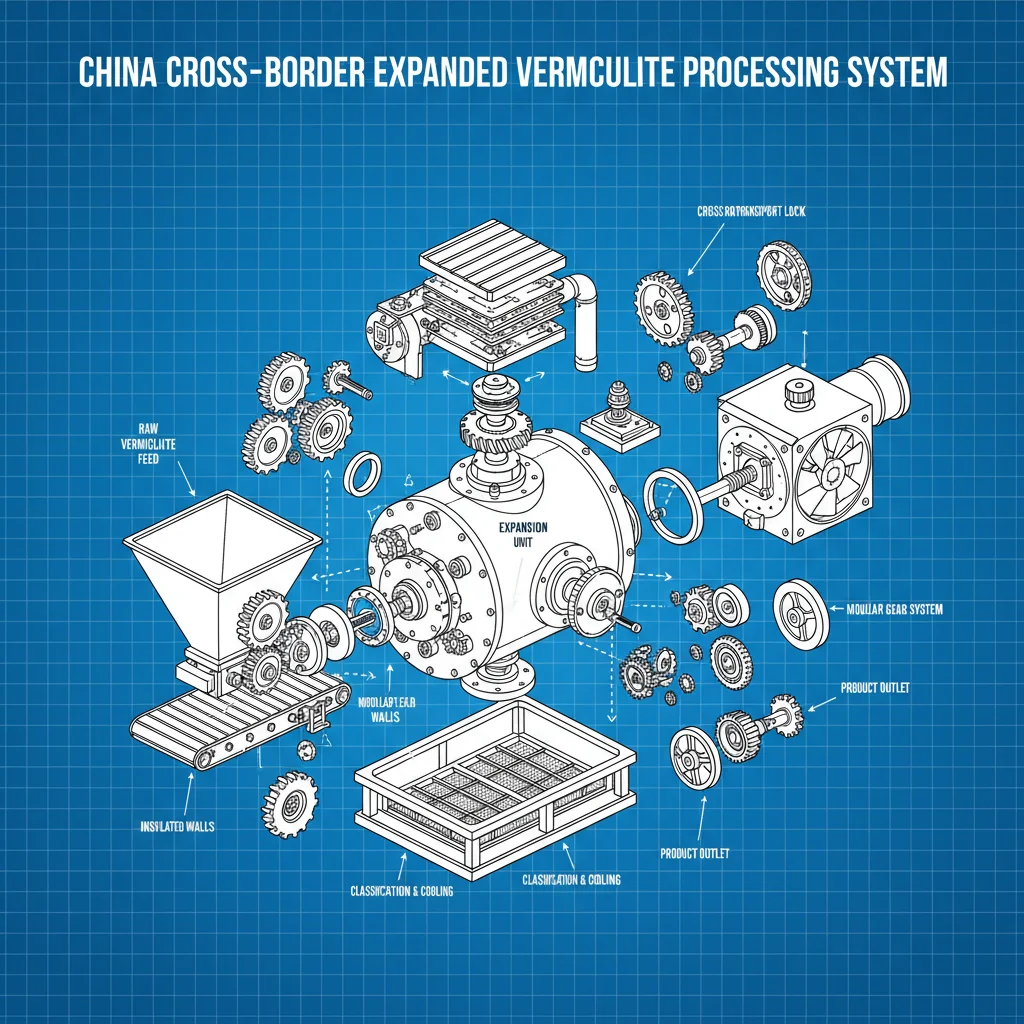
Raw vermiculite is a natural, layered silicate mineral, typically appearing as brownish or golden flakes. It’s lightweight, absorbent, and heat-resistant, widely used in horticulture (soil amendment), construction (insulation), and packaging (cushioning), with good expandability when heated.
Nakhi Bentonite is a high-quality clay mineral with excellent adsorption and swelling properties. It’s widely used in water treatment, oil drilling, and soil improvement. Its fine particle size and high cation exchange capacity ensure strong performance in various industrial and environmental applications.
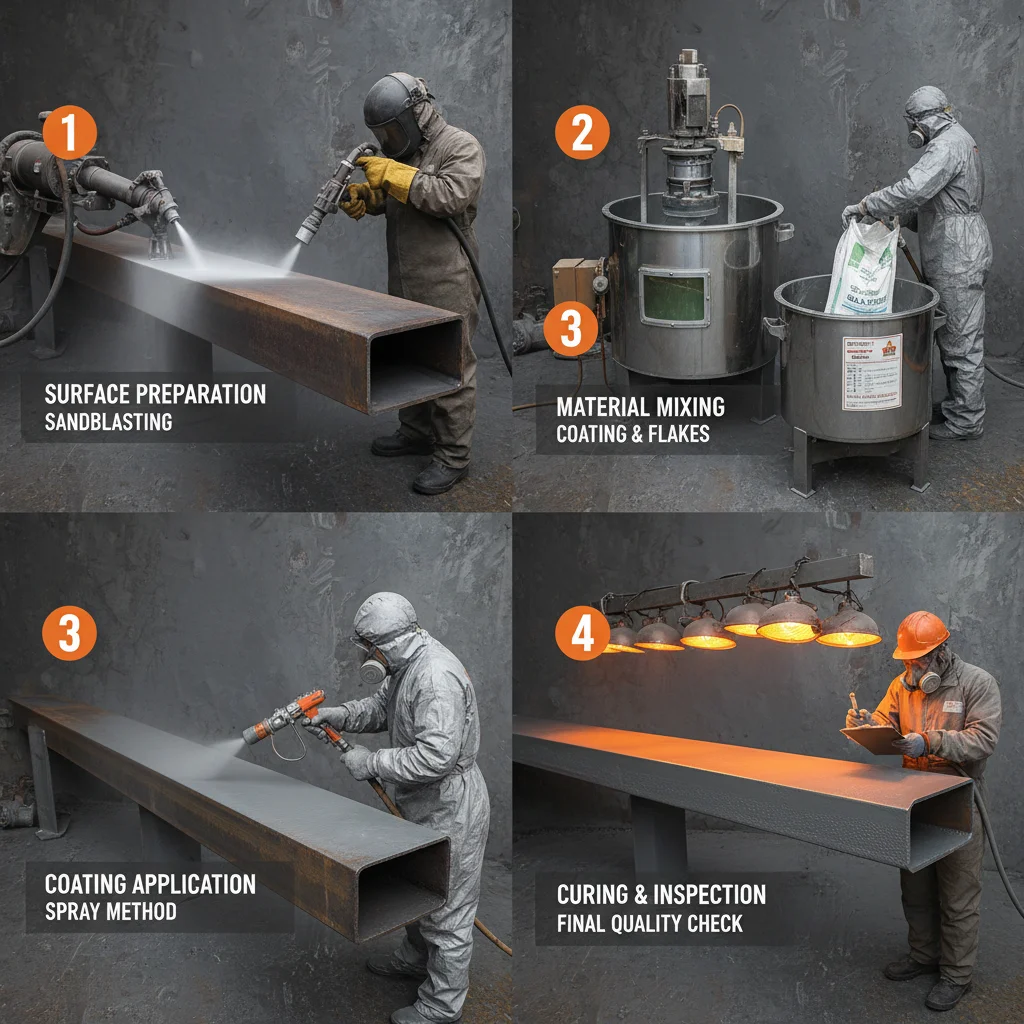

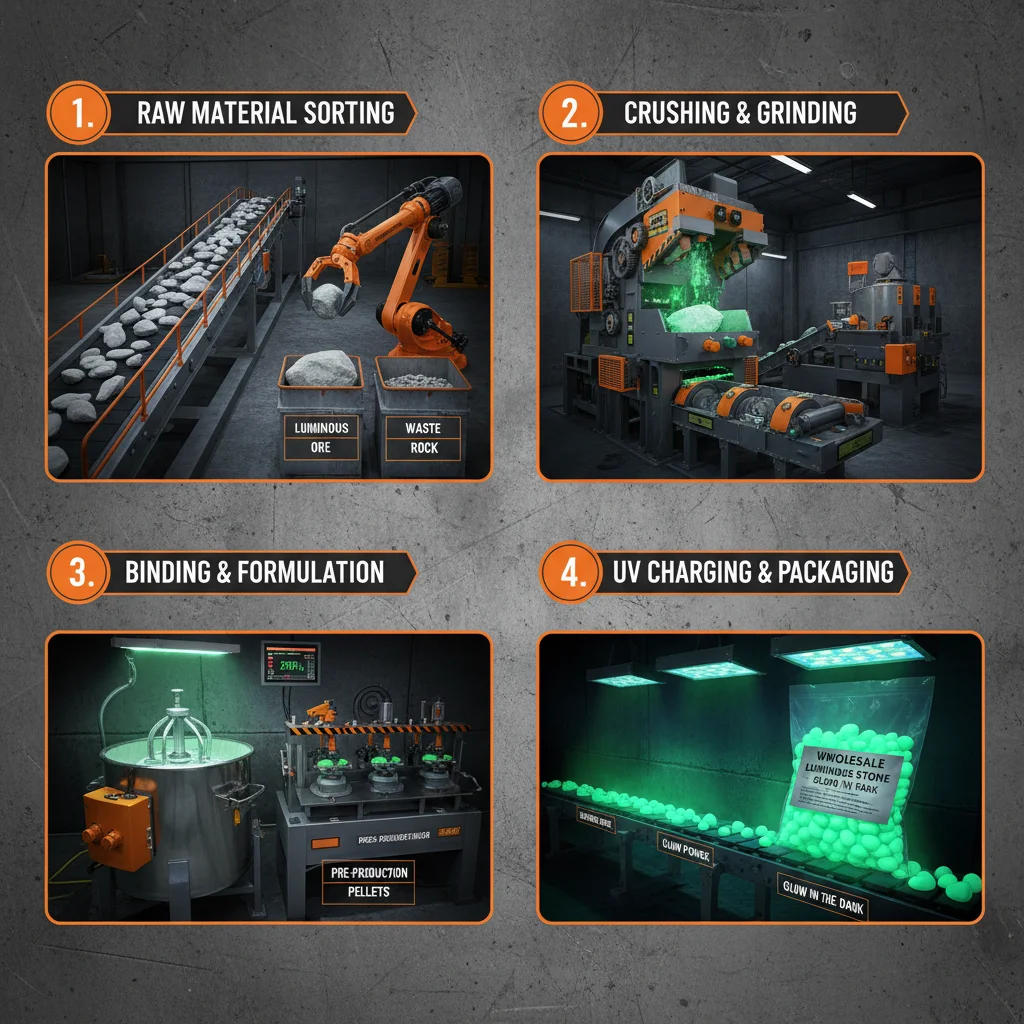
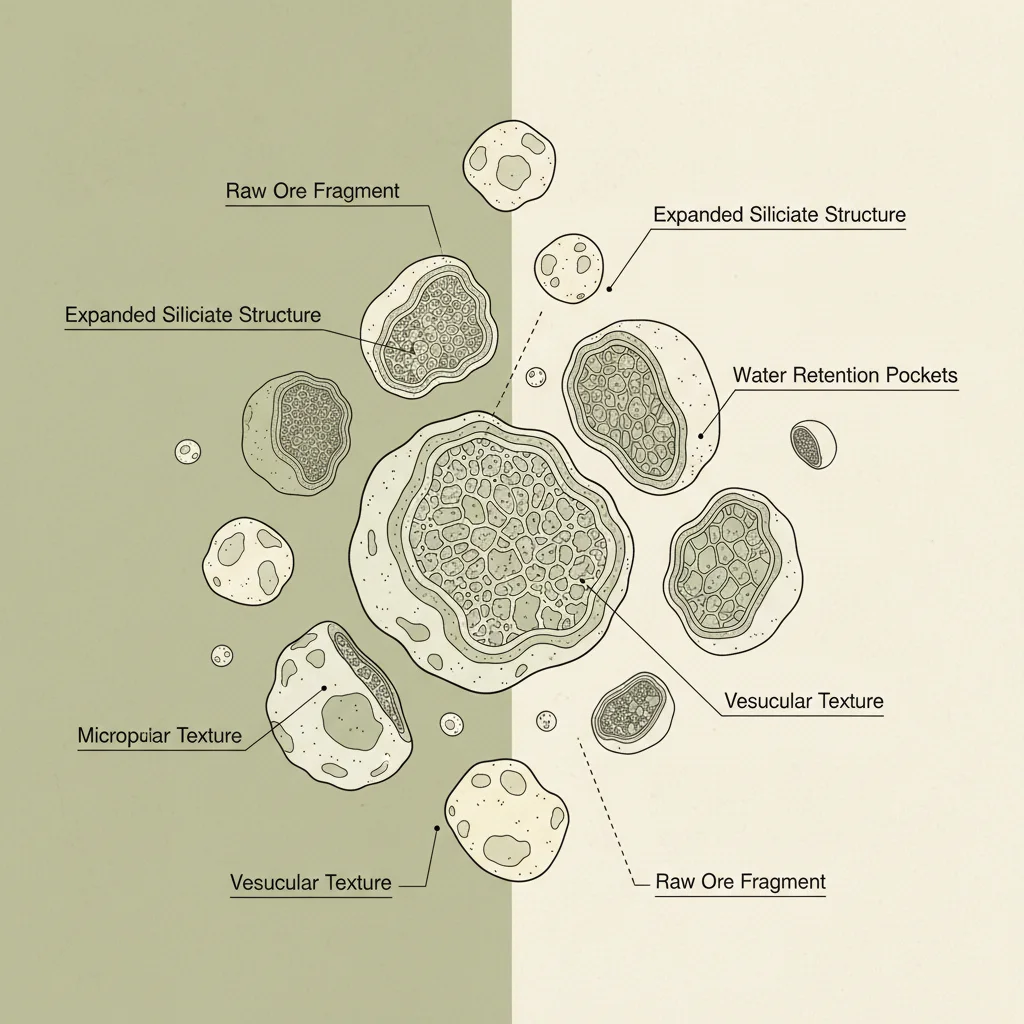
Discover the benefits of China raw Ore Agricultural Perlite Granules for improving soil health, boosting crop yields, and promoting sustainable farming practices. Learn about applications in hydroponics and gardening.


If you are interested in our products, you can choose to leave your information here, and we will be in touch with you shortly.