The demand for China garden and house plants is experiencing significant growth worldwide. Driven by increased urbanization, a desire for biophilic design, and a growing awareness of the benefits of indoor plants, this sector presents exciting opportunities for international trade. This article will explore the key aspects of sourcing, importing, and marketing these plants, offering valuable insights for businesses looking to capitalize on this burgeoning trend. We will also cover the increasing popularity and reasons behind the growing demand.
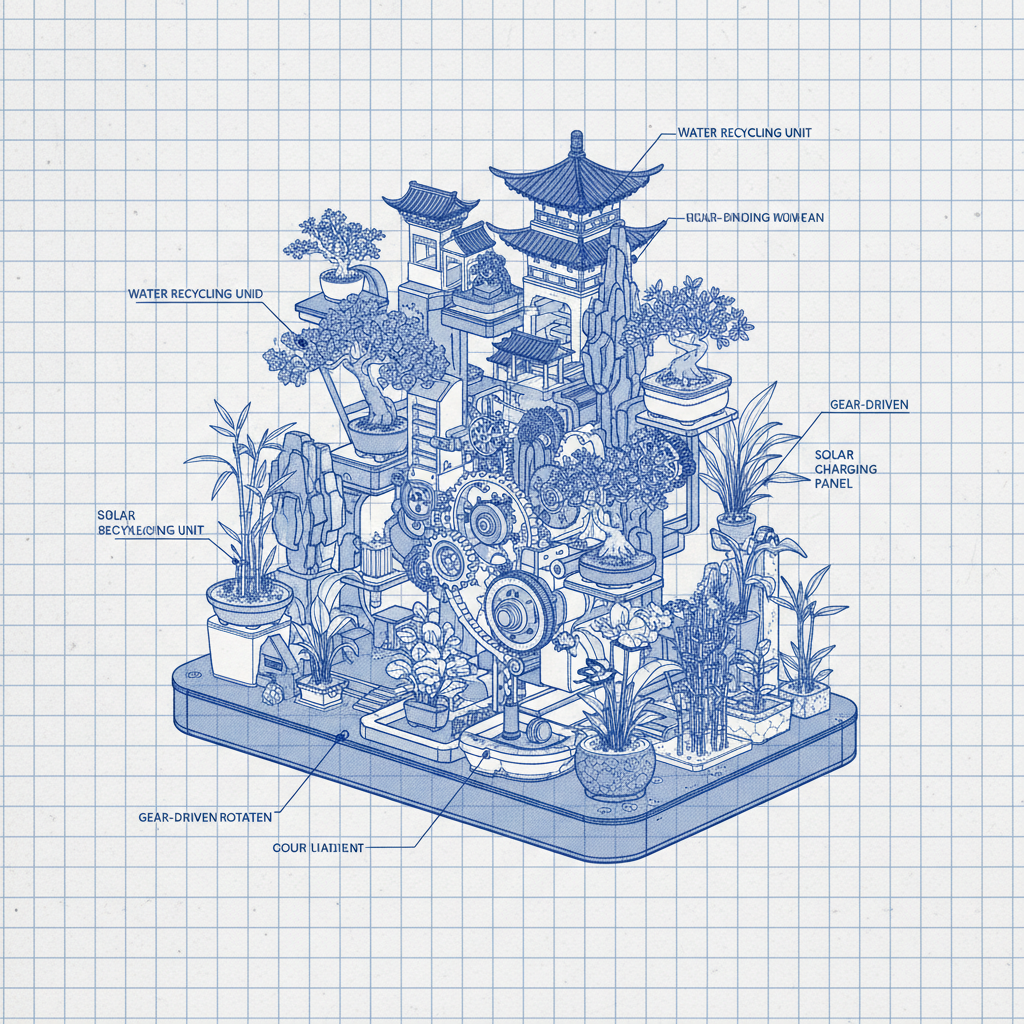
China has emerged as a major exporter of garden and house plants, benefitting from a favorable climate, established horticultural infrastructure, and competitive pricing. From traditional bonsai trees to trendy succulents and foliage plants, Chinese growers offer a diverse range of products to meet global demand. The industry has invested heavily in modern cultivation techniques, quality control measures, and efficient logistics networks, enabling it to supply plants to markets across North America, Europe, and Asia. Fesmining facilitates the sourcing of high-quality plants directly from reputable Chinese growers, ensuring a reliable supply chain for our international clients.
Key Benefits of Sourcing from China: Cost-effectiveness, diverse product range, large-scale production capacity, and efficient logistics.
Certain plant varieties are particularly sought after in international markets. These include: Monstera Deliciosa (Swiss Cheese Plant), known for its distinctive leaves; Sansevieria (Snake Plant), valued for its air-purifying qualities and low maintenance; Aglaonema (Chinese Evergreen), offering a range of colorful foliage; Ficus varieties, including Ficus Lyrata (Fiddle Leaf Fig) and Ficus Elastica (Rubber Plant); and a growing selection of succulents and cacti. Demand fluctuates seasonally and geographically, so staying abreast of market trends is crucial.
Top Exported Plant Varieties:
• Monstera Deliciosa
• Sansevieria (Snake Plant)
• Aglaonema (Chinese Evergreen)
• Ficus Varieties
• Succulents and Cacti
The global indoor plant market is experiencing robust growth, with projections indicating a continued upward trajectory. According to recent reports, the market size was valued at USD 13.2 billion in 2023 and is expected to reach USD 20.8 billion by 2030, growing at a CAGR of 6.7% from 2024 to 2030. Key drivers include increasing consumer awareness of the health benefits of plants, the rising popularity of biophilic design, and the growing trend of urban gardening. North America and Europe currently represent the largest regional markets, but demand is rapidly increasing in Asia-Pacific.
Importing China garden and house plants requires careful attention to import regulations, phytosanitary certificates, and quarantine requirements. Each country has specific rules regarding the import of live plants to prevent the introduction of pests and diseases. Proper documentation, including inspection certificates and origin declarations, is essential for smooth customs clearance. Logistics play a vital role, ensuring plants are transported under optimal conditions to maintain their health and viability. Air freight is often preferred for perishable items, while sea freight may be more cost-effective for larger shipments. Fesmining provides expert guidance on import procedures and handles all necessary documentation to ensure compliance with international standards.
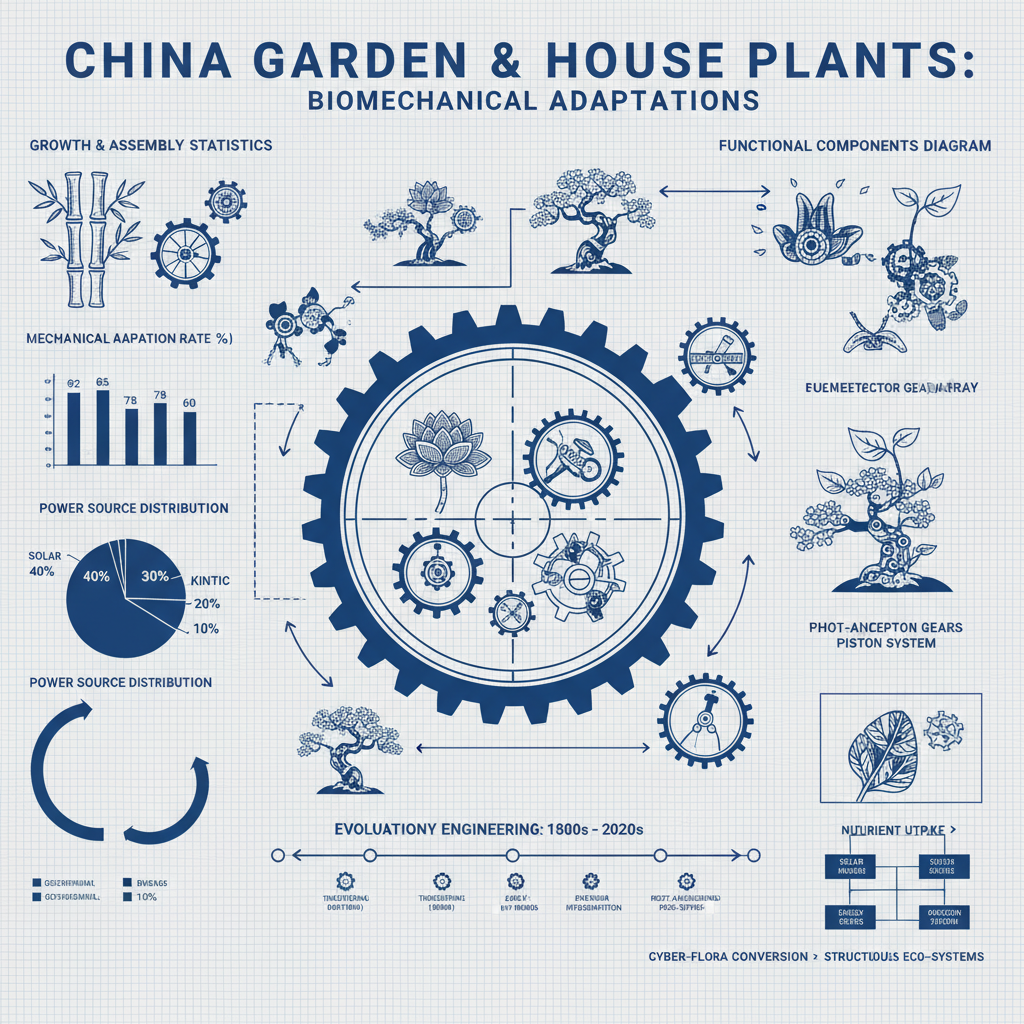
Maintaining consistent quality is paramount. Key specifications include plant size, health, root development, and freedom from pests and diseases. Rigorous quality control procedures are implemented throughout the growing and export process, including inspections, testing, and certification. Plants are carefully graded and packaged to protect them during transit. Fesmining works exclusively with growers who adhere to the highest quality standards and employs independent inspectors to verify product integrity.
The China garden and house plant market offers significant potential for businesses willing to navigate the complexities of international trade. By partnering with a reliable sourcing agent like Fesmining, you can gain access to high-quality plants, streamlined logistics, and expert guidance, ensuring a successful and profitable venture.
Phytosanitary requirements vary by importing country, but generally include a phytosanitary certificate issued by the exporting country (China), demonstrating that the plants are free from pests and diseases. Many countries also require pre-shipment inspection and may have specific quarantine procedures. The certificate must be endorsed by the importing country’s National Plant Protection Organization (NPPO). Compliance with these requirements is crucial to avoid delays or rejection of your shipment. Fesmining can assist in ensuring all necessary documentation is in order. A complete list of country-specific requirements is available through the importing country's agricultural department.
Fesmining works with specialized packaging and logistics providers experienced in handling live plants. Plants are carefully packaged to protect them from physical damage and temperature fluctuations. Temperature-controlled containers are used when necessary, and shipments are closely monitored throughout the transit process. We also work with growers who implement robust pre-shipment inspections to ensure only healthy, high-quality plants are exported. Our quality control team conducts a final inspection before shipment to verify compliance with our standards.
The lead time varies depending on the destination country, shipping method (air or sea), and customs clearance procedures. Air freight typically takes 5-10 days, while sea freight can take 30-60 days. Customs clearance can add an additional 5-10 days. Fesmining provides accurate lead time estimates and proactively manages the logistics process to minimize delays. We work closely with our shipping partners to ensure timely delivery. It’s always recommended to plan for potential delays during peak seasons.
Common payment terms include Telegraphic Transfer (TT), Letter of Credit (LC), and sometimes, depending on the relationship with the supplier, partial payment upfront with the balance upon shipment. We recommend using a Letter of Credit for initial transactions to provide greater security for both the buyer and seller. Fesmining can assist in negotiating favorable payment terms with our partner growers and facilitating secure transactions. A typical initial deposit is 30%, with the remaining 70% payable after inspection and before shipment.
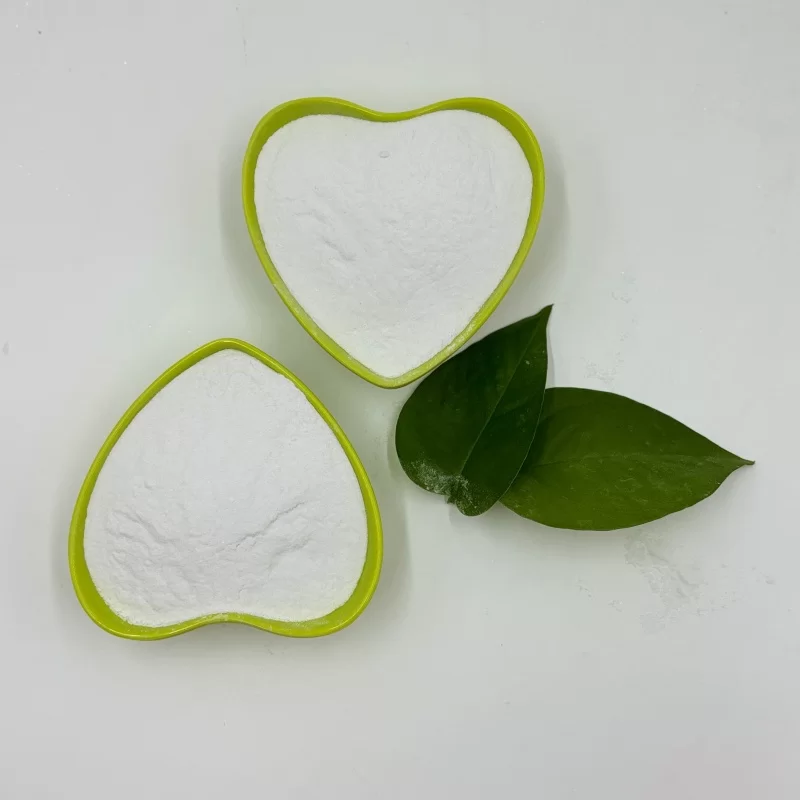
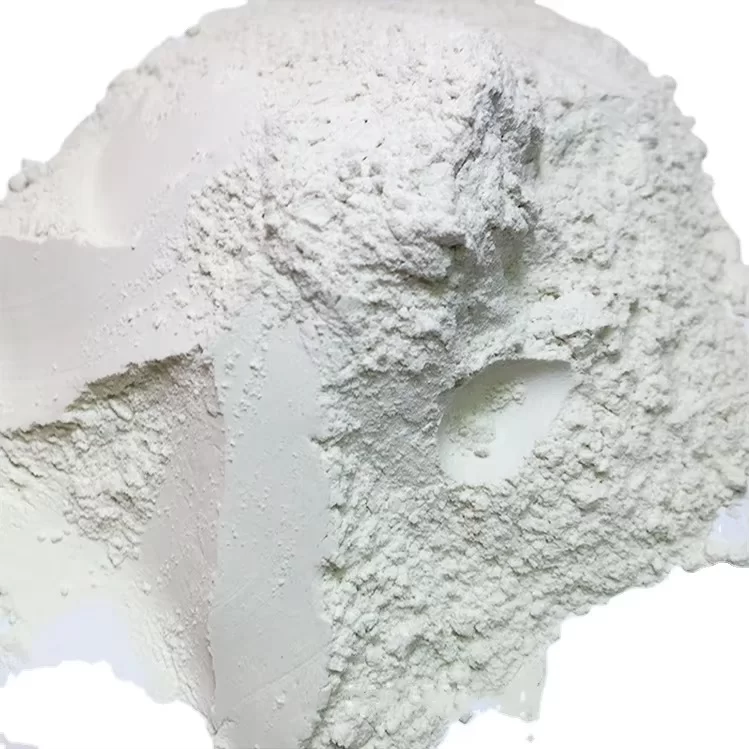
Regarded as a high-performance "industrial monosodium glutamate", glass powder can notably improve the mechanical properties, durability and appearance quality of coatings, adhesives and plastics by virtue of its high hardness, chemical inertness and low oil absorption, and it has become an indispensable important functional filler in modern industry.
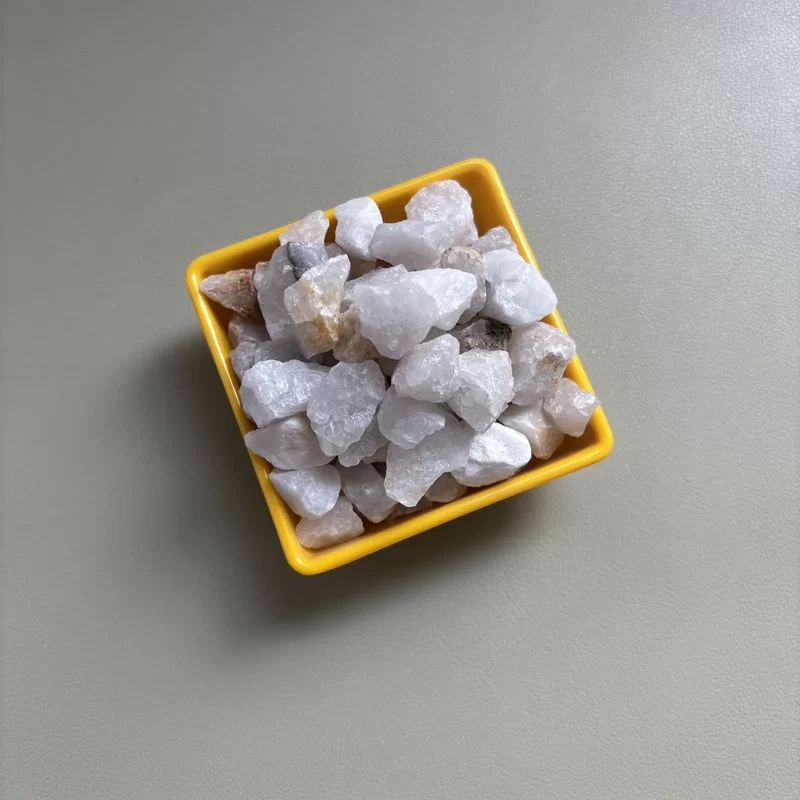
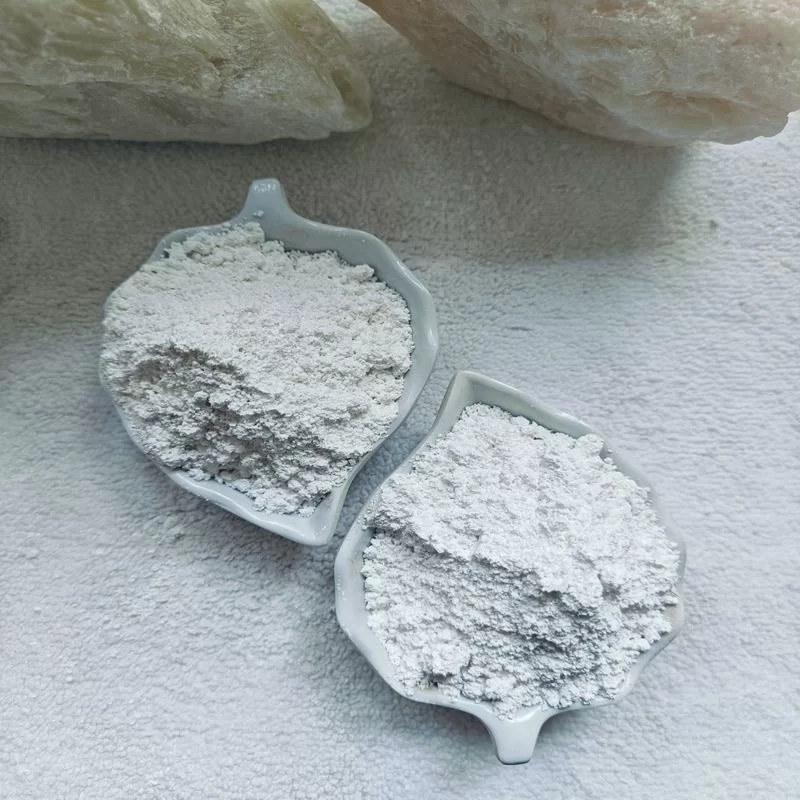
Semi-refined quartz sand is particularly suitable for ceramic glazes, greenware production, and precision casting. Compared to ordinary quartz sand, it offers advantages in whiteness and composition consistency, better meeting the requirements for raw material appearance and performance stability in related production processes.
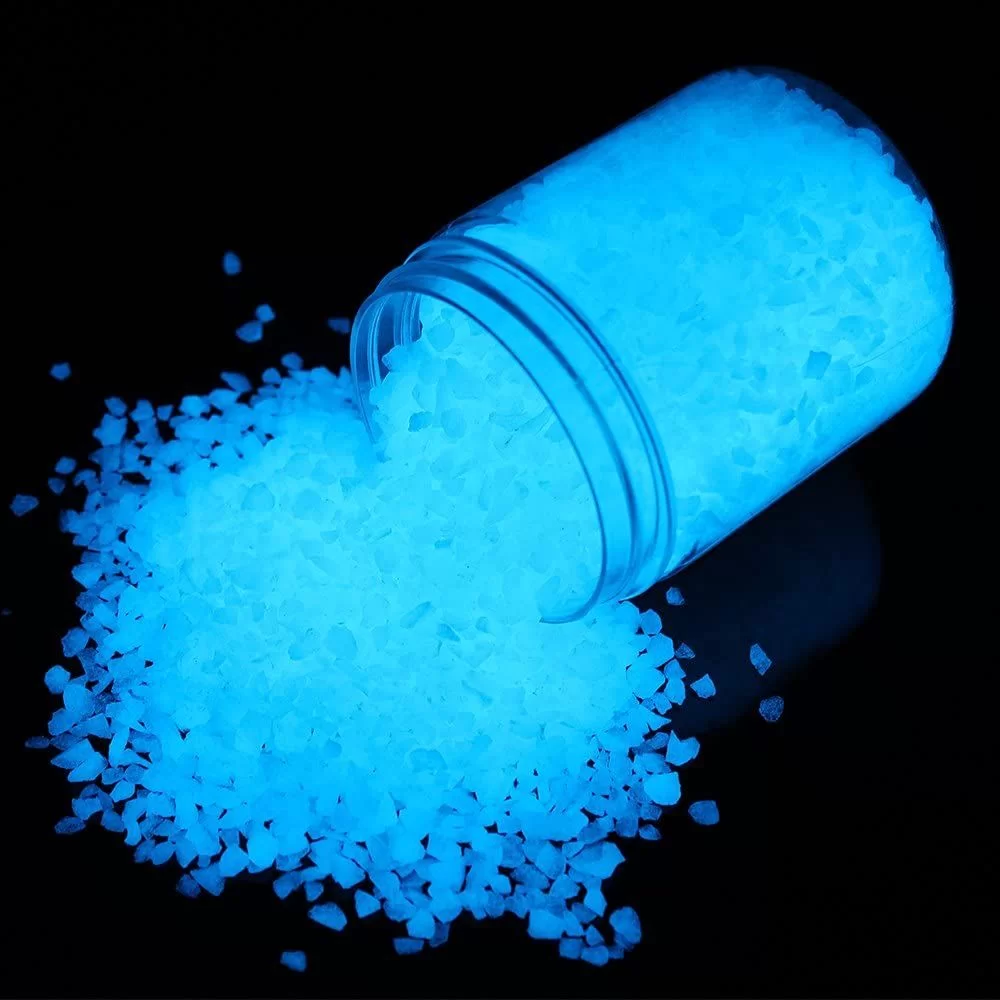
As functional decorative materials, glass-based luminous stones are crafted by fusing high-quality rare earth long-lasting luminous materials with glass substrates using special processes (such as high-temperature sintering or melting). They preserve glass’s crystal-clear appearance and hard texture, while being granted the distinctive property of self-luminating after dark—showcasing a clear, cool, and highly contemporary optical effect. They are extensively utilized in garden road paving, wall guidance signs, safety warning lines, water feature design, kitchen countertops, bathroom walls, and lobby feature walls.
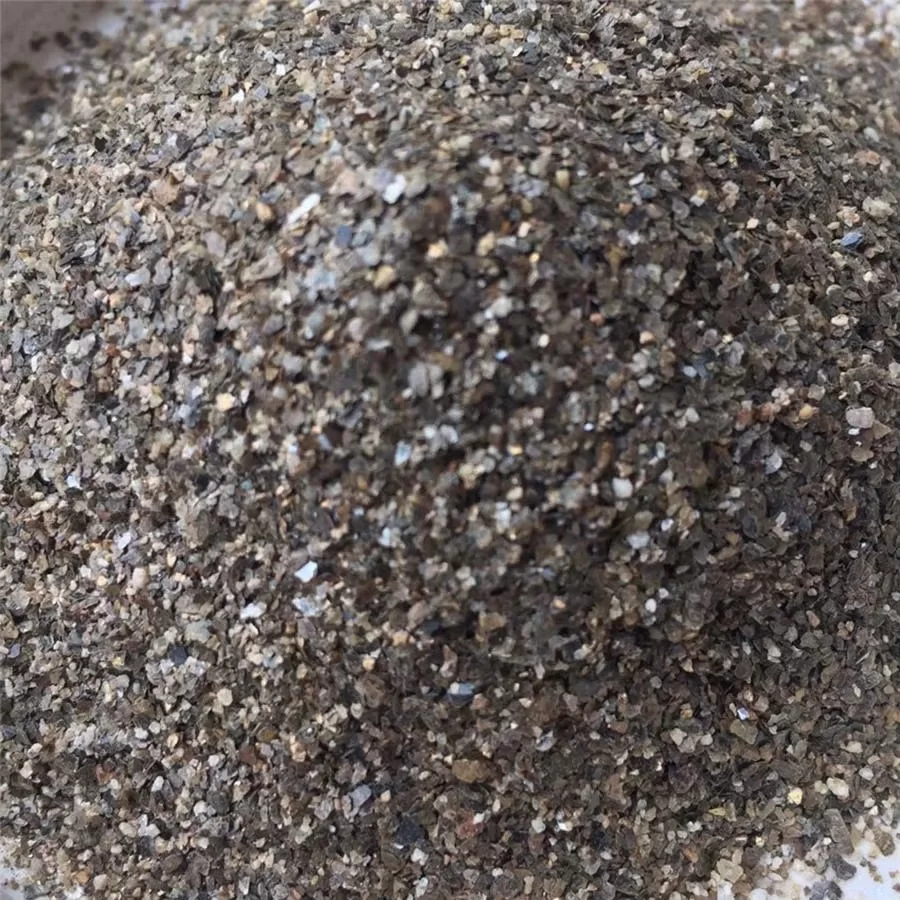
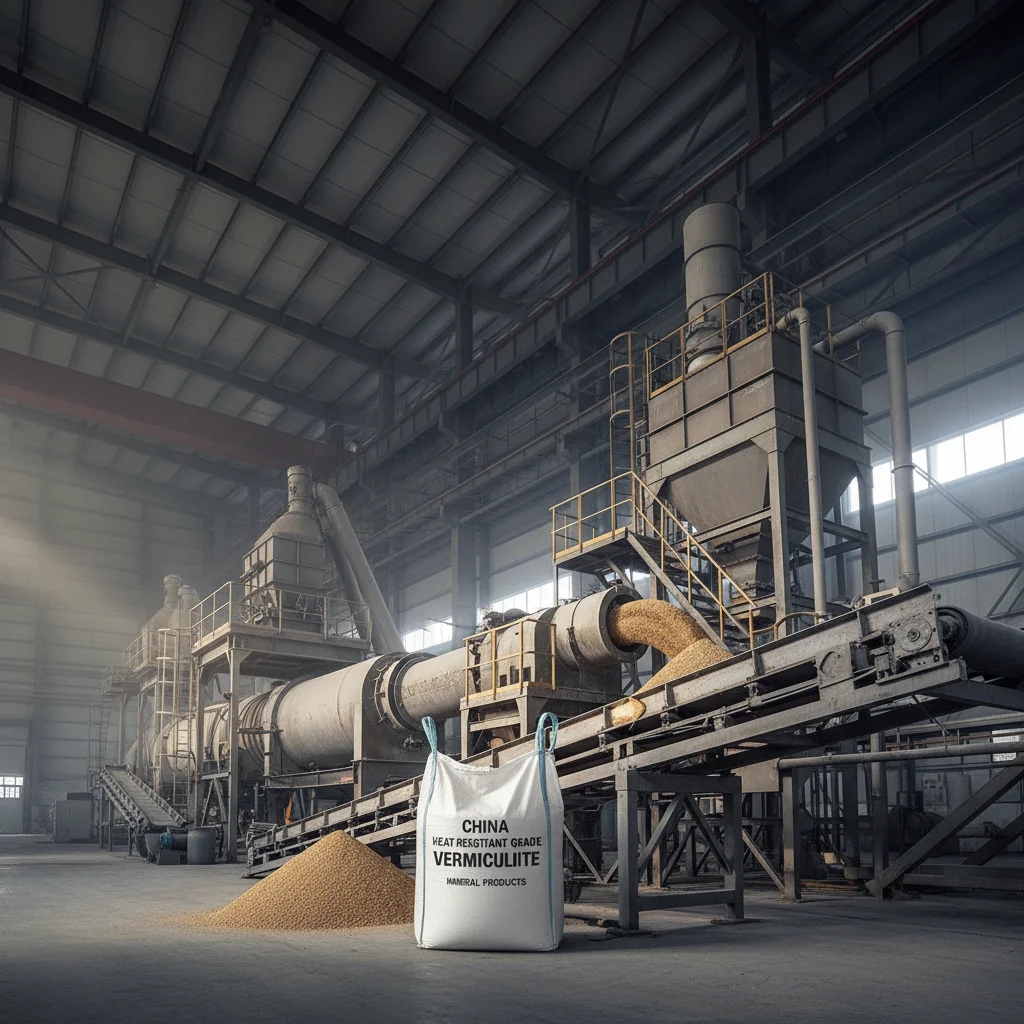
Raw vermiculite is a natural, layered silicate mineral, typically appearing as brownish or golden flakes. It’s lightweight, absorbent, and heat-resistant, widely used in horticulture (soil amendment), construction (insulation), and packaging (cushioning), with good expandability when heated.
Naki Bentonite excels as a multi-functional material. It purifies water by adsorbing impurities, stabilizes drilling wells, and enhances soil quality—all thanks to its superior swelling and adsorption capabilities.
Light calcium carbonate usually appears in spindle or needle-like shapes with a narrow particle size distribution. It features uniform particles, high whiteness, large sedimentation volume, low oil absorption value, good dispersibility, and high chemical purity. These properties enable it to be widely used in numerous industrial fields, such as plastics, rubber, papermaking, and coatings.
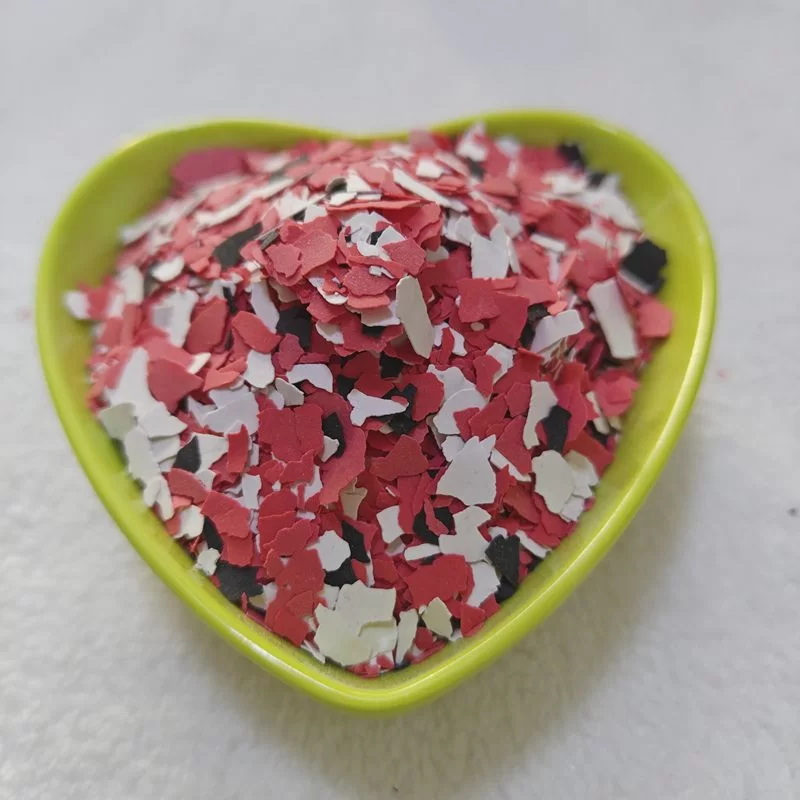
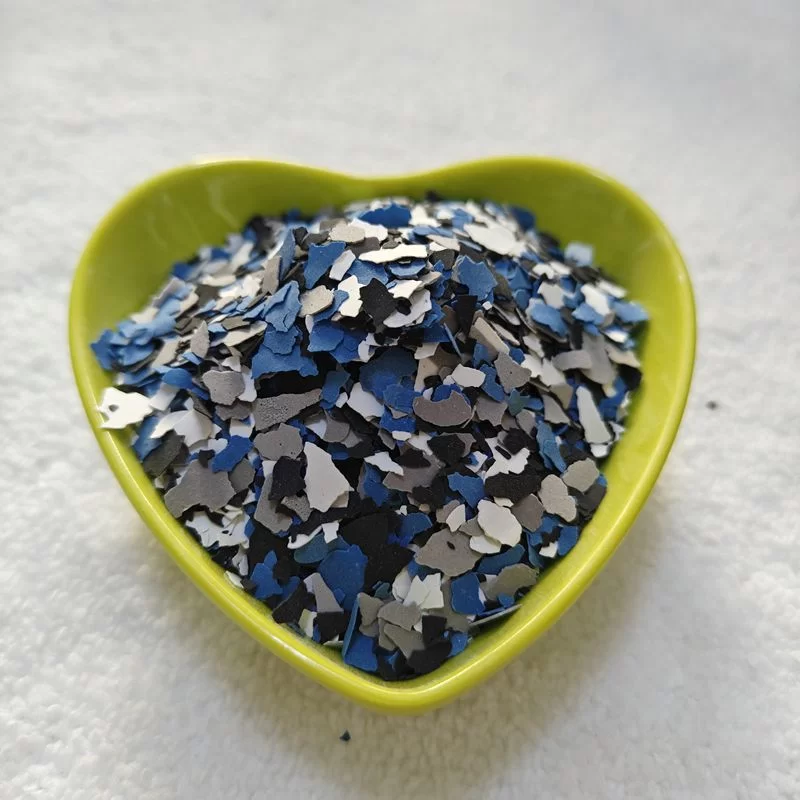
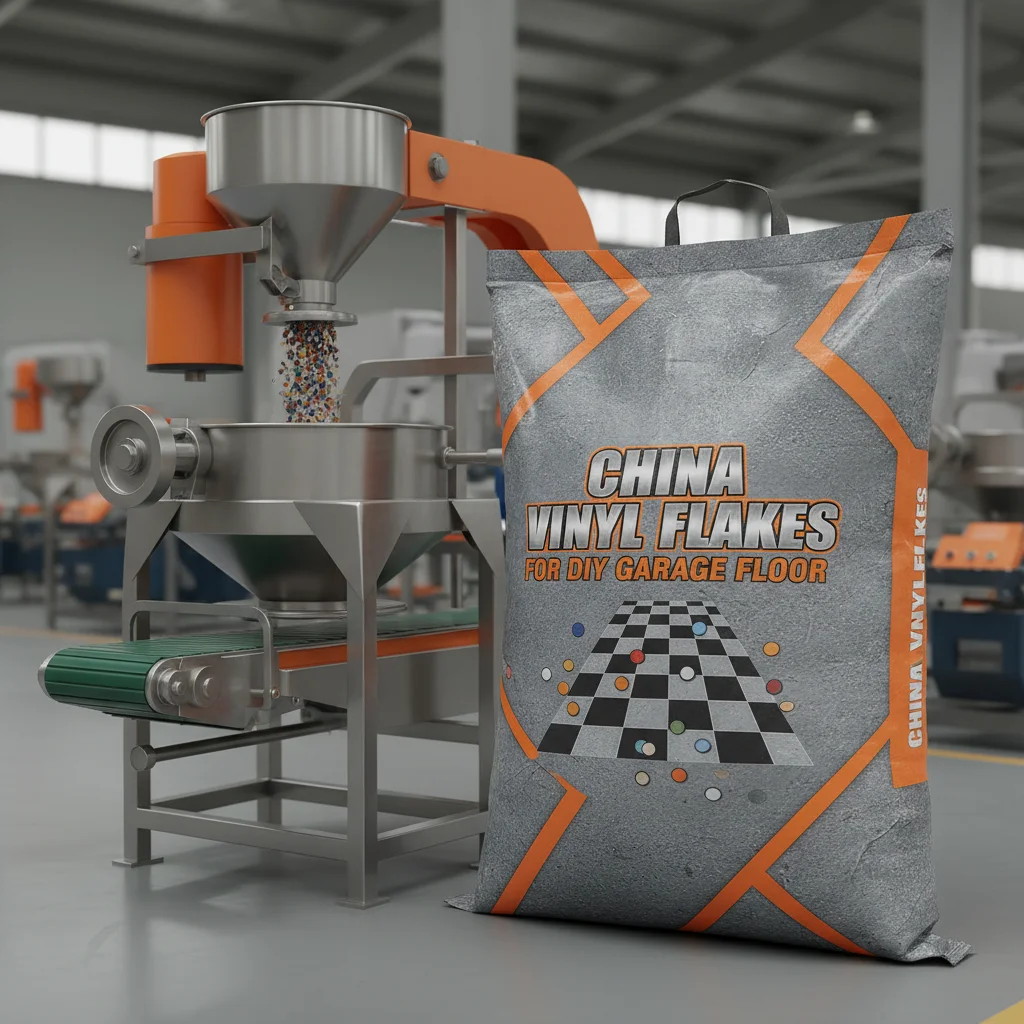
High-performance colored flakes specifically engineered for architectural coatings. Exceptional fade resistance and durability in harsh environmental conditions.Naturally dyed rock flakes, environmentally friendly, and available in custom colors.
Environmentally friendly composite flakes for green building projects. Low VOC, water-based formulation with excellent coverage and application properties. LEED compliant.
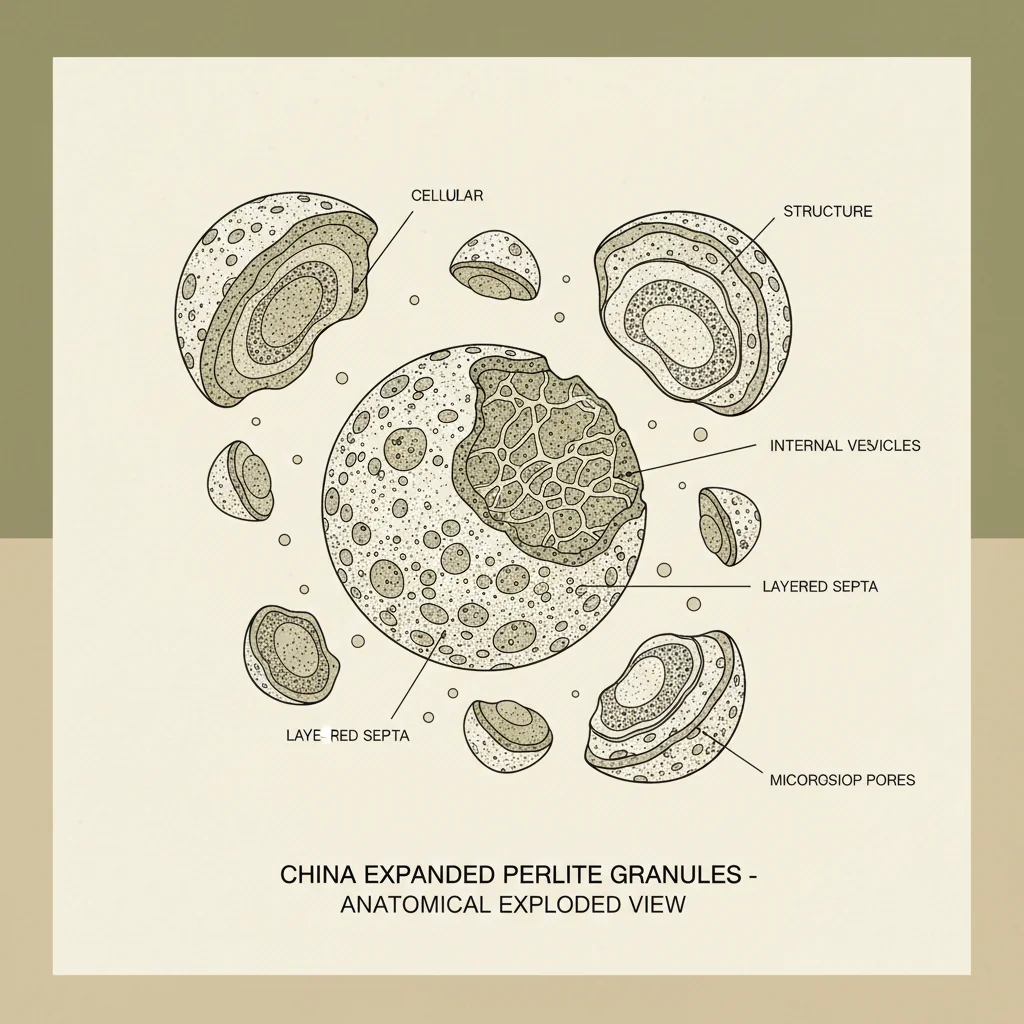
Discover the versatility and benefits of China expanded Perlite Granules for construction, horticulture, and industrial applications. Learn about its properties, advantages, and future trends.
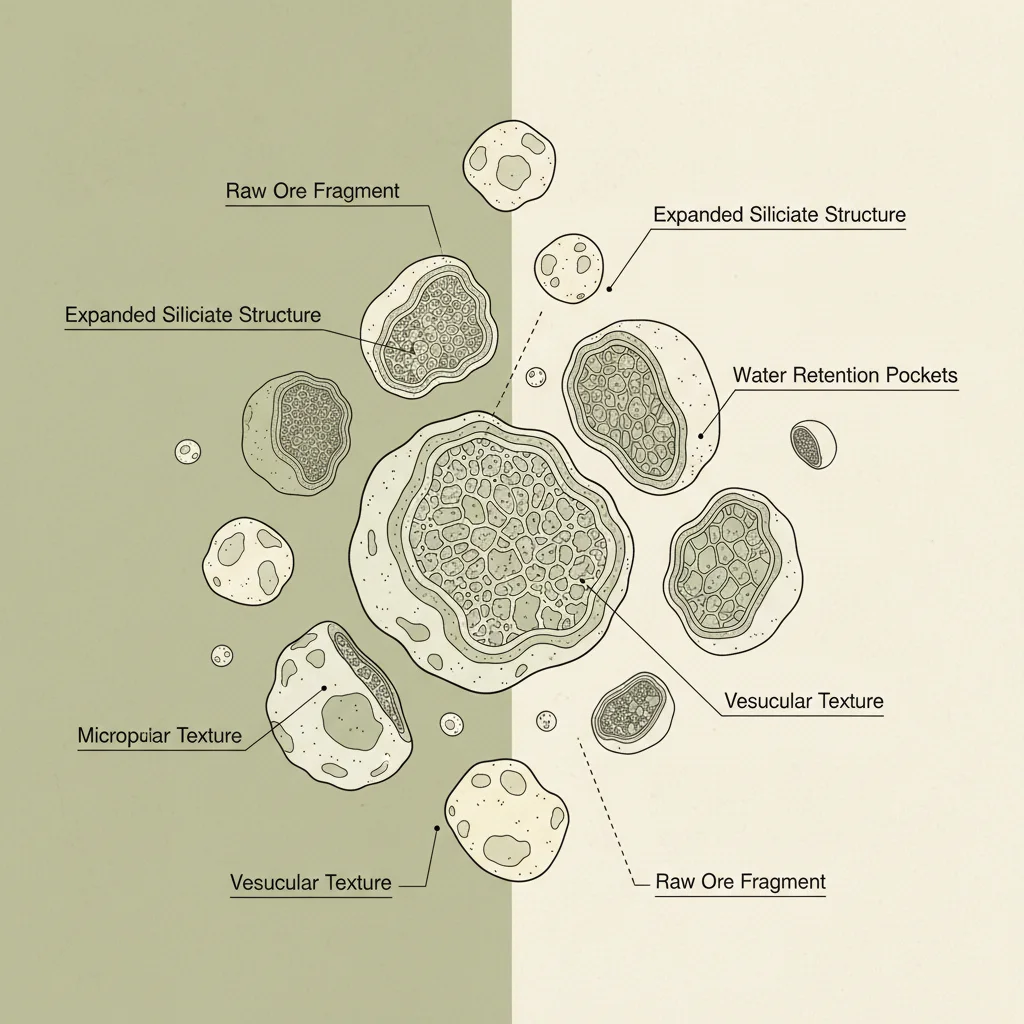
Discover the benefits of China raw Ore Agricultural Perlite Granules for improving soil health, boosting crop yields, and promoting sustainable farming practices. Learn about applications in hydroponics and gardening.



If you are interested in our products, you can choose to leave your information here, and we will be in touch with you shortly.